One of the 6 macaques on WAnimals
Mammals · Primates · Cercopithecidae
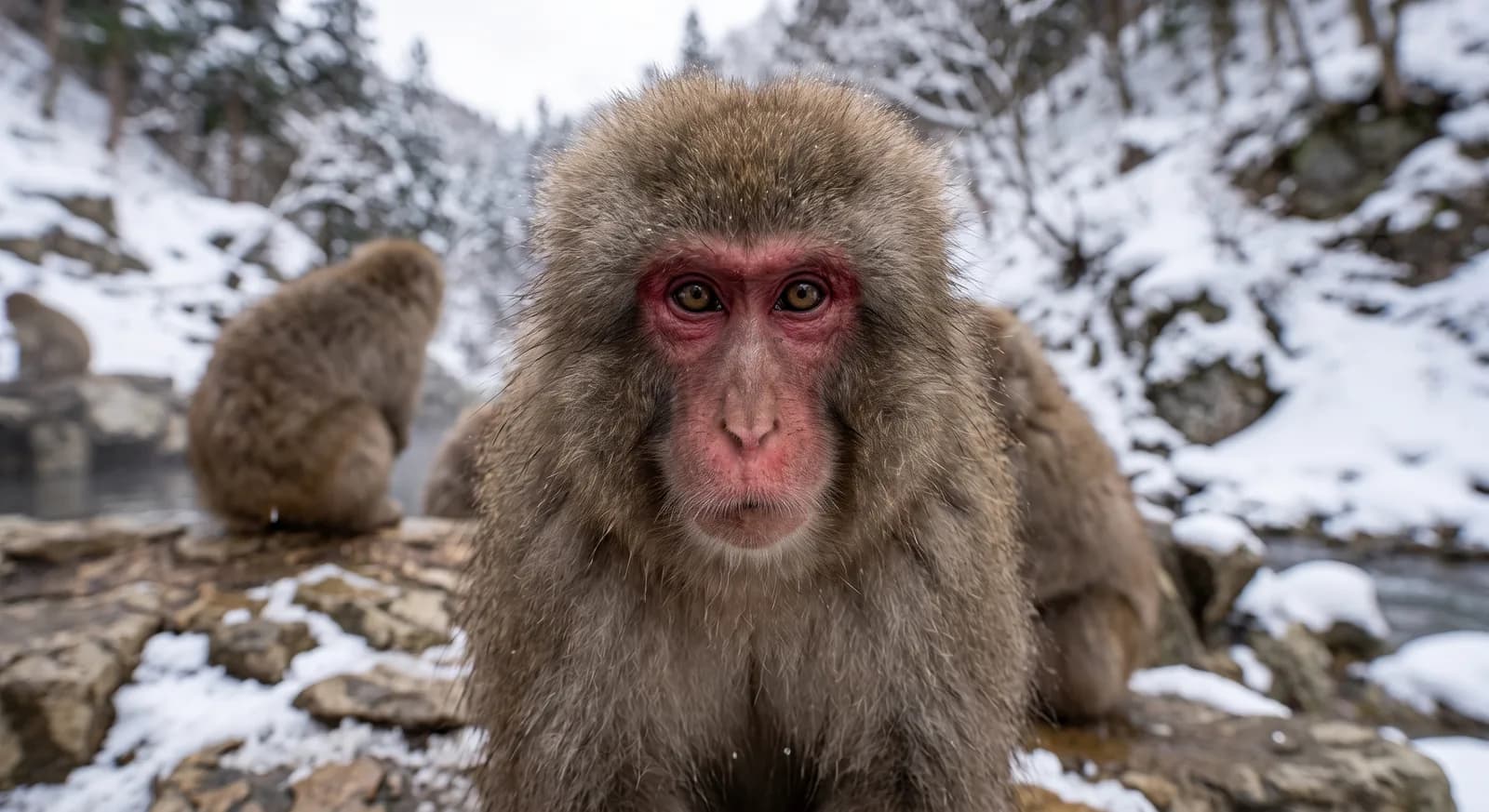
Japanese Macaque
Macaca fuscata
The species is abundant and widely distributed; it faces no significant short-term risk. See full glossary
It is the northernmost naturally occurring non-human primate on the planet, popularly known as the snow monkey for its habit of bathing in hot springs through the freezing Japanese winter. It lives in stable matrilineal societies.
Weight
540 g – 11 kg
Size
47 cm – 60 cm
Lifespan
6 years
Diet
Omnivore
Combines animal and plant food depending on availability.
Activity
Diurnal
Active mainly during the day.
Social structure
Family group
Lives in small family groups with close bonds.
Sighting difficulty
Easy
Fun facts
- It is the northernmost naturally occurring non-human primate on the planet.
- It bathes in hot springs through the winter, which earned it the nickname of snow monkey.
- It lives in matrilineal societies in which females stay in the group they were born into for life.
- comportamientoSome populations deliberately bathe in hot springs through the winter, a learned behaviour passed culturally from one generation to the next.
Life cycle & biology
- Skeleton type
- Vertebrate - internal bony skeleton (mammal)
- Habitat & environment
- Subtropical and subalpine deciduous and evergreen forest of Honshu, Shikoku and Kyushu, Japan
- Birth weight
- 539.7 - 548.8 grams
- Size at birth
- Well developed at birth, able to cling to its mother's fur at once
- Sexual maturity
- Female: 3.5-5 years | Male: 4.5-6 years
- Gestation / incubation
- ~172 days (a range of 157-188.5 days)
- Litter / clutch size
- 1 young (twins rare, 1 birth in 488)
- Lifespan in captivity
- Documented record of up to 38.5 years in captivity
Sources consulted: Animal Diversity Web; AnAge; Japan Nature Guides; The Animal Facts; SpiderZoon; Texas Tech Mammals of Texas; PMC
Where to find it
See its range on the interactive mapWhere to watch it
Parques y spots de buceo donde se ha documentado esta especie — se muestran 10 de 18 documentados.
Related species
Other species in the catalogue with the most in common with Japanese Macaque — same habitat, park, country, tags or family.
 Least Concern
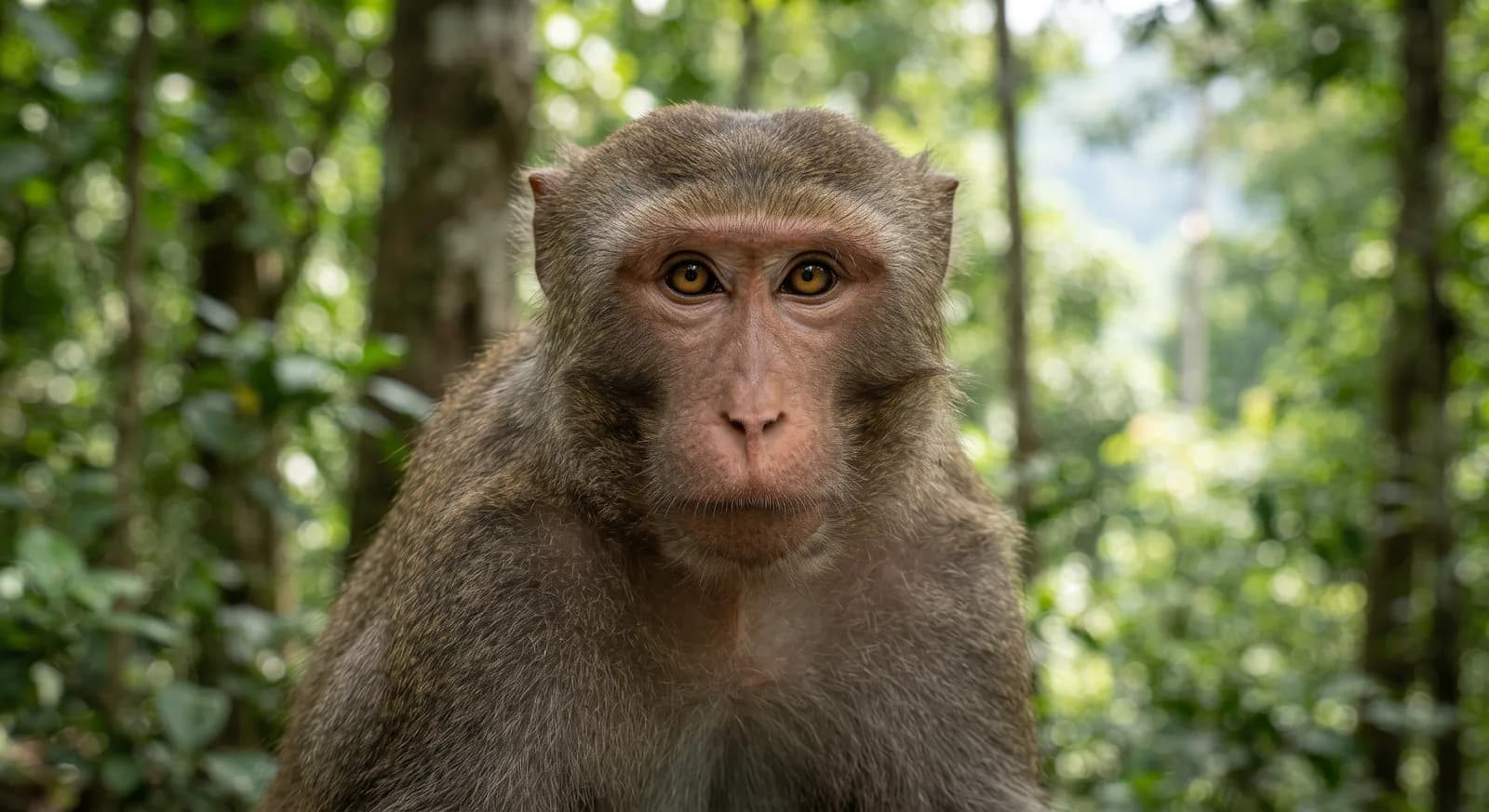
Rhesus Monkey
Macaca mulatta
Japanese Serow
Capricornis crispus
Southern Pig-tailed Macaque
Macaca nemestrina
Golden Snub-nosed Monkey
Rhinopithecus roxellana
Assamese Macaque
Macaca assamensis
Black Snub-nosed Monkey
Rhinopithecus bieti
Keep exploring
Based on what we already know about japanese macaque.
Comments
Share an experience, a fun fact or a tip for seeing the japanese macaque.
Be the first to comment.