One of the 9 langurs on WAnimals
Mammals · Primates · Cercopithecidae
Black Snub-nosed Monkey
Rhinopithecus bieti
It faces a very high risk of extinction in the wild in the near future. See full glossary
The black snub-nosed monkey, or Yunnan golden monkey, lives in the fir forests of the mountains between the Yangtze and the Mekong, in south-western China. It is black and white, with very striking pink lips and the same flattened nose as its relatives. It is the non-human primate that lives at the greatest altitude in the world. Its diet is based almost entirely on the lichens that hang from the old firs, a food so poor and so slow-growing that each group needs an enormous territory.
Weight
9 kg – 17 kg
Size
50 cm – 83 cm
Lifespan
25 years
Diet
Omnivore
Combines animal and plant food depending on availability.
Activity
Diurnal
Active mainly during the day.
Sighting difficulty
Hard
Estimated population
Some 3,000 individuals spread across about twenty groups
Fun facts
- It is the non-human primate that lives at the greatest altitude on the planet: it has been recorded above 4,500 metres, among snow and fir trees.
- It depends on the lichens that hang from mature firs, which take decades to grow: that is why it cannot survive in logged and replanted forest, however green it turns again.
Life cycle & biology
- Skeleton type
- Vertebrate - internal bony skeleton (mammal)
- Habitat & environment
- High-mountain conifer forest of the eastern Himalaya, between 3,000 and 4,700 metres
- Sexual maturity
- 2.1 years
- Gestation / incubation
- 5.6 months
- Litter / clutch size
- 1
Sources consulted: https://es.wikipedia.org/wiki/Rhinopithecus_bieti
Where to watch it
Parks and dive sites where this species has been documented.
Related species
Other species in the catalogue with the most in common with Black Snub-nosed Monkey — same habitat, park, country, tags or family.
Southern Pig-tailed Macaque
Macaca nemestrina
Golden Snub-nosed Monkey
Rhinopithecus roxellana
Phayre’s Leaf-monkey
Trachypithecus phayrei
 Endangered
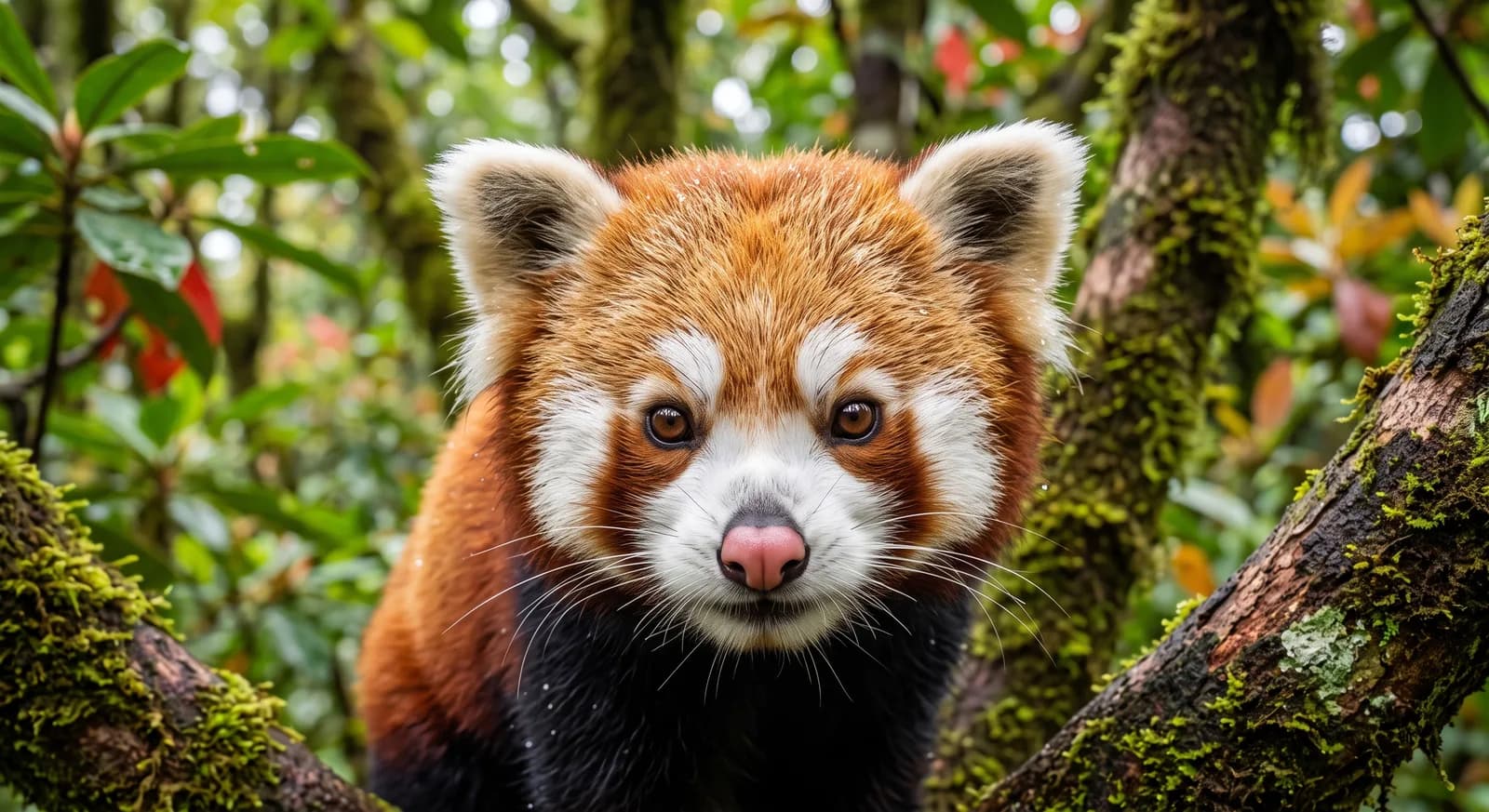
Red Panda
Ailurus fulgens
 Endangered
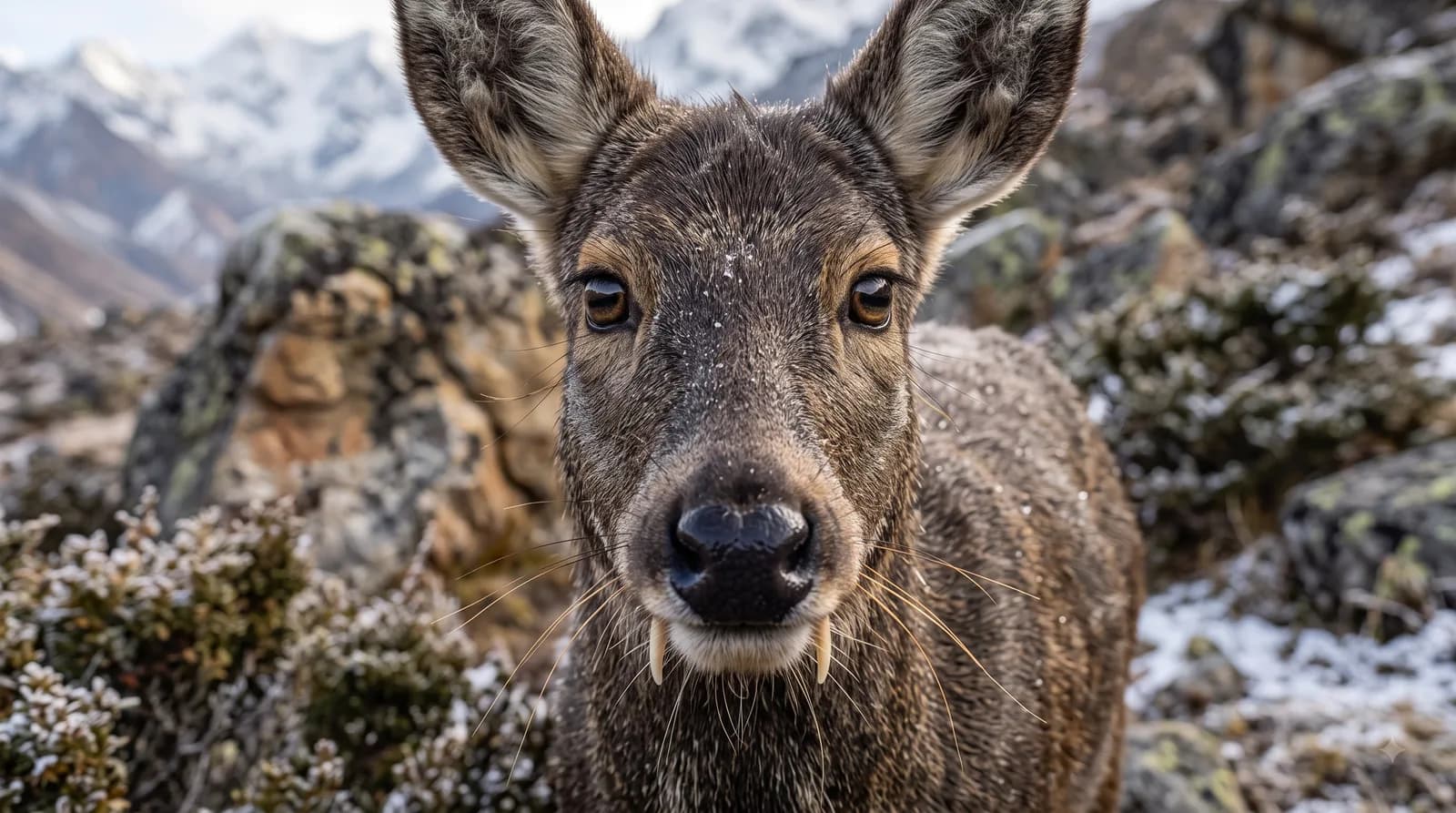
Alpine Musk Deer
Moschus chrysogaster
 Least Concern
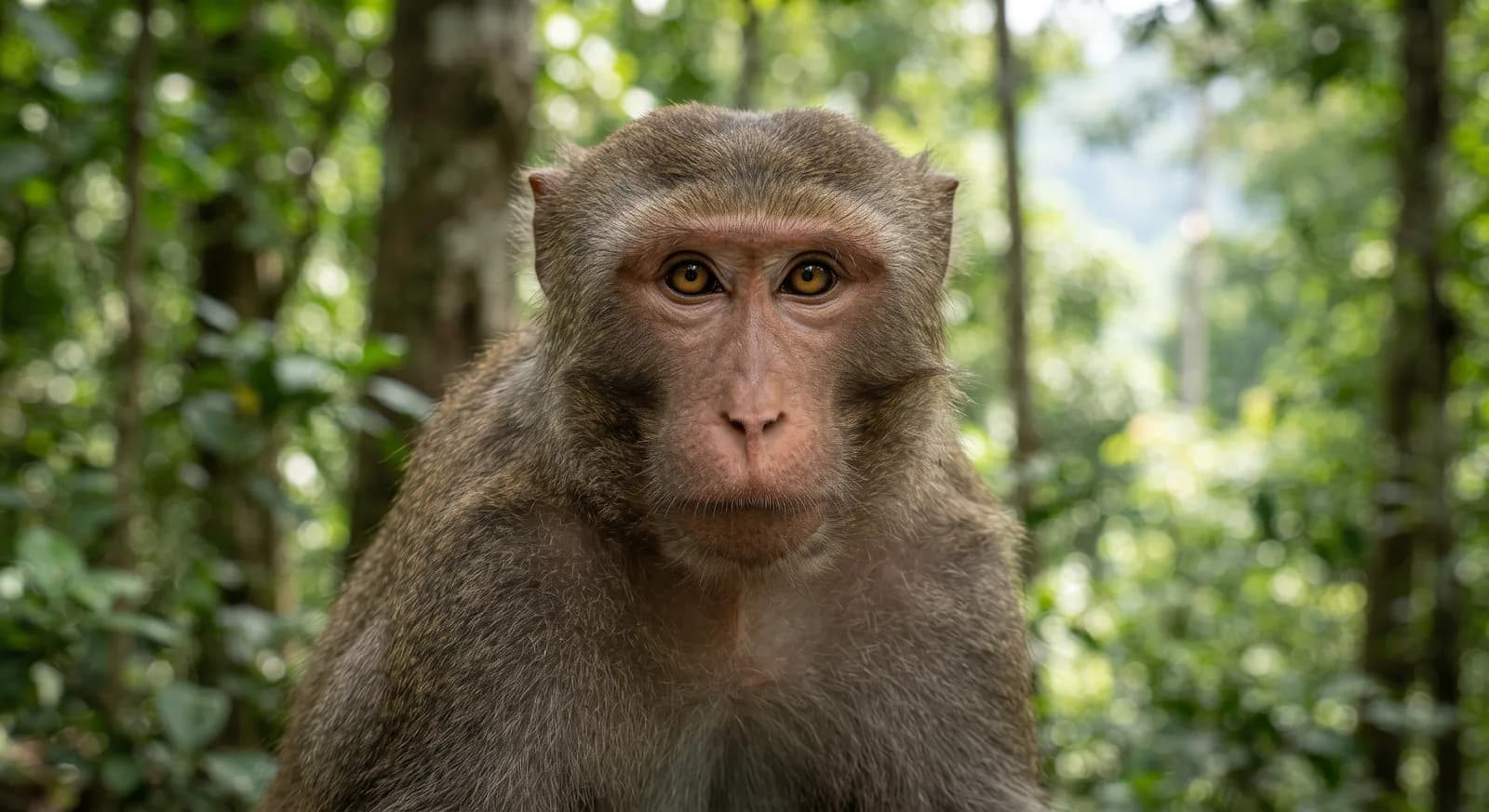
Rhesus Monkey
Macaca mulatta
How to help
The black snub-nosed monkey is classified as endangered. Organizations such as UICN, WWF y Wildlife Conservation Society work specifically on its conservation and that of its habitat; looking into their programs is a good starting point if you want to get involved.
It's documented in 1 real protected area — part of why protecting these places matters for its conservation.
Keep exploring
Based on what we already know about black snub-nosed monkey.
Comments
Share an experience, a fun fact or a tip for seeing the black snub-nosed monkey.
Be the first to comment.