Species group · Mammals
Langurs
WAnimals has 9 species of langur, all in the family Cercopithecidae.
- 9 species
- 1 family
- 19 countries
- 58 parks
- Weight
- 5 kg – 20 kg
- Length
- 42 cm – 83 cm
- Lifespan
- 20 – 25 years
Ranges calculated from the entries that record the figure, not from all 9.
All 9 species of langurs on WAnimals
Each one has its own full entry. This group does not replace them: it brings them together.
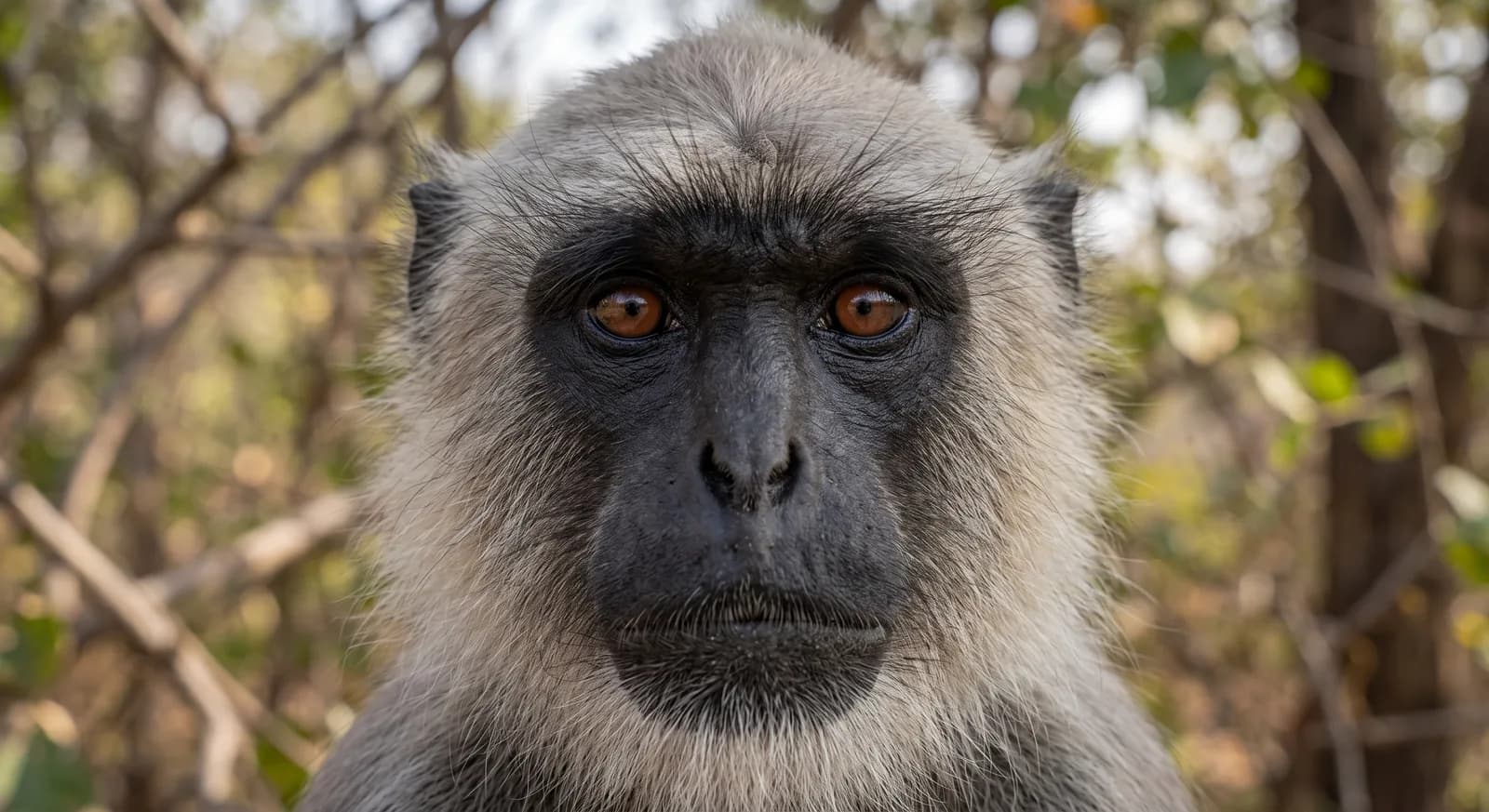 Least Concern
Northern Plains Gray Langur
Semnopithecus entellus
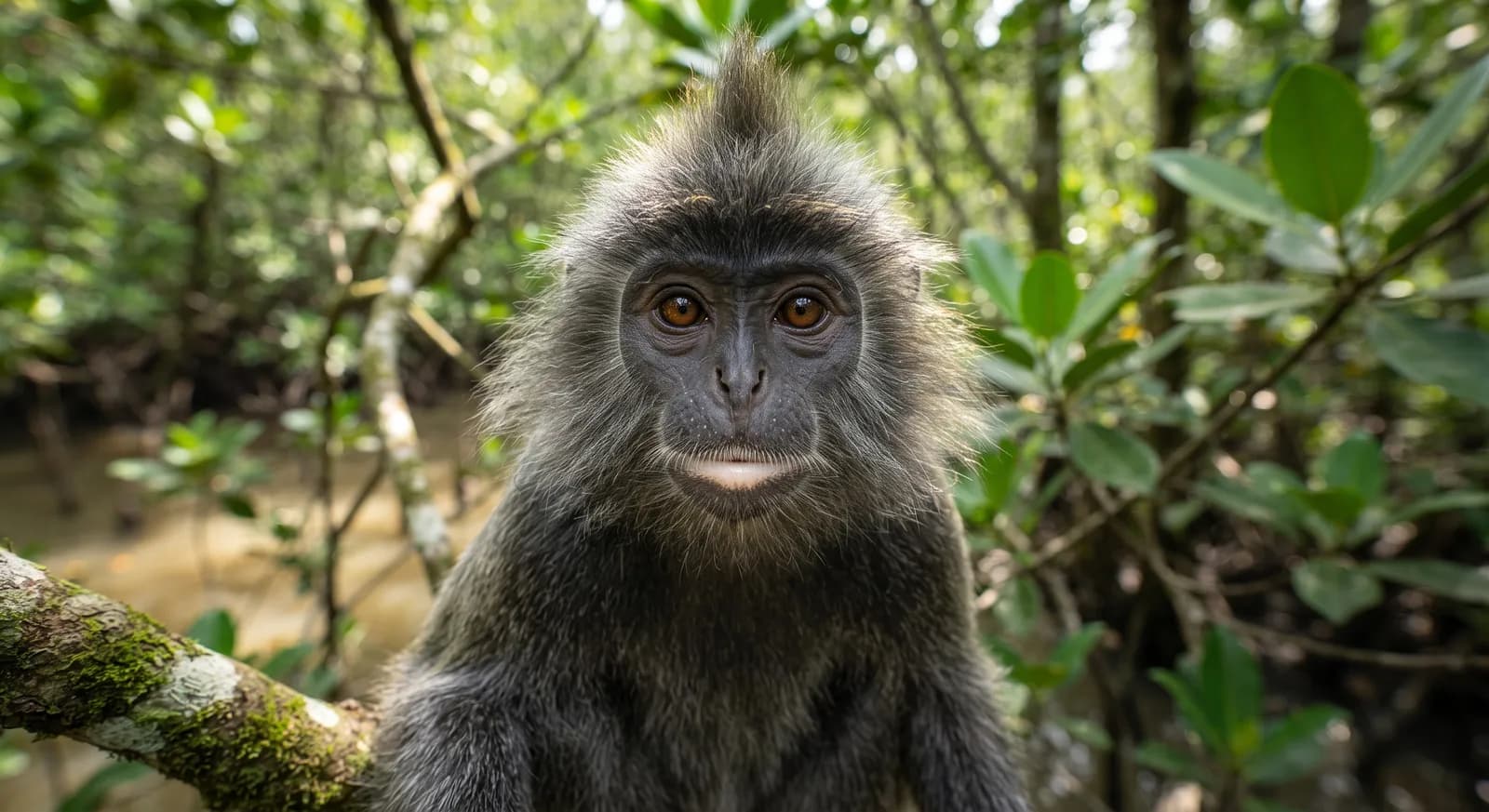 Vulnerable
Silvery Lutung
Trachypithecus cristatus
Phayre’s Leaf-monkey
Trachypithecus phayrei
Nilgiri Langur
Semnopithecus johnii
Golden Snub-nosed Monkey
Rhinopithecus roxellana
Javan Surili
Presbytis comata
Hatinh Langur
Trachypithecus hatinhensis
Black Snub-nosed Monkey
Rhinopithecus bieti
Thomas’s Langur
Presbytis thomasi
Conservation status
8 especies in this group están en alguna categoría de riesgo real según la UICN.
See the global conservation statusWhere they live
Recorded in 19 countries. The ones with the most species in the group:
Where to see them
Did you know…
Legend explains the black markings on its face and hands as scars from the burns Hanuman suffered.
It eats leaves, fruit, seeds and flowers.
It lives in a wide range of habitats across southern Asia, including large cities.
Its young are born a striking bright orange, very different from the silvery grey of the adult.
From Silvery Lutung
It has a multi-chambered stomach, much like a ruminant's, for digesting fibrous leaves.
From Silvery Lutung
It lives in coastal forest and mangrove of the Malay Peninsula, Sumatra and Borneo.
From Silvery Lutung
The white rings around its eyes and lips give it the look of wearing glasses and a mask that makes it unmistakable among the Asian langurs.
From Phayre’s Leaf-monkey
Its young are born a bright golden orange that contrasts with the grey of the adults, and every female in the group takes part in looking after them, a strongly marked form of cooperative care in this species.
From Phayre’s Leaf-monkey