Philippines
Asia
The Philippines is an archipelago of more than seven thousand islands that were never continuously joined to the continent, which has produced an extraordinary degree of endemism: most of its land mammals and a huge share of its birds and reptiles exist nowhere else. Each island or group of islands works as an independent evolutionary experiment. The country is part of the Coral Triangle and its waters, among them the Tubbataha atoll, rank among the richest on the planet in marine species. Palawan, with its underground river and its forests, keeps fauna of Bornean affinity, while Mindanao and Luzon hold mountain forests with unique species. It is at once one of the richest and one of the most threatened biodiversity hotspots in the world.
The nature of Philippines
National animal: The carabao is the national animal and the Philippine eagle the national bird
Did you know?
The Philippine eagle is one of the largest and most powerful raptors in the world, with a two-metre wingspan and a crest of feathers it raises like a mane. Each pair needs thousands of hectares of forest and raises a single chick every two years, which makes its recovery painfully slow. It is the country's national bird, and killing one carries a prison sentence.
Biodiversity profile
Climate
- •Tropical monzonico (Am) y de sabana (Aw), con tifones frecuentes, calido y humedo todo el año
Main biomes
- •Selva tropical humeda (dipterocarpaceas)
- •Bosque montano y de niebla
- •Manglares costeros
- •Arrecifes de coral (parte del Triangulo de Coral)
- •Selva tropical insular
- •Arrecife del Triángulo de Coral
- •Bosque de montaña
- •Karst con río subterráneo
- •Manglar costero
- •Lago volcánico
- •Bosque sobre ultramáficas
Marine and coastal ecosystems
- •Triangulo de Coral ("Amazonas de los mares"), con cerca de 600 especies de coral y 2.000 especies de peces
- •Extensos manglares costeros
Flagship wildlife
- •Aguila filipina (una de las aguilas mas grandes del mundo, ave nacional)
- •Tarsero filipino (primate diminuto de grandes ojos)
- •Búfalo pigmeo tamaraw (endemico de Mindoro)
- •Cocodrilo filipino
- •Tamaraw
- •Carabao
- •Dugongo
- •Tiburón ballena
- •Cálao de Rufous
- •Ciervo ratón de Filipinas
- •Tortuga carey
Notable endemic species
- •Mas del 60% de las especies de vertebrados del pais son endemicas
- •Mas de 3.000 especies de plantas endemicas de un total de 50.000+ especies vegetales
- •Aguila filipina, tarsero filipino y tamaraw como especies bandera endemicas
- •Mt. Makiling (Laguna) alberga mas especies de arboles que todo EEUU continental
- •Águila filipina
- •Tamaraw
- •Tarsero filipino
- •Cocodrilo filipino
- •Rata nube de Luzón
Notable threatened species
- •Aguila filipina (En Peligro Critico)
- •Tamaraw o bufalo pigmeo de Mindoro (En Peligro Critico, poblacion muy reducida)
- •Cocodrilo filipino (En Peligro Critico)
- •Segun evaluacion IUCN 2004: 52% de vertebrados, 68% de invertebrados y 84% de plantas catalogados como altamente amenazados
Notable protected areas
- •Parque Nacional Marino del Arrecife de Tubbataha (Patrimonio Mundial)
- •Parque Nacional del Rio Subterraneo de Puerto Princesa (Patrimonio Mundial)
- •Parque Natural del Arrecife de Tubbataha
- •Monte Apo
- •Parque Natural de la Sierra Madre del Norte
- •Monte Iglit-Baco
- •Isla de Apo
Main conservation threats
- •Seleccion historicamente mas politica que cientifica de las areas protegidas, dejando fuera gran parte de las zonas de mayor biodiversidad
- •Tala ilegal, agricultura migratoria y mineria en zonas de alto valor de conservacion (ej. cordillera de Victoria-Anepahan)
- •Perdida de habitat y sobreexplotacion como principales motores de declive de especies
Notable natural phenomena
- •Tifones tropicales frecuentes que remodelan periodicamente los ecosistemas costeros e insulares
Conservation
The tamaraw, a dwarf buffalo found only on Mindoro, was reduced to little more than a hundred animals and is recovering very slowly. Deforestation cut the country's forest cover from more than two thirds to a minimal fraction during the twentieth century.
Where and when to watch wildlife
Tubbataha between March and June for reefs and sharks. Bohol year-round for tarsiers in sanctuaries. The Sierra Madre and Mindanao for the Philippine eagle with local guides.
Sources: news.mongabay.com - Philippines unprotected hotspots | ScienceDirect - Drivers of extinction risks Philippine hotspot | UNDP - Building Back Biodiversity Philippines | fpe.ph - Hub of Life Philippines
Parks and reserves
Arrecifes de Tubbataha
A virtually pristine atoll at the centre of the Coral Triangle, with the greatest reef biomass in the Philippines.
View parkNational ParkPuerto Princesa Subterranean River
One of the longest navigable underground rivers in the world, with a stretch that flows straight out to sea inside a cave
View parkWorld Heritage Site (Natural)Santuario de Fauna del Monte Hamiguitan
A centuries-old dwarf forest on ultramafic soil, with trees a metre and a half tall, in Mindanao.
View parkMarine Nature ParkTubbataha
An isolated coral reef in the open sea, reachable by boat for only a few months a year
View parkNational ParkBataan
Montane forest on the Bataan peninsula, setting for one of the harshest episodes of the Pacific War.
View parkNature ParkMonte Apo
The highest mountain in the Philippines, a Mindanao volcano with one of the greatest floral diversities in the country.
View parkNature ParkMonte Kanlaon
The most active volcano in the central Philippines, on the island of Negros, with frequent eruptions and montane forest.
View parkNational ParkMonte Pulag
The roof of Luzon, with dwarf bamboo grasslands above the sea of clouds and Cordillera pine forests.
View parkNature ParkMontes Iglit-Baco
The last refuge of the tamaraw, the dwarf buffalo endemic to Mindoro, down to a few hundred animals.
View parkNature ParkSierra Madre Septentrional
The largest protected area in the Philippines, holding the archipelago's last great expanse of lowland rainforest.
View parkDiving and snorkelling
Tubbataha Reefs Natural Park
An atoll in the middle of the Sulu Sea, made up of the North and South reefs plus Jessie Beazley Reef. It is an exceptional example of an all but intact atoll reef, with a vertical wall of some 100 m, extensive lagoons and two coral islands. The landmark sites are Amos Rock, a seamount with hammerheads and eagle rays, Black Rock, the North atoll wall and the manta cleaning stations of the South atoll.
View dive siteReef/ReserveApo Island
A pioneering community marine sanctuary in Asia, with a resident population of green turtles.
View dive siteReef/WallApo Reef Natural Park
The second largest contiguous coral reef in the world after the Great Barrier Reef; remote and pristine.
View dive siteReef/WallMoalboal (Sardine Run)
The sardine shoal lies a few metres from the shore, which turns one of the most spectacular fish aggregations in the world into a dive — or even a snorkel — accessible from the beach. Pescador Island, opposite, is a marine reserve with tunnels, caverns and swim-throughs.
View dive siteMacro photography/ReefAnilao
Regarded as the cradle of Philippine diving and one of the best destinations in the world for macro photography. It is known as the nudibranch capital of the world. It combines muck diving with exposed corner sites in strong current.
View dive siteWreckCoron Bay (wrecks)
On 24 September 1944 the third air group of the American Task Force 38 located a Japanese support fleet that had hidden among the islands of the bay. Twenty-four Helldiver dive bombers, escorted by ninety-six Hellcat fighters, destroyed it in a matter of minutes. Resting there today are, among others, the Akitsushima, the Okikawa Maru, the Irako, the Kogyo Maru, the Olympia Maru, the Taiei Maru, the Kyokuzan Maru, the Terukaze Maru and the gunboat Lusong. The range runs from the gunboat Lusong, which breaks the surface and serves for snorkelling, to the Irako, the deepest recreational wreck, lying at around 43 m.
View dive siteReef/WreckCebú (Mactan Island)
The historic island where Ferdinand Magellan died in 1521, with reefs and wrecks reachable from Cebu City.
View dive siteVolcanic/ReefCamiguin Island
A volcanic island with underwater hot springs and coral reefs in good condition.
View dive siteCold rocky reefBatanes Islands
An outlying archipelago between the Philippines and Taiwan, with colder, rougher water than the rest of the country and little explored.
View dive siteReef/CaveCamotes Islands
A little-visited archipelago between Cebu and Leyte, with coral reefs and freshwater caves on land.
View dive siteEspecies documentadas en Philippines
259 species found
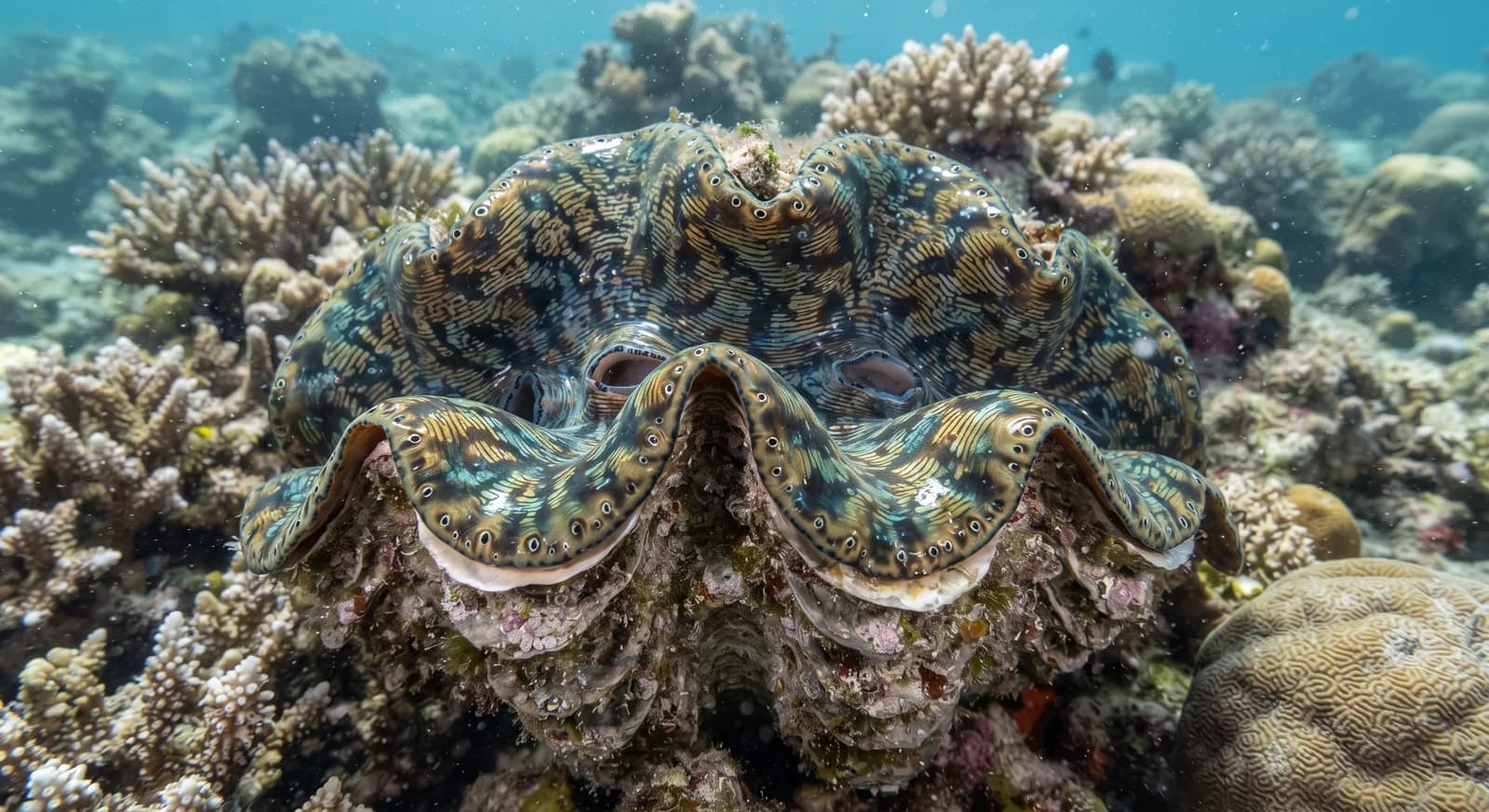 Critically Endangered
Giant Clam
Tridacna gigas
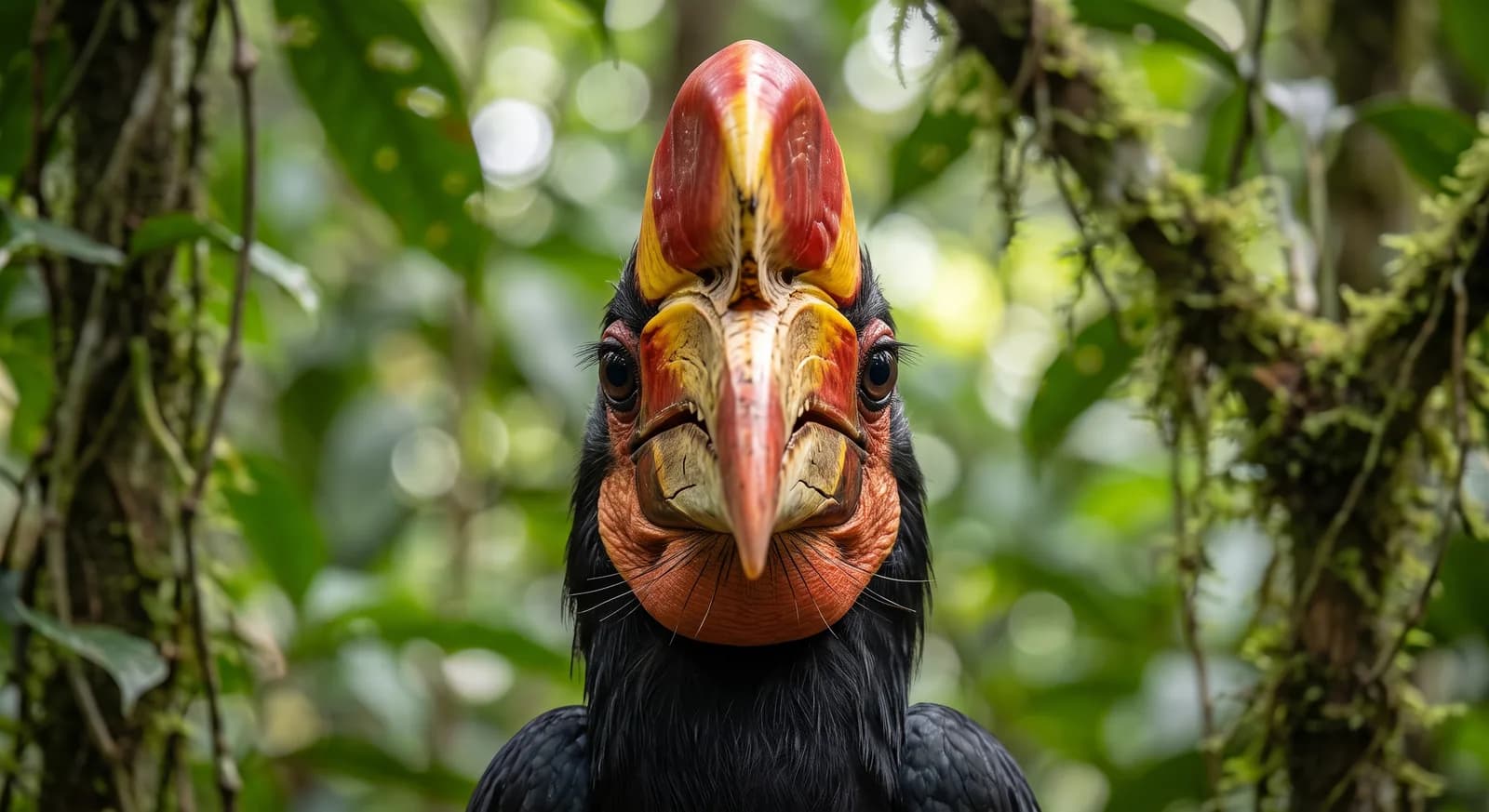 Critically Endangered
Helmeted Hornbill
Rhinoplax vigil
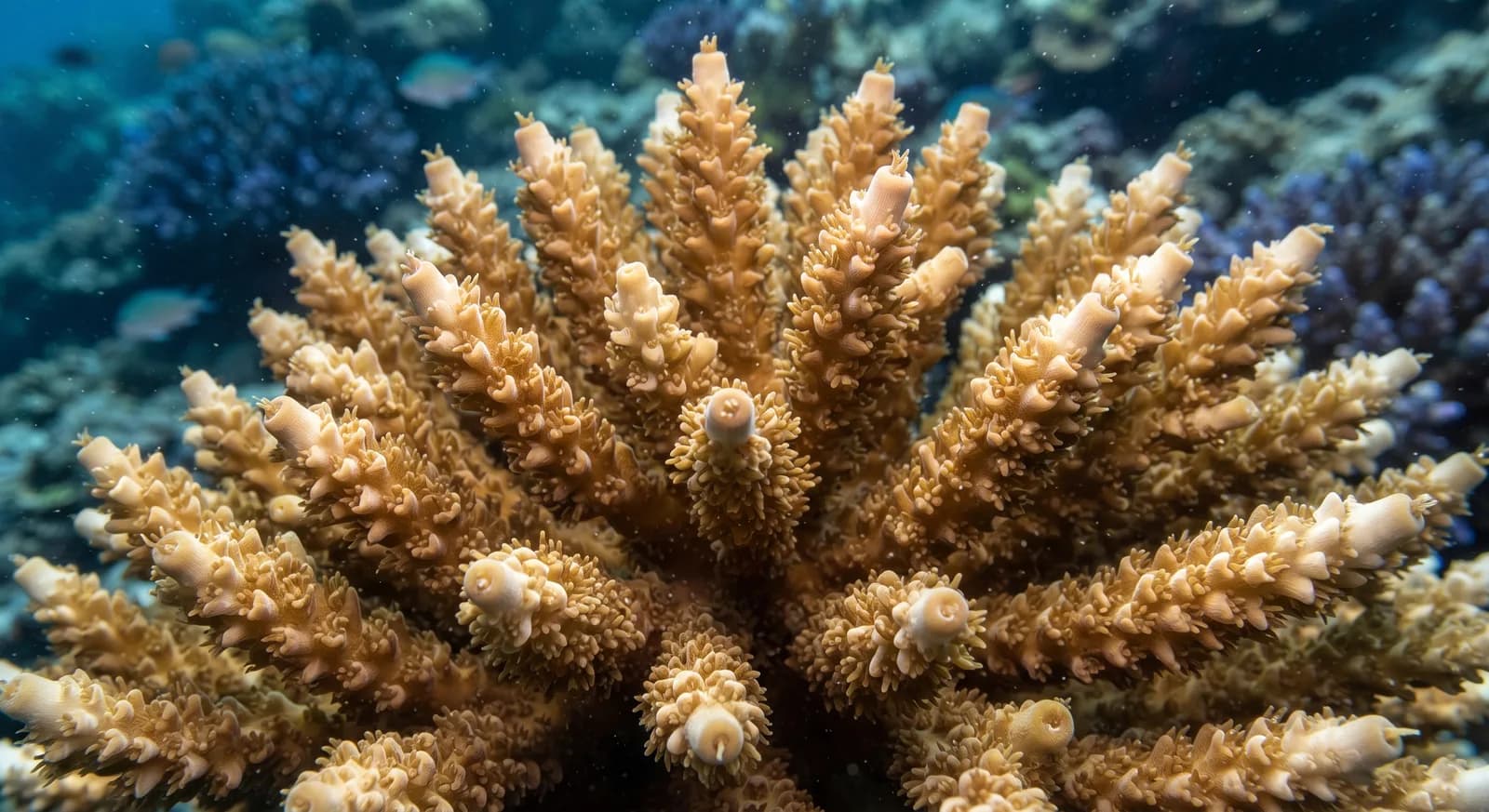 Critically Endangered
Staghorn Coral
Acropora cervicornis
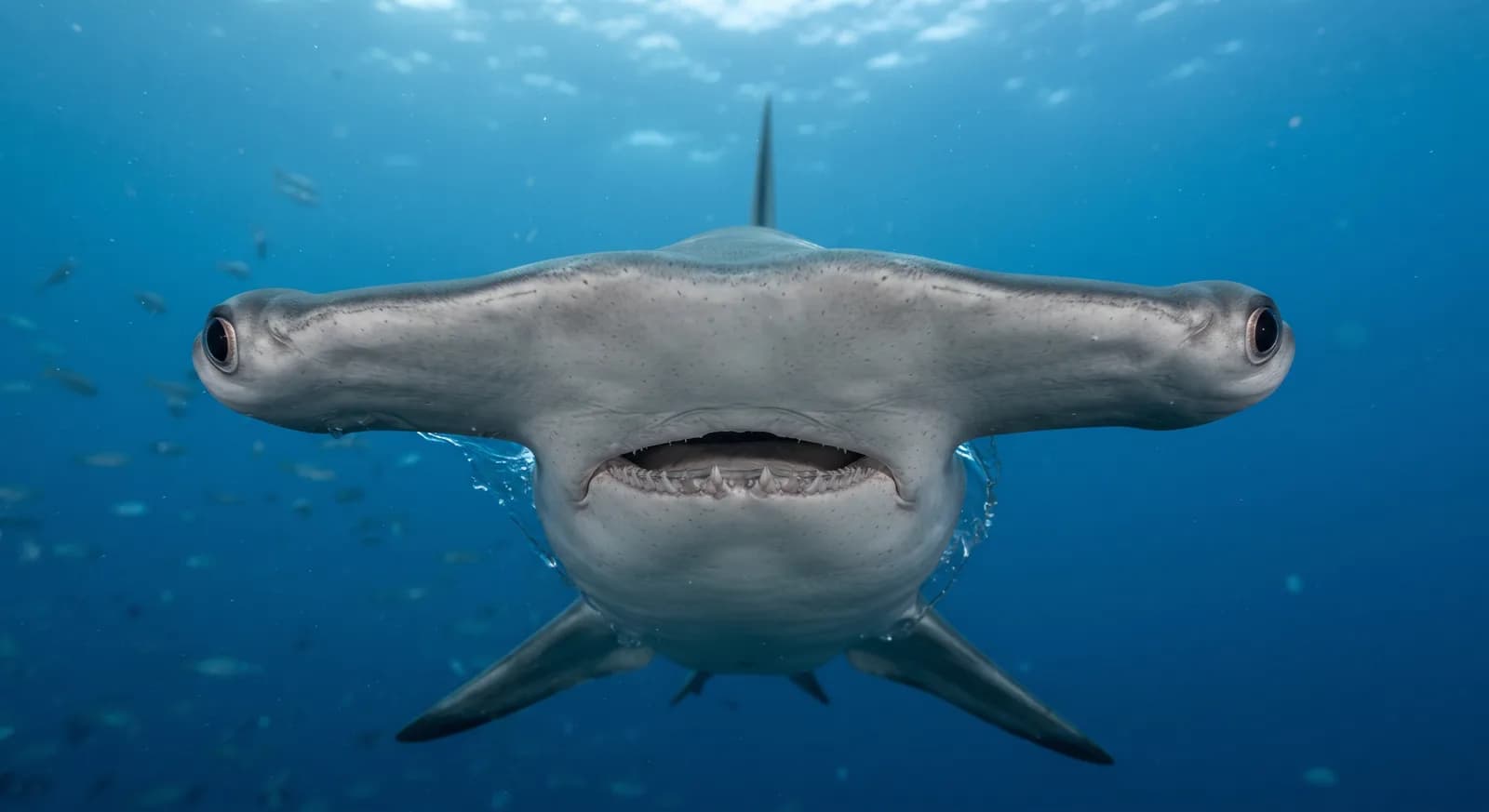 Critically Endangered
Great Hammerhead
Sphyrna mokarran
 Critically Endangered
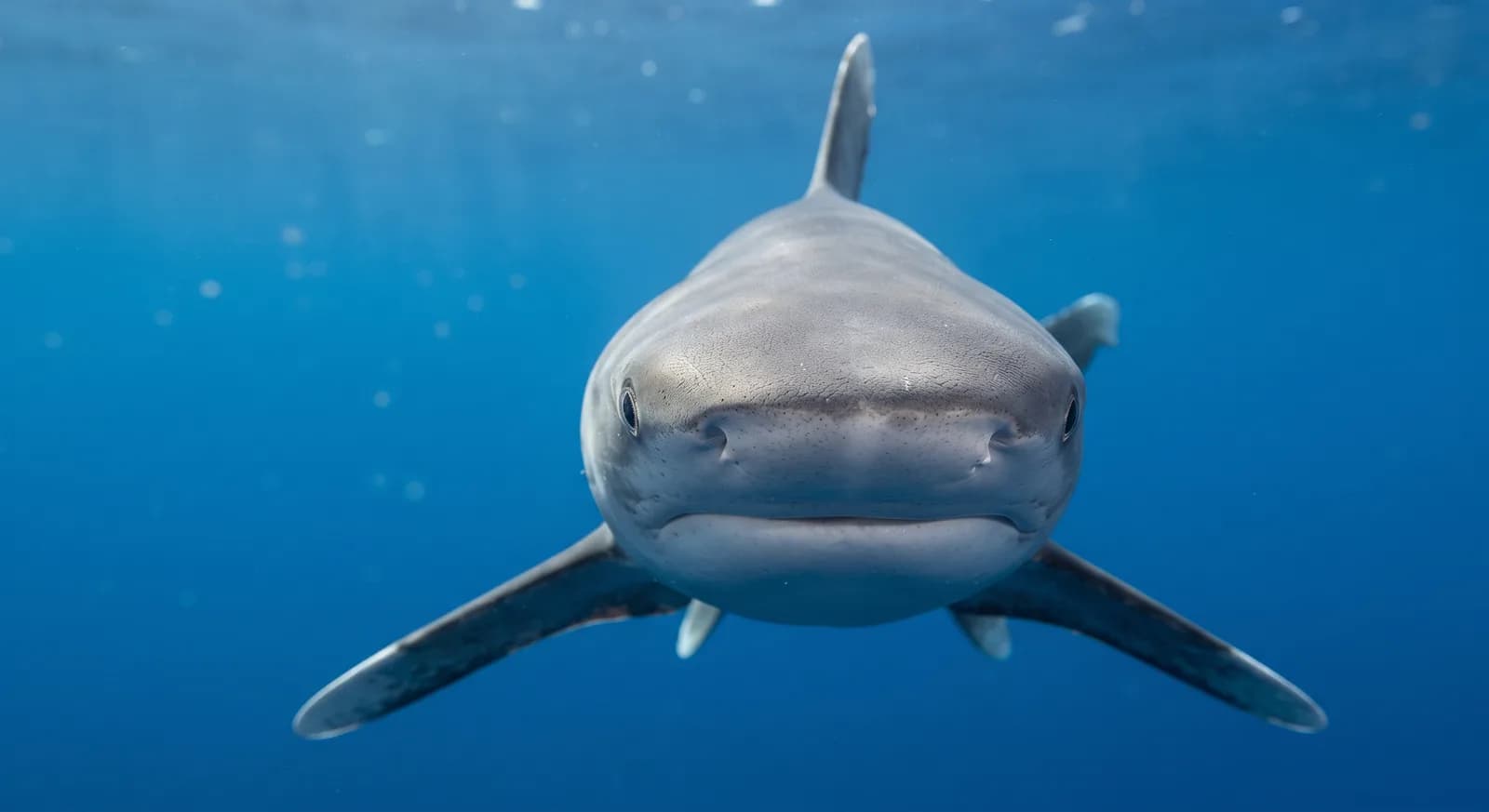
Oceanic Whitetip Shark
Carcharhinus longimanus
 Critically Endangered
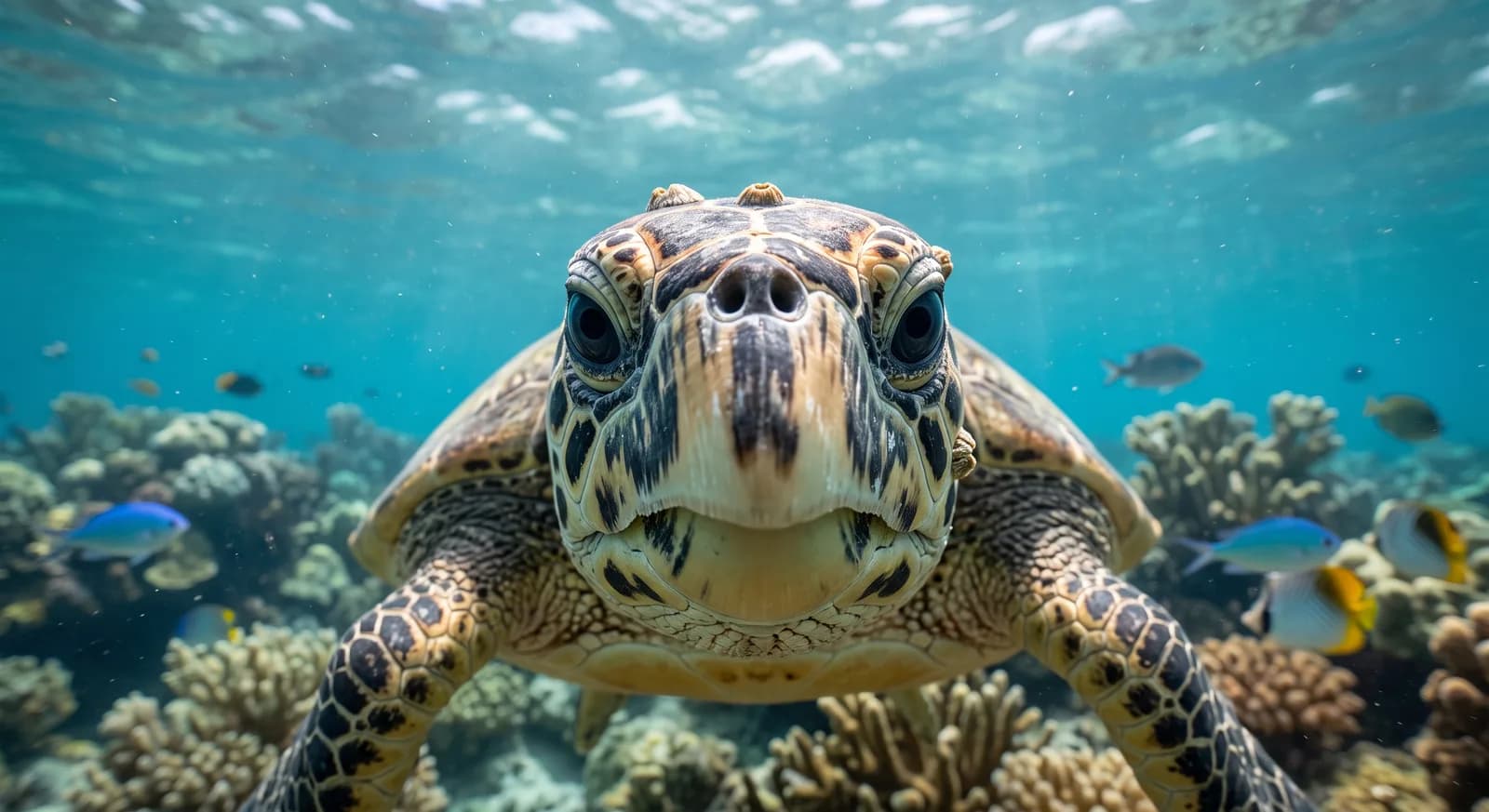
Hawksbill Turtle
Eretmochelys imbricata
 Endangered
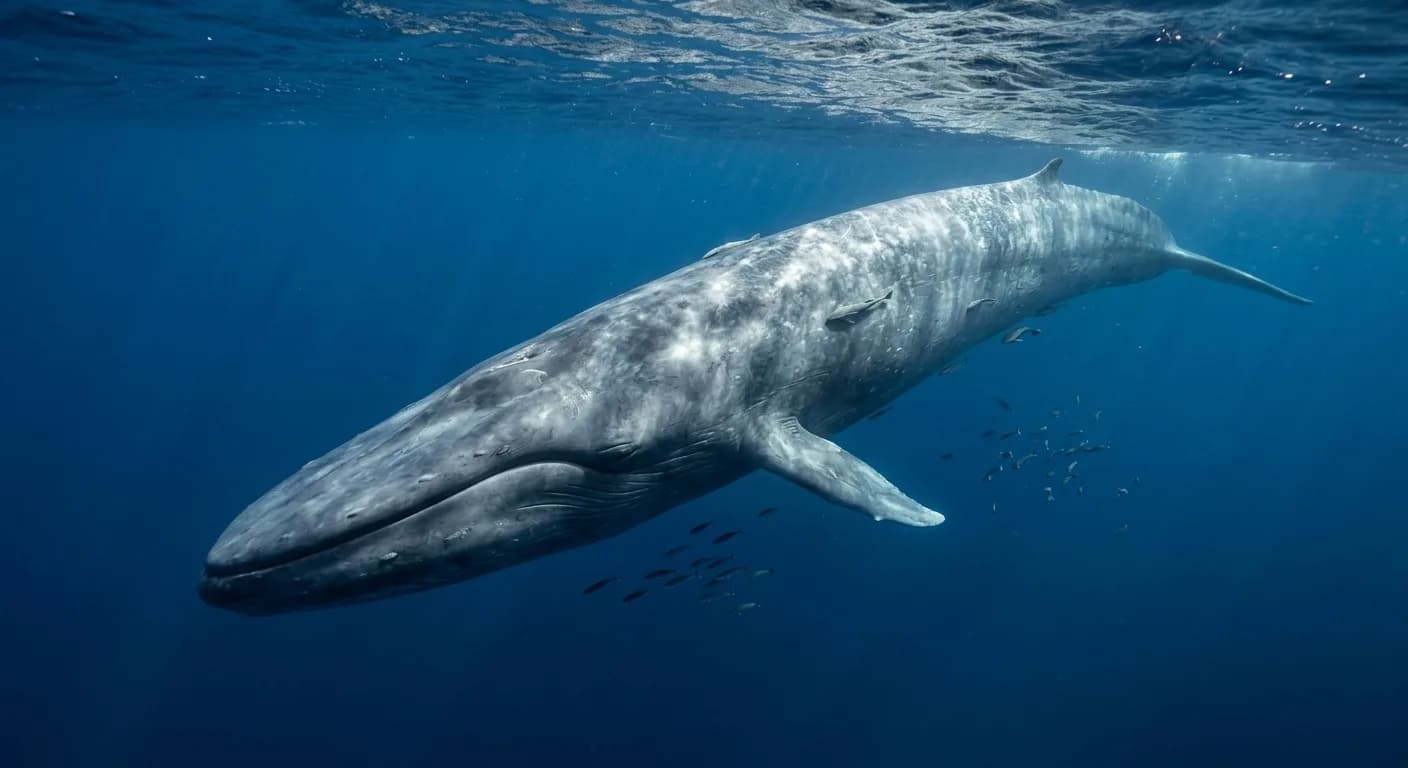
Blue Whale
Balaenoptera musculus
 Endangered
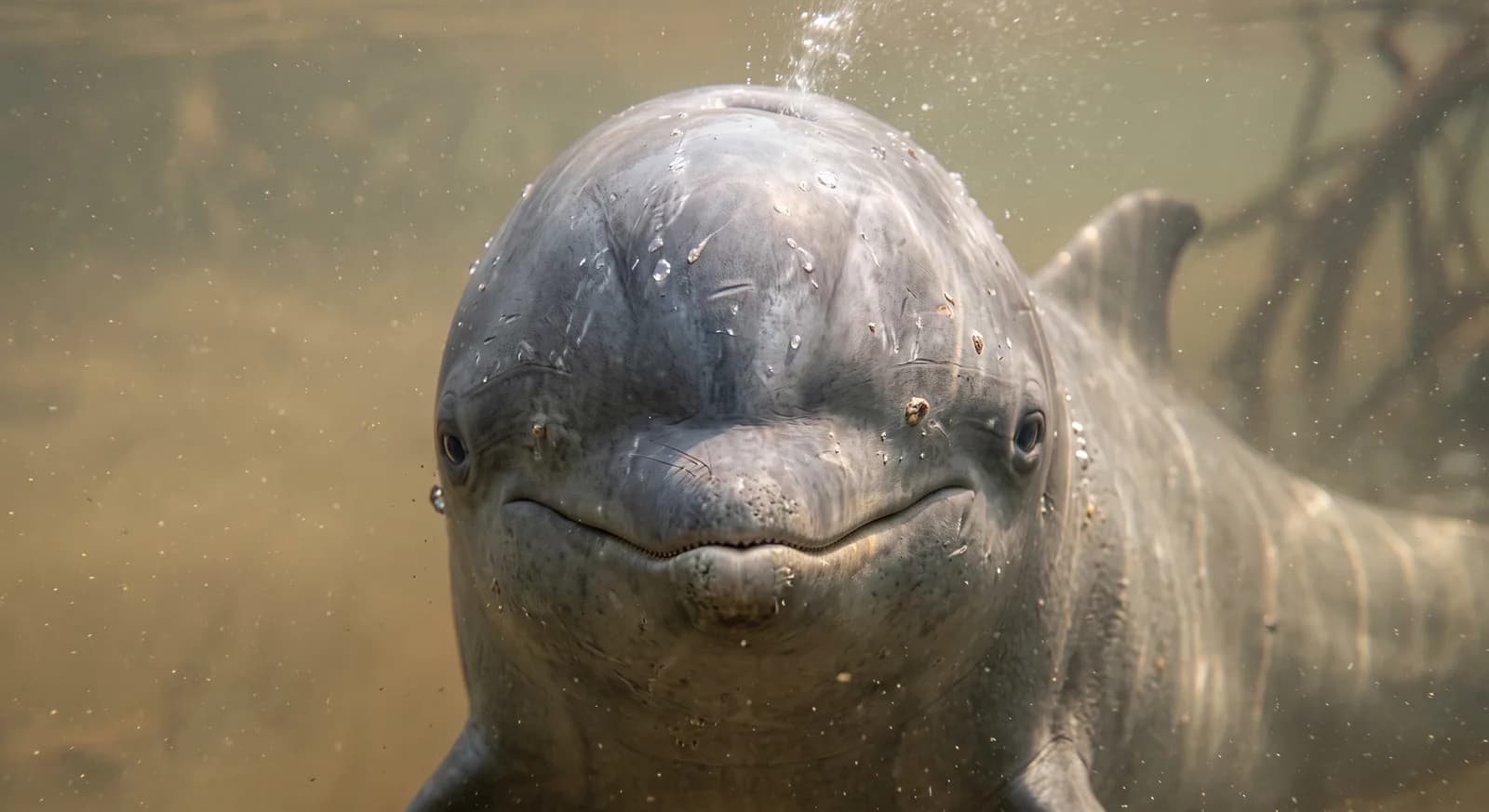
Irrawaddy Dolphin
Orcaella brevirostris
 Endangered
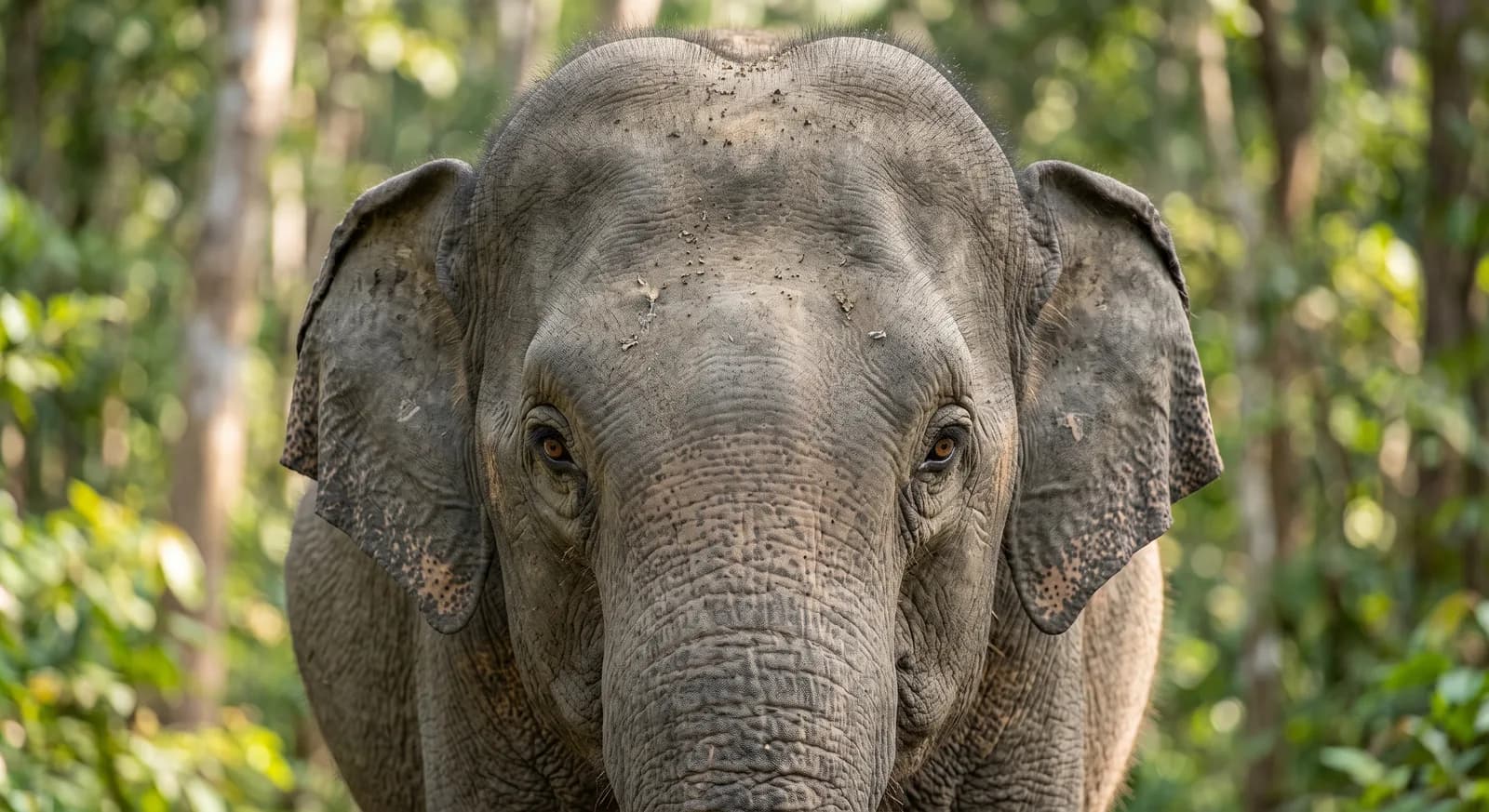
Asian Elephant
Elephas maximus
 Endangered
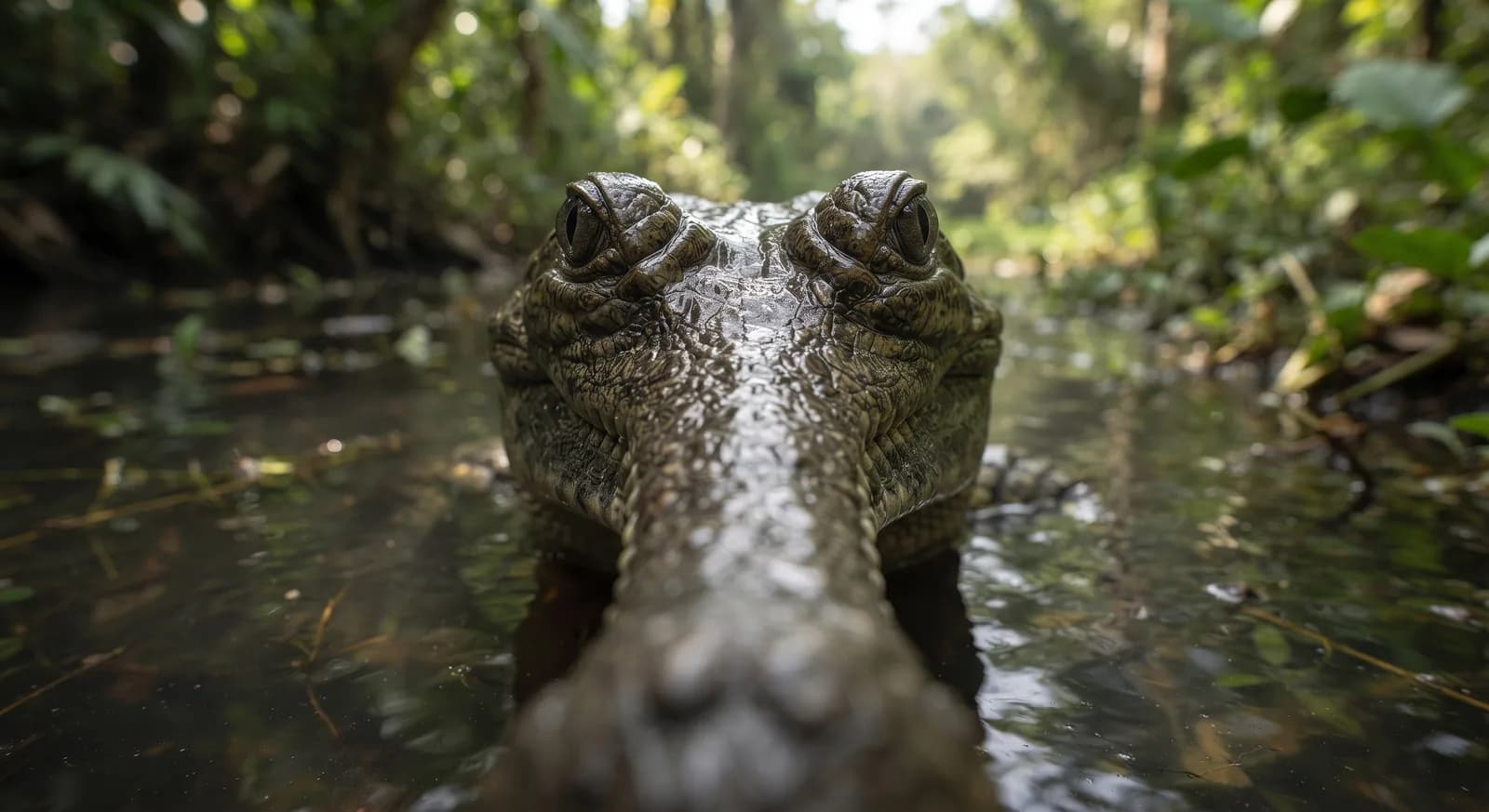
Sunda Gharial
Tomistoma schlegelii
 Endangered
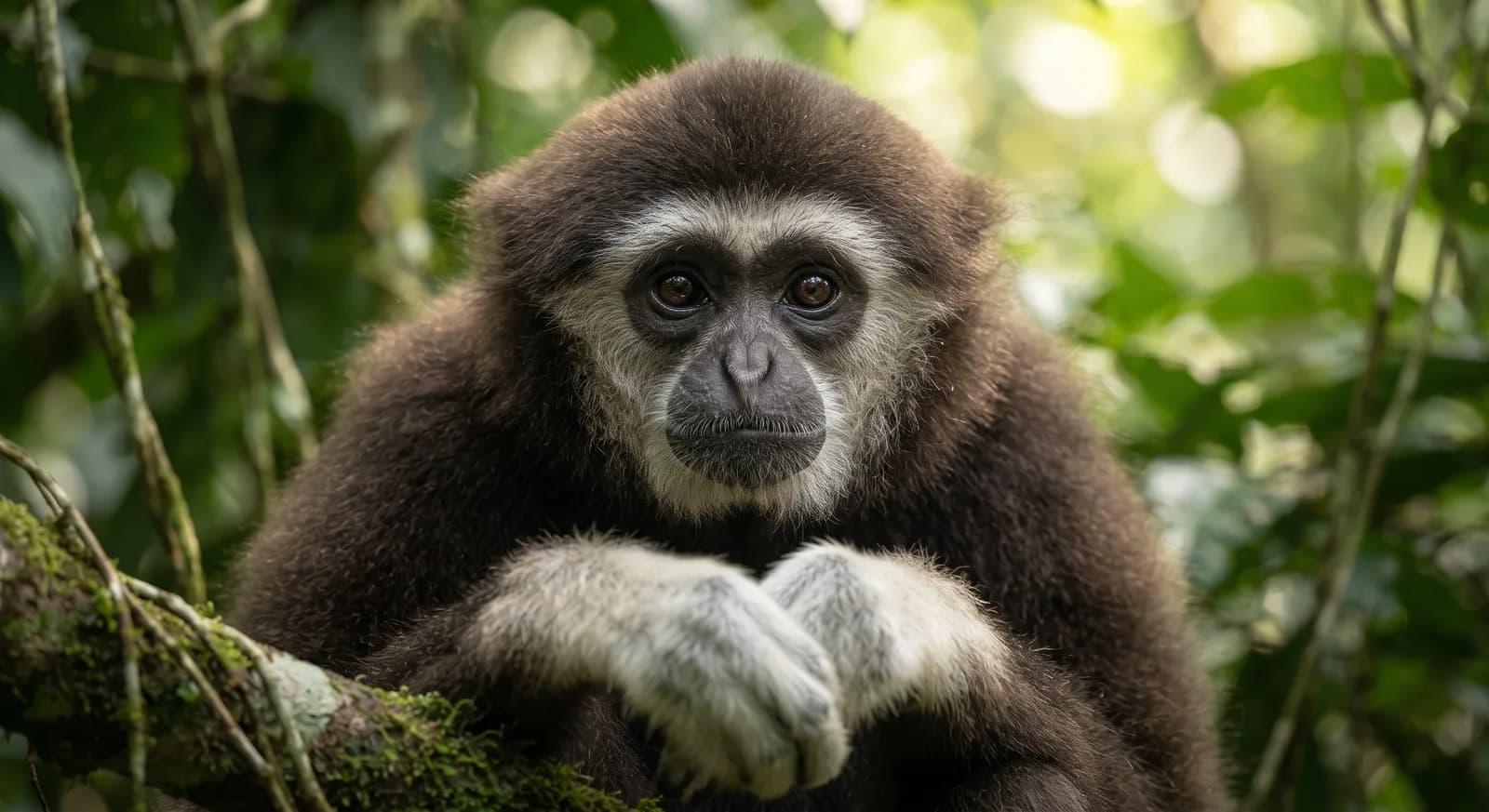
Lar Gibbon
Hylobates lar
 Endangered
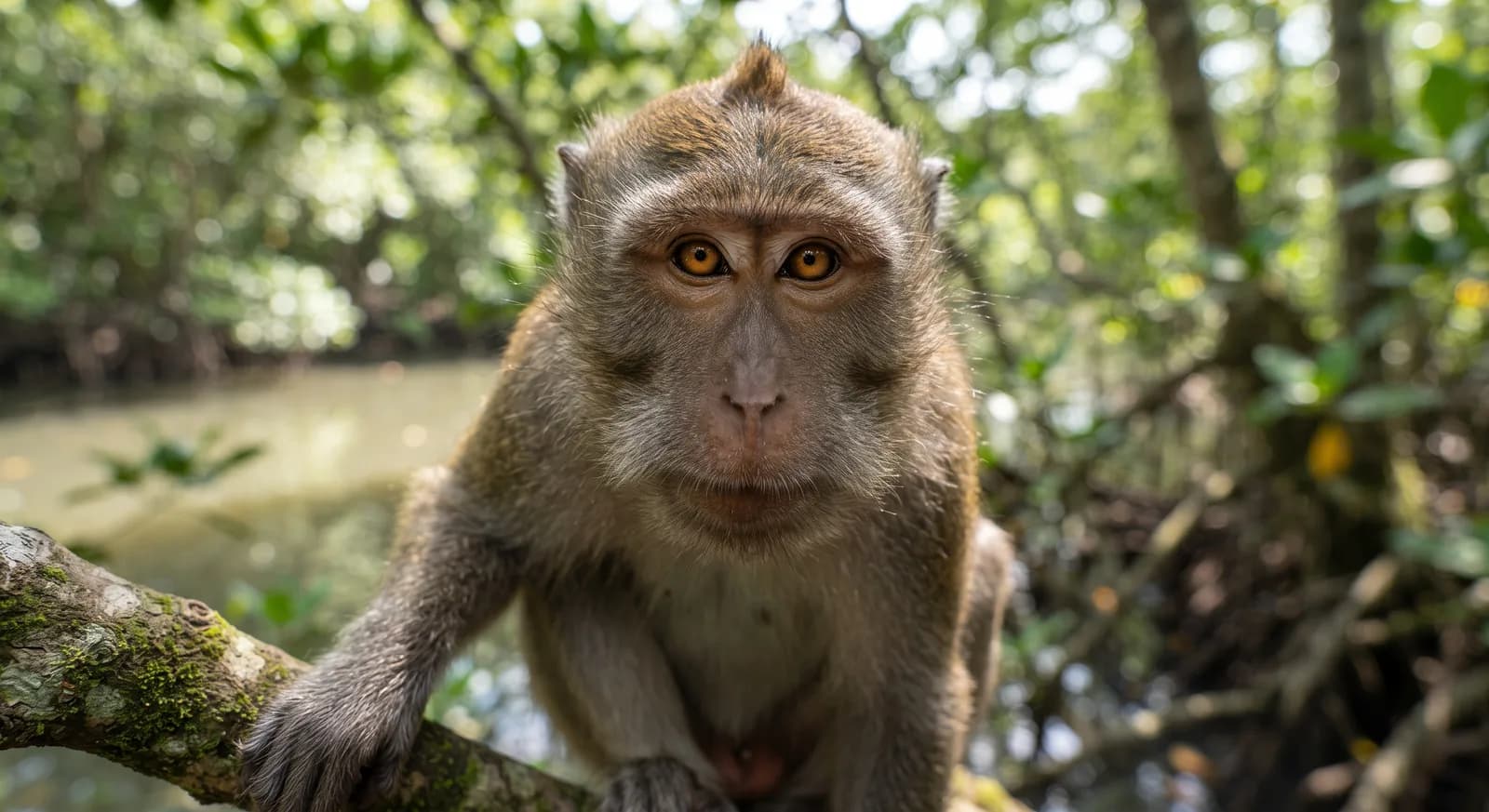
Long-tailed Macaque
Macaca fascicularis
Keep exploring
Based on what we already know about Philippines.