One of the 3 elephants on WAnimals
Mammals · Proboscidea · Elephantidae
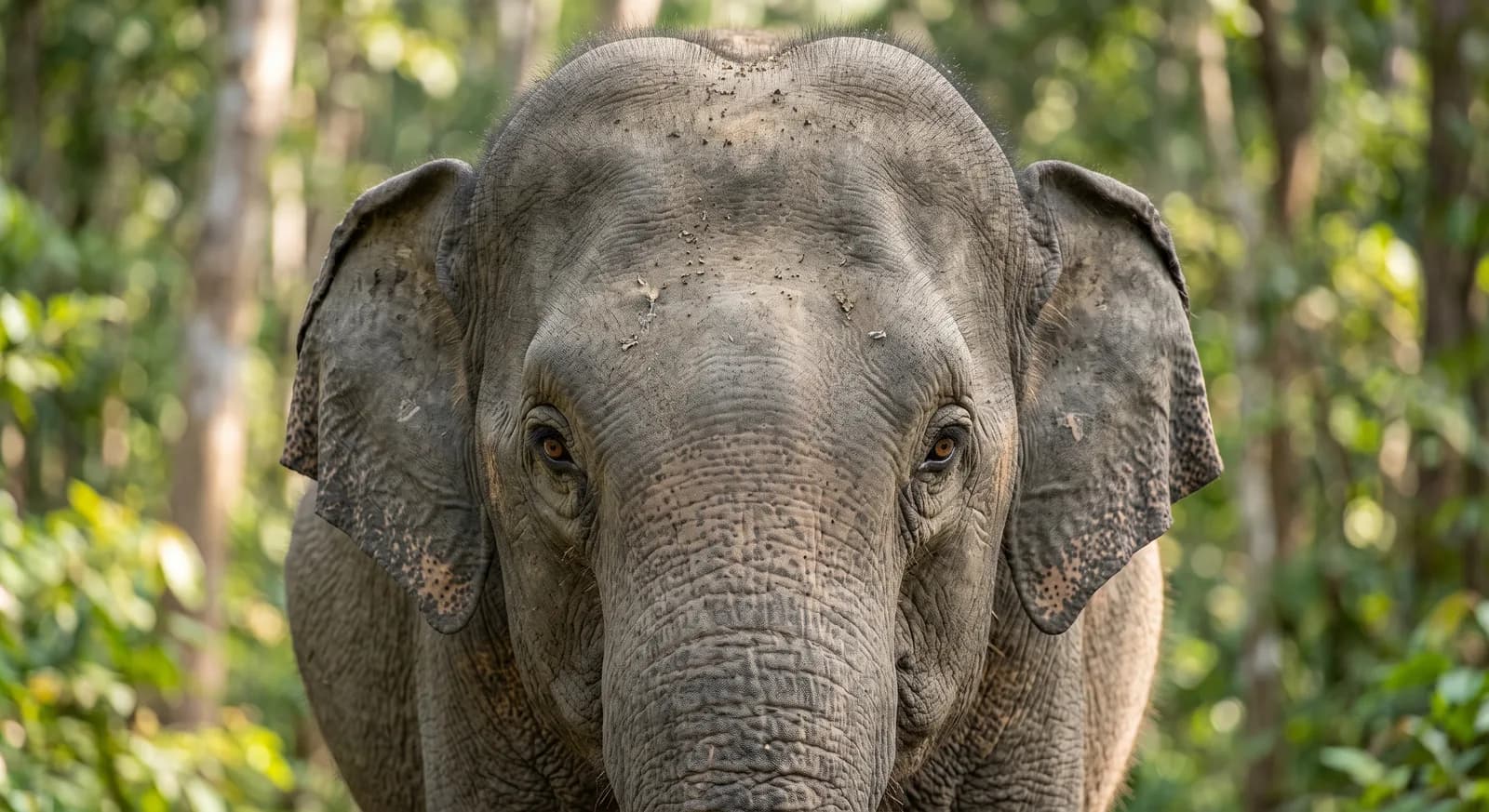
Asian Elephant
Elephas maximus
It faces a very high risk of extinction in the wild in the near future. See full glossary
Smaller than its African cousin and with much smaller ears, it has been venerated and tamed across South and South-East Asia for thousands of years.
Weight
2 t – 5 t
Size
5.5 m – 6.4 m
Lifespan
60 years
Diet
Herbivore
Feeds mainly on plants.
Activity
Irregular activity
Active at irregular times, by day or night depending on circumstances.
Social structure
Herd
Lives in large groups as a strategy against predators.
Sighting difficulty
Hard
Estimated population
Between 48,323 and 51,680 wild animals according to the national estimates compiled for the IUCN assessment published in 2020; more than 60% live in India
Fun facts
- Only some males grow visible tusks.
- It can recognise itself in a mirror.
- It is a religious and cultural symbol in India, Sri Lanka and Thailand.
Life cycle & biology
- Skeleton type
- Vertebrate - internal bony skeleton (mammal)
- Habitat & environment
- Tropical forest, savanna and grassland across much of South and South-East Asia, from sea level to 3,000 m
- Birth weight
- 90-150 kg and ~1 m tall at birth
- Size at birth
- 90-150 kg at birth
- Sexual maturity
- Both sexes at ~9 years (though males rarely breed before 15)
- Gestation / incubation
- 18-22 months (the longest gestation of any land mammal)
- Litter / clutch size
- 1 calf per birth (twins extremely rare)
- Lifespan in captivity
- Documented record of up to 86 years (a figure that is not fully verified)
Sources consulted: Animal Diversity Web; A-Z Animals; Wildlife Navigator; AnAge (genomics.senescence.info); NAHF (Elephas maximus indicus); PMC (artificial insemination study); Elephant World; Williams et al., evaluación de 2019 publicada en 2020, IUCN Red List: reducción inferida de al menos el 50 % en tres generaciones (60-75 años) || IUCN Red List, evaluación de Elephas maximus publicada en 2020 (Asian Elephant Specialist Group)
Where to find it
See its range on the interactive mapBest time: December to March
Where to watch it
Parques y spots de buceo donde se ha documentado esta especie — se muestran 10 de 27 documentados.
Related species
Other species in the catalogue with the most in common with Asian Elephant — same habitat, park, country, tags or family.
 Endangered
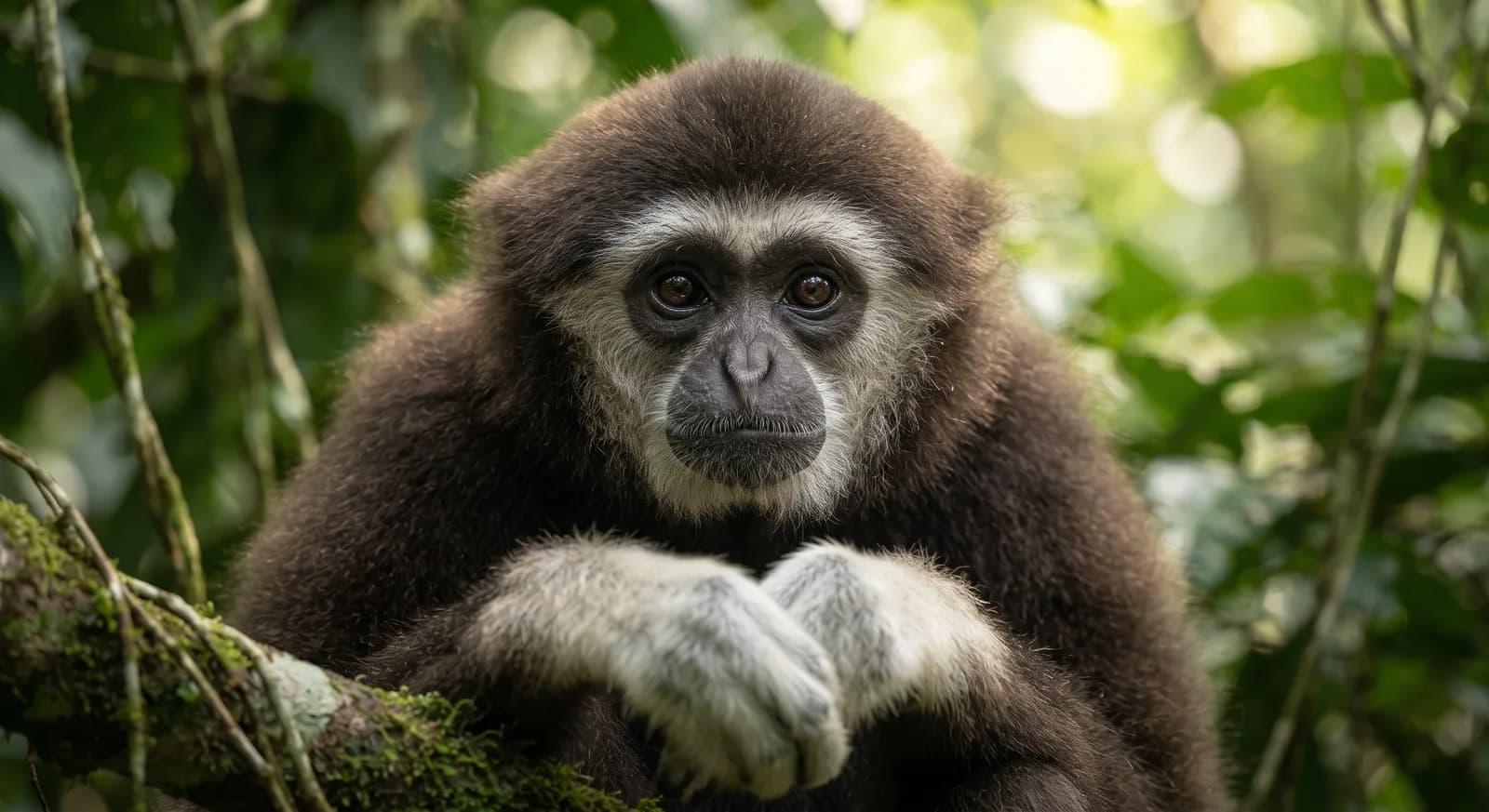
Lar Gibbon
Hylobates lar
 Endangered
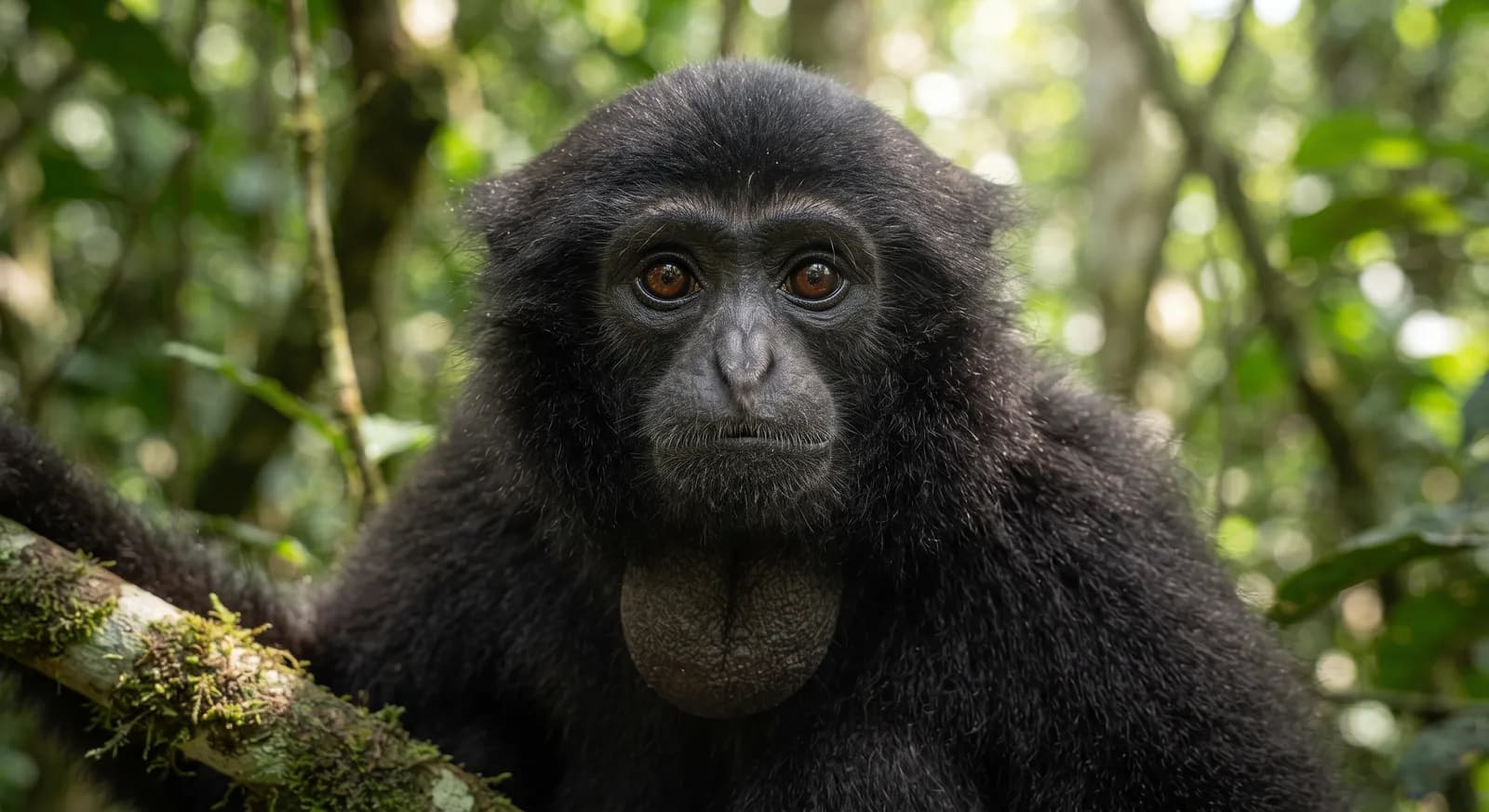
Siamang
Symphalangus syndactylus
 Endangered
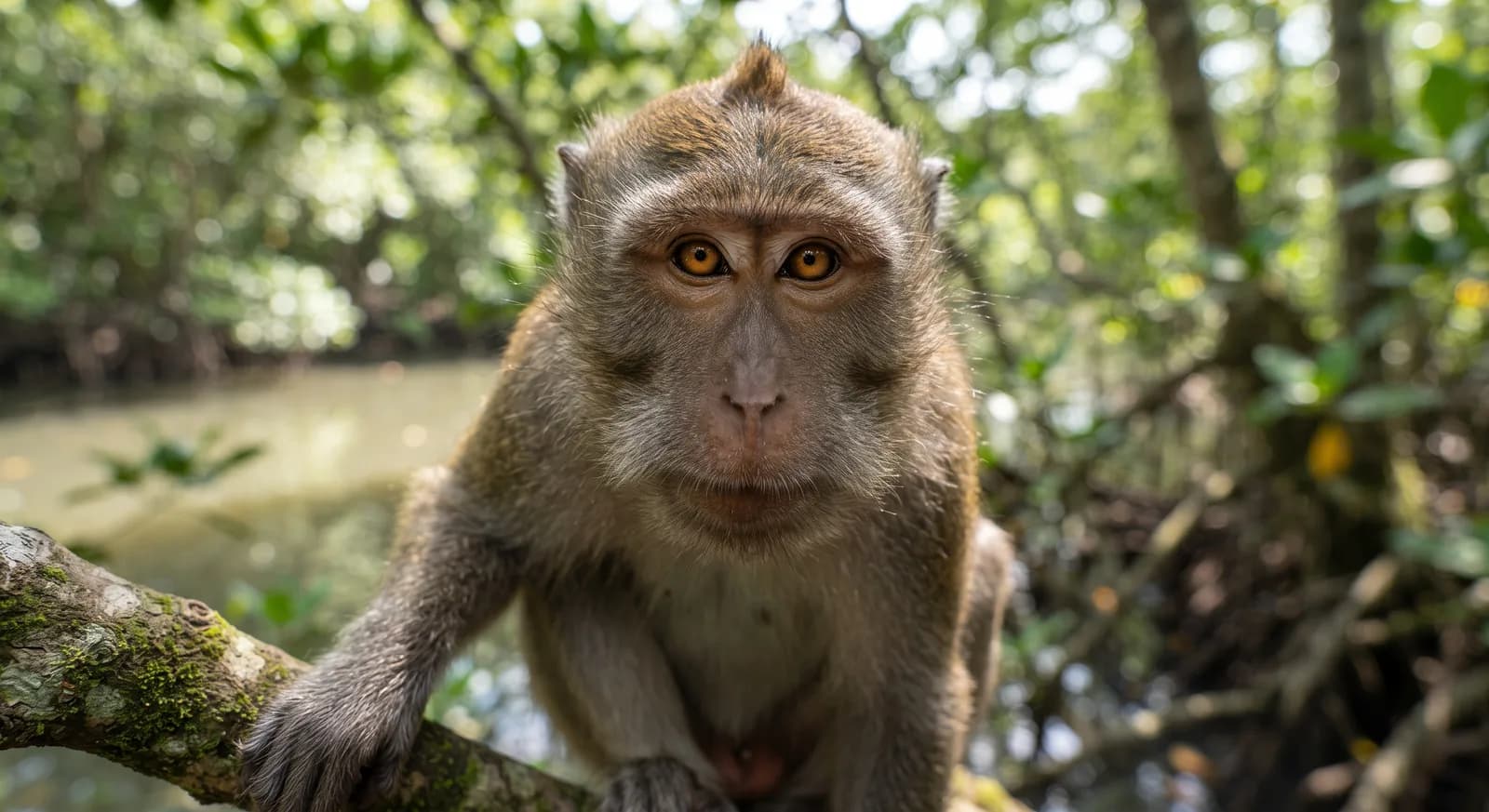
Long-tailed Macaque
Macaca fascicularis
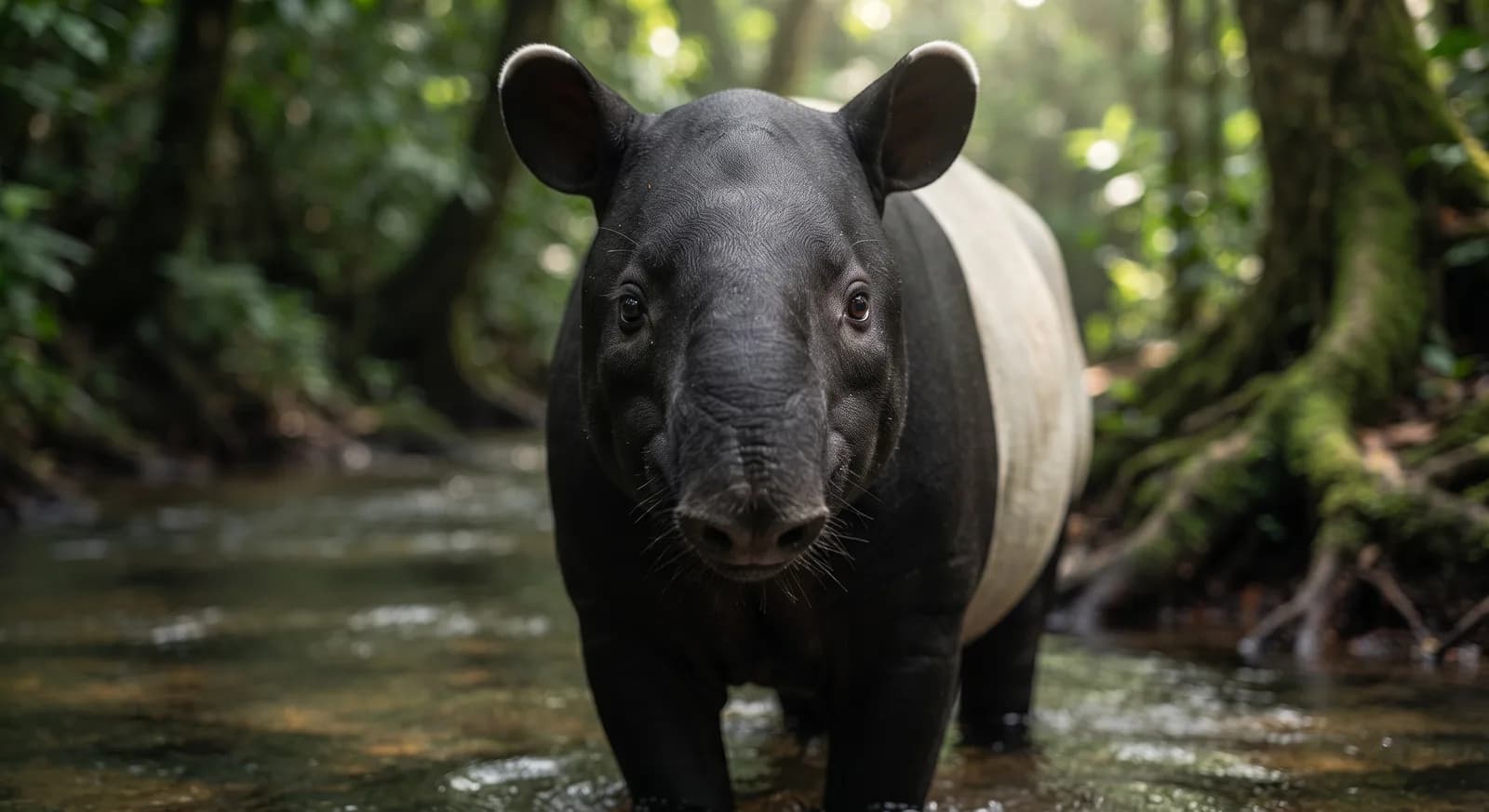 Endangered
Malayan Tapir
Tapirus indicus
Southern Pig-tailed Macaque
Macaca nemestrina
Banteng
Bos javanicus
How to help
The asian elephant is classified as endangered. Organizations such as el Grupo de Especialistas en Elefante Asiático de la UICN (AsESG) work specifically on its conservation and that of its habitat; looking into their programs is a good starting point if you want to get involved.
It's documented in 8 real protected areas — part of why protecting these places matters for its conservation.
Keep exploring
Based on what we already know about asian elephant.
Comments
Share an experience, a fun fact or a tip for seeing the asian elephant.
Be the first to comment.