One of the 4 tapirs on WAnimals
Mammals · Perissodactyla · Tapiridae
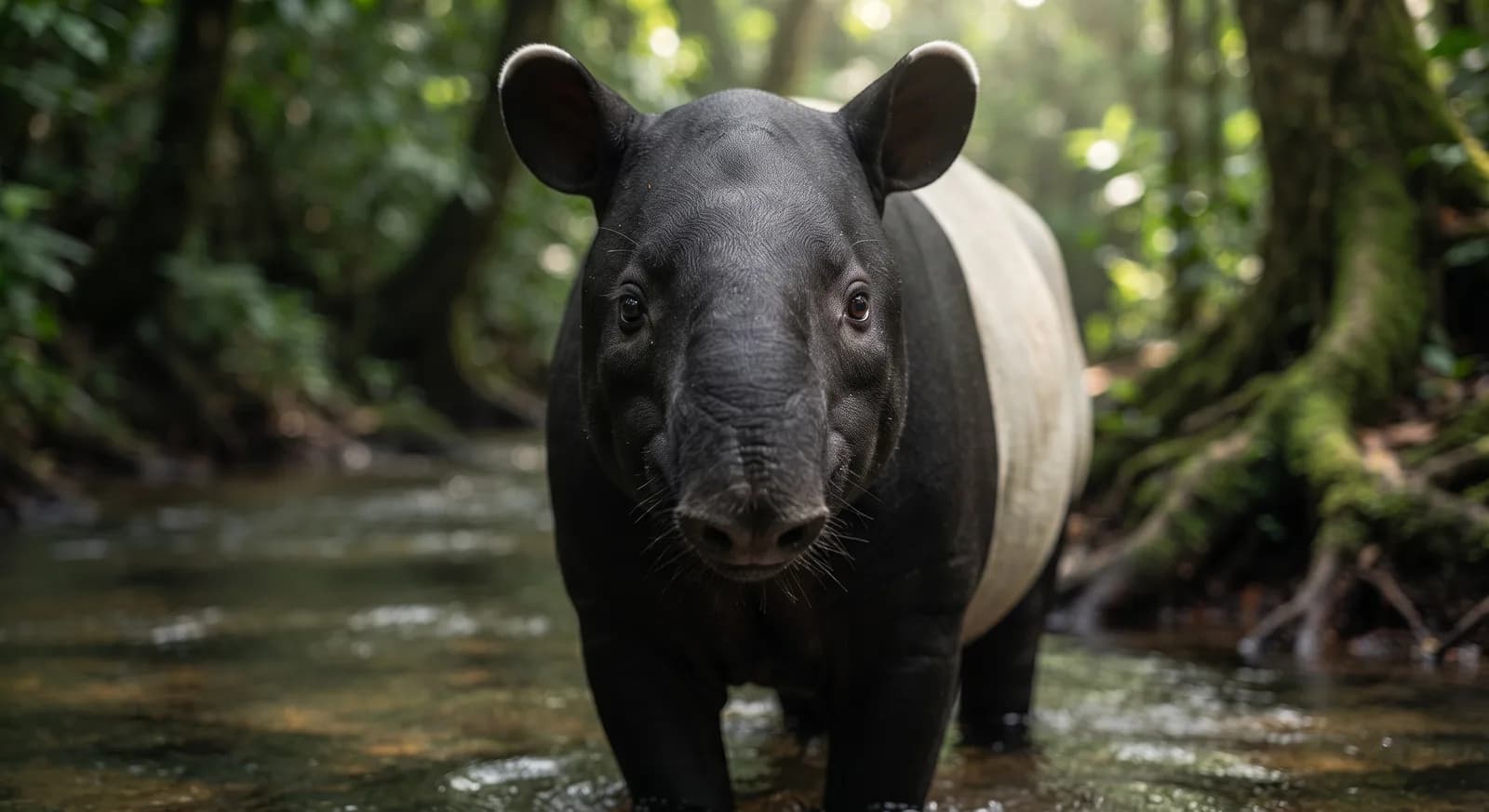
Malayan Tapir
Tapirus indicus
It faces a very high risk of extinction in the wild in the near future. See full glossary
Its striking two-tone pattern — black front and rear with a white band across the middle — works as disruptive camouflage against tigers and leopards.
Weight
250 kg – 320 kg
Size
1.8 m – 2.5 m
Lifespan
30 years
Diet
Herbivore
Feeds mainly on plants.
Activity
Nocturnal
Active mainly at night.
Social structure
Solitary
Lives and hunts alone, joining others only to breed.
Sighting difficulty
Hard
Fun facts
- It is the largest of the five living tapir species.
- It eats leaves, shoots, soft twigs, fruit and aquatic plants.
- It lives in lowland and montane tropical rainforest in South East Asia, close to water.
- adaptaciónIt is the only tapir native to Asia, and its bold black and white coat works as disruptive camouflage among the shadows of the forest at night.
Life cycle & biology
- Skeleton type
- Vertebrate - internal bony skeleton (mammal)
- Habitat & environment
- Lowland and montane tropical rainforest of South East Asia, close to water
- Birth weight
- ~6.5-7 kg
- Size at birth
- With a coat mottled with white stripes and spots for camouflage, which fades between 4 and 7 months
- Sexual maturity
- ~2.5-3 years (the male somewhat later than the female)
- Gestation / incubation
- 390-410 days (~13-13.5 months)
- Litter / clutch size
- 1 young (twins rare), with an interval between births of 18-24 months
- Lifespan in captivity
- Documented record of up to 36.5 years in captivity
Sources consulted: Animal Geography; AnAge (genomics.senescence.info); Animal Diversity Web; BioDB; The Website of Everything; Animal Spot; The Animal Facts; Denver Zoo; PMC (estrous behaviour study)
Where to find it
See its range on the interactive mapWhere to watch it
Parks and dive sites where this species has been documented.
Related species
Other species in the catalogue with the most in common with Malayan Tapir — same habitat, park, country, tags or family.
 Endangered
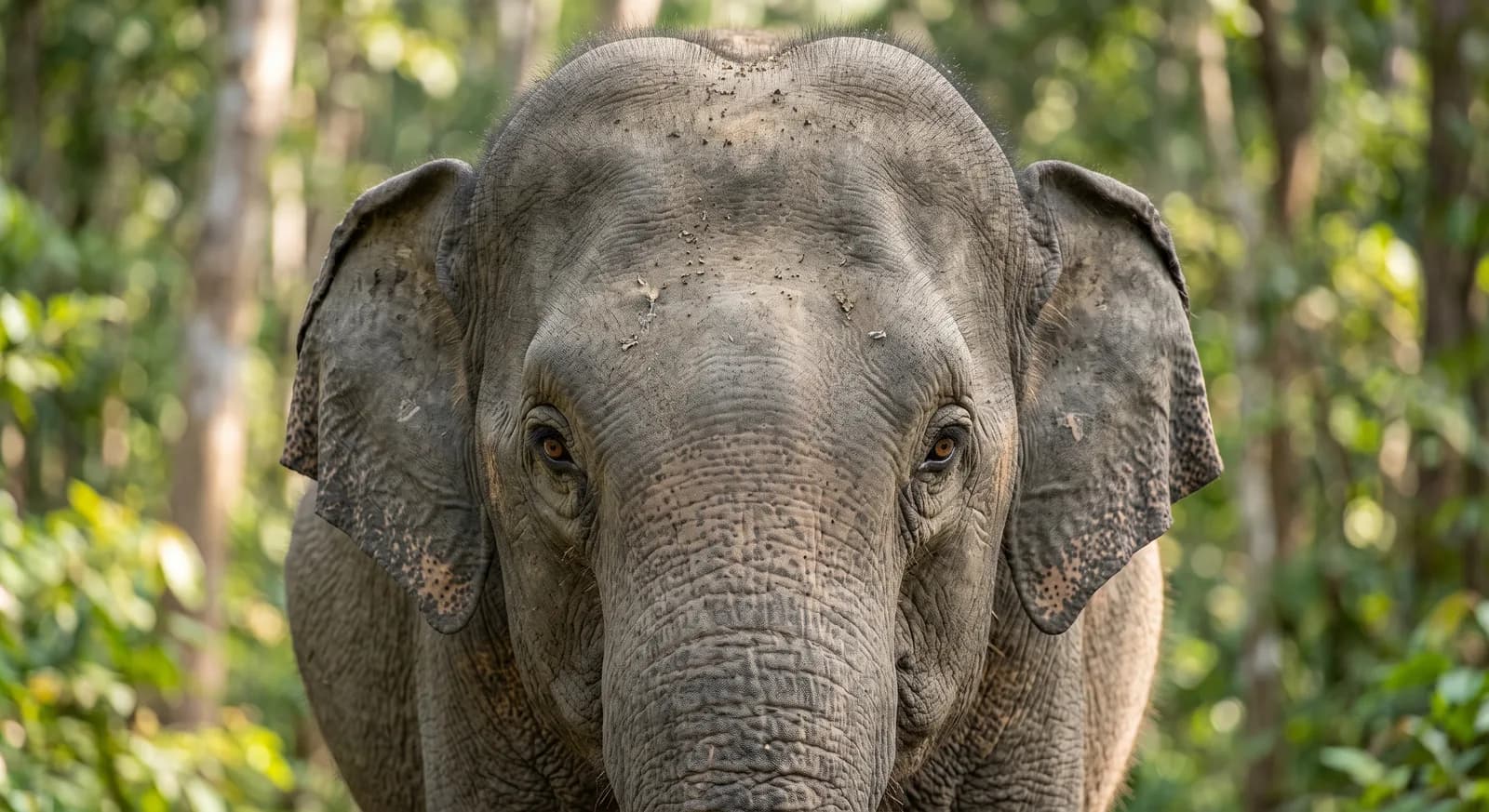
Asian Elephant
Elephas maximus
Large Flying-fox
Pteropus vampyrus
 Endangered
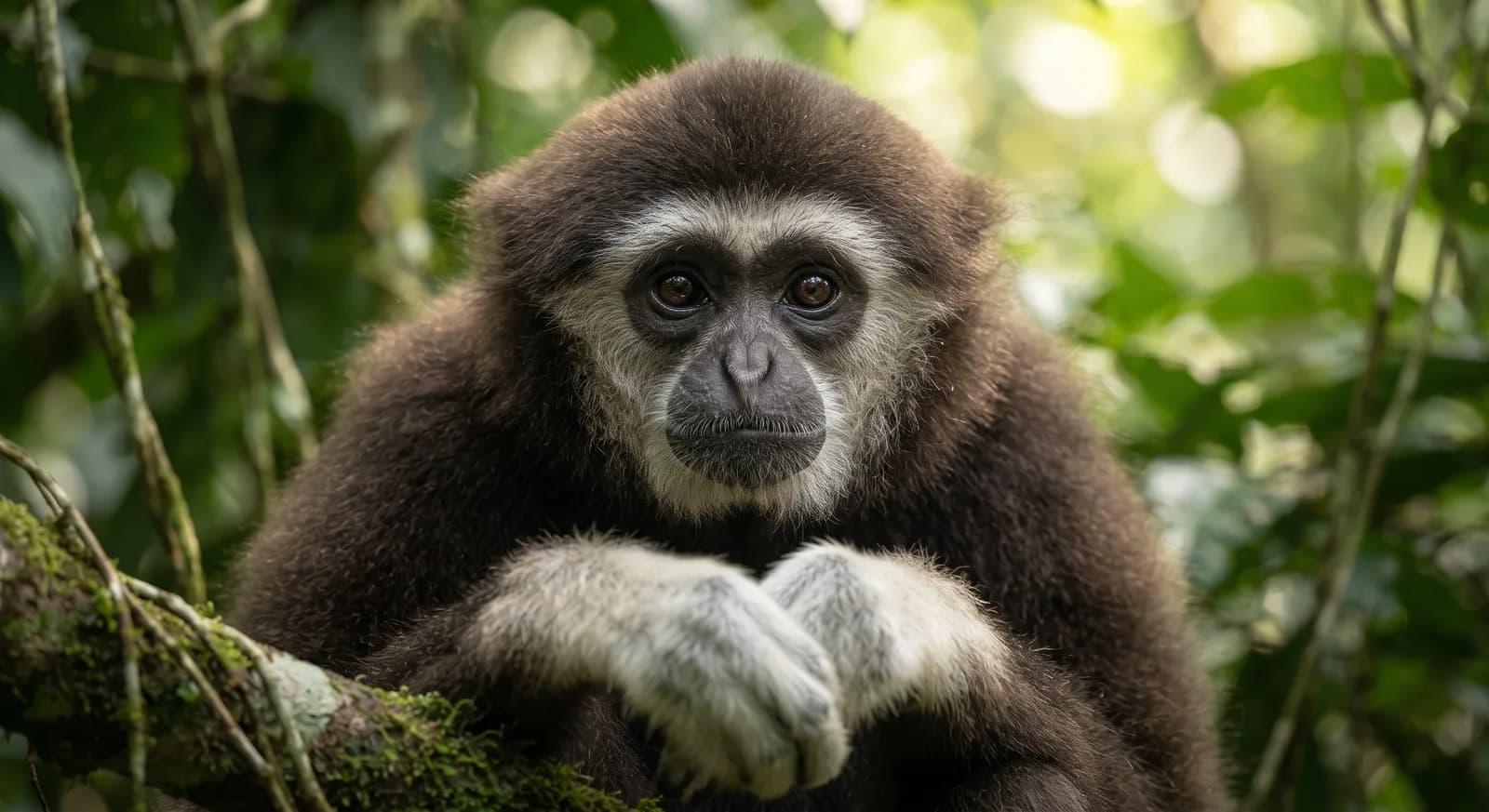
Lar Gibbon
Hylobates lar
 Endangered
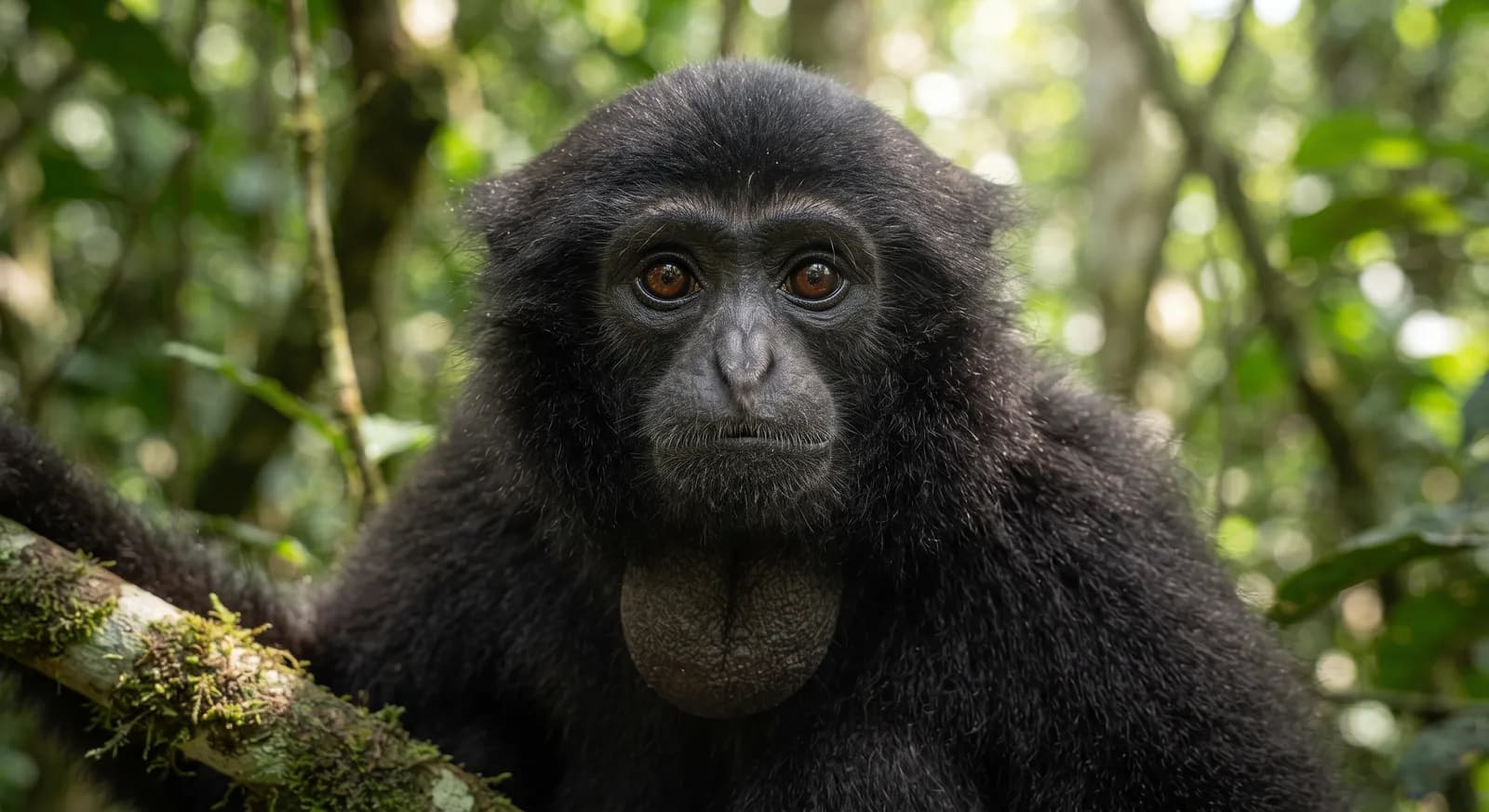
Siamang
Symphalangus syndactylus
Greater Slow Loris
Nycticebus coucang
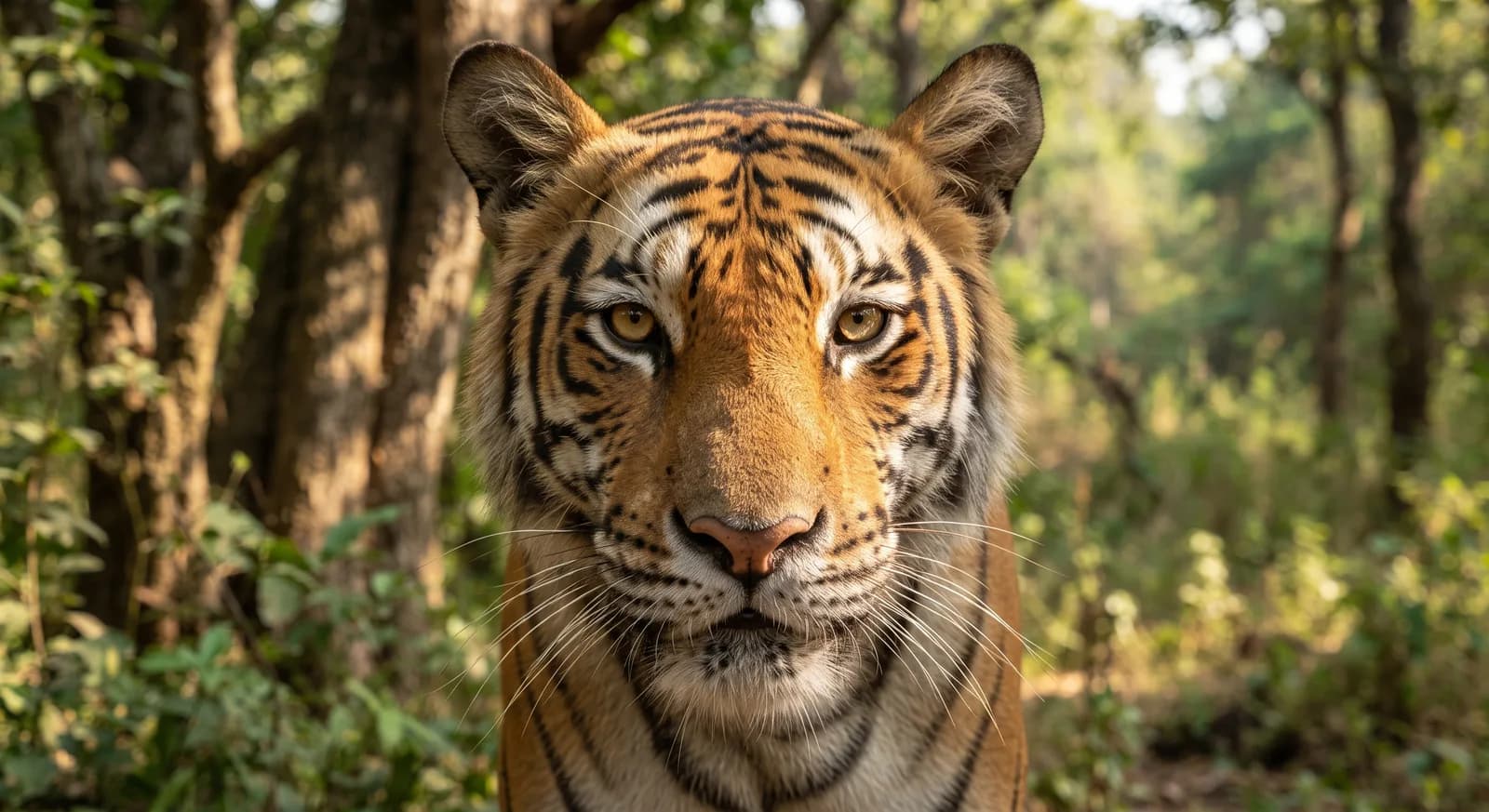 Endangered
Tiger
Panthera tigris
How to help
The malayan tapir is classified as endangered. Organizations such as UICN, WWF y Wildlife Conservation Society work specifically on its conservation and that of its habitat; looking into their programs is a good starting point if you want to get involved.
It's documented in 5 real protected areas — part of why protecting these places matters for its conservation.
Keep exploring
Based on what we already know about malayan tapir.
Comments
Share an experience, a fun fact or a tip for seeing the malayan tapir.
Be the first to comment.