Bangladesh
Asia
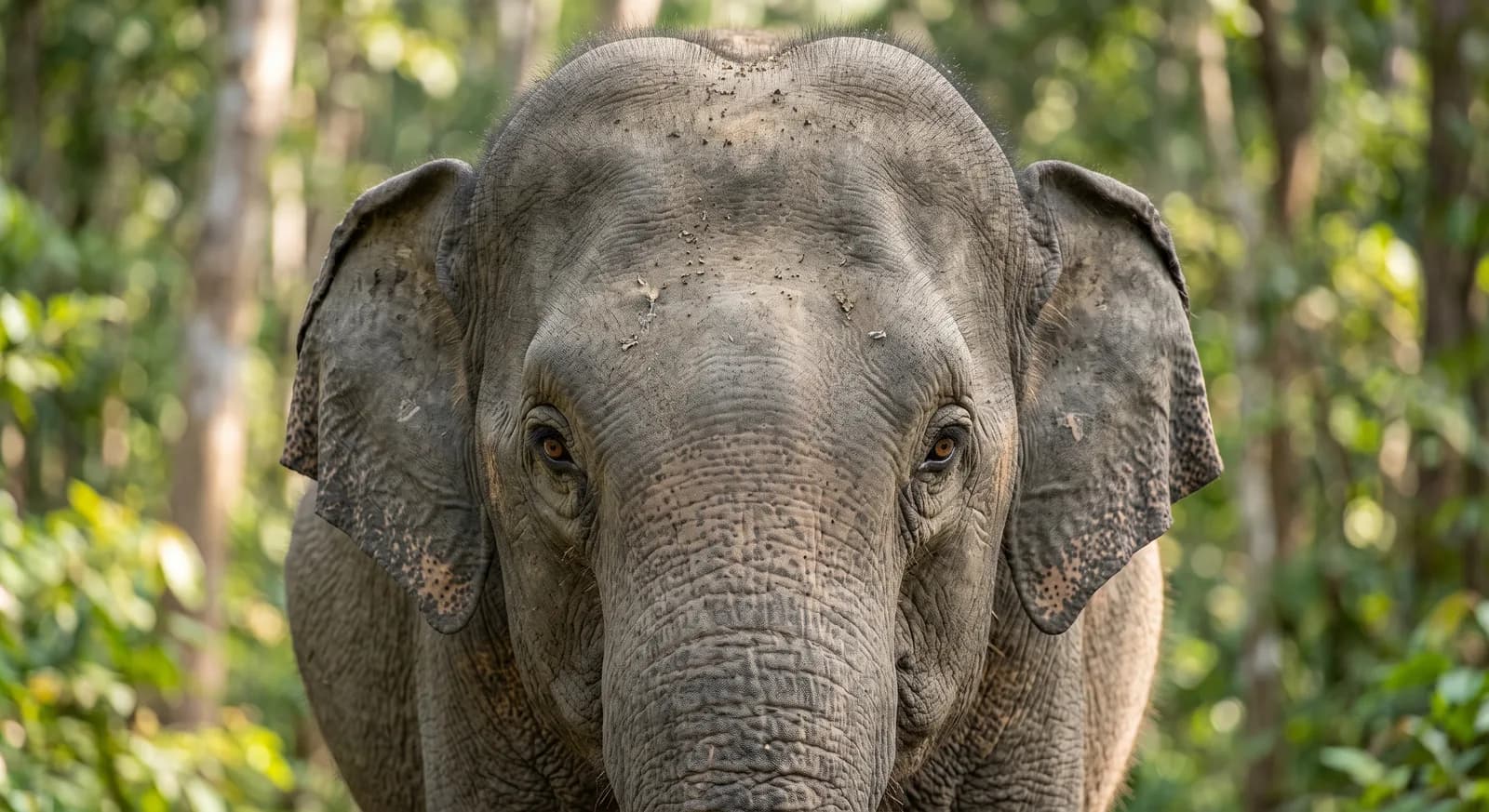
Bangladesh is essentially a delta: the largest in the world, formed by the meeting of the Ganges, the Brahmaputra and the Meghna, with an alluvial plain that floods with every monsoon and is constantly remodelled. In the southwest, the Sundarbans form the most extensive continuous mangrove forest on the planet, shared with India, a maze of tidal channels where a population of Bengal tigers lives, adapted to swimming between islands and drinking brackish water. In the northeast, the haors of Sylhet are basins that turn into immense lakes during the monsoon and empty in the dry season, with flooded woodland of hijal and karach. The Chittagong hills, in the southeast, keep the country's last evergreen forests, with Asian elephants and hoolock gibbons.
The nature of Bangladesh
National animal: The Bengal tiger is the national animal and the oriental magpie-robin, or doel, the national bird
Did you know?
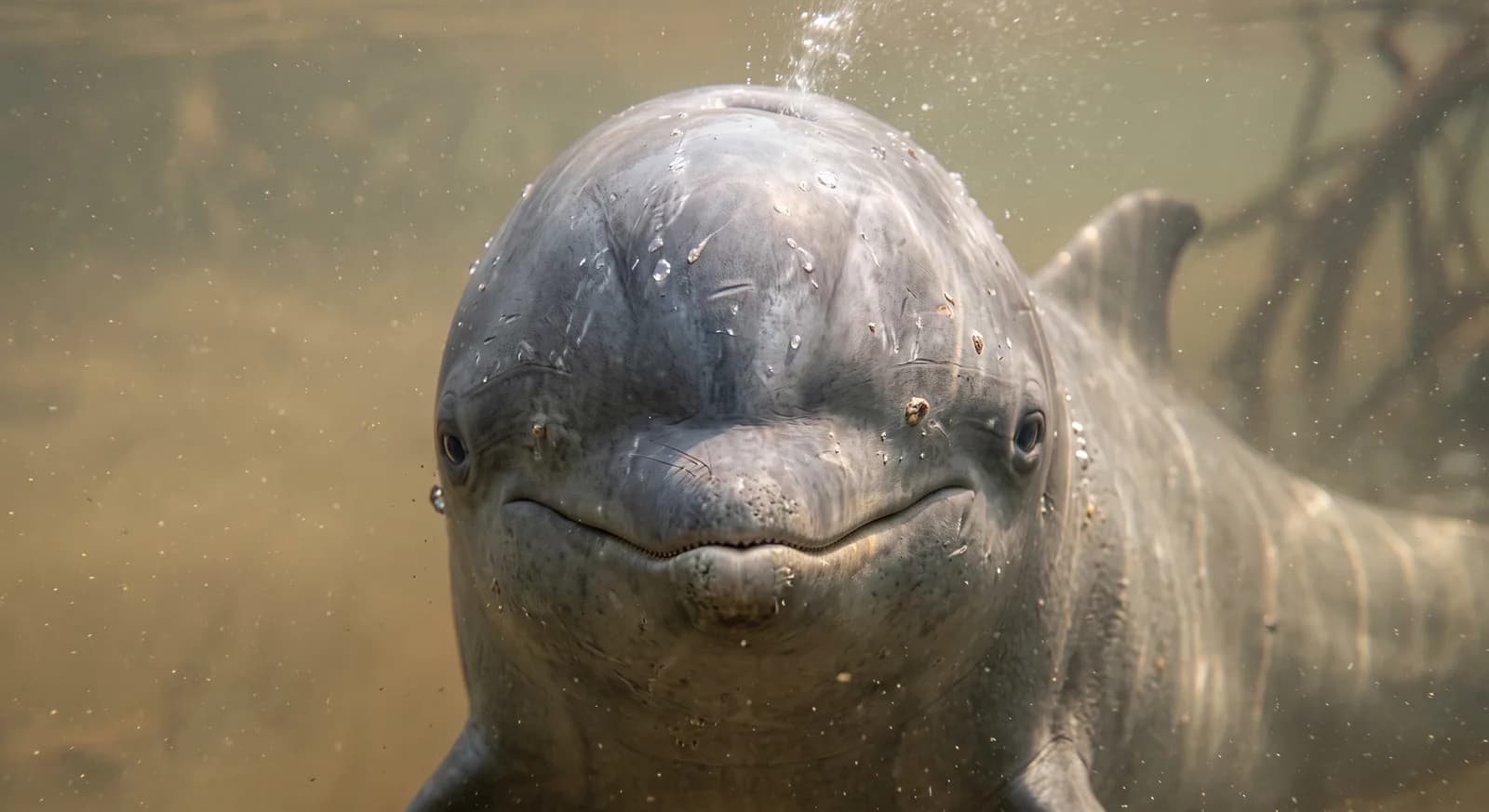
In 2009, marine surveys off the Sundarbans revealed a population of almost six thousand Irrawaddy dolphins in an undersea canyon known as the Swatch of No Ground. Until then this species was known only in groups of a few dozen animals scattered across Southeast Asia, so the find multiplied the estimated world total many times over and turned those waters into its main refuge.
Biodiversity profile
Climate
- •Tropical monzonico (Am), calido y humedo con estacion de monzon intensa
Main biomes
- •Manglares de Sundarbans (mayor bosque de manglar continuo del mundo, compartido con India)
- •Llanuras aluviales del delta del Ganges-Brahmaputra-Meghna
- •Bosque tropical de colinas en el sureste (Chittagong)
- •Manglar de los Sundarbans
- •Delta fluvial
- •Humedal estacional de haor
- •Bosque siempreverde de colina
- •Cañón submarino
- •Llanura de inundación
- •Bosque inundable de agua dulce
Marine and coastal ecosystems
- •Sundarbans (Patrimonio Mundial)
- •Costa del Golfo de Bengala
Flagship wildlife
- •Tigre de Bengala (poblacion de los Sundarbans)
- •Delfin del Ganges
- •Delfin del Irrawaddy
- •Elefante asiatico
- •Gibón de Hoolock
- •Cocodrilo de las marismas
- •Ciervo axis
- •Cocodrilo gavial
- •Tortuga golfina
- •Águila pescadora cabeciblanca
Notable endemic species
- •Mas del 7% de las especies vegetales del mundo presentes en Bangladesh segun fuentes de conservacion, con numerosas especies endemicas de los ecosistemas de manglar y delta
Notable threatened species
- •Delfin del Ganges (En Peligro, poblacion compartida con India y Nepal, estimada en 2.000 individuos)
- •Tigre de Bengala de los Sundarbans (En Peligro, amenazado por subida del nivel del mar sobre su habitat de manglar)
Notable protected areas
- •Reserva de Tigres de los Sundarbans (Patrimonio Mundial, compartida con India)
- •Reserva Forestal de los Sundarbans
- •Swatch of No Ground
- •Parque Nacional de Lawachara
- •Haor de Tanguar
- •Santuario de Vida Silvestre de Chunati
- •Isla de San Martín
Main conservation threats
- •Deforestacion
- •Sobrepastoreo
- •Erosion del suelo
- •Salinizacion y encharcamiento por subida del nivel del mar (amenaza critica para los Sundarbans)
- •Caza furtiva
Notable natural phenomena
- •Ciclones tropicales frecuentes en el Golfo de Bengala
- •Inundaciones estacionales del delta que sostienen la productividad agricola y ecologica de la region
Conservation
The Sundarbans are a World Heritage Site and also act as a natural barrier against the cyclones that strike the delta. Sea level rise and growing salinisation are the greatest long-term threat to the mangrove and to its tigers.
Where and when to watch wildlife
The Sundarbans between November and February, by boat along the channels. Tanguar Haor during the monsoon for waterbirds. Lawachara at dawn for hoolock gibbons.
Sources: SlideShare - Threats and Conservation of Biodiversity Bangladesh Perspectives | blogs.worldbank.org - Revisiting protected areas biodiversity conservation | ebooks.inflibnet.ac.in - Current Status Environment India (referencia al delfin del Ganges compartido)
Parks and reserves
Sundarbans (Bangladés)
The largest continuous mangrove forest in the world, the last refuge of a Bengal tiger adapted to brackish water.
View parkForest ReserveSundarbans Forest Reserve
The largest stretch of mangrove on the planet, shared with India, and home to one of the last Bengal tiger populations adapted to living among tidal marshes.
View parkNational ParkLawachara
A fragment of semi-evergreen forest in north-eastern Bangladesh, a refuge for the western hoolock gibbon.
View parkDiving and snorkelling
Especies documentadas en Bangladesh
248 species found
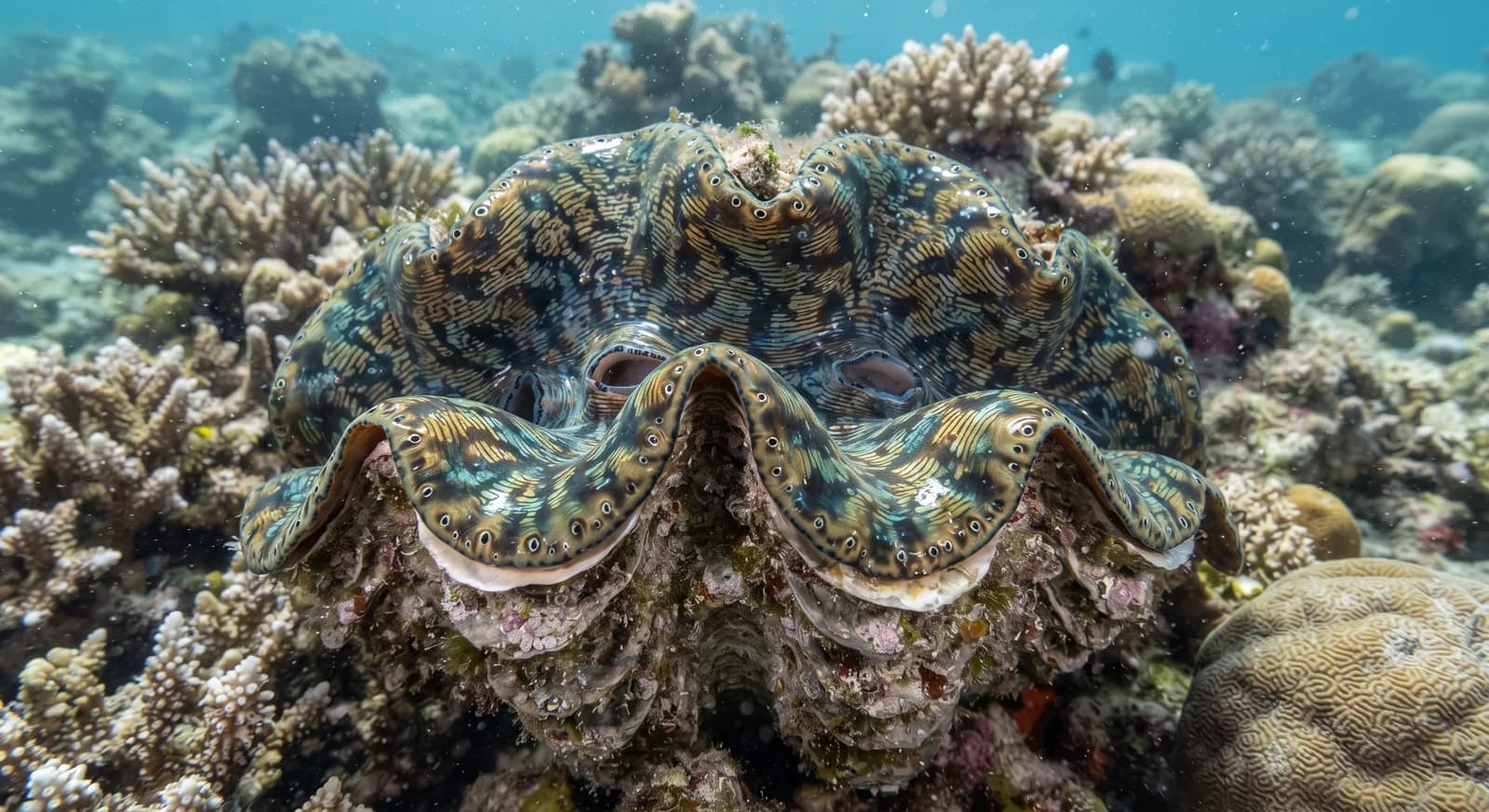 Critically Endangered
Giant Clam
Tridacna gigas
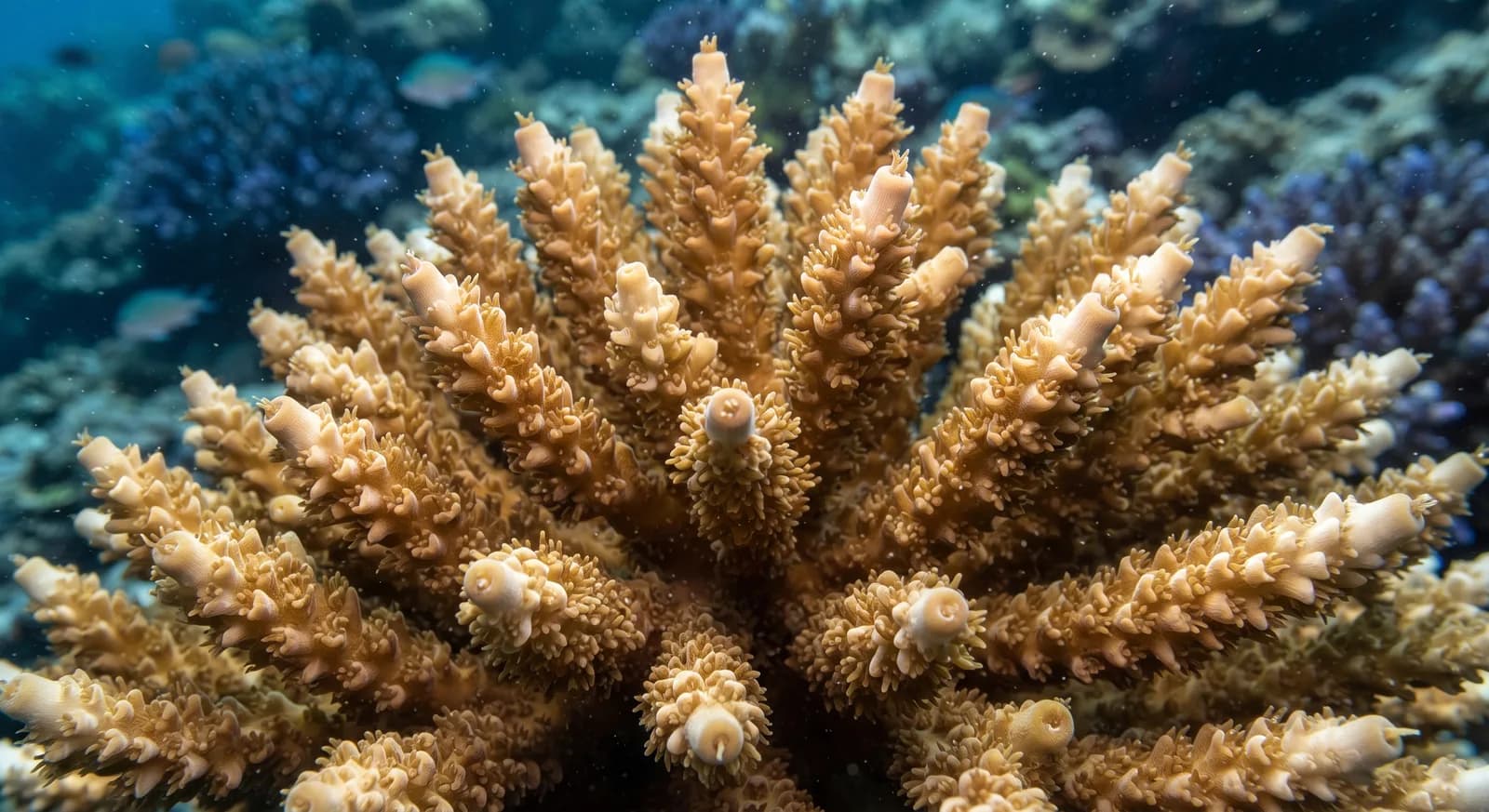 Critically Endangered
Staghorn Coral
Acropora cervicornis
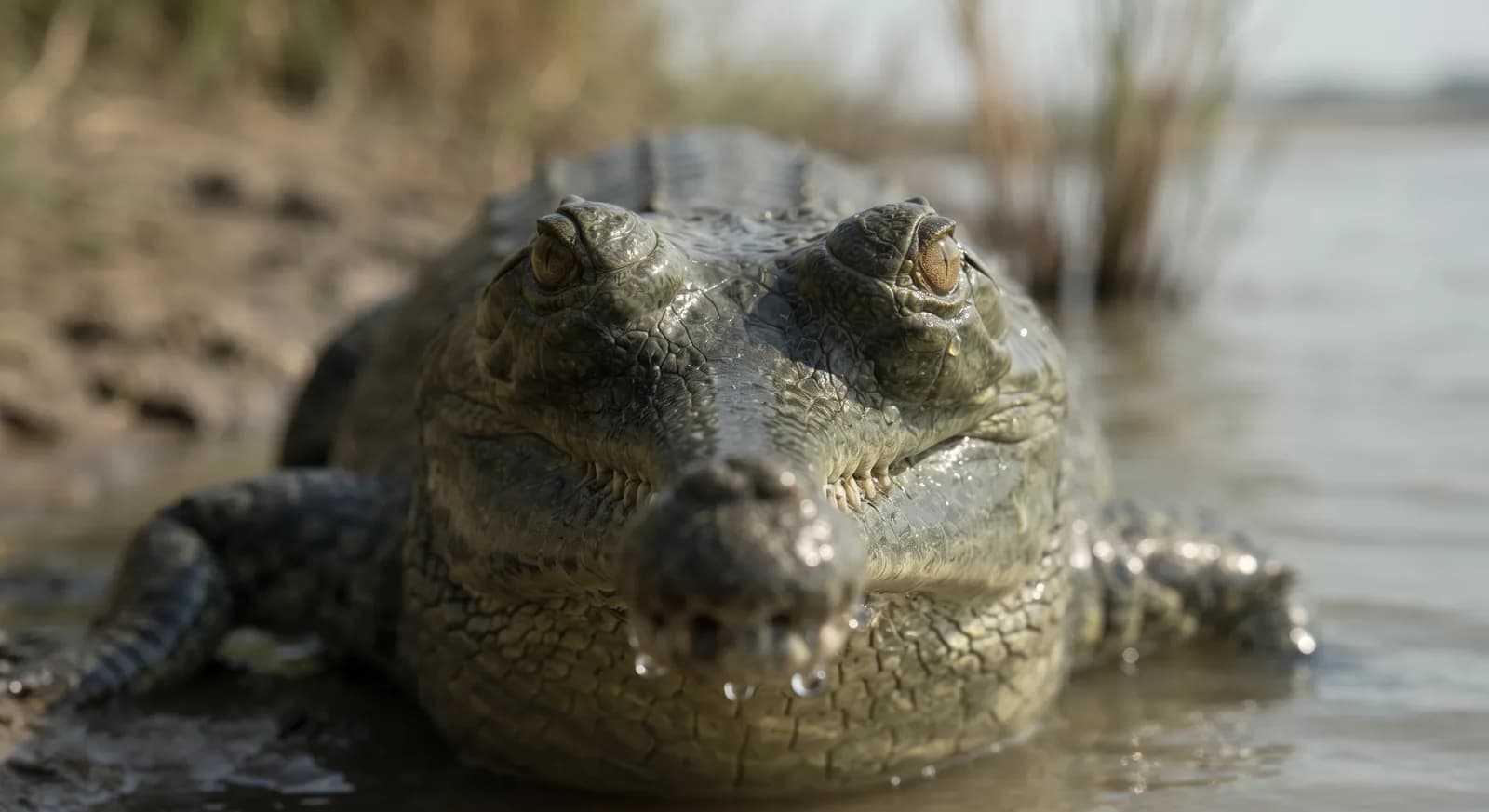 Critically Endangered
Gharial
Gavialis gangeticus
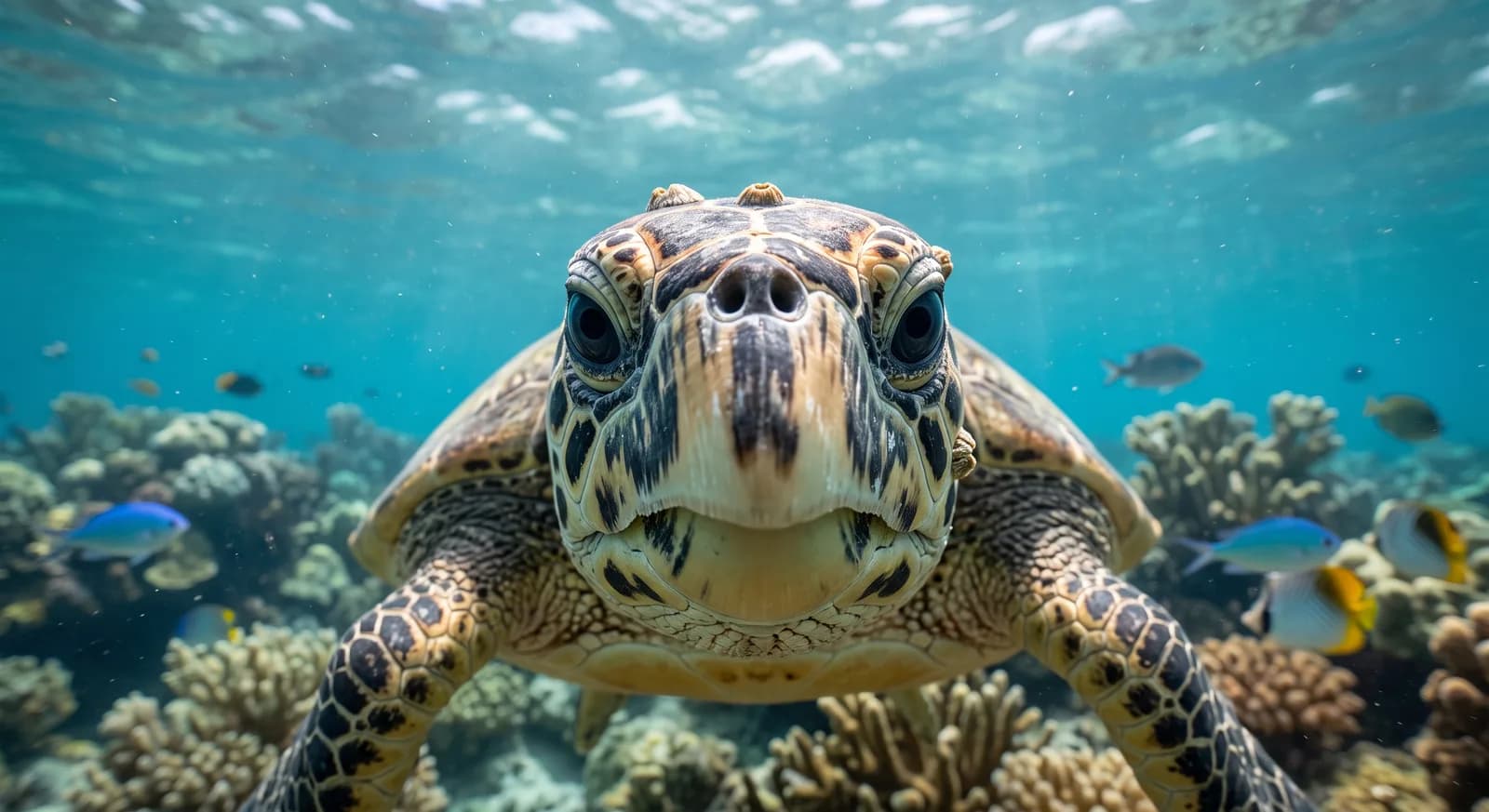 Critically Endangered
Hawksbill Turtle
Eretmochelys imbricata
 Endangered
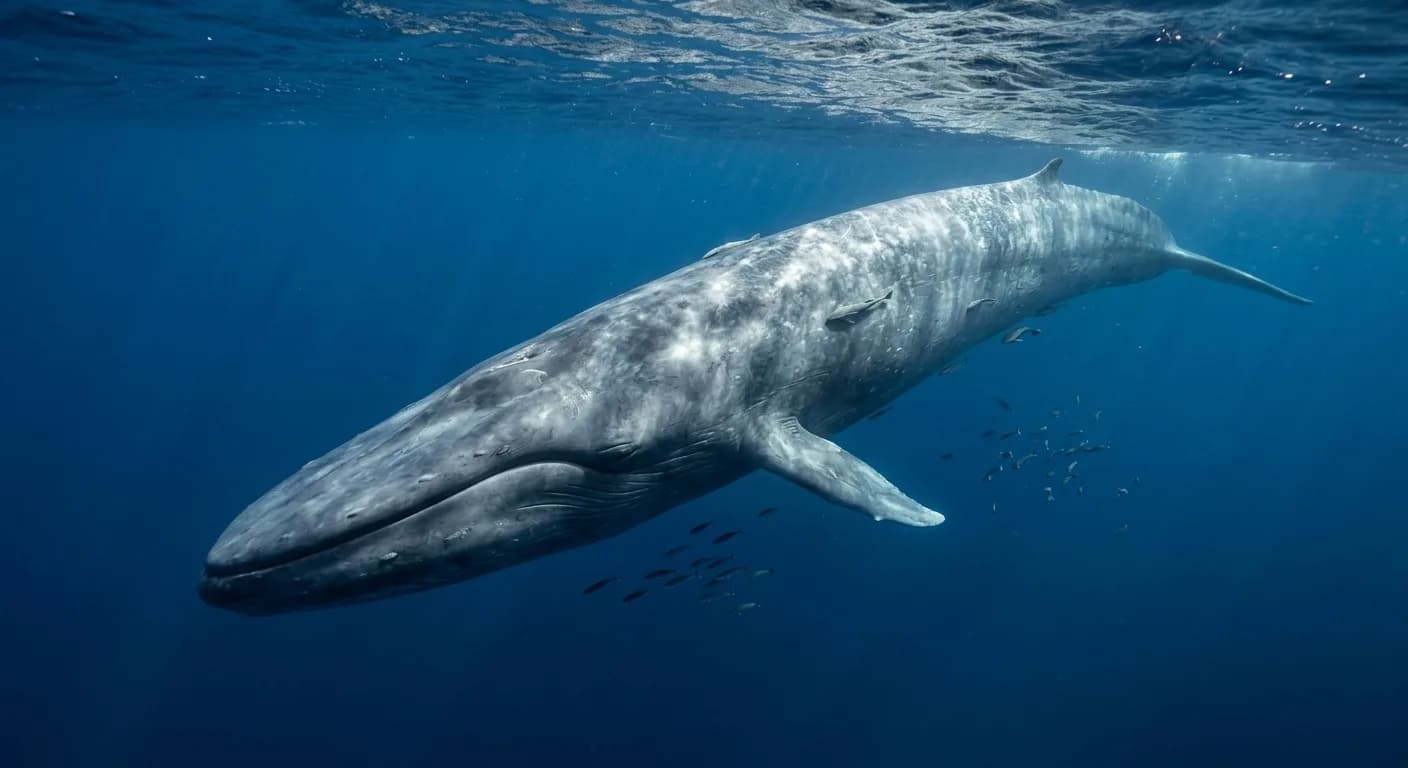
Blue Whale
Balaenoptera musculus
 Endangered
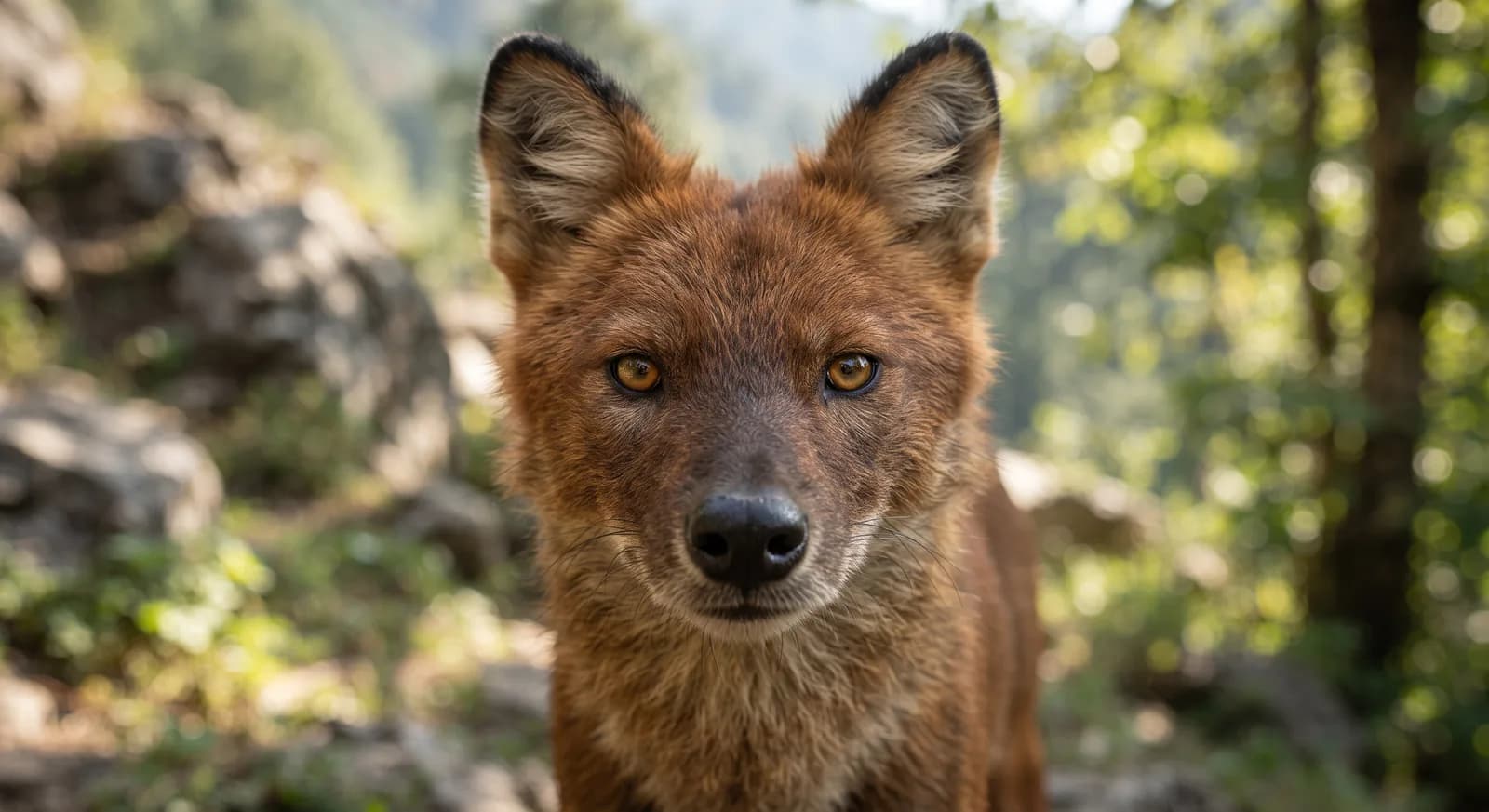
Dhole
Cuon alpinus
 Endangered
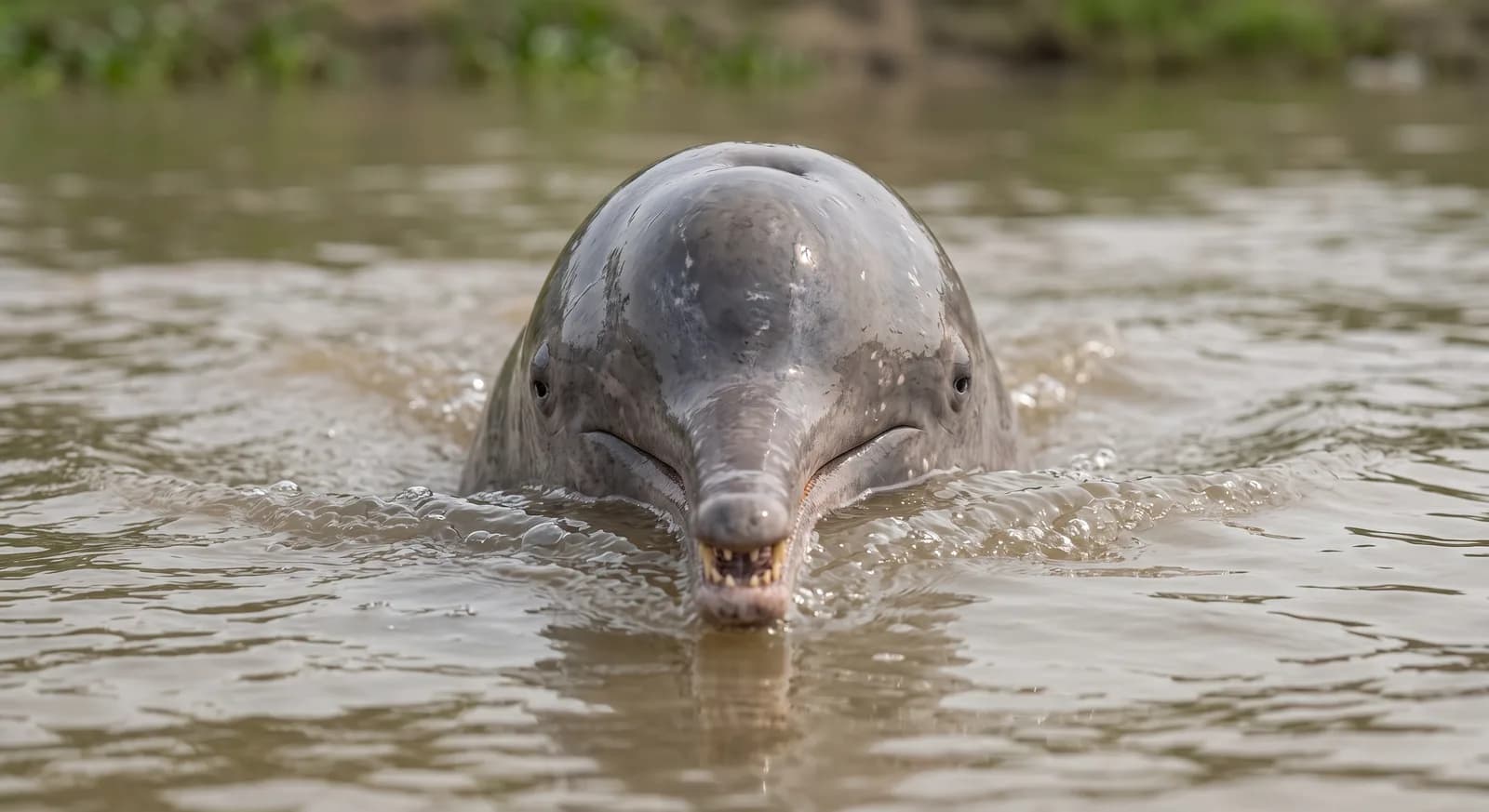
Ganges River Dolphin
Platanista gangetica
 Endangered
Irrawaddy Dolphin
Orcaella brevirostris
 Endangered
Asian Elephant
Elephas maximus
 Endangered
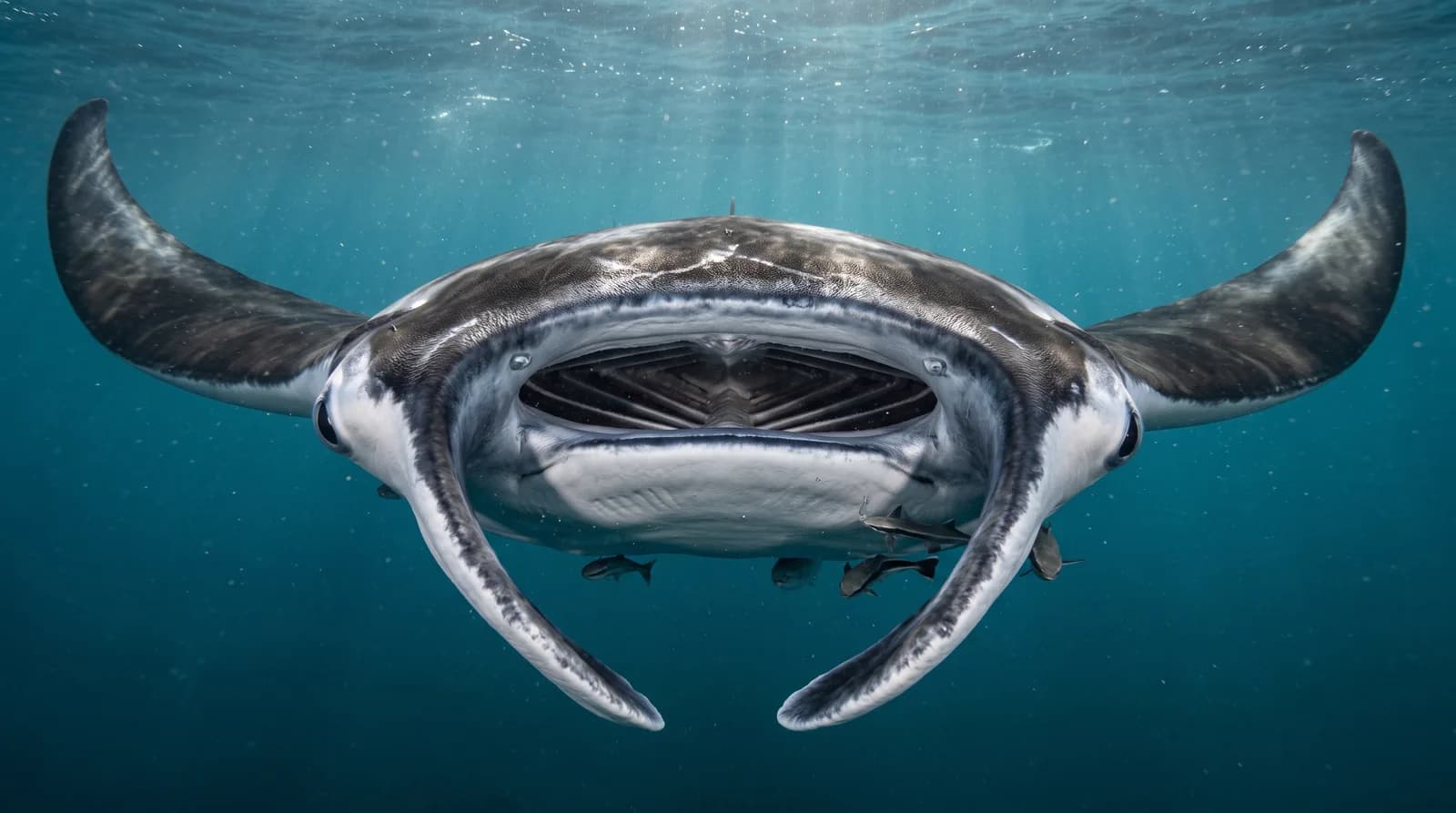
Giant Manta
Mobula birostris
 Endangered
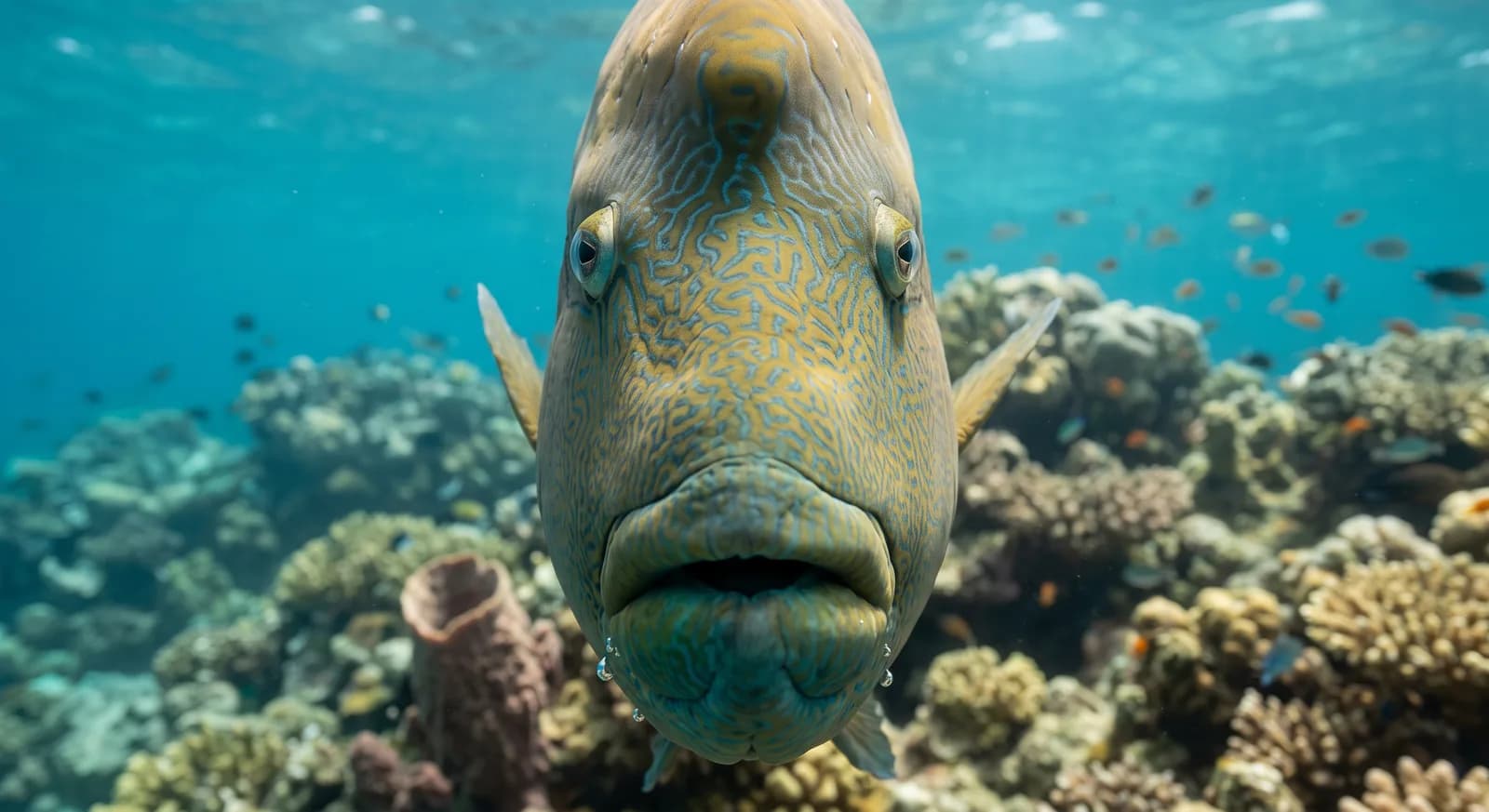
Humphead Wrasse
Cheilinus undulatus
 Endangered
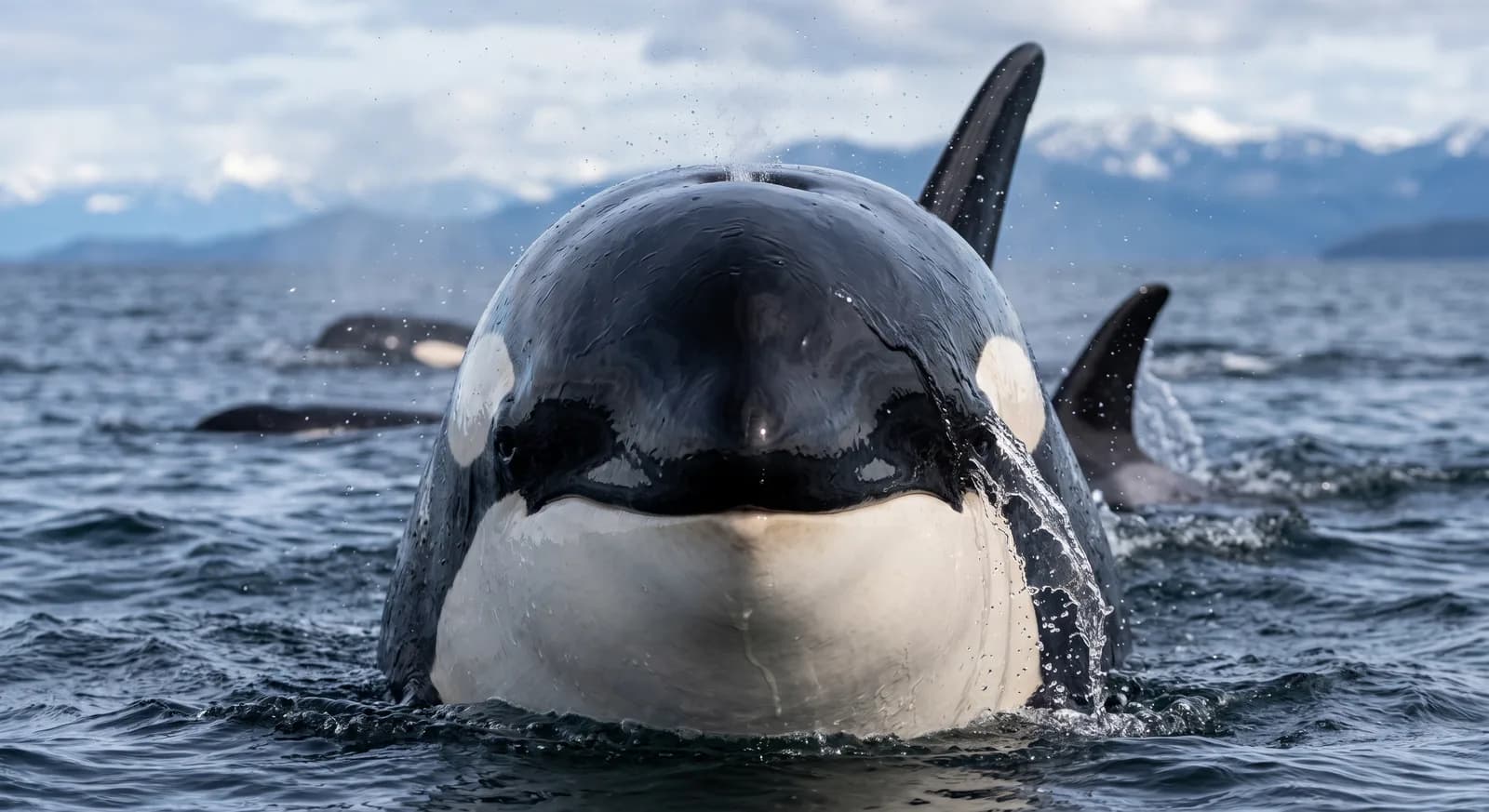
Killer Whale
Orcinus orca
Keep exploring
Based on what we already know about Bangladesh.