One of the 41 turtles and tortoises on WAnimals
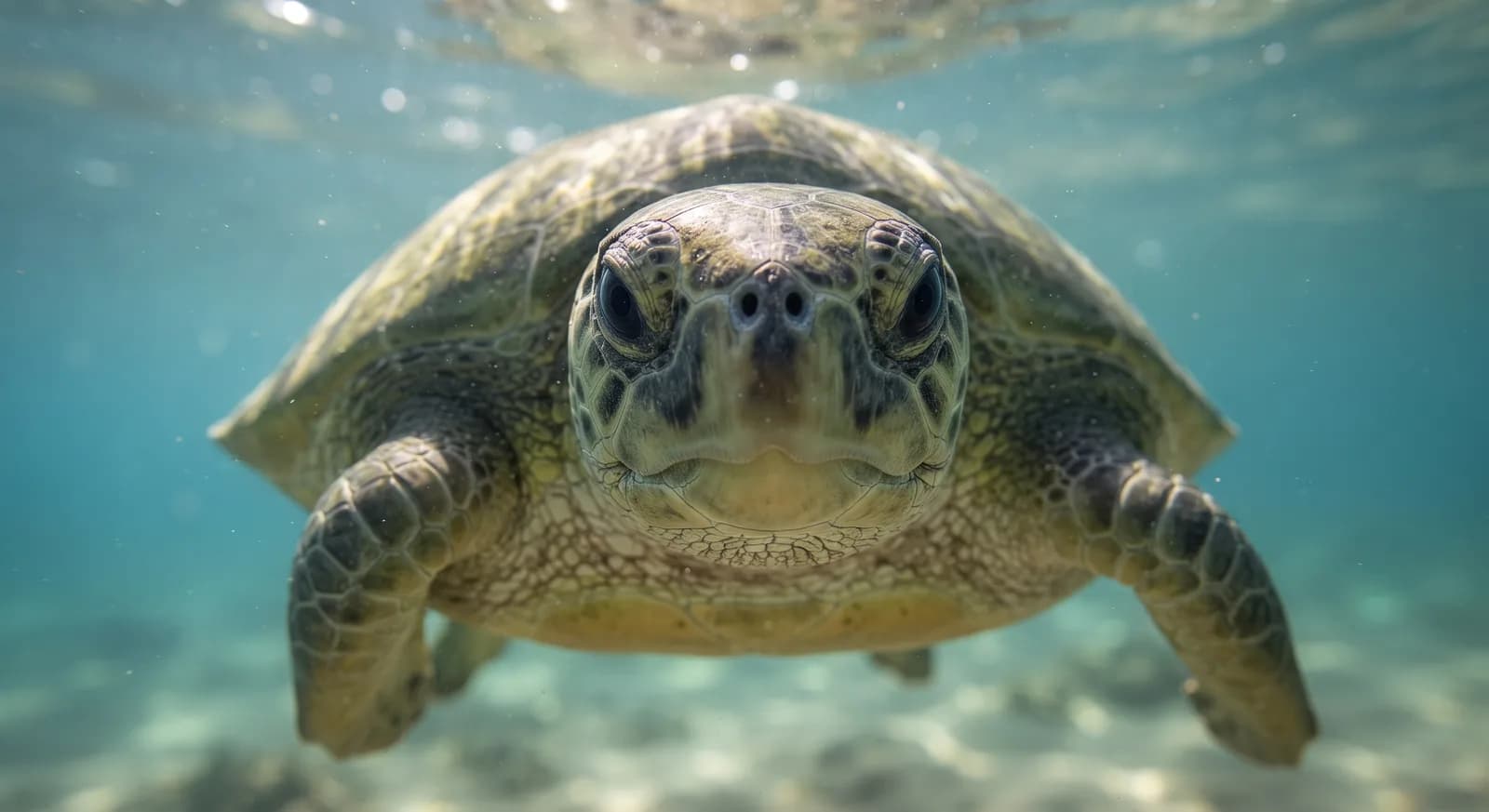
Reptiles · Testudines · Cheloniidae
Olive Ridley
Lepidochelys olivacea
It faces a high risk of extinction in the wild over the medium term. See full glossary
The olive ridley is a turtle of the family Cheloniidae. It is the smallest of the sea turtles. It measures up to 70 cm and weighs around 40 kg. It feeds on a wide variety of marine invertebrates. It is widely distributed around the world with the exception of the North Atlantic. It is considered Vulnerable by the IUCN. It is also known by the names parlama, guaraguá, batalí and maní.
Weight
35 kg – 50 kg
Size
60 cm – 75 cm
Lifespan
50 years
Diet
Omnivore
Combines animal and plant food depending on availability.
Activity
Irregular activity
Active at irregular times, by day or night depending on circumstances.
Sighting difficulty
Moderate
Fun facts
- Its arribadas are among the largest gatherings of reptiles in the world: at Gahirmatha in India more than six hundred thousand females have been recorded nesting in a single season, and at Ostional in Costa Rica the arribadas cover the beach completely.
- At Ostional there is a legal programme of controlled egg collection during the first days of the arribada, when later turtles would destroy those nests anyway: an uncommon case of sustainable use of a threatened species.
- It is the most abundant sea turtle in the world and even so is listed as vulnerable: accidental capture in trawls and on longlines still kills tens of thousands a year.
Life cycle & biology
- Skeleton type
- Vertebrate - internal bony skeleton with a shell (reptile)
- Habitat & environment
- Tropical waters of the Pacific, Indian and Atlantic oceans; it nests on arribada beaches
- Sexual maturity
- 13 years
- Gestation / incubation
- 55 days of incubation
- Litter / clutch size
- 110 eggs
Sources consulted: https://es.wikipedia.org/wiki/Lepidochelys_olivacea
Where to find it
See its range on the interactive mapWhere to watch it
Parques y spots de buceo donde se ha documentado esta especie — se muestran 16 de 29 documentados.
Related species
Other species in the catalogue with the most in common with Olive Ridley — same habitat, park, country, tags or family.
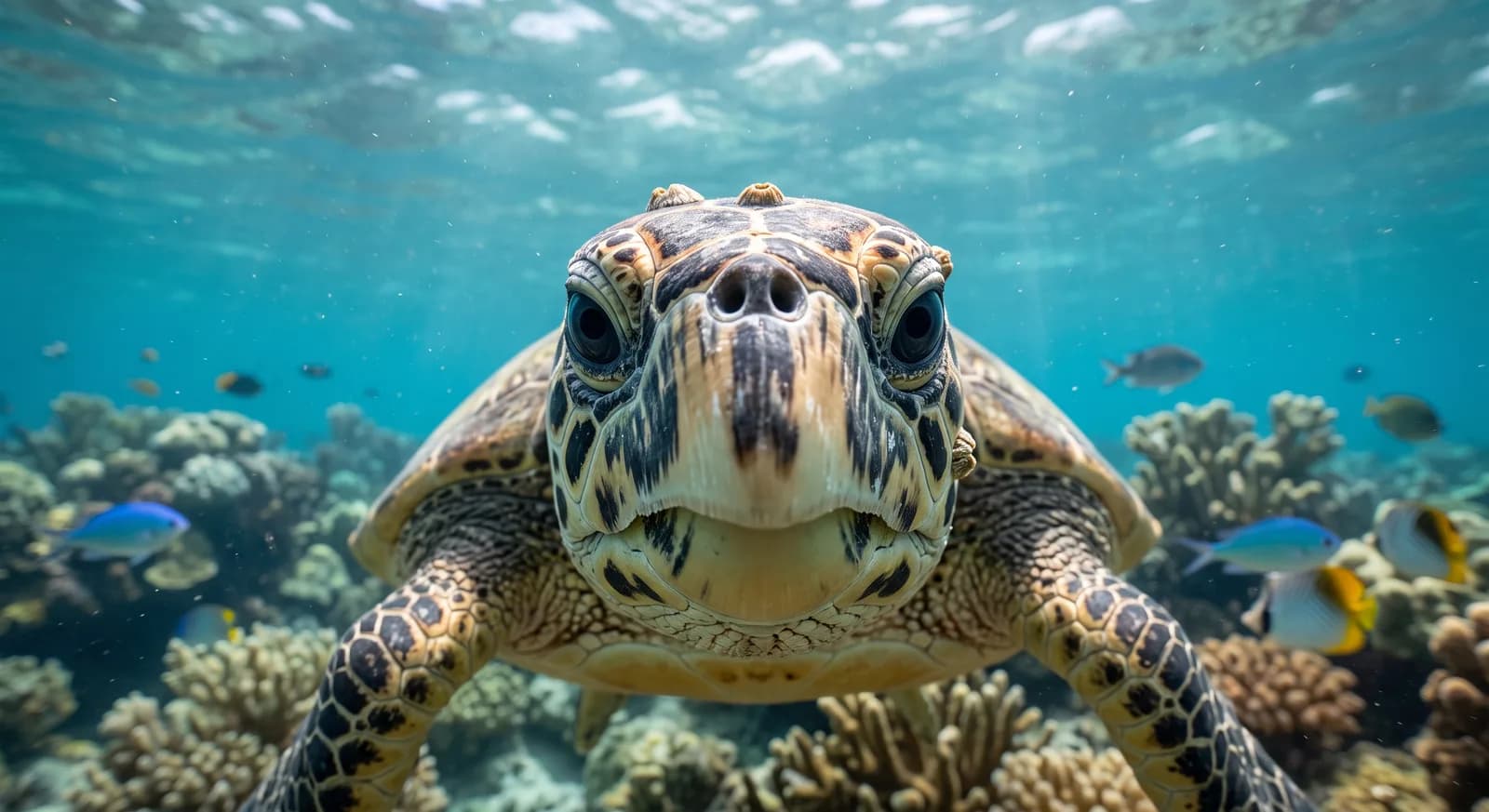 Critically Endangered
Hawksbill Turtle
Eretmochelys imbricata
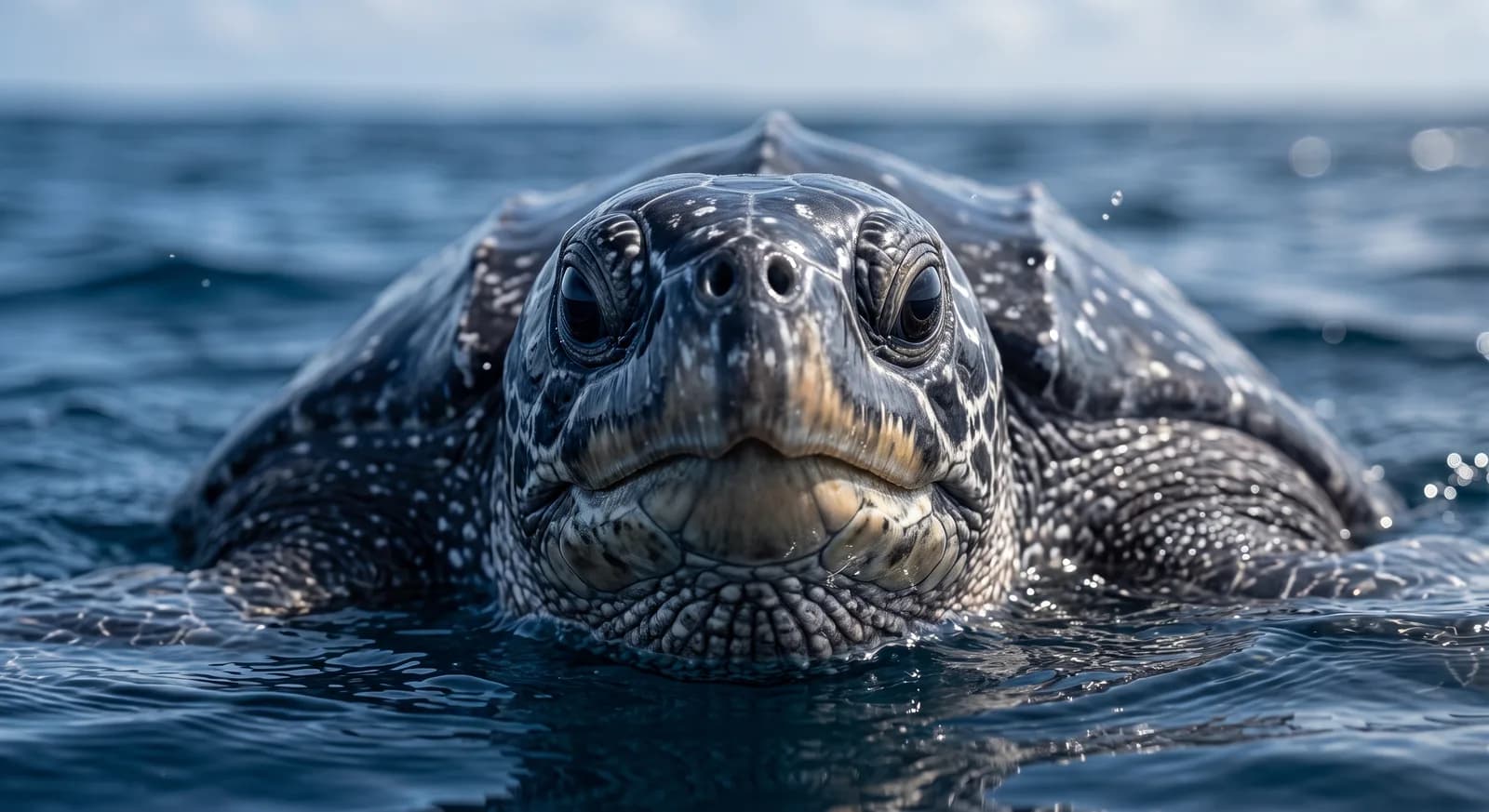 Vulnerable
Leatherback Sea Turtle
Dermochelys coriacea
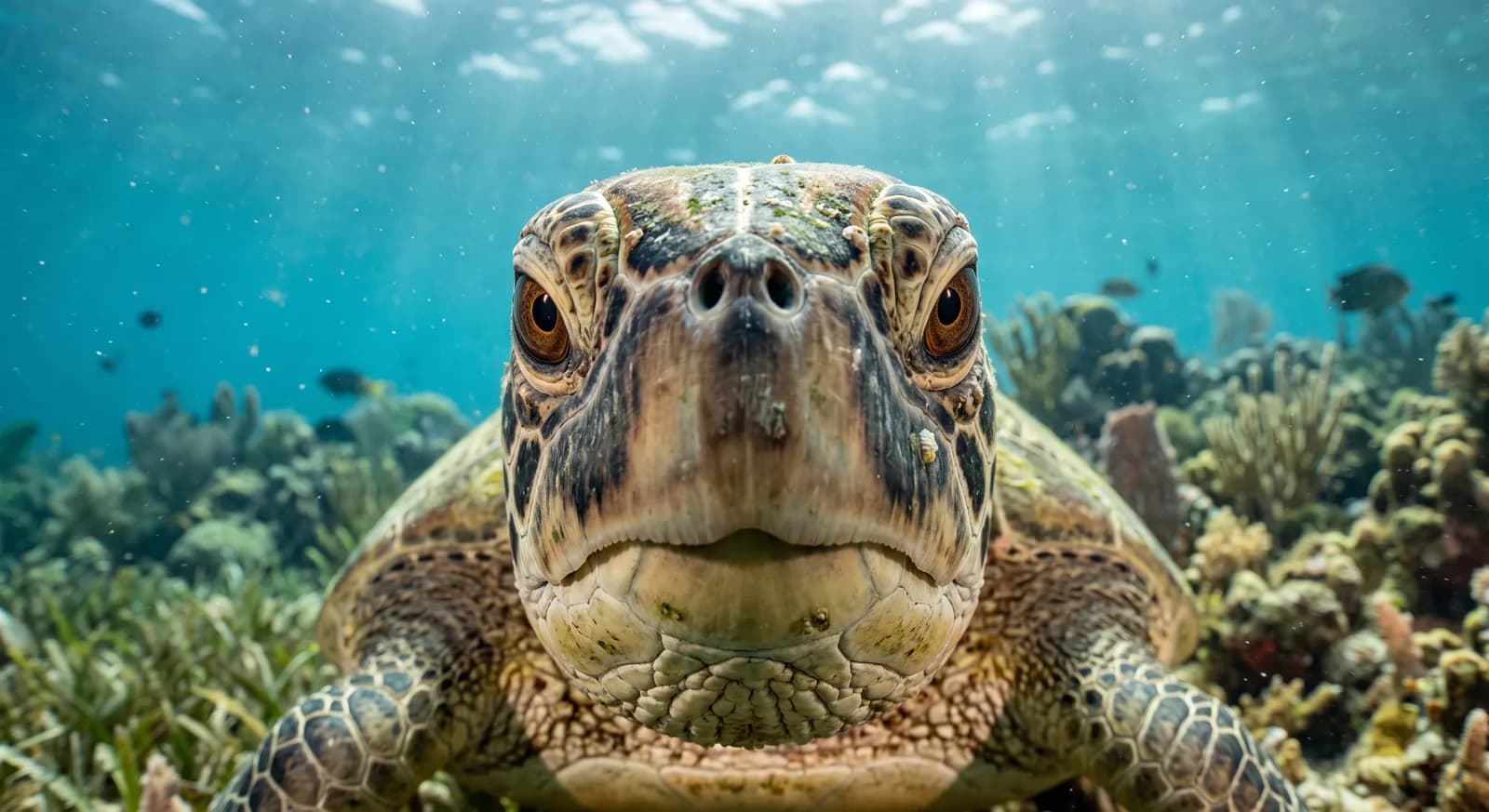 Endangered
Green Turtle
Chelonia mydas
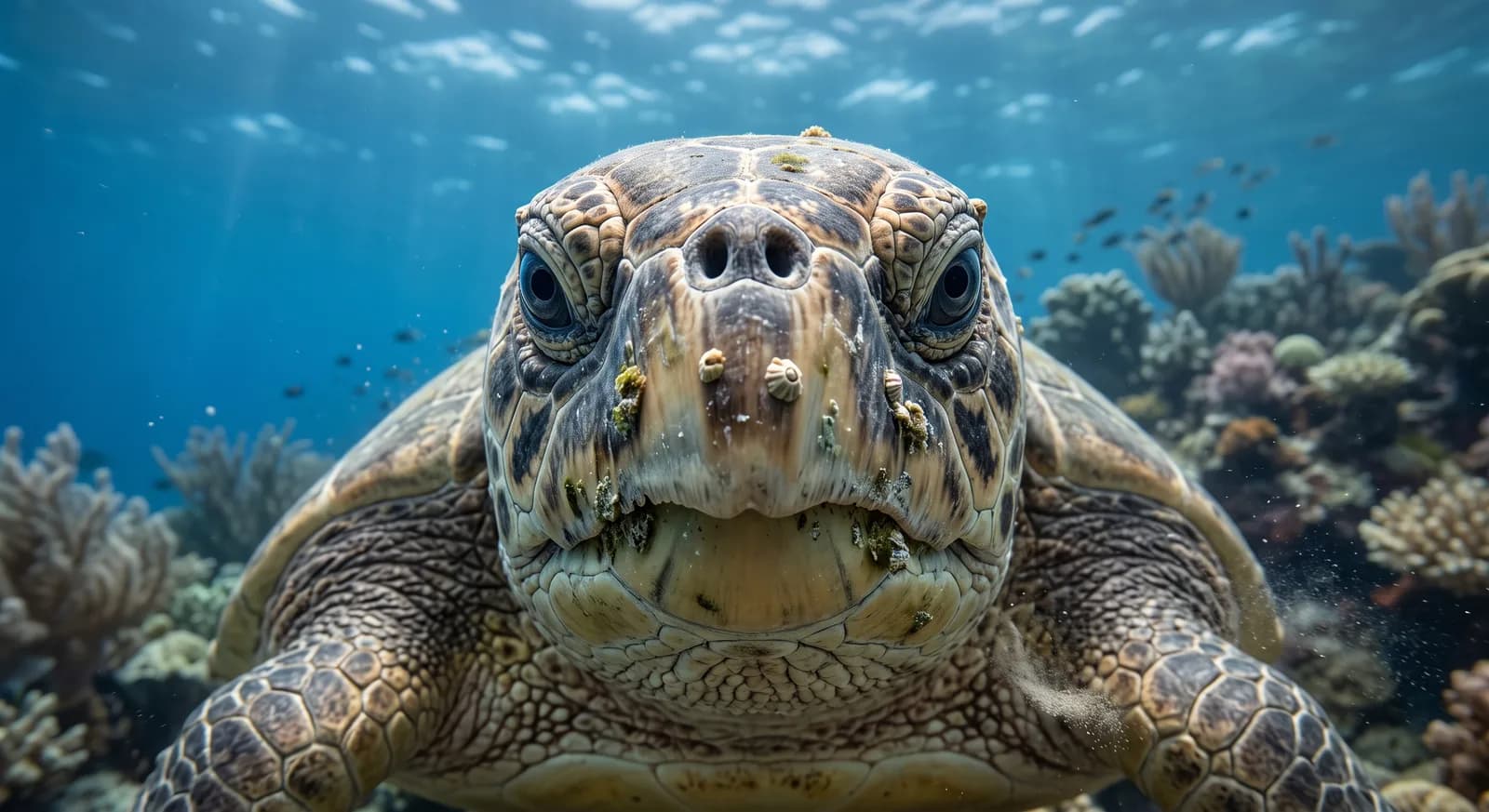 Vulnerable
Loggerhead Turtle
Caretta caretta
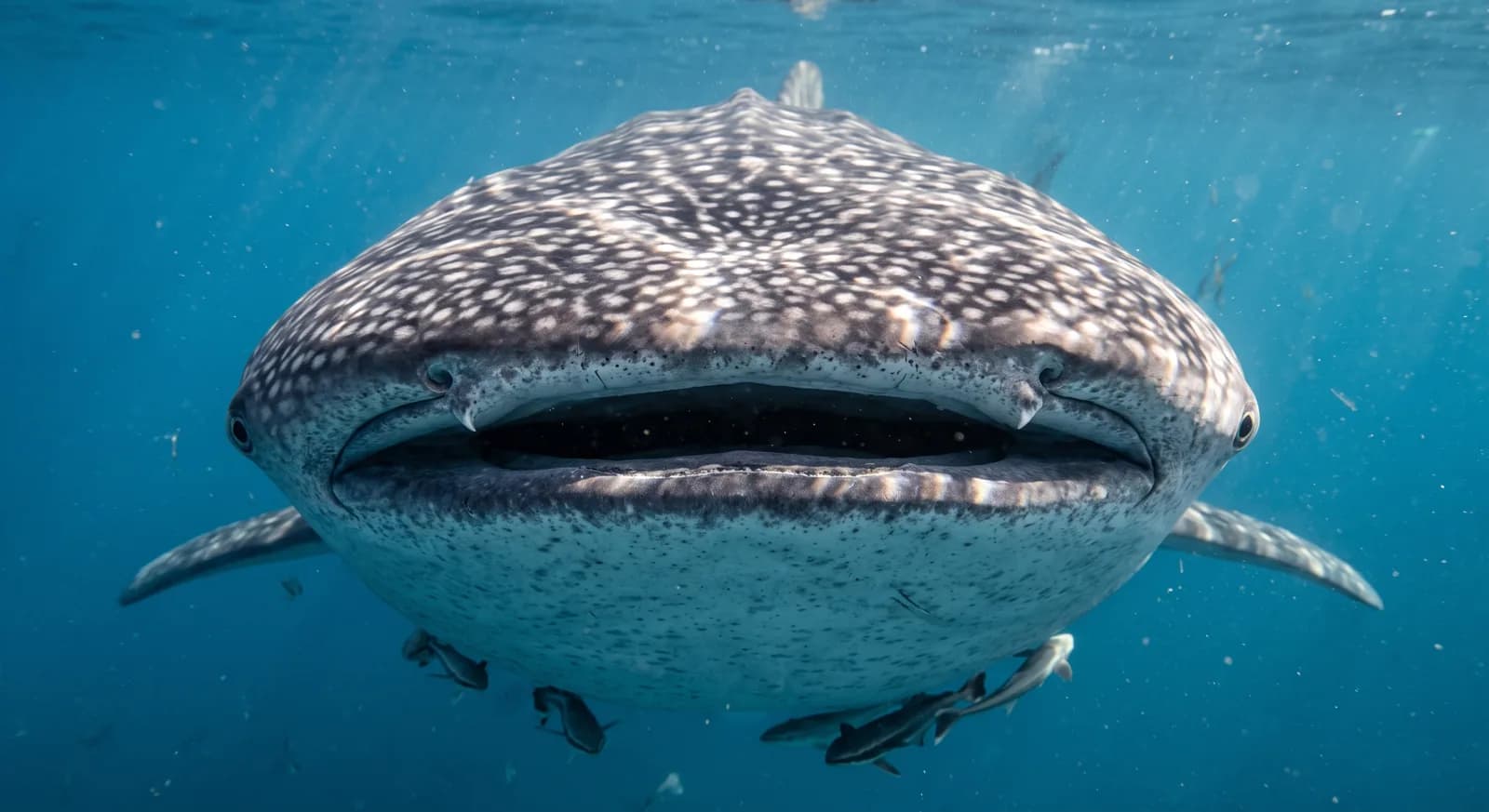 Endangered
Whale Shark
Rhincodon typus
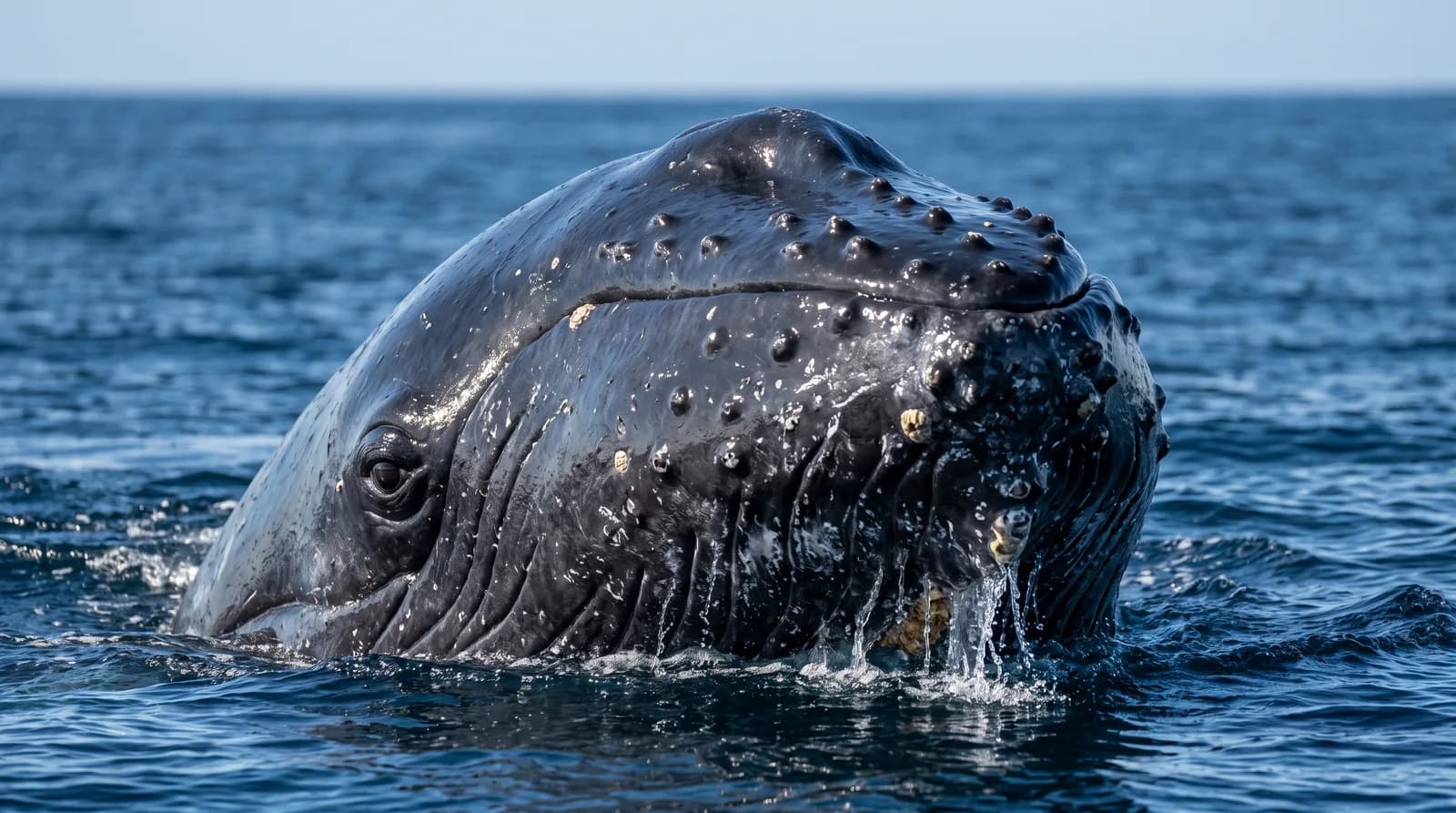 Least Concern
Humpback Whale
Megaptera novaeangliae
How to help
The olive ridley is classified as vulnerable. Organizations such as UICN, WWF y Wildlife Conservation Society work specifically on its conservation and that of its habitat; looking into their programs is a good starting point if you want to get involved.
It's documented in 11 real protected areas — part of why protecting these places matters for its conservation.
Keep exploring
Based on what we already know about olive ridley.
Comments
Share an experience, a fun fact or a tip for seeing the olive ridley.
Be the first to comment.