Species group · Reptiles
Turtles and Tortoises
WAnimals has 41 species of turtle, spread across 13 families (Carettochelyidae, Chelidae, Cheloniidae, Chelydridae, Dermochelyidae, Emydidae, Geoemydidae, Kinosternidae, Pelomedusidae, Platysternidae, Podocnemididae, Testudinidae, Trionychidae).
- 41 species
- 13 families
- 216 countries
- 409 parks
- Weight
- 200 g – 900 kg
- Length
- 8 cm – 2.4 m
- Lifespan
- 25 – 150 years
Ranges calculated from the entries that record the figure, not from all 41.
All 41 species of turtles and tortoises on WAnimals
Each one has its own full entry. This group does not replace them: it brings them together.
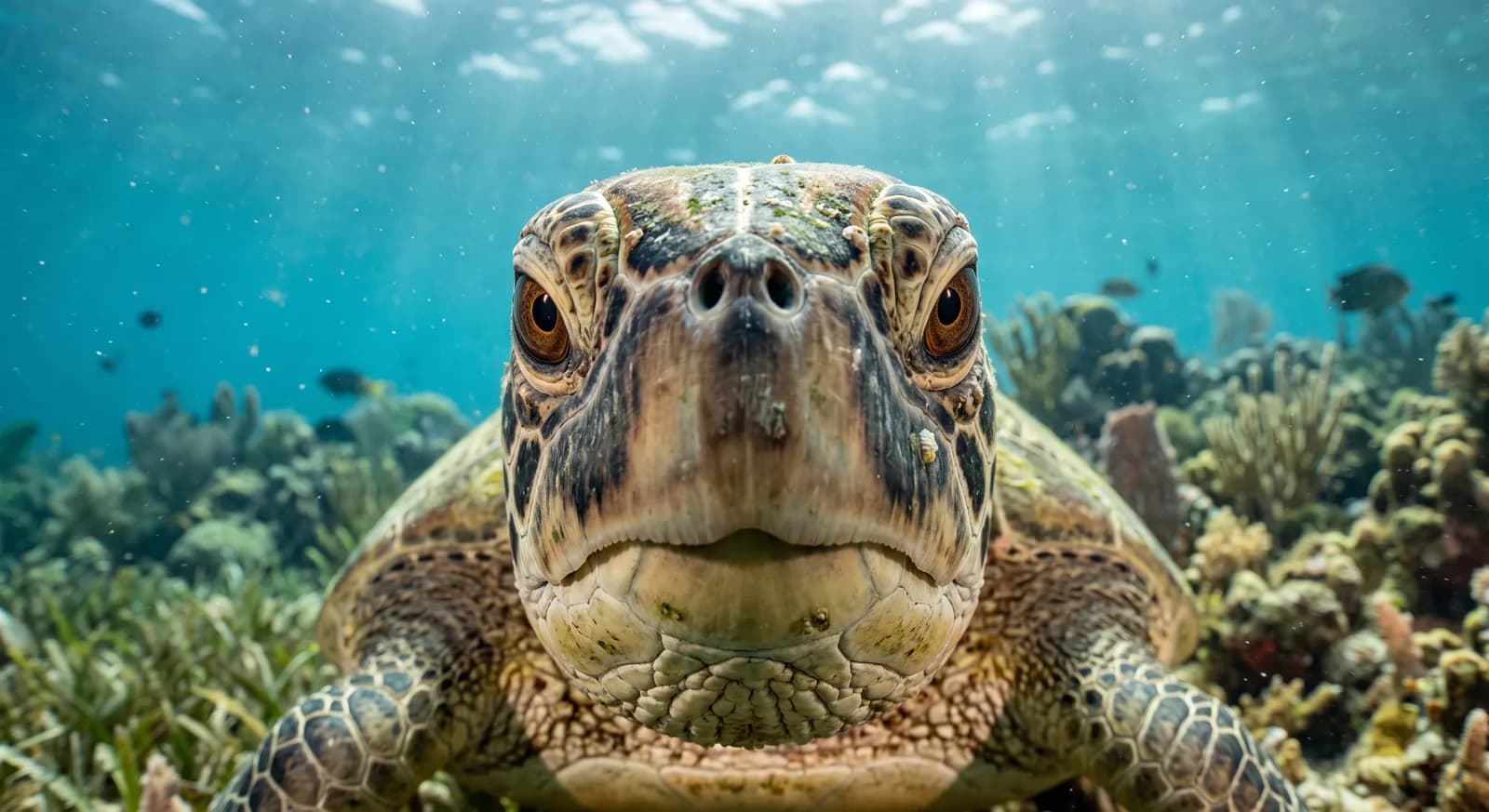 Endangered
Green Turtle
Chelonia mydas
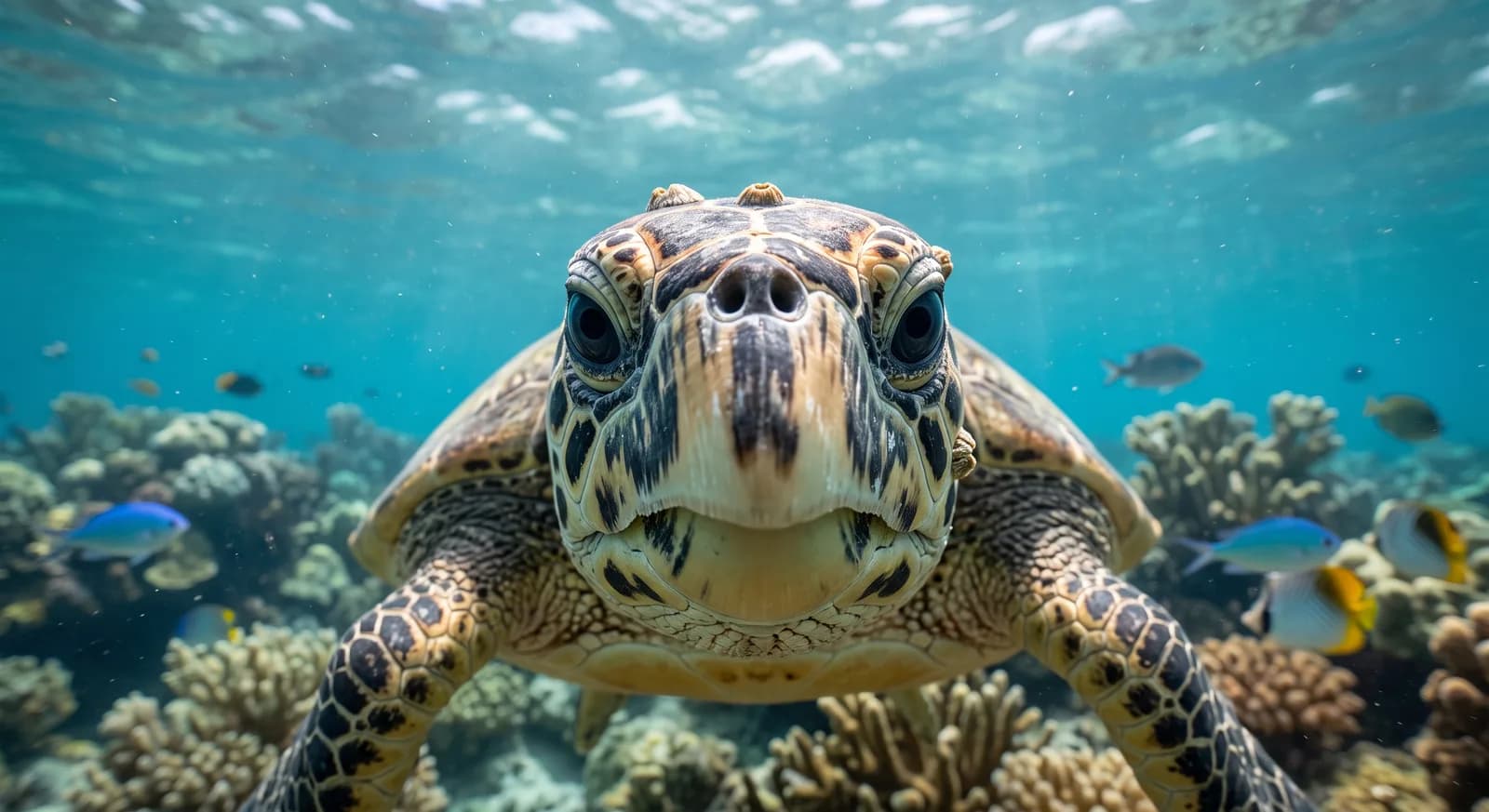 Critically Endangered
Hawksbill Turtle
Eretmochelys imbricata
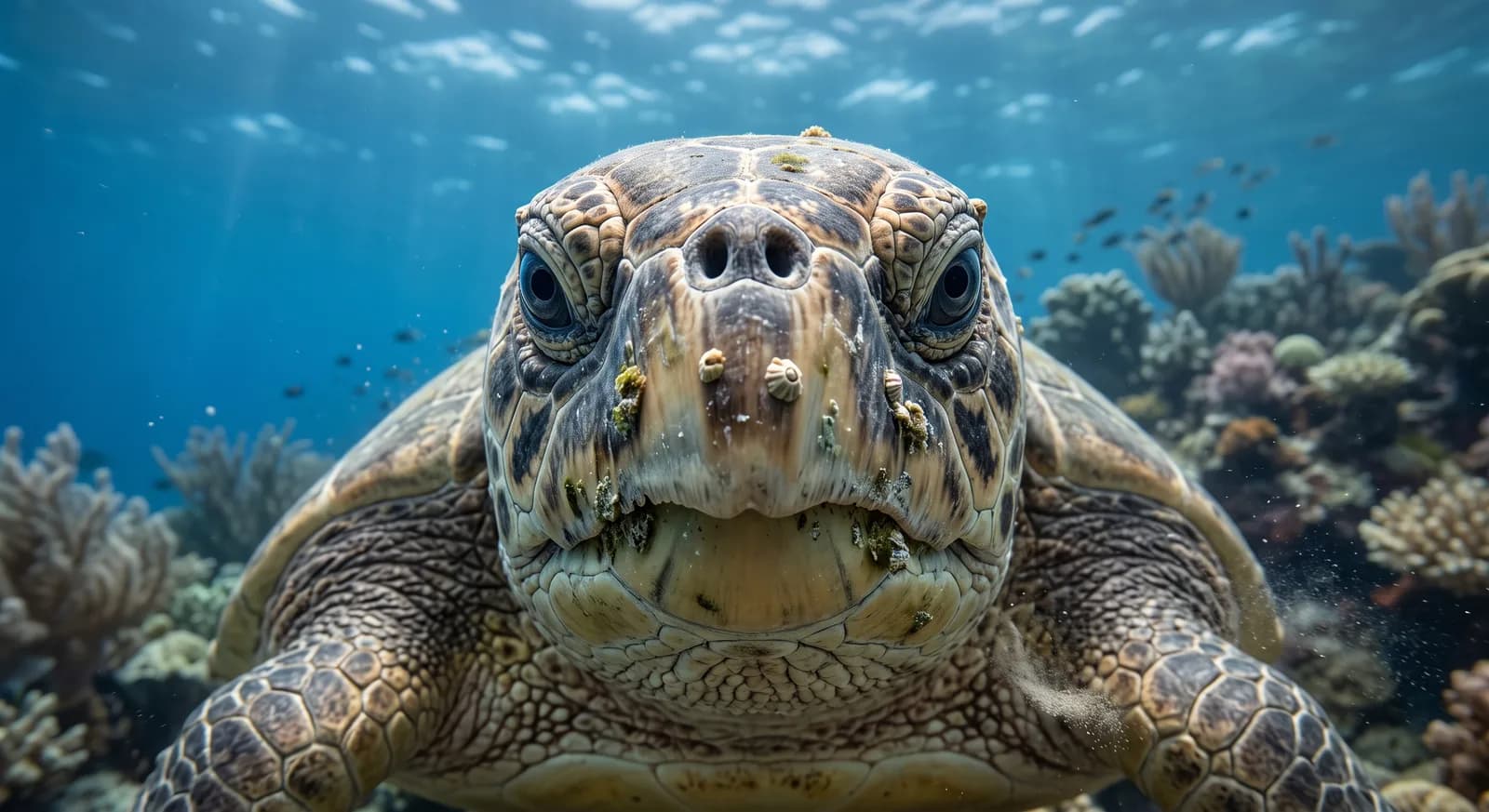 Vulnerable
Loggerhead Turtle
Caretta caretta
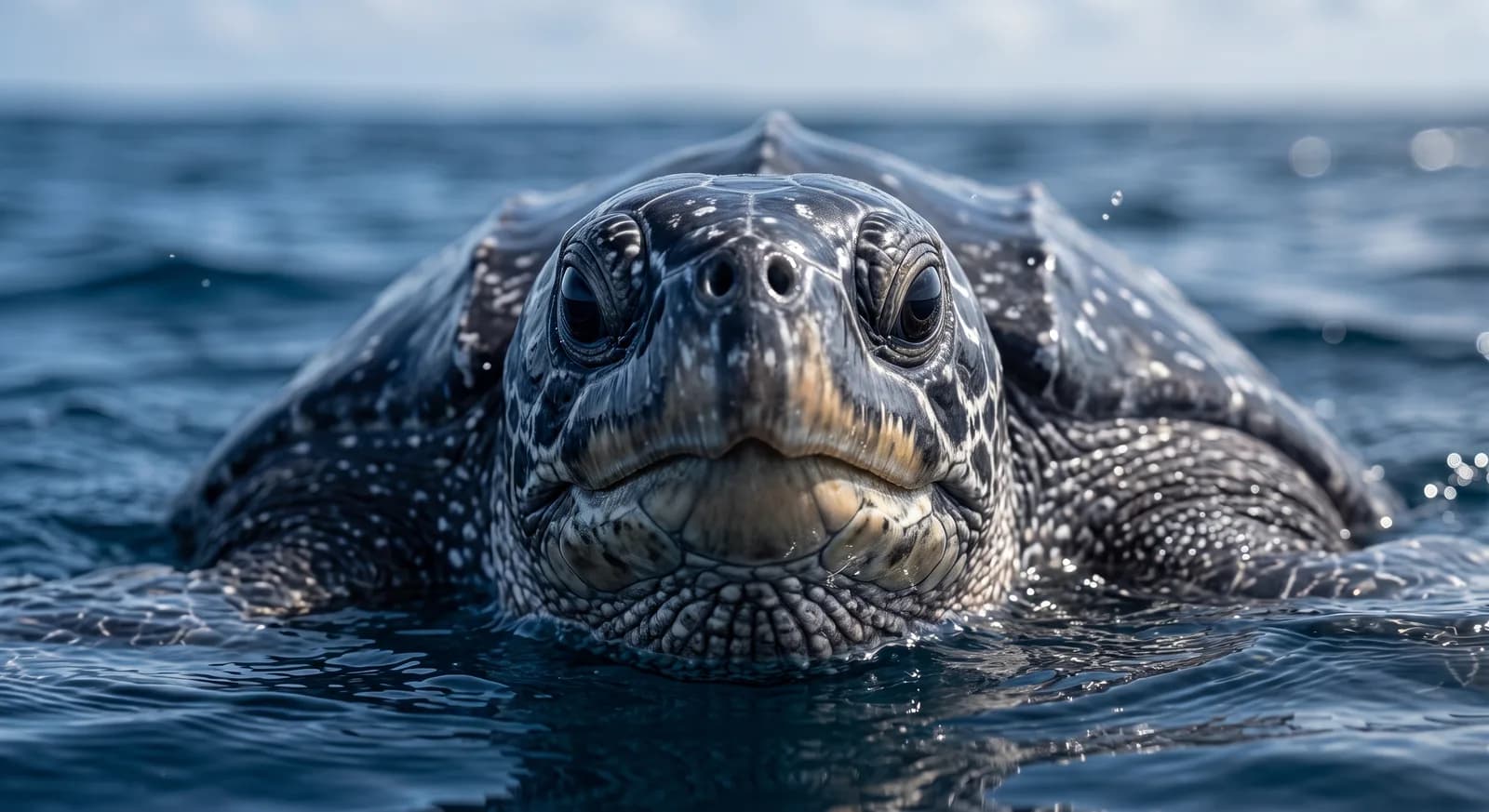 Vulnerable
Leatherback Sea Turtle
Dermochelys coriacea
 Least Concern
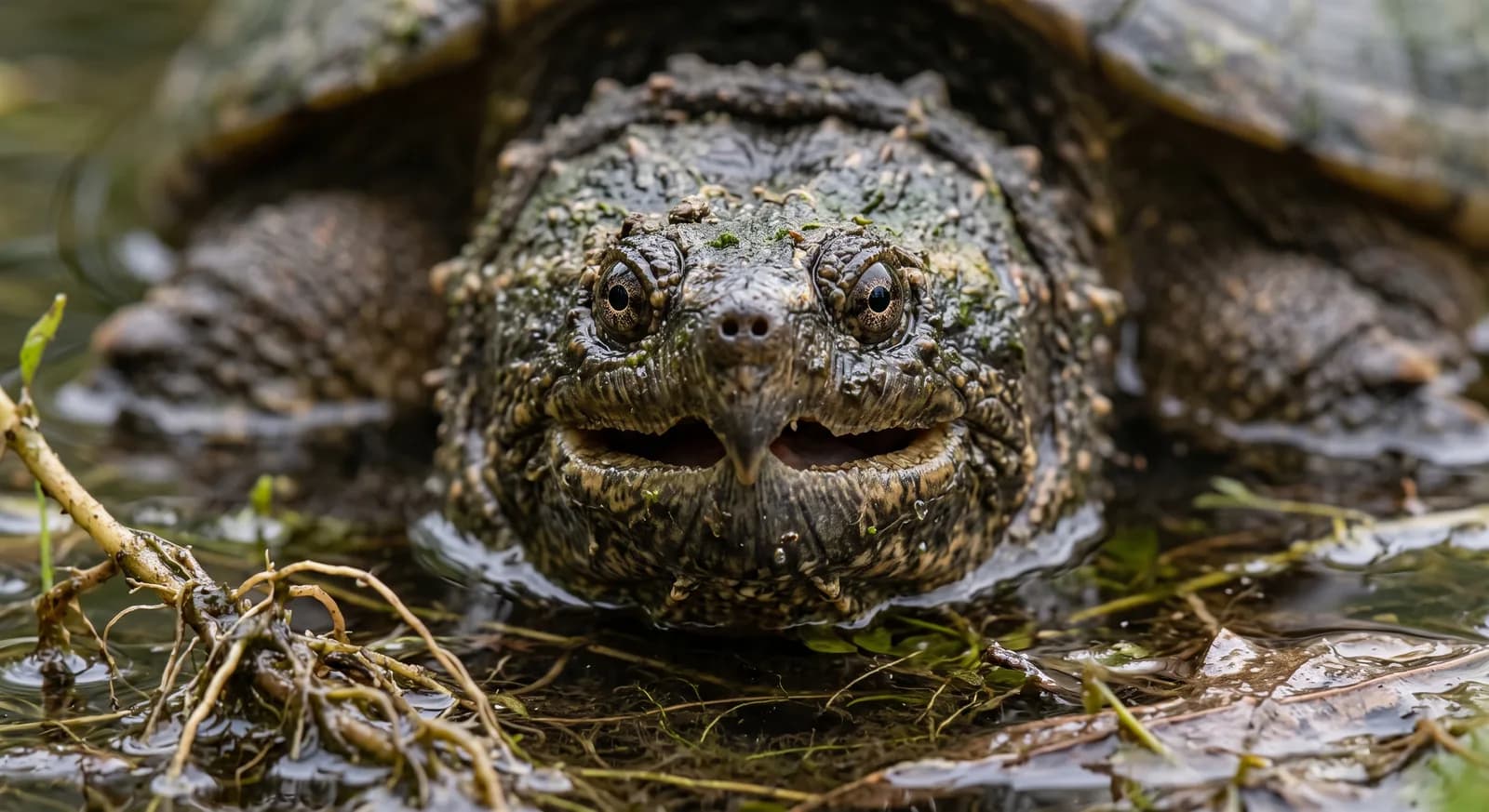
Common Snapping Turtle
Chelydra serpentina
 Vulnerable
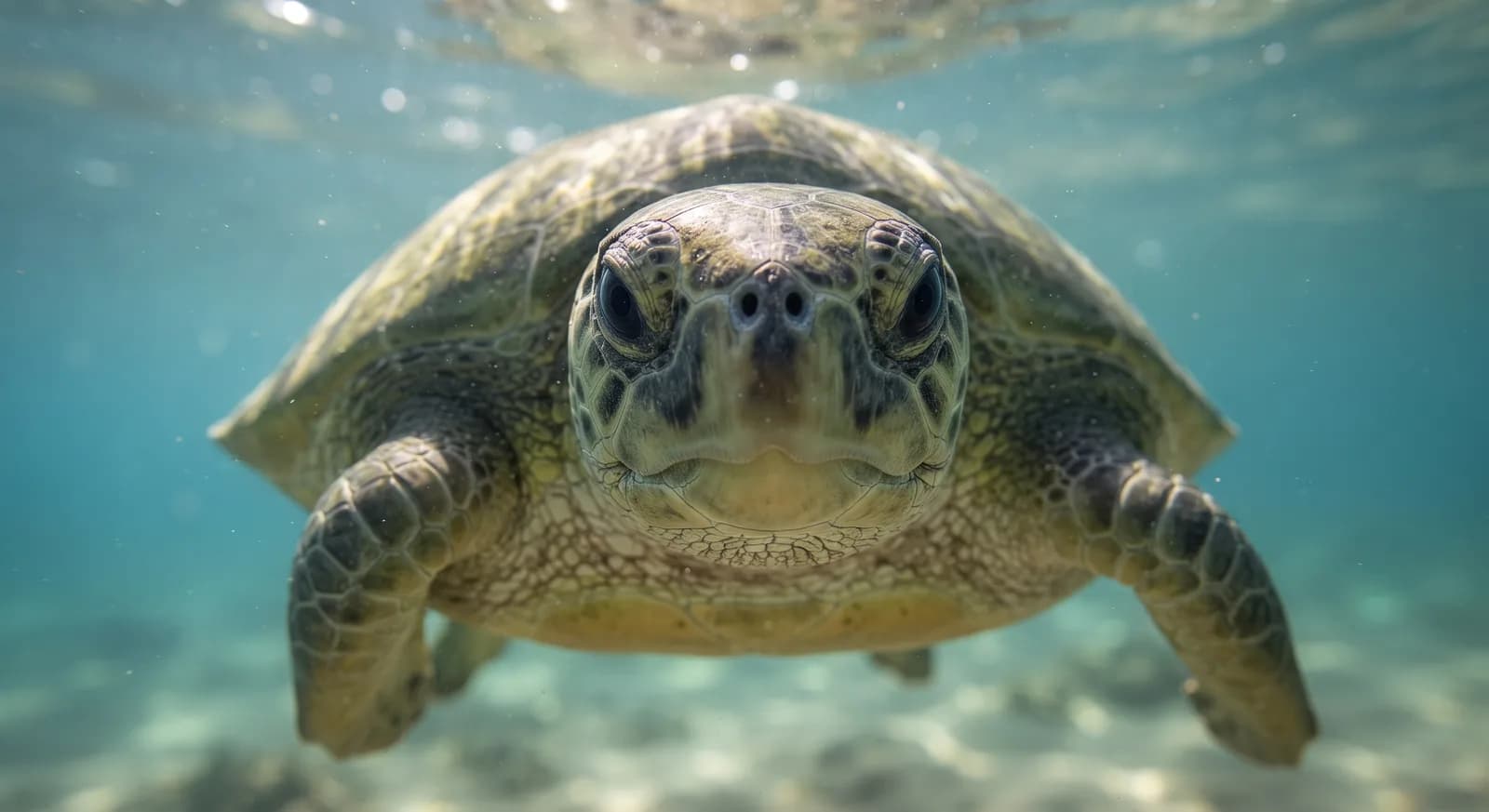
Olive Ridley
Lepidochelys olivacea
 Vulnerable
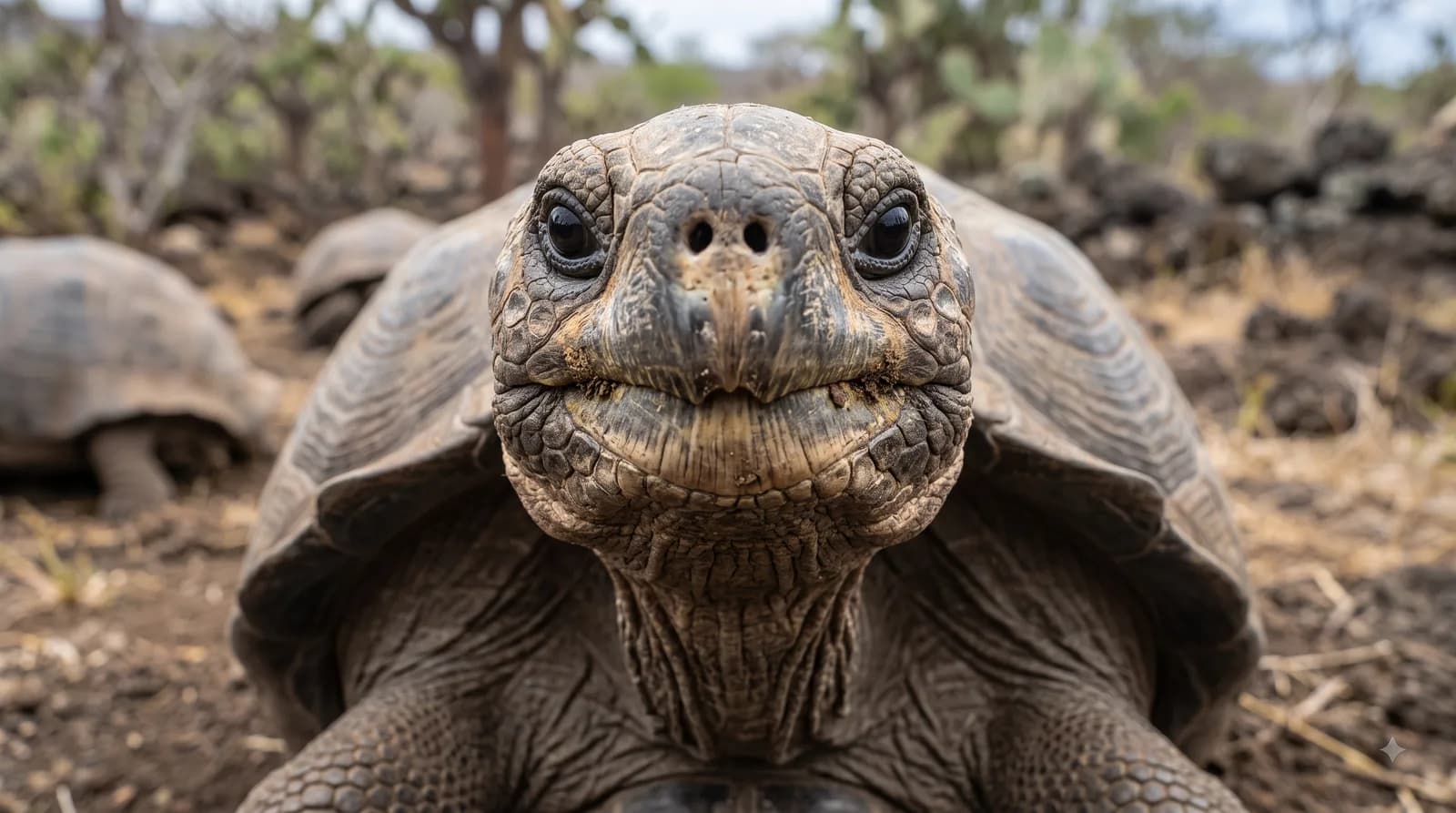
Floreana Giant Tortoise
Chelonoidis niger
 Vulnerable
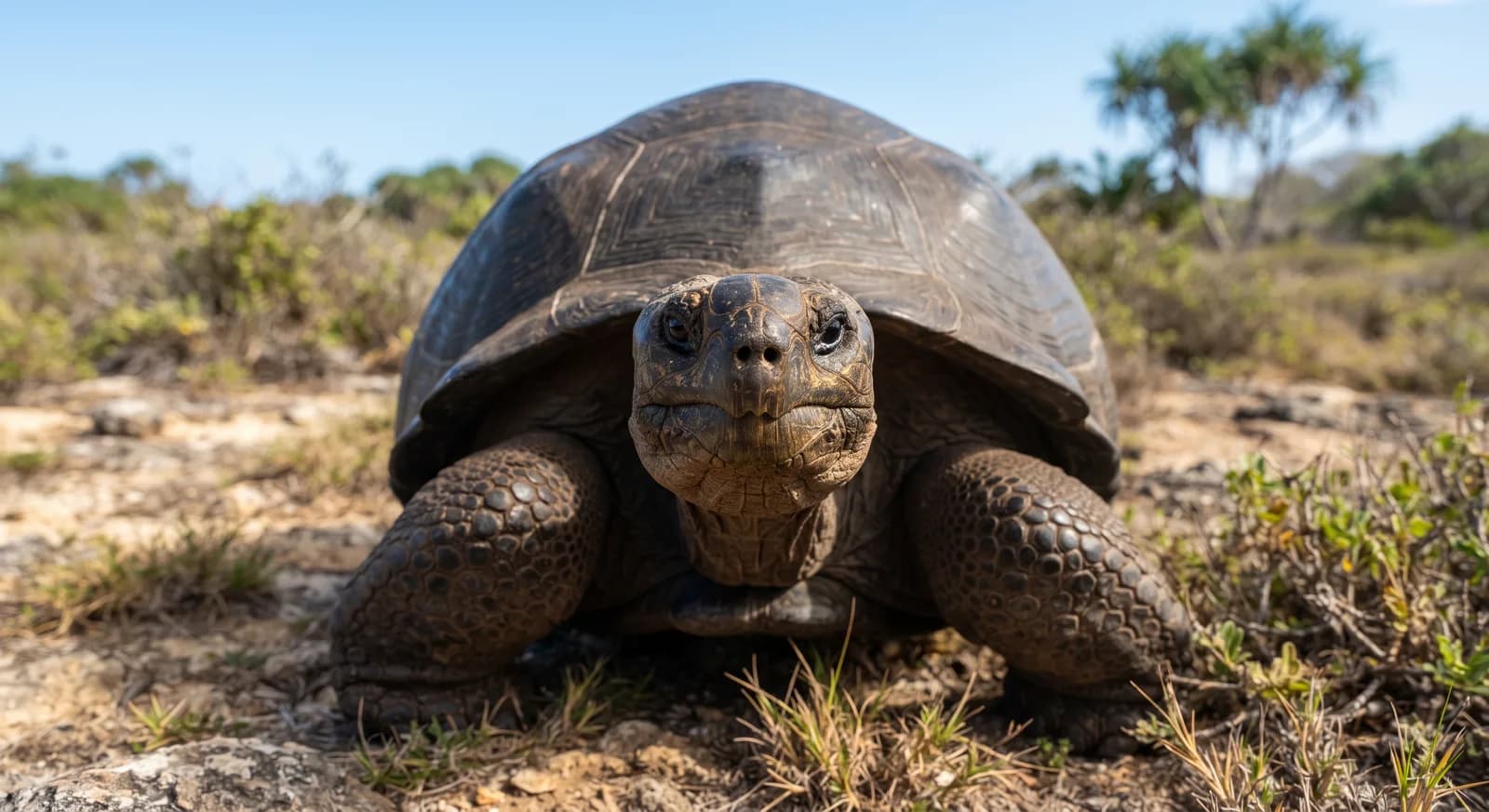
Aldabra Giant Tortoise
Aldabrachelys gigantea
 Vulnerable
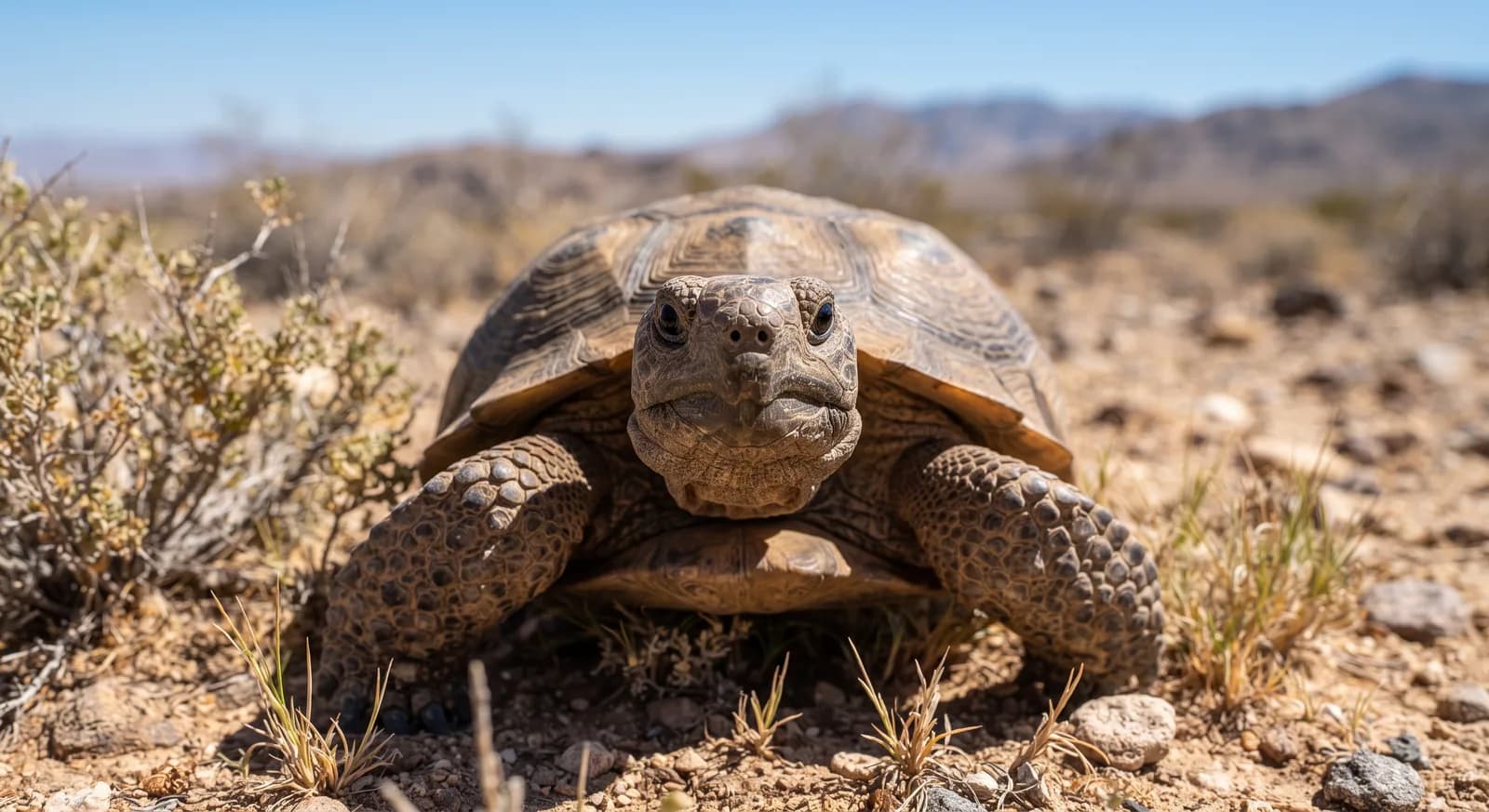
Mojave Desert Tortoise
Gopherus agassizii
Kemp's Ridley
Lepidochelys kempii
Painted Turtle
Chrysemys picta
Common Musk Turtle
Sternotherus odoratus
Pond Slider
Trachemys scripta
Flatback
Natator depressus
Blanding's Turtle
Emydoidea blandingii
Northern Map Turtle
Graptemys geographica
Spiny Softshell Turtle
Apalone spinifera
Eastern Mud Turtle
Kinosternon subrubrum
Diamondback Terrapin
Malaclemys terrapin
Hermann's Tortoise
Testudo hermanni
Red-Footed Tortoise
Chelonoidis carbonarius
Leopard Tortoise
Stigmochelys pardalis
African Spurred Tortoise
Centrochelys sulcata
Steppe Tortoise
Testudo horsfieldii
Southeast Asian Box Turtle
Cuora amboinensis
Helmeted Turtle
Pelomedusa subrufa
Giant South American River Turtle
Podocnemis expansa
Common Tortoise
Testudo graeca
Indian Star Tortoise
Geochelone elegans
Pancake Tortoise
Malacochersus tornieri
Chinese Softshell Turtle
Pelodiscus sinensis
Alligator Snapping Turtle
Macrochelys temminckii
Big-headed Turtle
Platysternon megacephalum
Eastern Box Turtle
Terrapene carolina
Hilaire's Side-necked Turtle
Phrynops hilarii
Pig-Nosed Turtle
Carettochelys insculpta
Eastern Snake-necked Turtle
Chelodina longicollis
Gopher Tortoise
Gopherus polyphemus
Northern River Terrapin
Batagur baska
Radiated Tortoise
Astrochelys radiata
Burmese Star Tortoise
Geochelone platynota
Conservation status
28 especies in this group están en alguna categoría de riesgo real según la UICN.
See the global conservation statusWhere they live
Recorded in 216 countries. The ones with the most species in the group:
Where to see them
- Assateague Island11 species
- Acadia10 species
- Cape Cod10 species
- Congaree10 species
- Cuyahoga Valley10 species
- Everglades10 species
- Indiana Dunes10 species
- Mammoth Cave10 species
- Biscayne9 species
- Hot Springs9 species
- Great Smoky Mountains8 species
- Shenandoah8 species
- Fathom Five National Marine Park (Tobermory)diving
- Ginnie Springsdiving
- Isle Royale National Parkdiving
- Thunder Bay National Marine Sanctuarydiving
- White Star Quarrydiving
- Blue Heron Bridgediving
Did you know…
Fewer than 1 in 1,000 hatchlings reaches adulthood.
From Green Turtle
A female can lay between 75 and 200 eggs per clutch, with up to 9 clutches in a season.
From Green Turtle
It returns to nest on the very beach where it hatched, a phenomenon known as natal philopatry.
From Green Turtle
It feeds mainly on sea sponges that are toxic to most other animals, and stores those toxins in its own tissues with no apparent harm.
From Hawksbill Turtle
It is the only marine consumer whose diet consists mainly of sponges, which makes it a keystone in the balance of the reef.
From Hawksbill Turtle
Even surrounded by dozens of sponge species, it selects only a handful of them: its dietary specificity is extremely fine.
From Hawksbill Turtle
It nests on beaches in both the eastern and western Mediterranean, and hatchlings from a single clutch may disperse to very different feeding grounds in the Atlantic and the Mediterranean itself.
From Loggerhead Turtle
It is the largest hard-shelled turtle in the world; only the leatherback, with its leathery shell, is bigger.
From Loggerhead Turtle