One of the 41 turtles and tortoises on WAnimals
Reptiles · Testudines · Testudinidae
Steppe Tortoise
Testudo horsfieldii
It faces a high risk of extinction in the wild over the medium term. See full glossary
The Russian tortoise or Horsfield's tortoise lives on the arid steppes of Central Asia and spends most of the year underground: it is active for only about three months, between the thaw and the withering of the spring vegetation, and spends the rest buried, hibernating in winter and aestivating in summer. It was the first animal to travel around the Moon.
Weight
1 kg – 2.5 kg
Size
15 cm – 25 cm
Lifespan
50 years
Diet
Herbivore
Feeds mainly on plants.
Activity
Diurnal
Active mainly during the day.
Social structure
Solitary
Lives and hunts alone, joining others only to breed.
Sighting difficulty
Moderate
Fun facts
- GeneralIt spends as much as nine months a year inactive, alternating hibernation and aestivation underground.
- Two Russian tortoises were the first living creatures to travel around the Moon and return to Earth: they flew on the Soviet probe Zond 5 in September 1968, three months before the crew of Apollo 8, and survived the journey.
- It is active for barely three months a year: it emerges with the thaw, eats, breeds and buries itself again when the steppe dries out, spending both summer and winter underground.
- It digs tunnels up to two metres deep with its flattened front legs, and those burrows shelter many invertebrates and small vertebrates of the steppe.
Life cycle & biology
- Skeleton type
- Vertebrate - internal bony skeleton with a shell (reptile)
- Habitat & environment
- Arid steppe and semi-desert slopes
- Sexual maturity
- 10 years
- Gestation / incubation
- 90 days of incubation
- Litter / clutch size
- 4 eggs
Sources consulted: https://es.wikipedia.org/wiki/Testudo_horsfieldii
Where to find it
See its range on the interactive mapWhere to watch it
Parques y spots de buceo donde se ha documentado esta especie — se muestran 10 de 12 documentados.
Related species
Other species in the catalogue with the most in common with Steppe Tortoise — same habitat, park, country, tags or family.
Common Tortoise
Testudo graeca
Indian Star Tortoise
Geochelone elegans
Urial
Ovis vignei
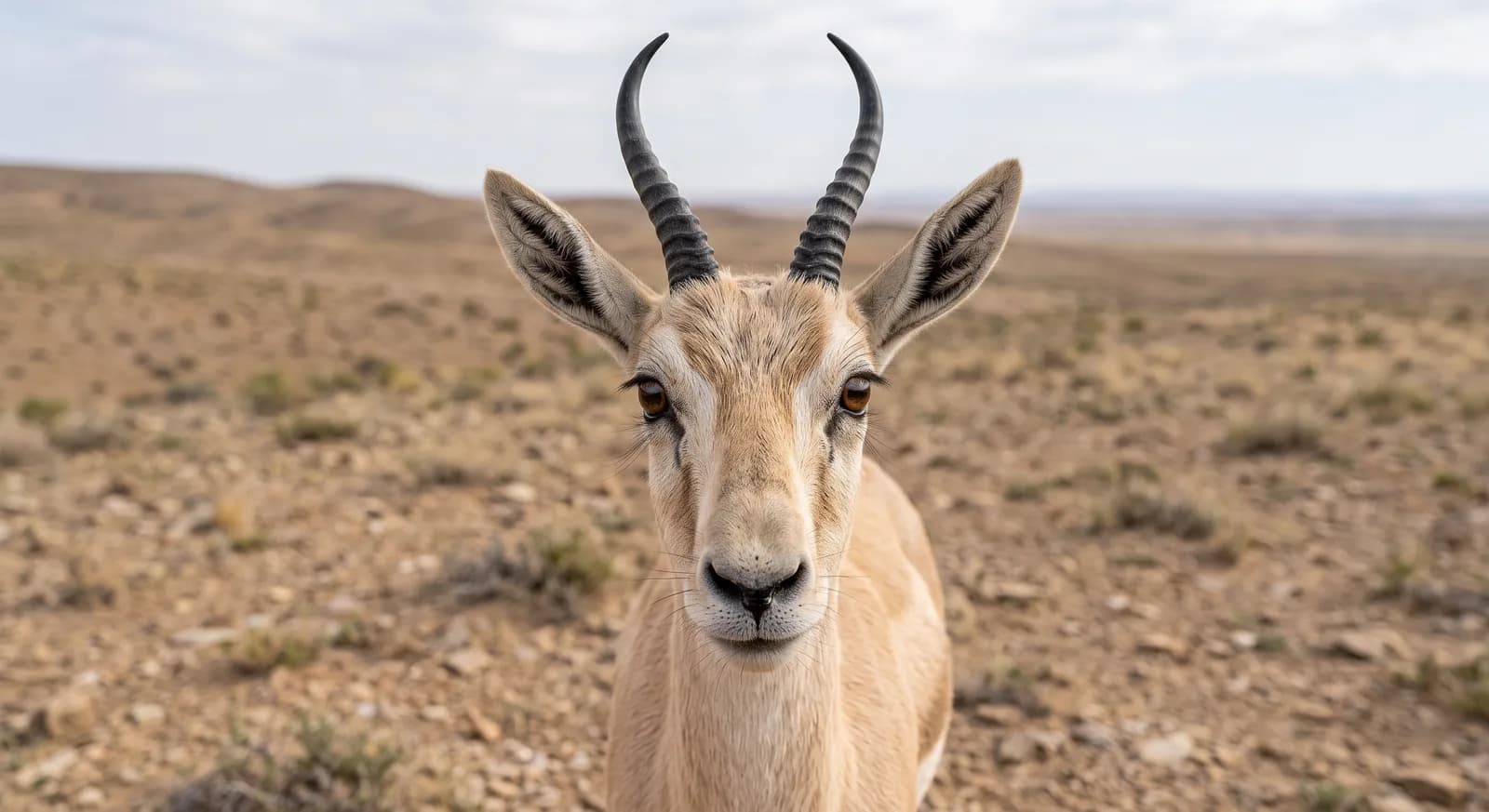 Vulnerable
Goitered Gazelle
Gazella subgutturosa
Menzbier's Marmot
Marmota menzbieri
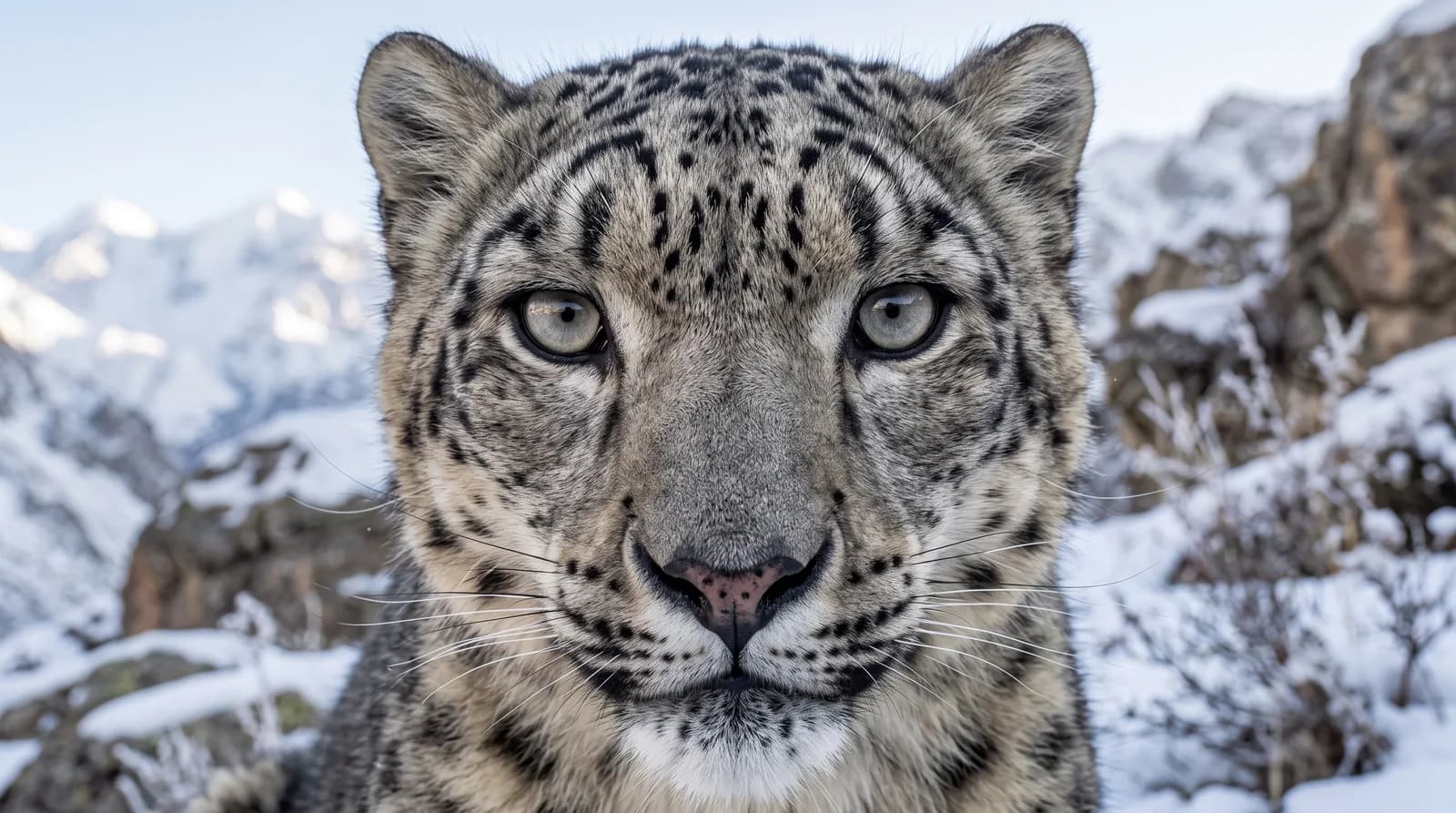 Vulnerable
Snow Leopard
Panthera uncia
How to help
The steppe tortoise is classified as vulnerable. Organizations such as UICN, WWF y Wildlife Conservation Society work specifically on its conservation and that of its habitat; looking into their programs is a good starting point if you want to get involved.
It's documented in 7 real protected areas — part of why protecting these places matters for its conservation.
Keep exploring
Based on what we already know about steppe tortoise.
Comments
Share an experience, a fun fact or a tip for seeing the steppe tortoise.
Be the first to comment.