One of the 41 turtles and tortoises on WAnimals
Reptiles · Testudines · Cheloniidae
Loggerhead Turtle
Caretta caretta
It faces a high risk of extinction in the wild over the medium term. See full glossary
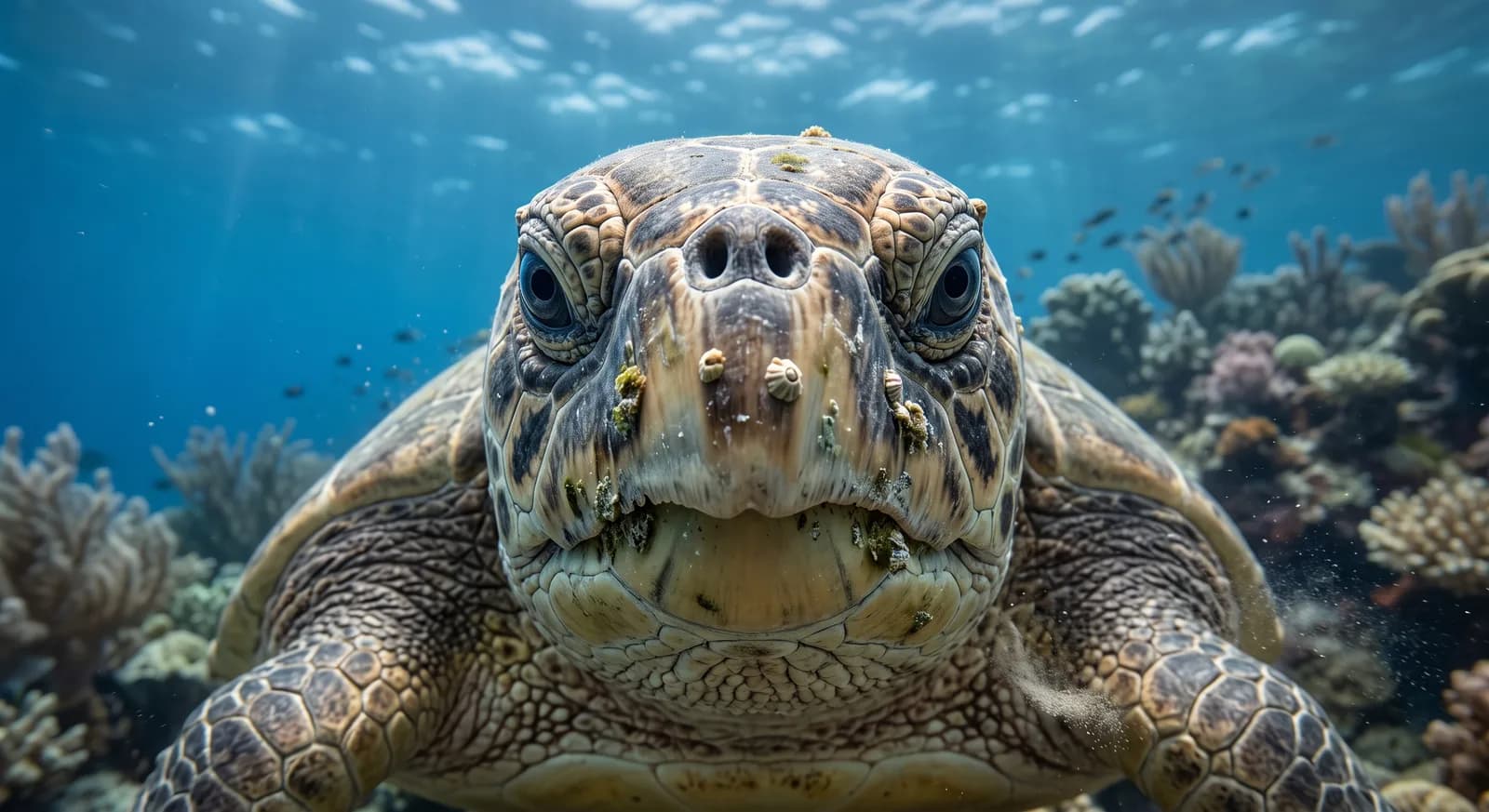
The largest of the hard-shelled sea turtles, recognisable by its massive, blocky head, which houses jaw muscles able to crush hard-shelled prey. The shell is heart-shaped and reddish brown, and the plastron yellowish.
Weight
80 kg – 545 kg
Size
70 cm – 95 cm
Lifespan
67 years
Diet
Carnivore
Feeds mainly on other animals.
Activity
Diurnal
Active mainly during the day.
Social structure
Solitary
Lives and hunts alone, joining others only to breed.
Sighting difficulty
Moderate
Fun facts
- comportamientoIt nests on beaches in both the eastern and western Mediterranean, and hatchlings from a single clutch may disperse to very different feeding grounds in the Atlantic and the Mediterranean itself.
- It is the largest hard-shelled turtle in the world; only the leatherback, with its leathery shell, is bigger.
- It carries more encrusting organisms than any other sea turtle: more than 50 invertebrate species have been identified on its shell.
- It can stay submerged for up to four hours, though its usual dives last between 15 and 30 minutes.
Life cycle & biology
- Skeleton type
- Vertebrate - internal bony skeleton with a shell (reptile)
- Habitat & environment
- Subtropical and temperate coastal and estuarine waters of the Atlantic, Pacific, Indian Ocean and Mediterranean; it follows great warm currents such as the Gulf Stream and the California Current
- Sexual maturity
- 17-33 years depending on the population; in Australia it is estimated at 34 to 37 years and in South Africa at an average of 36.2 years
- Gestation / incubation
- 45-80 days depending on temperature, averaging 55-60 days; the sex of the hatchlings depends on the incubation temperature (optimum between 26 and 32 °C)
- Litter / clutch size
- 100-130 eggs per nest and 3-5 nests a season, 12-17 days apart; the females nest again every 2-3 years
Sources consulted: IUCN Red List; NOAA Fisheries; U.S. Fish & Wildlife Service; Animal Diversity Web; AnAge (Avens et al. 2015); Olive Ridley Project; WWF; Nel et al. 2014, Endangered Species Research
Where to find it
See its range on the interactive mapBest time: The nesting season, between May and August in the northern hemisphere
Where to watch it
Parques y spots de buceo donde se ha documentado esta especie — se muestran 17 de 181 documentados.
Related species
Other species in the catalogue with the most in common with Loggerhead Turtle — same habitat, park, country, tags or family.
Kemp's Ridley
Lepidochelys kempii
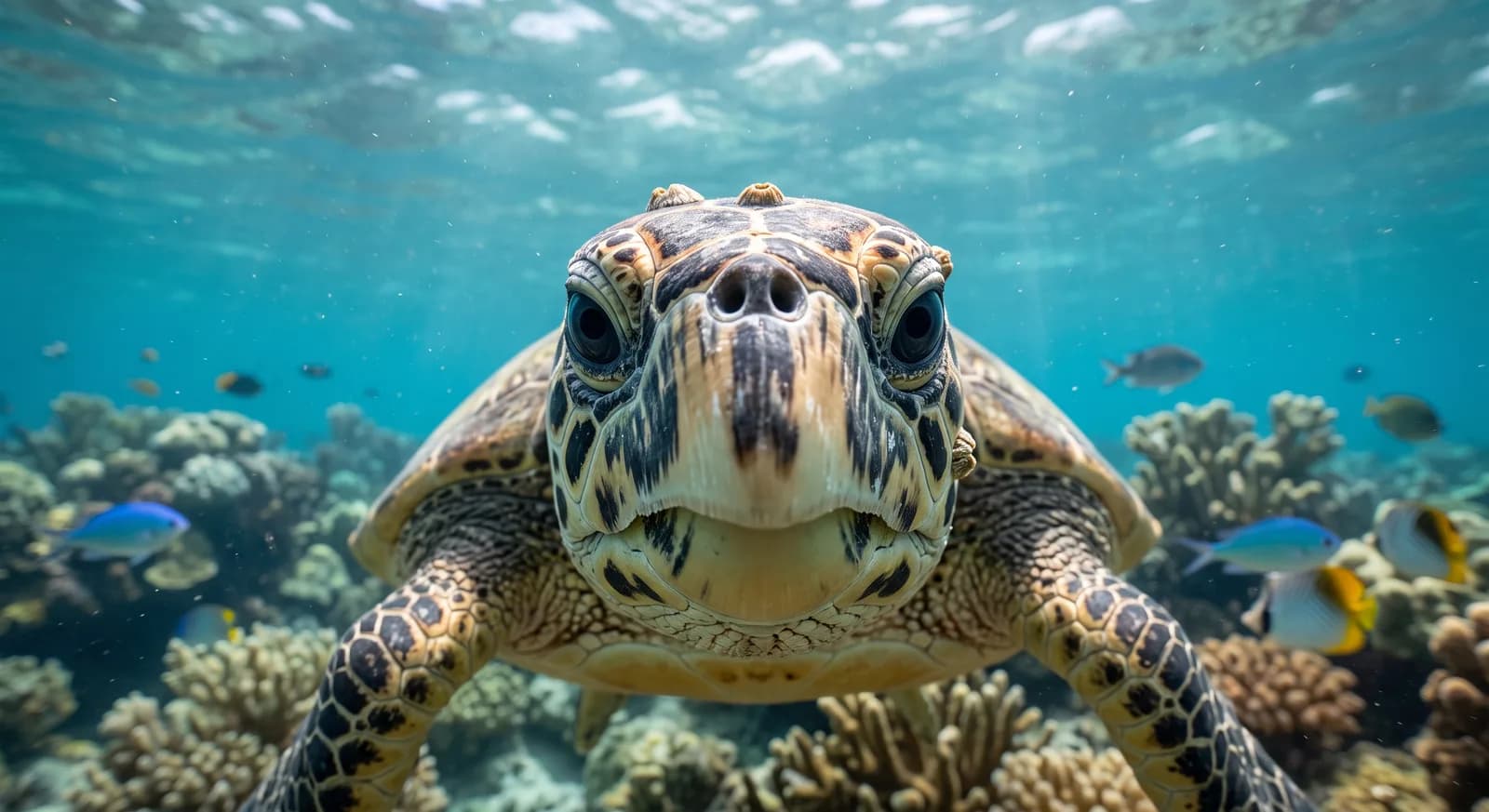 Critically Endangered
Hawksbill Turtle
Eretmochelys imbricata
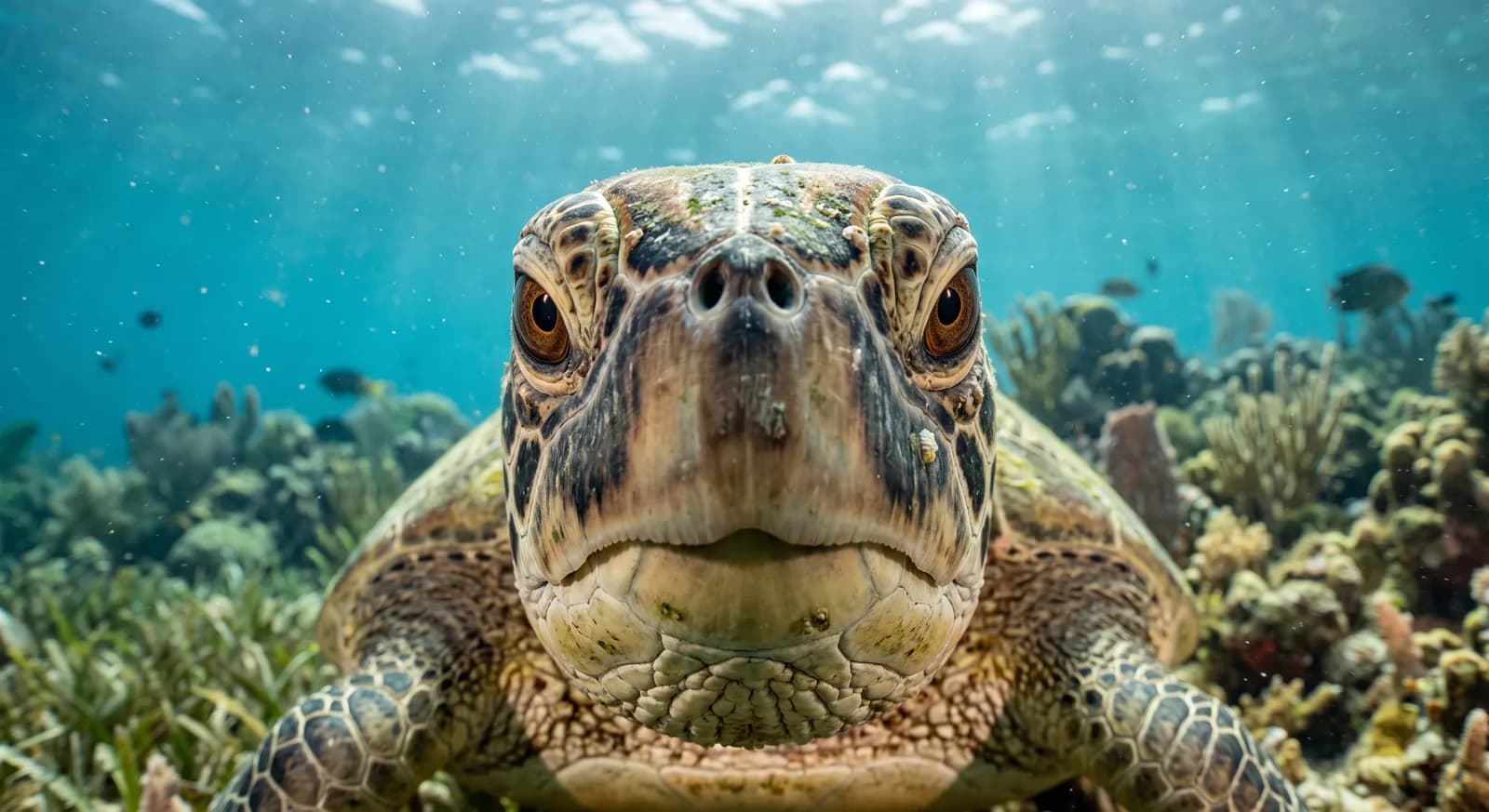 Endangered
Green Turtle
Chelonia mydas
Diamondback Terrapin
Malaclemys terrapin
 Vulnerable
American Crocodile
Crocodylus acutus
Blacktip Reef Shark
Carcharhinus melanopterus
How to help
The loggerhead turtle is classified as vulnerable. Organizations such as UICN, WWF y Wildlife Conservation Society work specifically on its conservation and that of its habitat; looking into their programs is a good starting point if you want to get involved.
It's documented in 10 real protected areas — part of why protecting these places matters for its conservation.
Keep exploring
Based on what we already know about loggerhead turtle.
Comments
Share an experience, a fun fact or a tip for seeing the loggerhead turtle.
Be the first to comment.