Syria
Asia
Syria runs from the Mediterranean strip and the coastal Jebel Ansariya mountains, with the country's last fir and oak woods, to the Badia steppe and the Syrian desert, by way of the Euphrates valley, which crosses the country from north to south and forms the main corridor of aquatic life. The Badia is an immense wormwood steppe that for centuries was territory for transhumant grazing and for steppe wildlife: gazelles, onagers, bustards and large predators now gone or nearly so. In the north, the wetlands of Lake Jabbul, salt and shallow, host flamingos and wintering waders. The Anti-Lebanon mountains and Mount Hermon contribute altitude, seasonal snow and endemic flora, and the oases and wadis of the interior keep springs that concentrate all the wildlife of the surrounding country.
The nature of Syria
National animal: No official national animal; the falcon is the heraldic emblem of the state
Did you know?
In 2002, a team of researchers found seven northern bald ibises near Palmyra, an eastern population that had been given up for lost almost seventy years earlier. The find made it possible to track their migration by satellite as far as Ethiopia and to discover where they wintered. The colony, however, was too small and too fragile, and the armed conflict finally broke off the monitoring; their trail was lost a few years later.
Biodiversity profile
Climate
- •Mediterraneo (Csa) en la costa y las montañas costeras
- •Continental semiarido y arido en el interior (estepa de Badia y desierto)
Main biomes
- •Bosque mediterraneo costero (pino, roble, cedro) en las Montañas Costeras
- •Estepa arida (Badia siria)
- •Extension del Desierto Sirio en el sureste
- •Estepa de artemisa
- •Desierto sirio
- •Bosque mediterráneo de montaña
- •Valle fluvial del Éufrates
- •Lago salino somero
- •Oasis y manantial
- •Wadi estacional
Marine and coastal ecosystems
- •Costa mediterranea con playas y zonas de anidacion de aves migratorias y tortugas marinas
Flagship wildlife
- •Oso pardo sirio
- •Leopardo de Arabia (historicamente presente, hoy extremadamente raro)
- •Ibis eremita del norte (posiblemente extinto en la Badia siria)
- •Hiena rayada
- •Ibis eremita
- •Gacela de montaña
- •Onagro asiático
- •Órix de Arabia
- •Lobo árabe
- •Flamenco común
- •Buitre leonado
- •Caracal
- •Chacal dorado
Notable endemic species
- •243 especies endemicas registradas segun estudios nacionales
- •Hamster ratonil de Tsolov, conocido solo del distrito de Derra, en el sur del pais
- •Mas de 3.000 especies de plantas registradas, con endemismos como el peral silvestre sirio
Notable threatened species
- •Ibis eremita del norte (En Peligro Critico, temido extinto en la Badia siria)
- •Oso pardo sirio (En Peligro, poblacion muy reducida)
- •Tortuga blanda del Eufrates (En Peligro, presente en el tramo sirio del rio)
Notable protected areas
- •Reserva de Talila, cerca de Palmira, centro historico de cria y reintroduccion de ungulados desertificos
- •Reserva de Al-Talila
- •Lago Jabbul
- •Reserva de Abu Qubais
- •Bosques de Yebel Ansariya
- •Monte Hermón
- •Valle del Éufrates
Main conservation threats
- •Impacto ambiental prolongado de la guerra civil (deforestacion por recoleccion de leña, contaminacion de la industria petrolera, desplazamiento de fauna)
- •Trafico de vida silvestre en aumento (aves capturadas y contrabandeadas via Turquia, Libano y Jordania)
- •Solo 3% de cobertura forestal remanente, frente al 32% de inicios del siglo XX
Conservation
The Al-Talila reserve, near Palmyra, hosted reintroductions of Arabian oryx and onager. The war has interrupted the management of protected areas and driven up subsistence hunting of steppe wildlife.
Where and when to watch wildlife
Lake Jabbul between November and February for flamingos and waterbirds. The coastal mountains in spring for woodland birds. The Badia steppe in spring, after the rains, for its ephemeral bloom.
El impacto real del conflicto sobre la biodiversidad siria no ha sido objeto de una evaluacion independiente exhaustiva segun fuentes especializadas; los datos disponibles deben tratarse con cautela.
Sources: Planetary Security Initiative - Syria Environmental Toll of War | biologyinsights.com - Syria's Nature Landscapes Biodiversity | Syria Direct - Syria's nature lovers lament ecological losses | CBD - Syria Fourth National Report Biodiversity | BioDB.com - Syria
Parks and reserves
Países similares
¿A dónde más podría interesarme viajar?
Misma región: Oriente Medio y Asia Occidental
Misma región: Oriente Medio y Asia Occidental
Misma región: Oriente Medio y Asia Occidental
Misma región: Oriente Medio y Asia Occidental
Especies documentadas en Syria
261 species found
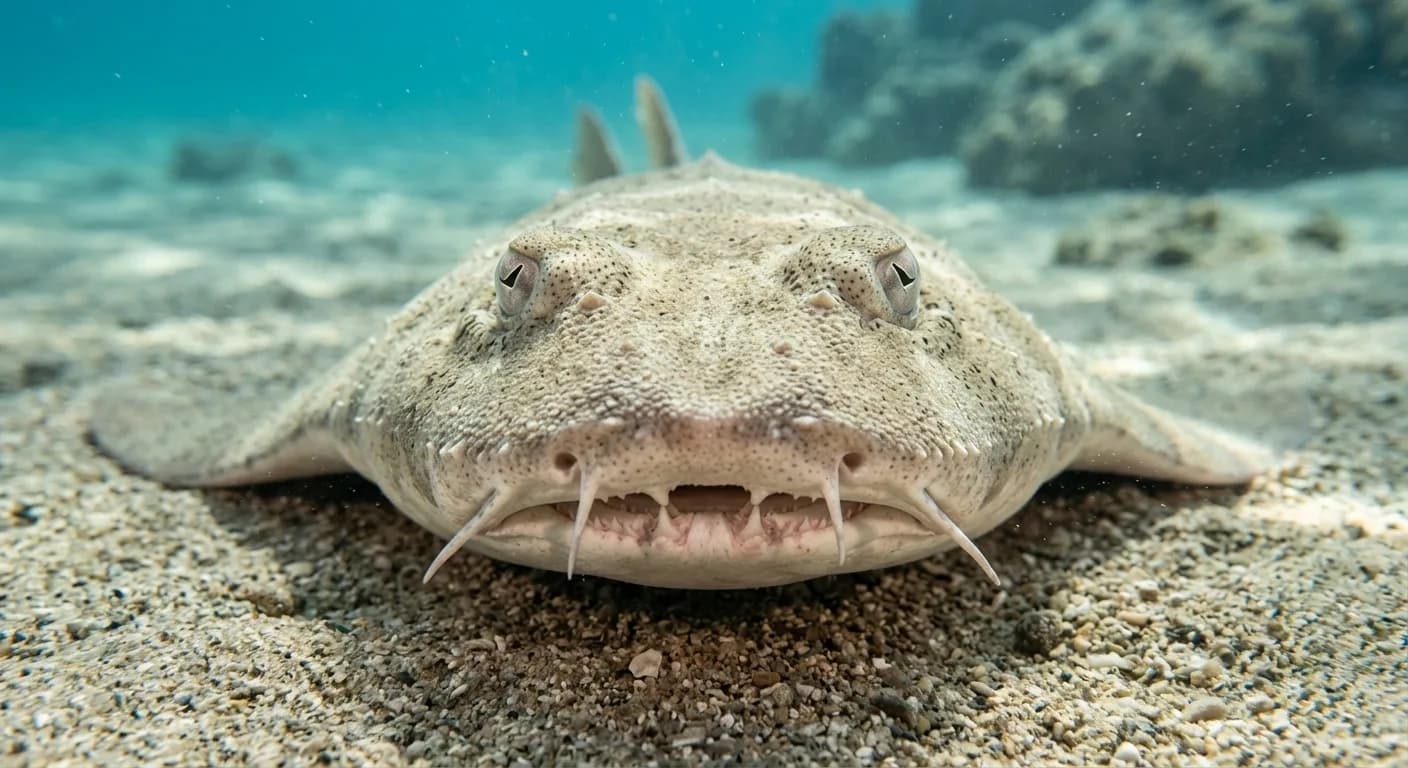 Critically Endangered
Angelshark
Squatina squatina
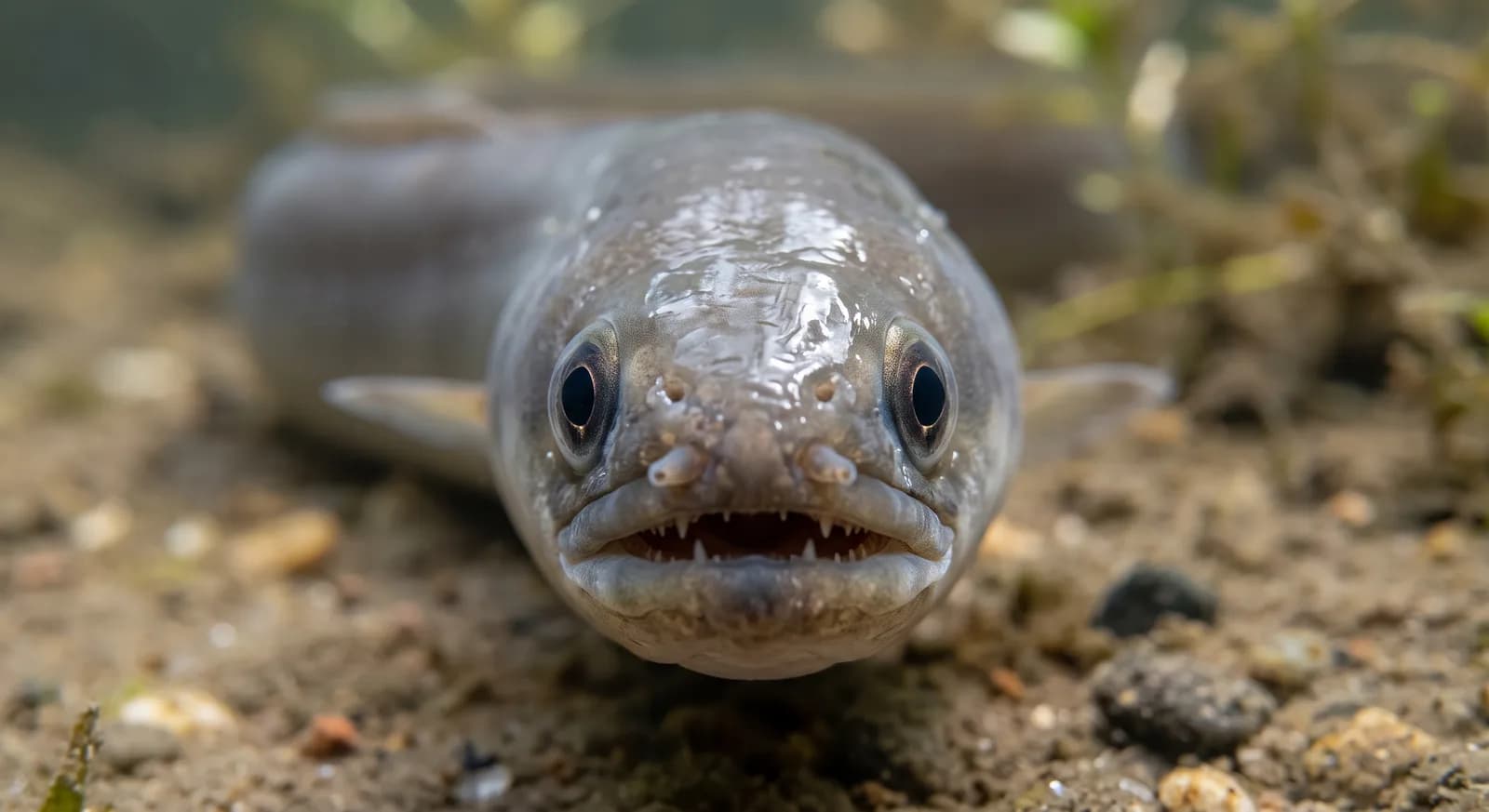 Critically Endangered
European Eel
Anguilla anguilla
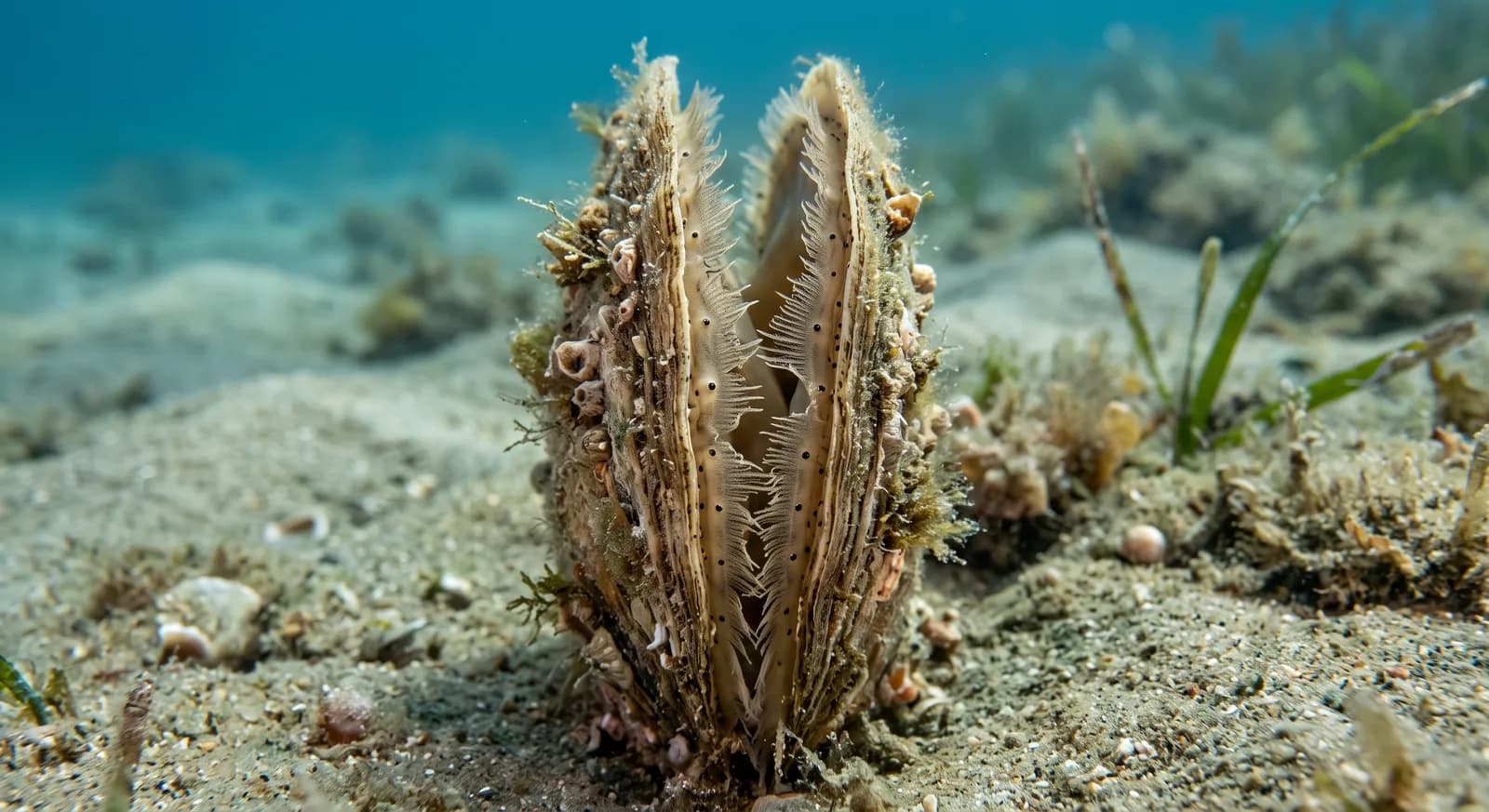 Critically Endangered
Fan Mussel
Pinna nobilis
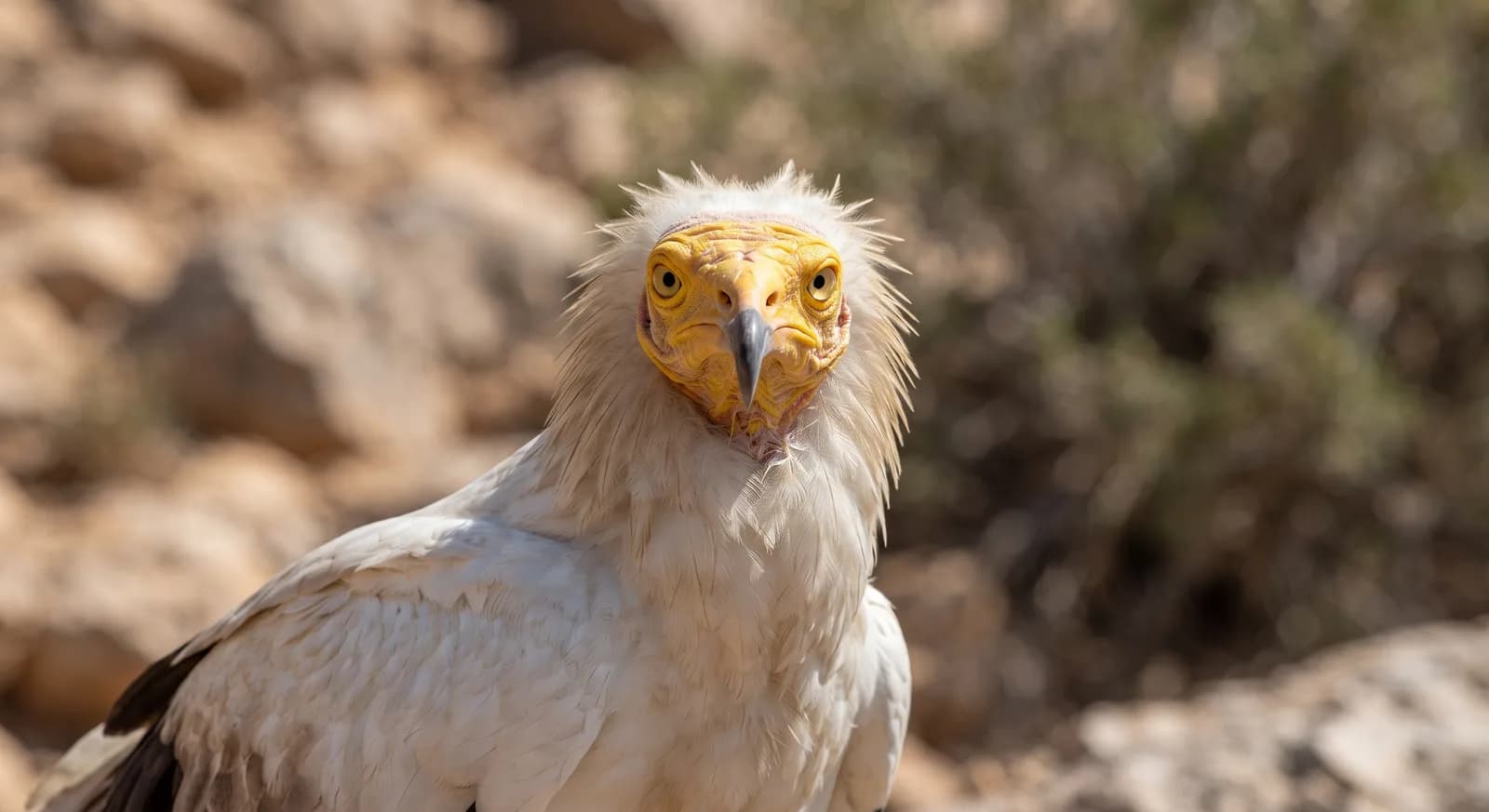 Endangered
Egyptian Vulture
Neophron percnopterus
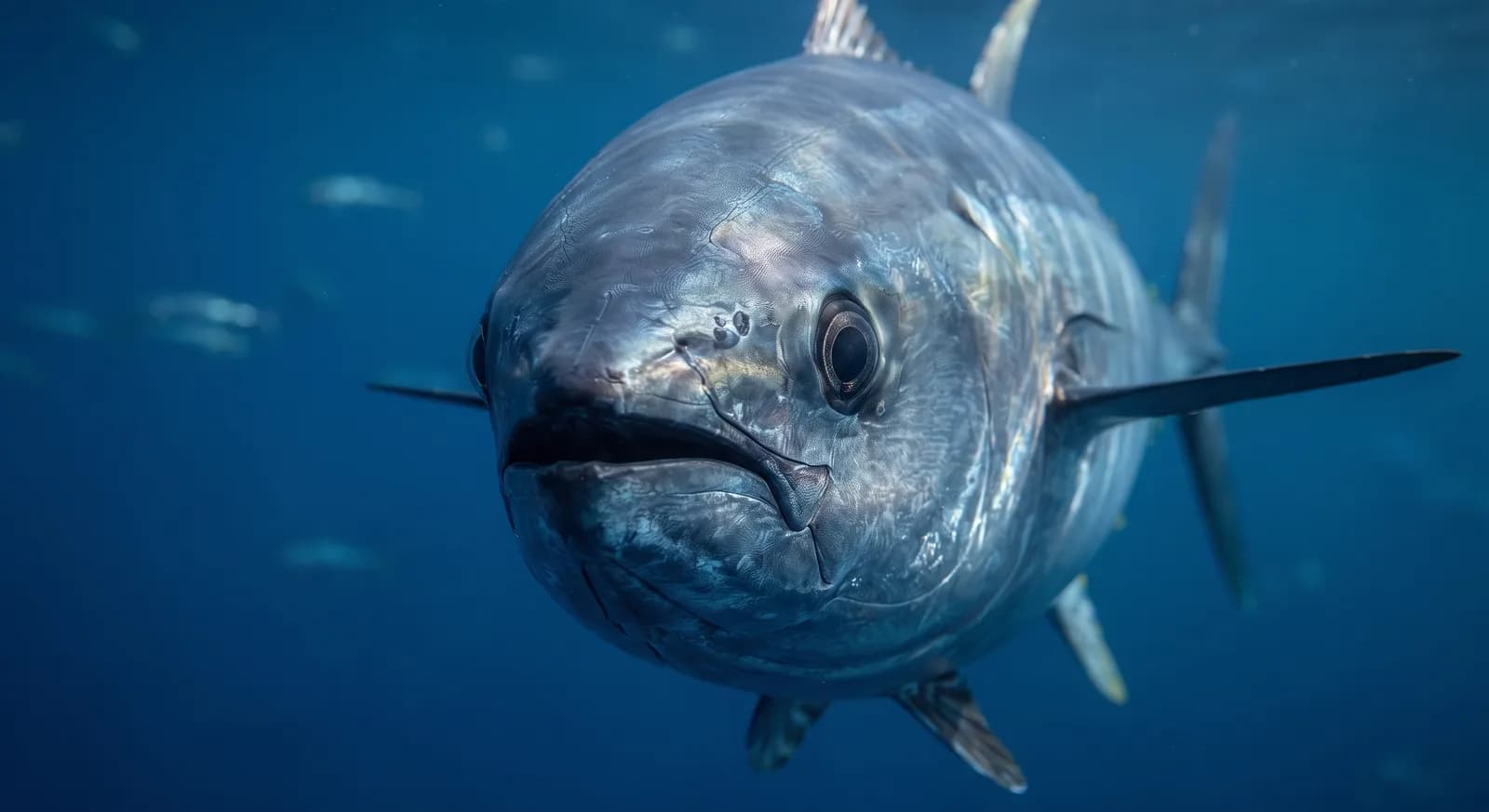 Endangered
Atlantic Bluefin Tuna
Thunnus thynnus
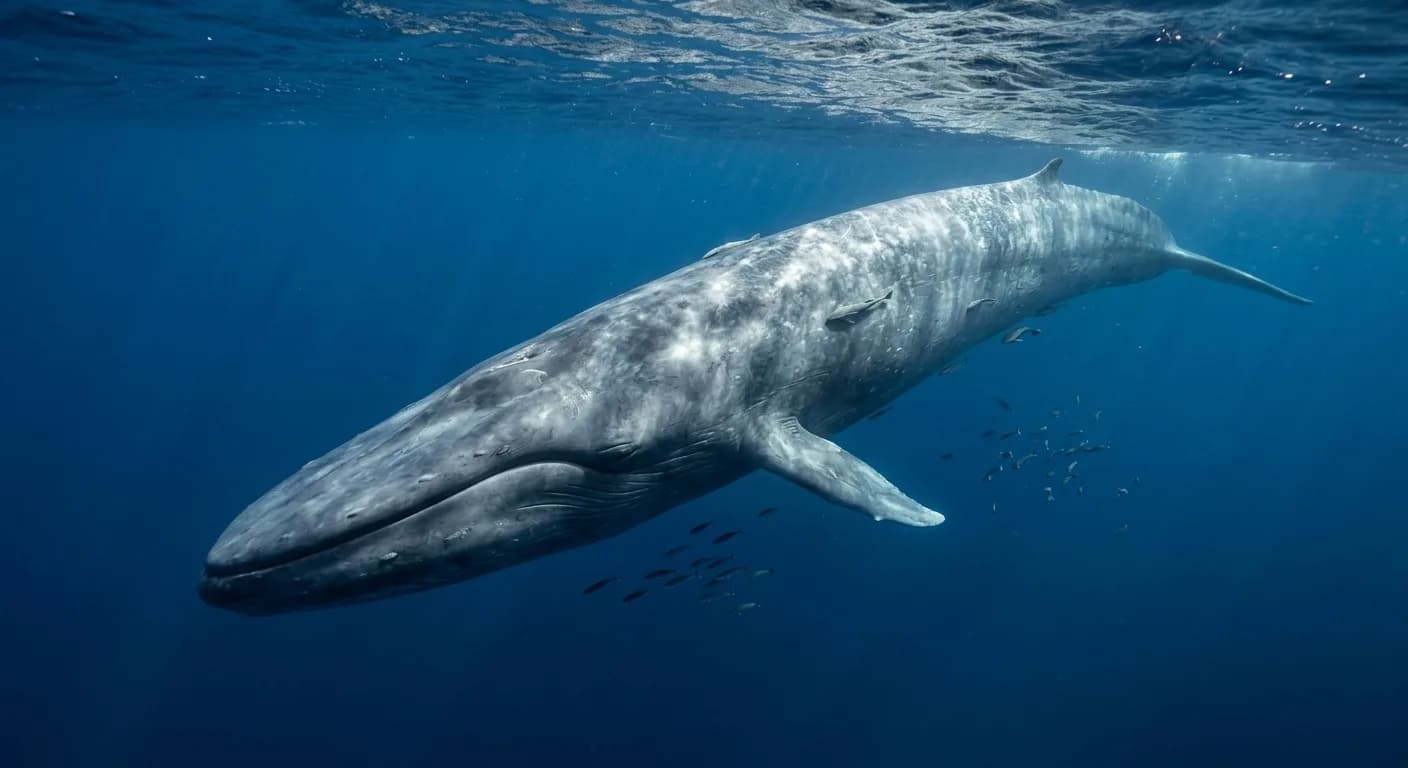 Endangered
Blue Whale
Balaenoptera musculus
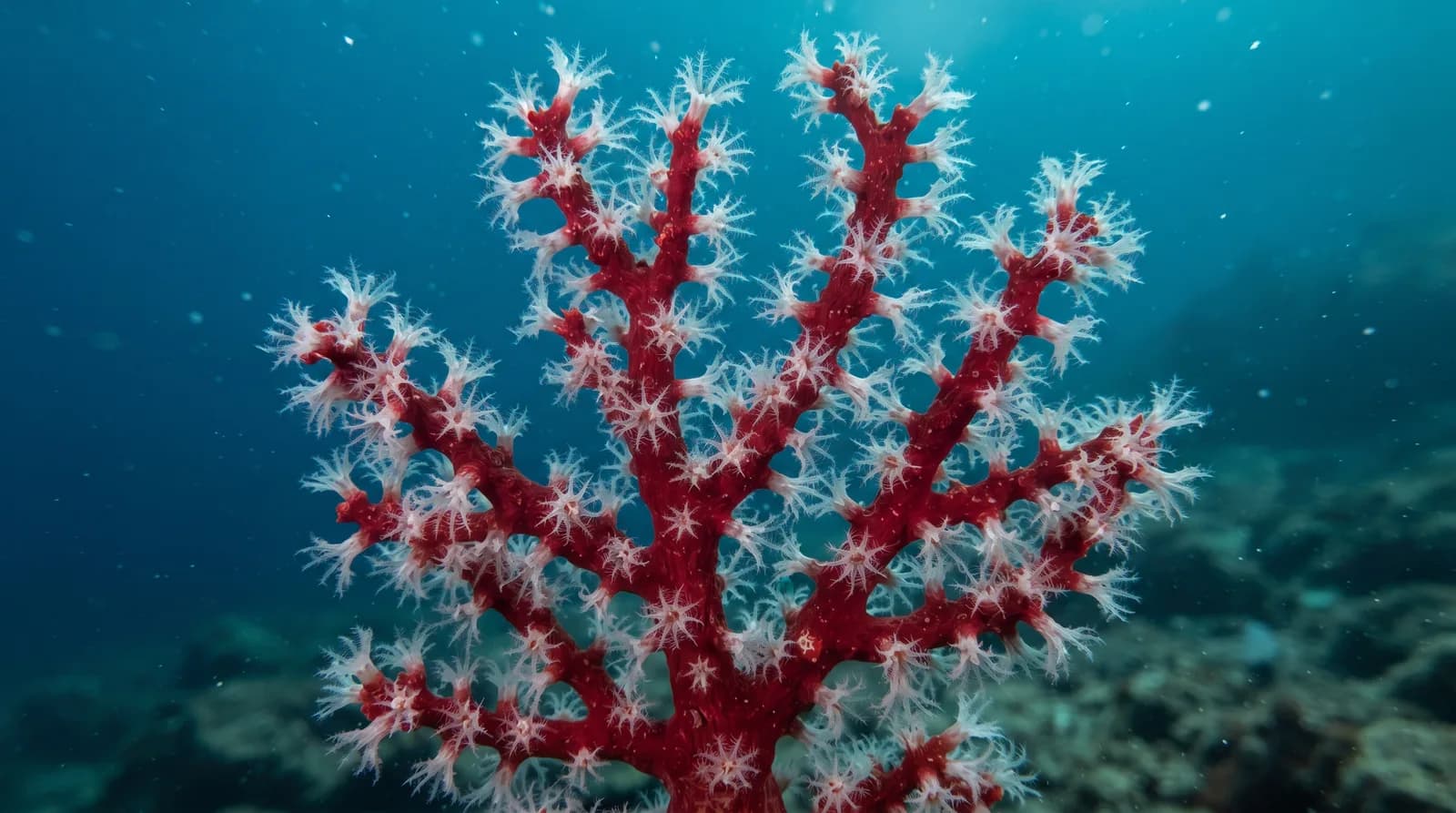 Endangered
Red Coral
Corallium rubrum
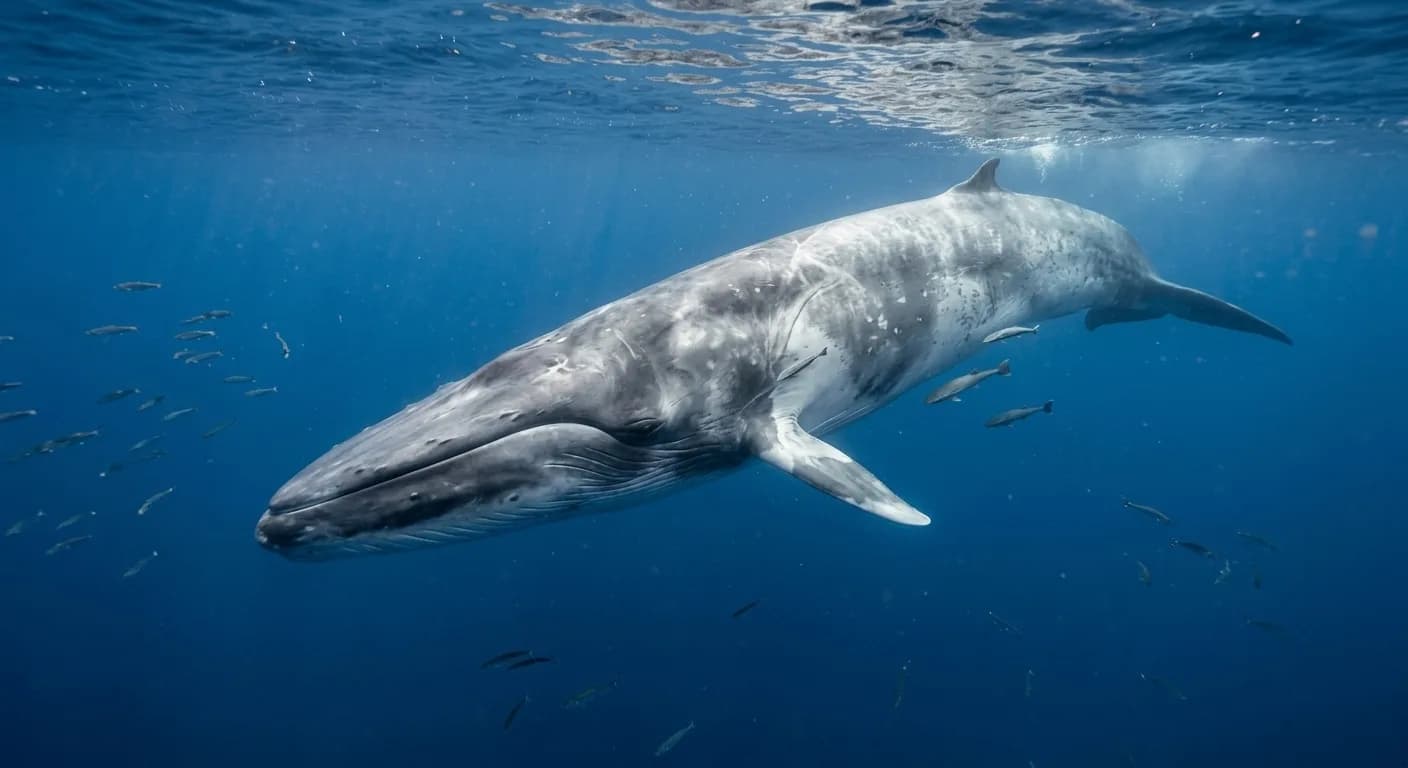 Endangered
Fin Whale
Balaenoptera physalus
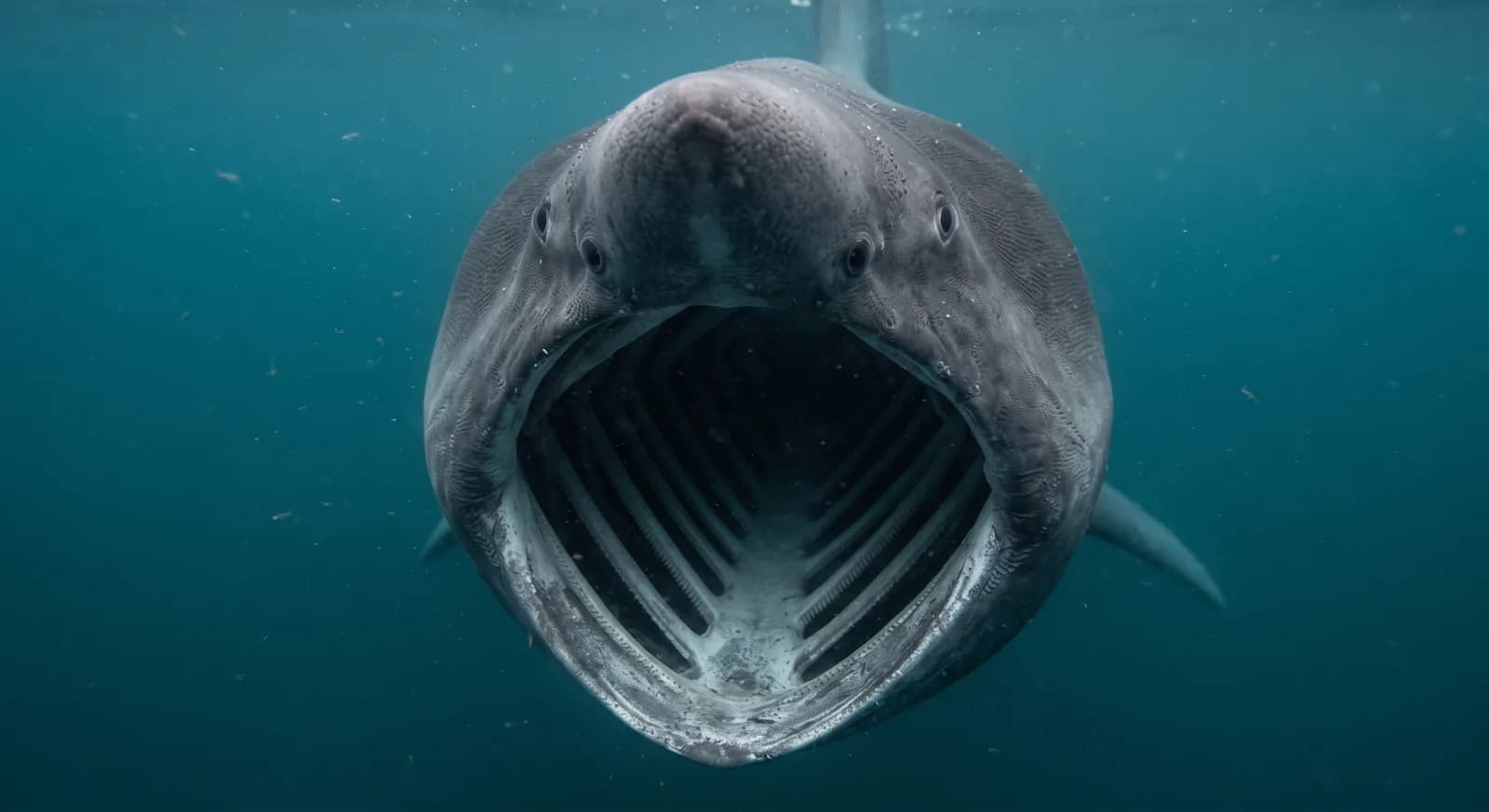 Endangered
Basking Shark
Cetorhinus maximus
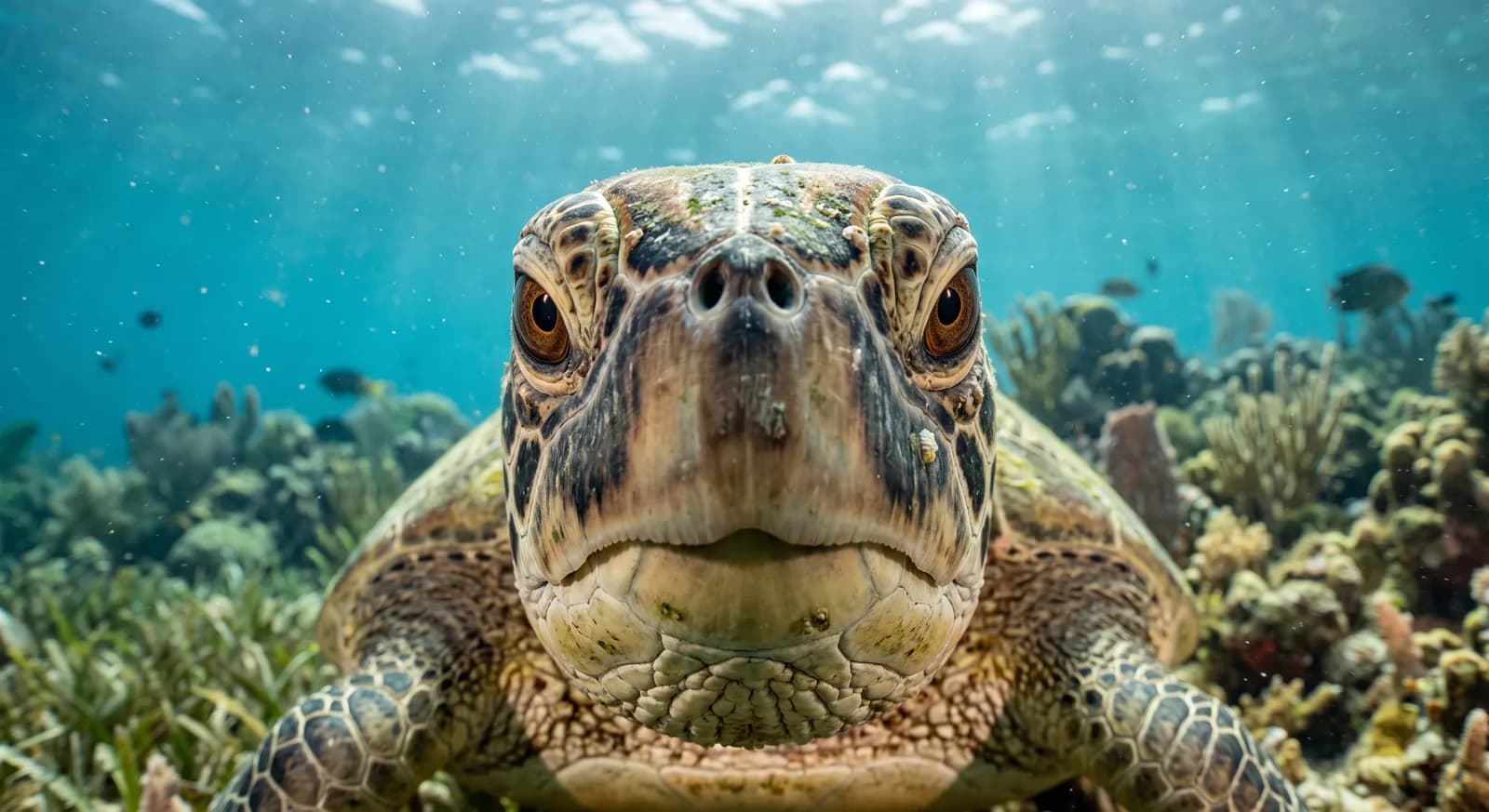 Endangered
Green Turtle
Chelonia mydas
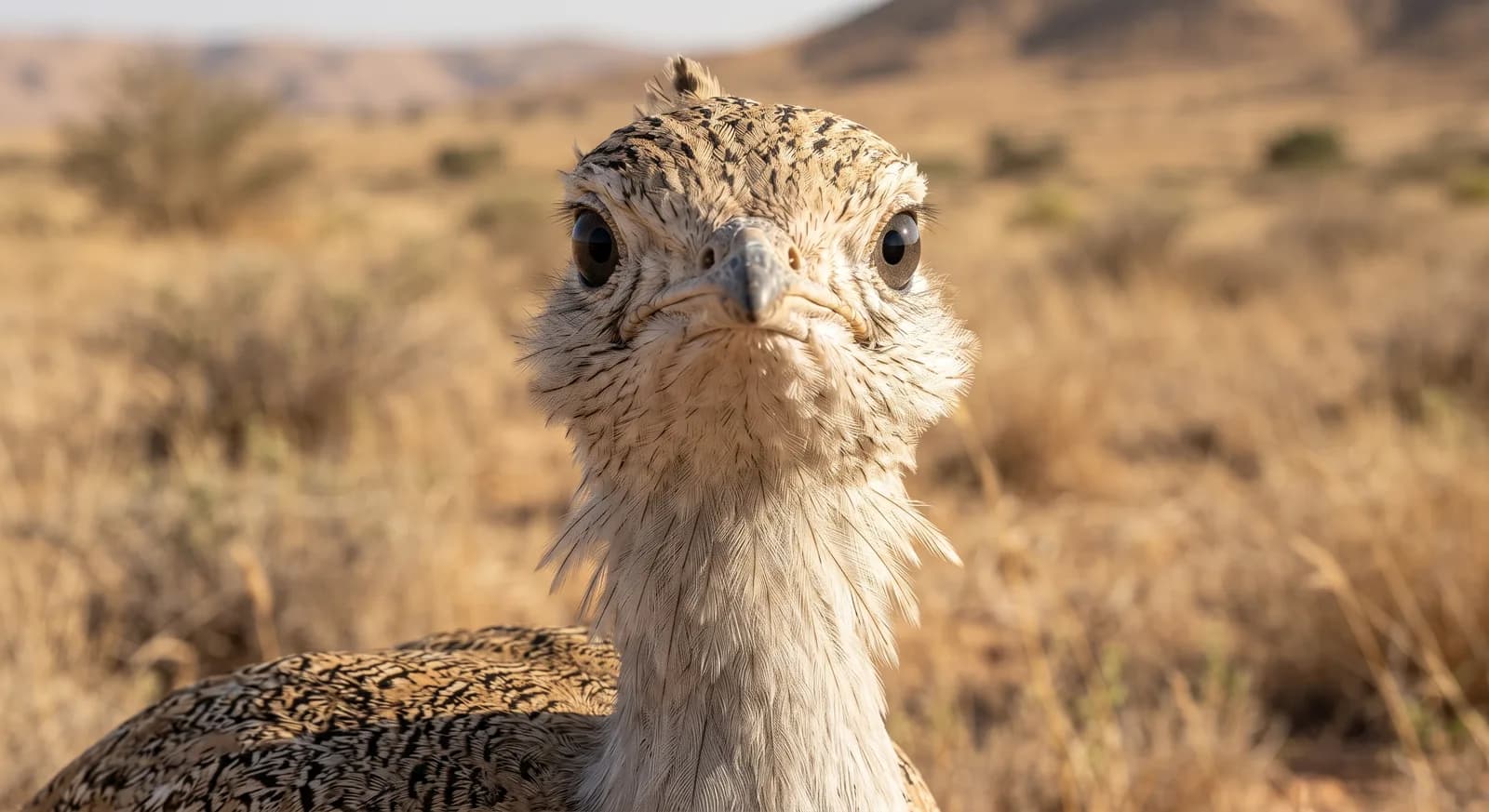 Vulnerable
Houbara Bustard
Chlamydotis undulata
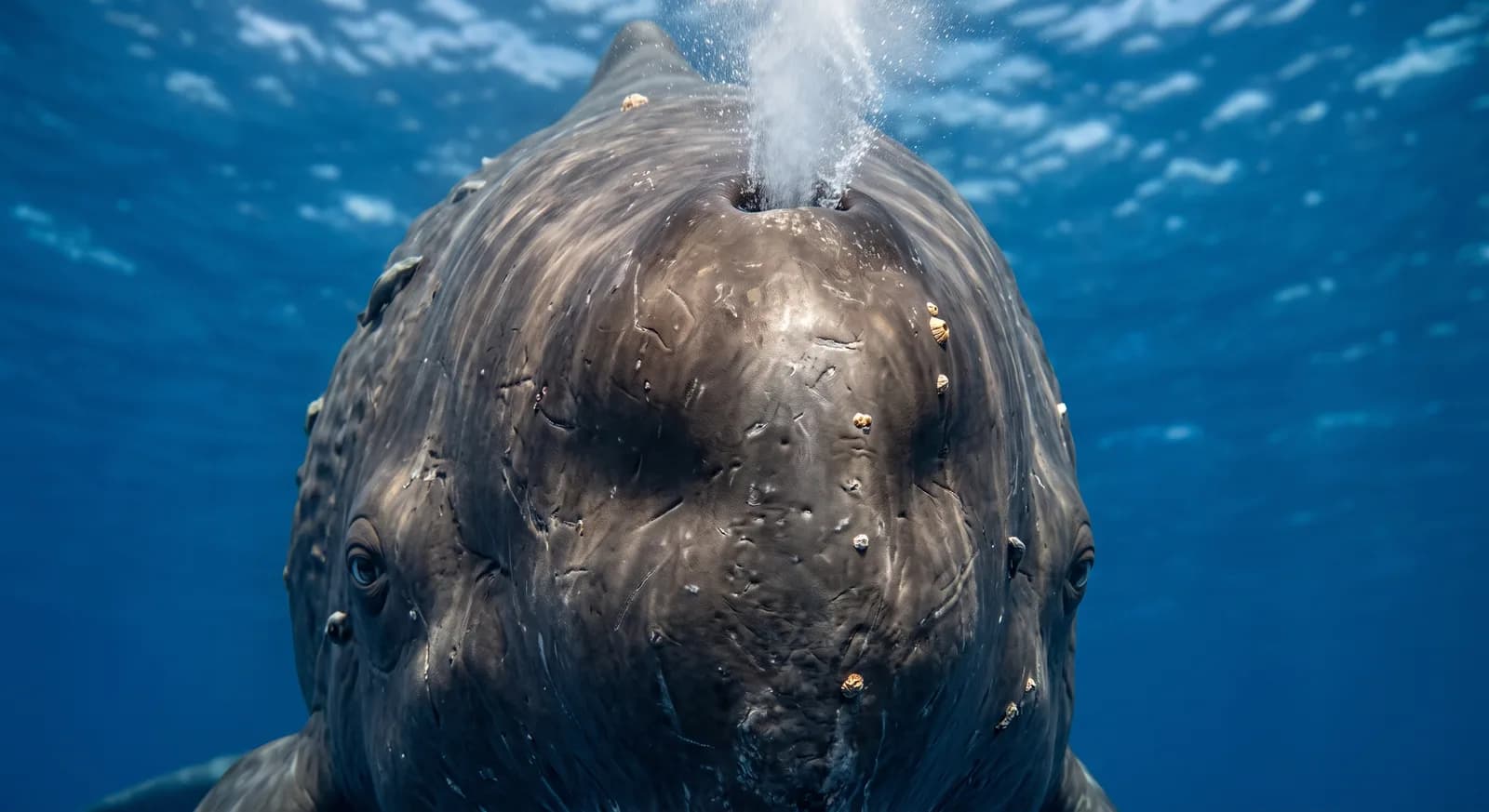 Vulnerable
Sperm Whale
Physeter macrocephalus
Keep exploring
Based on what we already know about Syria.