One of the 3 ibises on WAnimals
Birds · Pelecaniformes · Threskiornithidae
Northern Bald Ibis
Geronticus eremita
It faces a very high risk of extinction in the wild in the near future. See full glossary
The northern bald ibis is a pelecaniform bird of the family Threskiornithidae native to Europe, the Near East and Africa. It is in danger of extinction and survives in the wild only in Morocco, and sparsely in Syria. It died out in Europe at the beginning of the early modern period, and later disappeared from Turkey as well, where it persisted until the late 20th century and from where it migrated to points in East Africa. There are conservation programmes in captivity and semi-captivity, and it has been reintroduced in southern Spain and Austria.
Weight
1 kg – 1.3 kg
Size
70 cm – 80 cm
Lifespan
30 years
Diet
Insectivore
Feeds mainly on insects and other invertebrates.
Activity
Diurnal
Active mainly during the day.
Social structure
Colony
Lives in large concentrations, often for breeding reasons.
Sighting difficulty
Hard
Estimated population
Around 700 wild individuals, most of them in Morocco
Fun facts
- GeneralAlmost extinct in the 20th century; La Janda, in Cádiz, holds one of the most successful reintroduced colonies.
- It appears in the hieroglyphs of Ancient Egypt: it was the symbol of the akh, the radiant spirit of the dead, one of the first animals in history to have a hieroglyph of its own.
- It died out in central Europe in the 17th century, and one of the causes was culinary: the chicks were considered a delicacy and their collection was regulated by royal decree in Austria as early as 1504.
- In Andalusia a reintroduction project running since 2004 has established a wild breeding colony in Cádiz, the first in western Europe in four centuries.
Life cycle & biology
- Skeleton type
- Vertebrate - internal bony skeleton (bird)
- Habitat & environment
- Steppe and rock faces near semi-arid country
- Sexual maturity
- 3 years
- Gestation / incubation
- 28 days of incubation
- Litter / clutch size
- 3 eggs
Sources consulted: https://es.wikipedia.org/wiki/Geronticus_eremita
Where to find it
See its range on the interactive mapWhere to watch it
Parks and dive sites where this species has been documented.
Related species
Other species in the catalogue with the most in common with Northern Bald Ibis — same habitat, park, country, tags or family.
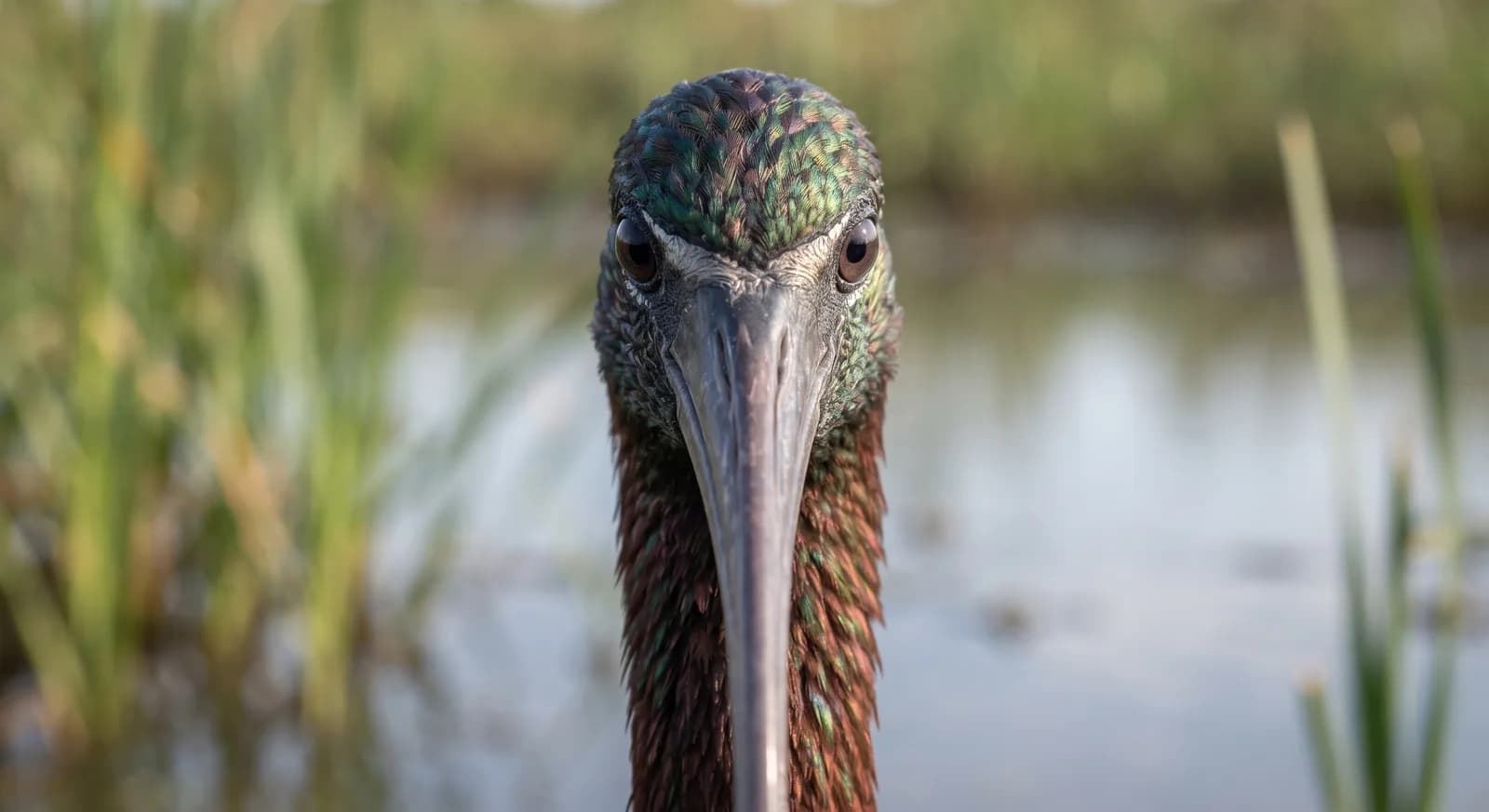 Least Concern
Glossy Ibis
Plegadis falcinellus
Black-bellied Sandgrouse
Pterocles orientalis
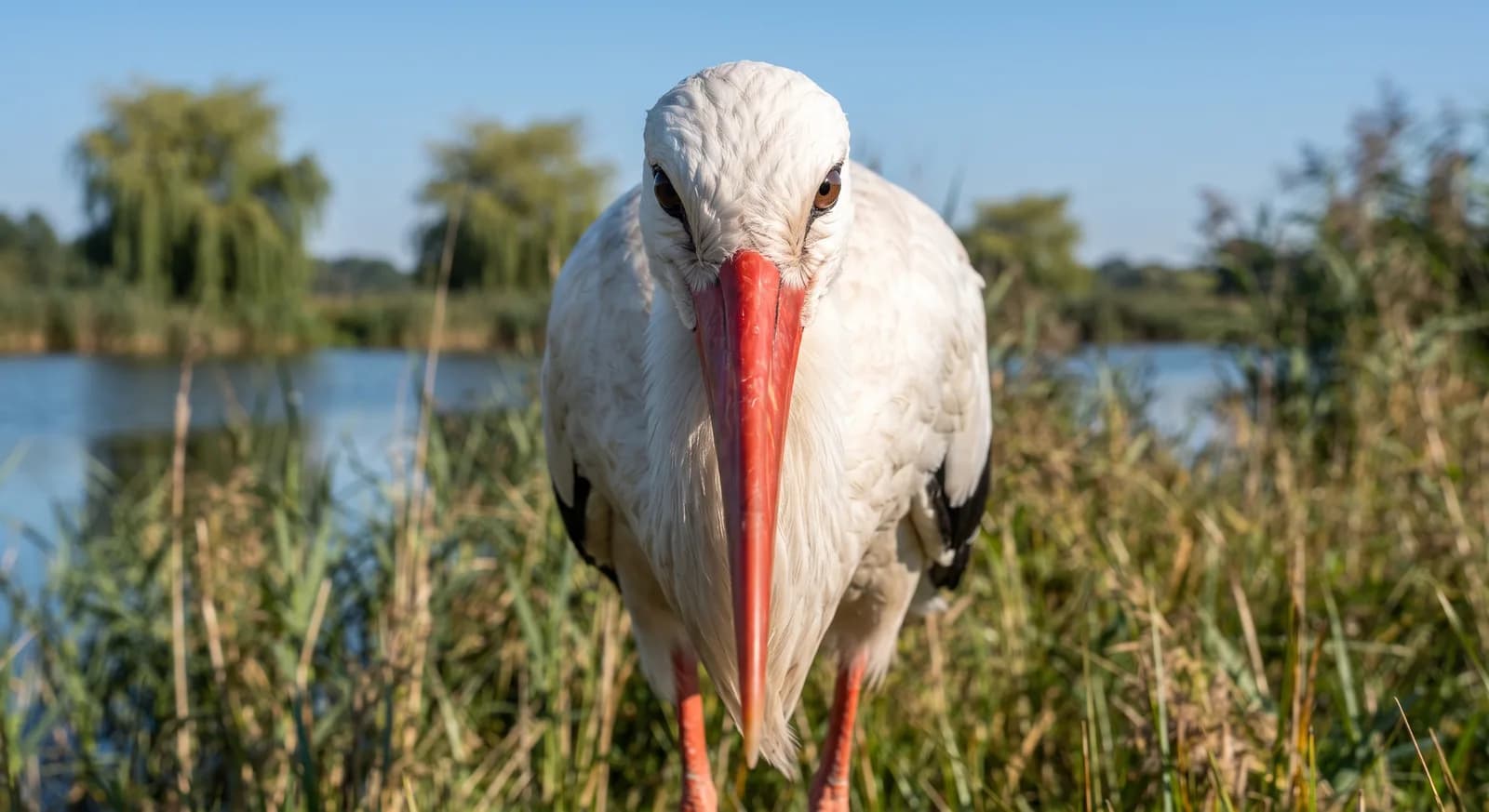 Least Concern
White Stork
Ciconia ciconia
White-throated Dipper
Cinclus cinclus
Barbary Macaque
Macaca sylvanus
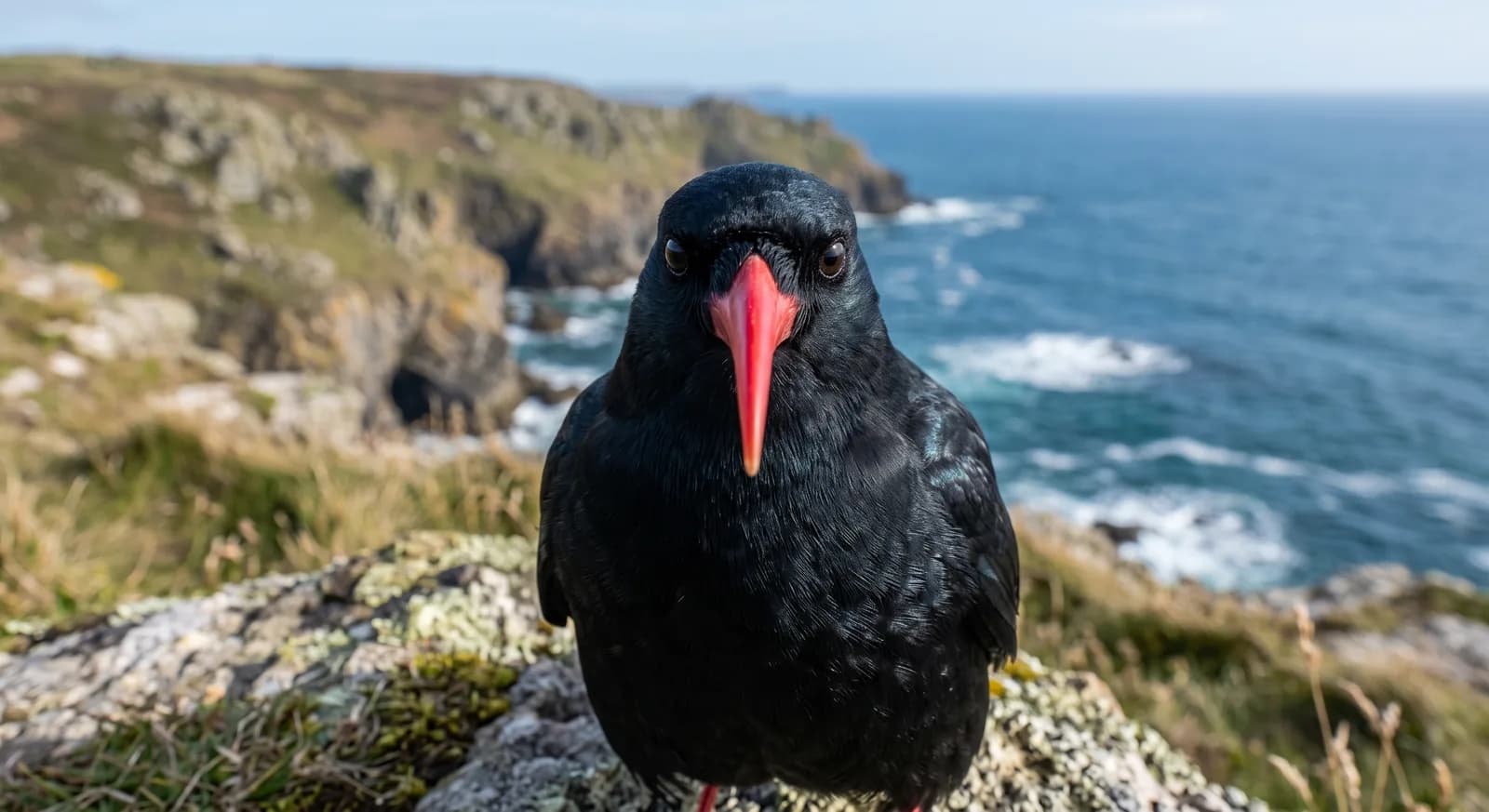 Least Concern
Red-billed Chough
Pyrrhocorax pyrrhocorax
How to help
The northern bald ibis is classified as endangered. Organizations such as UICN, WWF y Wildlife Conservation Society work specifically on its conservation and that of its habitat; looking into their programs is a good starting point if you want to get involved.
It's documented in 3 real protected areas — part of why protecting these places matters for its conservation.
Keep exploring
Based on what we already know about northern bald ibis.
Comments
Share an experience, a fun fact or a tip for seeing the northern bald ibis.
Be the first to comment.