One of the 2 sandgrouses on WAnimals
Birds · Pteroclidiformes · Pteroclidae
Black-bellied Sandgrouse
Pterocles orientalis
The species is abundant and widely distributed; it faces no significant short-term risk. See full glossary
The black-bellied sandgrouse is a compact steppe bird with fast, powerful flight, a black belly and a breast band that tells it apart from its relative the pin-tailed sandgrouse. It lives on open, treeless plains and feeds almost exclusively on dry seeds. It needs to drink daily and travels considerable distances to waterholes, always in flocks and at fixed times of day. In Spain it is in marked decline through agricultural intensification.
Weight
383 g – 428 g
Size
30 cm – 35 cm
Lifespan
12 years
Diet
Herbivore
Feeds mainly on plants.
Activity
Diurnal
Active mainly during the day.
Social structure
In pairs
Usually lives in pairs, sometimes for life.
Sighting difficulty
Easy
Fun facts
- The male carries water to the chicks by soaking his belly feathers, whose microstructure holds liquid like a sponge: he flies tens of kilometres back to the nest and the chicks drink straight from his plumage.
- It comes to drink at fixed times and always at the same pools, behaviour so predictable that it made the bird an easy target for hunting and that today leaves it very vulnerable to the disappearance of steppe pools.
Life cycle & biology
- Skeleton type
- Vertebrate - internal bony skeleton (bird)
- Habitat & environment
- Cereal steppe, arid plains, fallow land and open treeless moorland
- Birth weight
- Precocial: born covered in down and leaves the nest within a few hours
- Size at birth
- Precocial: born covered in down and leaves the nest within a few hours
- Sexual maturity
- 12 months
- Gestation / incubation
- 22 days of incubation
- Litter / clutch size
- 3 eggs
Sources consulted: https://es.wikipedia.org/wiki/Pterocles_orientalis
Where to find it
See its range on the interactive mapBest time: All year round on Iberian moors, fallow land and steppes; in winter it forms flocks that come in to drink at dawn.
Where to watch it
Parques y spots de buceo donde se ha documentado esta especie — se muestran 10 de 21 documentados.
Related species
Other species in the catalogue with the most in common with Black-bellied Sandgrouse — same habitat, park, country, tags or family.
Pin-Tailed Sandgrouse
Pterocles alchata
Pallas's Pika
Ochotona pallasii
 Least Concern
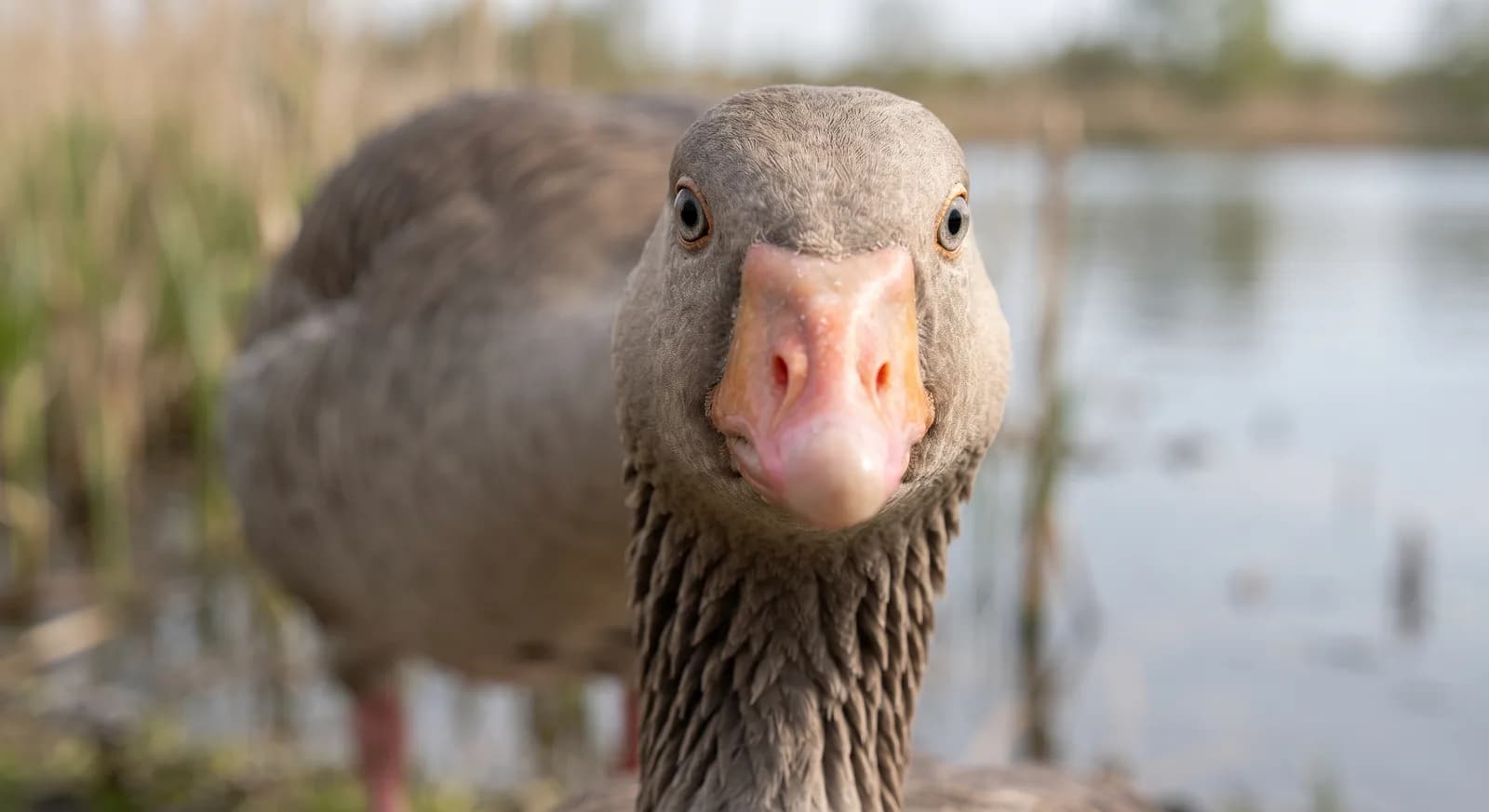
Greylag Goose
Anser anser
Eurasian Collared Dove
Streptopelia decaocto
Eurasian Magpie
Pica pica
Eurasian Skylark
Alauda arvensis
Keep exploring
Based on what we already know about black-bellied sandgrouse.
Comments
Share an experience, a fun fact or a tip for seeing the black-bellied sandgrouse.
Be the first to comment.