Doñana National Park
Spain · Iberian PeninsulaA wetland of world importance and one of the last strongholds of the Iberian lynx in the wild.
Area
543 km²
Declared in
1969
Region
Iberian Peninsula
Climate
Árido / desértico, Templado, Mediterráneo, Montañoso
Best time
All year round
Length of its routes
2–3 days
Difficulty of its routes
Media
Plan your visit
- Best time
- All year round
- Length of its routes
- 2–3 days
- Difficulty of its routes
- Media
- Area
- 543 km²
Highlight
Marshes, dunes and Mediterranean scrub; a key migratory staging post between Europe and Africa
Its history goes back to the 13th century, when Alfonso X the Wise made it a royal hunting ground; the present name comes from Doña Ana de Silva y Mendoza, wife of the 7th Duke of Medina Sidonia, who retired to live on the estate in the 16th century. Under Franco much of the surrounding marshland was drained for farming, and only the decisive intervention of the ornithologist José Antonio Valverde and the newly founded WWF — which in 1963, after an international campaign backed by Julian Huxley and Guy Mountfort, ran one of the first fundraising drives in the history of conservation — made it possible to buy and save the central core, declared a national park in 1969. It now protects the greatest concentration of migratory birds in western Europe and the last wild populations of the Iberian lynx and the Spanish imperial eagle, though it faces a serious water crisis as the aquifers around its farmland are overdrawn.
Location
See on the interactive map2 dive sites within 300 km are also shown.
288 species documented in Doñana National Park
At conservation risk:Lince ibérico,Águila imperial ibérica,Galápago leproso,Aguja azul del Atlántico,Caballito de mar europeo,Dentón,Esturión europeo,Murciélago de cueva (murciélago de alas largas),Perdiz roja,Porrón europeo,Quelvacho,Sábalo europeoand 3 more
Endemic to Spain:Lince ibérico,Águila imperial ibérica
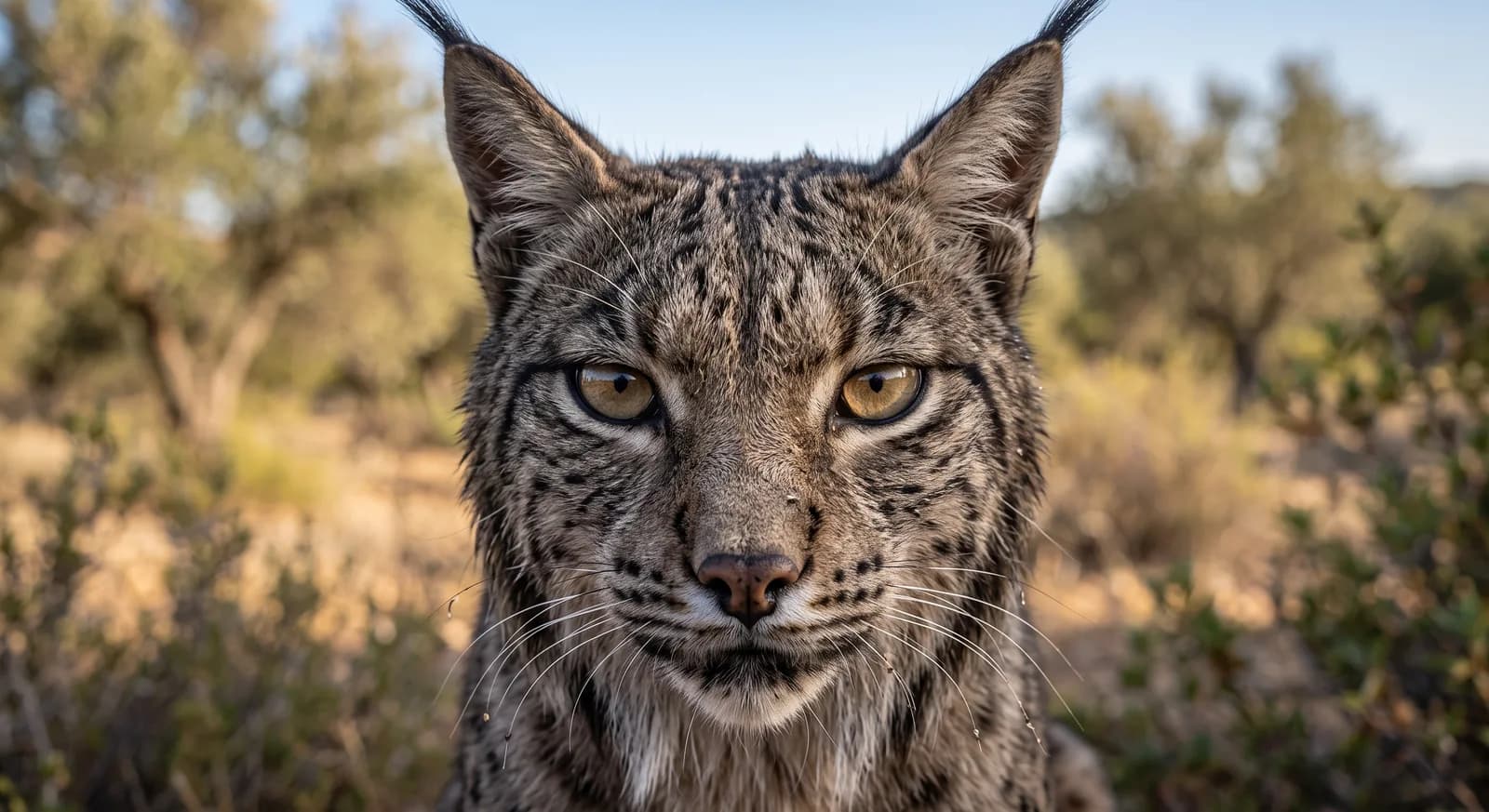 Endangered
Lince ibérico
Lynx pardinus
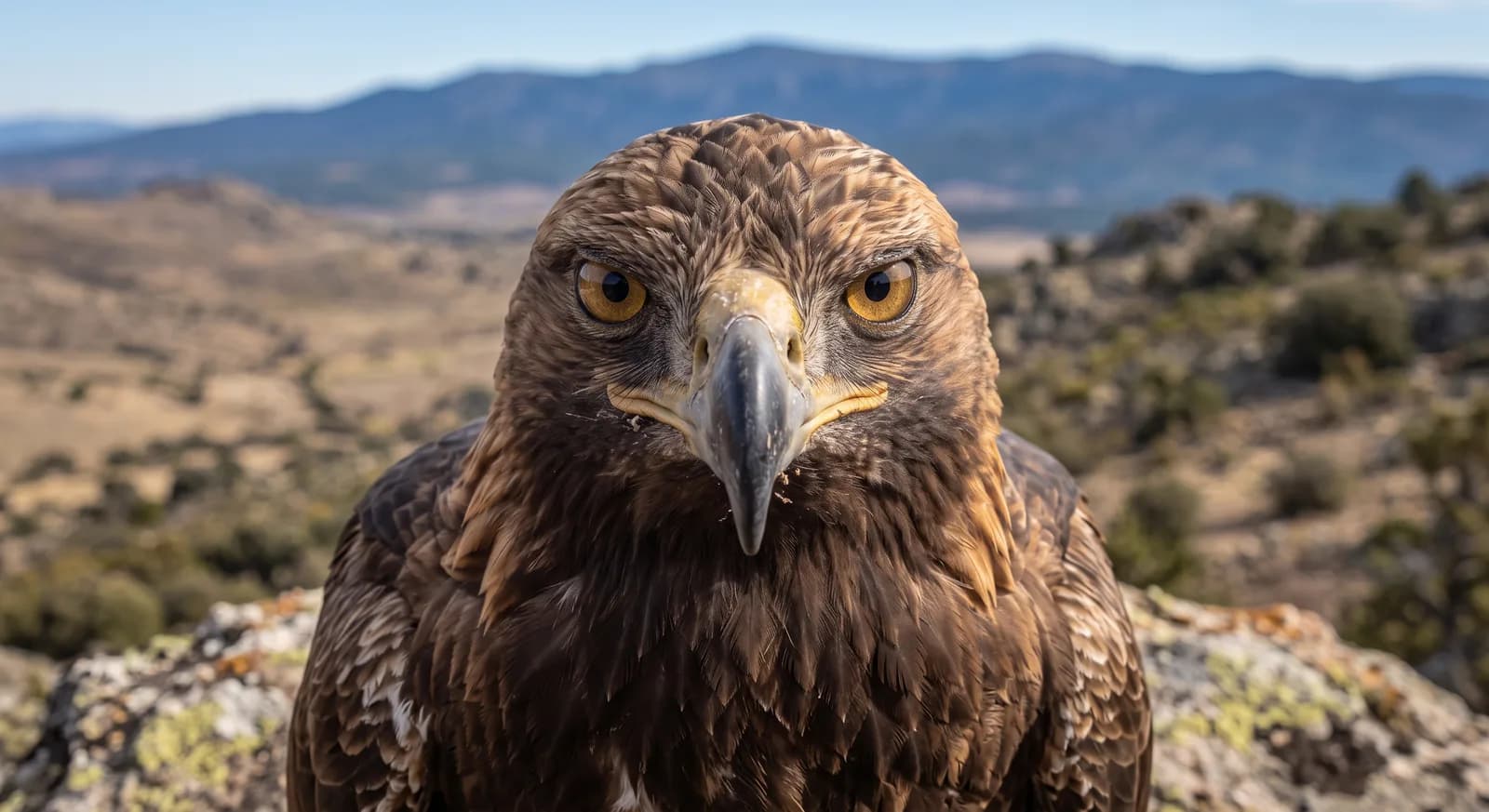 Vulnerable
Águila imperial ibérica
Aquila adalberti
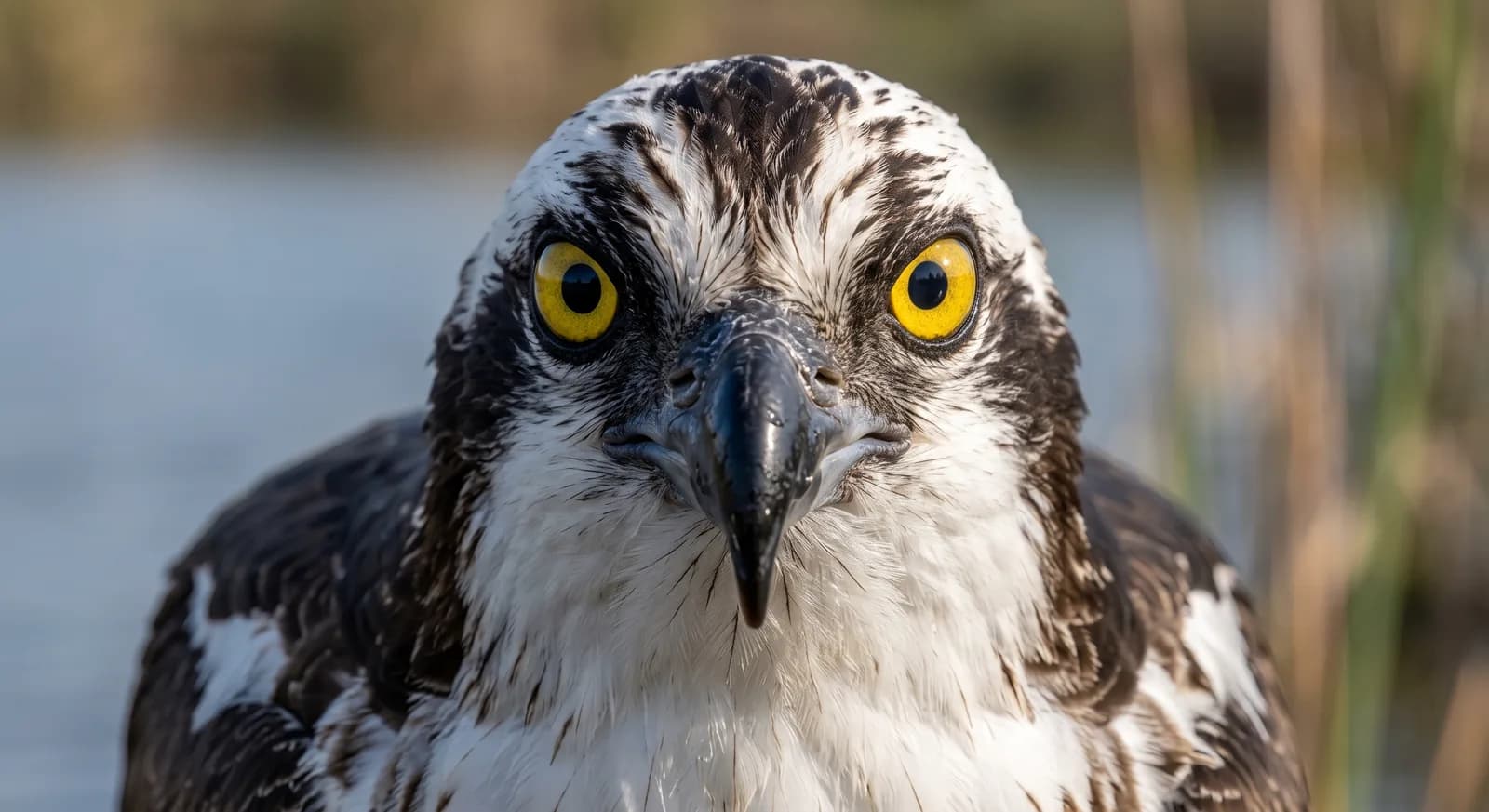 Least Concern
Águila pescadora
Pandion haliaetus
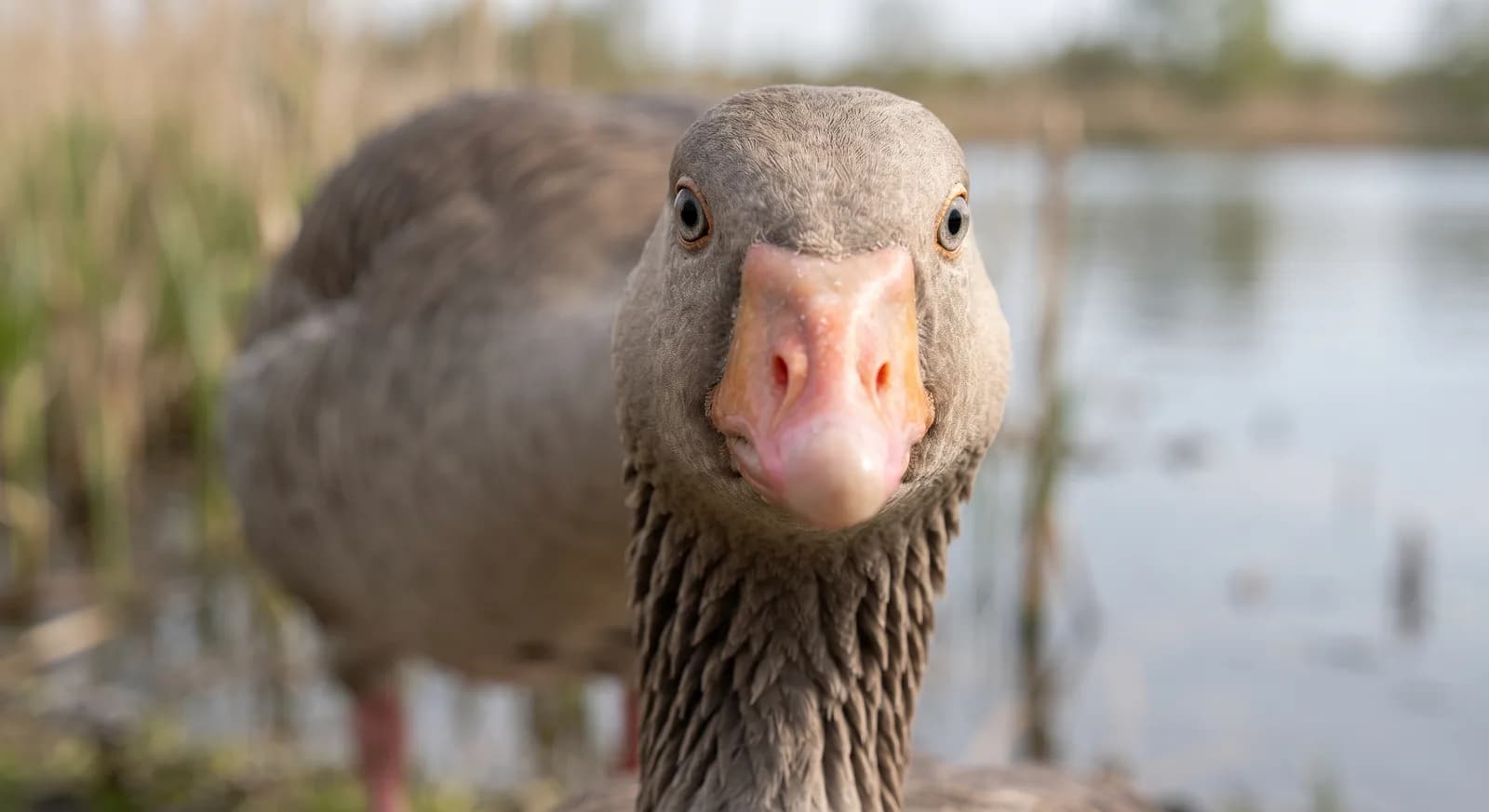 Least Concern
Ánsar común
Anser anser
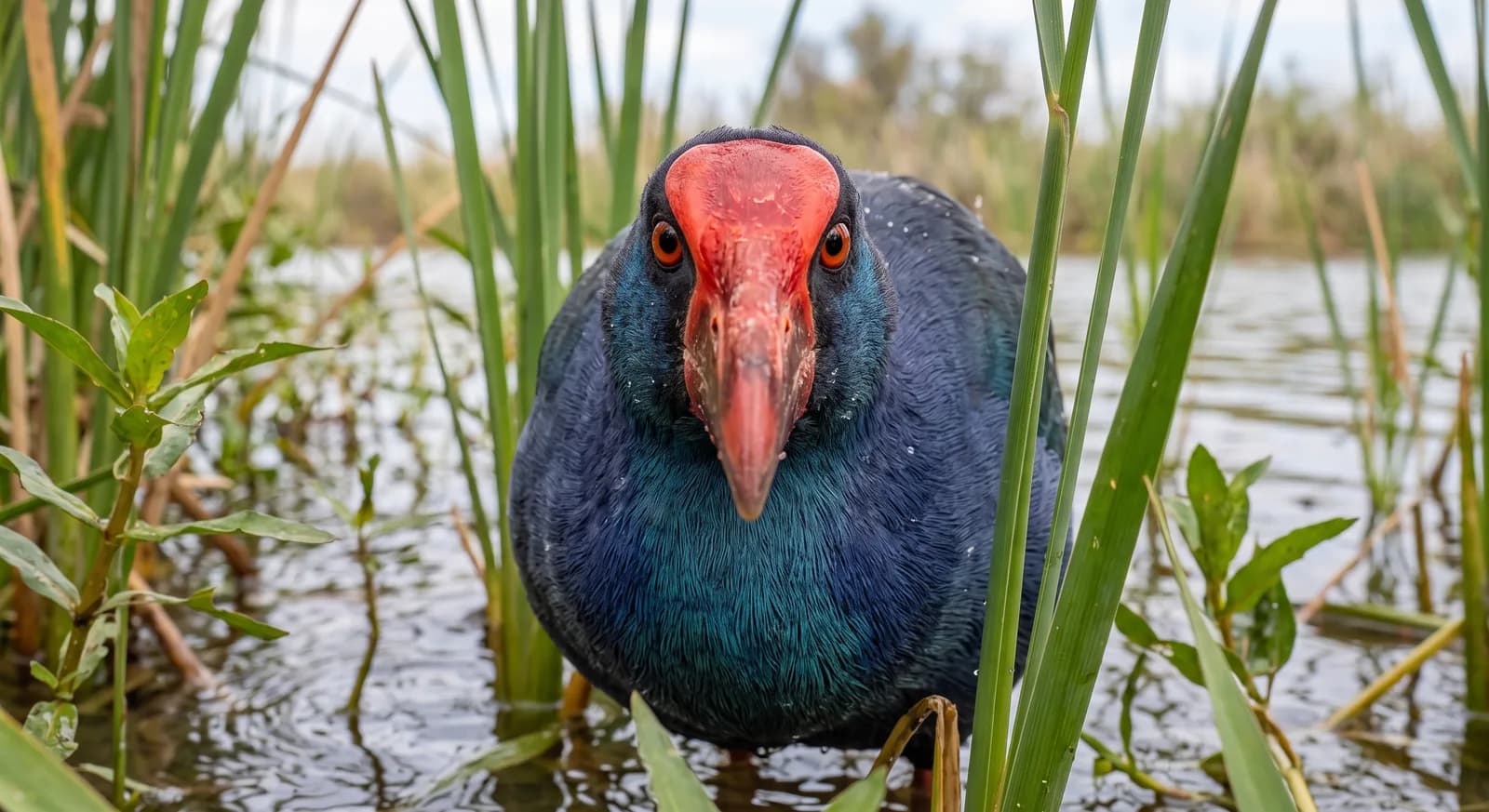 Least Concern
Calamón común
Porphyrio porphyrio
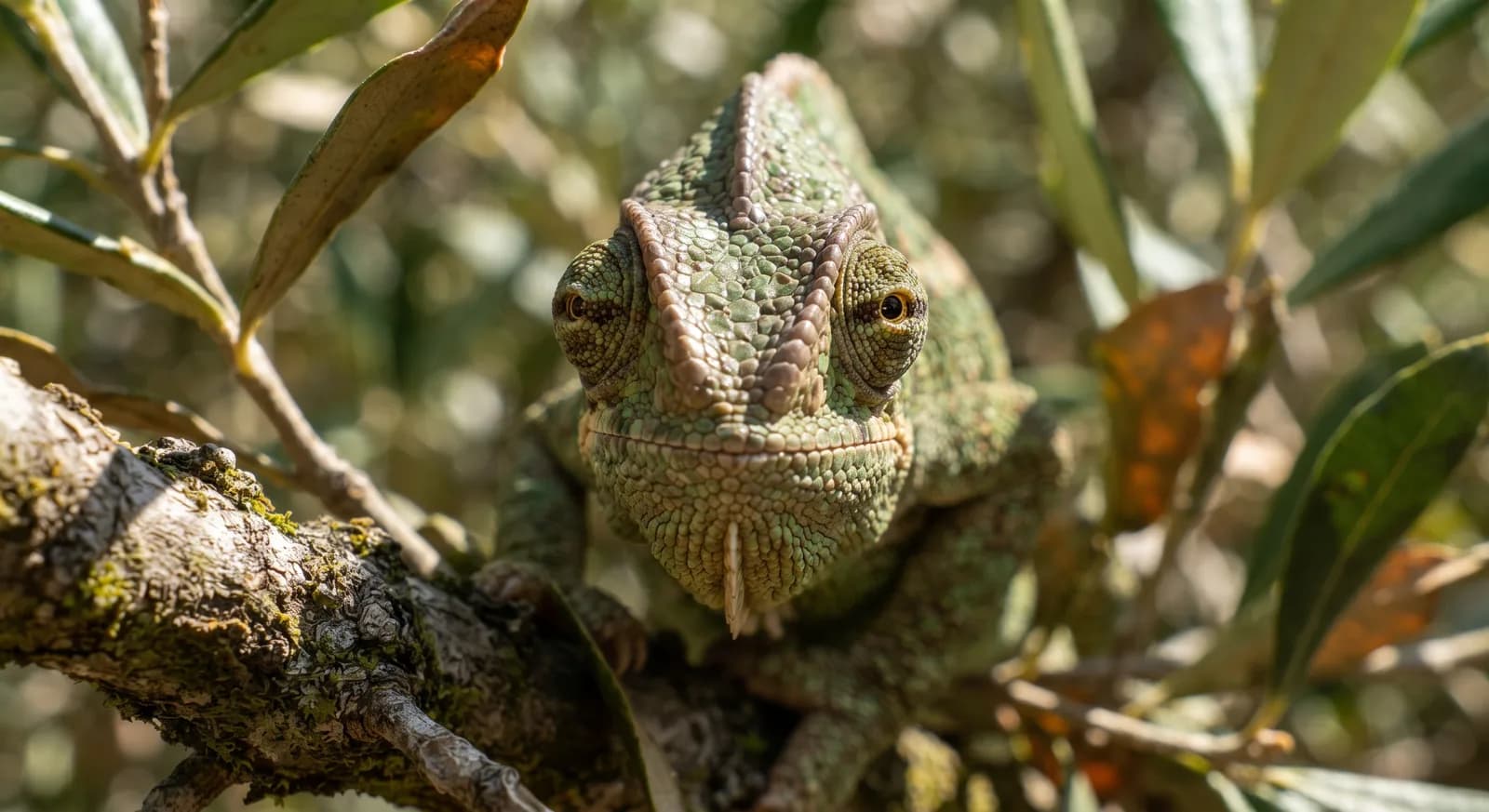 Least Concern
Camaleón común (camaleón mediterráneo)
Chamaeleo chamaeleon
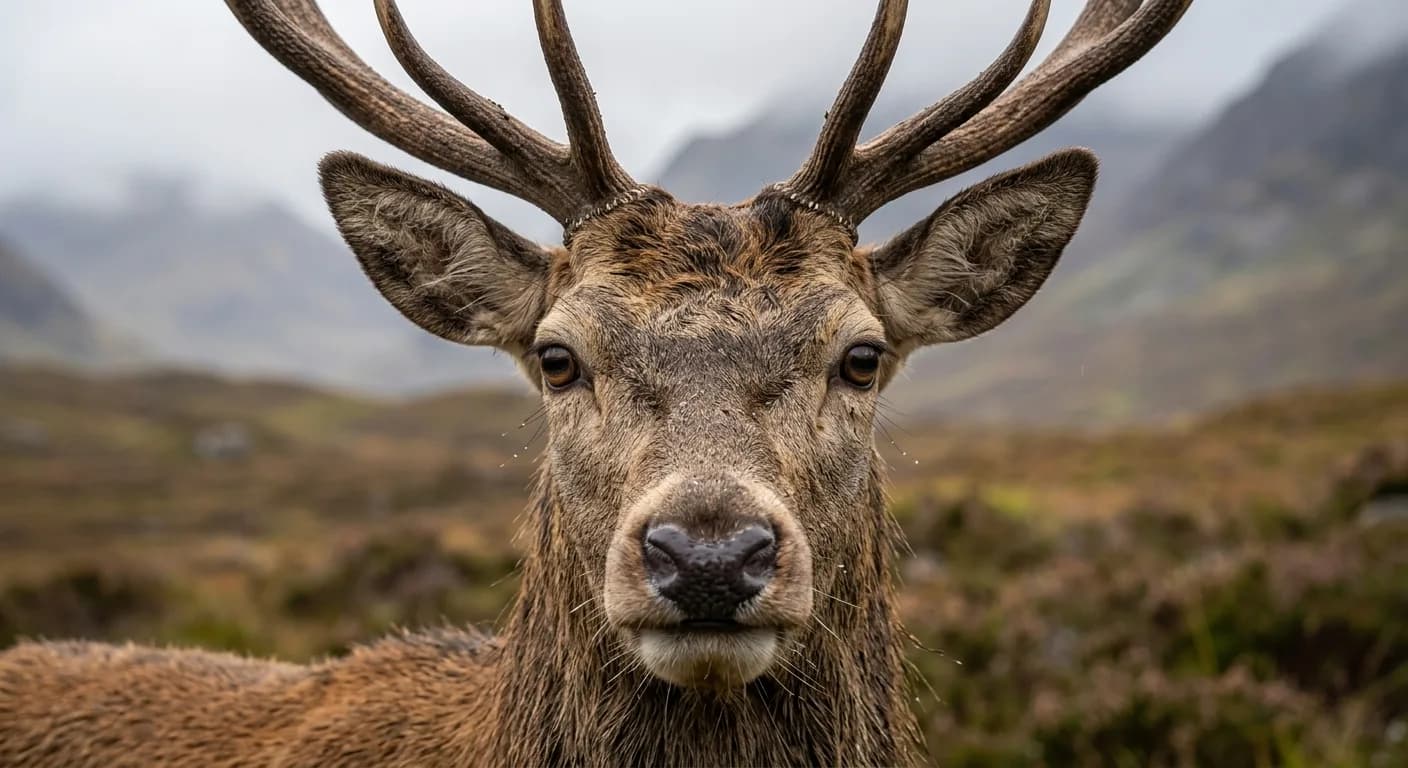 Least Concern
Ciervo rojo
Cervus elaphus
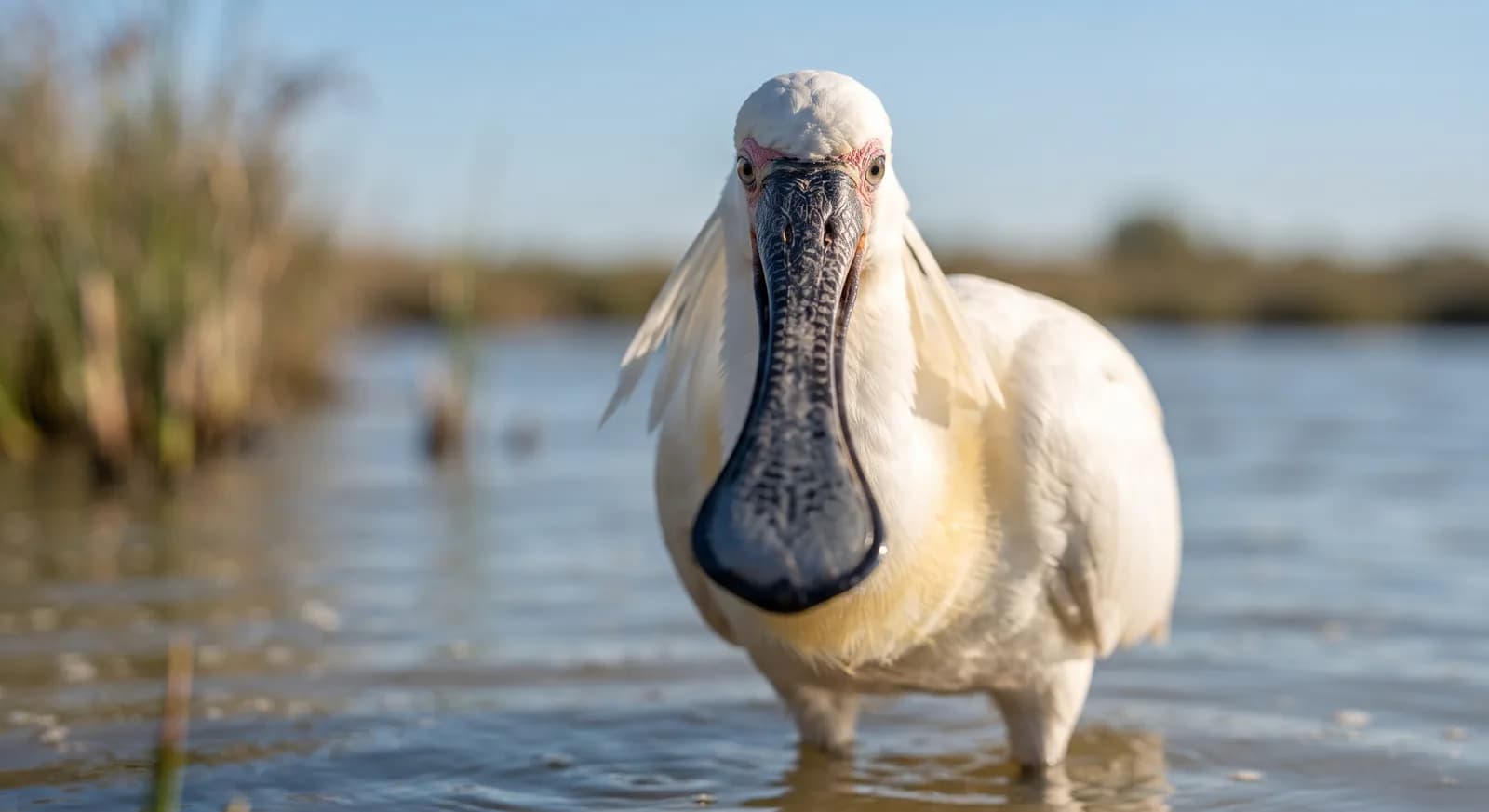 Least Concern
Espátula común
Platalea leucorodia
 Least Concern
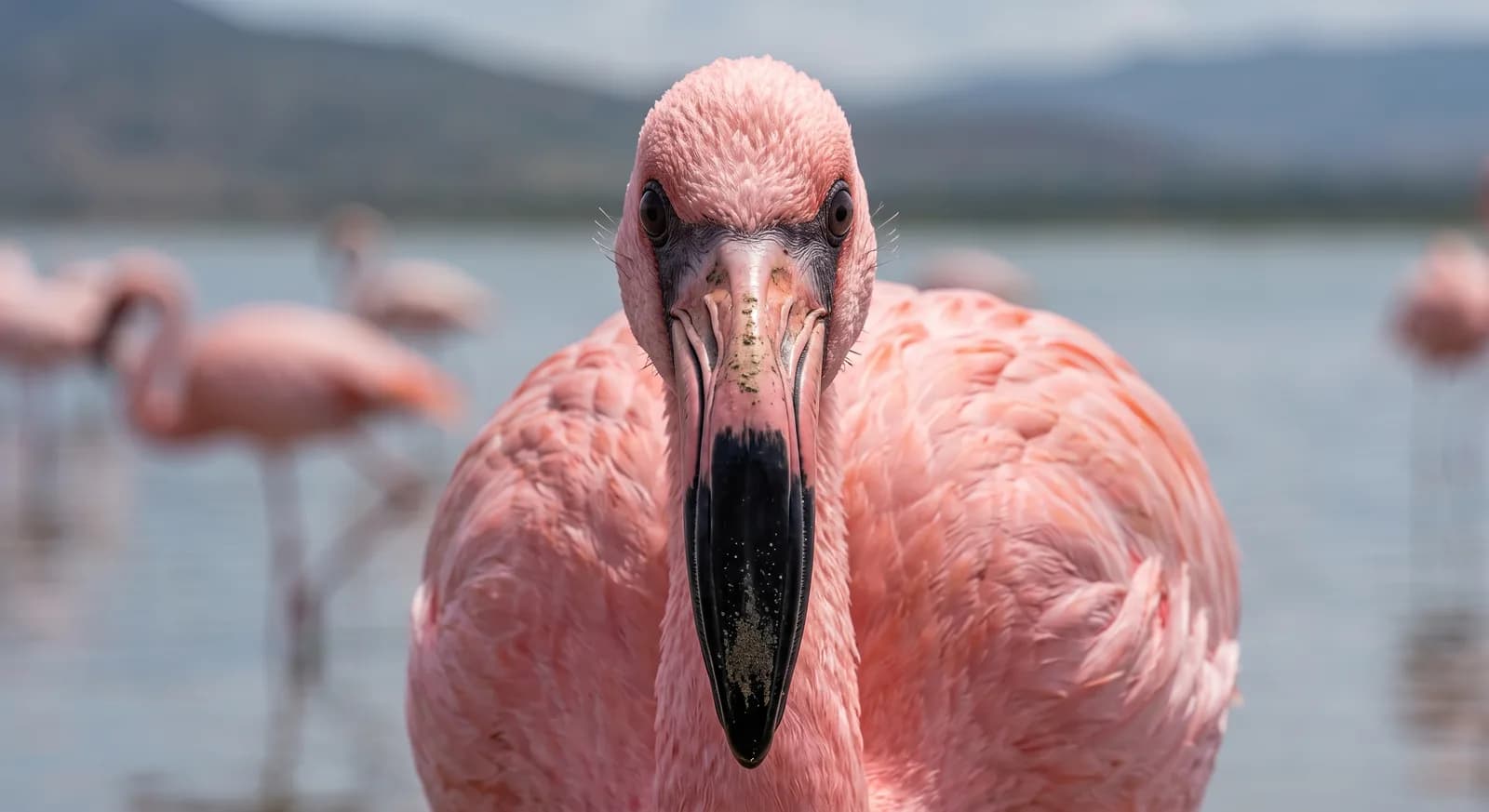
Flamenco común
Phoenicopterus roseus
Focha moruna
Fulica cristata
 Vulnerable
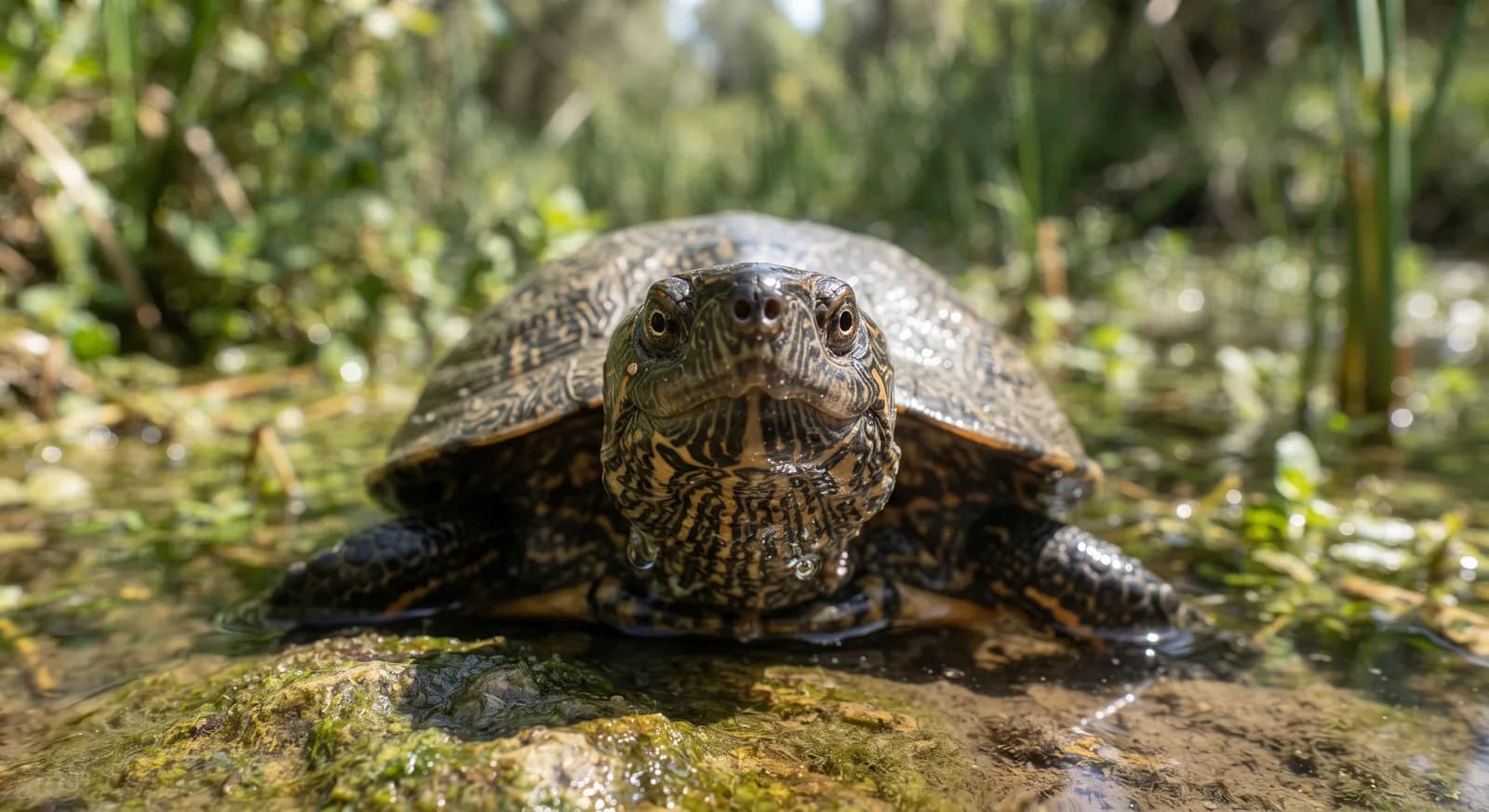
Galápago leproso
Mauremys leprosa
 Least Concern
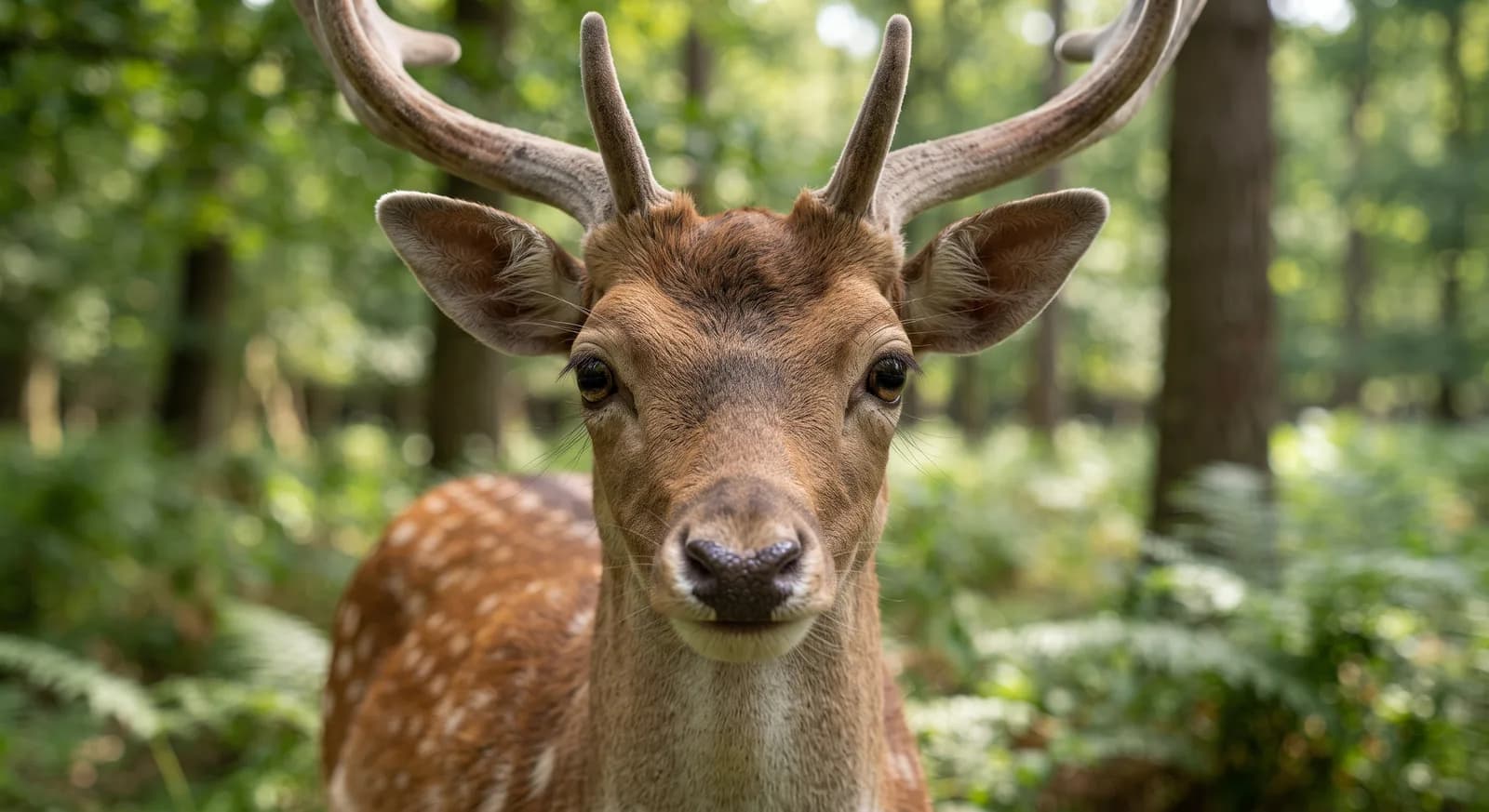
Gamo
Dama dama
Flora and ecosystems
Ecosystems found in Spain, where Doñana National Park lies.
Experiences in this park
Nearby dive sites
Where can I dive near here?
Cliff Coast (Cape St Vincent)
219 km away
Sesimbra
277 km away
Similar parks
Which other parks are like this one?
Picos de Europa
Spain
Cantabrian brown bear · bearded vulture
Todo el año
View parkMismo país: Spain
Garajonay
Spain
Bolle's pigeon and laurel pigeon (both endemic to the Canaries)
Todo el año
View parkMismo país: Spain
Keep exploring
Based on what we already know about Doñana National Park.
Your rating
How many stars would you give Doñana National Park?
Comments
Share your experience visiting Doñana National Park, or a tip for other travellers.
Be the first to comment.