One of the 2 coots on WAnimals
Birds · Gruiformes · Rallidae
Red-Knobbed Coot
Fulica cristata
The species is abundant and widely distributed; it faces no significant short-term risk. See full glossary
A coot with entirely black plumage with some greyish tones, a white frontal shield and a pale blue bill. Its diagnostic feature is a pair of red knobs on the upper part of the shield, especially large and conspicuous in the breeding season. It is somewhat larger than the common coot, with a longer neck and the tail held above the water while swimming.
Weight
585 g – 1.1 kg
Size
38 cm – 45 cm
Diet
Omnivore
Combines animal and plant food depending on availability.
Activity
Diurnal
Active mainly during the day.
Social structure
In pairs
Usually lives in pairs, sometimes for life.
Sighting difficulty
Easy
Estimated population
More than 80% of the Spanish population is in Andalusia
Fun facts
- GeneralIt is told from the common coot by two red knobs on its forehead.
- It is a rallid with an African distribution that reaches southern Iberia: one of the greatest oddities of Spanish birdlife.
- Although it is omnivorous, it feeds above all on aquatic plants such as Potamogeton, but it also takes the eggs and chicks of other waterbirds.
- In February 2025 an adult hybrid between a red-knobbed coot and a common coot was photographed at the Charca de Suárez, something very unusual given how scarce the former is.
Life cycle & biology
- Skeleton type
- Vertebrate - internal bony skeleton (bird)
- Habitat & environment
- Lagoons and marshes with reedbeds
- Gestation / incubation
- 25 days
- Litter / clutch size
- Around eight eggs in April, in a nest of dry reeds and twigs near the water's edge or floating anchored in emergent vegetation
Sources consulted: IUCN Red List; SEO/BirdLife (III Atlas: De le Court 2022, y Libro Rojo de las Aves de España); Catálogo Español de Especies Amenazadas (RD 139/2011); Directiva Aves Anexo I; Decreto 172/2022 de la Generalitat de Catalunya; Varo 2007 (tesis, Universidad de Sevilla); Varo y Amat 2008, Wildlife Research 35; Raya y Viedma 2008
Where to find it
See its range on the interactive mapBest time: All year round in the wetlands of the lower Guadalquivir; the small red horns are only clearly visible in the breeding season
Where to watch it
Parks and dive sites where this species has been documented.
Related species
Other species in the catalogue with the most in common with Red-Knobbed Coot — same habitat, park, country, tags or family.
Eurasian Coot
Fulica atra
 Least Concern
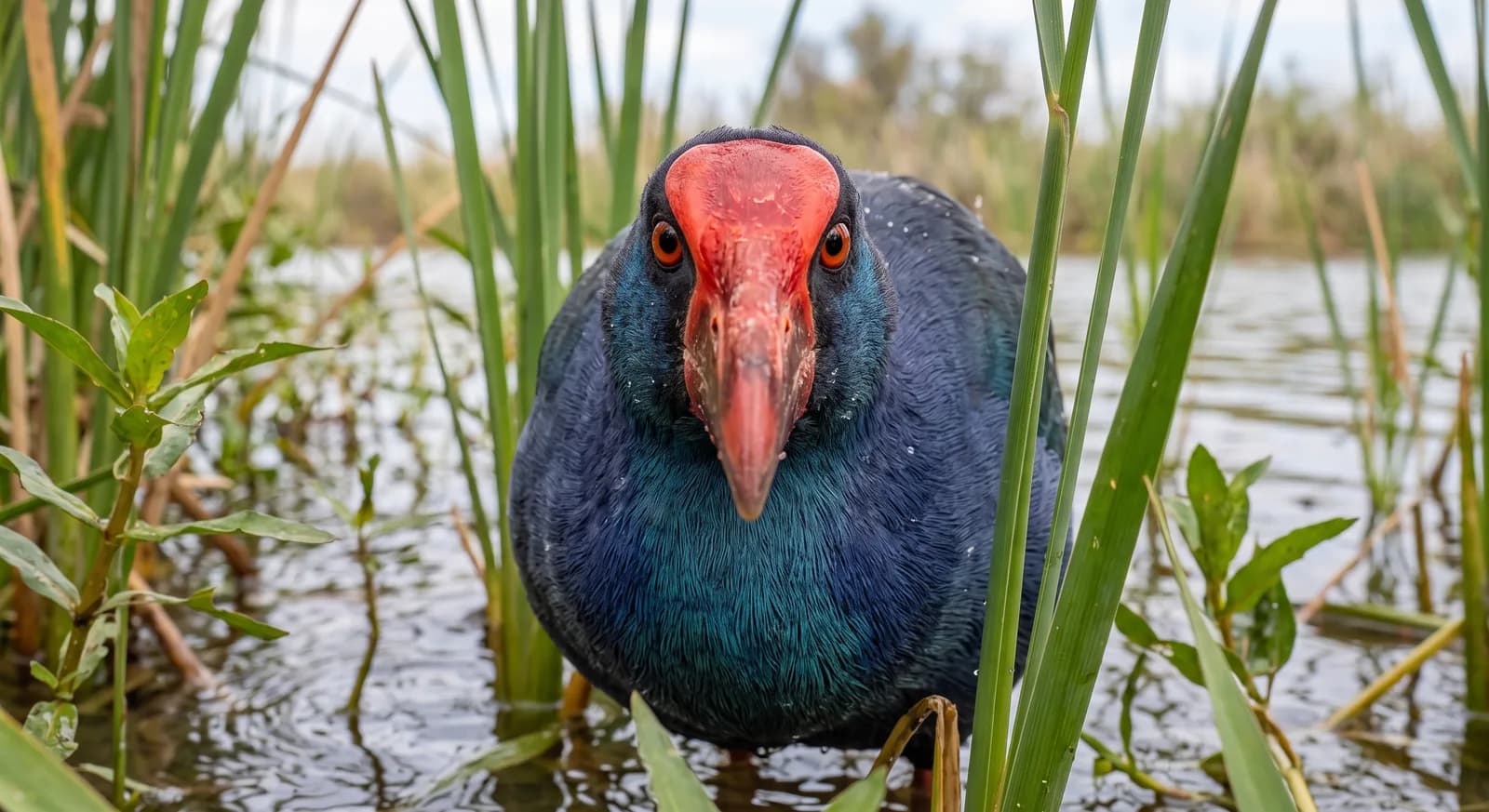
Purple Swamphen
Porphyrio porphyrio
Common Moorhen
Gallinula chloropus
Water Rail
Rallus aquaticus
 Least Concern
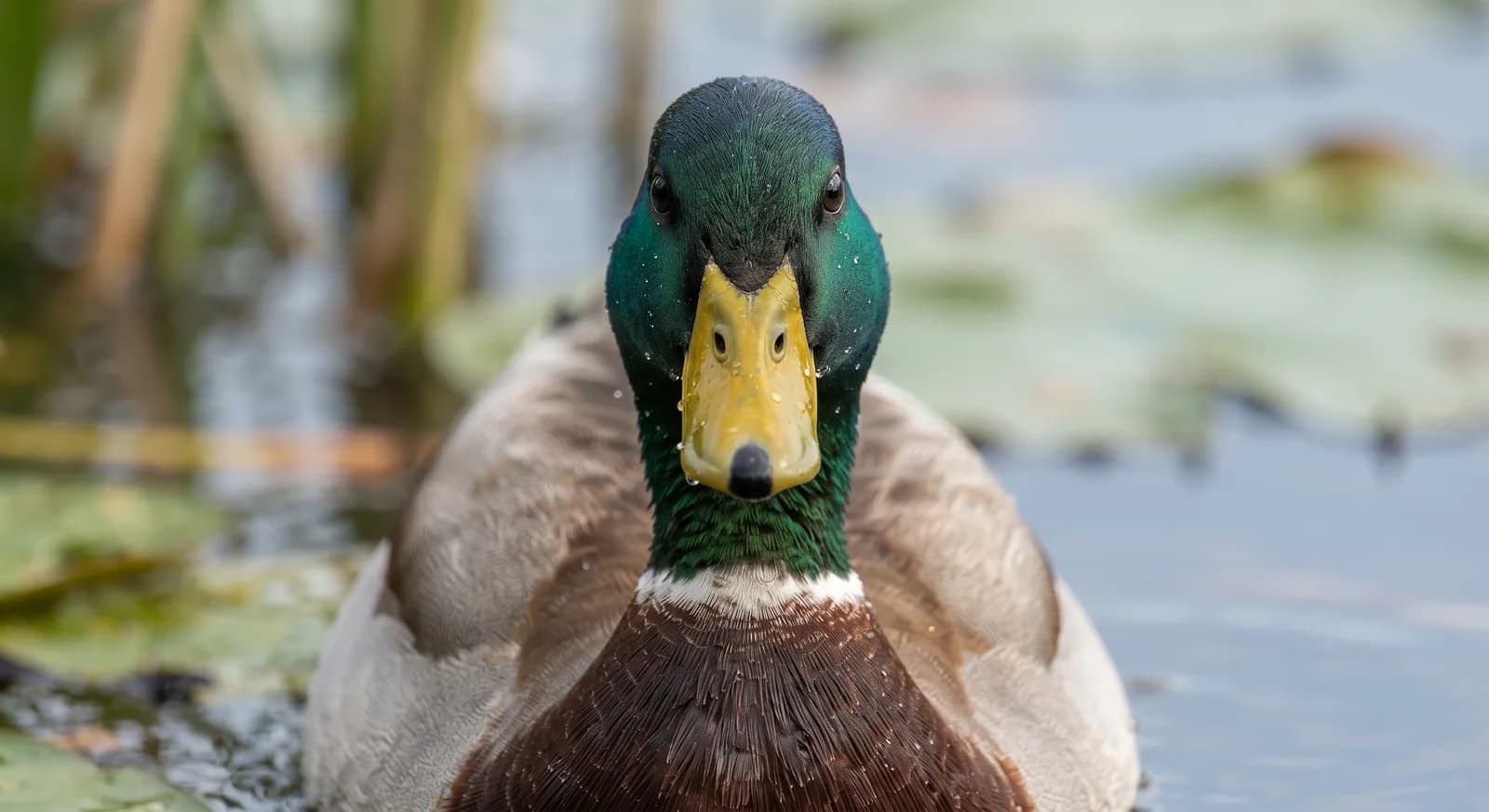
Mallard
Anas platyrhynchos
 Least Concern
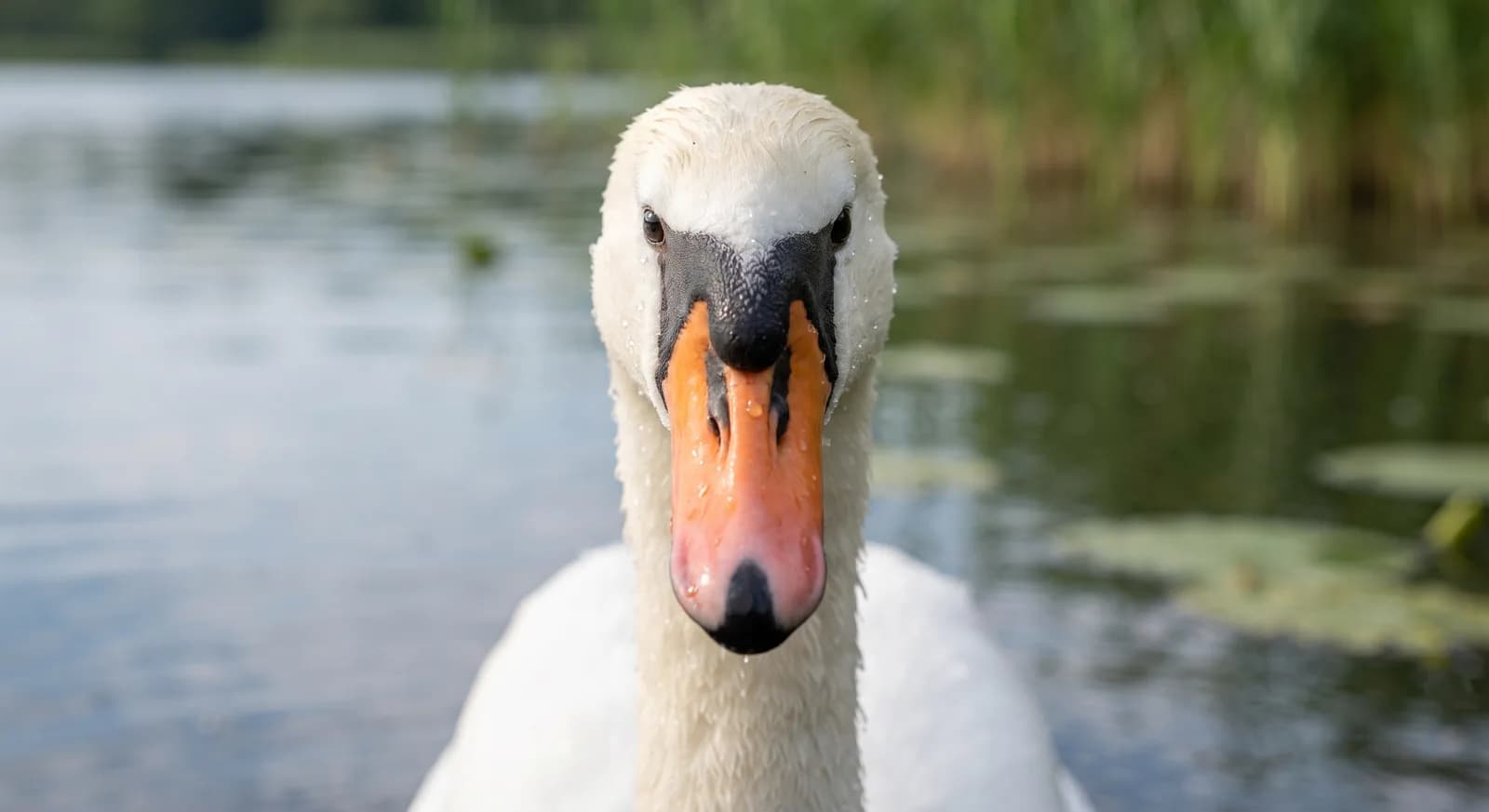
Mute Swan
Cygnus olor
Keep exploring
Based on what we already know about red-knobbed coot.
Comments
Share an experience, a fun fact or a tip for seeing the red-knobbed coot.
Be the first to comment.