Ethiopia
África
Ethiopia is the roof of Africa: an enormous plateau split in two by the Great Rift Valley and crowned by massifs above four thousand metres, such as Simien and Bale. That altitude creates ecological islands isolated from the rest of the continent, with afroalpine moorland of giant lobelias and tree heathers where a fauna lives that exists nowhere else. Along the floor of the Rift are strung fresh and salt lakes with flamingos, pelicans and an abundant birdlife, and in the northeast the Danakil depression drops to more than a hundred metres below sea level, with acid springs and salt flats where only extremophile microorganisms thrive. To the southwest, the humid forests of Kaffa keep the wild coffee plants from which all the world's arabica coffee descends.
The nature of Ethiopia
National animal: The Abyssinian lion, historic symbol of the country and imperial emblem
Did you know?
The gelada is the only primate in the world that feeds almost exclusively on grass: it spends the day sitting on the grasslands of the Simien cliffs pulling blades with its fingers, in herds that can gather several hundred individuals. It sleeps on the ledges of the vertical walls to escape predators, and the males display a bare red patch on the chest that has earned them the nickname of bleeding-heart baboons.
Biodiversity profile
Climate
- •Tropical con estacion seca (Aw) en tierras bajas
- •Templado de montaña en las Tierras Altas Etiopes
- •Desertico en la Depresion de Danakil (uno de los puntos mas calidos y bajos del planeta, -125 m)
Main biomes
- •Ecosistema afroalpino (mayor extension continua de Africa, por encima de 3.200 m, con vegetacion unica de lobelias gigantes)
- •Sabana y bosque de acacia (valle del Omo, Gambella)
- •Bosque montano y de neblina
- •Páramo afroalpino
- •Bosque de niebla afromontano
- •Valle del Rift con lagos
- •Depresión volcánica del Danakil
- •Sabana de acacias
- •Bosque de cafetos silvestres
- •Meseta de altitud
Marine and coastal ecosystems
- •No aplica (pais sin litoral desde la independencia de Eritrea en 1993)
Flagship wildlife
- •Lobo etiope (canido mas amenazado de Africa, endemico)
- •Ibice walia (endemico de los Montes Simien)
- •Gelada o mono babuino de gelada (endemico)
- •Ñu de Nyala de montaña
- •Gelada
- •Nyala de montaña
- •Cebra de Grevy
- •Flamenco enano
- •Babuino hamadríade
- •Asno salvaje africano
- •Cuervo picogordo
- •Hiena manchada
Notable endemic species
- •Aprox. 600 de las 6.000 especies de plantas del pais son endemicas
- •45 de 271 especies de mamiferos son endemicas, incluidos el lobo etiope, el ibice walia y el gelada
- •19 de 863 especies de aves son endemicas
- •Etiopia clasificada como el 12° pais mas biodiverso de Africa, con endemismo concentrado en las Tierras Altas Etiopes, divididas en dos macizos por el Rift
- •Gelada
- •Lobo etíope
- •Íbice walia
- •Nyala de montaña
- •Rata topo gigante de Bale
Notable threatened species
- •Lobo etiope (En Peligro, menos de 500 individuos, el canido mas raro del mundo)
- •Ibice walia (En Peligro, restringido a los acantilados de los Montes Simien)
- •109 de 1.715 especies de vertebrados evaluadas catalogadas como globalmente amenazadas, con 384 especies adicionales en tendencia decreciente
Notable protected areas
- •Parque Nacional de las Montañas Simien (Patrimonio Mundial, habitat del lobo etiope, ibice walia y gelada)
- •Parque Nacional Bale Mountains
- •Parque Nacional Gambella (sabana, grandes migraciones de antilopes)
- •Parque Nacional de las Montañas Bale
- •Parque Nacional de Awash
- •Lago Abiata-Shala
- •Parque Nacional del Valle del Omo
- •Reserva de la Biosfera de Kaffa
Main conservation threats
- •Presion demografica y agricola sobre las Tierras Altas, donde se concentra la mayor parte del endemismo
- •Fragmentacion del habitat afroalpino, unico en su tipo
- •Cambio climatico sobre ecosistemas de alta montaña aislados
Notable natural phenomena
- •Etiopia posee la mayor extension continua de tierra de alta altitud de Africa (80% de toda la superficie continental por encima de 3.000 m)
- •La Depresion de Danakil es uno de los lugares mas calidos y geologicamente activos del planeta
Conservation
The Ethiopian wolf is the most endangered canid in the world, with fewer than five hundred animals spread across a handful of mountains and hit by rabies outbreaks transmitted by domestic dogs. The walia ibex, exclusive to Simien, has recovered from critical lows.
Where and when to watch wildlife
Simien year-round for geladas and walia ibex. The Sanetti plateau, in Bale, at dawn for the Ethiopian wolf. The Rift lakes between November and March for waterbirds.
Sources: PNAS - Ecology evolution conservation Ethiopia's biodiversity | BioDB.com - Ethiopia | ResearchGate - Protected area system Ethiopia 30x30 target | constructive-voices.com - Ethiopia Biodiversity
Parks and reserves
Simien
Nicknamed the roof of Africa; the only home of the walia ibex and a key refuge for the Ethiopian wolf, the most threatened canid in the world
View parkNational ParkAwash
Ethiopia's oldest and most accessible national park, crossed by the Awash River and its spectacular falls
View parkNational ParkBale Mountains
Africa's largest afroalpine moorland and home of the Ethiopian wolf, the world's most endangered canid.
View parkNational ParkGambella
Ethiopia's largest national park, the setting for one of the greatest mammal migrations left on the planet.
View parkNational ParkMago
Ancestral land of the Mursi people, known for the lip plates worn by the women as ceremonial adornment
View parkNational ParkBale Mountains
The largest Afroalpine moorland on the African continent, with the world's greatest concentration of Ethiopian wolf, the most threatened canid on the planet
View parkNational ParkNechisar
A strip of savannah between two Rift lakes, with a bird described from a single wing found on the road.
View parkNational ParkOmo
Some of the oldest known Homo sapiens fossils, over 195,000 years old, were found nearby
View parkEspecies documentadas en Ethiopia
212 species found
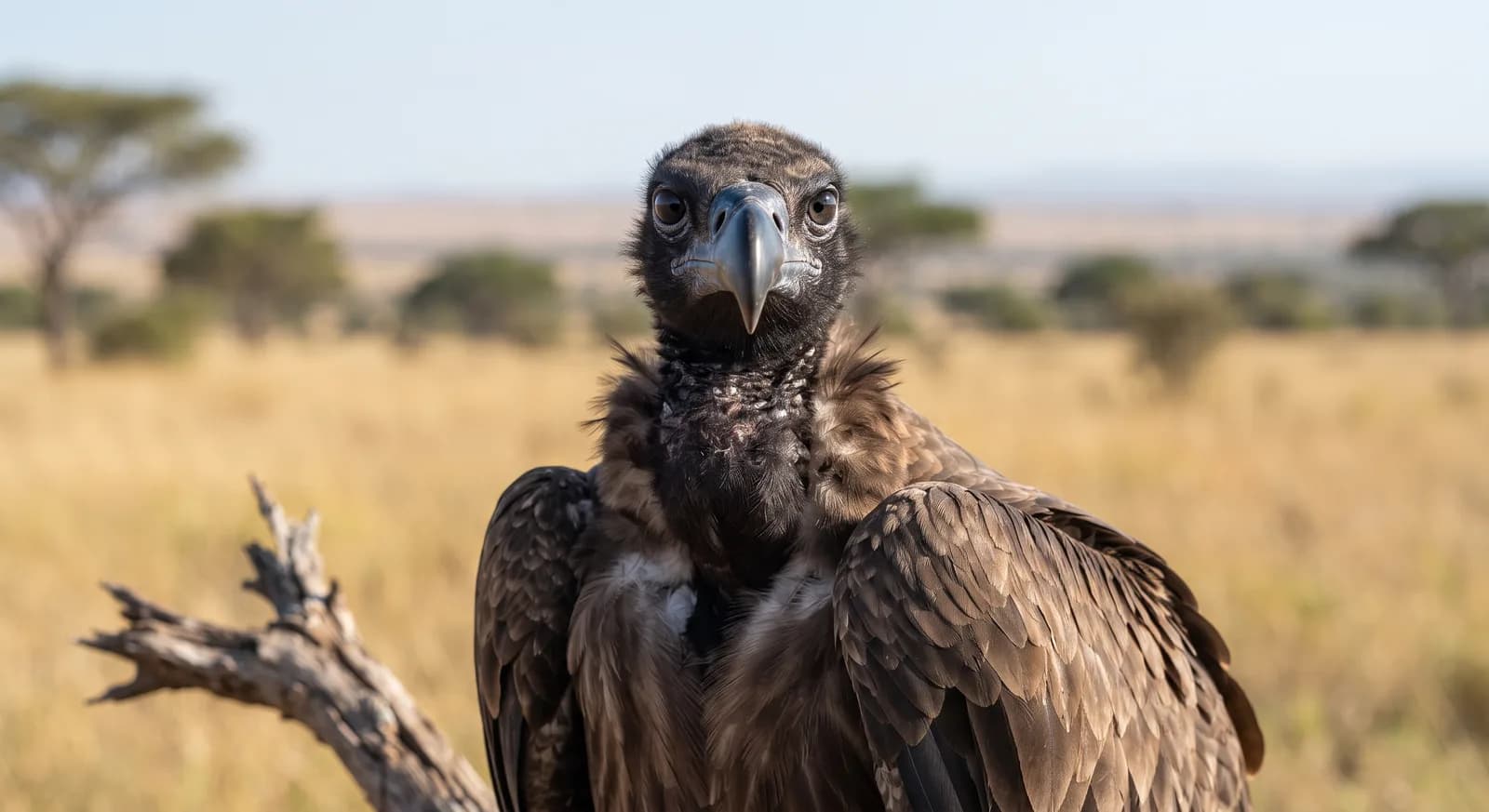 Critically Endangered
White-backed Vulture
Gyps africanus
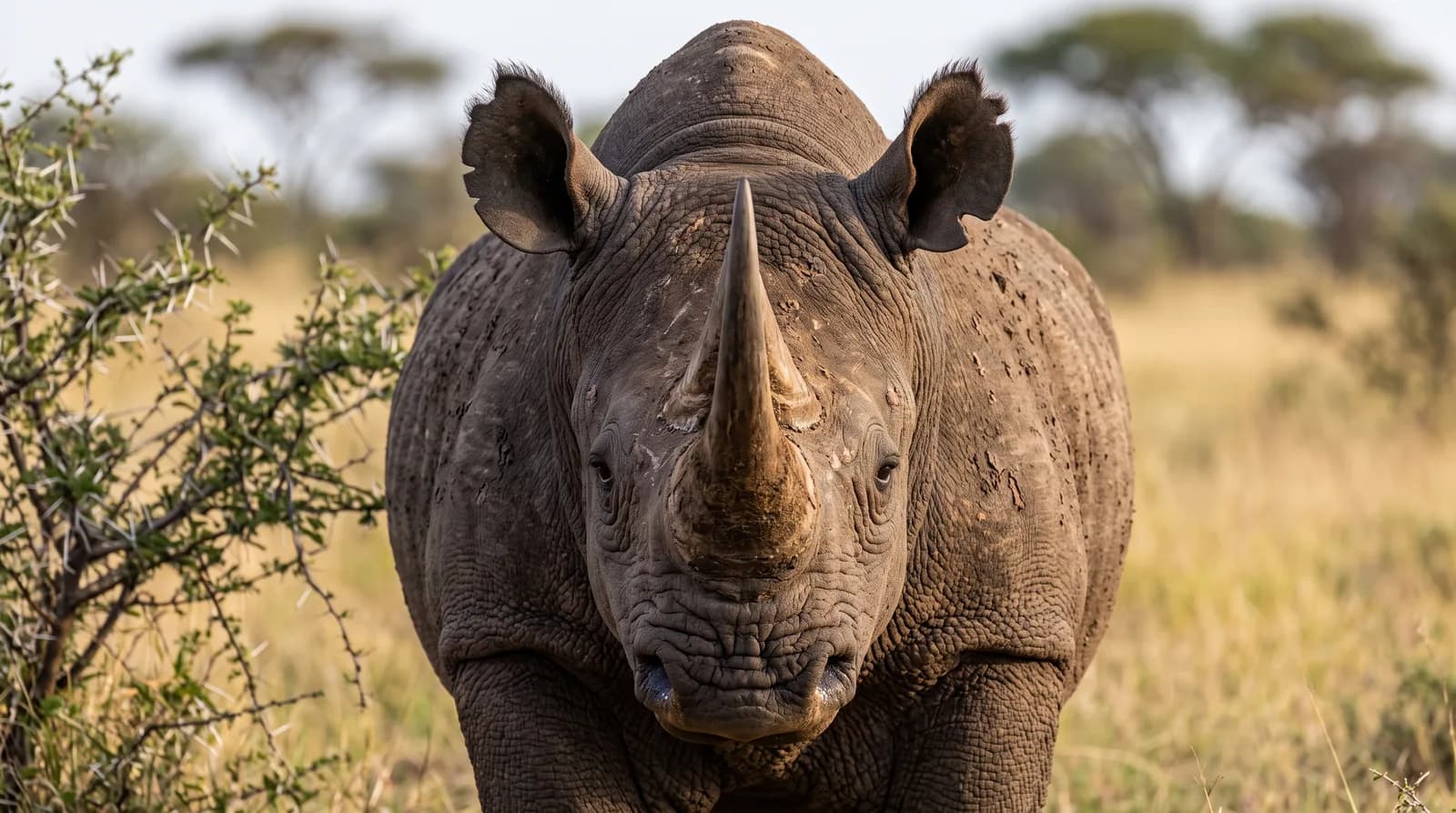 Critically Endangered
Black Rhinoceros
Diceros bicornis
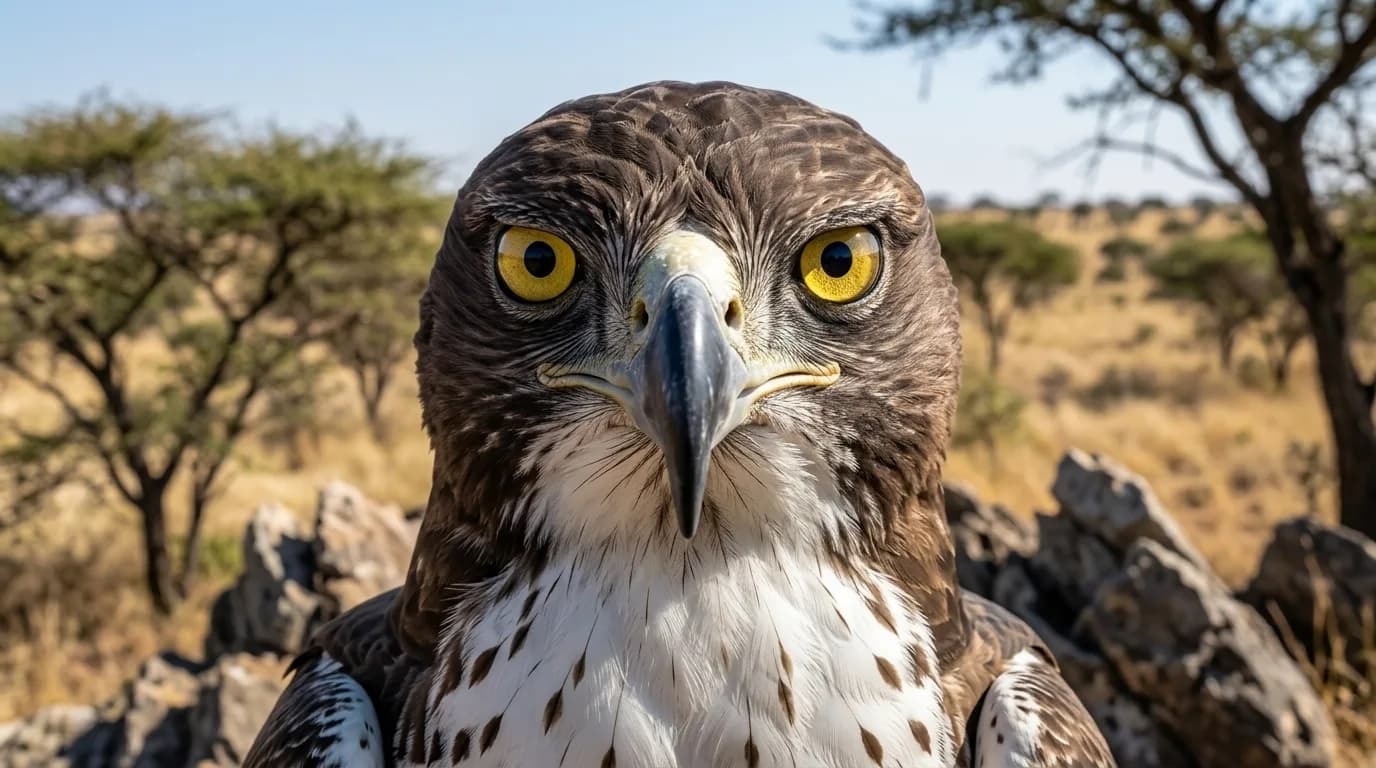 Endangered
Martial Eagle
Polemaetus bellicosus
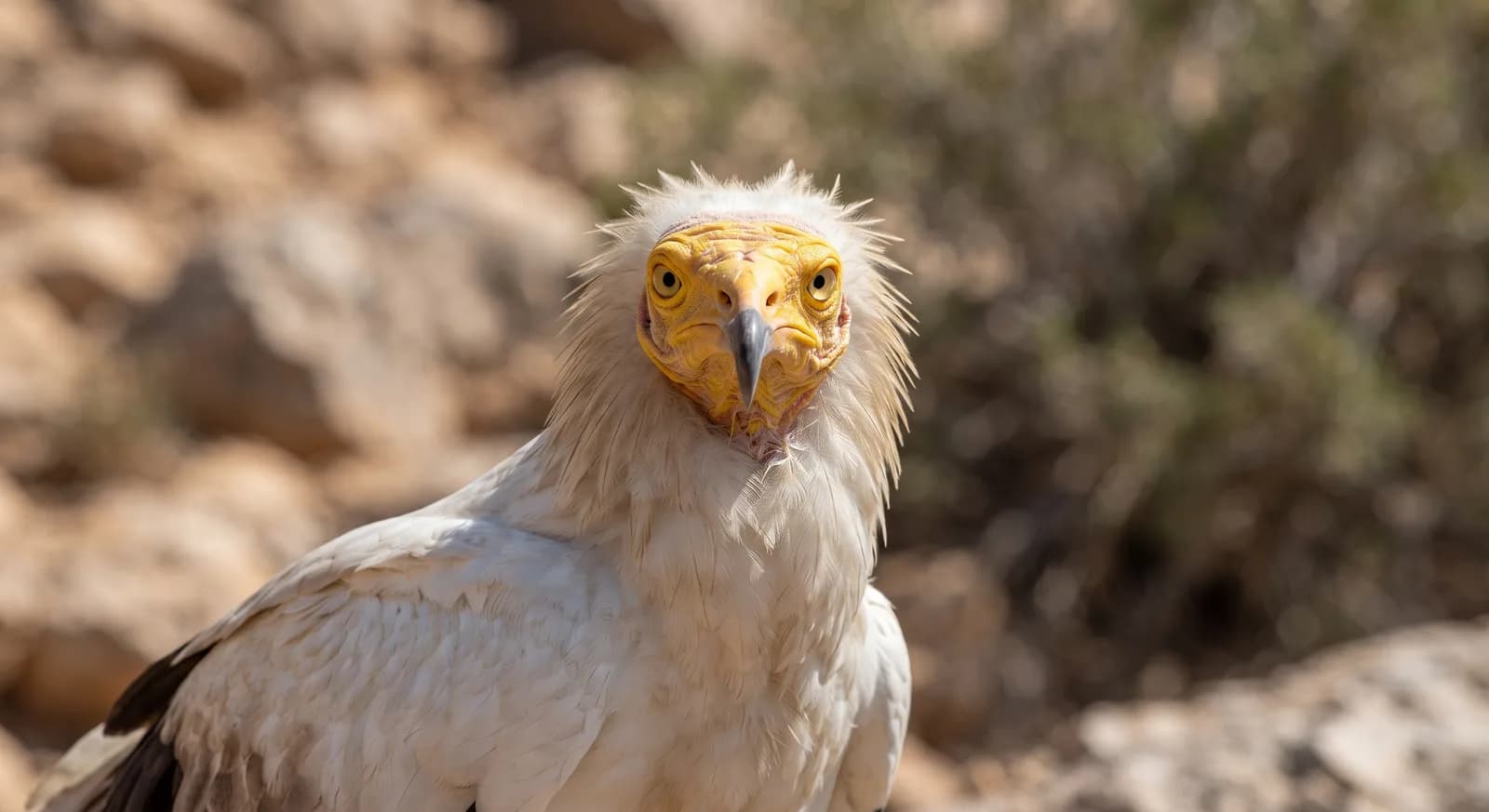 Endangered
Egyptian Vulture
Neophron percnopterus
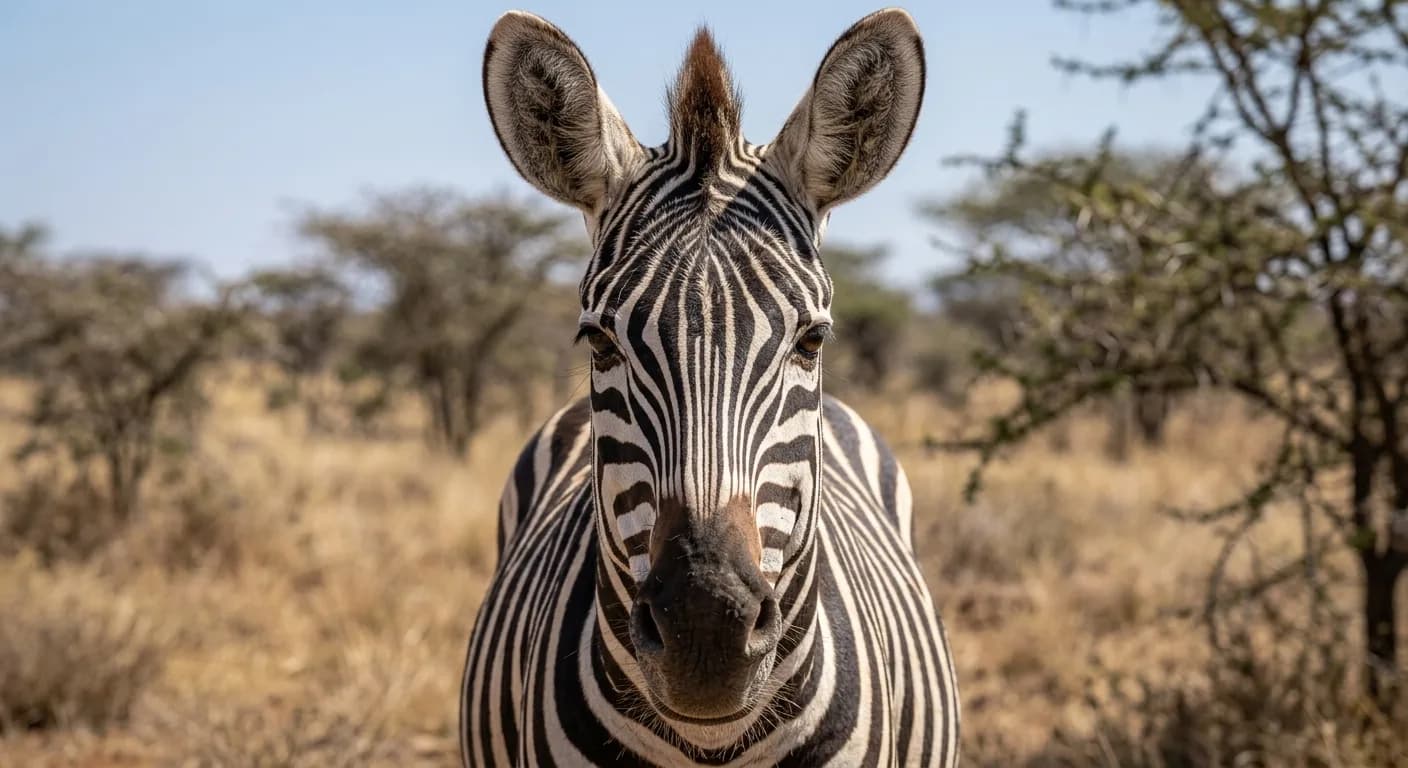 Endangered
Grevy's Zebra
Equus grevyi
 Endangered
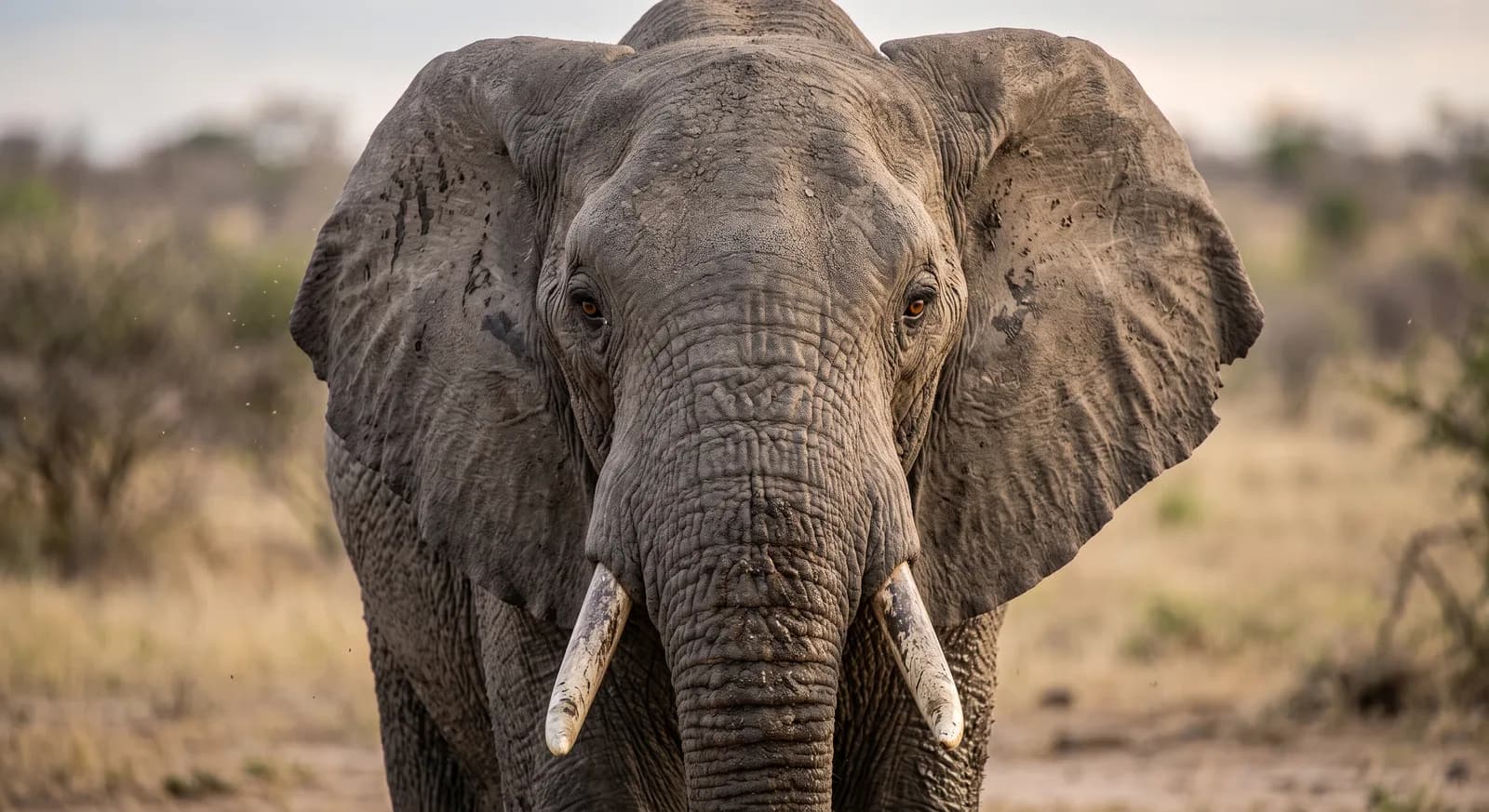
African Savanna Elephant
Loxodonta africana
 Endangered
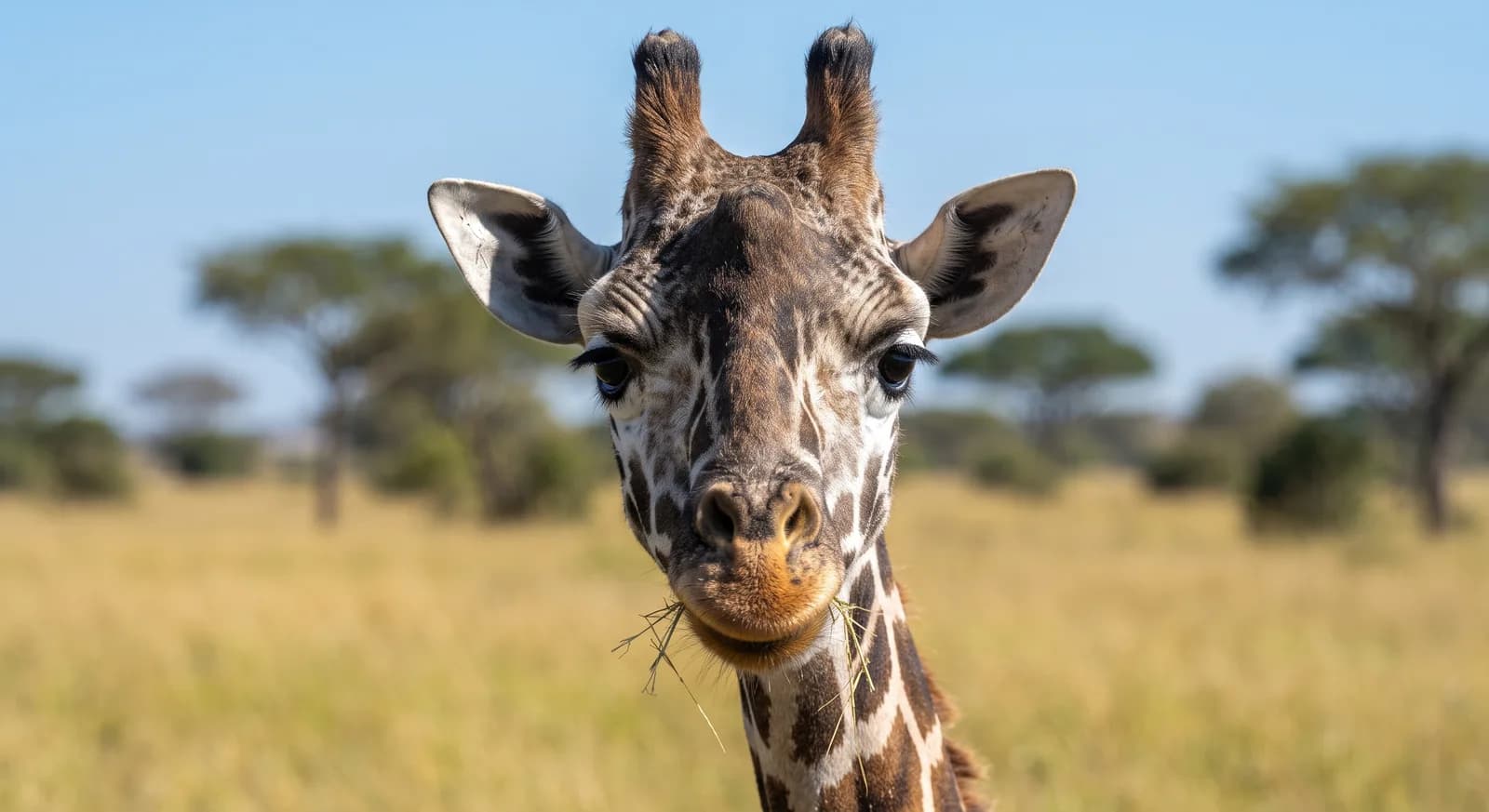
Reticulated Giraffe
Giraffa reticulata
 Endangered
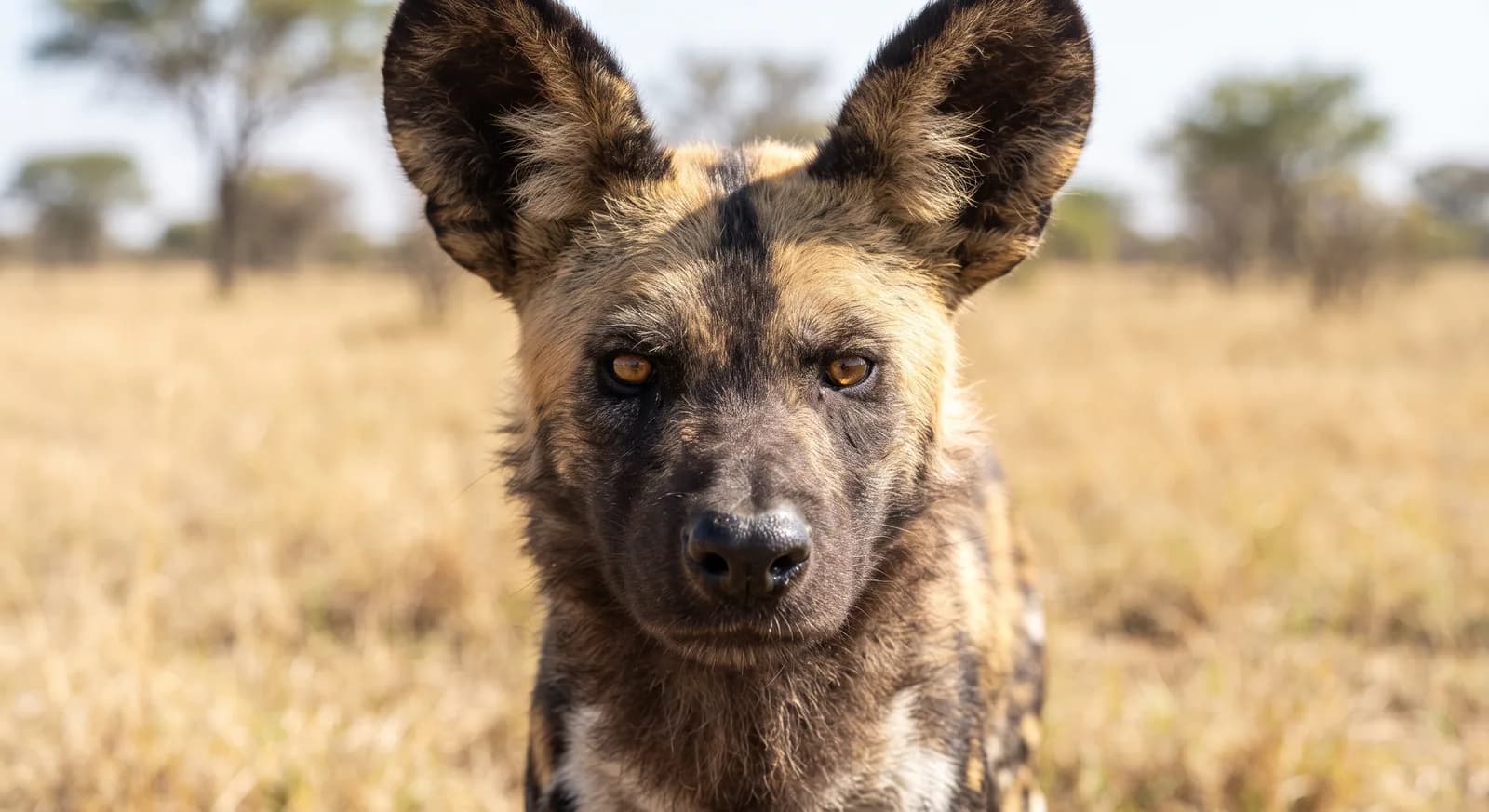
African Wild Dog
Lycaon pictus
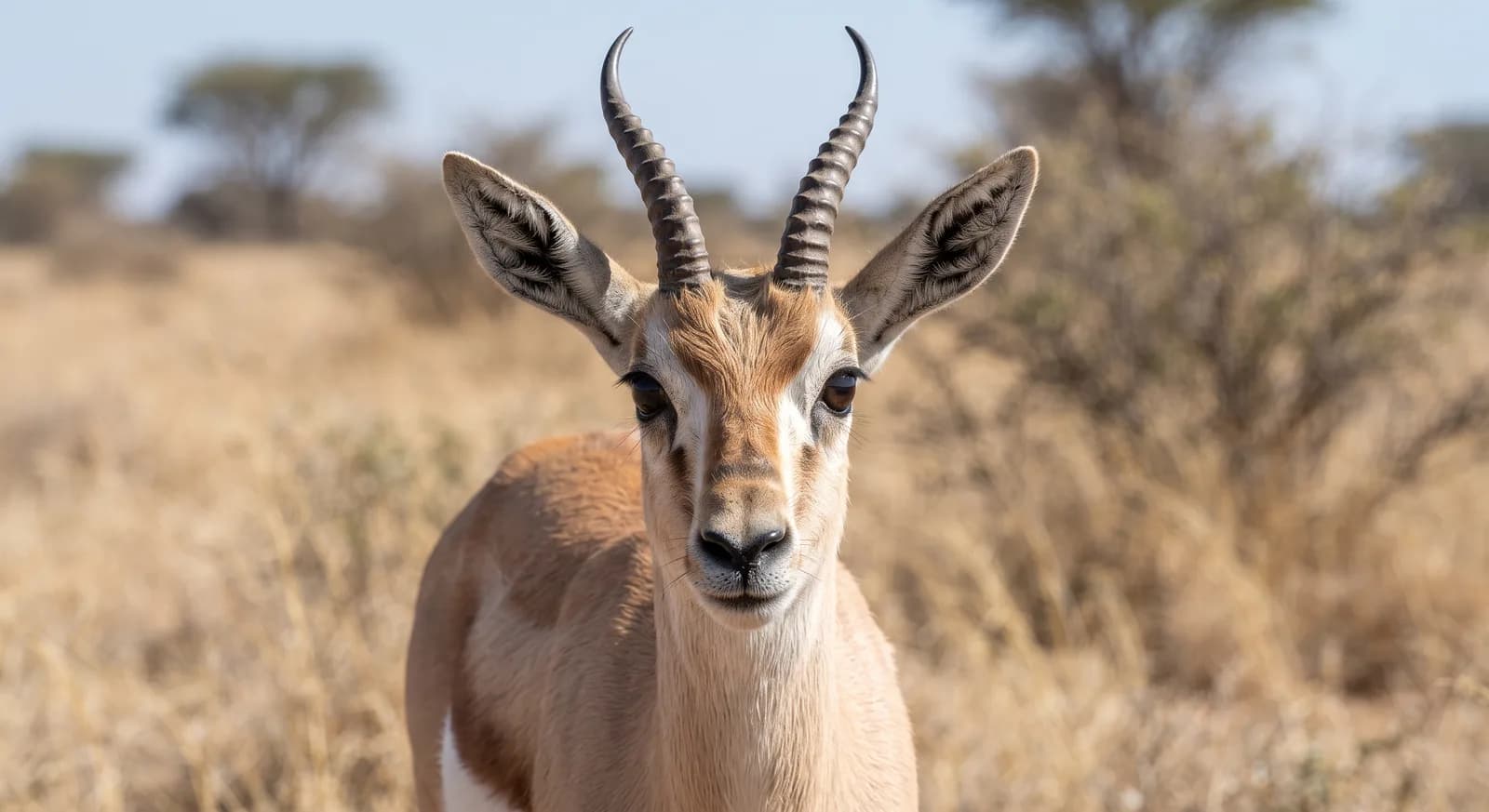 Vulnerable
Dorcas Gazelle
Gazella dorcas
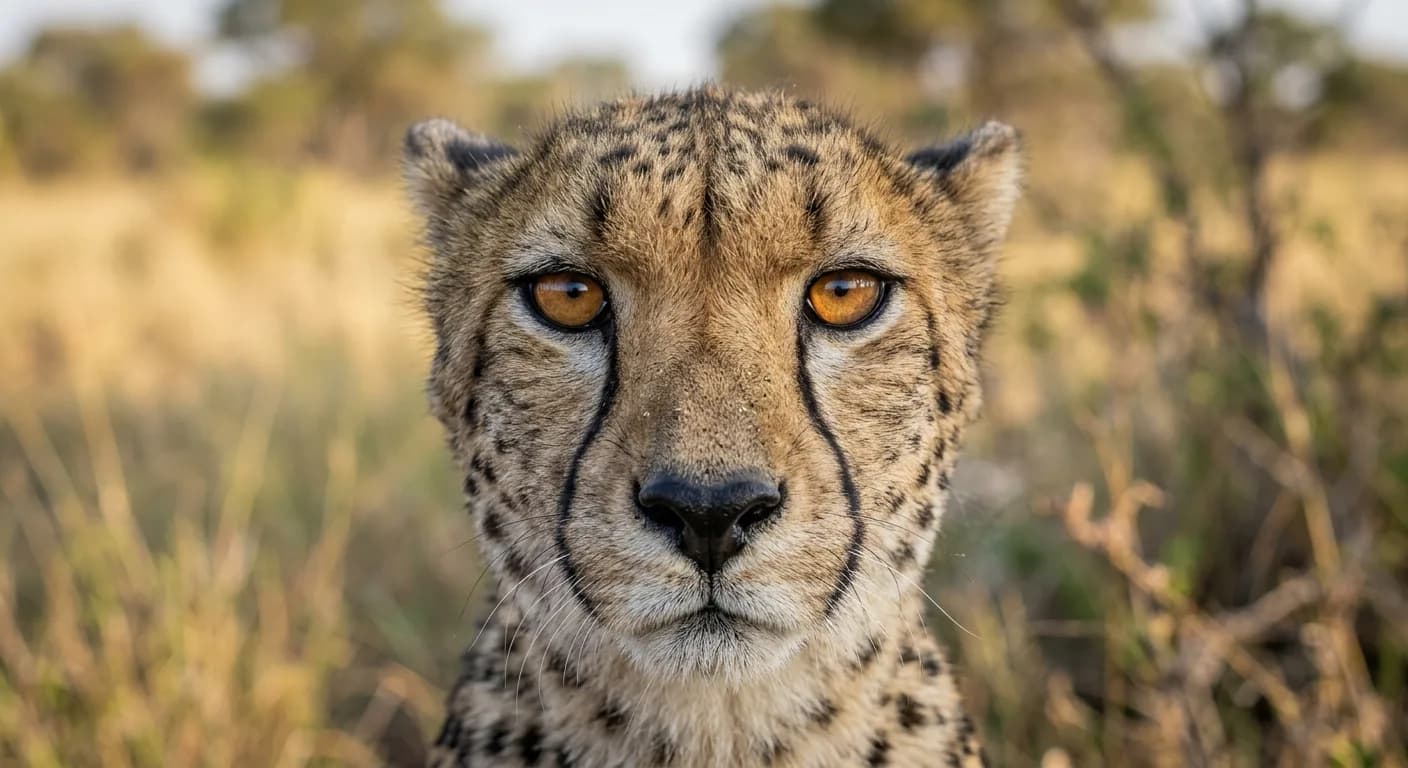 Vulnerable
Cheetah
Acinonyx jubatus
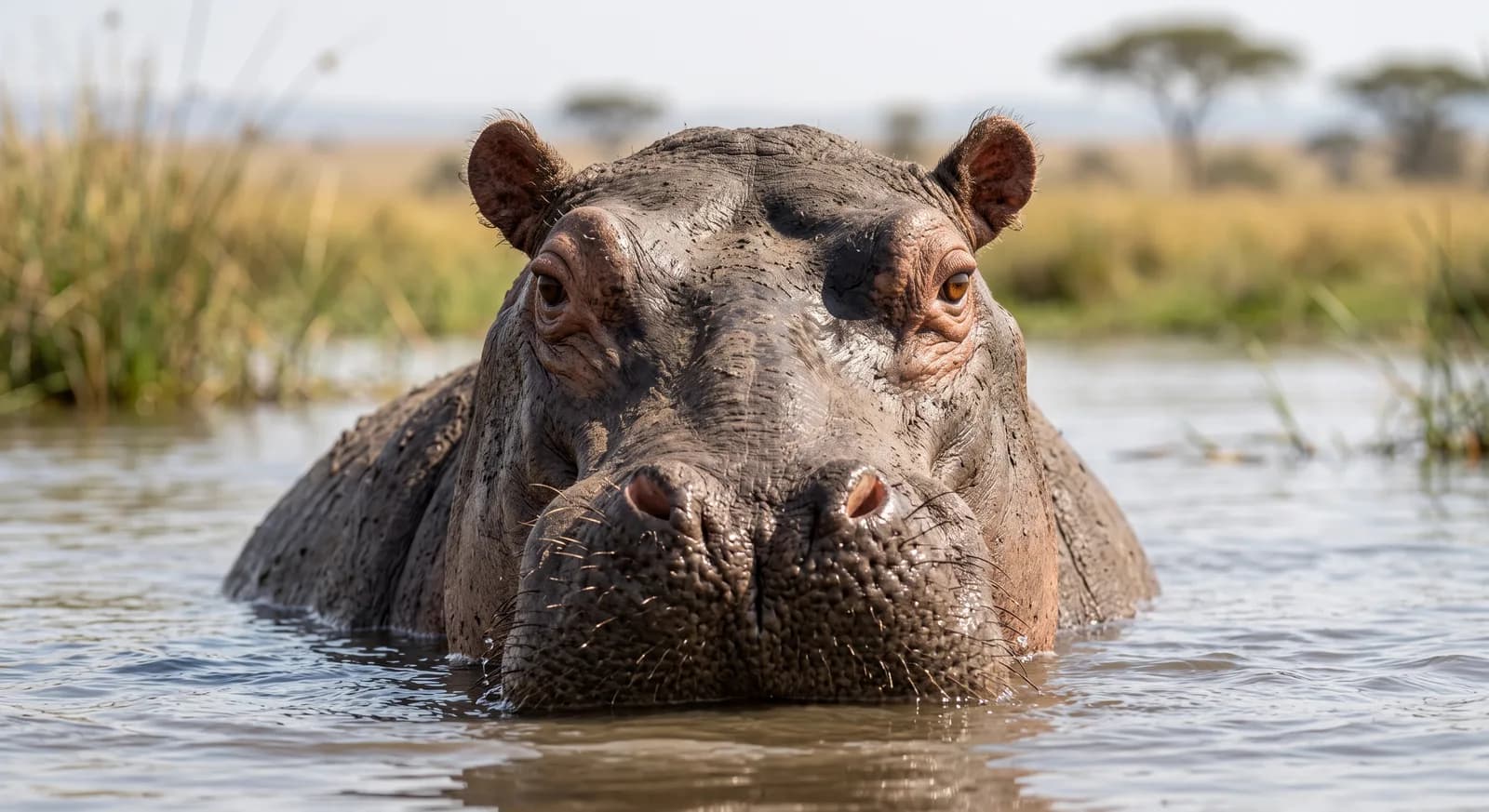 Vulnerable
Common Hippopotamus
Hippopotamus amphibius
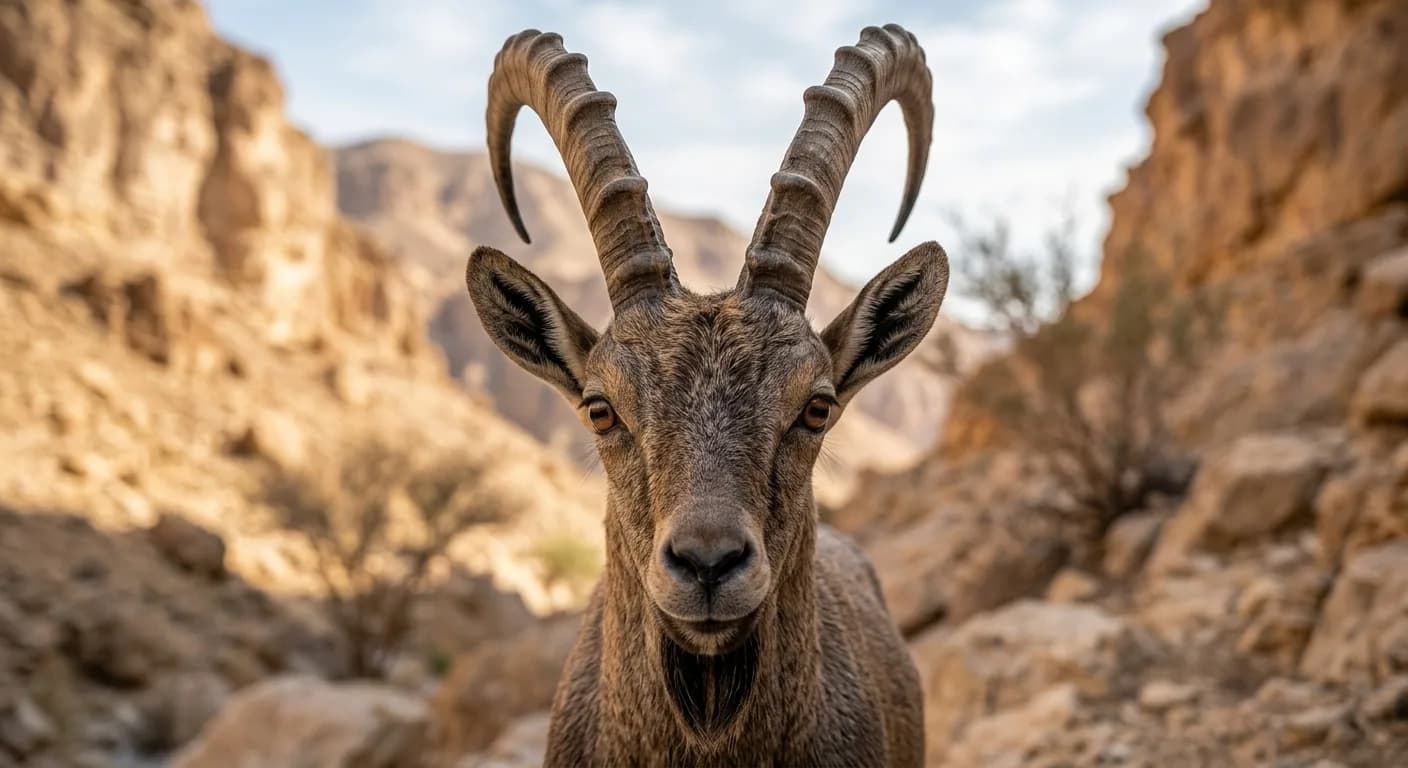 Vulnerable
Nubian Ibex
Capra nubiana
Keep exploring
Based on what we already know about Ethiopia.