One of the 6 wolves on WAnimals
Mammals · Carnivora · Canidae
Ethiopian Wolf
Canis simensis
It faces a very high risk of extinction in the wild in the near future. See full glossary
The Ethiopian wolf, Abyssinian wolf, Simien jackal or caberu is one of the rarest and most threatened canid species on the planet: its total population does not reach 550 individuals, spread across several isolated areas of the Ethiopian highlands above 3,000 m above sea level. These areas fall into two larger groups separated by the Great Rift Valley, forming two separate subspecies: C. s. simensis to the north-west and C. s. citernii to the south-east. This small and thinly spread population makes the Ethiopian wolf the rarest wild canid in the world and the most threatened carnivore in Africa.
Weight
14 kg – 19 kg
Size
84 cm – 1 m
Lifespan
10 years
Diet
Carnivore
Feeds mainly on other animals.
Activity
Diurnal
Active mainly during the day.
Sighting difficulty
Hard
Estimated population
Fewer than 500 mature individuals
Fun facts
- GeneralThe most threatened canid in the world, at fewer than 500 animals; it hunts high-altitude rodents alone.
- It lives in a pack but hunts alone: the group defends the territory collectively and then each animal disperses to stalk rodents on its own, a combination that is rare among canids.
- It has been documented feeding on the nectar of the flowers of the Ethiopian red hot poker, its muzzle stained with pollen, which would make it the largest carnivorous pollinator known.
Life cycle & biology
- Skeleton type
- Vertebrate - internal bony skeleton (mammal)
- Habitat & environment
- Afroalpine grassland and heath (3,000-4,500 m)
- Sexual maturity
- 2 years
- Gestation / incubation
- 62 days
- Litter / clutch size
- 4
Sources consulted: https://es.wikipedia.org/wiki/Canis_simensis
Where to watch it
Parks and dive sites where this species has been documented.
Related species
Other species in the catalogue with the most in common with Ethiopian Wolf — same habitat, park, country, tags or family.
African Golden Wolf
Canis anthus
Lappet-faced Vulture
Torgos tracheliotos
Walia Ibex
Capra walie
 Endangered
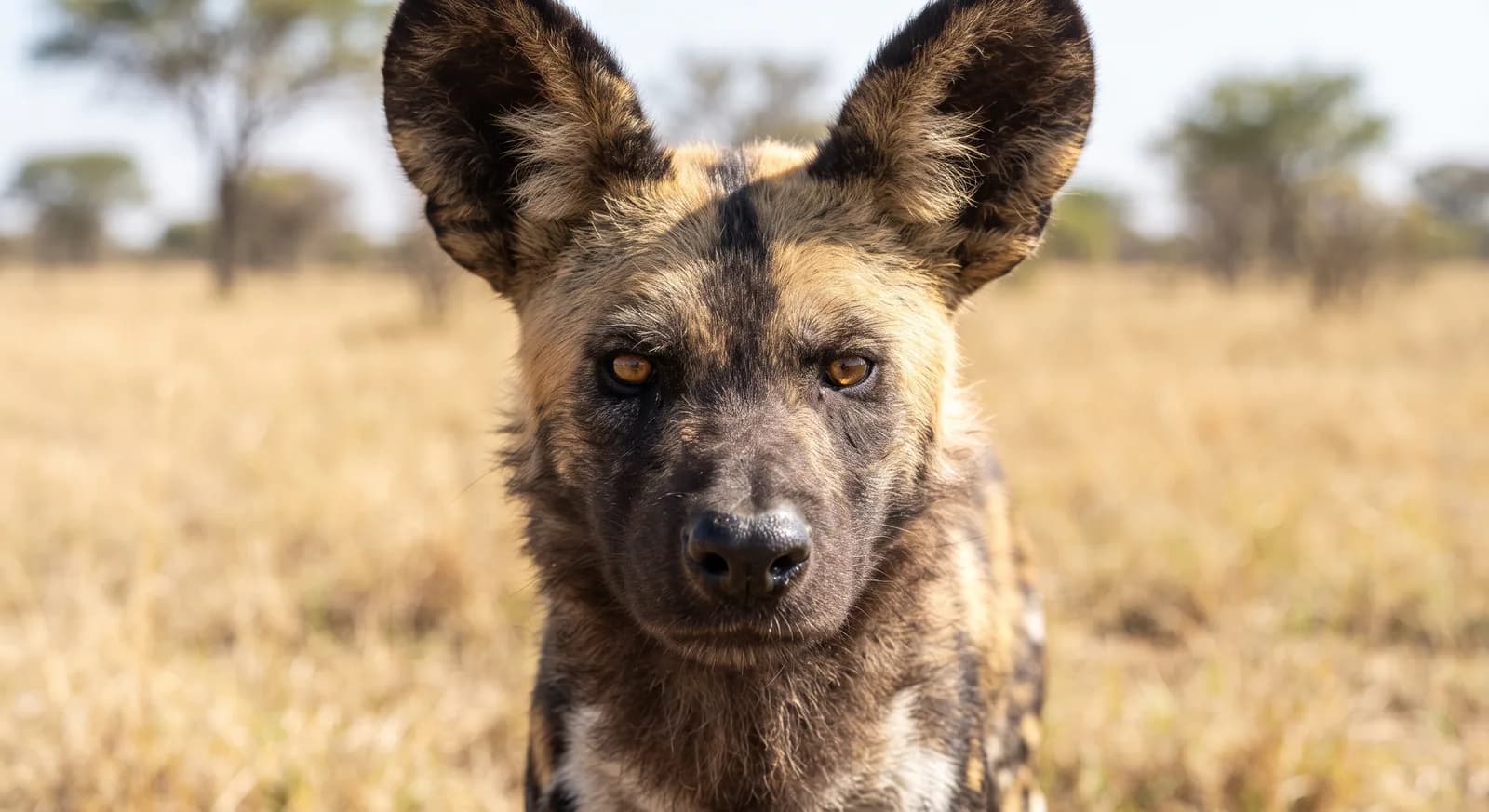
African Wild Dog
Lycaon pictus
 Endangered
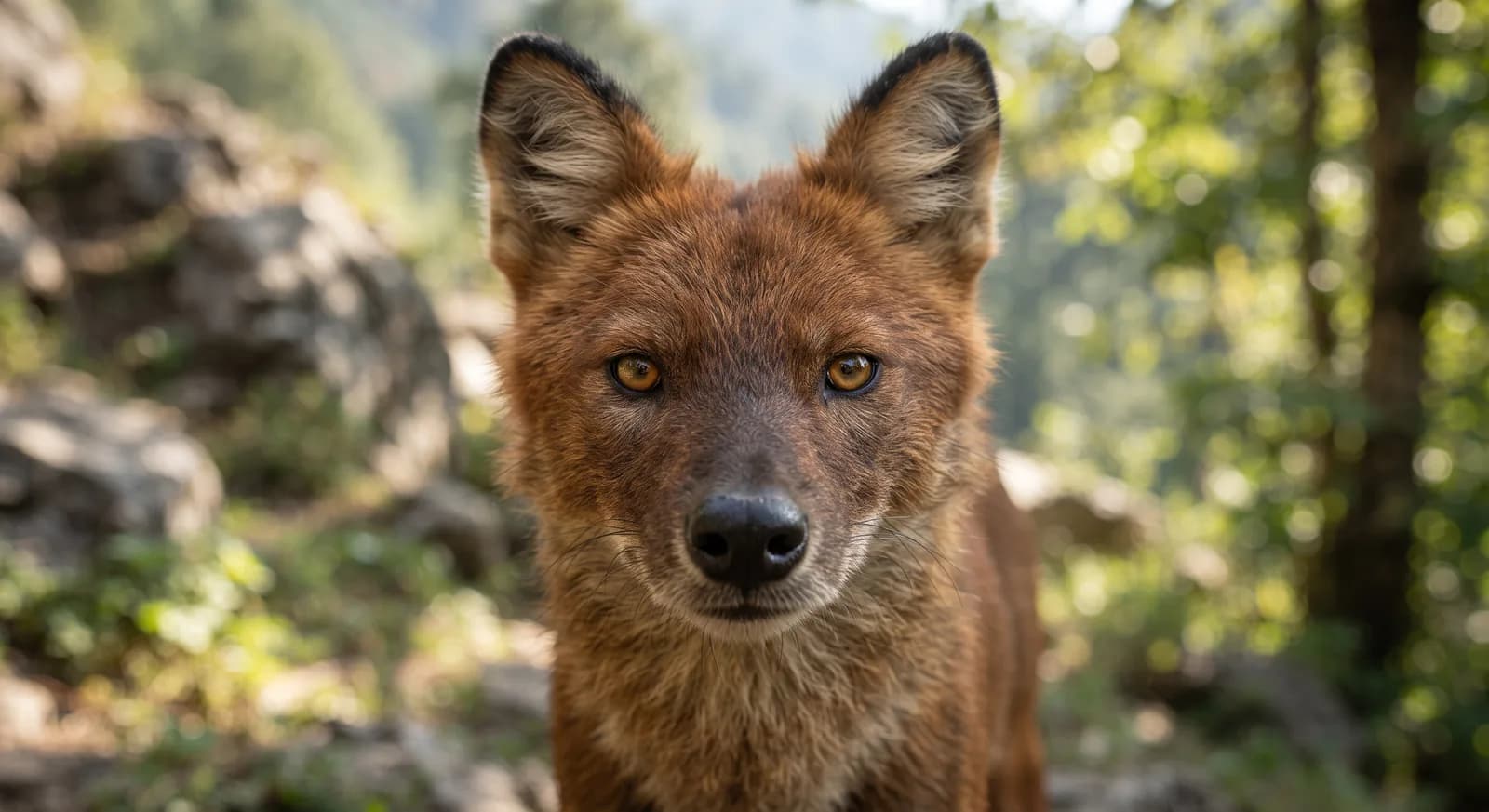
Dhole
Cuon alpinus
Bush Hyrax
Heterohyrax brucei
How to help
The ethiopian wolf is classified as endangered. Organizations such as UICN, WWF y Wildlife Conservation Society work specifically on its conservation and that of its habitat; looking into their programs is a good starting point if you want to get involved.
It's documented in 2 real protected areas — part of why protecting these places matters for its conservation.
Keep exploring
Based on what we already know about ethiopian wolf.
Comments
Share an experience, a fun fact or a tip for seeing the ethiopian wolf.
Be the first to comment.