One of the 3 ibexes on WAnimals
Mammals · Artiodactyla · Bovidae
Walia Ibex
Capra walie
It faces a very high risk of extinction in the wild in the near future. See full glossary
The Walia ibex is a wild goat endemic to the Simien Mountains, in northern Ethiopia, and one of the most range-restricted ungulates in the world: practically the whole species lives inside a single national park. The males carry arched, ridged horns that can be more than a metre long. It grazes grasses, shrubs and lichens on cliff ledges where no predator can follow it. There were fewer than 200 animals left in the 1990s and it is slowly recovering today.
Weight
68 kg – 125 kg
Size
1 m – 1.8 m
Lifespan
12 years
Diet
Herbivore
Feeds mainly on plants.
Activity
Crepuscular
Active above all at dawn and dusk.
Sighting difficulty
Hard
Estimated population
Around 500 mature individuals
Fun facts
- The entire species lives essentially in a single national park, that of the Simien Mountains: it is one of the mammals with the smallest range on the African continent.
- It moves along ledges barely a few centimetres wide above drops of hundreds of metres, and the kids start following their mothers along those ledges within days of being born.
Life cycle & biology
- Skeleton type
- Vertebrate - internal bony skeleton (mammal)
- Habitat & environment
- Ledges and precipices of the Simien Mountains, in Ethiopia, between 2,500 and 4,500 metres
- Sexual maturity
- 3 years
- Gestation / incubation
- 5.5 months
- Litter / clutch size
- 1
Sources consulted: https://es.wikipedia.org/wiki/Capra_walie
Where to watch it
Parks and dive sites where this species has been documented.
Related species
Other species in the catalogue with the most in common with Walia Ibex — same habitat, park, country, tags or family.
Klipspringer
Oreotragus oreotragus
Ethiopian Wolf
Canis simensis
Beisa Oryx
Oryx beisa
 Vulnerable
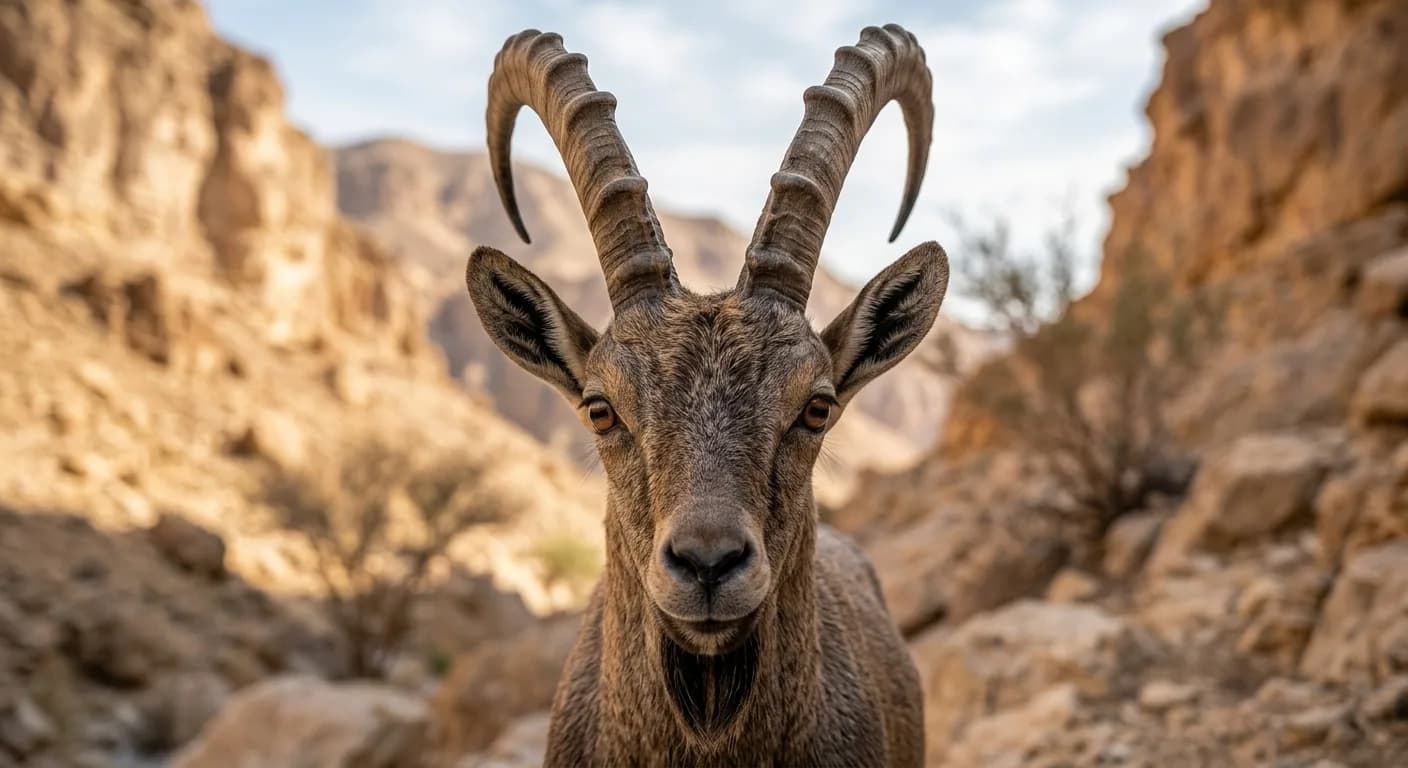
Nubian Ibex
Capra nubiana
Bush Hyrax
Heterohyrax brucei
 Least Concern
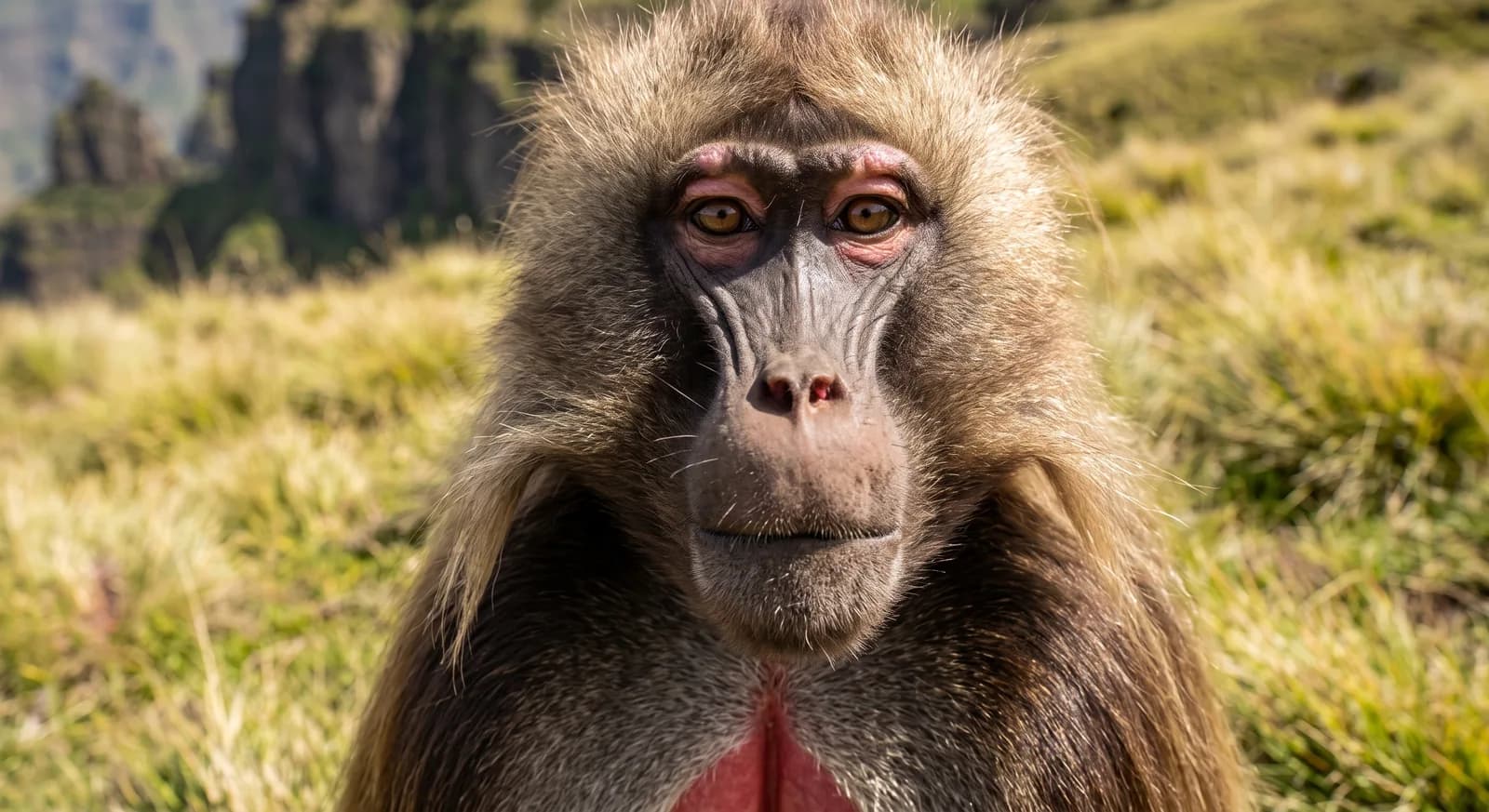
Gelada
Theropithecus gelada
How to help
The walia ibex is classified as endangered. Organizations such as UICN, WWF y Wildlife Conservation Society work specifically on its conservation and that of its habitat; looking into their programs is a good starting point if you want to get involved.
It's documented in 1 real protected area — part of why protecting these places matters for its conservation.
Keep exploring
Based on what we already know about walia ibex.
Comments
Share an experience, a fun fact or a tip for seeing the walia ibex.
Be the first to comment.