One of the 3 hyraxes on WAnimals
Mammals · Hyracoidea · Procaviidae
Bush Hyrax
Heterohyrax brucei
The species is abundant and widely distributed; it faces no significant short-term risk. See full glossary
The bush hyrax or yellow-spotted hyrax lives in colonies on the rocky outcrops of the African savannahs, often sharing the same crevices with the rock hyrax. It feeds mainly on leaves and shoots, while its neighbour grazes grass, a division of resources that lets them live together. It suns itself for hours on the rocks because it regulates its body temperature poorly. Hyraxes are close relatives of the elephants and the sirenians, not of the rodents.
Weight
1.3 kg – 4.5 kg
Size
32 cm – 56 cm
Lifespan
12 years
Diet
Herbivore
Feeds mainly on plants.
Activity
Diurnal
Active mainly during the day.
Social structure
Colony
Lives in large concentrations, often for breeding reasons.
Sighting difficulty
Easy
Fun facts
- It lives on the same rocks as the rock hyrax without competing: one browses leaves and the other grazes grass, and they even look after each other's young in communal crèches, one of the clearest cases of coexistence between two related species.
- Its upper incisors grow continuously and project like tiny tusks: an inheritance from its kinship with the elephants, whose tusks are also modified incisors.
Life cycle & biology
- Skeleton type
- Vertebrate - internal bony skeleton (mammal)
- Habitat & environment
- Rocky outcrops, koppies and cliffs of savannah and arid areas of eastern and southern Africa
- Sexual maturity
- 16.2 months
- Gestation / incubation
- 7.5 months
- Litter / clutch size
- 1.9 (average)
Sources consulted: https://es.wikipedia.org/wiki/Heterohyrax_brucei
Where to find it
See its range on the interactive mapWhere to watch it
Parques y spots de buceo donde se ha documentado esta especie — se muestran 10 de 18 documentados.
Related species
Other species in the catalogue with the most in common with Bush Hyrax — same habitat, park, country, tags or family.
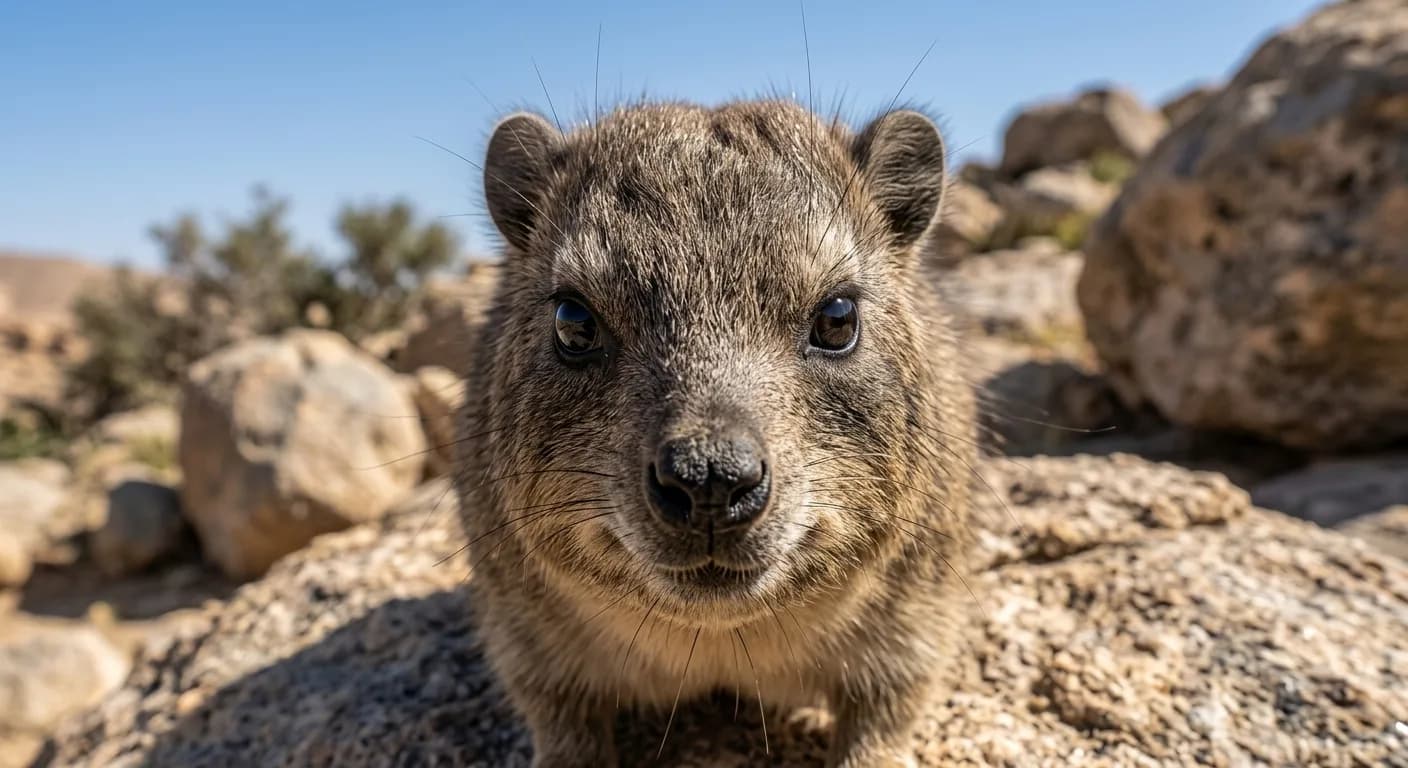 Least Concern
Rock Hyrax
Procavia capensis
Southern Tree Hyrax
Dendrohyrax arboreus
Rufous Elephant Shrew
Elephantulus rufescens
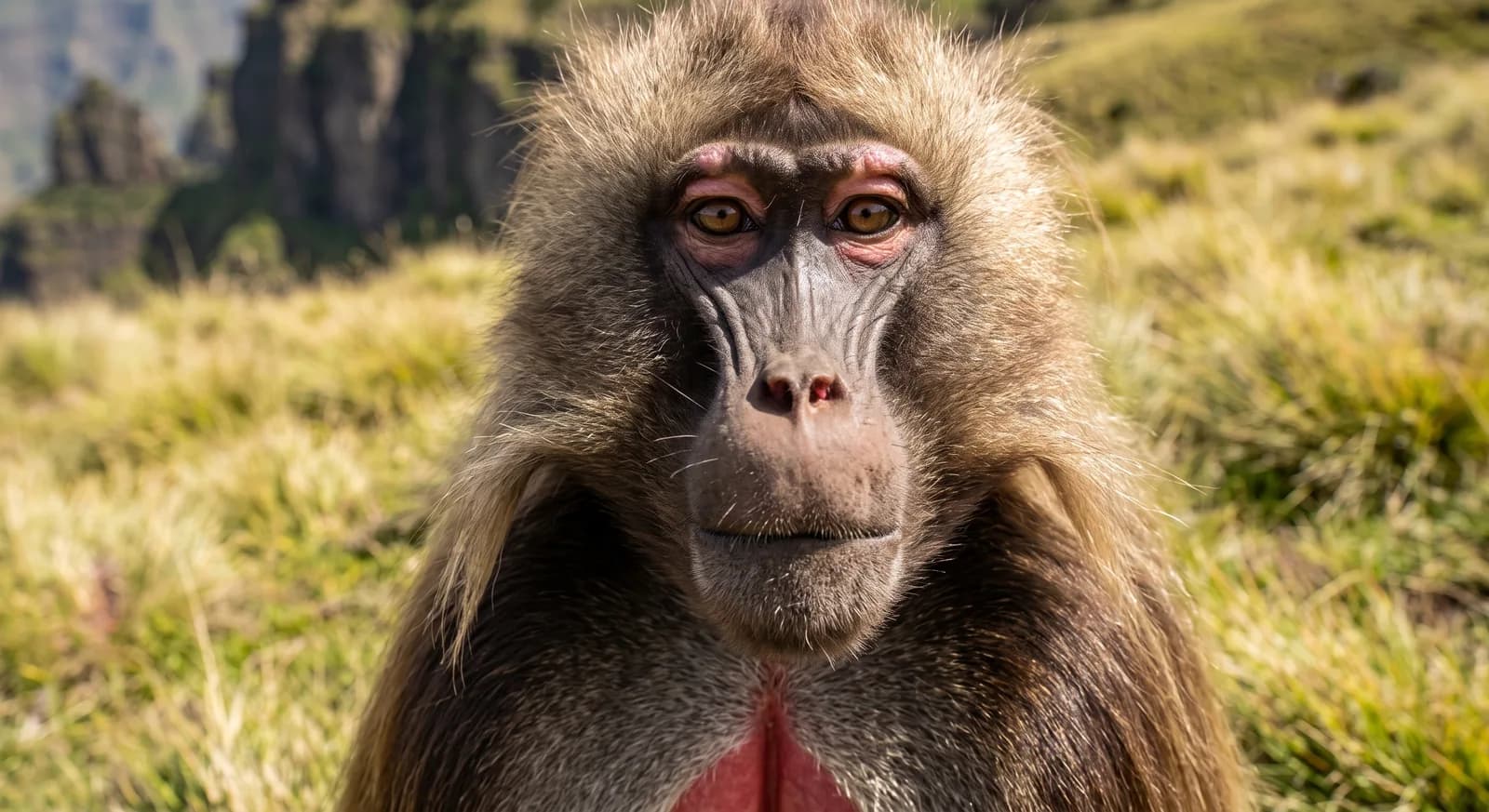 Least Concern
Gelada
Theropithecus gelada
Naked Mole Rat
Heterocephalus glaber
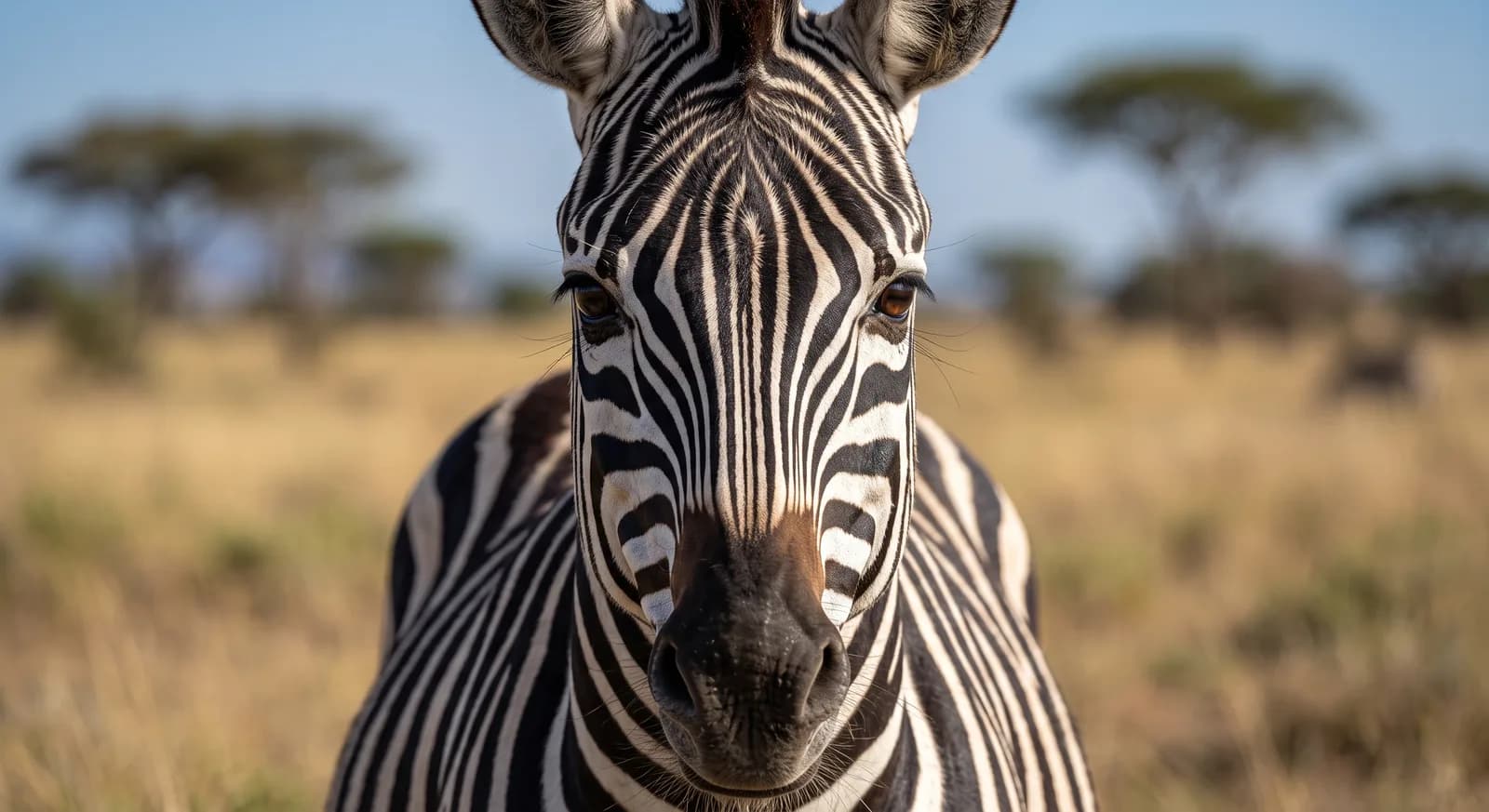 Least Concern
Plains Zebra
Equus quagga
Keep exploring
Based on what we already know about bush hyrax.
Comments
Share an experience, a fun fact or a tip for seeing the bush hyrax.
Be the first to comment.