Ngorongoro
Tanzania · East AfricaThe largest intact, unflooded volcanic caldera in the world, with one of the highest densities of wildlife in Africa
Area
8,292 km²
Declared in
1959
Region
East Africa
Climate
Tropical, Árido / desértico, Templado, Montañoso
Best time
June to September
Length of its routes
1–2 days
Difficulty of its routes
Fácil
Plan your visit
- Best time
- June to September
- Length of its routes
- 1–2 days
- Difficulty of its routes
- Fácil
- Area
- 8,292 km²
Highlight
The largest intact, unflooded volcanic caldera in the world, with one of the highest densities of wildlife in Africa
Declared in 1959 when the old Serengeti National Park was divided, Ngorongoro represents an unusual model of protected-area management: unlike a conventional national park, it allows wildlife to live alongside the traditional herding of the Maasai, who were moved out of the Serengeti precisely so that this multiple use could be preserved here. Its crater, formed 2-3 million years ago when a volcano larger than Kilimanjaro collapsed in on itself, is the largest intact, unflooded volcanic caldera in the world, its walls rising as much as 600 metres and acting as a natural barrier that keeps much of its wildlife — including one of the greatest concentrations of predators in Africa — all but confined within the crater year-round. It is also celebrated for the nearby palaeoanthropological site of Olduvai Gorge, where Louis and Mary Leakey unearthed in the 1950s and 1960s some of the oldest human fossils ever found.
Location
See on the interactive map80 species documented in Ngorongoro
At conservation risk:León,Rinoceronte negro,Elefante africano,Guepardo,Leopardo,Buitre orejudo,Cálao terrestre sureño,Grulla coronada gris,Hipopótamo común,Secretario
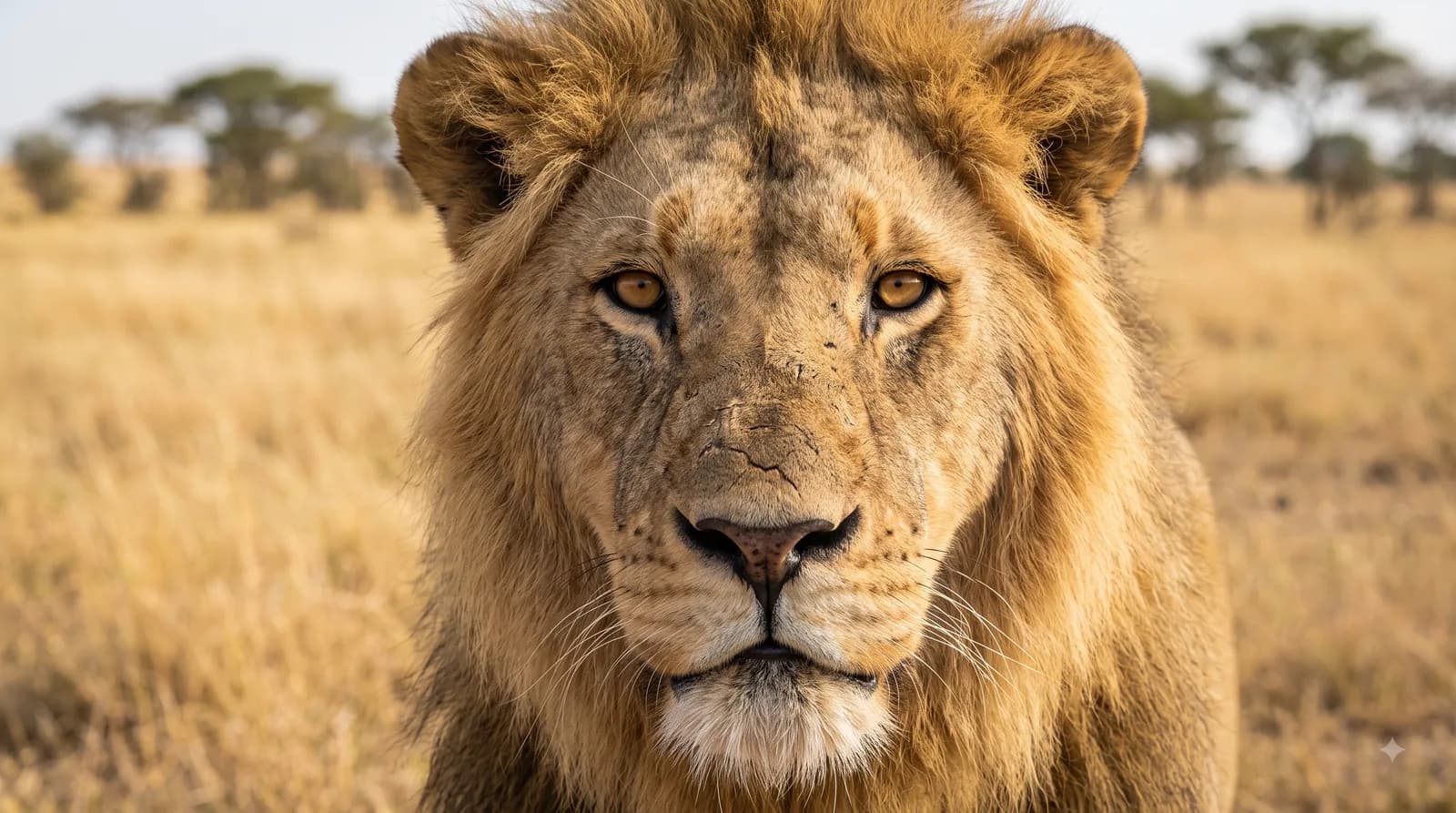 Vulnerable
León
Panthera leo
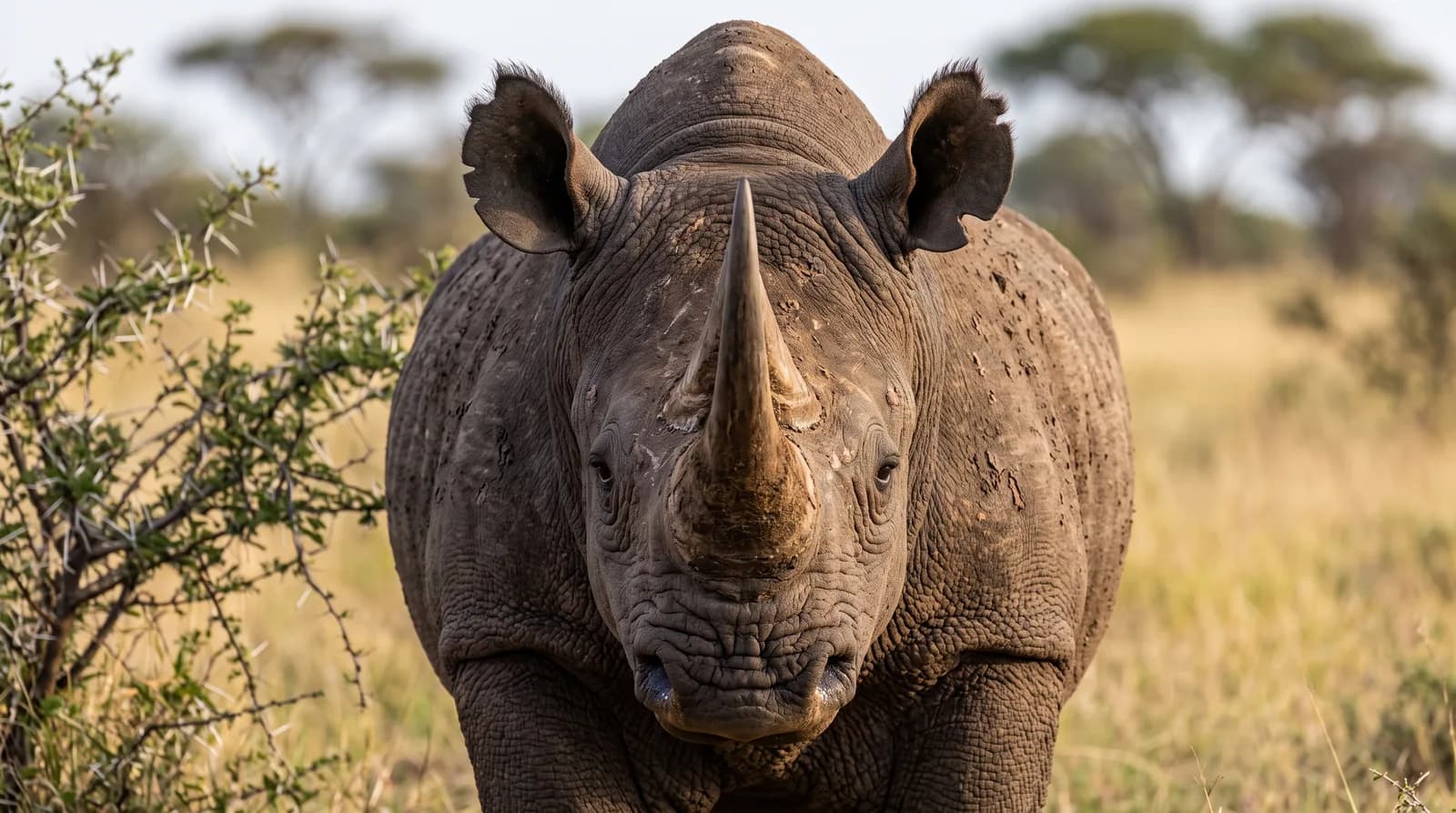 Critically Endangered
Rinoceronte negro
Diceros bicornis
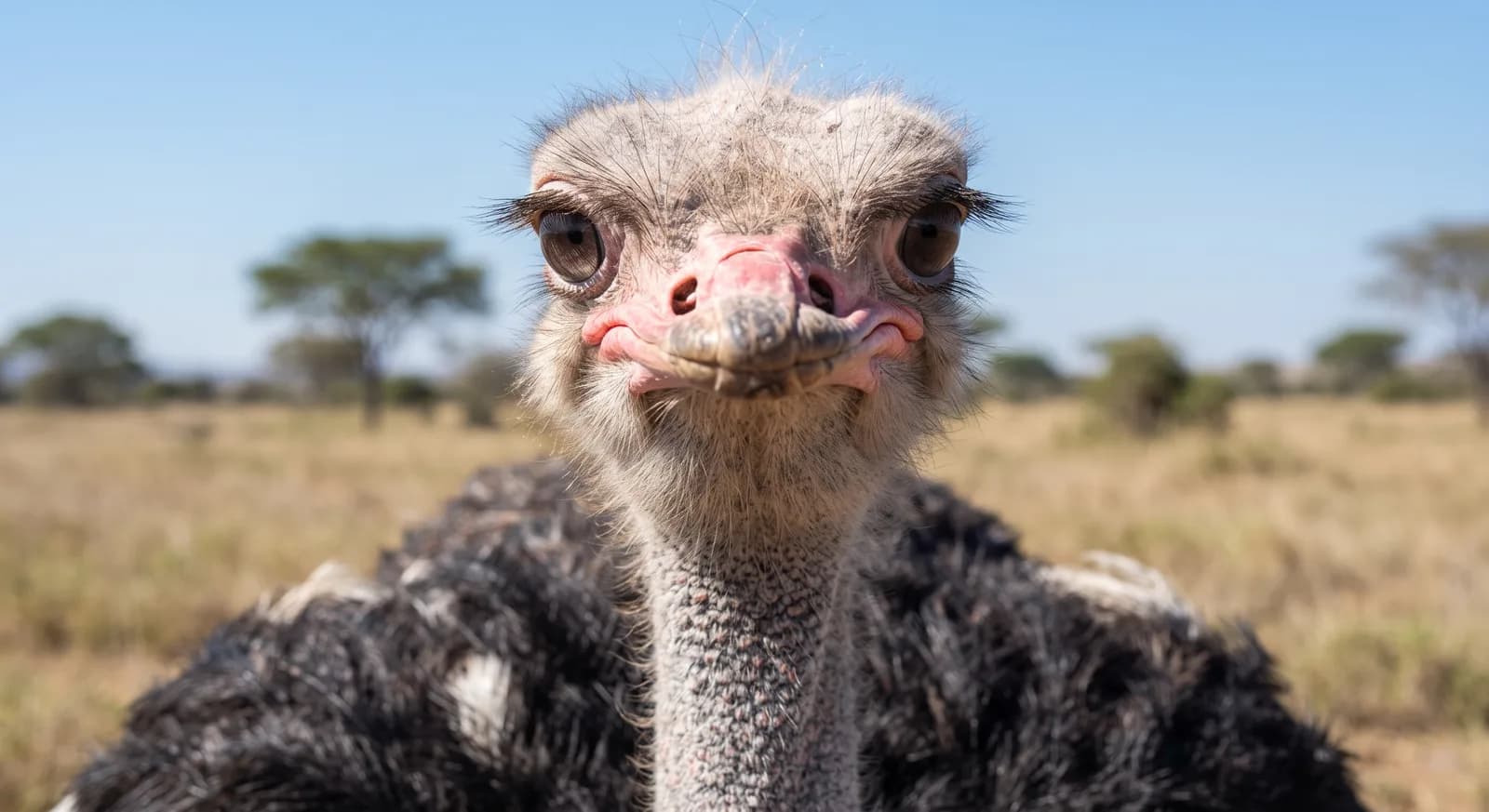 Least Concern
Avestruz común
Struthio camelus
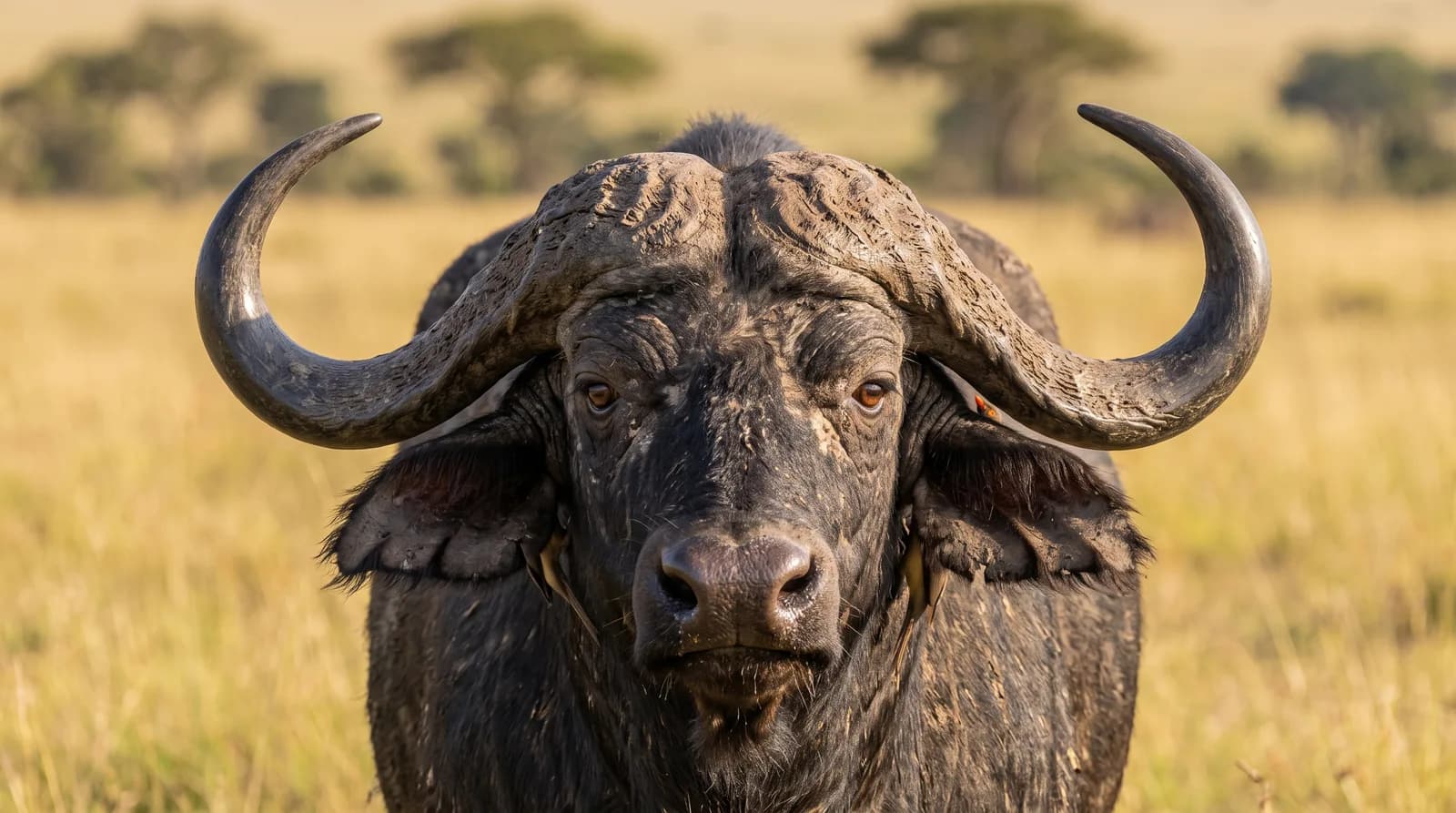 Near Threatened
Búfalo africano
Syncerus caffer
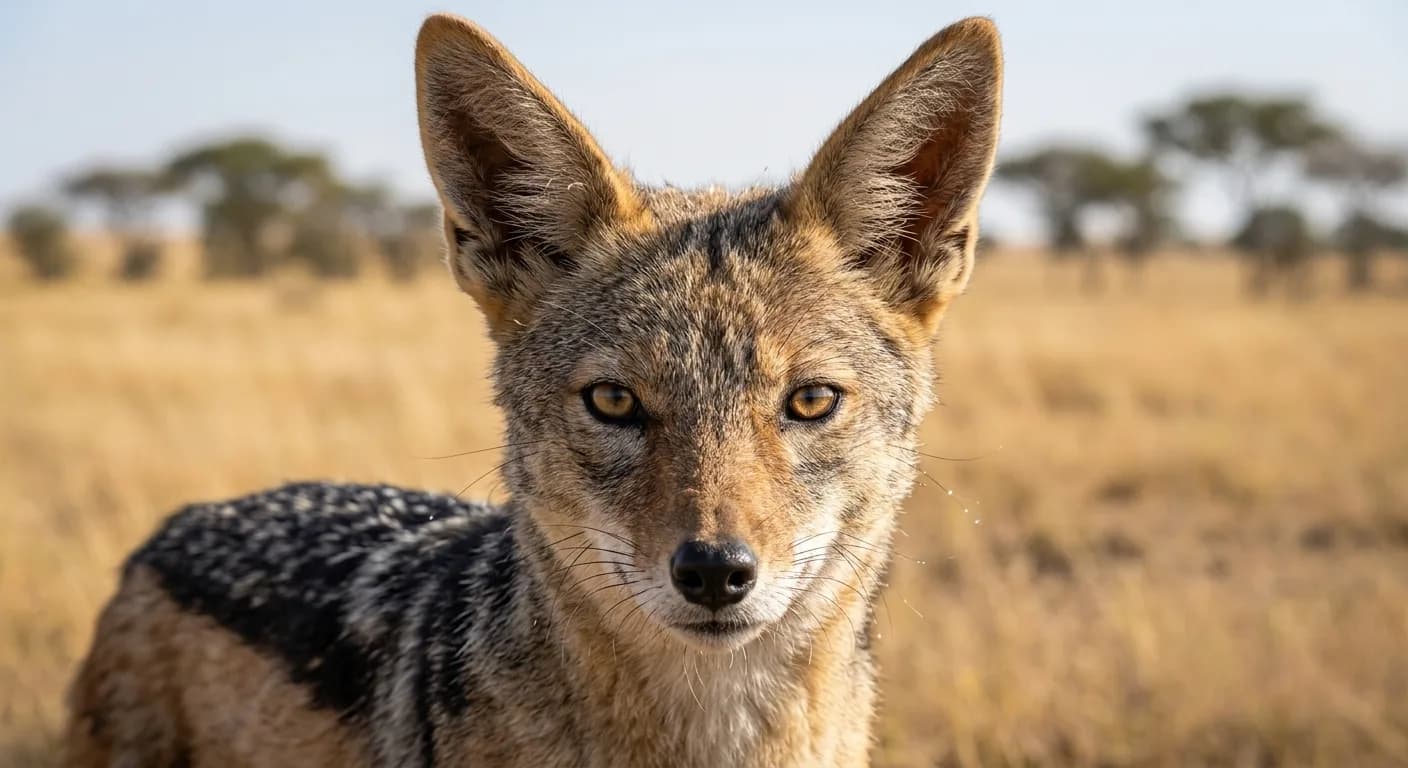 Least Concern
Chacal de lomo negro
Lupulella mesomelas
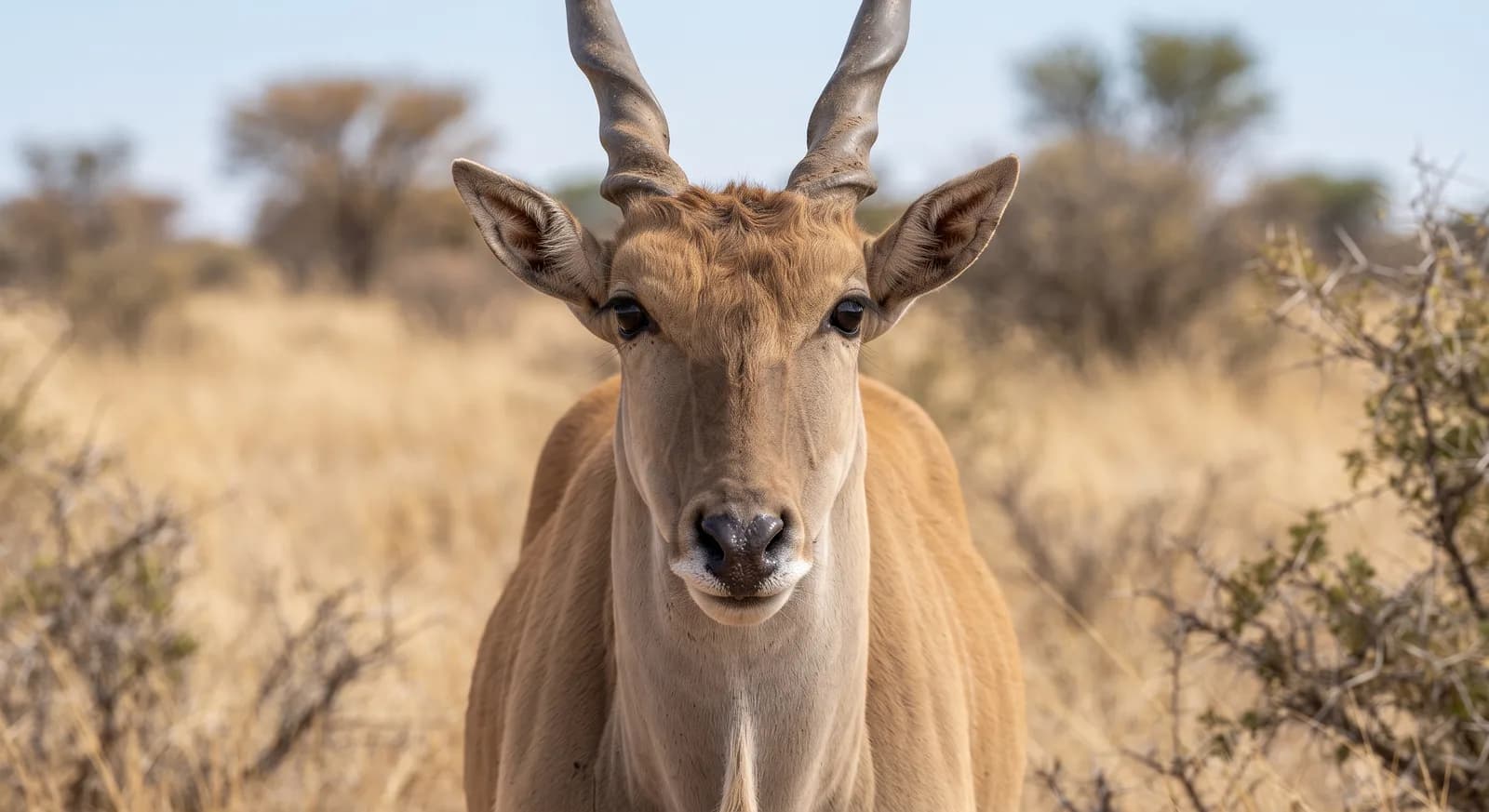 Least Concern
Eland común
Taurotragus oryx
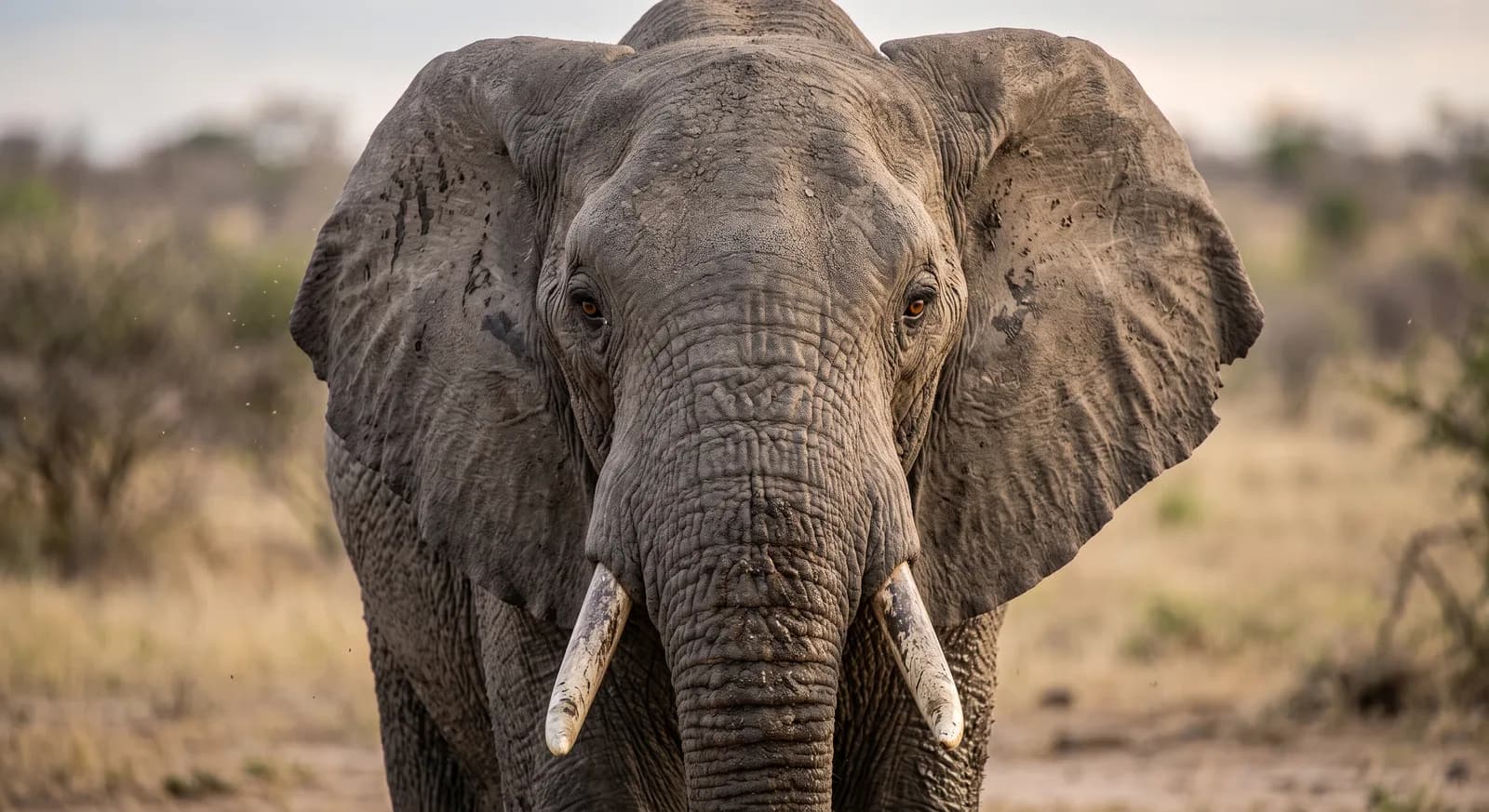 Endangered
Elefante africano
Loxodonta africana
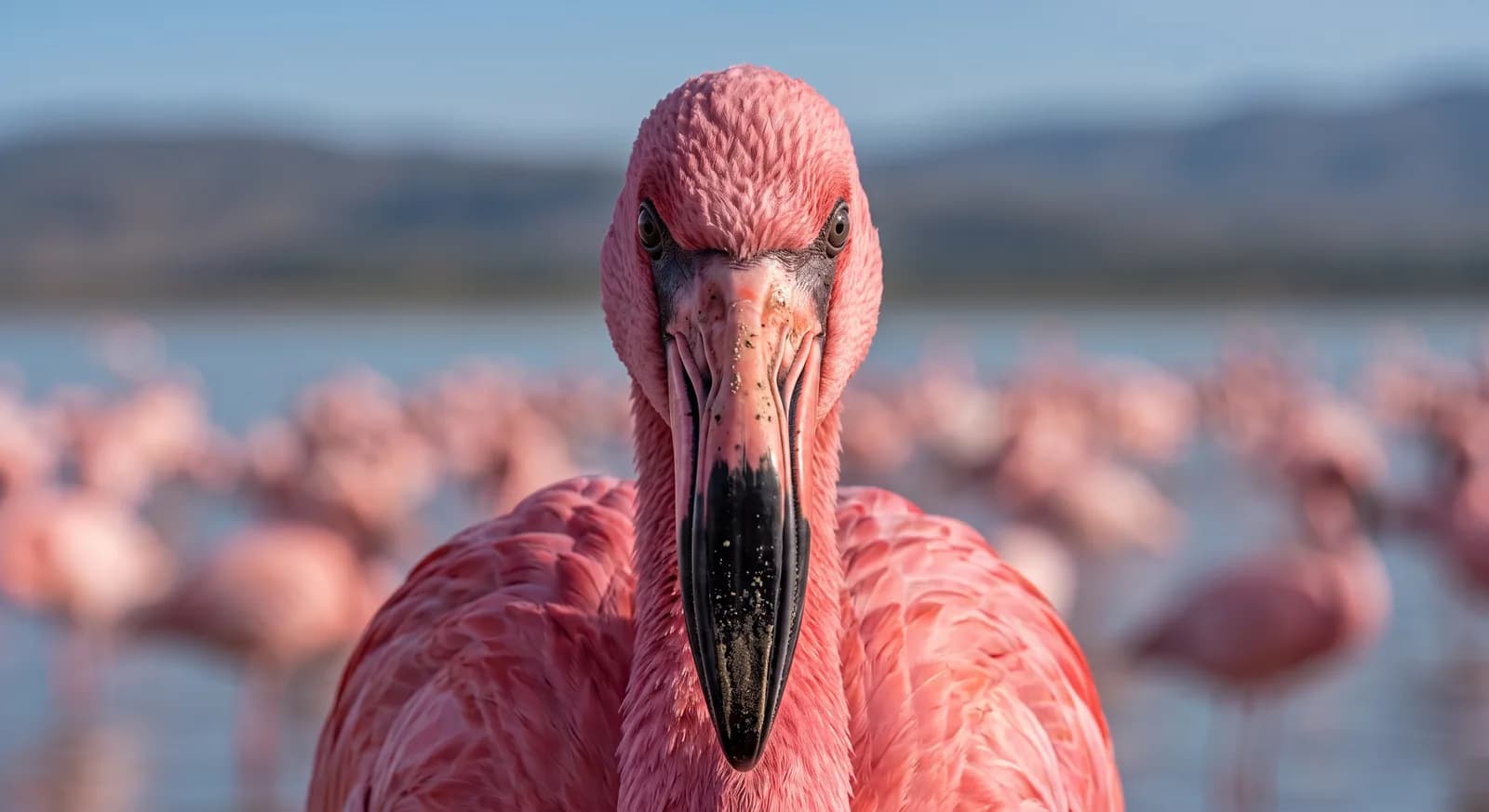 Near Threatened
Flamenco enano
Phoeniconaias minor
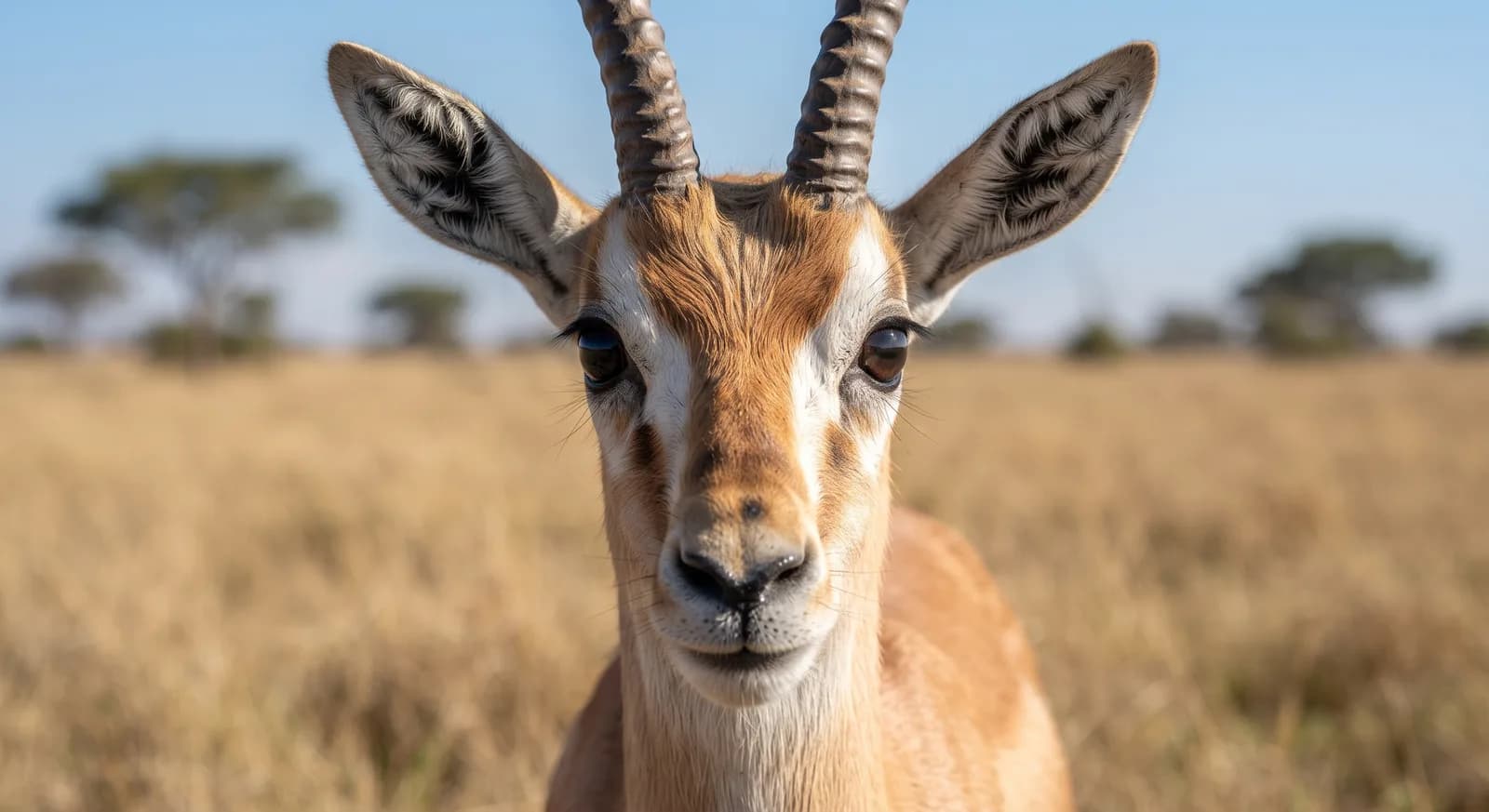 Least Concern
Gacela de Grant
Nanger granti
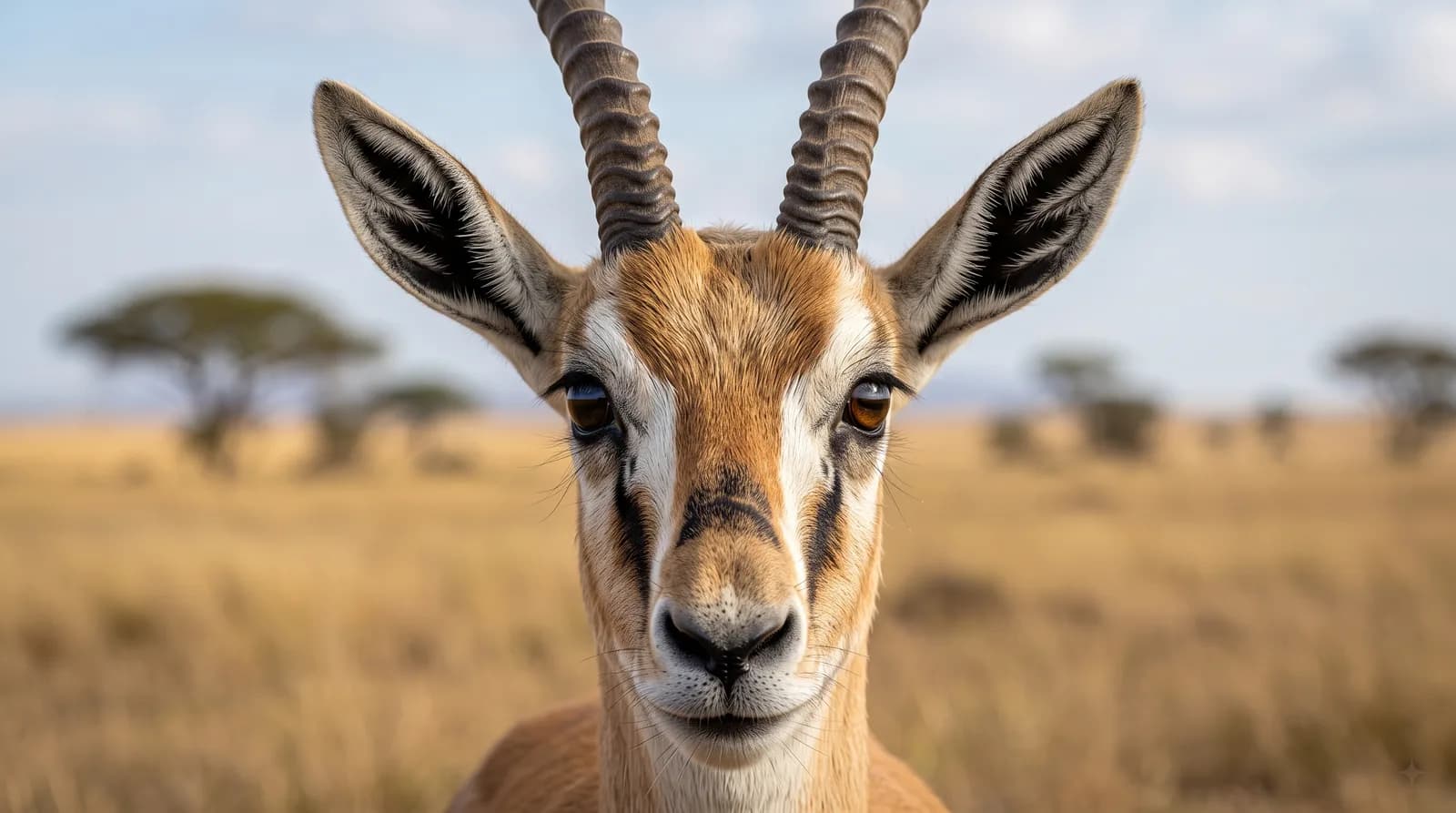 Near Threatened
Gacela de Thomson
Eudorcas thomsonii
 Vulnerable
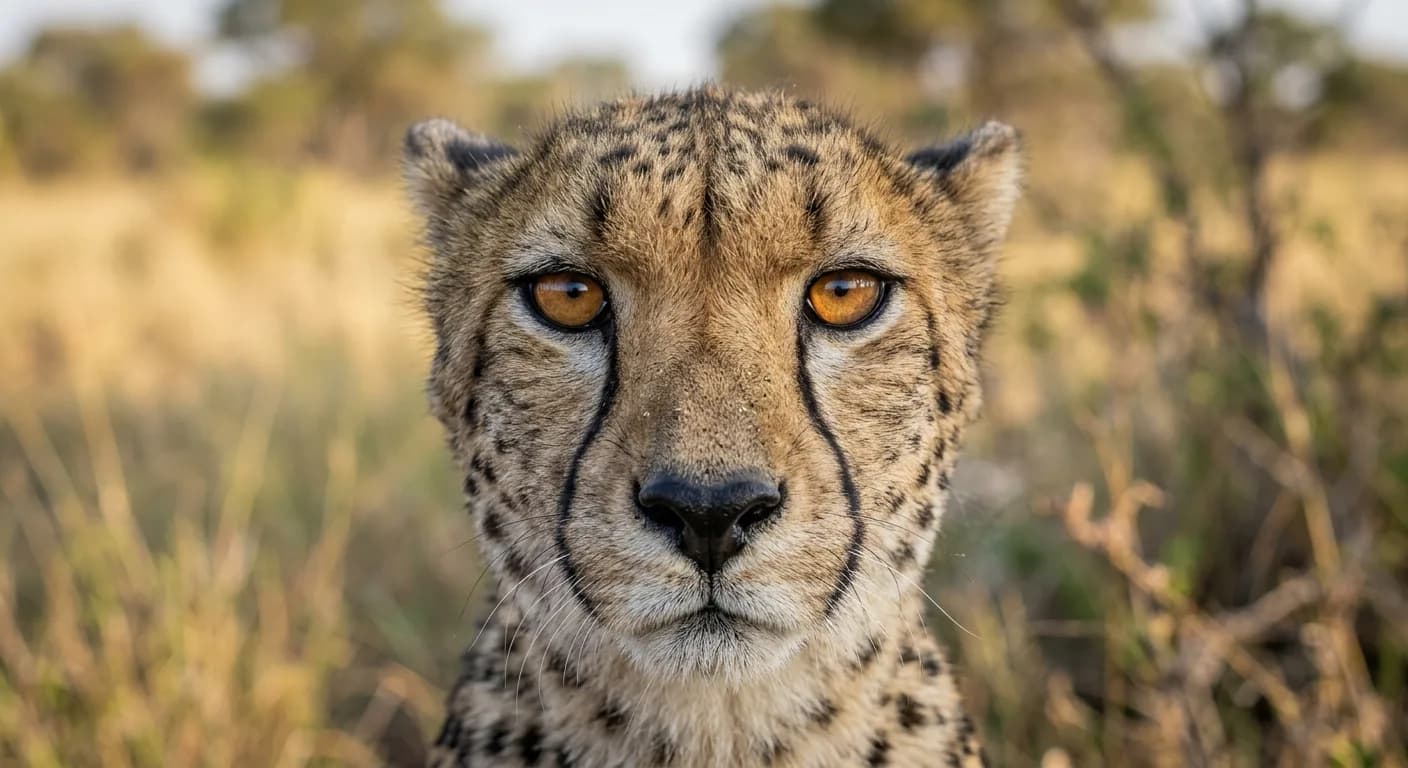
Guepardo
Acinonyx jubatus
 Least Concern
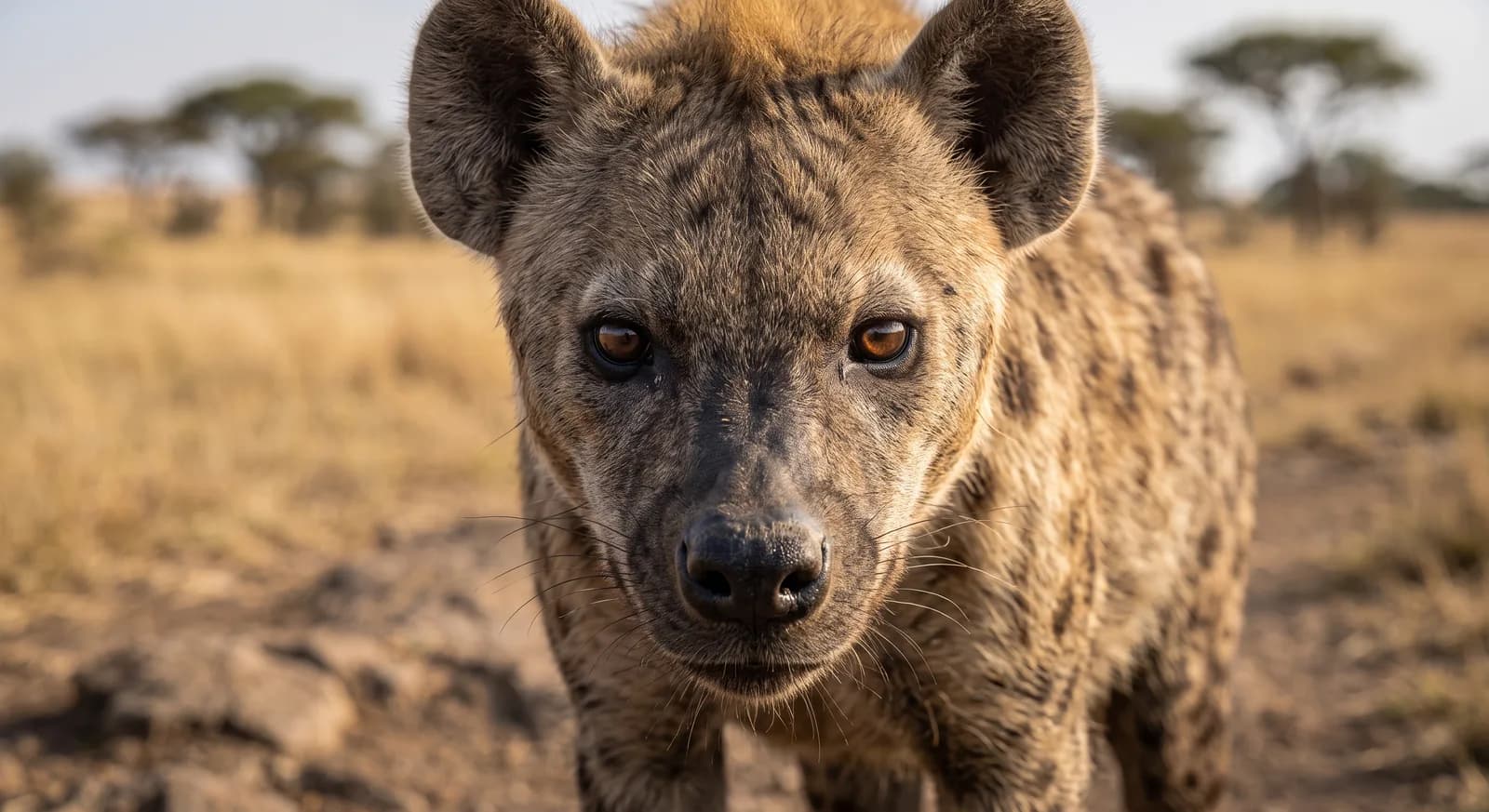
Hiena manchada
Crocuta crocuta
Flora and ecosystems
Ecosystems found in Tanzania, where Ngorongoro lies.
Experiences in this park
Wildlife you can see now
What is worth watching this month in Tanzania?
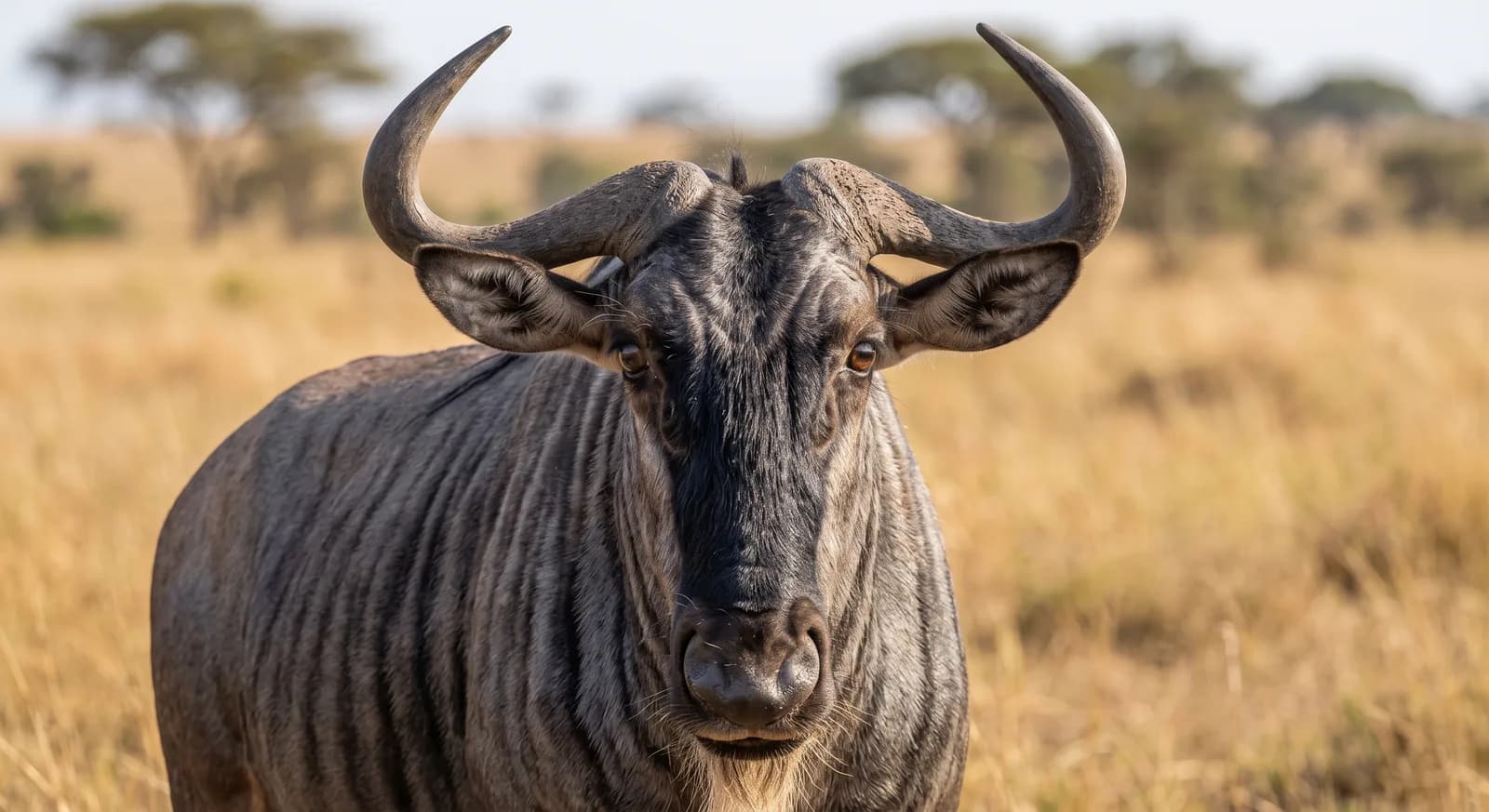 Least Concern
Common Wildebeest
Connochaetes taurinus
Ahora es buena época: Gran Migración: cruce del río Mara (Julio a octubre)
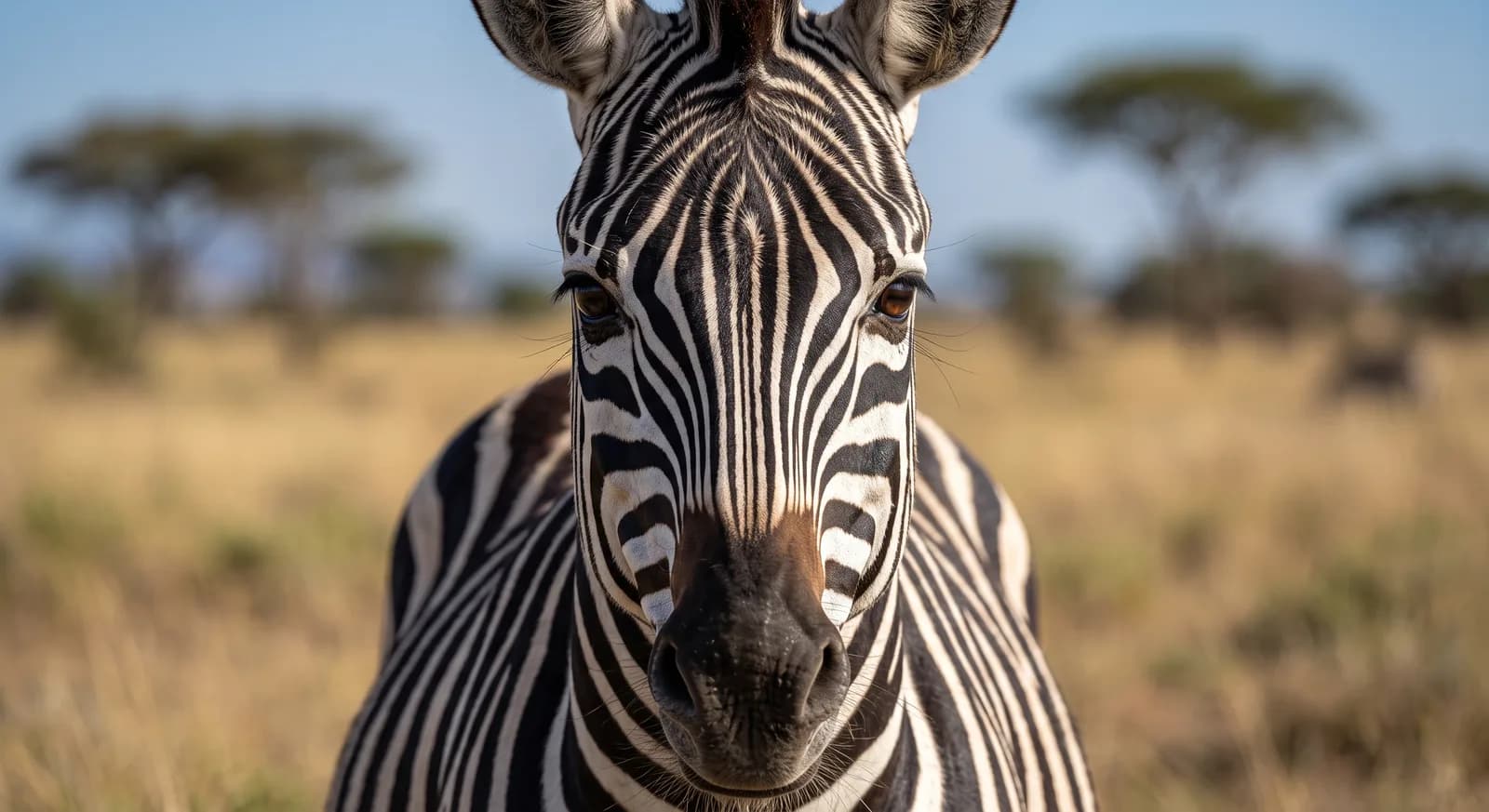 Least Concern
Plains Zebra
Equus quagga
Ahora es buena época: Gran Migración: cruce del río Mara (Julio a octubre)
Near ThreatenedLesser Flamingo
Phoeniconaias minor
Ahora es buena época: Cría de flamencos enanos en el lago Natron (Junio a octubre (anidación ago-oct))
Similar parks
Which other parks are like this one?
Nyerere (ex Selous)
Tanzania
African Savanna Elephant · Black Rhinoceros
Junio a septiembre
View parkMismo país: Tanzania
Saadani
Tanzania
African Savanna Elephant · Green Turtle
Junio a septiembre
View parkMismo país: Tanzania
Kilimanjaro
Tanzania
African elephant · buffalo
Junio a septiembre
View parkMismo país: Tanzania
Arusha
Tanzania
Guereza · Masai Giraffe
Junio a septiembre
View parkMismo país: Tanzania
Keep exploring
Based on what we already know about Ngorongoro.
Your rating
How many stars would you give Ngorongoro?
Comments
Share your experience visiting Ngorongoro, or a tip for other travellers.
Be the first to comment.