One of the 3 elephants on WAnimals
Mammals · Proboscidea · Elephantidae
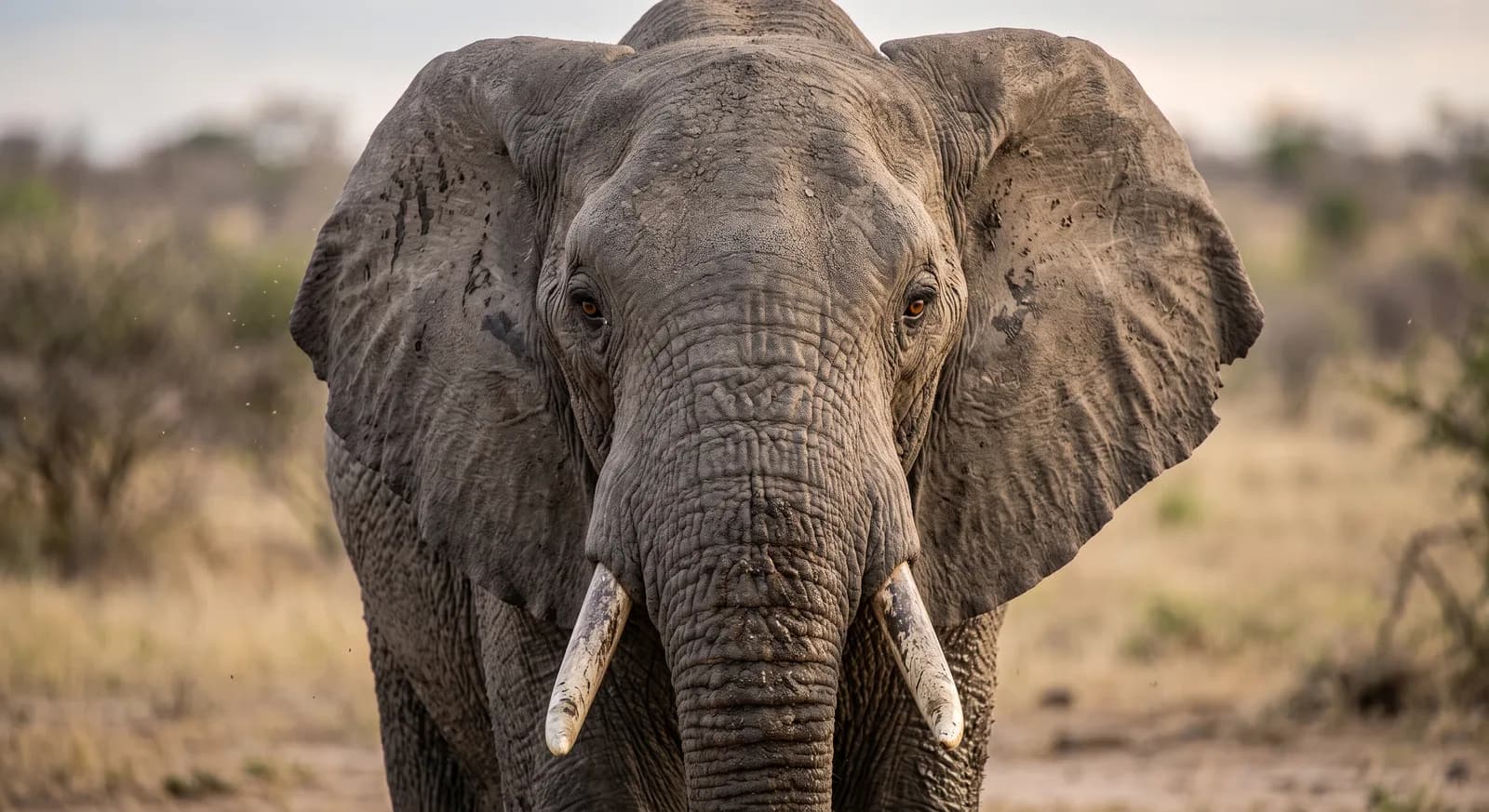
African Savanna Elephant
Loxodonta africana
It faces a very high risk of extinction in the wild in the near future. See full glossary
The largest land mammal on the planet, recognisable by its huge ears and ivory tusks. It lives in matriarchal herds with strong family bonds.
Weight
2 t – 6 t
Size
3 m – 4 m
Lifespan
60 years
Diet
Herbivore
Feeds mainly on plants.
Activity
Irregular activity
Active at irregular times, by day or night depending on circumstances.
Social structure
Herd
Lives in large groups as a strategy against predators.
Sighting difficulty
Hard
Estimated population
The last reliable continental count puts African elephants of both species at some 415,000 (African Elephant Status Report 2016); around three quarters of them are savannah elephants
Fun facts
- It can eat up to 150 kg of vegetation a day.
- Its tusks keep growing throughout its life.
- It has an exceptional memory and can recall migration routes from decades earlier.
Life cycle & biology
- Skeleton type
- Vertebrate - internal bony skeleton (mammal)
- Habitat & environment
- Savannas, open woodland and semi-desert country across sub-Saharan Africa
- Birth weight
- 90 - 120 kg (average ~100 kg)
- Size at birth
- On its feet shortly after birth, all but blind, and dependent on its mother's trunk
- Sexual maturity
- Male: mature at 10-20 years, but rarely breeds successfully before 20 | Female: mature at 10-12 years, with a first calf usually between 14 and 16
- Gestation / incubation
- ~22 months (660-680 days); the longest gestation of any land mammal
- Litter / clutch size
- 1 calf (twins in under 1% of births)
- Lifespan in captivity
- Anecdotally up to 80 years
Sources consulted: A-Z Animals; SDZWA Library Fact Sheet; SeaWorld/Busch Gardens; Animal Diversity Web; AnAge (genomics.senescence.info); The Nature Conservancy; IUCN 2021 (Gobush et al.), reevaluación del elefante de sabana como En peligro: declive de al menos el 60 % en tres generaciones (50 años) || IUCN African Elephant Status Report 2016; IUCN 2021, comunicado de reevaluación de las dos especies africanas
Where to find it
See its range on the interactive mapBest time: May to October, the dry season
Where to watch it
Parques y spots de buceo donde se ha documentado esta especie — se muestran 10 de 58 documentados.
Related species
Other species in the catalogue with the most in common with African Savanna Elephant — same habitat, park, country, tags or family.
 Endangered
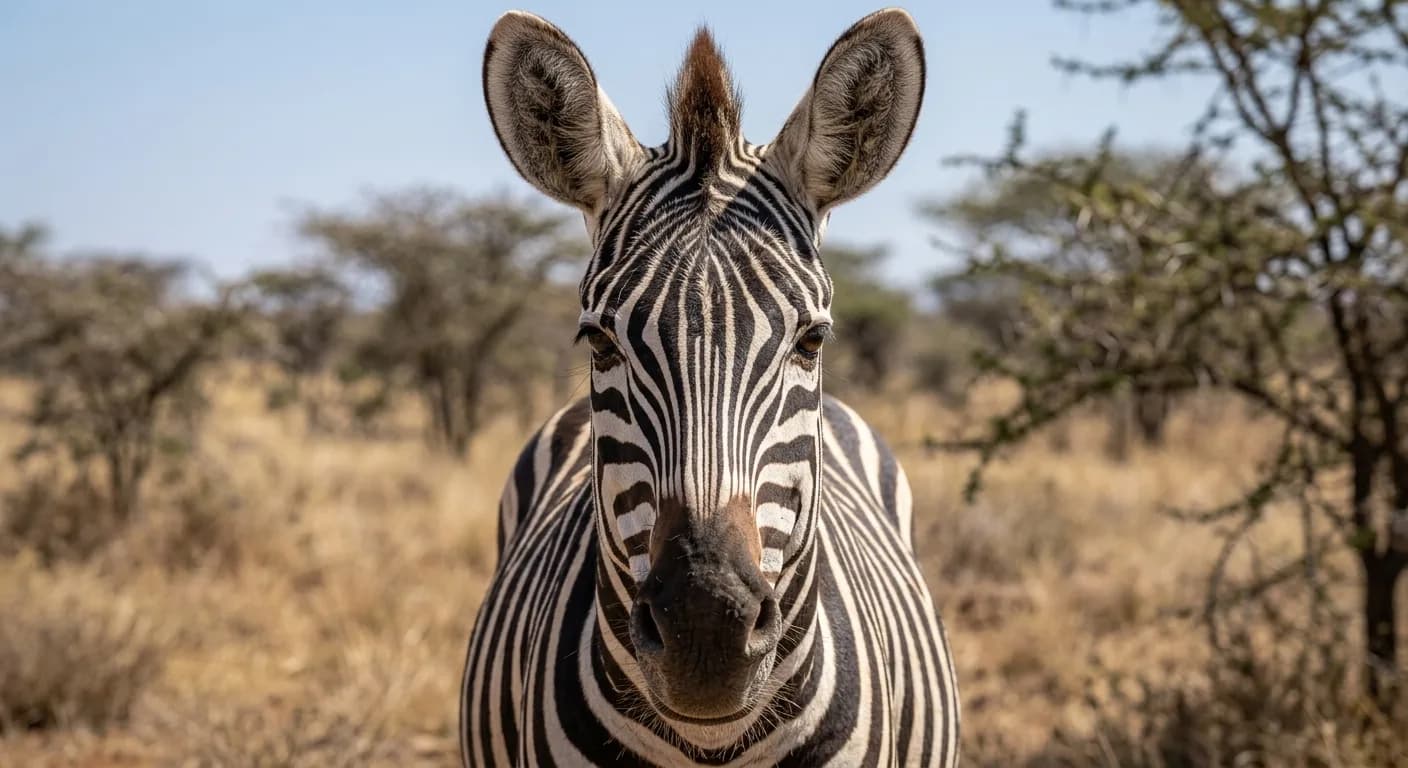
Grevy's Zebra
Equus grevyi
 Endangered
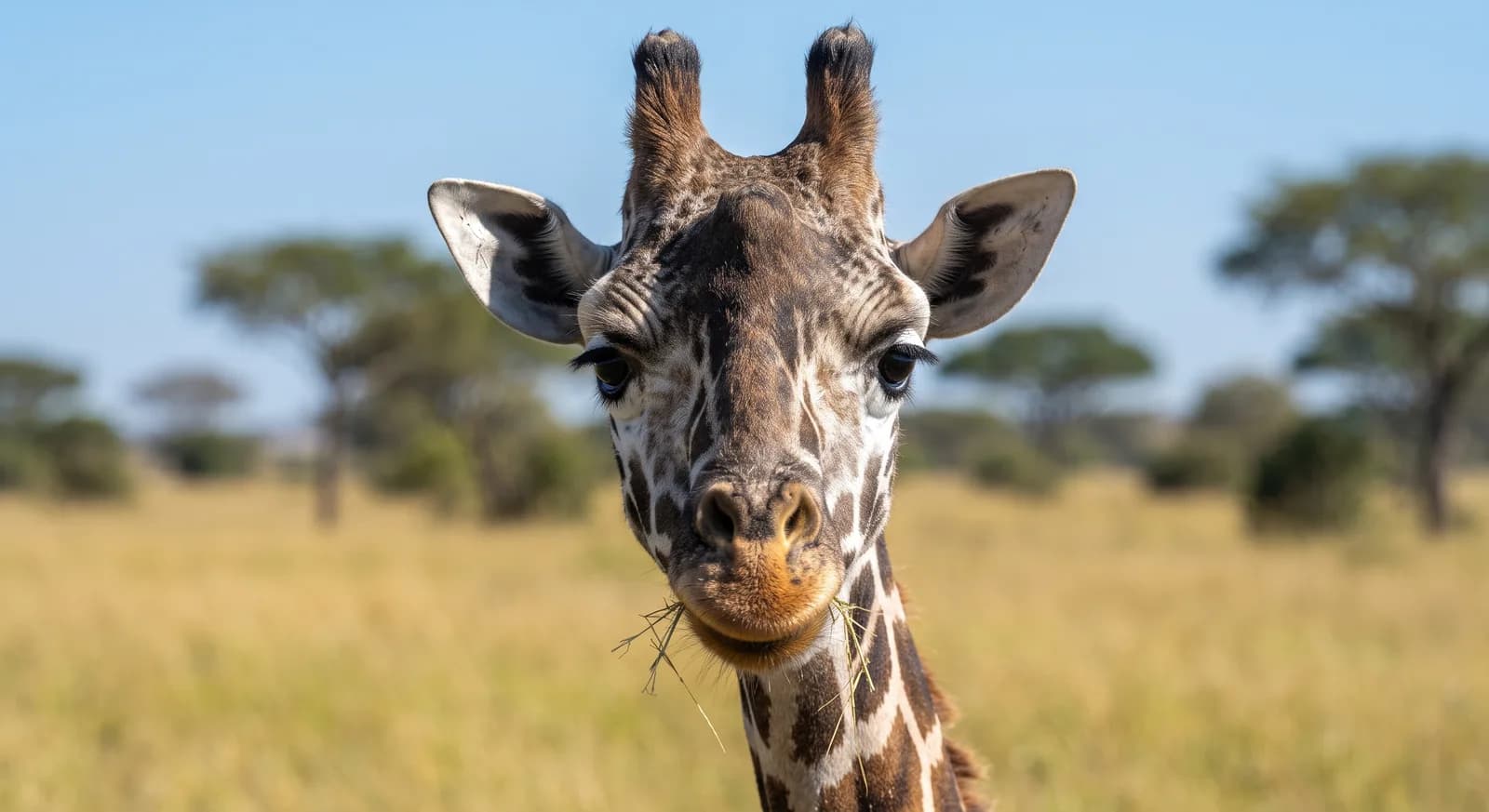
Reticulated Giraffe
Giraffa reticulata
Beisa Oryx
Oryx beisa
Masai Giraffe
Giraffa tippelskirchi
 Vulnerable
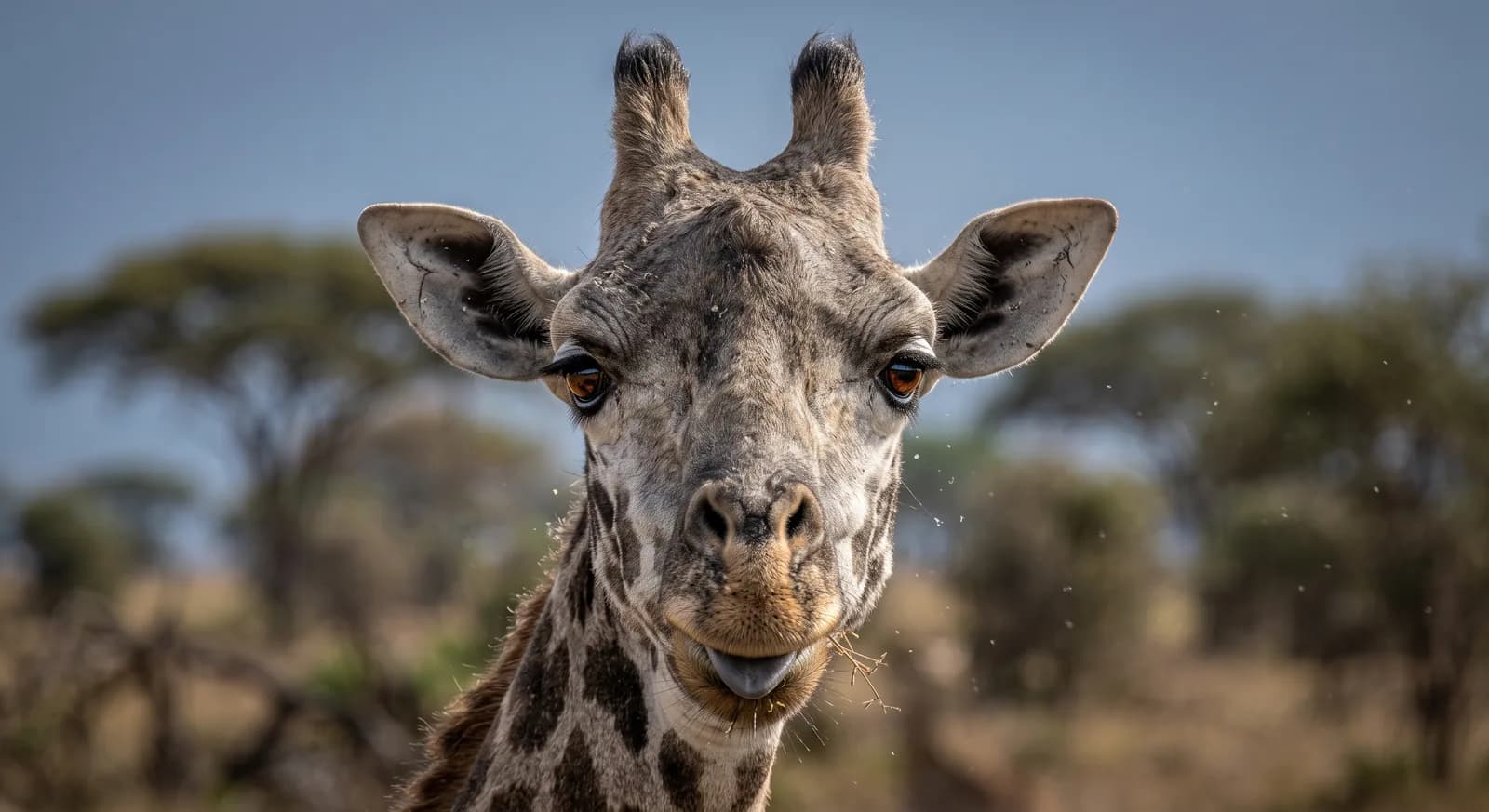
Giraffe
Giraffa camelopardalis
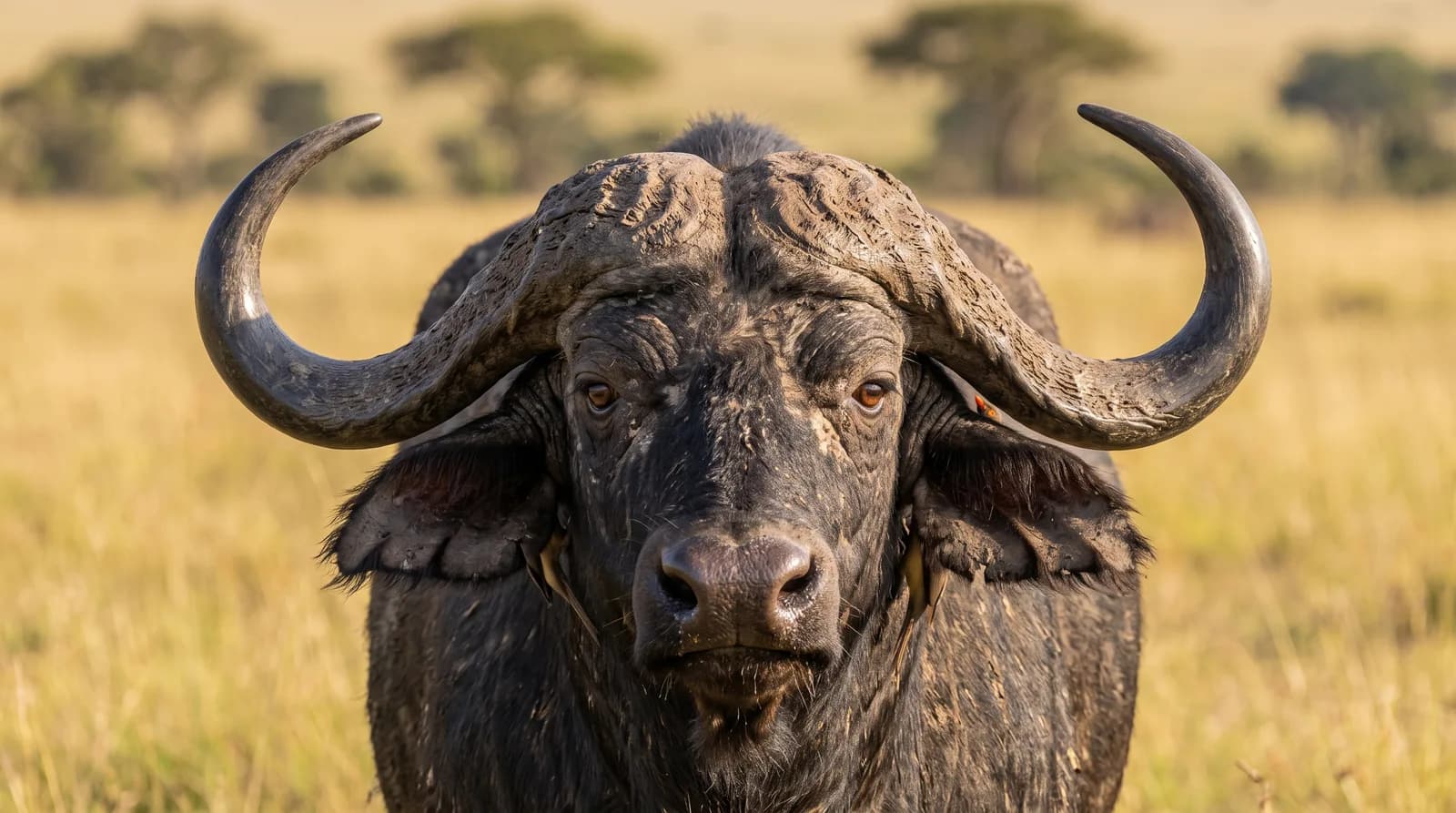 Near Threatened
African Buffalo
Syncerus caffer
How to help
The african savanna elephant is classified as endangered. Organizations such as Save the Elephants work specifically on its conservation and that of its habitat; looking into their programs is a good starting point if you want to get involved.
It's documented in 10 real protected areas — part of why protecting these places matters for its conservation.
Keep exploring
Based on what we already know about african savanna elephant.
Comments
Share an experience, a fun fact or a tip for seeing the african savanna elephant.
Be the first to comment.