One of the 3 giraffes on WAnimals
Mammals · Artiodactyla · Giraffidae
Giraffe
Giraffa camelopardalis
It faces a high risk of extinction in the wild over the medium term. See full glossary
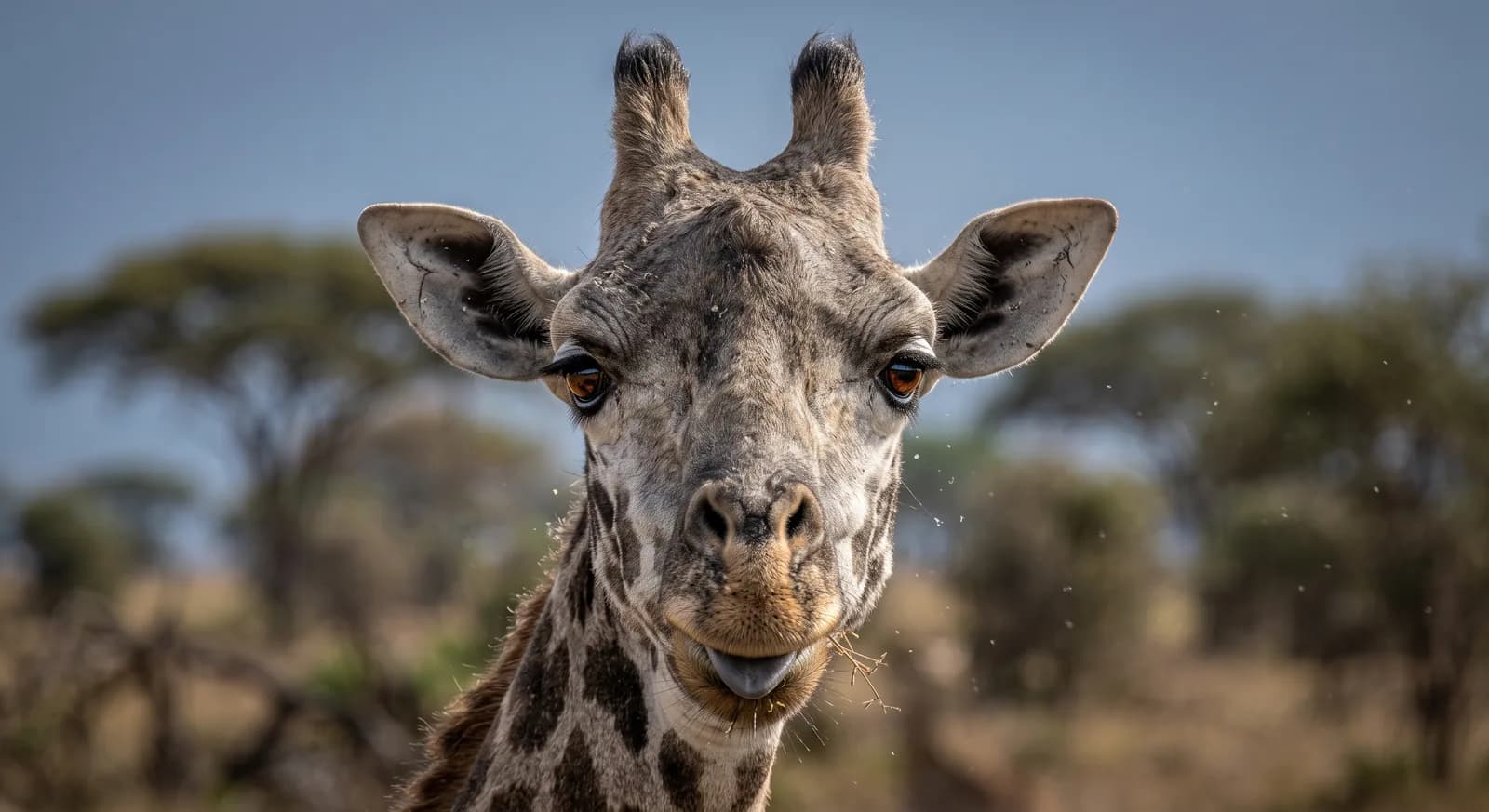
The tallest land animal in the world, with a neck that can measure over two metres yet contains exactly as many vertebrae as a human's.
Weight
800 kg – 1.9 t
Size
4 m – 5.5 m
Lifespan
25 years
Diet
Herbivore
Feeds mainly on plants.
Activity
Diurnal
Active mainly during the day.
Social structure
Herd
Lives in large groups as a strategy against predators.
Sighting difficulty
Moderate
Estimated population
97,562 animals in the 2015 count that prompted its listing as Vulnerable; the later revision by the Giraffe Conservation Foundation raised the figure to 117,173 in 2020 thanks to better surveys
Fun facts
- Its tongue can be up to 50 cm long and is bluish in colour.
- It sleeps only between 30 minutes and 2 hours a day.
- Every coat pattern is unique, like a fingerprint.
Life cycle & biology
- Skeleton type
- Vertebrate - internal bony skeleton (mammal)
- Habitat & environment
- Arid savanna, grassland and open acacia woodland across sub-Saharan Africa
- Birth weight
- ~100 kg (a documented range of 50-150 kg depending on the source)
- Size at birth
- ~2 metres tall at birth; walking within its first hour of life
- Sexual maturity
- Female: 4-5 years (first calf later) | Male: physically mature at 4-5 years, but rarely breeds before 7-8 because of social competition
- Gestation / incubation
- ~15 months (450-465 days); one of the longest gestations of any land mammal
- Litter / clutch size
- 1 calf (twins very rare)
- Lifespan in captivity
- Up to 39-40 years documented
Sources consulted: Britannica; Animal Diversity Web; AnAge (genomics.senescence.info); Study.com; WildlifeExplained; ScienceInsights; Center for Biological Diversity; IUCN 2016: paso de Preocupación menor a Vulnerable por un descenso del 36-40 % de la población, de 151.702-163.452 ejemplares en 1985 a 97.562 en 2015 || IUCN 2016 (comunicado de actualización de la Lista Roja); Giraffe Conservation Foundation, revisión de 2020
Where to find it
See its range on the interactive mapBest time: All year round, best in the dry season
Where to watch it
Parques y spots de buceo donde se ha documentado esta especie — se muestran 10 de 19 documentados.
Related species
Other species in the catalogue with the most in common with Giraffe — same habitat, park, country, tags or family.
 Vulnerable
Cheetah
Acinonyx jubatus
 Vulnerable
Topi
Damaliscus lunatus
Soemmerring's Gazelle
Nanger soemmerringii
Masai Giraffe
Giraffa tippelskirchi
 Endangered
Reticulated Giraffe
Giraffa reticulata
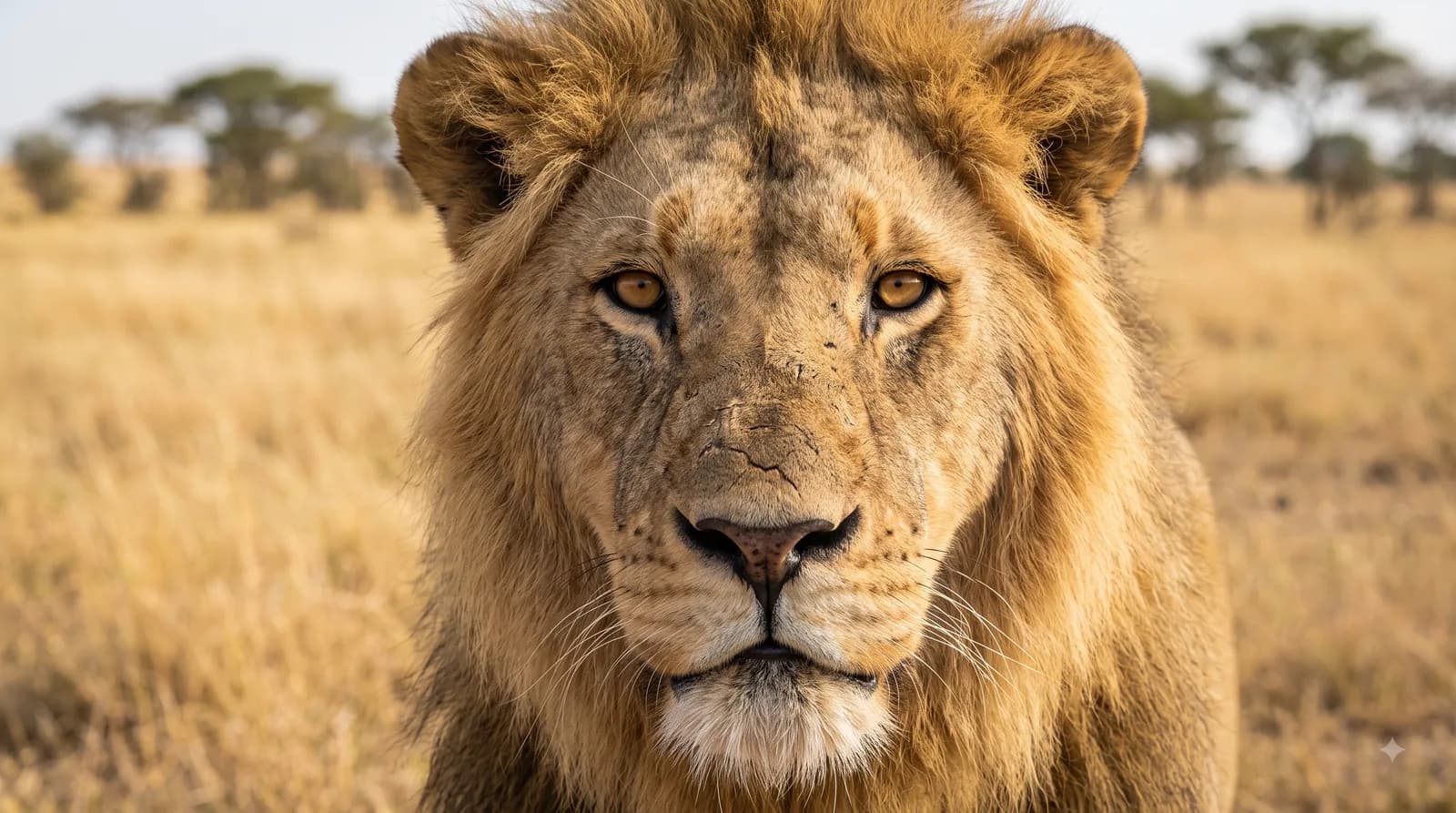 Vulnerable
Lion
Panthera leo
How to help
The giraffe is classified as vulnerable. Organizations such as Giraffe Conservation Foundation work specifically on its conservation and that of its habitat; looking into their programs is a good starting point if you want to get involved.
It's documented in 9 real protected areas — part of why protecting these places matters for its conservation.
Keep exploring
Based on what we already know about giraffe.
Comments
Share an experience, a fun fact or a tip for seeing the giraffe.
Be the first to comment.