One of the 7 gazelles on WAnimals
Mammals · Artiodactyla · Bovidae
Soemmerring's Gazelle
Nanger soemmerringii
It faces a high risk of extinction in the wild over the medium term. See full glossary
Soemmerring's gazelle is a large gazelle of the Horn of Africa, with a strongly contrasting black and white facial mask and thick horns that curve inwards at the tips. It lives in herds on the arid plains of Eritrea, Ethiopia, Djibouti, Somalia and Sudan. Its populations have fallen sharply because of hunting, the armed conflicts of the region and competition with livestock, and today most of them survive in isolated pockets.
Weight
35 kg – 45 kg
Size
1.3 m – 1.5 m
Lifespan
14 years
Diet
Herbivore
Feeds mainly on plants.
Activity
Diurnal
Active mainly during the day.
Sighting difficulty
Moderate
Fun facts
- Its horns curve inwards at the tips until they almost touch, a feature that sets it apart from any other African gazelle.
- The subspecies of Dahlak island, in the Eritrean Red Sea, is a case of insular dwarfism: it is noticeably smaller than the mainland populations.
Life cycle & biology
- Skeleton type
- Vertebrate - internal bony skeleton (mammal)
- Habitat & environment
- Arid savannahs, thorn scrub and semi-desert plains of the Horn of Africa
- Sexual maturity
- 21 months
- Gestation / incubation
- 6.2 months
- Litter / clutch size
- 1
Sources consulted: https://www.iucnredlist.org/ | https://animaldiversity.org/ | https://es.wikipedia.org/
Where to watch it
Parks and dive sites where this species has been documented.
Related species
Other species in the catalogue with the most in common with Soemmerring's Gazelle — same habitat, park, country, tags or family.
Kob
Kobus kob
Hartebeest
Alcelaphus buselaphus
Beisa Oryx
Oryx beisa
 Least Concern
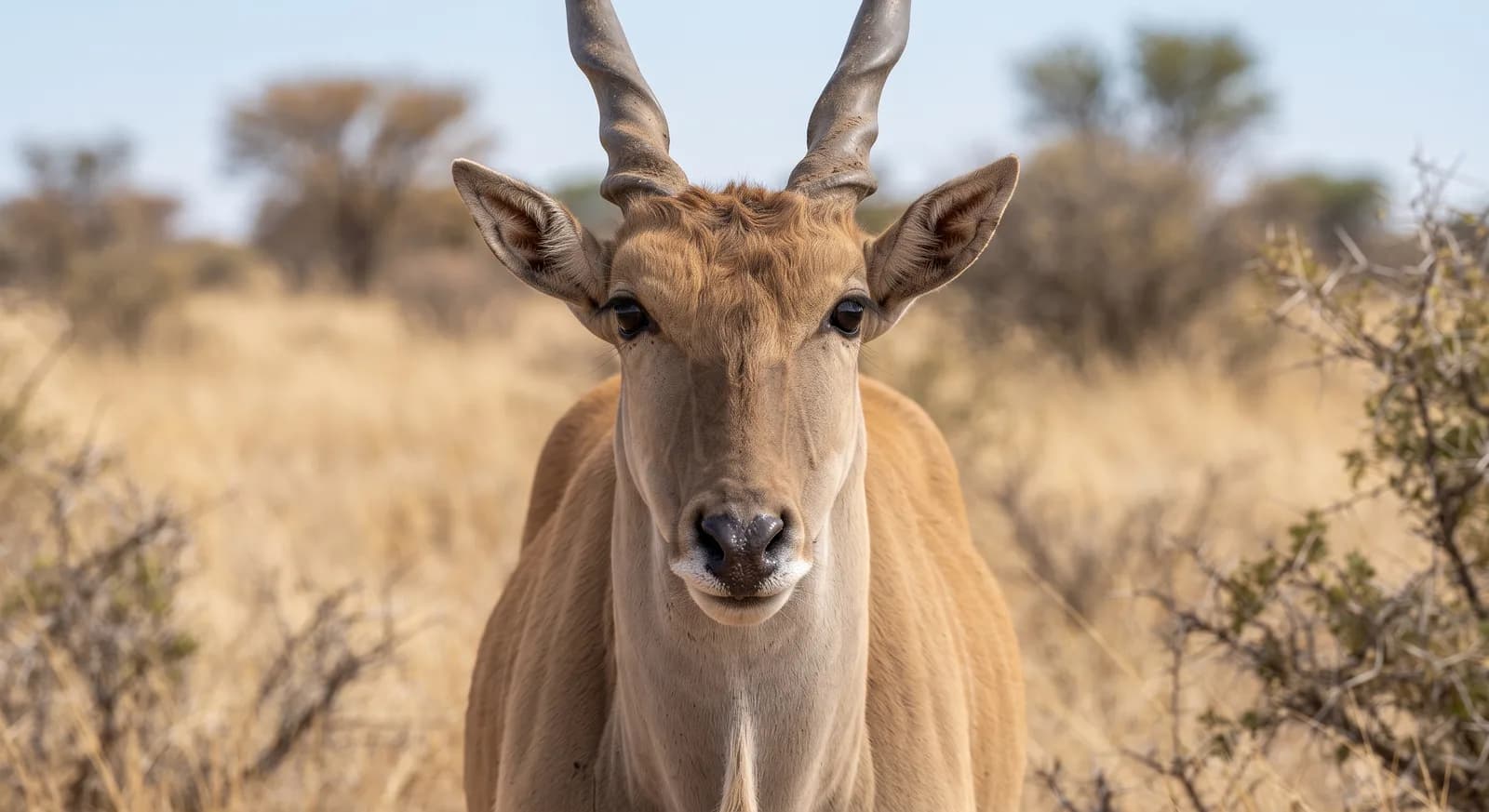
Common Eland
Taurotragus oryx
 Least Concern
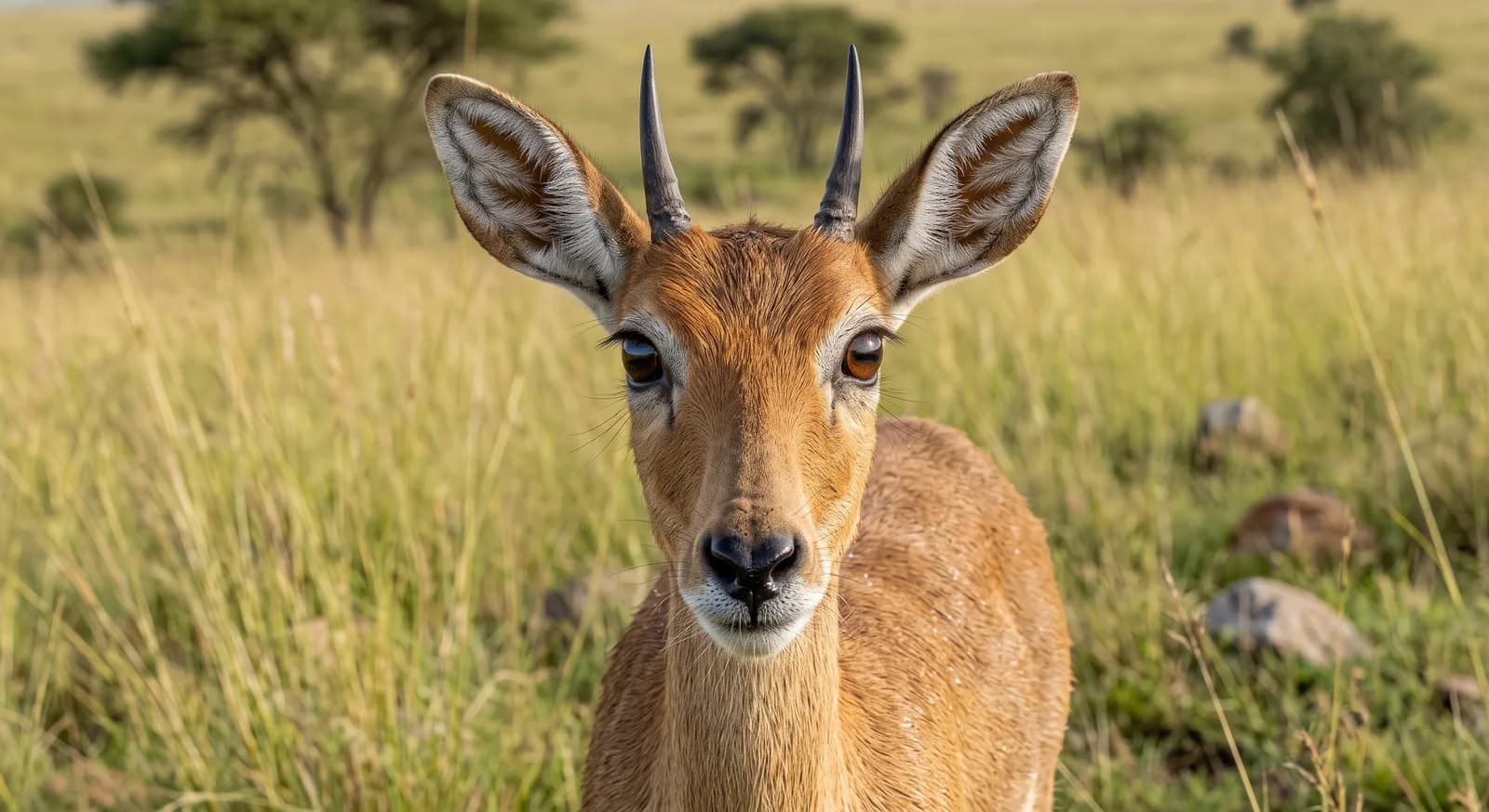
Oribi
Ourebia ourebi
 Near Threatened
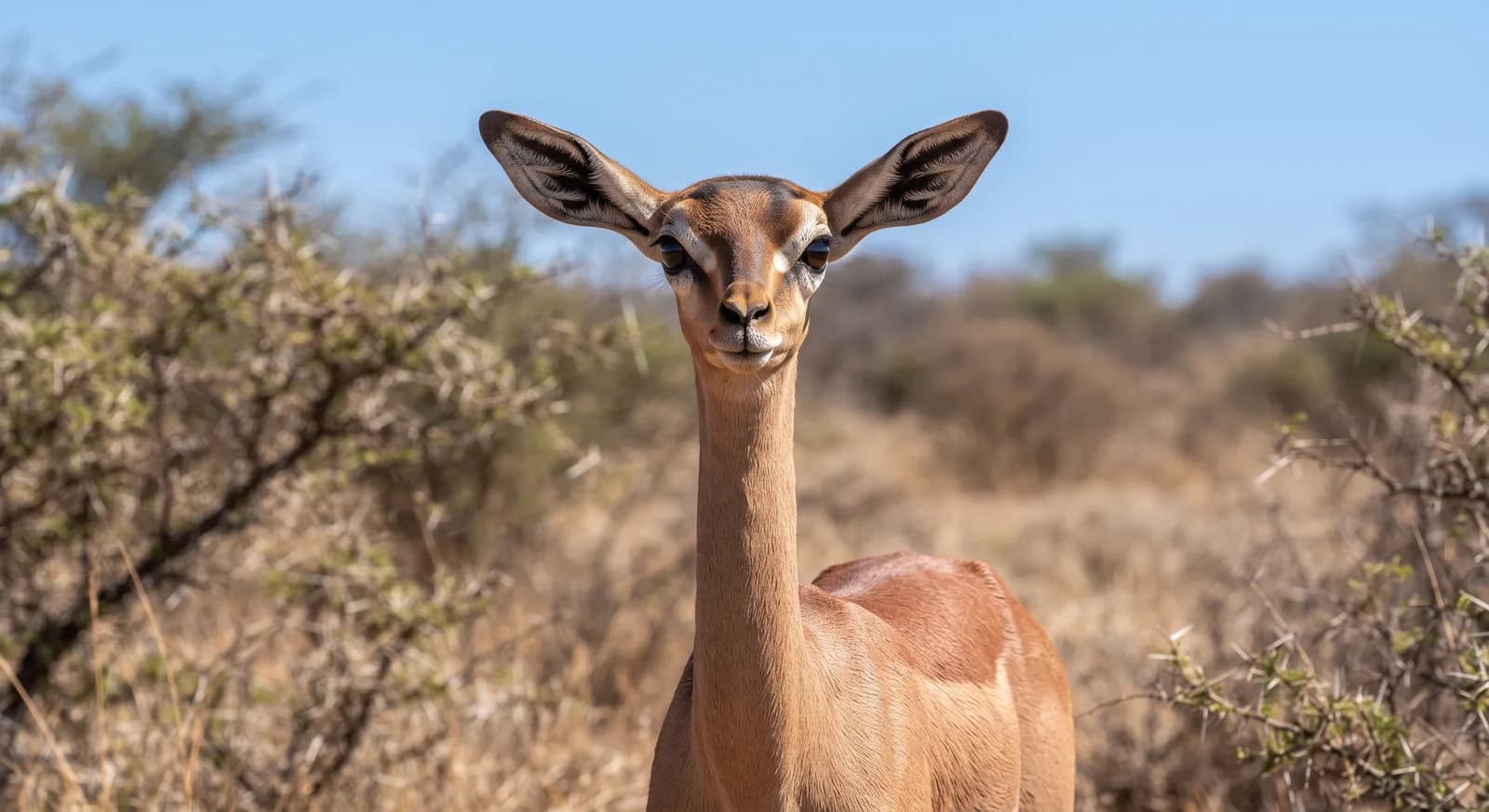
Gerenuk
Litocranius walleri
How to help
The soemmerring's gazelle is classified as vulnerable. Organizations such as UICN, WWF y Wildlife Conservation Society work specifically on its conservation and that of its habitat; looking into their programs is a good starting point if you want to get involved.
It's documented in 4 real protected areas — part of why protecting these places matters for its conservation.
Keep exploring
Based on what we already know about soemmerring's gazelle.
Comments
Share an experience, a fun fact or a tip for seeing the soemmerring's gazelle.
Be the first to comment.