One of the 3 giraffes on WAnimals
Mammals · Artiodactyla · Giraffidae
Masai Giraffe
Giraffa tippelskirchi
It faces a very high risk of extinction in the wild in the near future. See full glossary
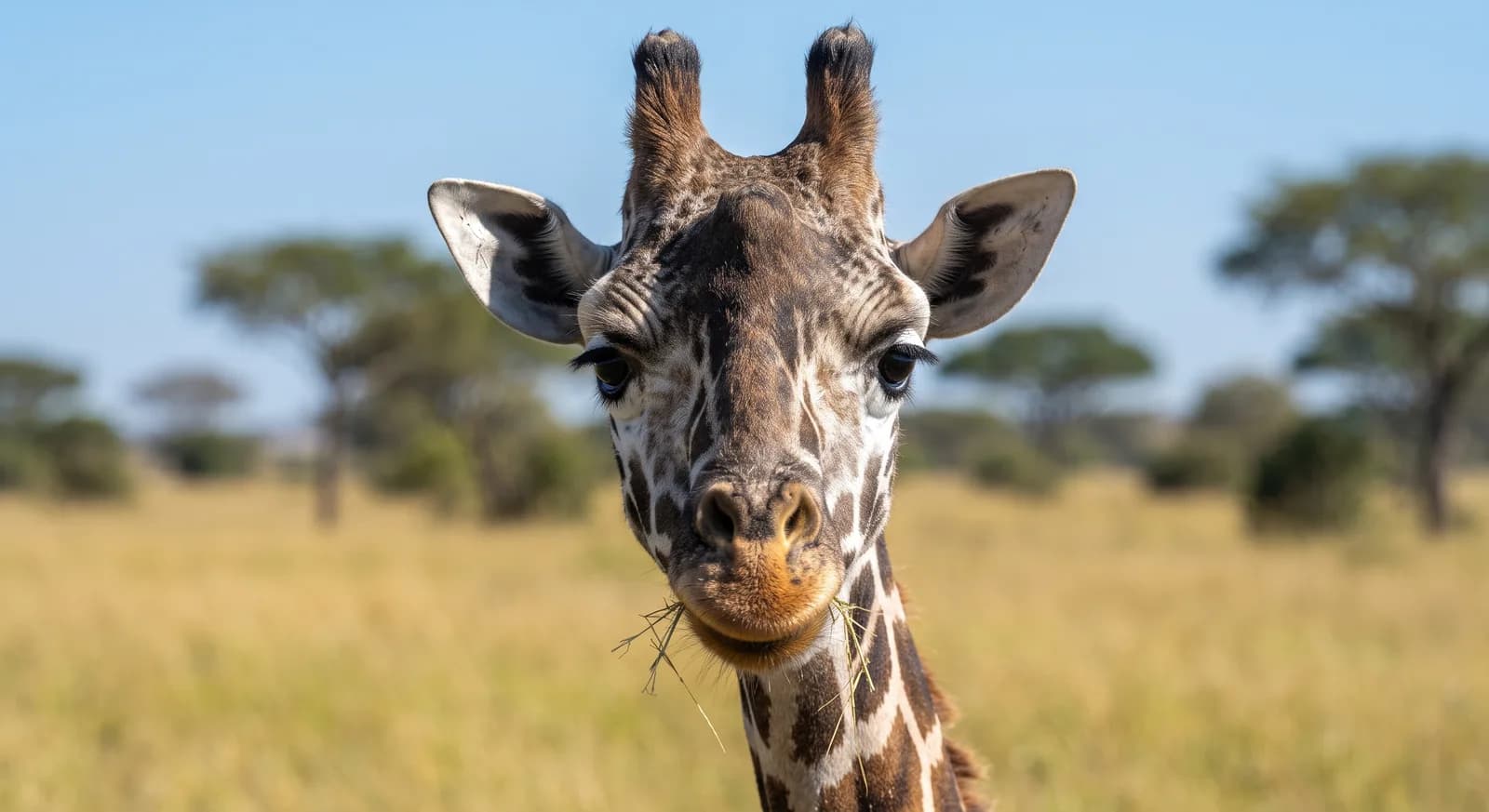
The Masai giraffe is the largest and darkest of the giraffes, recognisable by its irregular, jagged-edged patches, like vine leaves, on a cream ground. It lives in Kenya and Tanzania and is the giraffe seen in the Serengeti and the Masai Mara. It browses mainly on acacias, and its prehensile bluish tongue, some 45 centimetres long, lets it handle thorny branches. It lives in loose groups whose composition changes daily. It has lost close to half its population in three decades.
Weight
800 kg – 1.9 t
Size
4 m – 5.5 m
Lifespan
25 years
Diet
Herbivore
Feeds mainly on plants.
Activity
Diurnal
Active mainly during the day.
Sighting difficulty
Hard
Estimated population
Some 35,000 individuals
Fun facts
- GeneralIts patches have ragged edges, like vine leaves, and are unique to each animal.
- Each giraffe's pattern of patches is unique, like a fingerprint, and researchers use it to identify individuals.
- It has only seven neck vertebrae, the same as a mouse or a human being, but each one can be more than 25 centimetres long.
Life cycle & biology
- Skeleton type
- Vertebrate - internal bony skeleton (mammal)
- Habitat & environment
- Acacia savannah and open woodland
- Sexual maturity
- 4 years
- Gestation / incubation
- 15 months
- Litter / clutch size
- 1
Sources consulted: https://www.iucnredlist.org/ | https://animaldiversity.org/ | https://es.wikipedia.org/
Where to watch it
Parks and dive sites where this species has been documented.
Related species
Other species in the catalogue with the most in common with Masai Giraffe — same habitat, park, country, tags or family.
 Endangered
Reticulated Giraffe
Giraffa reticulata
 Endangered
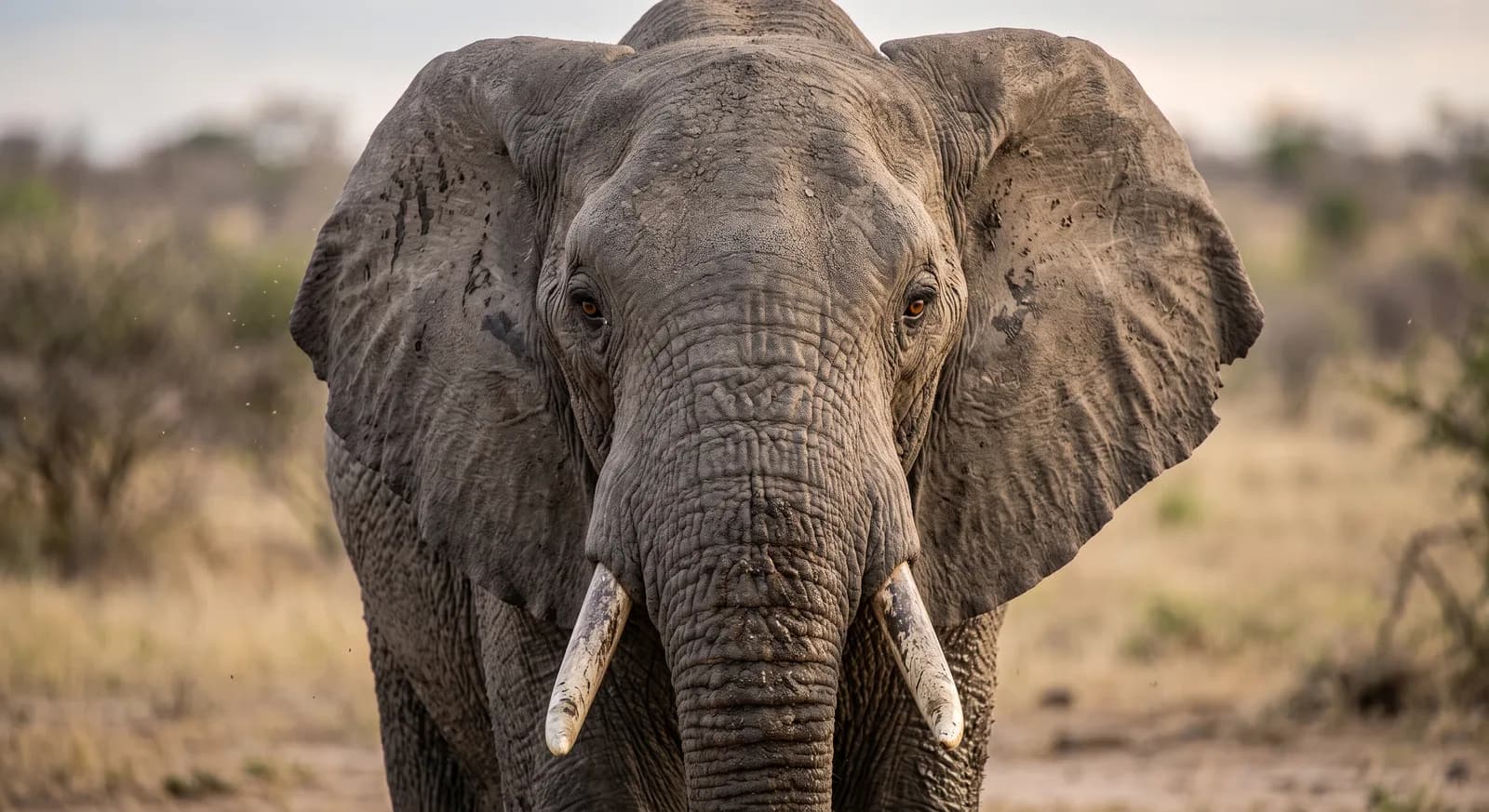
African Savanna Elephant
Loxodonta africana
 Endangered
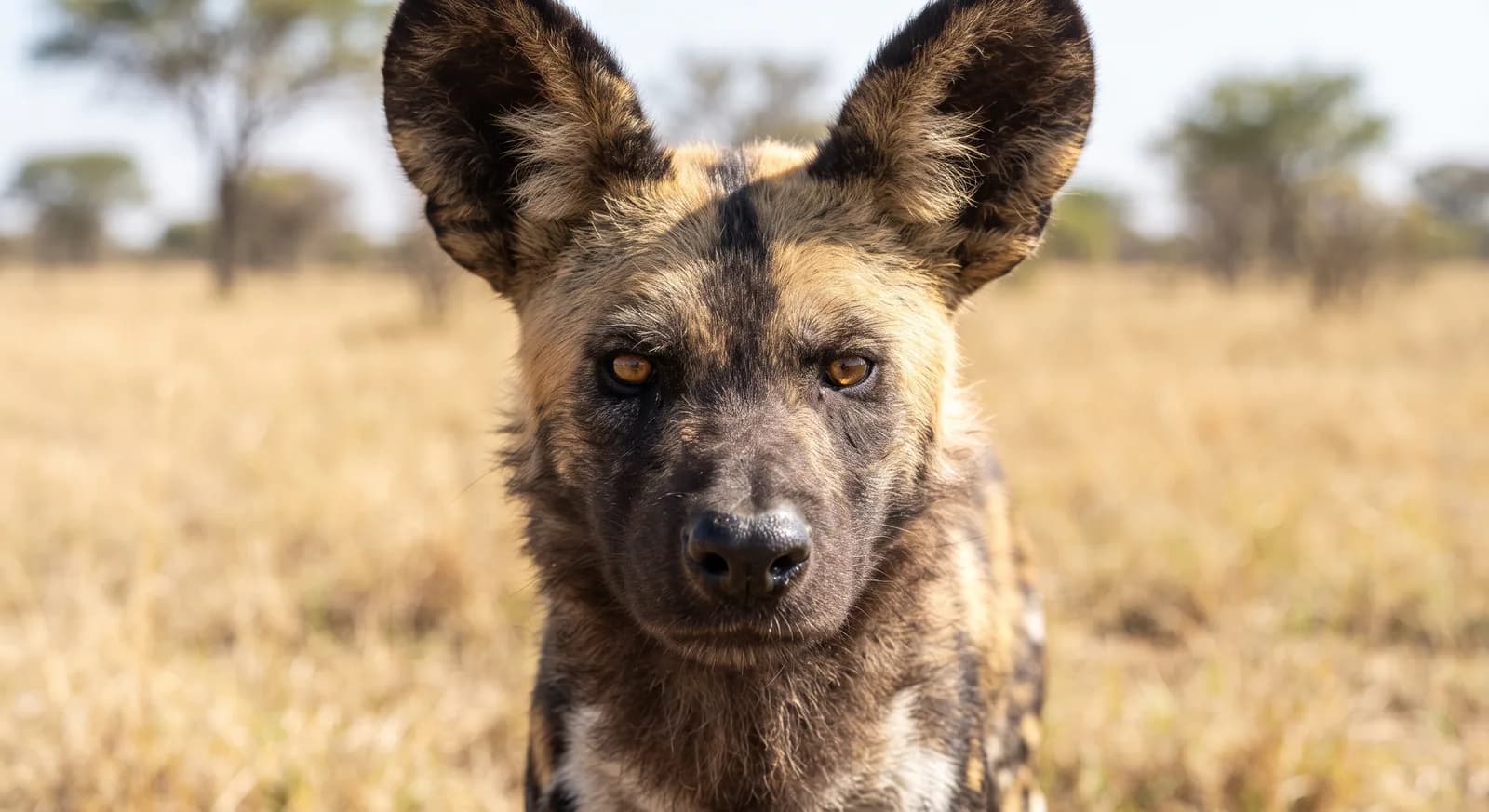
African Wild Dog
Lycaon pictus
 Endangered
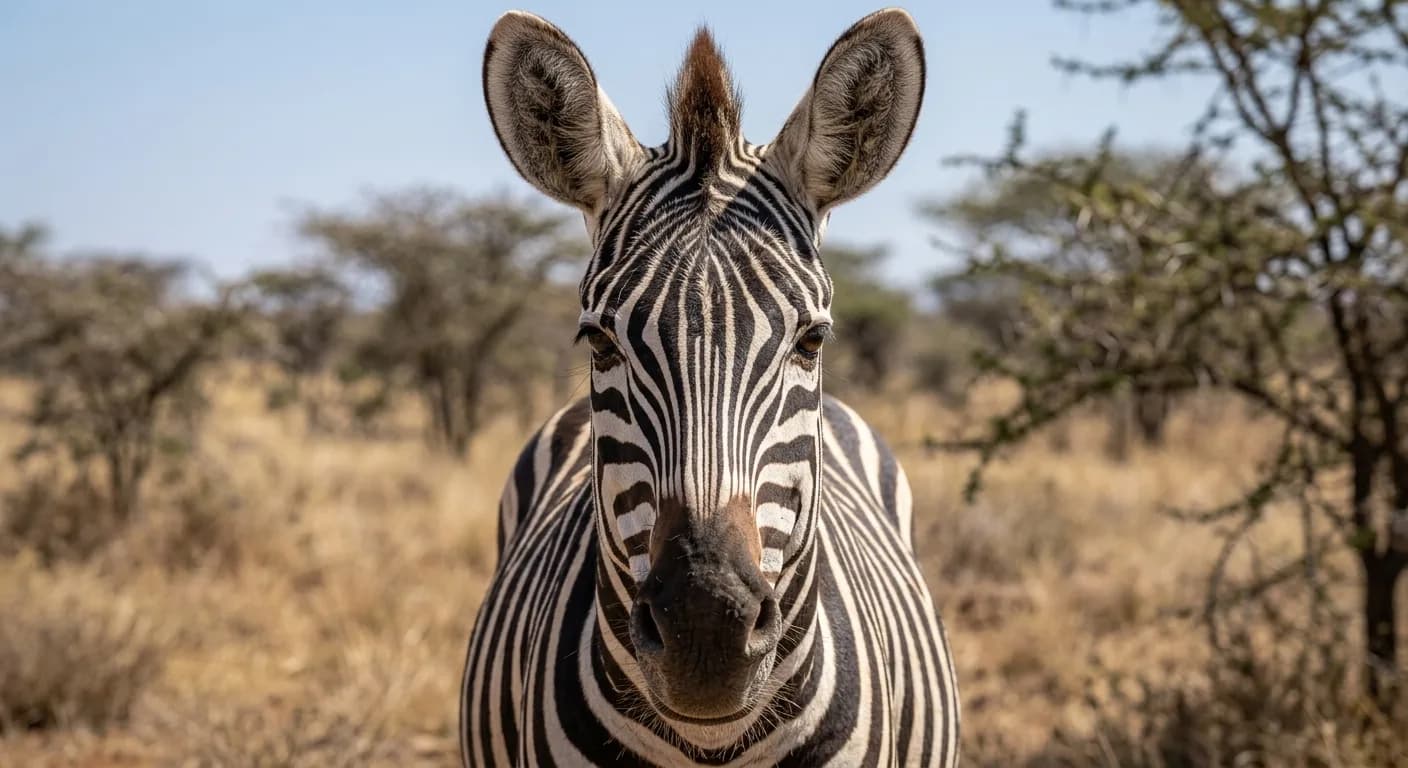
Grevy's Zebra
Equus grevyi
Beisa Oryx
Oryx beisa
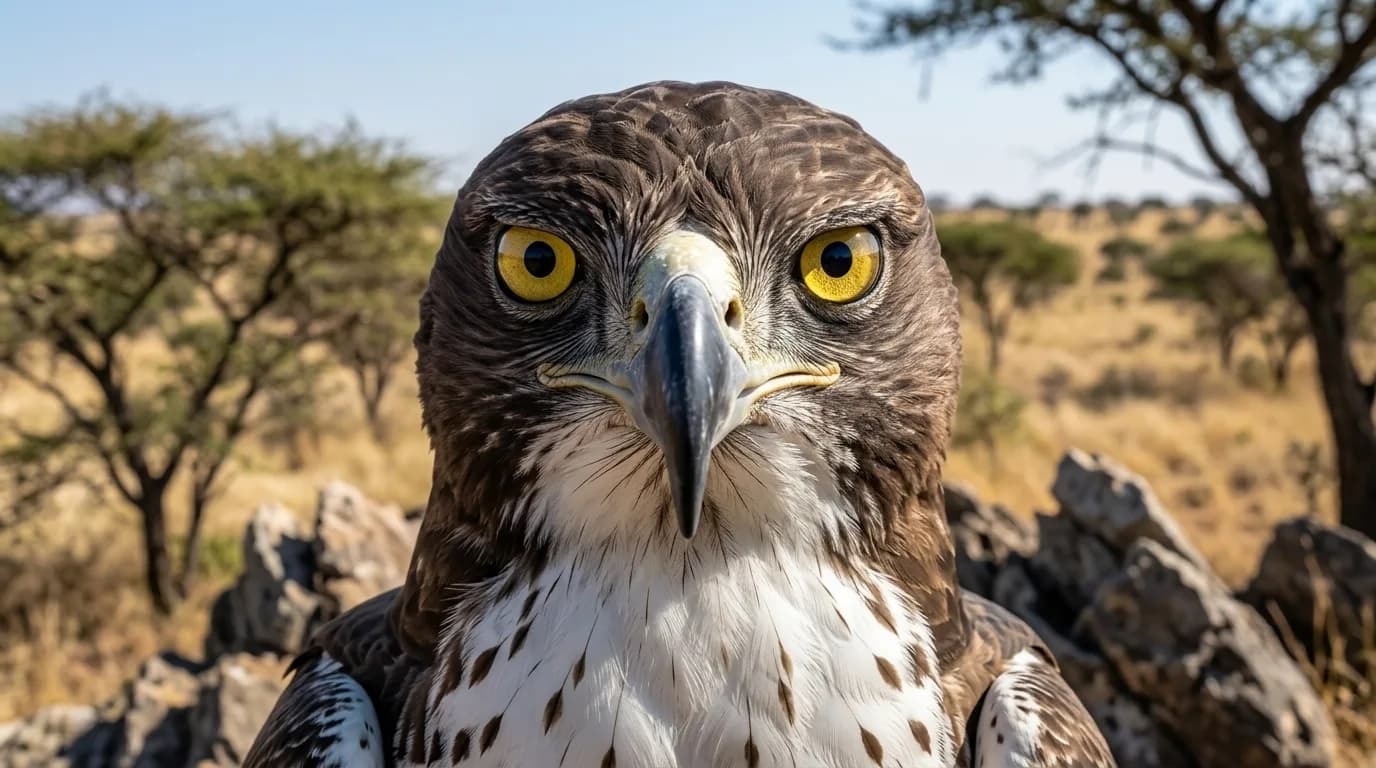 Endangered
Martial Eagle
Polemaetus bellicosus
How to help
The masai giraffe is classified as endangered. Organizations such as UICN, WWF y Wildlife Conservation Society work specifically on its conservation and that of its habitat; looking into their programs is a good starting point if you want to get involved.
It's documented in 7 real protected areas — part of why protecting these places matters for its conservation.
Keep exploring
Based on what we already know about masai giraffe.
Comments
Share an experience, a fun fact or a tip for seeing the masai giraffe.
Be the first to comment.