It successfully reintroduced the lion (2015) and the black rhinoceros (2017), after both disappeared entirely during the post-genocide refugee crisis
Area
1,122 km²
Declared in
1934
Region
East Africa
Climate
Tropical, Templado, Montañoso
Best time
June to September
Highlight
It successfully reintroduced the lion (2015) and the black rhinoceros (2017), after both disappeared entirely during the post-genocide refugee crisis
Declared in 1934, Akagera lost more than two thirds of its original area and virtually all of its large predators after the 1994 genocide, when hundreds of thousands of returning refugees settled within its boundaries and cattle took over much of its grassland. Since 2010 the organisation African Parks has run it jointly with the Rwandan government, managing to fence the park and successfully reintroduce the lion in 2015 (locally extinct since 1994) and the black rhinoceros in 2017, making Akagera one of the most cited wildlife recoveries in Africa over the past decade.
Location
See on the interactive map61 species documented in Akagera
At conservation risk:Elefante africano,Jirafa masái,León,Leopardo,Picozapato,Rinoceronte negro,Topi,Buitre orejudo,Cálao terrestre sureño,Grulla coronada gris,Hipopótamo común,Secretario
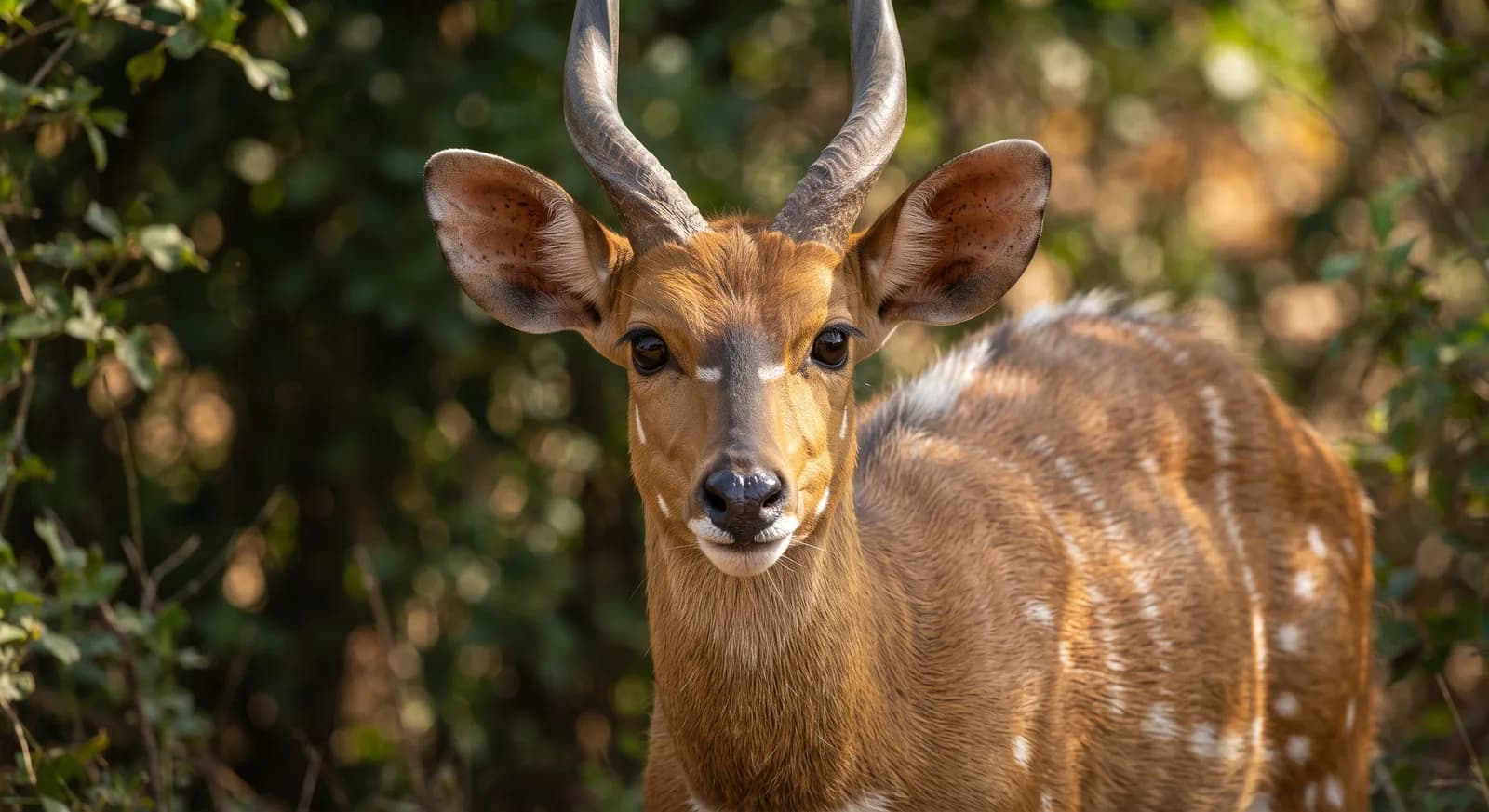 Least Concern
Antílope acuático (bosbok)
Tragelaphus scriptus
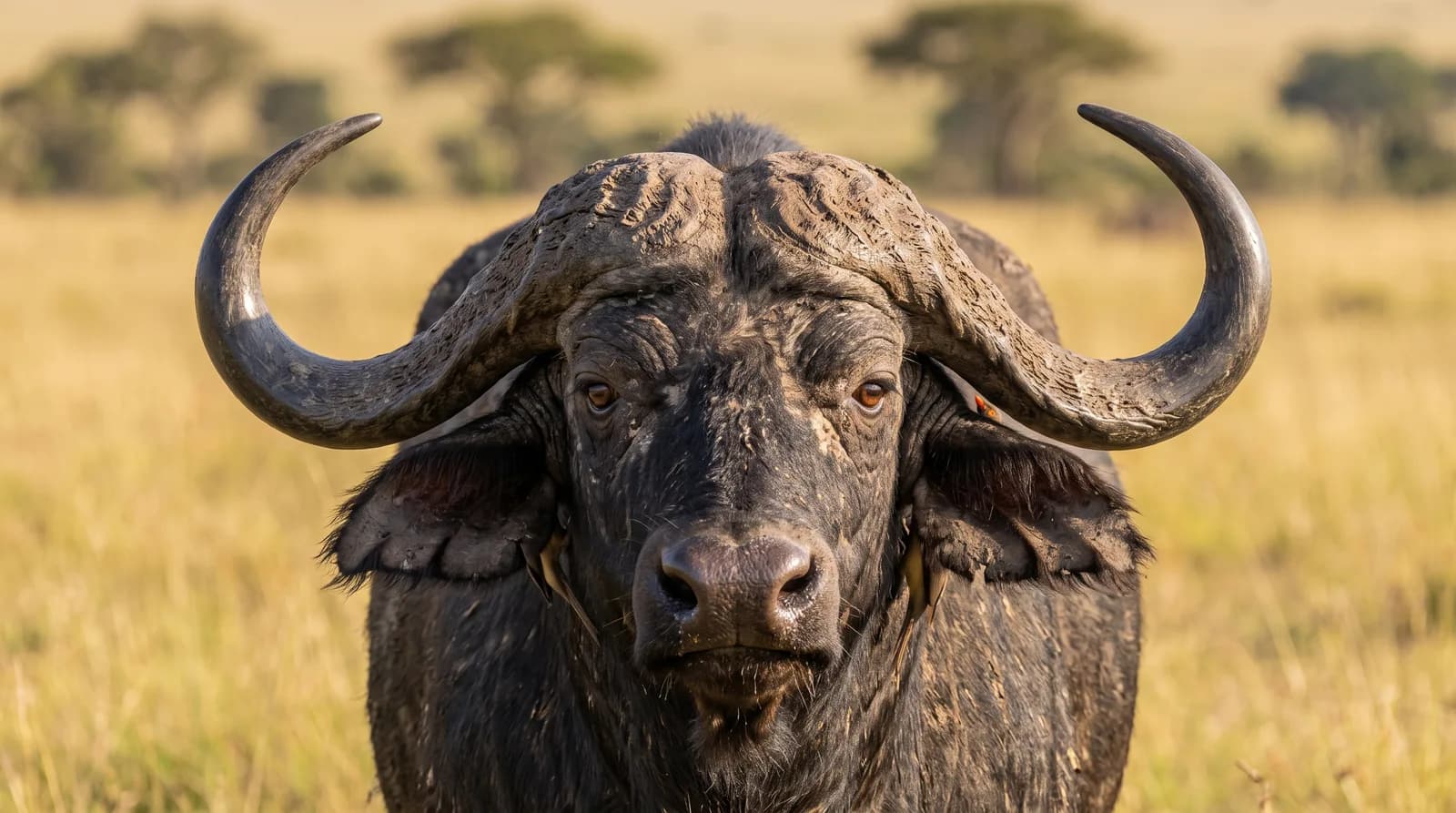 Near Threatened
Búfalo africano
Syncerus caffer
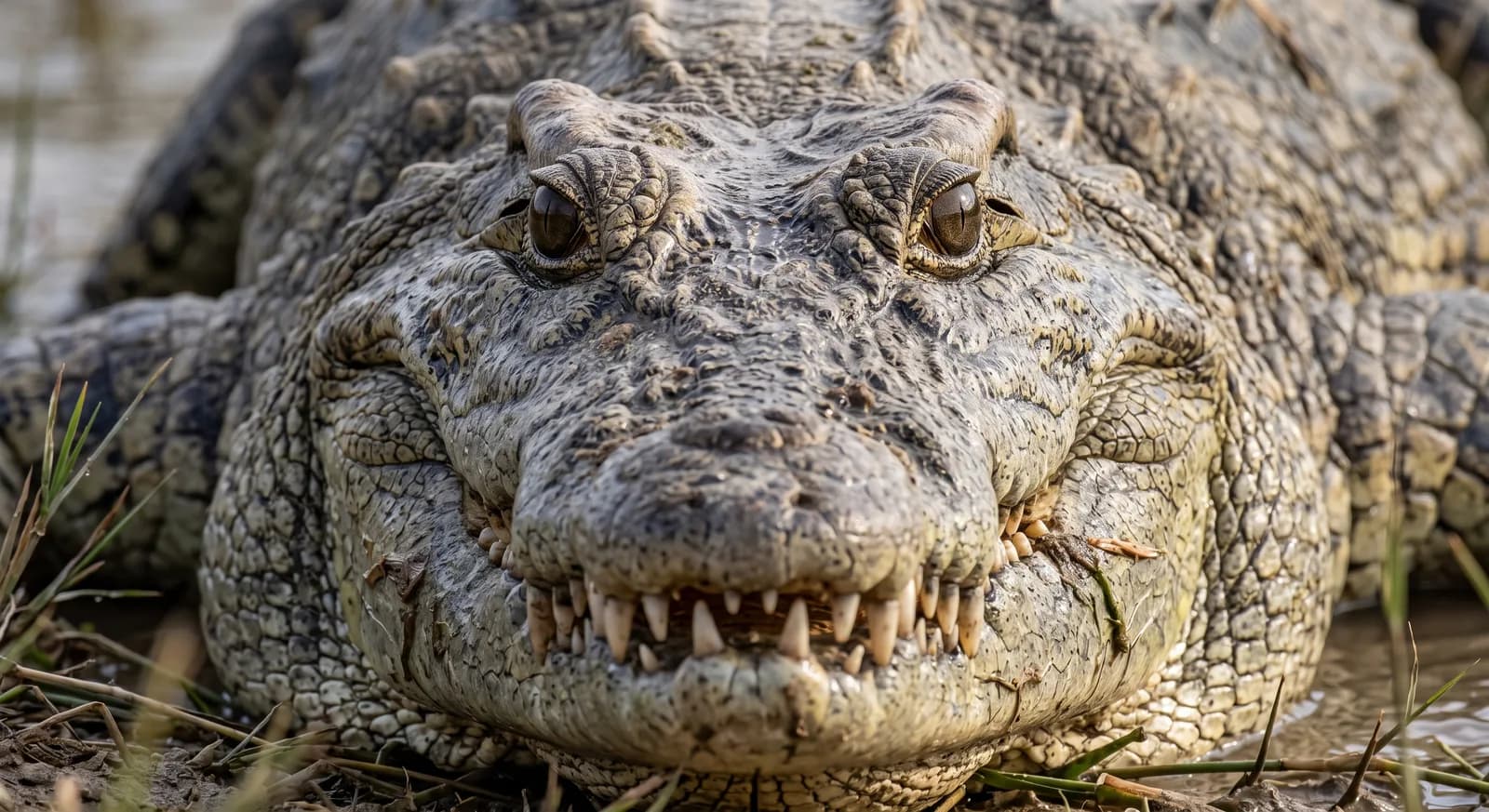 Least Concern
Cocodrilo del Nilo
Crocodylus niloticus
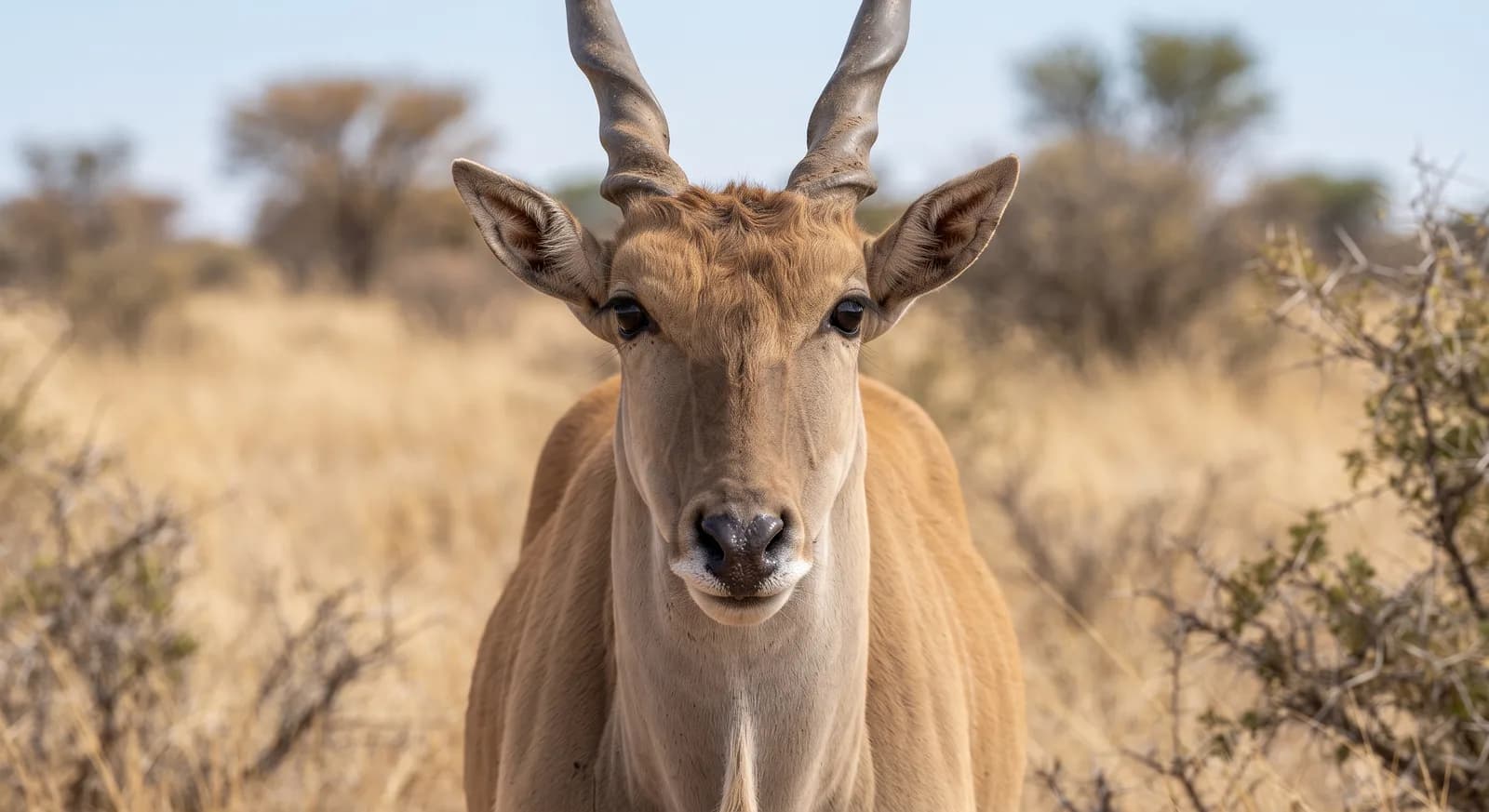 Least Concern
Eland común
Taurotragus oryx
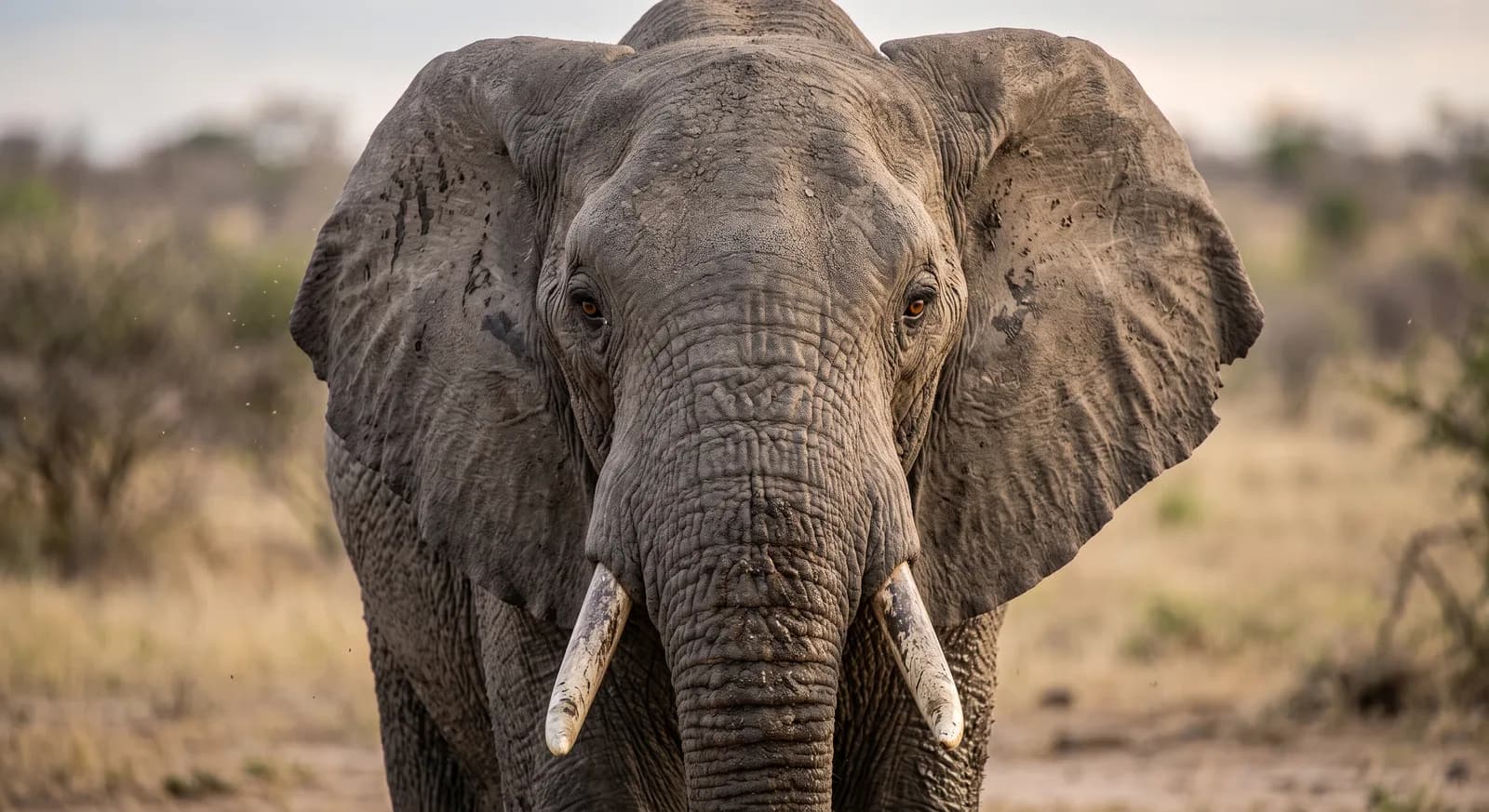 Endangered
Elefante africano
Loxodonta africana
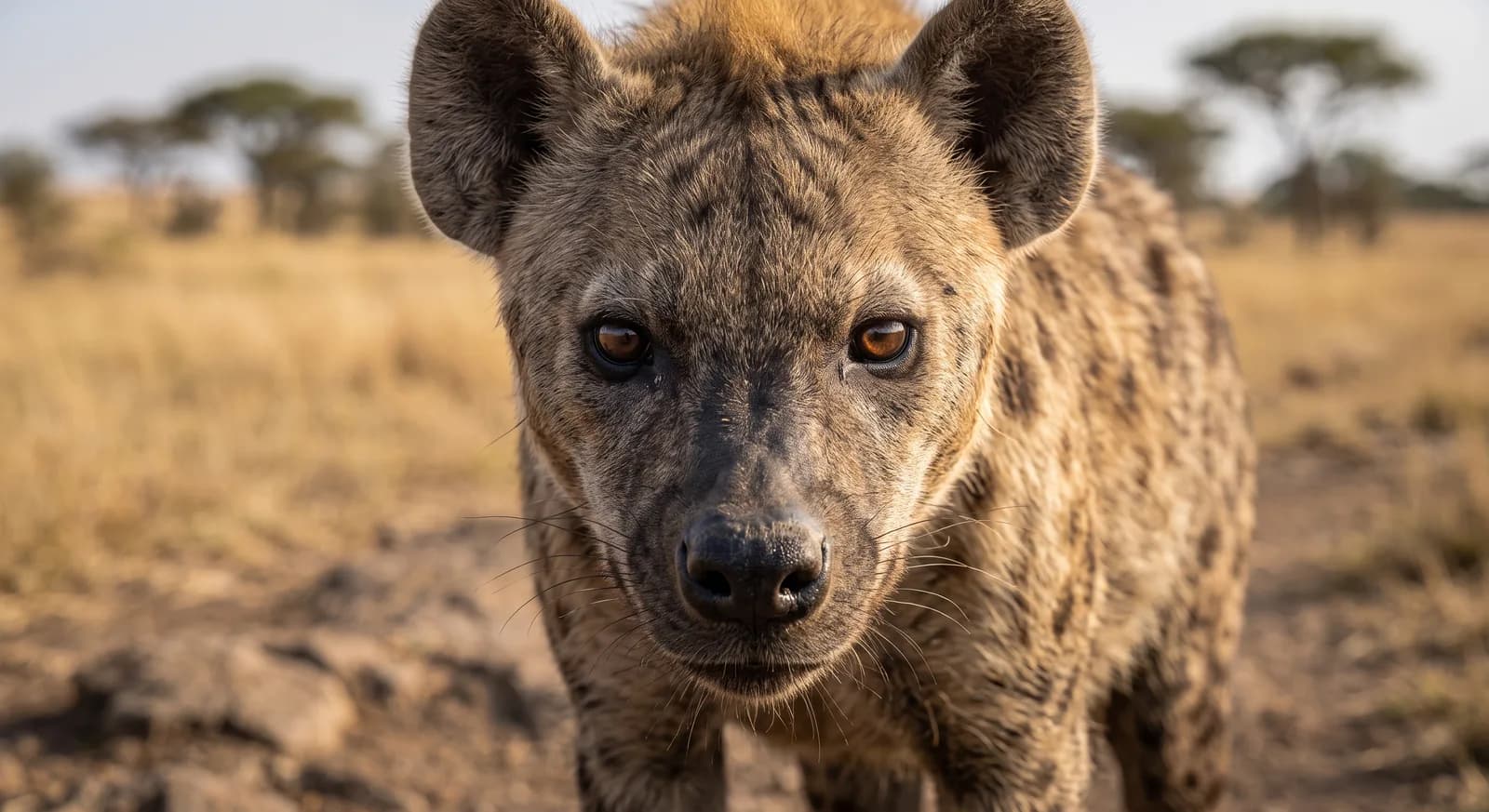 Least Concern
Hiena manchada
Crocuta crocuta
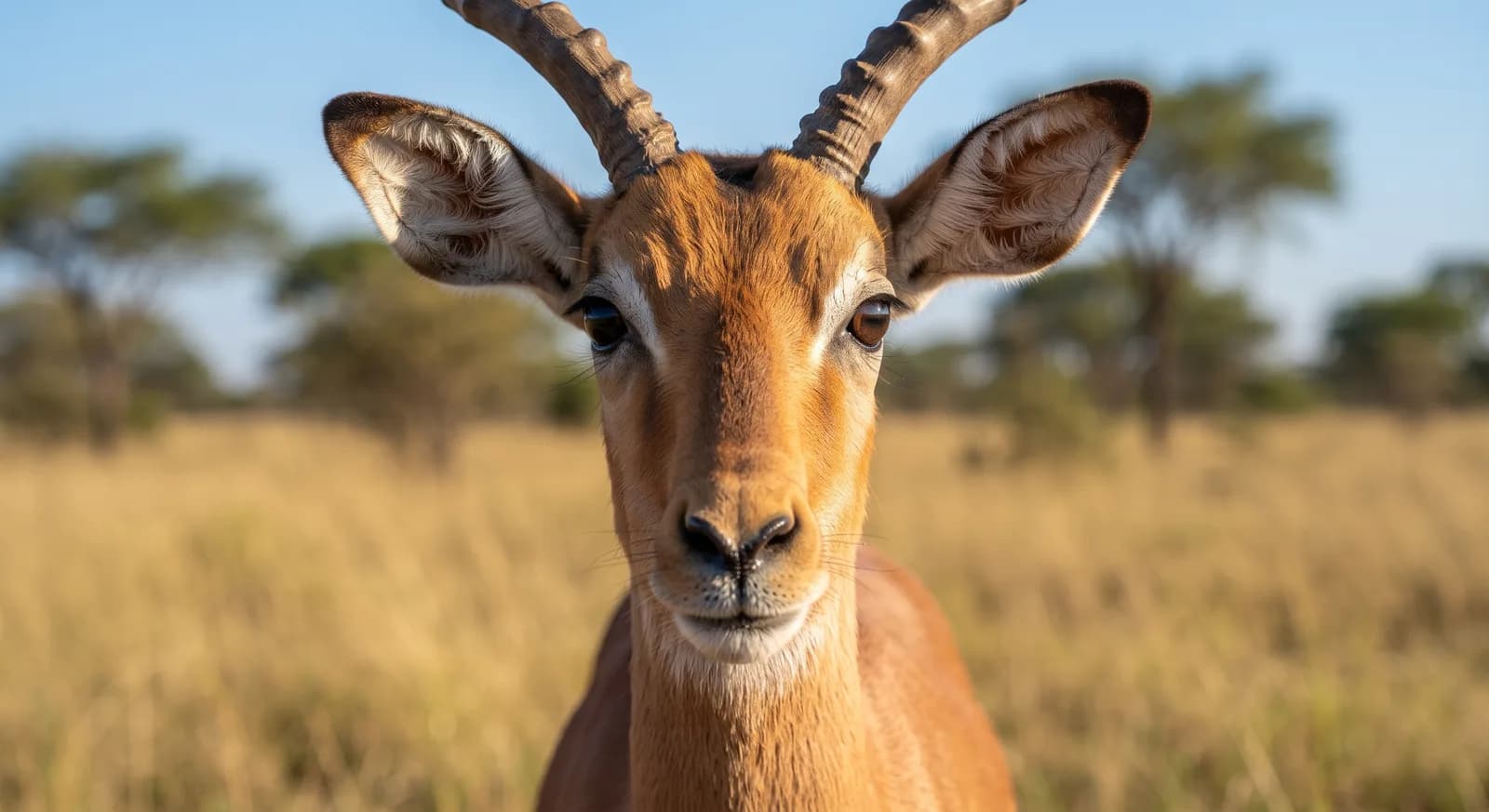 Least Concern
Impala
Aepyceros melampus
Jirafa masái
Giraffa tippelskirchi
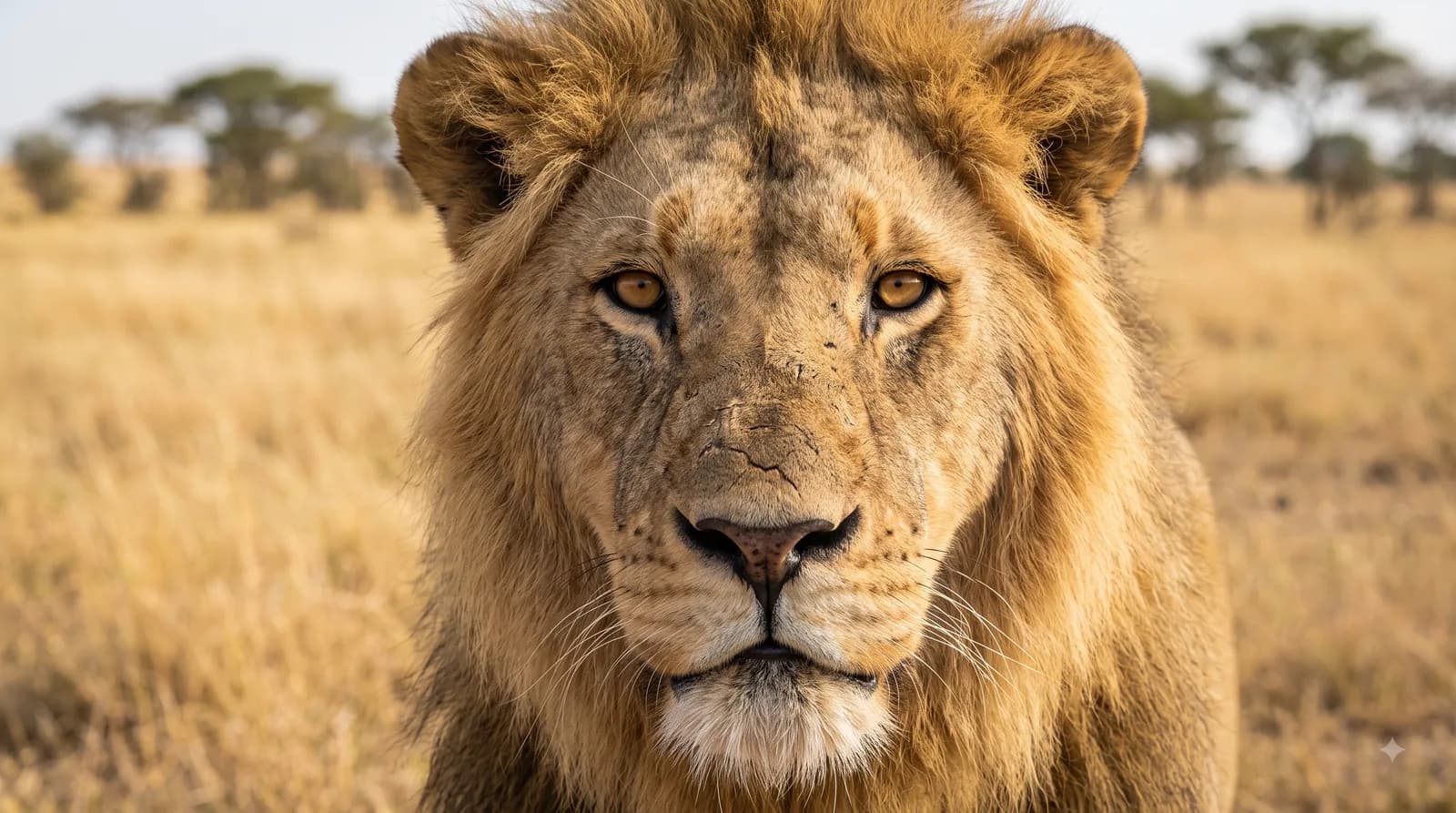 Vulnerable
León
Panthera leo
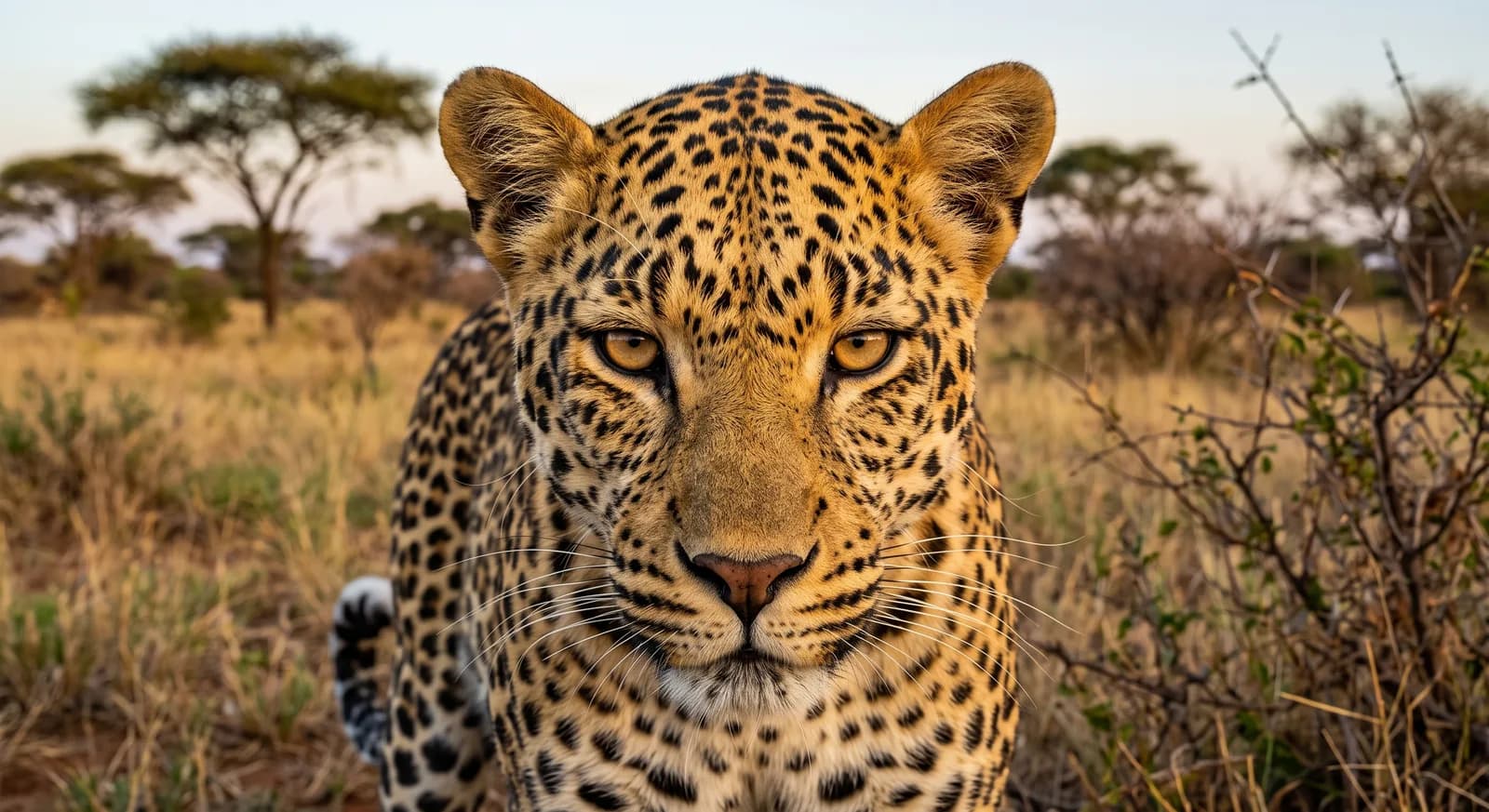 Vulnerable
Leopardo
Panthera pardus
Picozapato
Balaeniceps rex
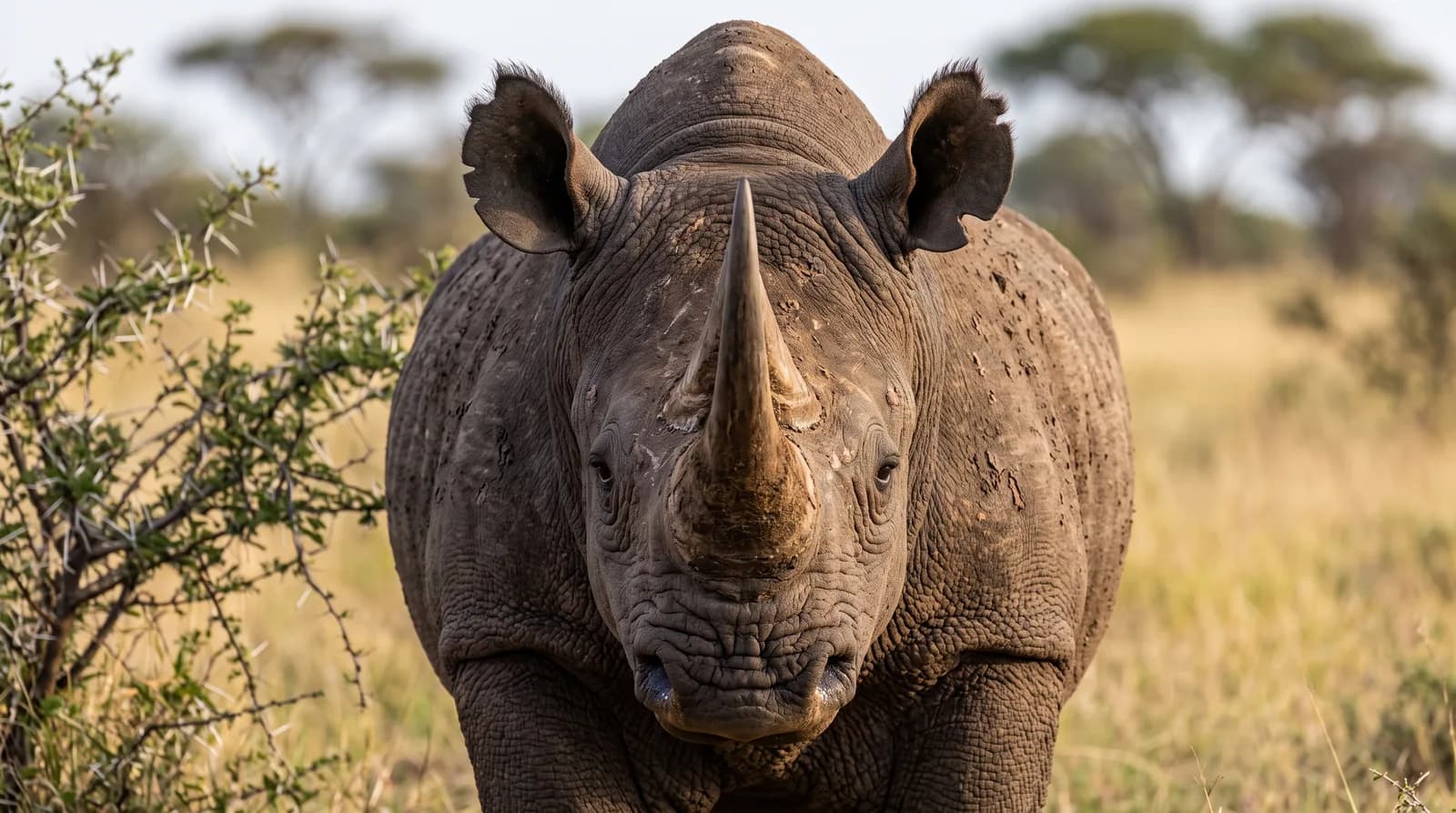 Critically Endangered
Rinoceronte negro
Diceros bicornis
Flora and ecosystems
Ecosystems found in Rwanda, where Akagera lies.
Experiences in this park
Similar parks
Which other parks are like this one?
Volcanes
Rwanda
Mountain gorilla · golden monkey
Junio a septiembre
View parkMismo país: Rwanda
Nyungwe
Rwanda
Chimpanzee · black-and-white colobus (troops of up to 400)
Junio a septiembre
View parkMismo país: Rwanda
Viñales
Cuba
Cuban trogon (Cuba's national bird) · Cuban hutia
View parkMismo tipo de espacio: National Park
Desembarco del Granma
Cuba
Cuban hutia · land crab
View parkMismo tipo de espacio: National Park
Keep exploring
Based on what we already know about Akagera.
Your rating
How many stars would you give Akagera?
Comments
Share your experience visiting Akagera, or a tip for other travellers.
Be the first to comment.