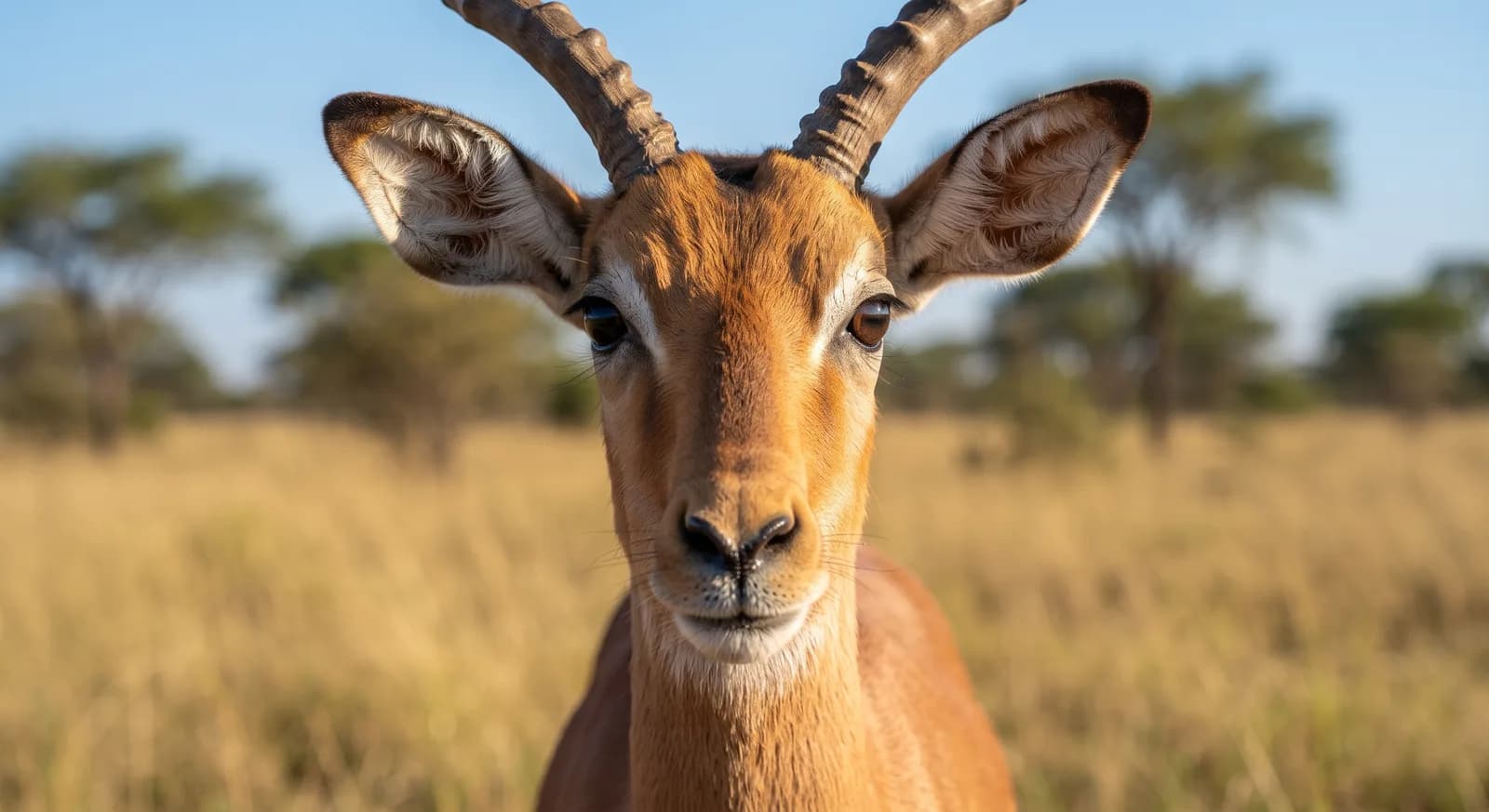
Mammals · Artiodactyla · Bovidae
Impala
Aepyceros melampus
The species is abundant and widely distributed; it faces no significant short-term risk. See full glossary
It can make spectacular leaps of up to 3 metres high and 10 metres long to escape a predator.
Weight
37 kg – 80 kg
Size
up to 92 cm
Lifespan
14 years
Diet
Herbivore
Feeds mainly on plants.
Activity
Irregular activity
Active at irregular times, by day or night depending on circumstances.
Social structure
Herd
Lives in large groups as a strategy against predators.
Sighting difficulty
Easy
Fun facts
- It can leap 3 metres high and 10 metres long to escape a predator.
- It is one of the commonest prey animals for practically every large African carnivore.
- Only the males have horns.
- locomociónIt can clear more than 3 metres in height and up to 10 metres in length in a single bound to escape a predator.
Life cycle & biology
- Skeleton type
- Vertebrate - internal bony skeleton (mammal)
- Habitat & environment
- Savanna, open woodland and woodland-grassland edges of eastern and southern Africa
- Birth weight
- Born precocial after a rapid birth; the mother can delay giving birth by up to a month if conditions are poor
- Size at birth
- Born precocial
- Sexual maturity
- 15 months
- Gestation / incubation
- 6.5-7 months
- Litter / clutch size
- 1 young per birth
Sources consulted: A-Z Animals; Ultimate Ungulate (Impala); Wikipedia (Thomson's gazelle, comparative reference)
Where to find it
See its range on the interactive mapWhere to watch it
Parques y spots de buceo donde se ha documentado esta especie — se muestran 10 de 28 documentados.
Related species
Other species in the catalogue with the most in common with Impala — same habitat, park, country, tags or family.
Waterbuck
Kobus ellipsiprymnus
Hartebeest
Alcelaphus buselaphus
 Least Concern
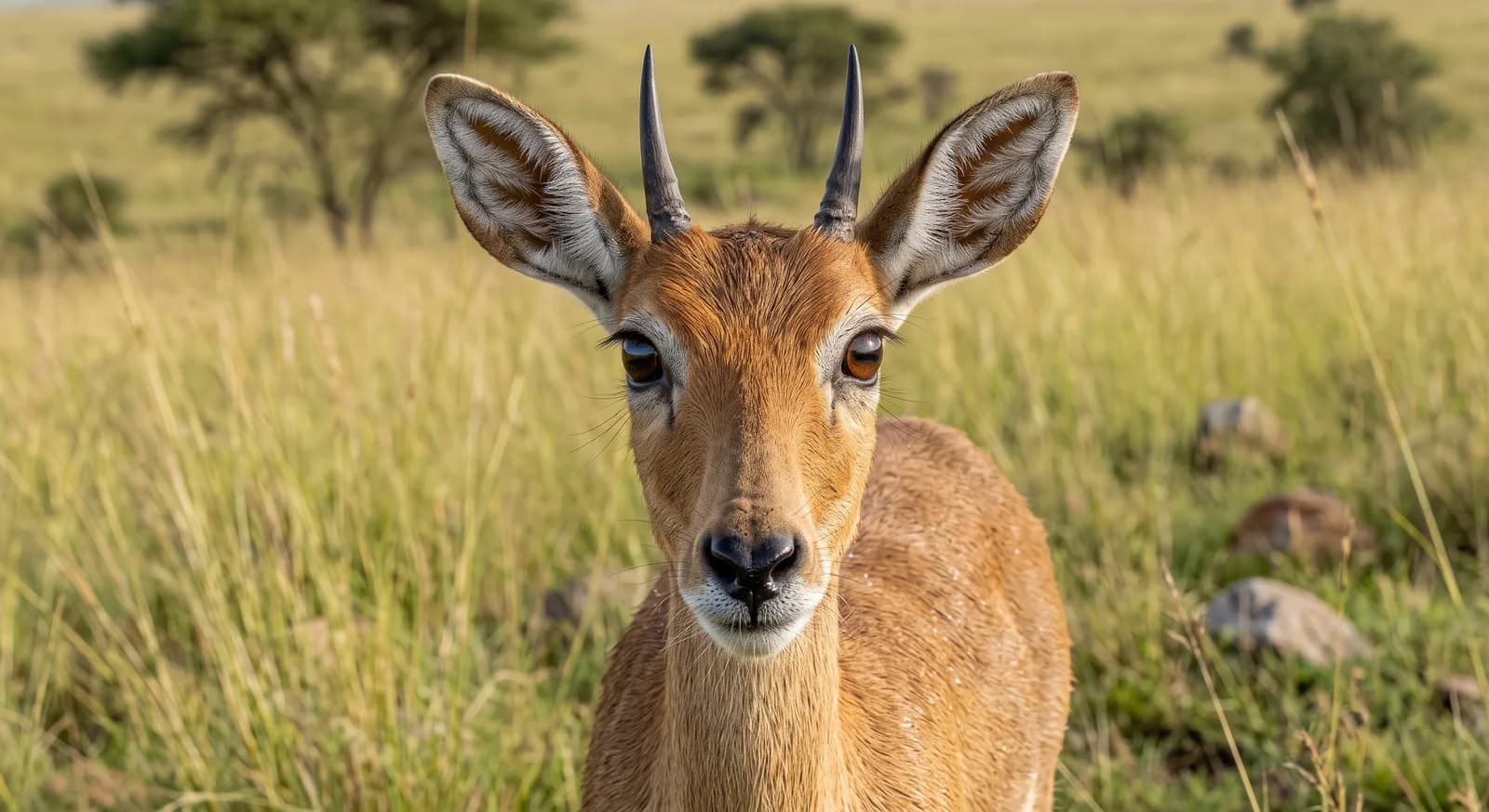
Oribi
Ourebia ourebi
 Least Concern
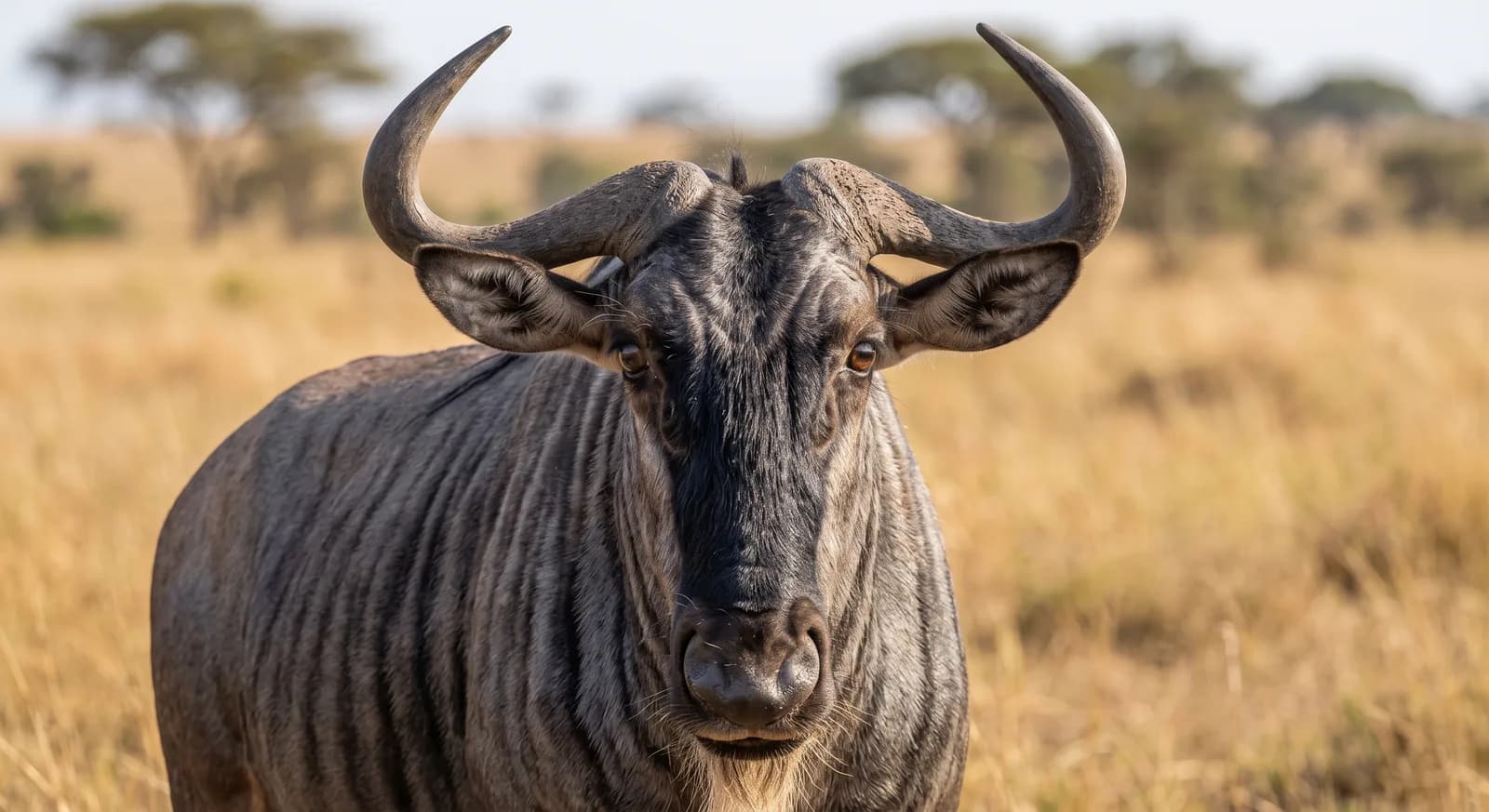
Common Wildebeest
Connochaetes taurinus
 Least Concern
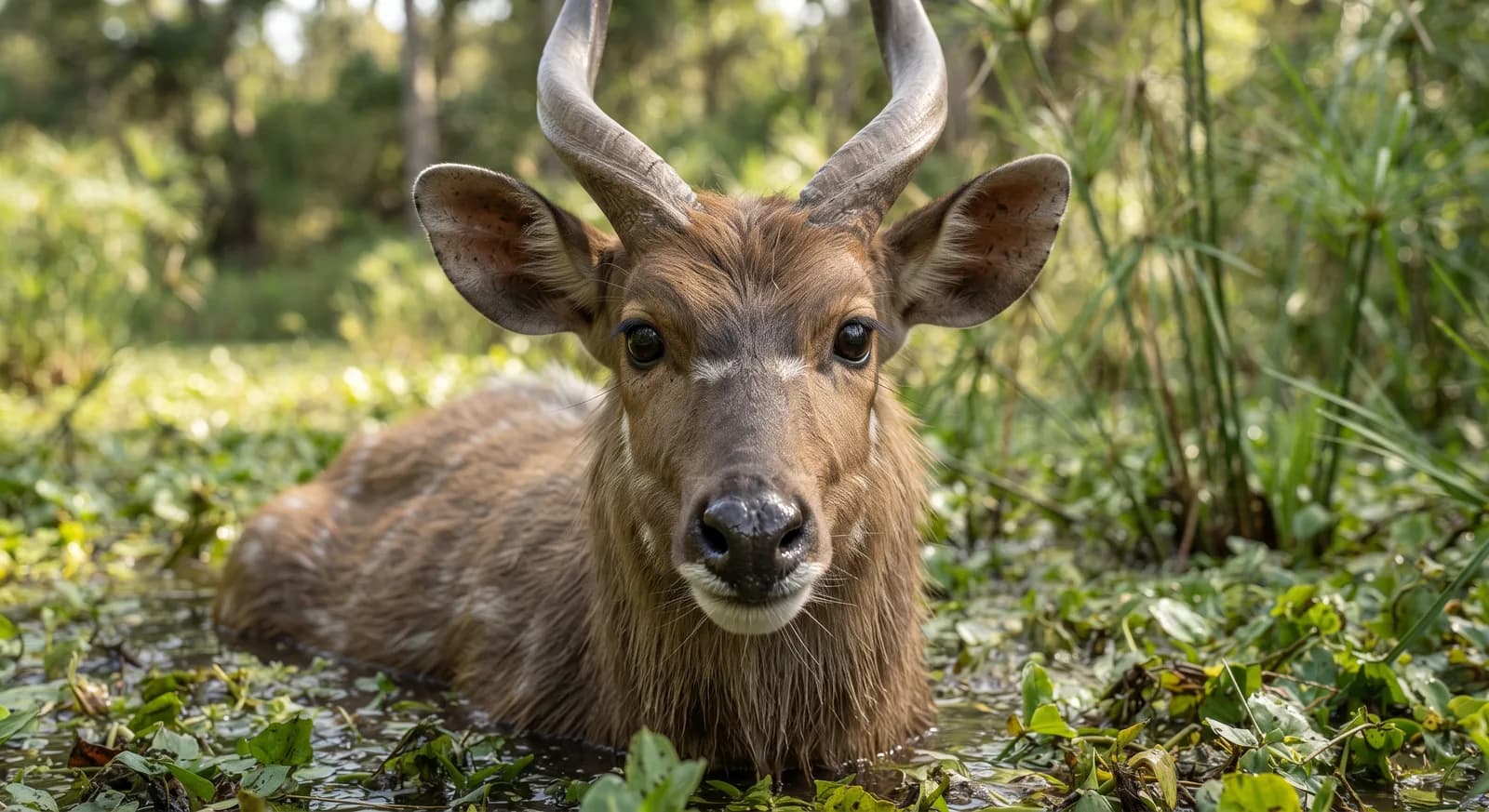
Sitatunga
Tragelaphus spekii
Roan Antelope
Hippotragus equinus
Ecological relationships
How Impala relates to other species in the catalogue.
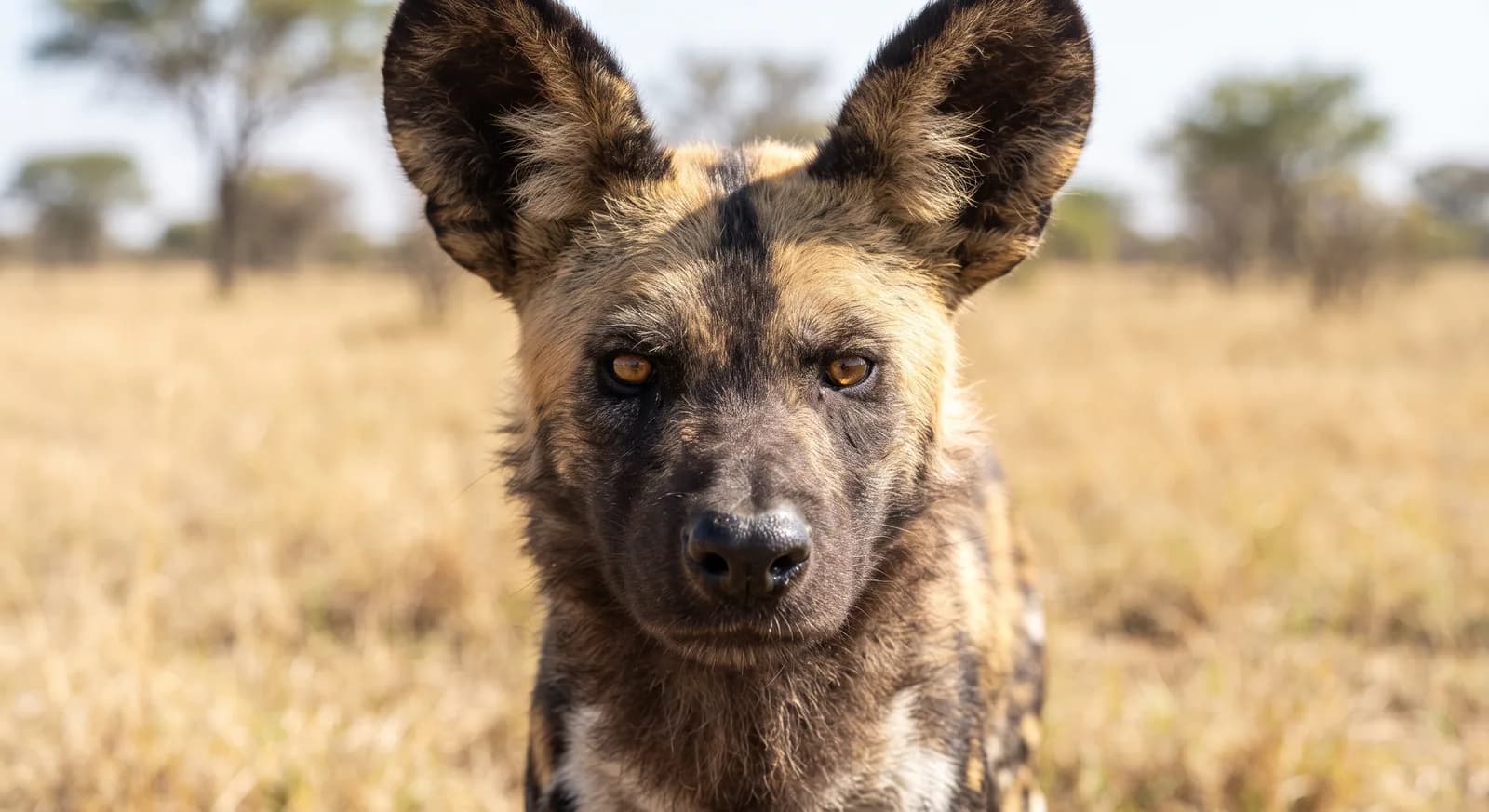 Endangered
African Wild Dog
Lycaon pictus
Keep exploring
Based on what we already know about impala.
Comments
Share an experience, a fun fact or a tip for seeing the impala.
Be the first to comment.