Zimbabwe
África
Zimbabwe sits on a central plateau of miombo woodland flanked by two great rivers: the Zambezi to the north, with the Victoria Falls and Lake Kariba, and the Limpopo to the south. In Hwange, the country's largest park, the absence of permanent surface water made it necessary to install artificial waterholes that now concentrate thousands of elephants in the dry season. Mana Pools, on the banks of the Zambezi, is a plain of apple-ring acacias and lagoons where walking among the wildlife without a vehicle is permitted, something rare in Africa. In the east, the Chimanimani and Nyanga mountains contribute cloud forest, heathland and waterfalls, and in the southwest the granite hills of Matobo form a landscape of stacked boulders with one of the highest densities of cliff-nesting raptors in the world.
The nature of Zimbabwe
National animal: The sable antelope, the country's national animal
Did you know?
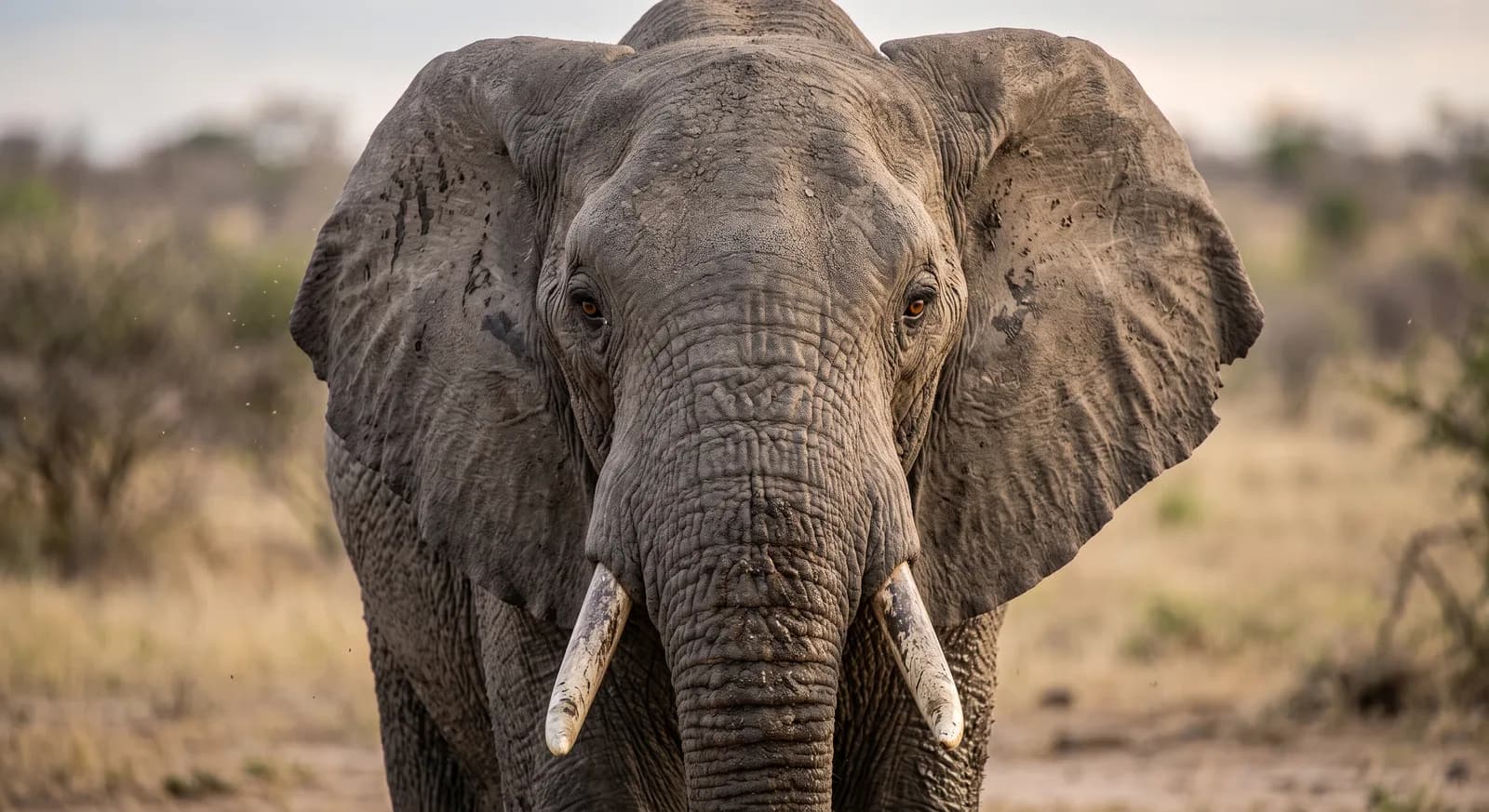
At Mana Pools, some elephants have learned to rise onto their hind legs and stretch out the trunk to reach the highest pods of the apple-ring acacias, holding their balance for several seconds with their whole mass on two legs. It is not a behaviour found throughout the species: it is passed on within the local population and has been documented in a few bulls who became famous among the park's guides.
Biodiversity profile
Climate
- •Tropical con estacion seca (Aw), moderado por la altitud de la meseta central
- •Semiarido en el suroeste (extension del Kalahari)
Main biomes
- •Bosque de miombo (savanna woodland, bioma dominante)
- •Bosque siempreverde en las tierras altas orientales (unico bosque verdadero del pais)
- •Humedales del rio Zambeze y el Lago Kariba
- •Llanura aluvial del Zambeze
- •Cerros de granito
- •Bosque de niebla de montaña
- •Sabana arbustiva
- •Embalse continental
- •Cataratas y garganta
Marine and coastal ecosystems
- •No aplica (pais sin litoral); el rio Zambeze, con las Cataratas Victoria, es el eje ecologico principal del norte del pais
Flagship wildlife
- •Elefante de sabana africano
- •Bufalo del Cabo
- •Hipopotamo (Lago Kariba, rio Zambeze)
- •Leon y leopardo (Hwange, Gonarezhou)
- •Elefante africano de sabana
- •Antílope sable
- •Águila cafre
- •León africano
- •Perro salvaje africano
- •Rinoceronte negro
- •Leopardo
- •Búfalo cafre
- •Cocodrilo del Nilo
Notable endemic species
- •Diversidad floristica y faunistica concentrada en las tierras altas orientales, unica zona de bosque verdadero del pais, con especies de aves y plantas de afinidad con las montañas Chimanimani-Nyanga compartidas con Mozambique
Notable threatened species
- •Elefante de sabana (poblacion importante en Hwange, con desafios de sobrepoblacion local en algunas zonas)
- •Rinoceronte negro (En Peligro Critico, poblaciones bajo vigilancia intensiva antifurtiva)
Notable protected areas
- •Parque Nacional Hwange (mayor parque del pais, gran poblacion de elefantes)
- •Parque Nacional Gonarezhou
- •Cataratas Victoria (Patrimonio Mundial, compartido con Zambia)
- •Parque Nacional de Hwange
- •Parque Nacional de Mana Pools
- •Parque Nacional de Gonarezhou
- •Colinas de Matobo
- •Parque Nacional de Nyanga
Main conservation threats
- •Caza furtiva de elefantes y rinocerontes
- •Sequias recurrentes que afectan al Zambeze y sus humedales asociados
- •Presion de conflicto humano-fauna en zonas colindantes a parques
Notable natural phenomena
- •Las Cataratas Victoria, en el rio Zambeze, son una de las mayores cortinas de agua en caida libre del mundo y un ecosistema de gran relevancia para aves y vida acuatica
Conservation
Matobo holds one of the highest concentrations of Verreaux's eagle on the planet, and its population has been studied continuously since the 1960s, in one of the longest raptor monitoring programmes in the world. The economic crisis has weakened the funding of the parks.
Where and when to watch wildlife
Hwange between August and October for elephants at the waterholes. Mana Pools between June and October for walking safaris. Matobo year-round for Verreaux's eagles and rhinoceroses.
Sources: IFAW - Wildlife Conservation in Zimbabwe | BioDB.com - Zimbabwe
Parks and reserves
Mana Pools
One of the few African parks where walking safaris are allowed without a compulsory armed guide, at the visitor's own risk
View parkNational ParkMatobo
It holds the grave of Cecil Rhodes, founder of the colony of Rhodesia, on the summit of a hill sacred to the Ndebele people
View parkNational ParkVictoria Falls / Mosi-oa-Tunya
The largest sheet of falling water in the world, shared between Zimbabwe and Zambia and more than a kilometre and a half wide.
View parkNational ParkGonarezhou
Its name means place of the elephants in Shona; the red sandstone Chilojo Cliffs are among the most spectacular landscapes in Zimbabwe
View parkNational ParkHwange
Zimbabwe's largest national park; it holds one of the greatest elephant populations in Africa
View parkNational ParkNyanga
Zimbabwe's first national park, in the eastern highlands, with the country's highest peak.
View parkPaíses similares
¿A dónde más podría interesarme viajar?
Misma región: África Austral
Misma región: África Austral
Misma región: África Austral
Misma región: África Austral
Especies documentadas en Zimbabwe
189 species found
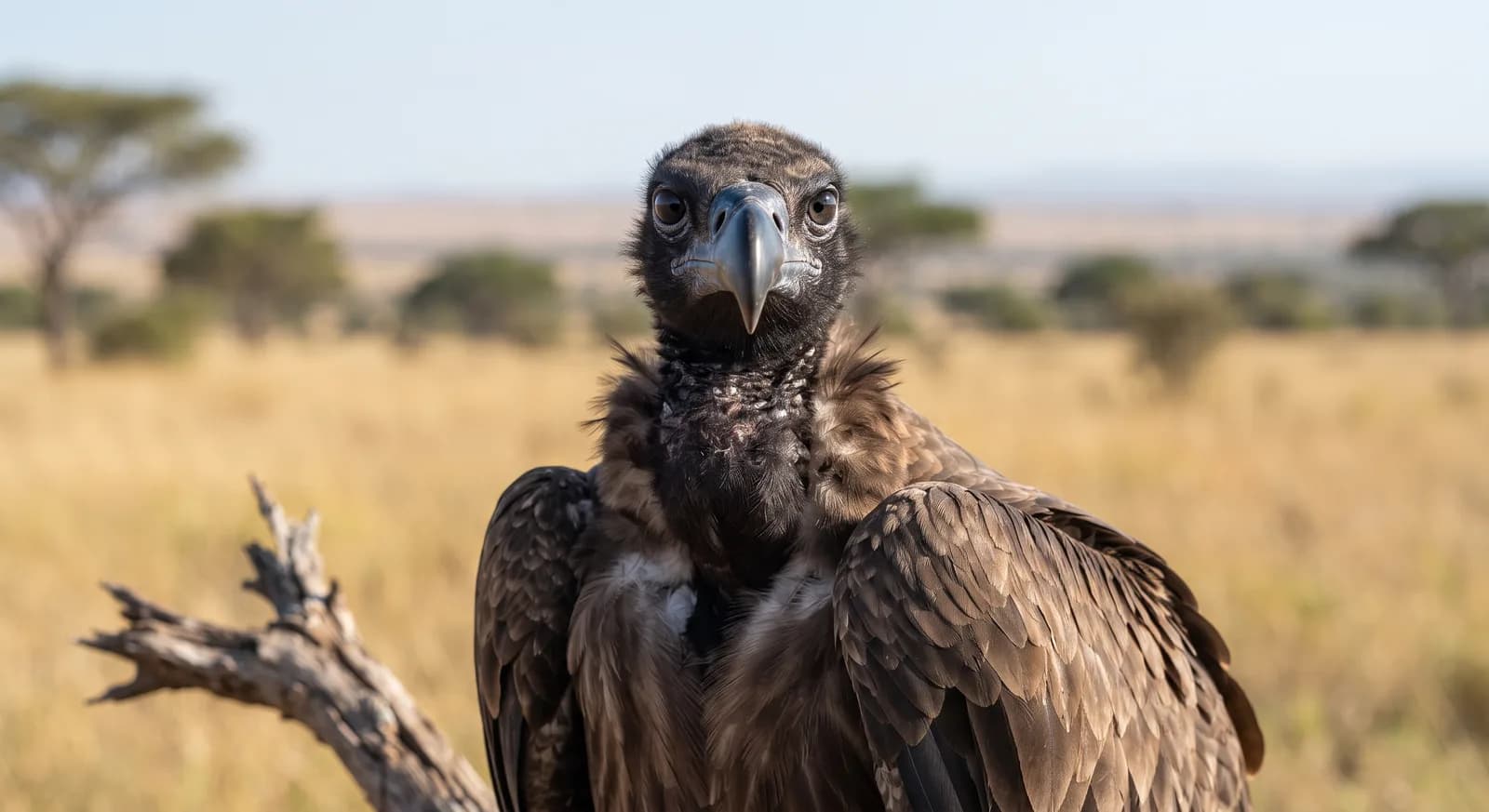 Critically Endangered
White-backed Vulture
Gyps africanus
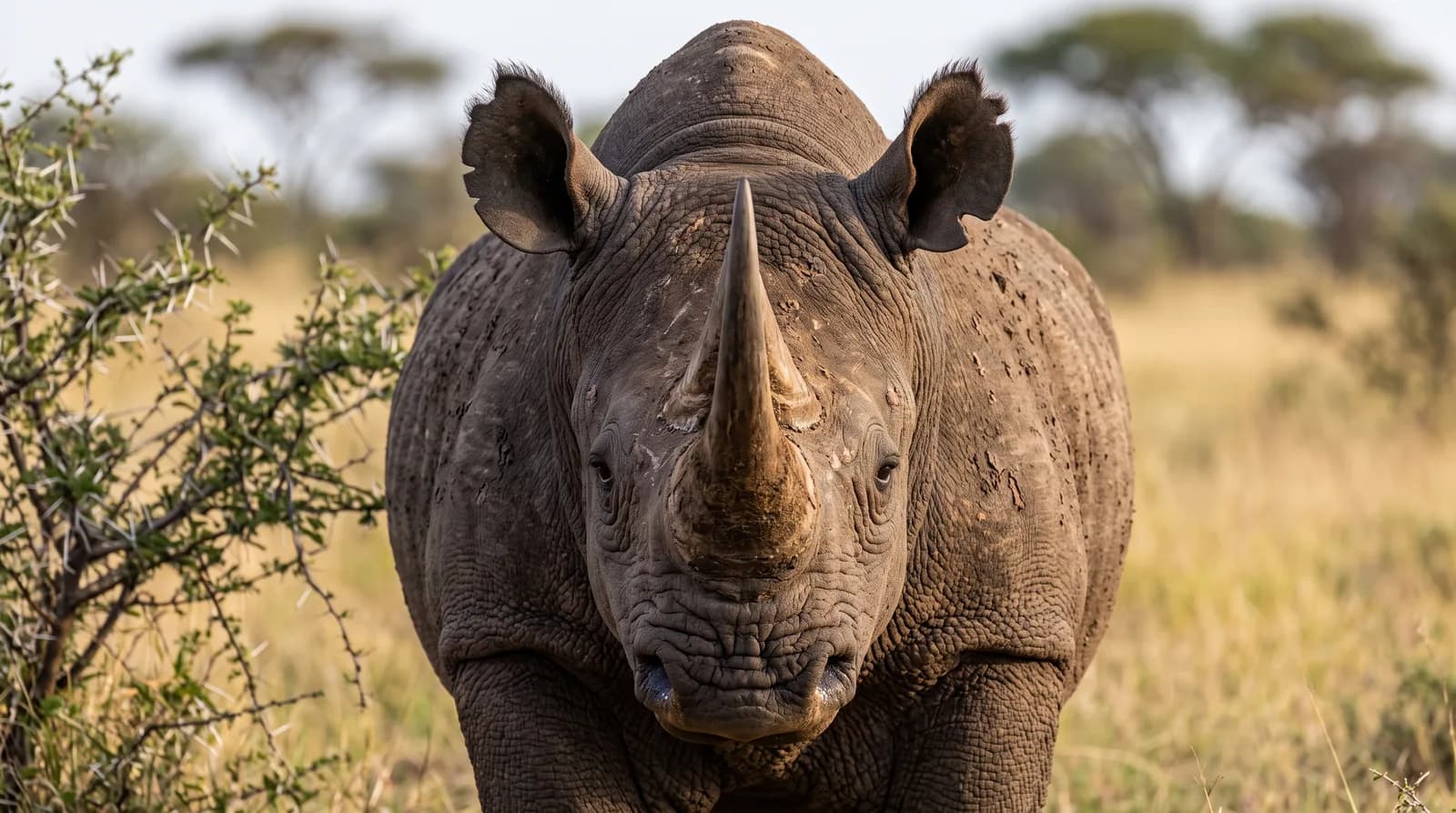 Critically Endangered
Black Rhinoceros
Diceros bicornis
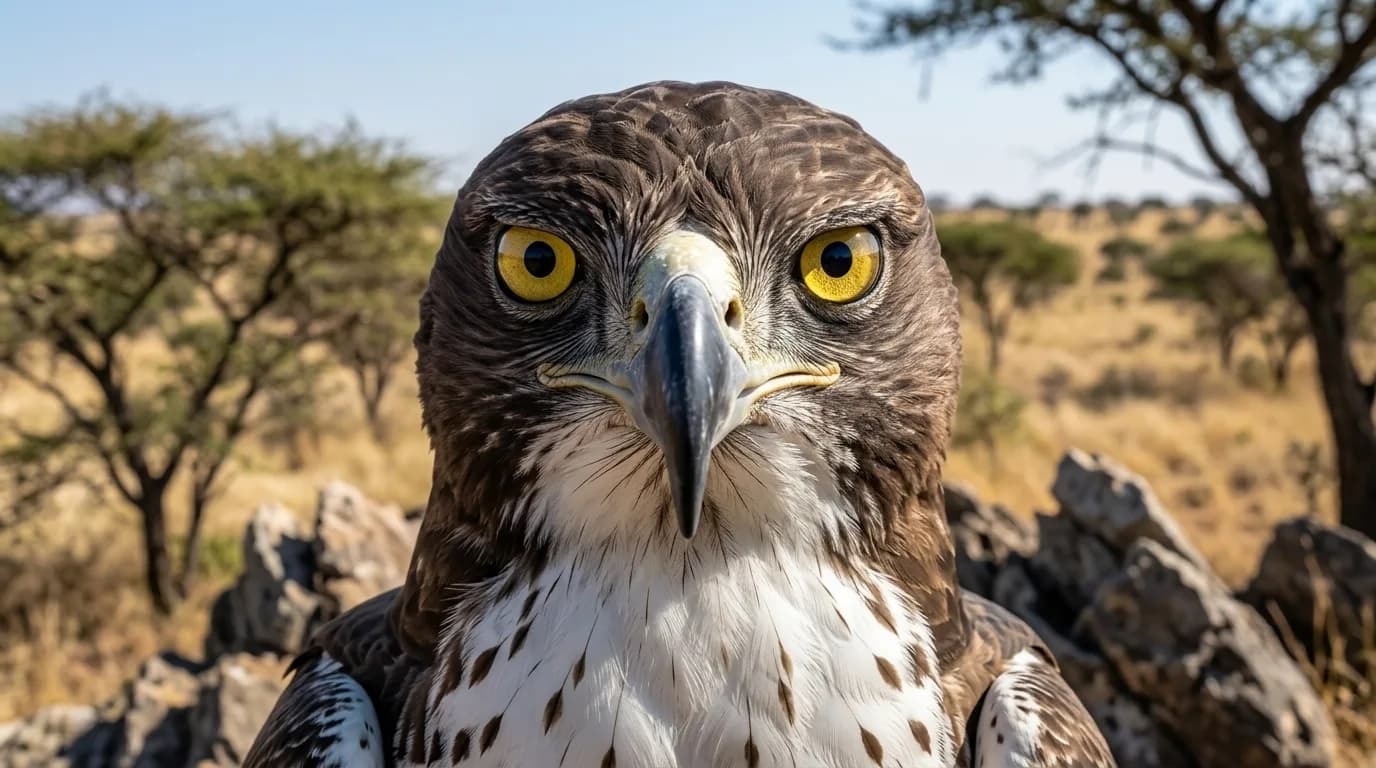 Endangered
Martial Eagle
Polemaetus bellicosus
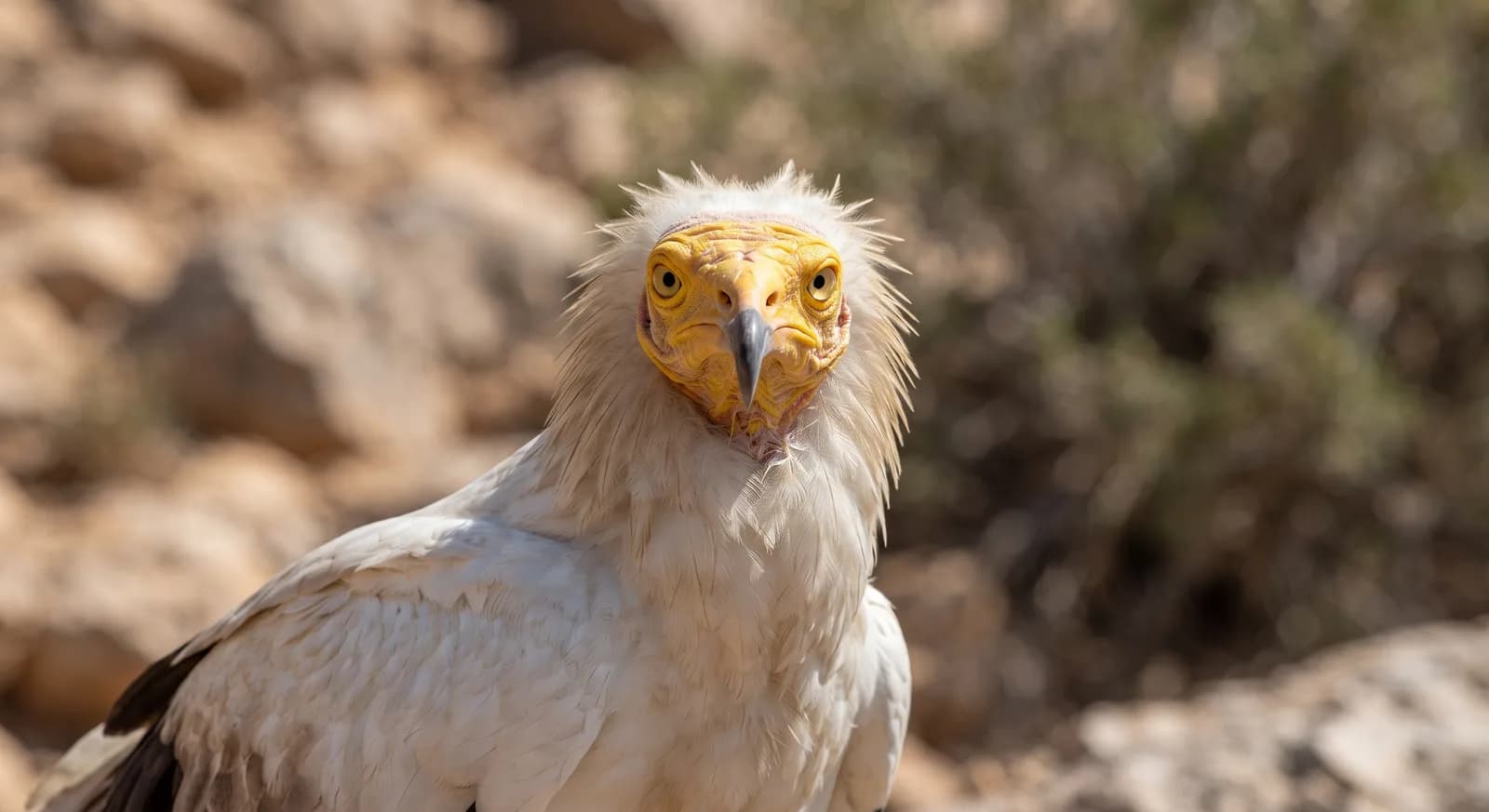 Endangered
Egyptian Vulture
Neophron percnopterus
 Endangered
African Savanna Elephant
Loxodonta africana
 Endangered
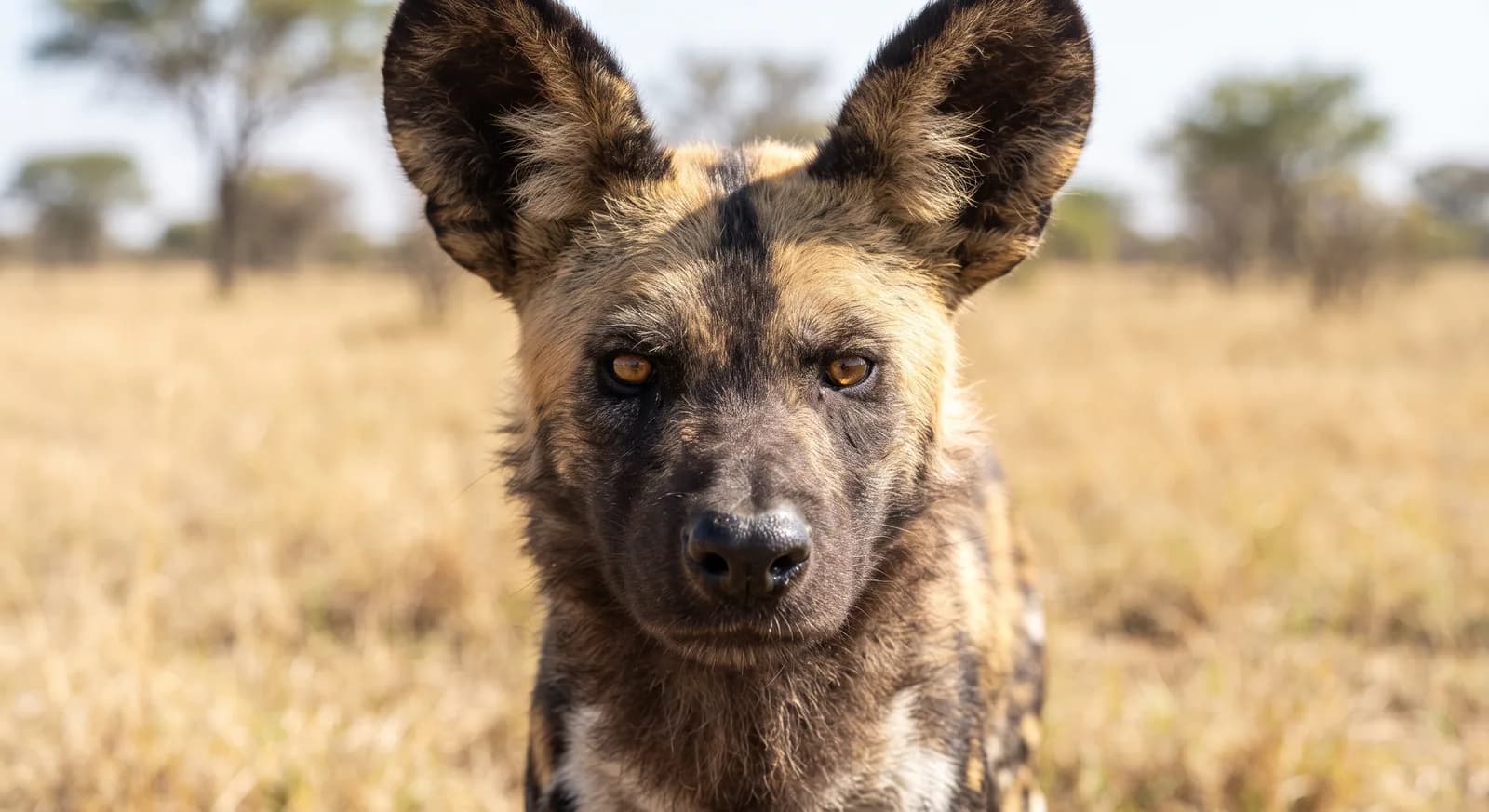
African Wild Dog
Lycaon pictus
 Vulnerable
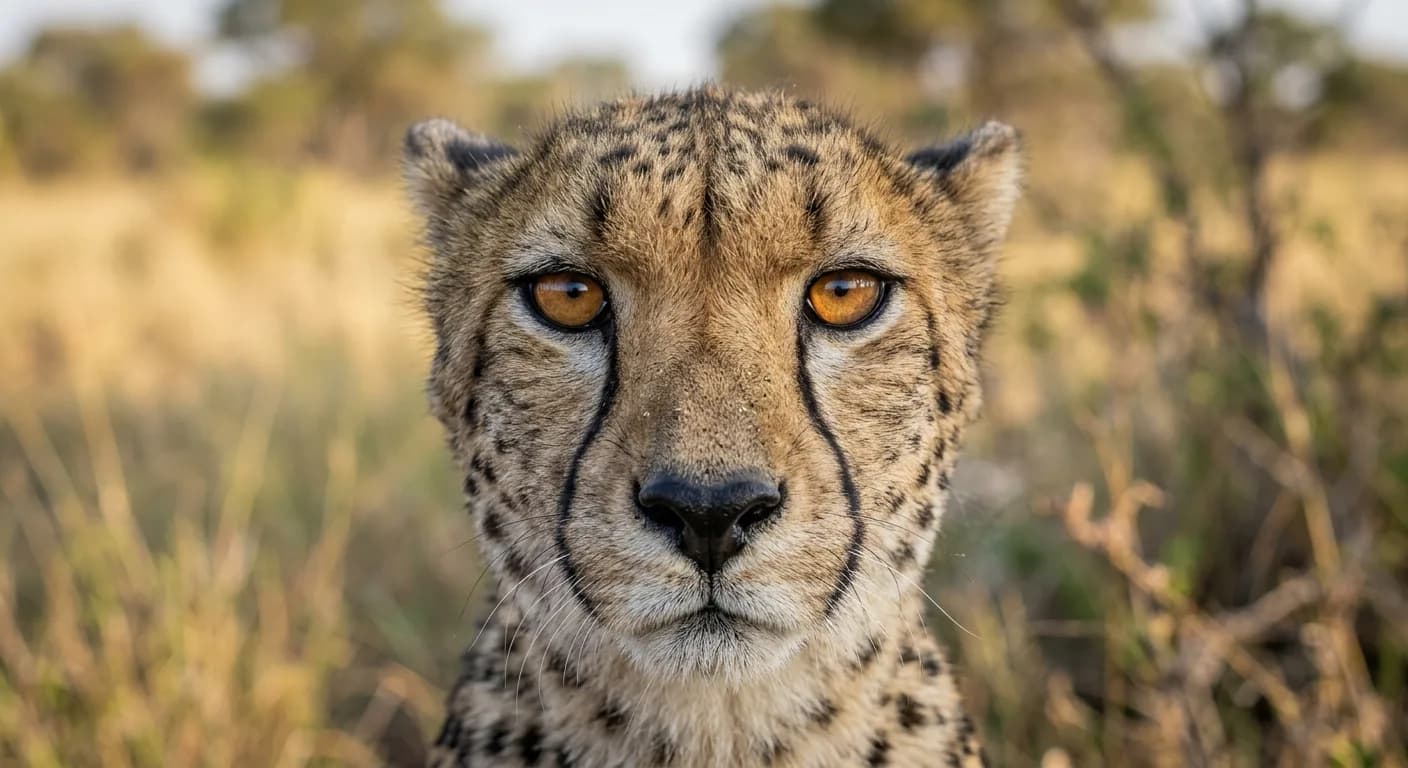
Cheetah
Acinonyx jubatus
 Vulnerable
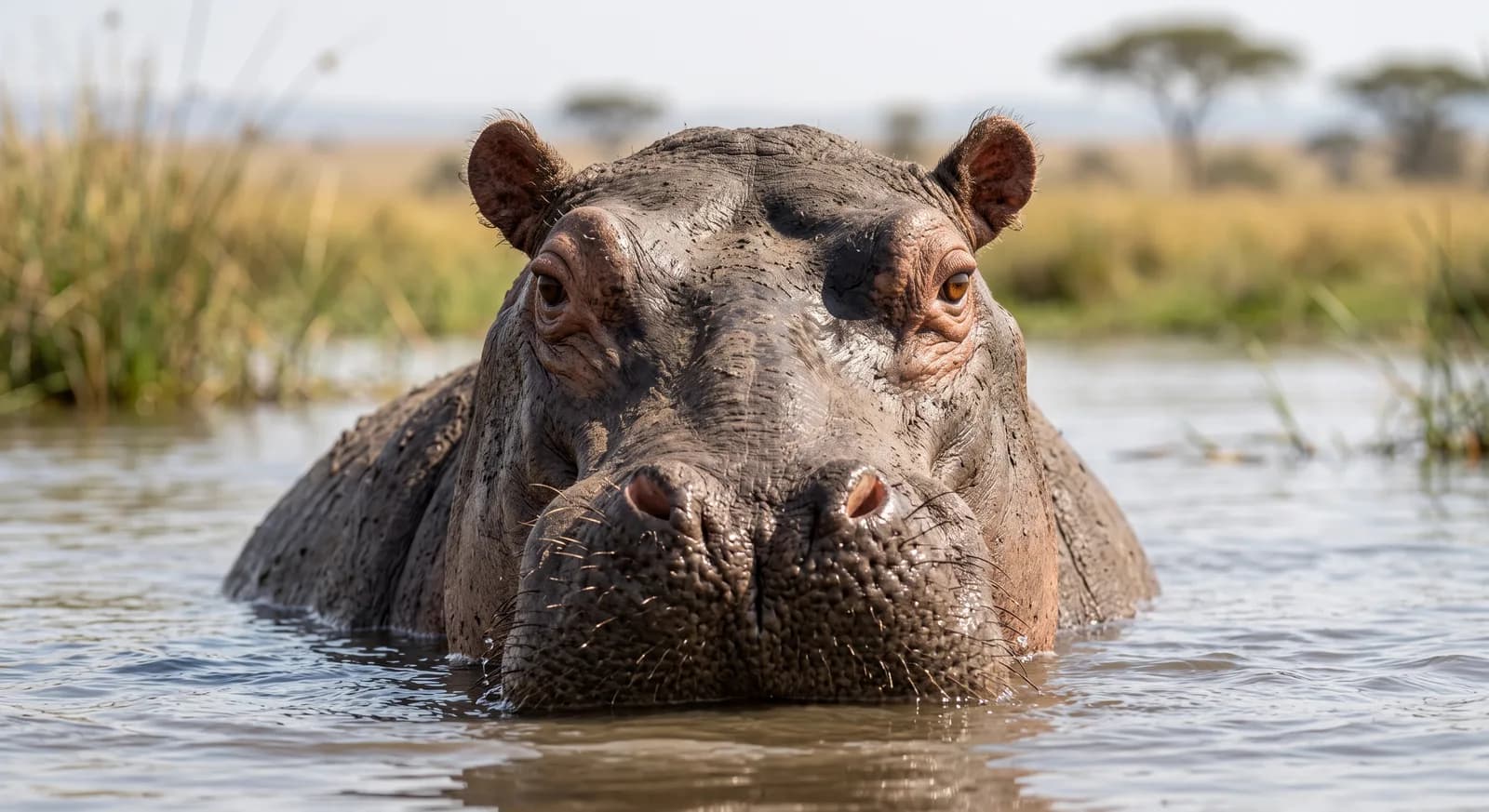
Common Hippopotamus
Hippopotamus amphibius
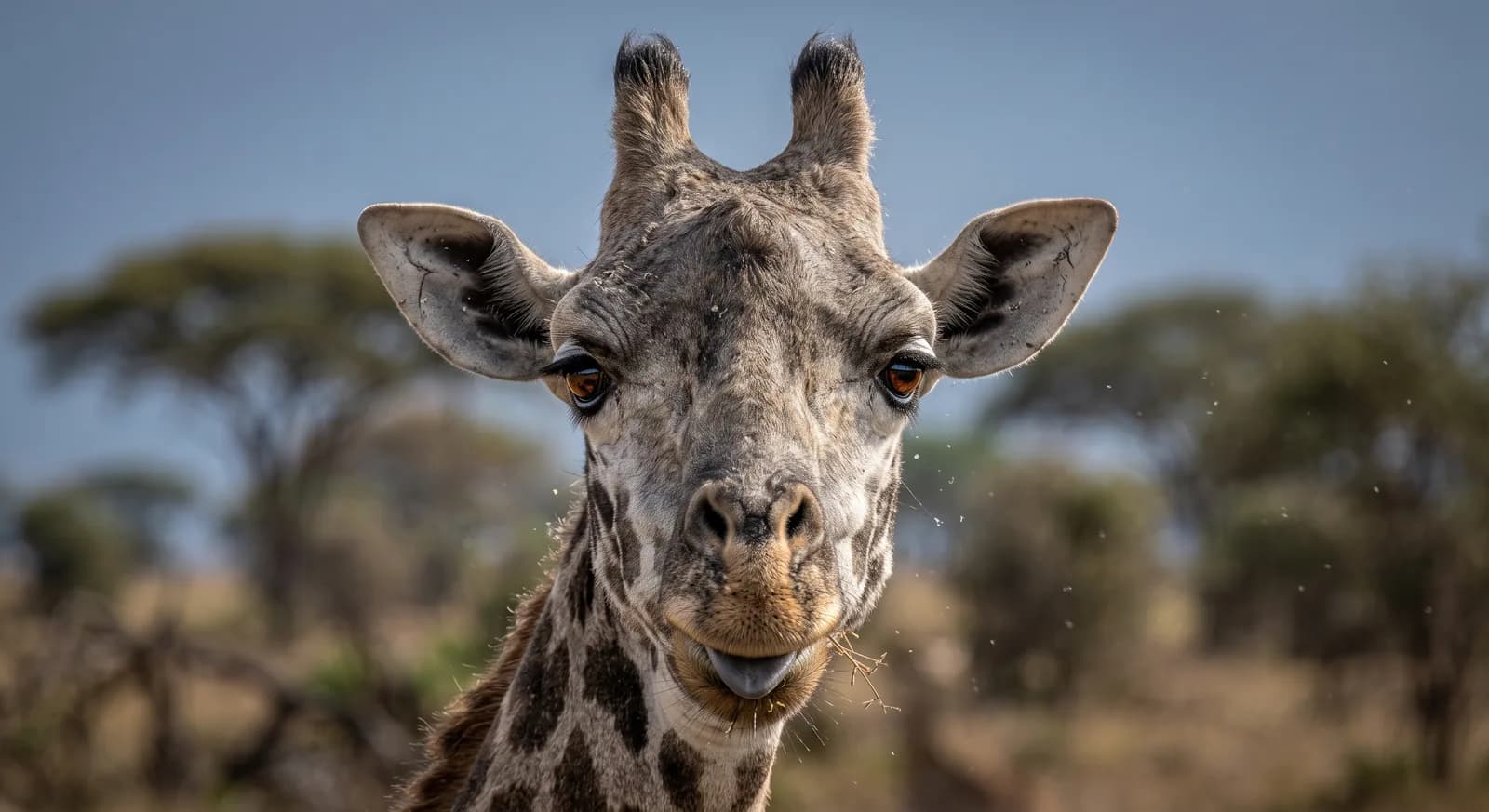 Vulnerable
Giraffe
Giraffa camelopardalis
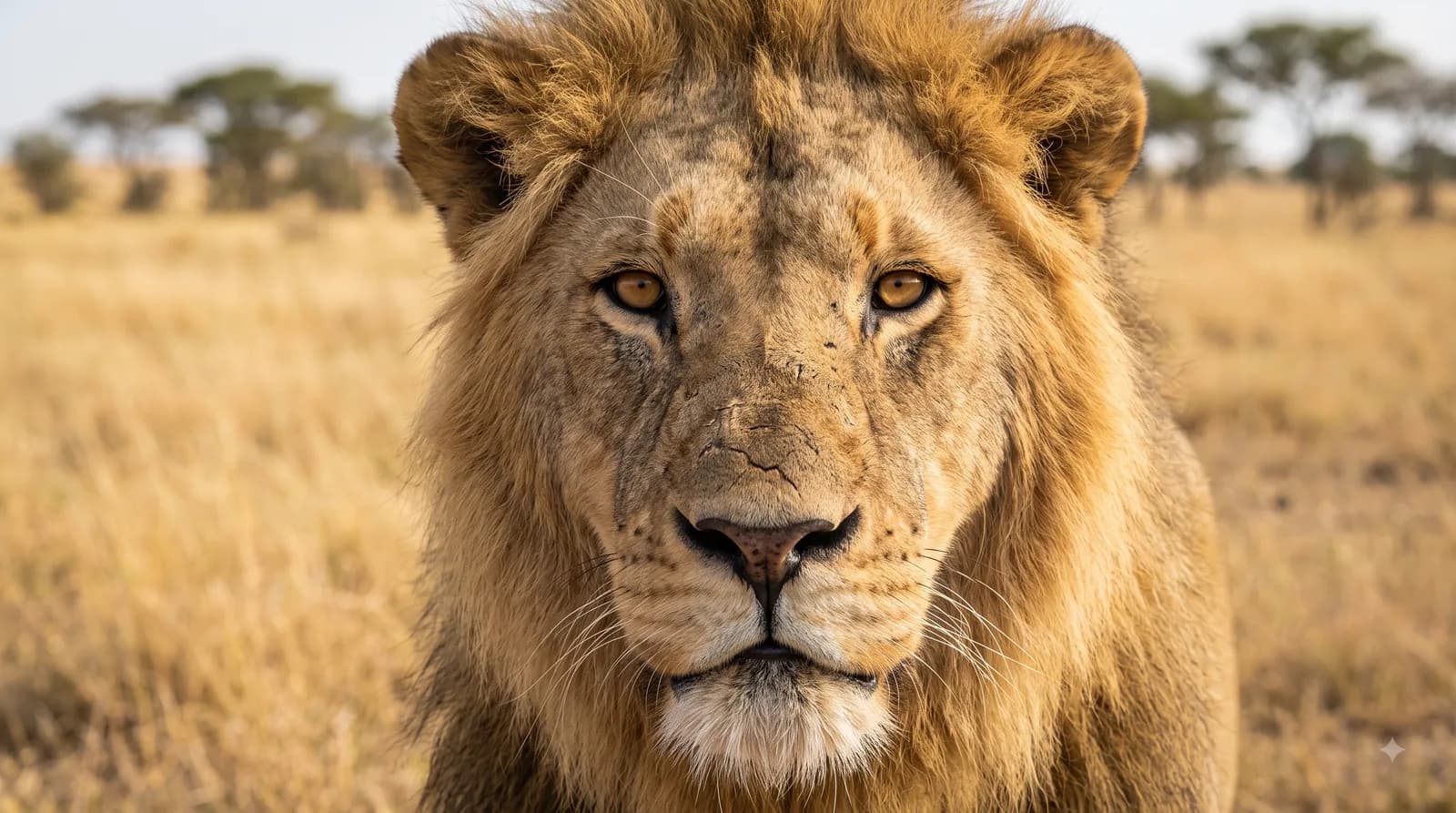 Vulnerable
Lion
Panthera leo
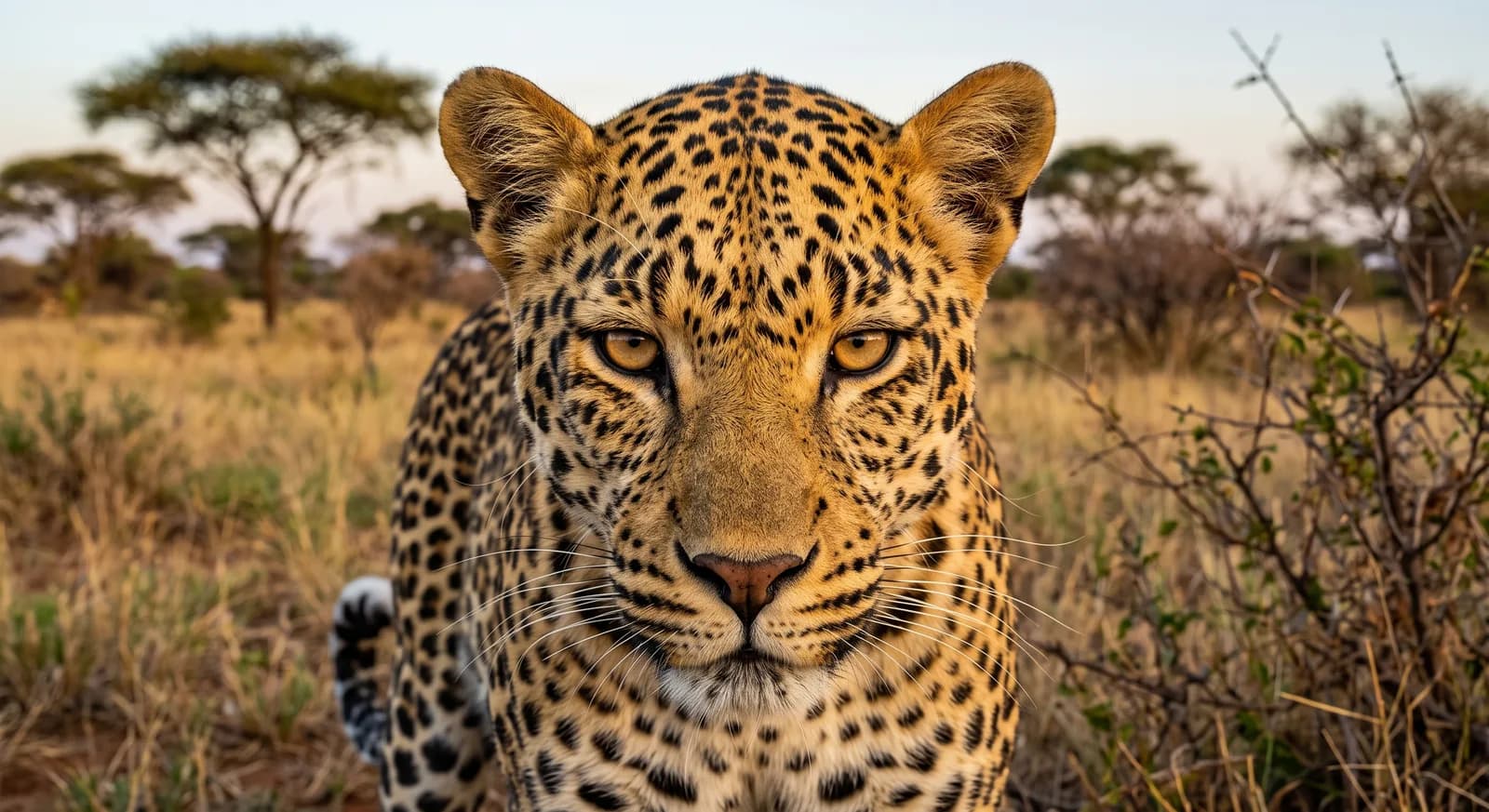 Vulnerable
Leopard
Panthera pardus
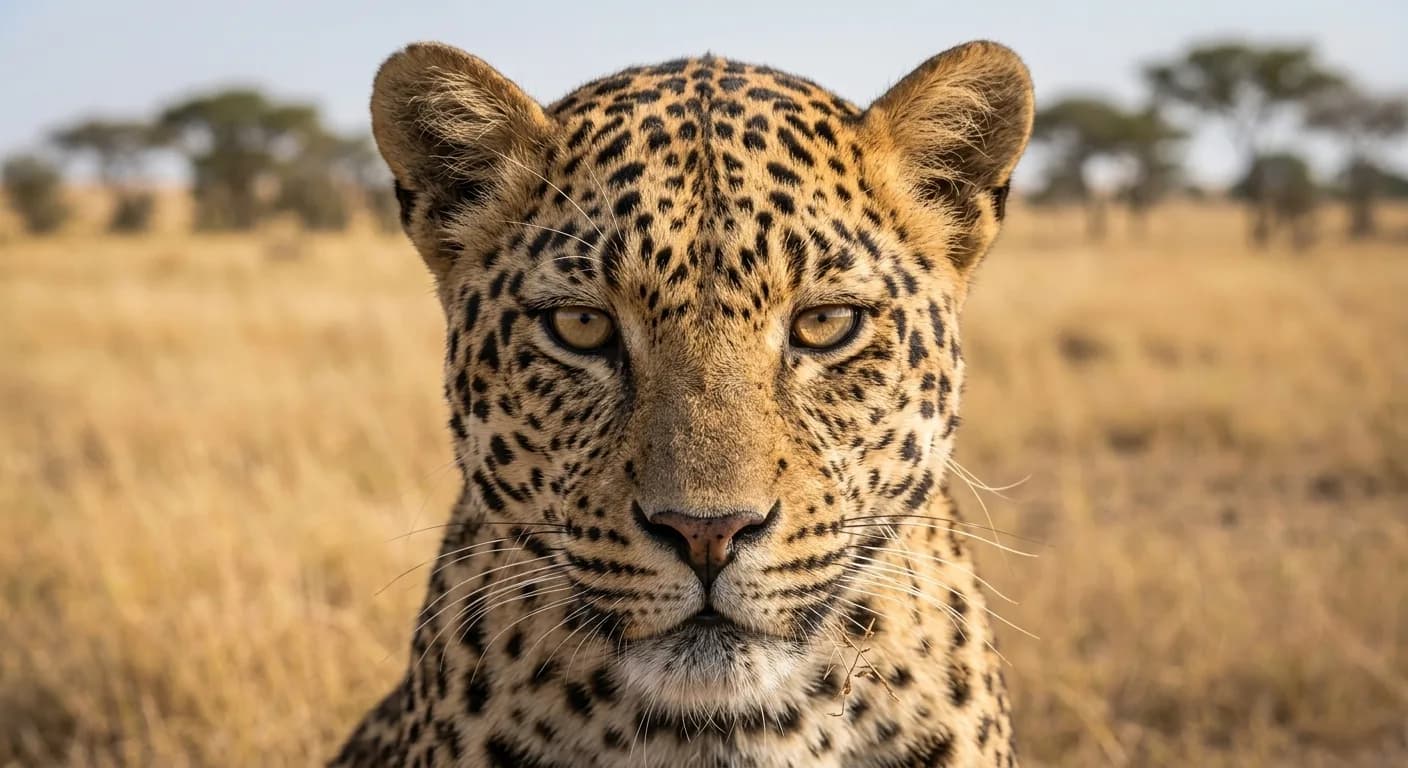 Vulnerable
African Leopard
Panthera pardus pardus
Keep exploring
Based on what we already know about Zimbabwe.