A karst valley of mogotes, isolated limestone hills, farmed by the original method of Cuban tobacco
Area
132 km²
Declared in
1999
Region
Caribbean
Climate
Tropical
Highlight
A karst valley of mogotes, isolated limestone hills, farmed by the original method of Cuban tobacco
Declared a national park in 1999 and a UNESCO World Heritage Site the same year as a cultural landscape, the Viñales valley combines an exceptional karst landscape of mogotes — isolated limestone hills with sheer walls, the remains of an old plateau worn down over millions of years — with a traditional farming system all but unchanged since the 19th century, where Cuban tobacco is still grown and cured by craft techniques handed down through the generations, including drying in the characteristic tobacco barns and ploughing with oxen rather than machinery.
Location
See on the interactive map3 dive sites within 300 km are also shown.
11 species documented in Viñales
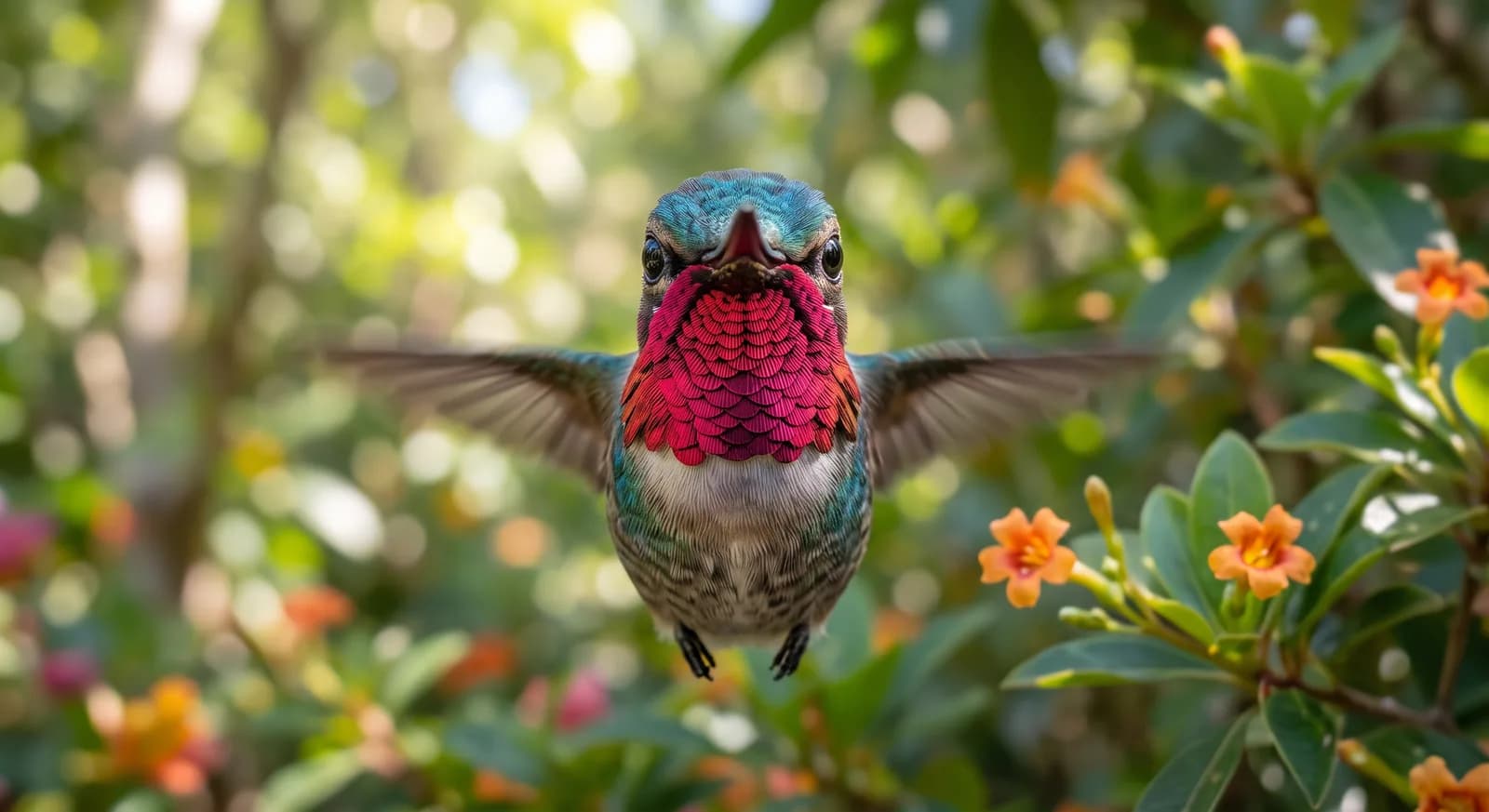
Endemic to Cuba:Zunzuncito (colibrí abeja)
Tocororo cubano
Priotelus temnurus
 Near Threatened
Zunzuncito (colibrí abeja)
Mellisuga helenae
Boa cubana
Chilabothrus angulifer
Cotorra cubana
Amazona leucocephala
Jutía conga
Capromys pilorides
Zunzún
Chlorostilbon ricordii
Anolis pardo
Anolis sagrei
Anolis verde
Anolis carolinensis
Murciélago frutero jamaicano
Artibeus jamaicensis
Murciélago pescador mayor
Noctilio leporinus
Rana arborícola cubana
Osteopilus septentrionalis
Flora and ecosystems
Ecosystems found in Cuba, where Viñales lies.
Experiences in this park
Nearby dive sites
Where can I dive near here?
Similar parks
Which other parks are like this one?
Keep exploring
Based on what we already know about Viñales.
Your rating
How many stars would you give Viñales?
Comments
Share your experience visiting Viñales, or a tip for other travellers.
Be the first to comment.