Birds · Apodiformes · Trochilidae
Cuban Emerald
Chlorostilbon ricordii
The species is abundant and widely distributed; it faces no significant short-term risk. See full glossary
The Cuban emerald is the commonest hummingbird in Cuba, an intense metallic green with a forked tail and a red bill tipped with black. It shares the island with the bee hummingbird, the smallest bird in the world, and is markedly larger than it. It aggressively defends the flowering shrubs in its territory, driving off other hummingbirds and bees. Its Spanish name is onomatopoeic, after the hum of its wings.
Weight
4 g – 6 g
Size
10 cm – 11 cm
Lifespan
7 years
Diet
Nectarivore
Feeds mainly on flower nectar.
Activity
Diurnal
Active mainly during the day.
Social structure
Solitary
Lives and hunts alone, joining others only to breed.
Sighting difficulty
Easy
Fun facts
- Its Spanish name imitates the hum of its wings, which beat some fifty times a second: in Cuba both the zunzún and the zunzuncito are named after that sound.
- It is extraordinarily territorial for its size: it drives hummingbirds, bees and even birds much larger than itself away from its flowers.
- Its nest is a tiny cup of lichen and spider silk, the size of a walnut, fixed to a slender branch and camouflaged until it is indistinguishable from a knot in the wood.
Life cycle & biology
- Skeleton type
- Vertebrate - internal bony skeleton (bird)
- Habitat & environment
- Woodland, scrub, coffee plantations and gardens of Cuba and the Bahamas
- Sexual maturity
- 12 months
- Gestation / incubation
- 15 days of incubation
- Litter / clutch size
- 2 eggs
Sources consulted: https://www.iucnredlist.org/ | https://animaldiversity.org/ | https://es.wikipedia.org/
Where to watch it
Parks and dive sites where this species has been documented.
Related species
Other species in the catalogue with the most in common with Cuban Emerald — same habitat, park, country, tags or family.
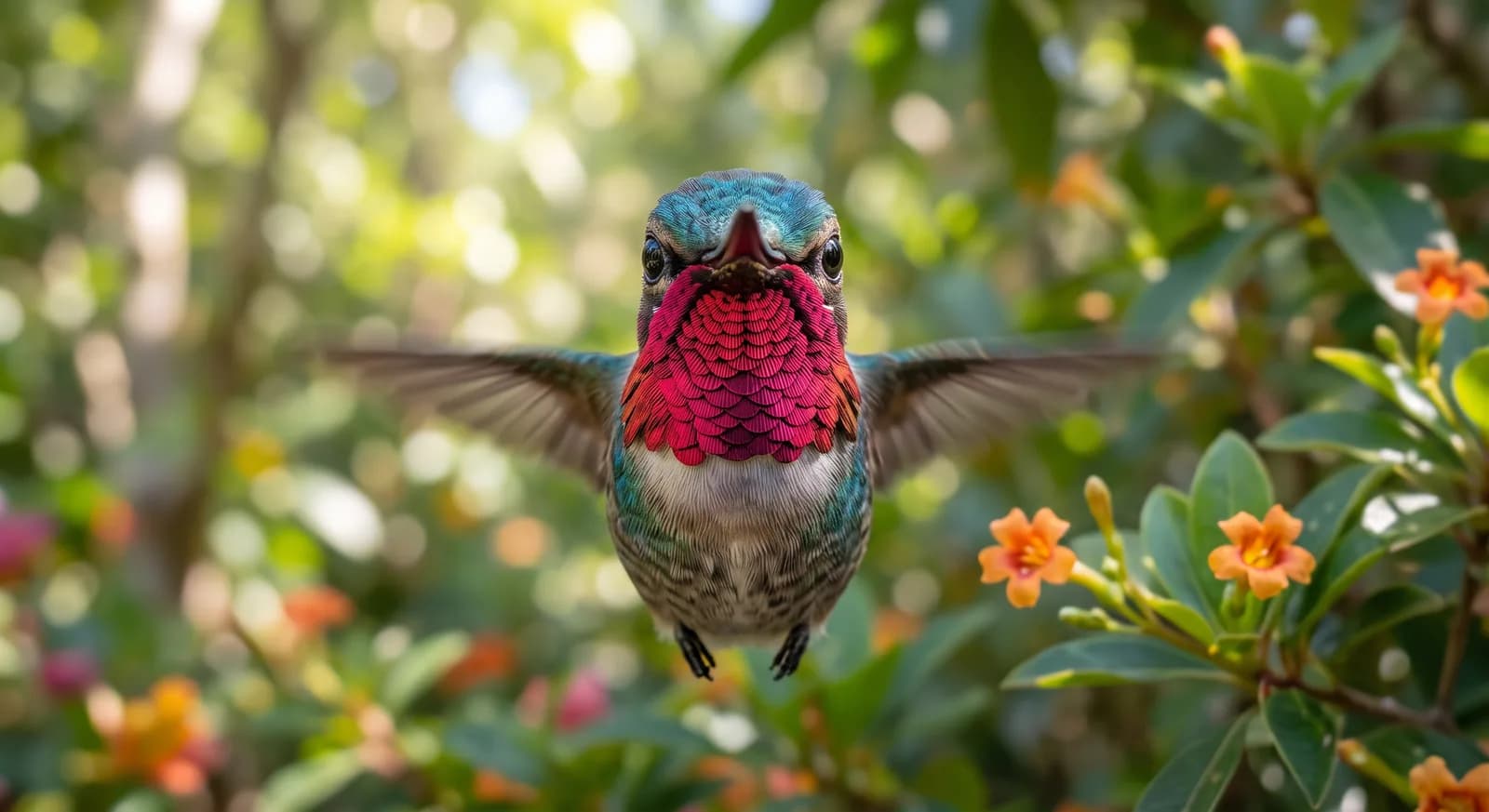 Near Threatened
Bee Hummingbird
Mellisuga helenae
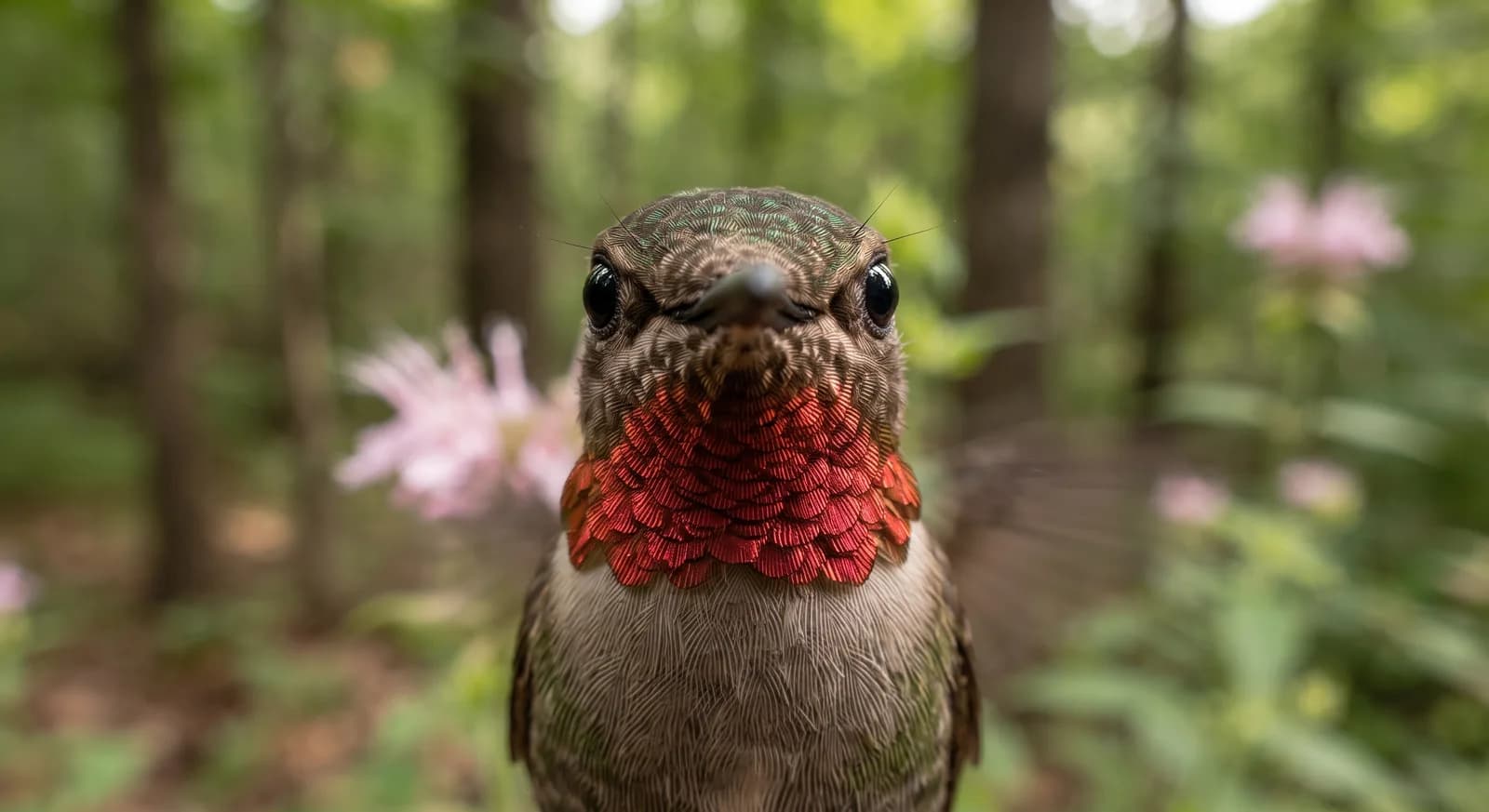 Least Concern
Ruby-Throated Hummingbird
Archilochus colubris
Cuban Brown Anole
Anolis sagrei
Cuban Treefrog
Osteopilus septentrionalis
Cuban Trogon
Priotelus temnurus
Cuban Boa
Chilabothrus angulifer
Keep exploring
Based on what we already know about cuban emerald.
Comments
Share an experience, a fun fact or a tip for seeing the cuban emerald.
Be the first to comment.