One of the 10 boas on WAnimals
Reptiles · Squamata · Boidae
Cuban Boa
Chilabothrus angulifer
It could become endangered in the near future if current threats go unchecked. See full glossary
The Cuban boa, or majá de Santa María, is the largest snake in the Caribbean and the largest native land predator in Cuba. It hunts bats at cave entrances, hanging from the roof and catching them in flight. In 2017 the first known case of cooperative hunting in snakes was documented in this species.
Weight
10 kg – 30 kg
Size
3 m – 4.8 m
Lifespan
30 years
Diet
Carnivore
Feeds mainly on other animals.
Activity
Nocturnal
Active mainly at night.
Social structure
Solitary
Lives and hunts alone, joining others only to breed.
Sighting difficulty
Moderate
Fun facts
- It is the only snake in the world in which cooperative hunting has been documented: several individuals position themselves in coordination at a cave mouth, forming a barrier with their bodies, and catch more bats than they would hunting separately.
- It hunts hanging from the cave roof by its tail alone, snatching bats in flight in the half-light of dusk.
- It is the largest native land predator in Cuba: on an island without large carnivores, this boa fills the place a cat or a dog would take on the mainland.
Life cycle & biology
- Skeleton type
- Vertebrate - internal bony skeleton (reptile)
- Habitat & environment
- Dry forest, karst scrub, caves and farmland of Cuba and the Isla de la Juventud
- Sexual maturity
- 4 years
- Gestation / incubation
- 6 months of gestation
- Litter / clutch size
- 15 live young
Sources consulted: https://es.wikipedia.org/wiki/Chilabothrus_angulifer
Where to watch it
Parks and dive sites where this species has been documented.
Related species
Other species in the catalogue with the most in common with Cuban Boa — same habitat, park, country, tags or family.
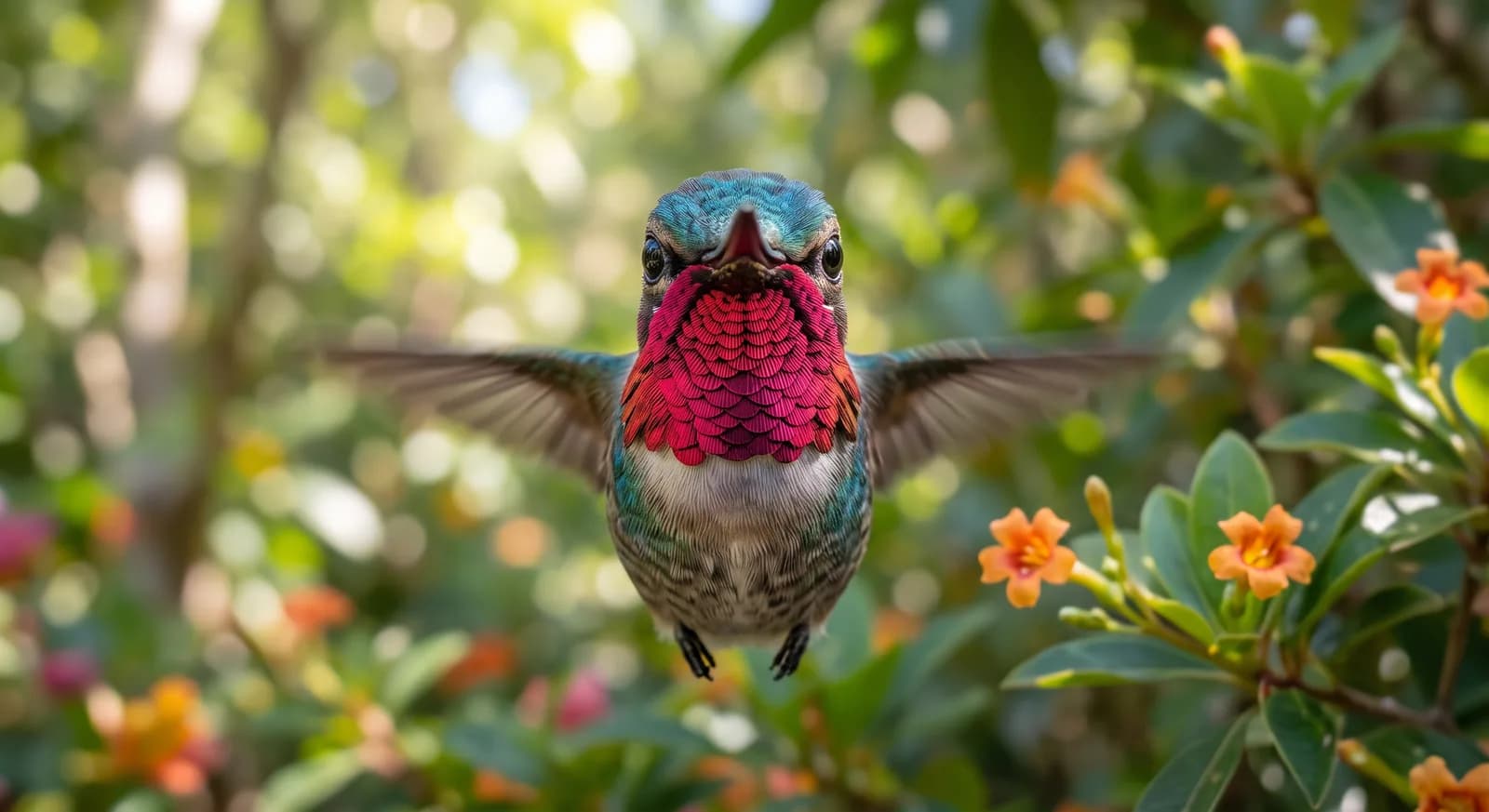 Near Threatened
Bee Hummingbird
Mellisuga helenae
Cuban Amazon
Amazona leucocephala
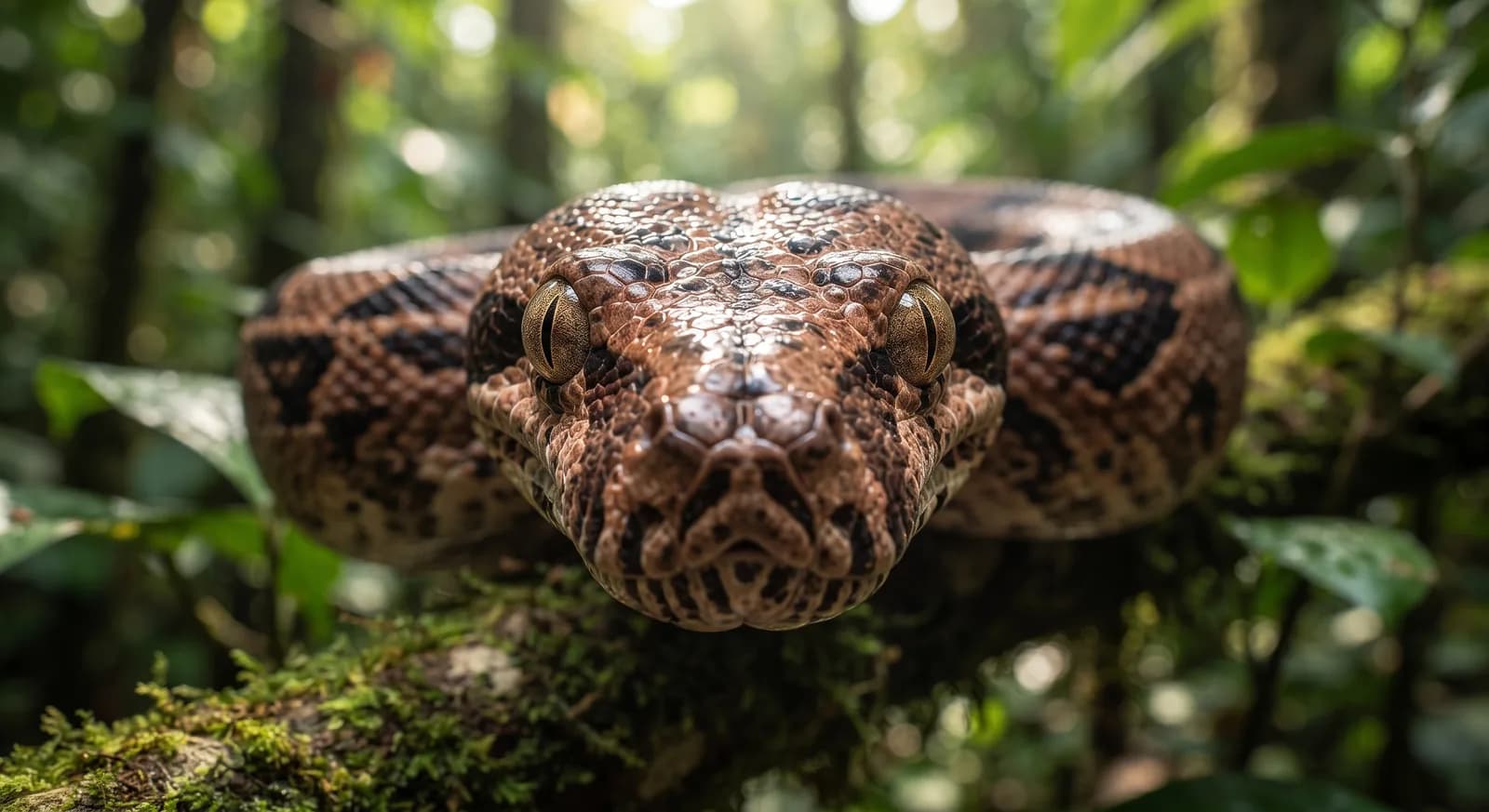 Not Evaluated
Red-tailed Boa
Boa constrictor
Cuban Brown Anole
Anolis sagrei
Cuban Treefrog
Osteopilus septentrionalis
Cuban Emerald
Chlorostilbon ricordii
Keep exploring
Based on what we already know about cuban boa.
Comments
Share an experience, a fun fact or a tip for seeing the cuban boa.
Be the first to comment.