One of the 11 cranes on WAnimals
Birds · Gruiformes · Gruidae
Grey Crowned Crane
Balearica regulorum
It faces a very high risk of extinction in the wild in the near future. See full glossary
It is the national bird of Uganda, appearing on its flag and coat of arms. It is one of only two cranes in the world able to perch in trees.
Weight
3 kg – 5 kg
Size
1 m – 1.2 m
Lifespan
22 years
Diet
Omnivore
Combines animal and plant food depending on availability.
Activity
Diurnal
Active mainly during the day.
Social structure
In pairs
Usually lives in pairs, sometimes for life.
Sighting difficulty
Hard
Estimated population
Some 30,000-37,000 individuals (a steep decline from over 100,000 in 1985)
Fun facts
- It is the national bird of Uganda, appearing on its flag and coat of arms.
- It is one of only two cranes in the world able to perch in trees.
- Its population has fallen from more than 100,000 birds in 1985 to some 30,000 to 37,000 today.
- reproducciónIt has a crest of golden feathers on its head and performs elaborate courtship dances, the pair leaping and bowing in unison.
Life cycle & biology
- Skeleton type
- Vertebrate - pneumatised bony skeleton (bird)
- Habitat & environment
- Wetlands, savannah and grassland of eastern and southern Africa, often near water
- Birth weight
- Exact weight at hatching not found as a precise figure
- Size at birth
- Precocial, able to run soon after hatching
- Sexual maturity
- 3-5 years
- Gestation / incubation
- 27-31 days
- Litter / clutch size
- 2 to 5 eggs per clutch
- Lifespan in captivity
- Documented record of up to 30 years in captivity
Sources consulted: Animal Diversity Web; Palm Oil Detectives; Chipangali Wildlife Orphanage; AnAge (genomics.senescence.info); Animalia.bio; Wikipedia (Grey crowned crane); PMC (drone monitoring study, reintroduction study); BirdLife International / IUCN Red List: la especie fue recatalogada sucesivamente de Preocupación menor a Vulnerable y después a En peligro por su rápido declive, ligado a la pérdida de humedales y a la captura para comercio || BirdLife International, ficha de Balearica regulorum
Where to find it
See its range on the interactive mapBest time: All year round in the savannahs and wetlands of eastern and southern Africa, as it is resident; the courtship display, with leaps and outspread wings, is concentrated in the wet season, when it nests
Where to watch it
Parques y spots de buceo donde se ha documentado esta especie — se muestran 10 de 32 documentados.
Related species
Other species in the catalogue with the most in common with Grey Crowned Crane — same habitat, park, country, tags or family.
Wattled Crane
Bugeranus carunculatus
Secretarybird
Sagittarius serpentarius
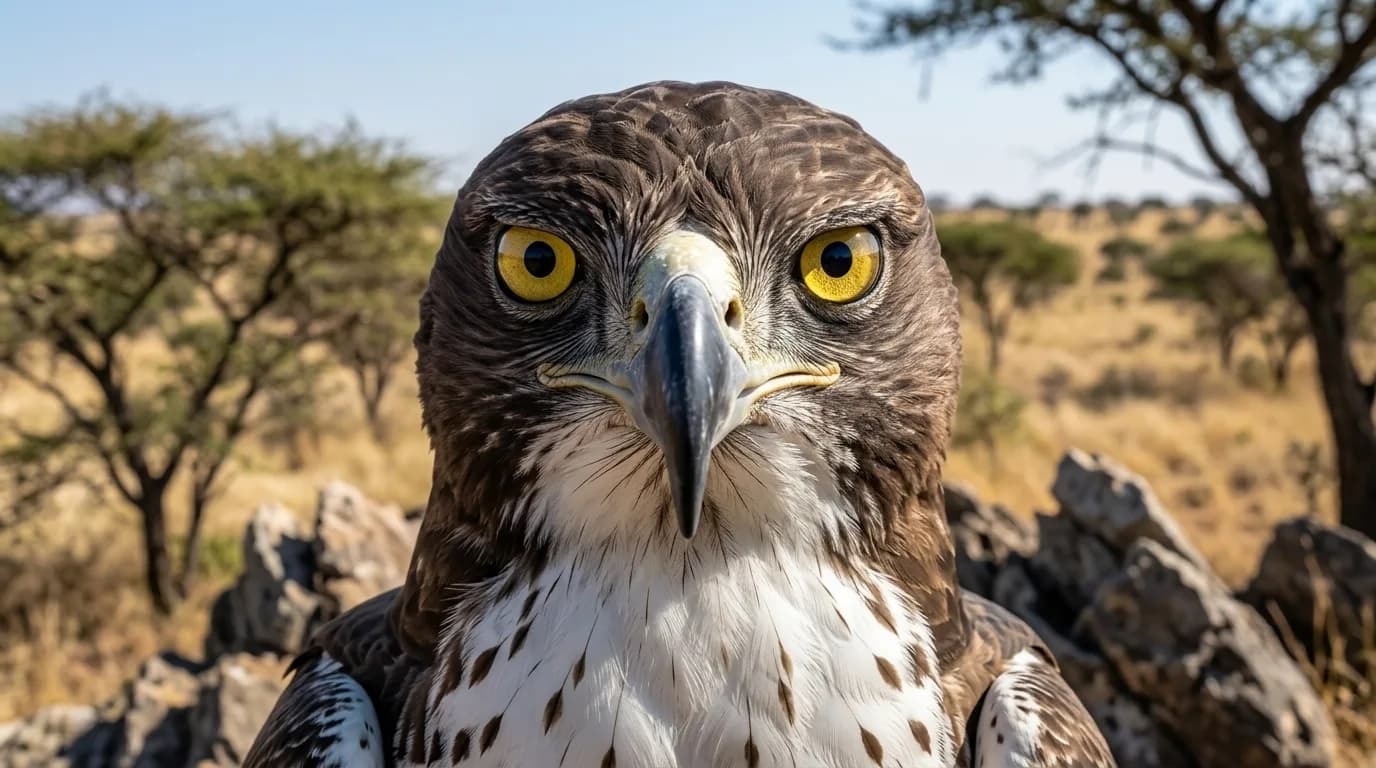 Endangered
Martial Eagle
Polemaetus bellicosus
Lappet-faced Vulture
Torgos tracheliotos
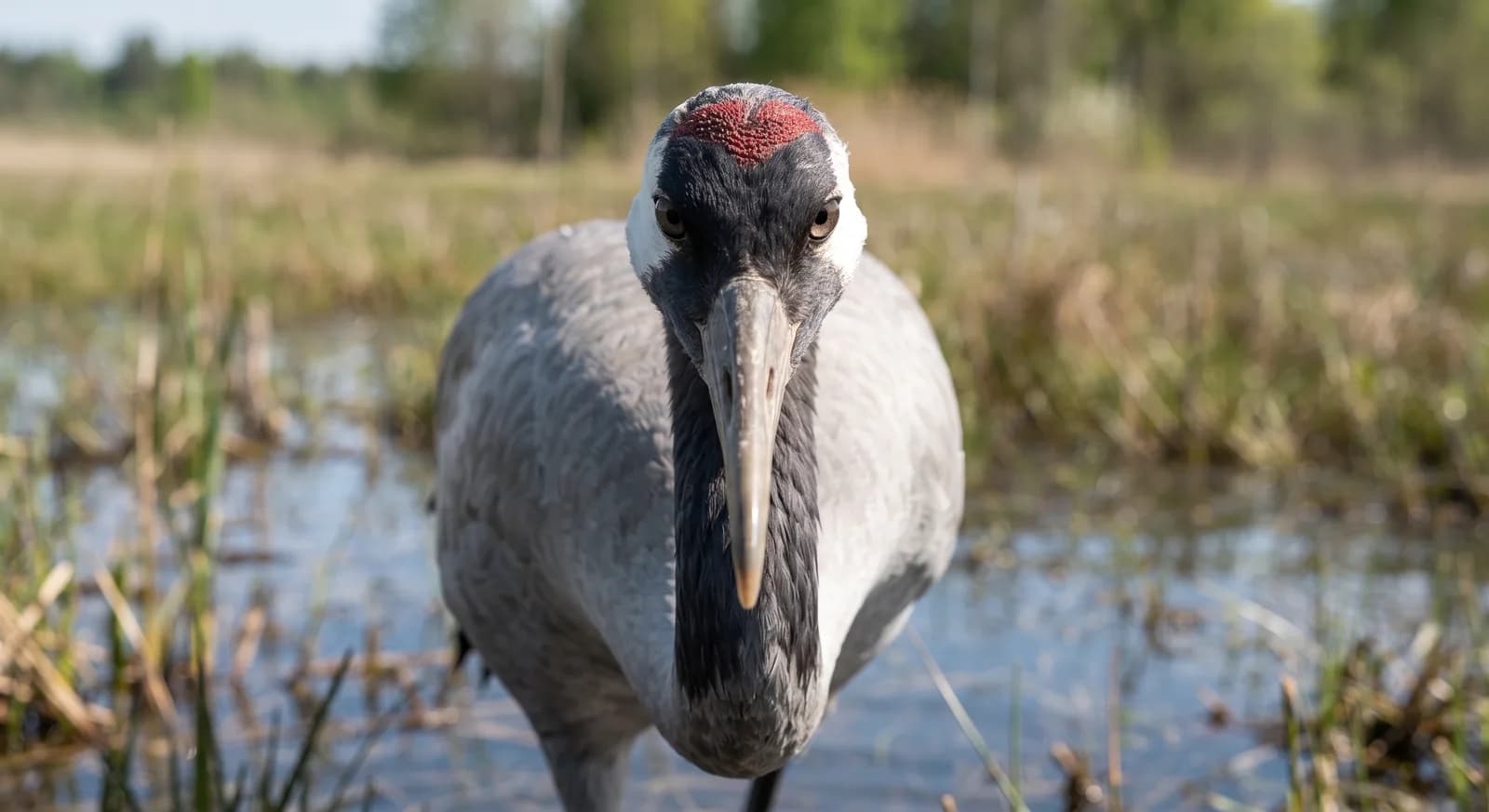 Least Concern
Common Crane
Grus grus
Black Crowned Crane
Balearica pavonina
How to help
The grey crowned crane is classified as endangered. Organizations such as UICN, WWF y Wildlife Conservation Society work specifically on its conservation and that of its habitat; looking into their programs is a good starting point if you want to get involved.
It's documented in 10 real protected areas — part of why protecting these places matters for its conservation.
Keep exploring
Based on what we already know about grey crowned crane.
Comments
Share an experience, a fun fact or a tip for seeing the grey crowned crane.
Be the first to comment.