Birds · Accipitriformes · Sagittariidae
Secretarybird
Sagittarius serpentarius
It faces a very high risk of extinction in the wild in the near future. See full glossary
It is the only bird of prey that specialises in walking long distances in search of prey, venomous snakes included, which it kills by stamping on them with its long legs.
Weight
2.3 kg – 4.5 kg
Size
1.1 m – 1.3 m
Lifespan
10 years
Diet
Carnivore
Feeds mainly on other animals.
Activity
Diurnal
Active mainly during the day.
Social structure
In pairs
Usually lives in pairs, sometimes for life.
Sighting difficulty
Hard
Fun facts
- Its name may come from the likeness between its crest of black feathers and the quill pens 19th-century clerks tucked behind the ear.
- It eats insects, small mammals, snakes and lizards, hunted on foot and killed by stamping.
- It lives in open grassland and savannah of sub-Saharan Africa.
- comportamientoIt hunts venomous snakes by stamping on them repeatedly with its long legs rather than striking with the bill as most raptors do.
Life cycle & biology
- Skeleton type
- Vertebrate - internal bony skeleton (bird)
- Habitat & environment
- Open grassland and savannah of sub-Saharan Africa
- Birth weight
- Born altricial and covered in white down
- Size at birth
- Born altricial
- Gestation / incubation
- 42-46 days
- Litter / clutch size
- 1 to 3 eggs per clutch (most commonly 2)
Sources consulted: Dimensions.com; Animal Diversity Web; Oiseaux.net; Fact Animal; Wikipedia (Secretarybird)
Where to find it
See its range on the interactive mapBest time: All year round in the African savannah, by day, striding across open grassland; it gathers in recently burnt areas during the dry season.
Where to watch it
Parques y spots de buceo donde se ha documentado esta especie — se muestran 10 de 40 documentados.
Related species
Other species in the catalogue with the most in common with Secretarybird — same habitat, park, country, tags or family.
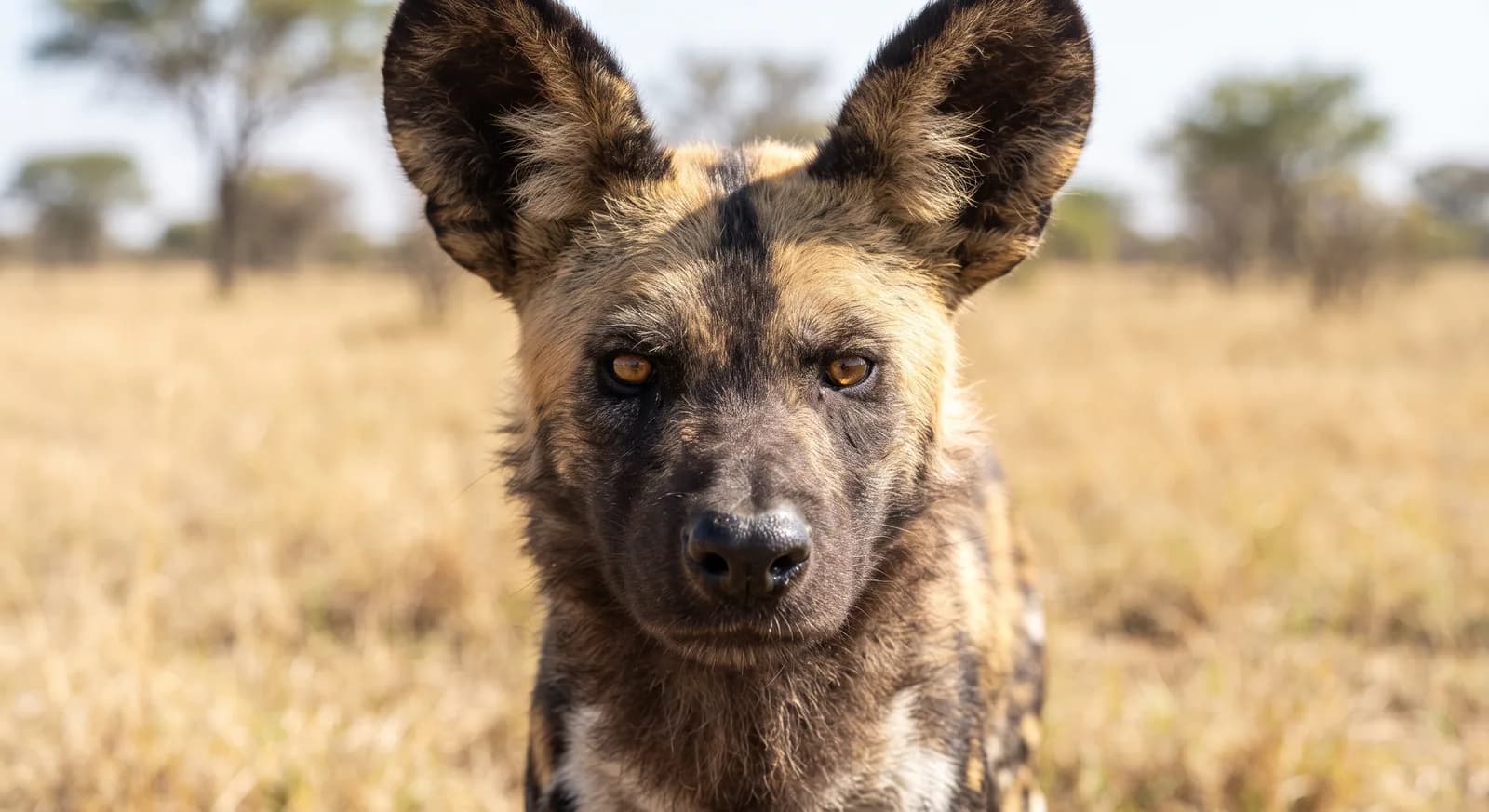 Endangered
African Wild Dog
Lycaon pictus
Grey Crowned Crane
Balearica regulorum
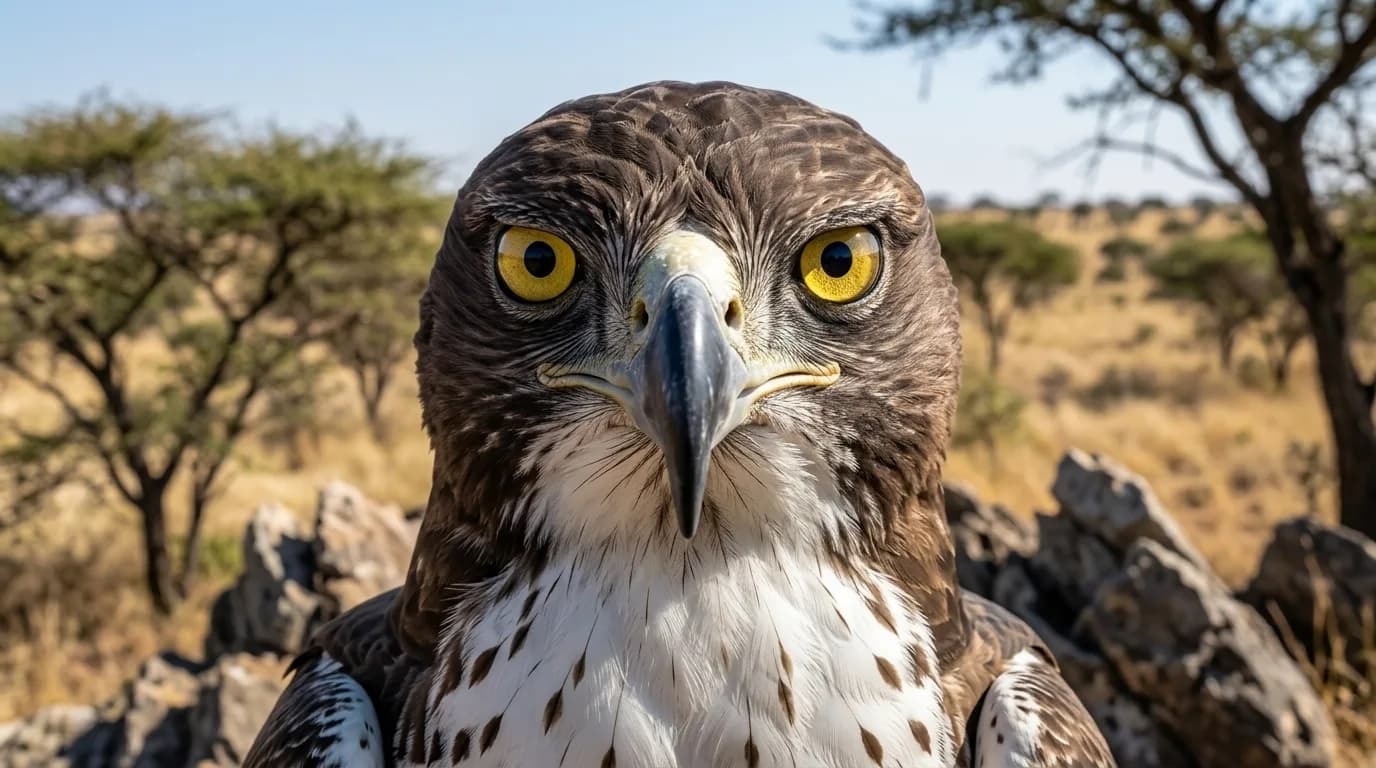 Endangered
Martial Eagle
Polemaetus bellicosus
Lappet-faced Vulture
Torgos tracheliotos
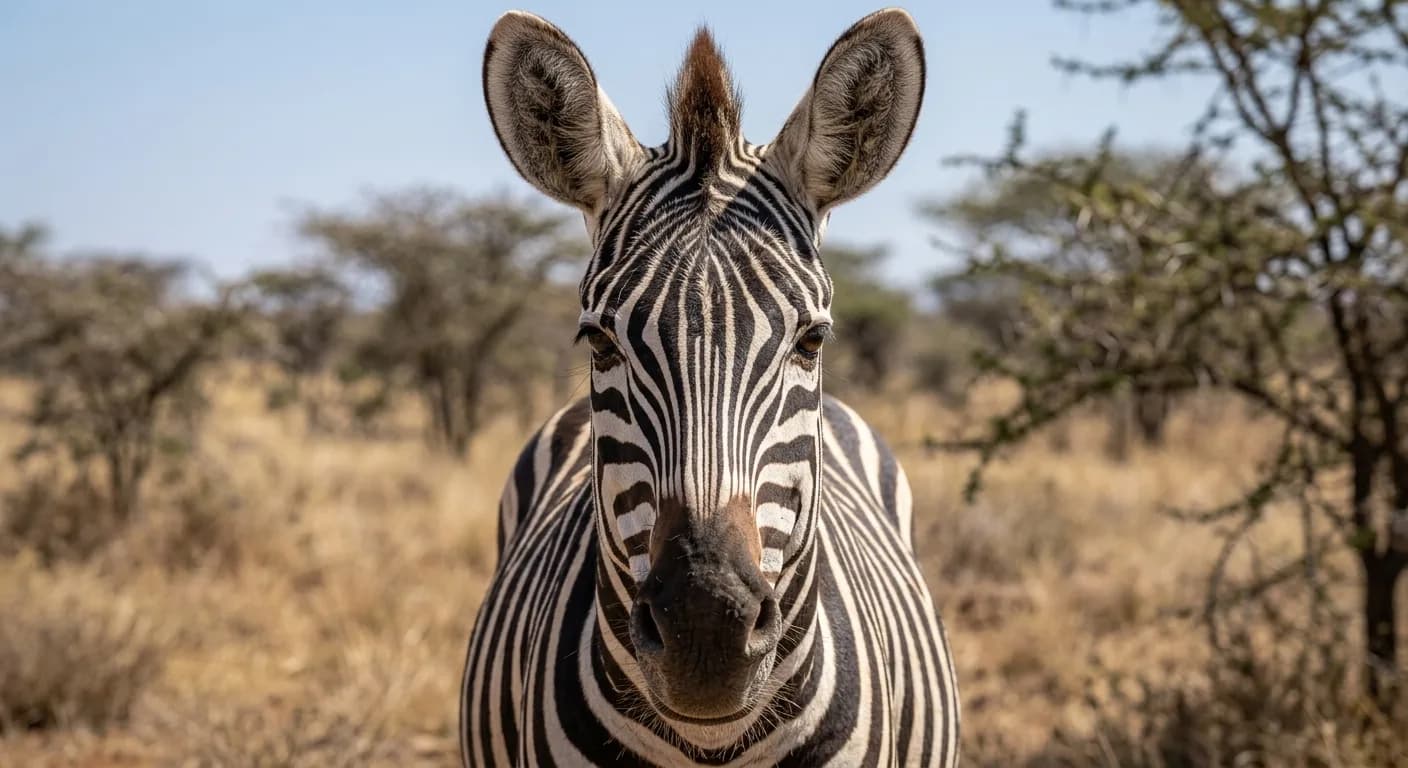 Endangered
Grevy's Zebra
Equus grevyi
Violet Turaco
Musophaga violacea
How to help
The secretarybird is classified as endangered. Organizations such as UICN, WWF y Wildlife Conservation Society work specifically on its conservation and that of its habitat; looking into their programs is a good starting point if you want to get involved.
It's documented in 10 real protected areas — part of why protecting these places matters for its conservation.
Keep exploring
Based on what we already know about secretarybird.
Comments
Share an experience, a fun fact or a tip for seeing the secretarybird.
Be the first to comment.