Species group · Birds
Cranes
WAnimals has 11 species of crane, all in the family Gruidae.
- 11 species
- 1 family
- 117 countries
- 129 parks
- Weight
- 2 kg – 12 kg
- Length
- 85 cm – 1.8 m
- Lifespan
- 20 – 60 years
Ranges calculated from the entries that record the figure, not from all 11.
All 11 species of cranes on WAnimals
Each one has its own full entry. This group does not replace them: it brings them together.
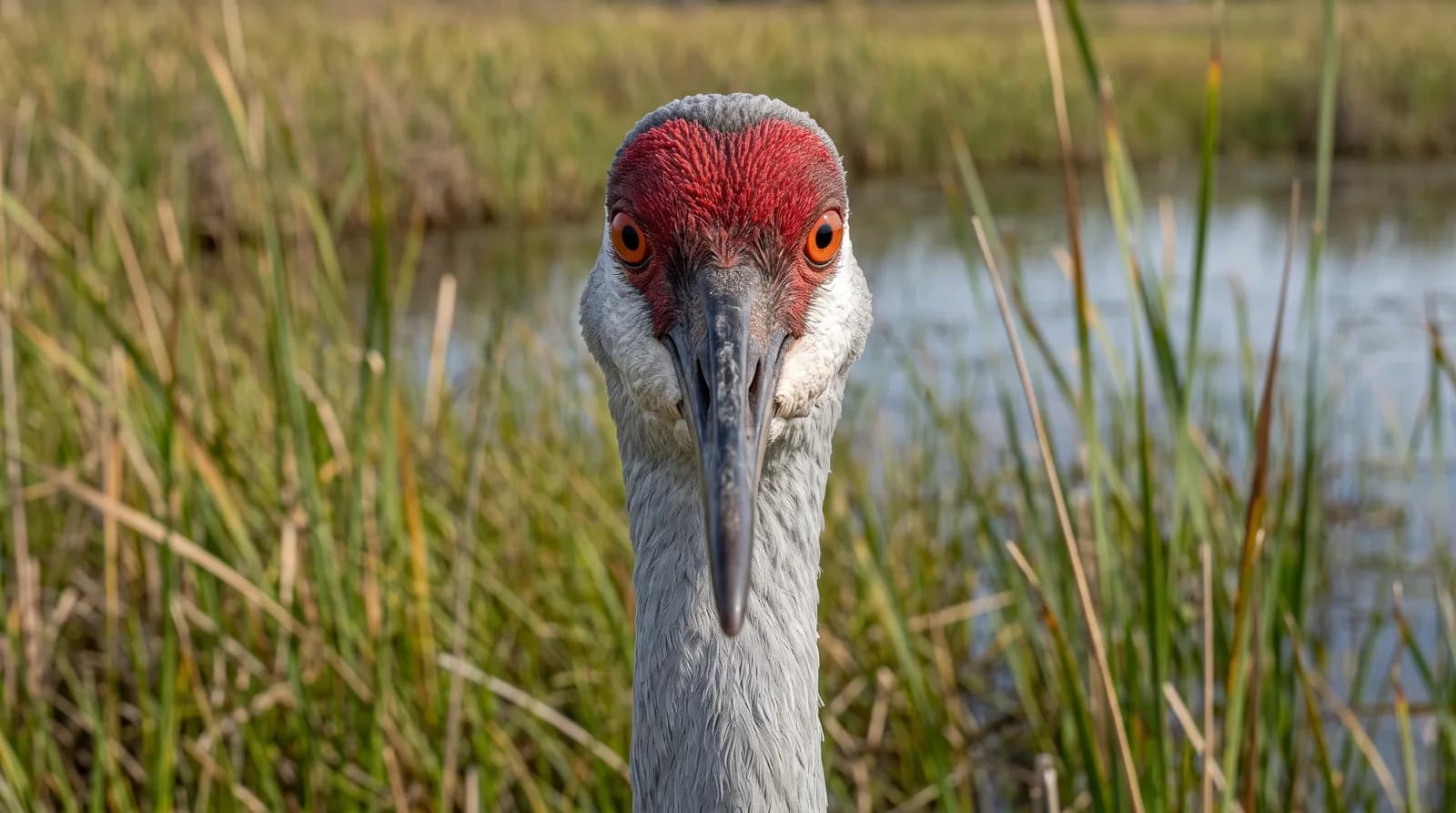 Least Concern
Sandhill Crane
Antigone canadensis
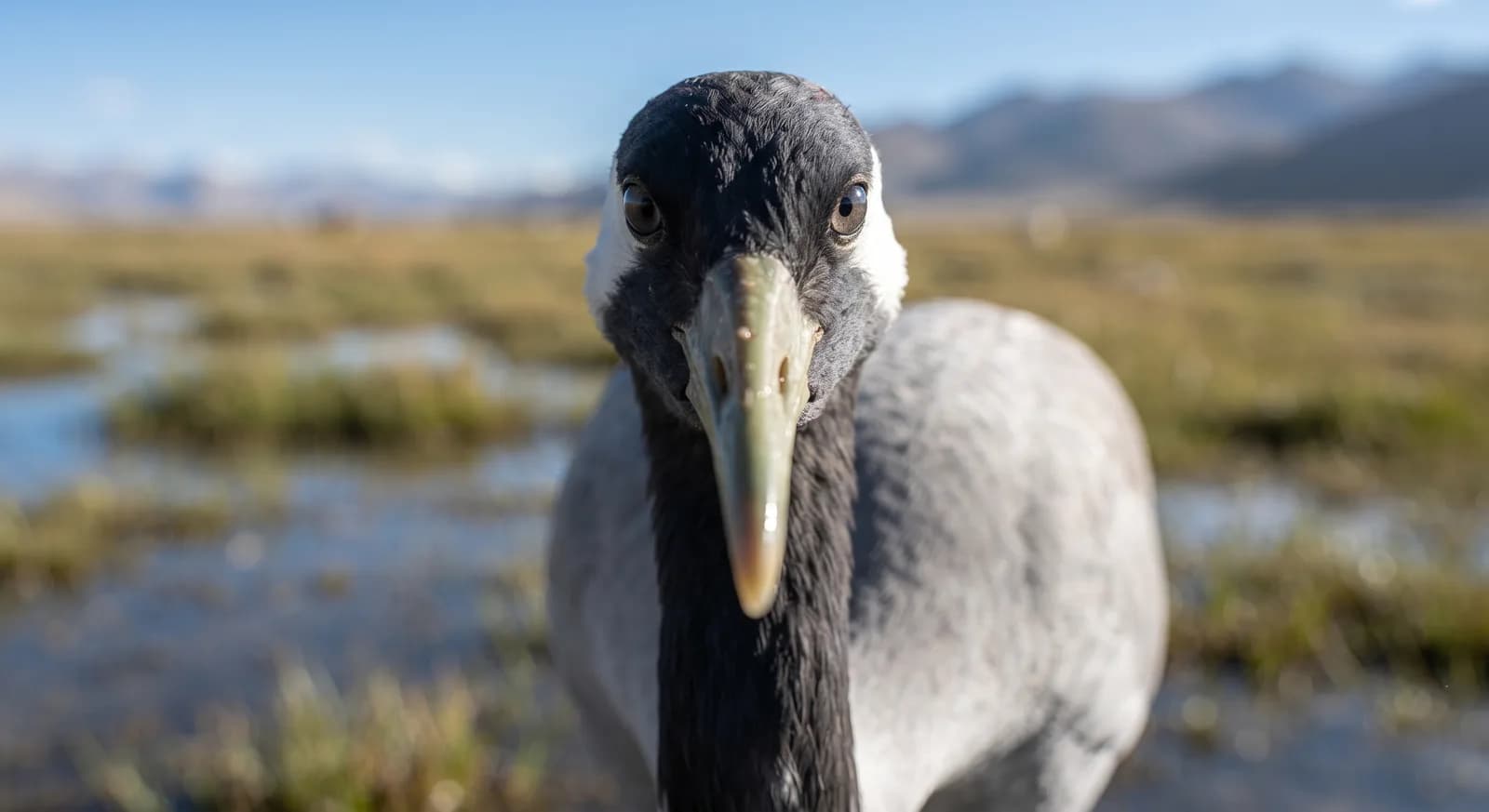 Near Threatened
Black-necked Crane
Grus nigricollis
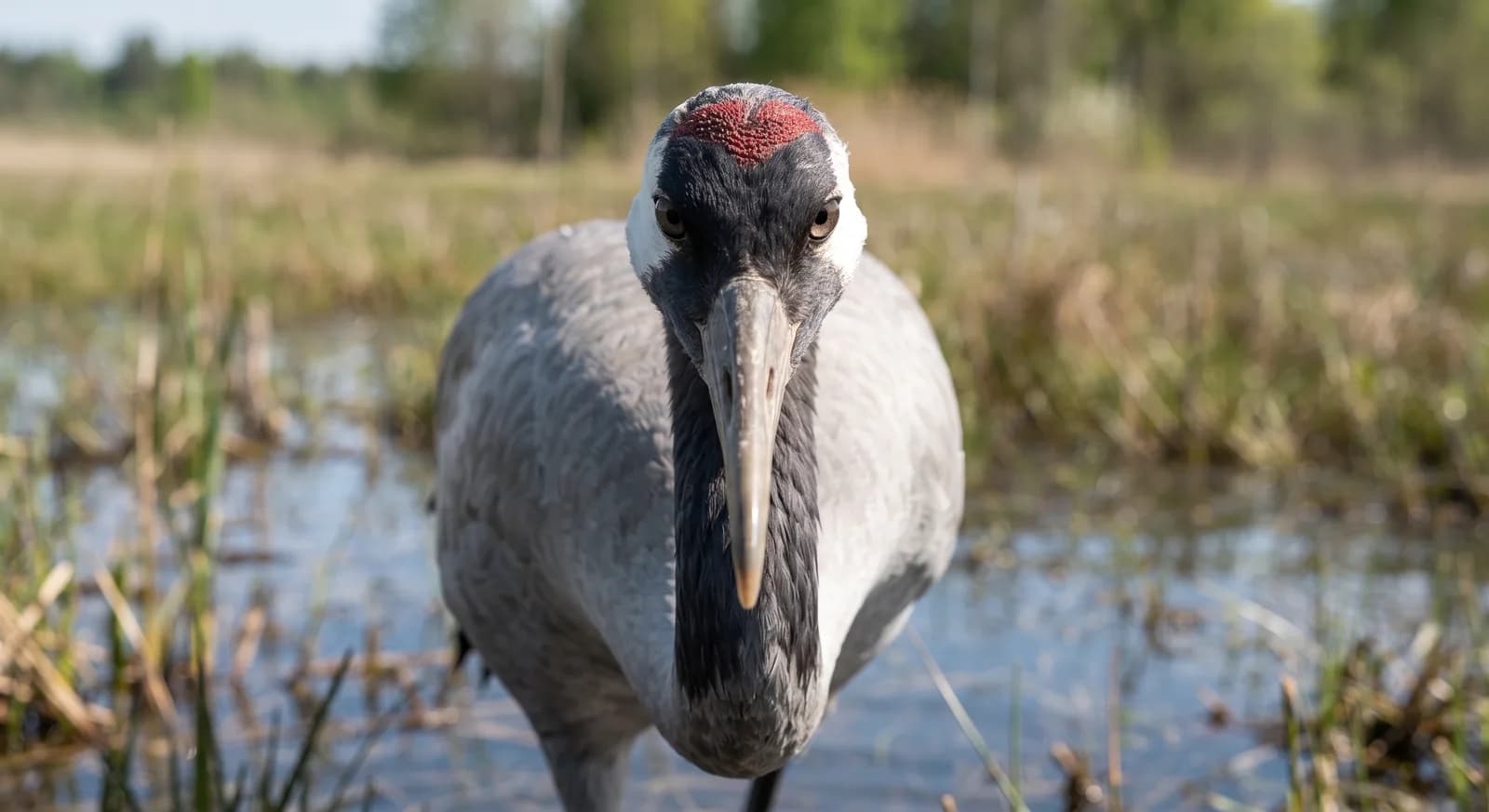 Least Concern
Common Crane
Grus grus
Red-crowned Crane
Grus japonensis
Grey Crowned Crane
Balearica regulorum
Sarus Crane
Antigone antigone
Demoiselle Crane
Grus virgo
Wattled Crane
Bugeranus carunculatus
Black Crowned Crane
Balearica pavonina
Siberian Crane
Leucogeranus leucogeranus
Whooping Crane
Grus americana
Conservation status
7 especies in this group están en alguna categoría de riesgo real según la UICN.
See the global conservation statusWhere they live
Recorded in 117 countries. The ones with the most species in the group:
Where to see them
Did you know…
The oldest crane fossil attributed to this species is some ten million years old, which would make it one of the oldest known living bird species.
From Sandhill Crane
Every March more than half a million of them gather along an eighty-kilometre stretch of the Platte River in Nebraska: it is the largest concentration of cranes in the world and one of the great natural spectacles of North America.
From Sandhill Crane
It was the last crane in the world to be described by science, in 1876, and the last whose eggs and nest were documented, as late as 1919.
From Black-necked Crane
In Bhutan a festival is held every November to mark its arrival in the Phobjikha valley, and its sacred status in Tibetan Buddhism has protected it more effectively than many conservation laws.
From Black-necked Crane
It flies in a V on migration, a formation that cuts drag and saves energy for the birds behind the leader.
From Common Crane
A symbol of long life in Japan; the pairs perform a synchronised dance on the snow.
From Red-crowned Crane
In Japan, China and Korea it has symbolised longevity and marital fidelity for more than a thousand years, and the tradition of folding a thousand origami cranes is inspired by it.
From Red-crowned Crane
The Japanese population was given up for extinct until some thirty surviving birds were found in the Kushiro marshes on Hokkaido in 1924: today there are more than a thousand, thanks to winter feeding stations maintained by local farmers.
From Red-crowned Crane