One of the 11 cranes on WAnimals
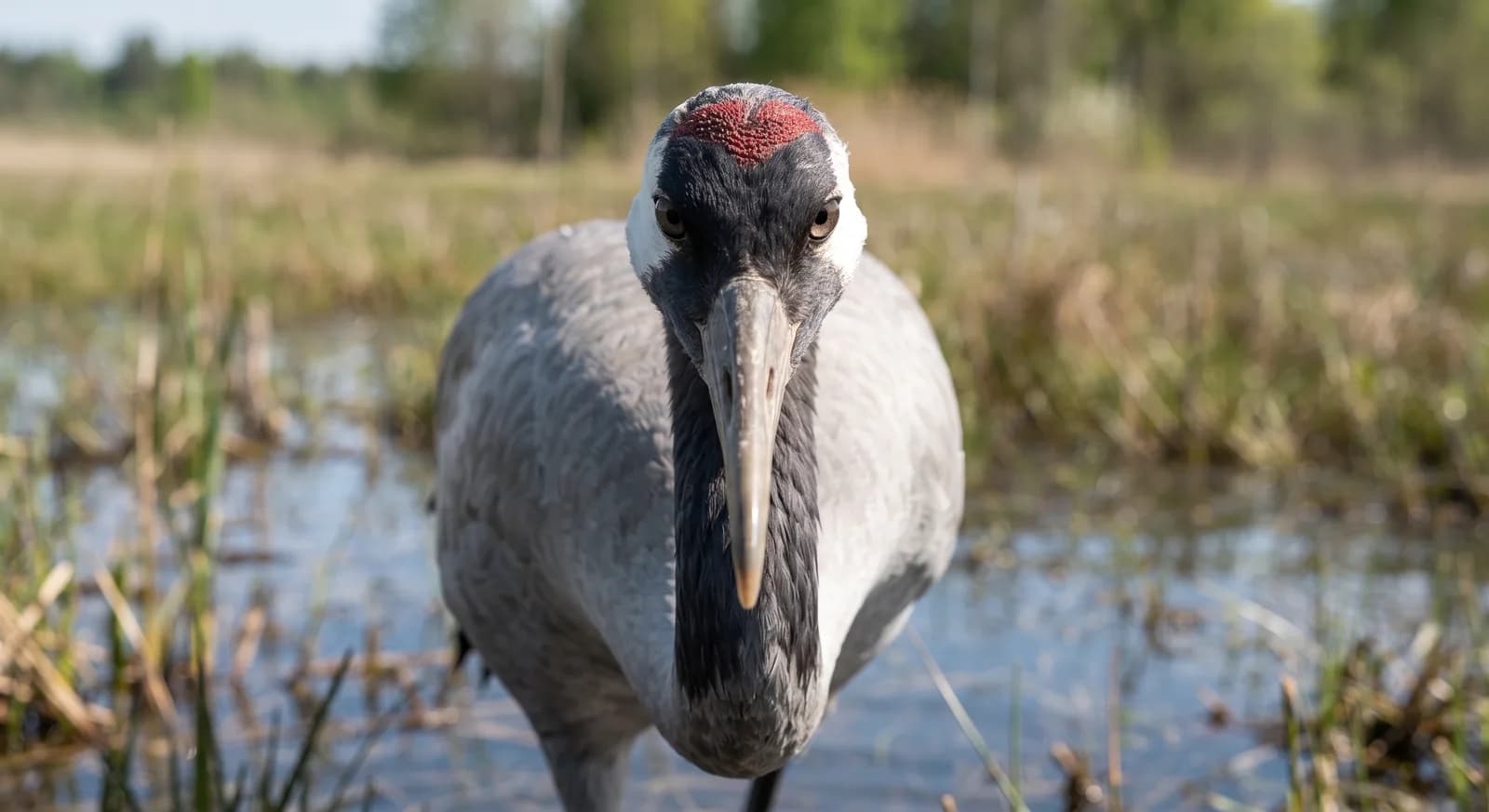
Birds · Gruiformes · Gruidae
Common Crane
Grus grus
The species is abundant and widely distributed; it faces no significant short-term risk. See full glossary
Every other year, before migrating, it moults all its flight feathers at once and cannot fly for around six weeks. Pairs 'paint' their plumage with mud as extra camouflage against predators while rearing young.
Weight
3 kg – 6.1 kg
Size
1 m – 1.3 m
Lifespan
20 years
Diet
Omnivore
Combines animal and plant food depending on availability.
Activity
Diurnal
Active mainly during the day.
Social structure
In pairs
Usually lives in pairs, sometimes for life.
Sighting difficulty
Easy
Fun facts
- locomociónIt flies in a V on migration, a formation that cuts drag and saves energy for the birds behind the leader.
Life cycle & biology
- Skeleton type
- Vertebrate - pneumatised bony skeleton (bird)
- Habitat & environment
- Wetlands, boreal forest and steppe of Europe and Asia, migrating to warmer country in winter
- Birth weight
- Exact weight not found as a precise figure
- Size at birth
- Precocial, able to run and swim soon after hatching, using its wings for balance
- Sexual maturity
- 3-6 years
- Gestation / incubation
- ~30 days
- Litter / clutch size
- 2 eggs per clutch (rarely 3-4)
Sources consulted: AnAge; Animalia.bio; Wikipedia; Animal Diversity Web; Birds of the World; genomics.senescence.info
Where to find it
See its range on the interactive mapWhere to watch it
Parks and dive sites where this species has been documented.
Related species
Other species in the catalogue with the most in common with Common Crane — same habitat, park, country, tags or family.
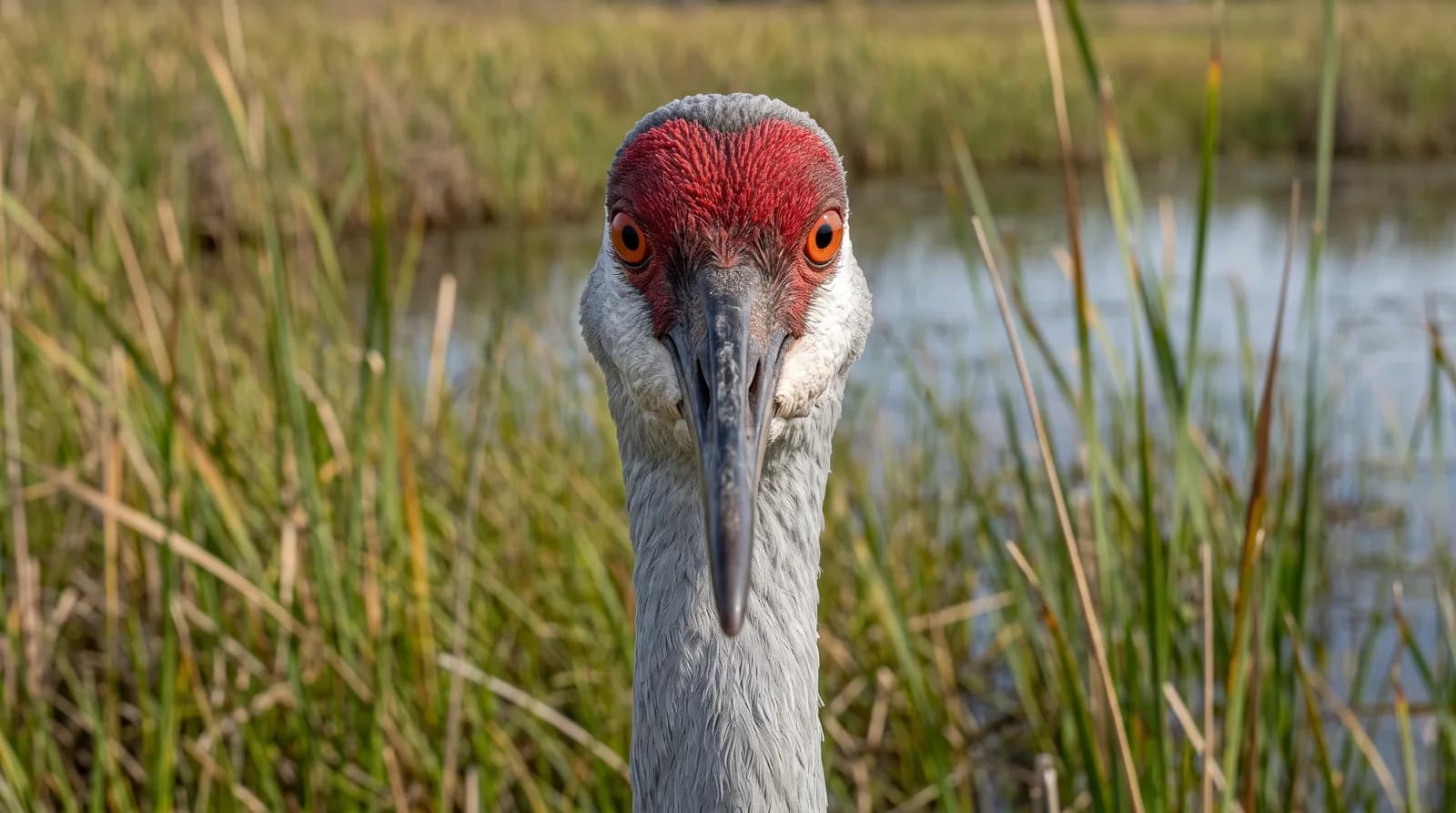 Least Concern
Sandhill Crane
Antigone canadensis
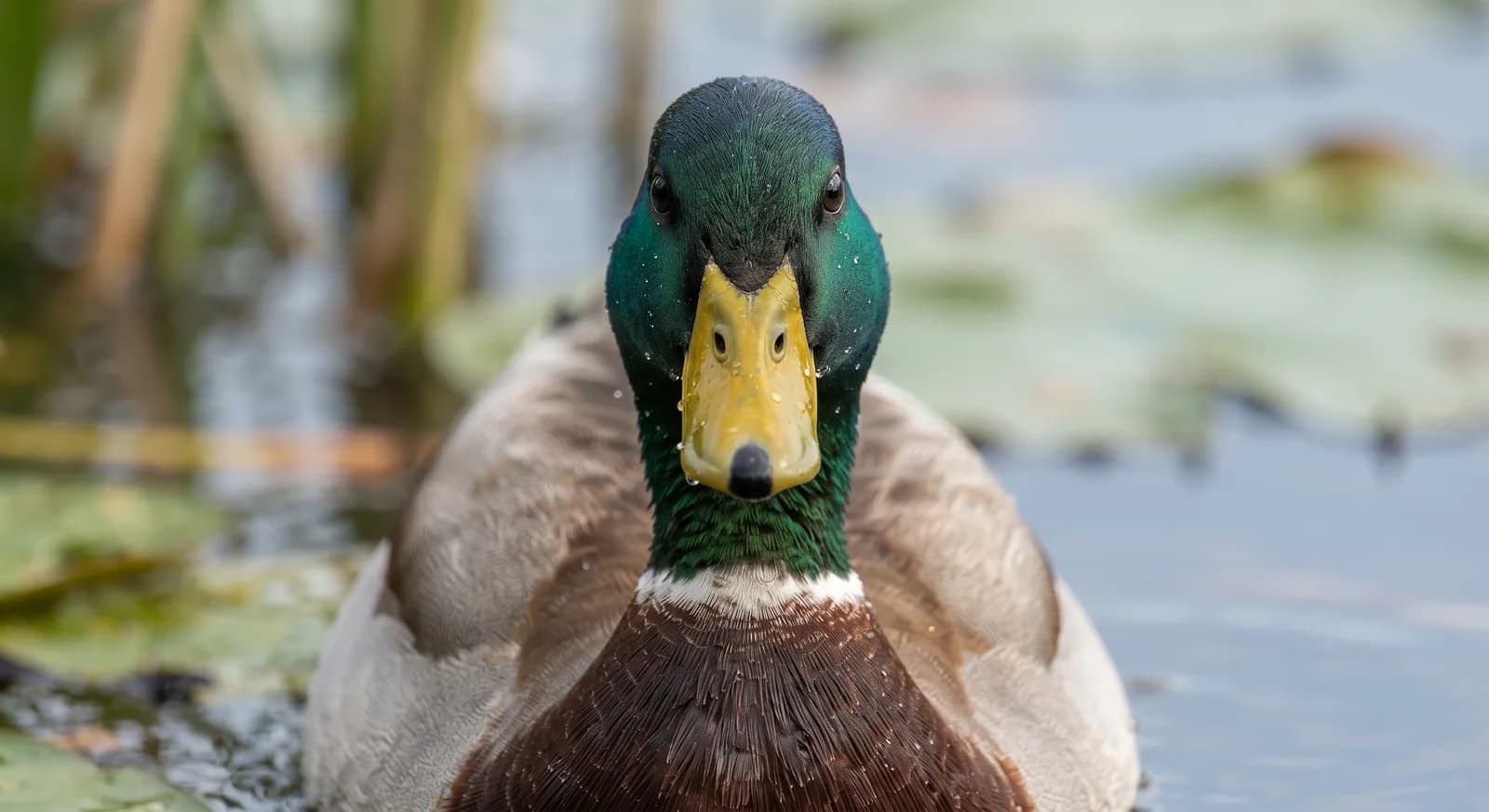 Least Concern
Mallard
Anas platyrhynchos
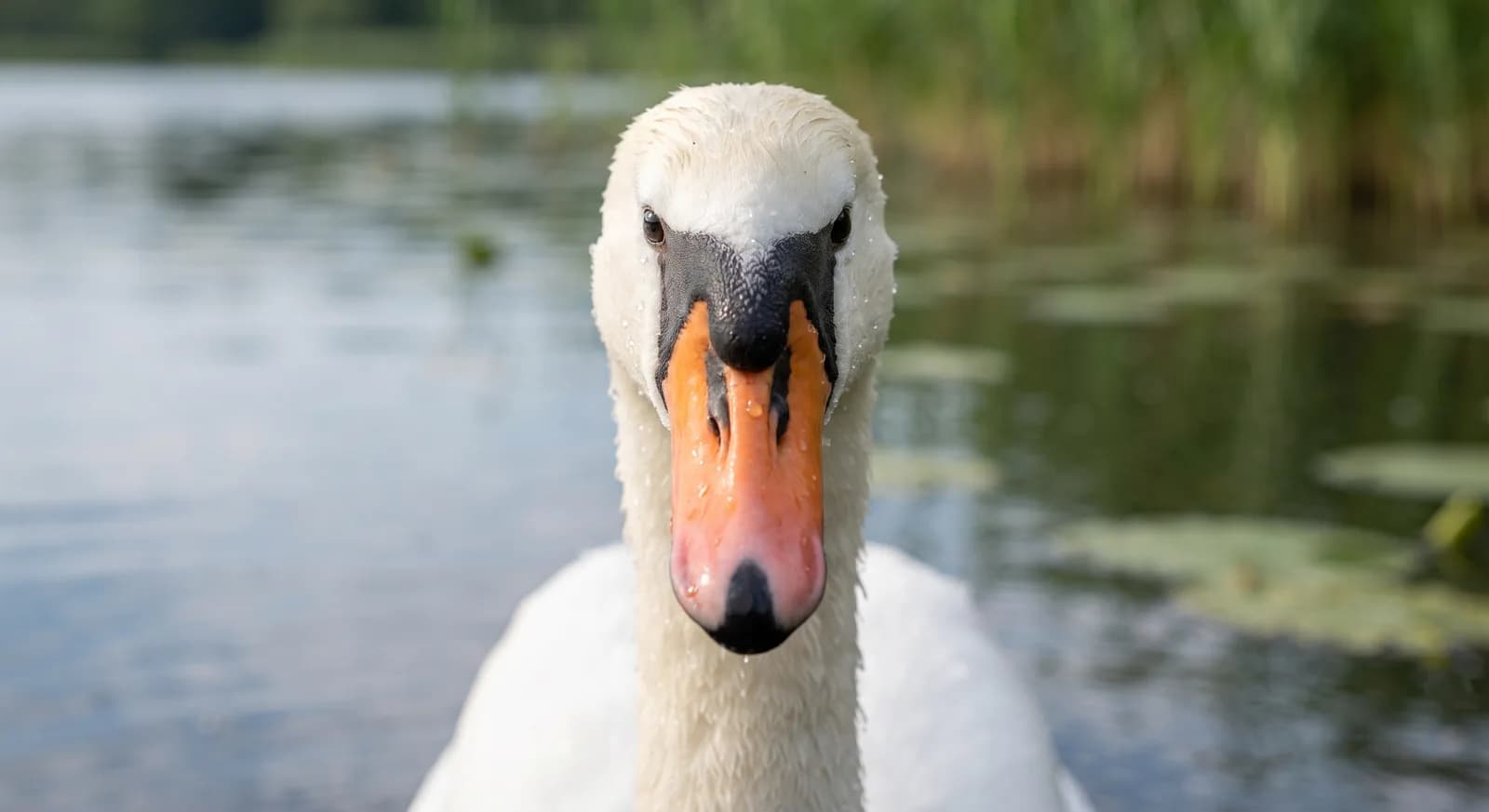 Least Concern
Mute Swan
Cygnus olor
Whooper Swan
Cygnus cygnus
Great Crested Grebe
Podiceps cristatus
Eurasian Coot
Fulica atra
Keep exploring
Based on what we already know about common crane.
Comments
Share an experience, a fun fact or a tip for seeing the common crane.
Be the first to comment.