Norway
Europa
Norway extends over more than 1,700 kilometres of latitude, from temperate forests in the south to the High Arctic of Svalbard, and its coast, cut by fjords and dotted with tens of thousands of islands, generates exceptional marine productivity. Warm Atlantic currents let marine life thrive at latitudes where other continents have only ice: blue whiting, herring and capelin sustain immense seabird colonies on Lofoten, Runde and Vardø, and draw orcas and humpbacks that follow the herring shoals into the fjords in winter. The mountainous interior holds the last truly wild reindeer population in Europe, on Hardangervidda, alongside wolverines, lynx, Arctic foxes and a small brown bear population. On Svalbard the fauna narrows to a purely Arctic cast: polar bear, Svalbard reindeer, Arctic fox and walrus.
The nature of Norway
National animal: The white-throated dipper, national bird since 1963; the moose is the popular wildlife symbol
Did you know?
The muskox is not native to mainland Norway: it died out there millennia ago and was reintroduced from Greenland into the Dovrefjell massif during the 1930s and 1940s. That small herd of imported animals prospered, and the plateau now holds the only European population of the species, a couple of hundred animals grazing on alpine tundra.
Biodiversity profile
Climate
- •Oceanico subpolar (Cfc) en la costa atlantica, moderado por la Corriente del Golfo
- •Subartico y de tundra (Dfc/ET) en el norte y el interior montañoso
Main biomes
- •Taiga escandinava (bosque boreal de pino y abeto, sur y centro)
- •Tundra alpina y bosque de abedul de montaña (norte y alta montaña)
- •Fiordos y costa atlantica
- •Fiordo
- •Tundra ártica
- •Taiga boreal
- •Meseta alpina
- •Acantilado marino
- •Banquisa polar
- •Turbera
Marine and coastal ecosystems
- •Extensa costa atlantica con fiordos, de gran productividad pesquera y colonias de aves marinas
Flagship wildlife
- •Alce europeo
- •Reno (semidomesticado, cultura sami)
- •Lobo, oso pardo y glotón (grandes carnivoros del norte)
- •Aguila real
- •Oso polar
- •Buey almizclero
- •Glotón
- •Zorro ártico
- •Orca
- •Ballena jorobada
- •Frailecillo atlántico
- •Alce
- •Pigargo europeo
Notable endemic species
- •Flores endemicas de la tundra escandinava como el diente de leon Taraxacum nylandicum y el ranunculo Ranunculus valtae, compartidos con Suecia y Finlandia
- •La ecoregion de bosque de abedul de montaña y pastizal escandinavo alberga un 31% de proteccion formal
- •Reno de Svalbard
Notable threatened species
- •Glotón (Vulnerable, poblacion escandinava bajo presion de caza y conflicto con pastoreo de renos)
- •Grandes carnivoros (lobo, oso) con actitudes publicas ambivalentes pese a bajos niveles de conflicto real con humanos
Notable protected areas
- •Parque Nacional Femundsmarka (bosque boreal virgen, frontera con Suecia)
- •Parque Nacional Hardangervidda (tundra alpina)
- •Parque Nacional de Dovrefjell-Sunndalsfjella
- •Parque Nacional de Hardangervidda
- •Parque Nacional de Jotunheimen
- •Parque Nacional de Rondane
- •Reservas naturales de Svalbard
- •Isla de Runde
Main conservation threats
- •Cambio de metodo forestal de tala selectiva a tala rasa en el siglo XX, con perdida sustancial de biodiversidad forestal
- •Regeneracion muy lenta del bosque maduro por condiciones climaticas y de suelo dificiles
- •Pastoreo intensivo de renos que puede degradar liquenes de tundra
Notable natural phenomena
- •Los fiordos noruegos, formados por la accion glaciar, son unos de los ecosistemas costeros mas espectaculares y productivos de Europa
Conservation
Svalbard is warming several times faster than the global average and the loss of sea ice is compromising the polar bear's hunting. The wild reindeer of Hardangervidda are further affected by fragmentation from roads and reservoirs.
Where and when to watch wildlife
Dovrefjell between June and September for muskox. The northern fjords, at Skjervøy and Tromsø, between November and January for orcas and humpbacks following the herring. Runde and Lofoten in summer for seabird colonies.
Sources: One Earth - Scandinavian and Russian Taiga | Springer/Ambio - Protected Area Indicator Ecological Sustainability Boreal Forest Europe | One Earth - Scandinavian Montane Birch Forest and Grasslands
Natural phenomena in Norway
- Orcas y ballenas siguiendo al arenque en los fiordos noruegos — Noviembre a enero (a veces hasta finales de enero)
Parks and reserves
Fiordos del Oeste de Noruega
The Geirangerfjord and the Nærøyfjord, two of the longest and deepest fjords in the world and the archetype of fjord landscape.
View parkNational ParkBørgefjell
One of Norway's first national parks, a remote country of mountains and lakes on the Swedish border.
View parkNational ParkBreheimen
The "home of the glaciers": high mountain country between Jostedalsbreen and Jotunheimen.
View parkNational ParkDovrefjell-Sunndalsfjella
The only place in mainland Europe where wild musk ox survives, reintroduced in the 1930s after its post-glacial extinction
View parkNational ParkFemundsmarka
It protects the surroundings of Lake Femund, Norway's second largest, in one of the least populated and remotest parts of the country
View parkNational ParkFolgefonna
Norway's third-largest glacier, an ice cap on a peninsula between the Hardanger fjords.
View parkNational ParkForlandet
The uninhabited island of Prins Karls Forland and its waters, with the most northerly harbour seal population in the world.
View parkNational ParkForollhogna
Gentle green mountains in central Norway, with one of the best-preserved wild reindeer populations.
View parkNational ParkHallingskarvet
A great walled plateau above the Hardangervidda uplands, a retreat of the philosopher Arne Næss.
View parkNational ParkHardangervidda
The largest high-mountain plateau in Europe
View parkDiving and snorkelling
Lofoten (orcas)
Snorkelling and diving with orcas chasing vast shoals of herring in the Norwegian Arctic fjords in winter.
View dive siteExtreme tidal currentSaltstraumen
Home to the strongest tidal current in the world (up to 40 km/h); divable only in the brief slack water window.
View dive siteIce/PolarSvalbard (buceo bajo hielo)
Diving beneath the Arctic sea ice barely 1,300 km from the North Pole; specialist ice certification required.
View dive siteCold-water coral reefTrondheimsfjord (corales de agua fría)
One of the few places in the world with cold-water coral reefs (Lophelia) accessible to technical diving.
View dive siteEspecies documentadas en Norway
597 species found
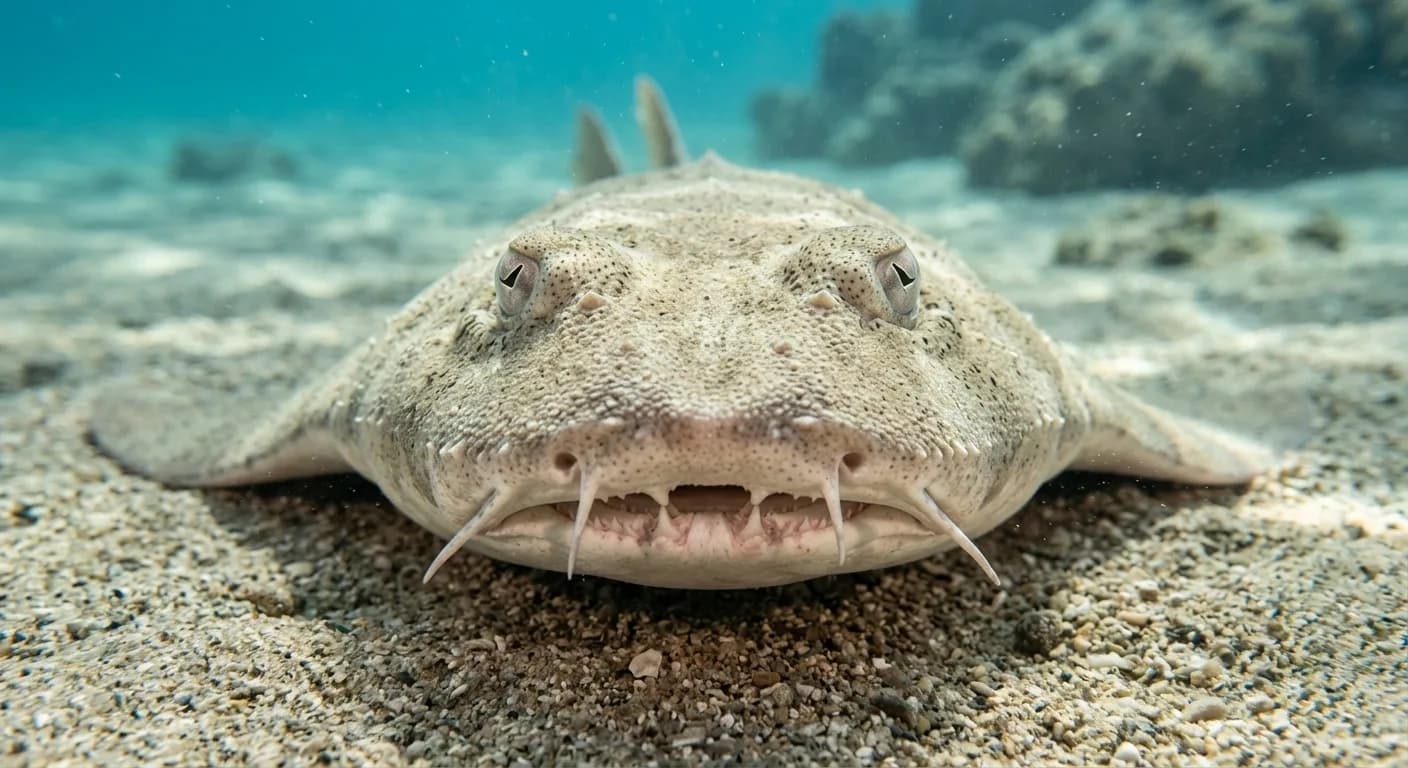 Critically Endangered
Angelshark
Squatina squatina
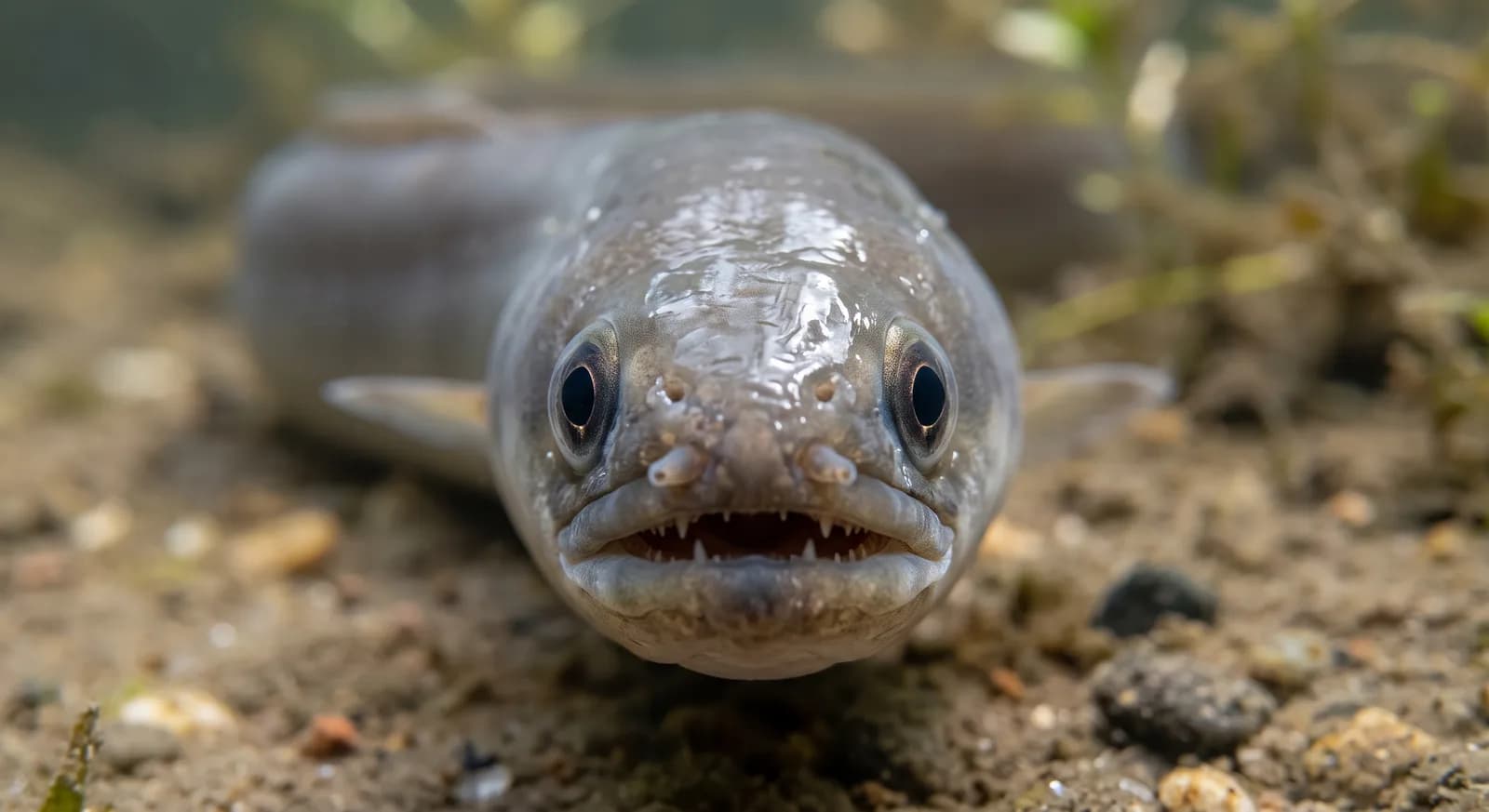 Critically Endangered
European Eel
Anguilla anguilla
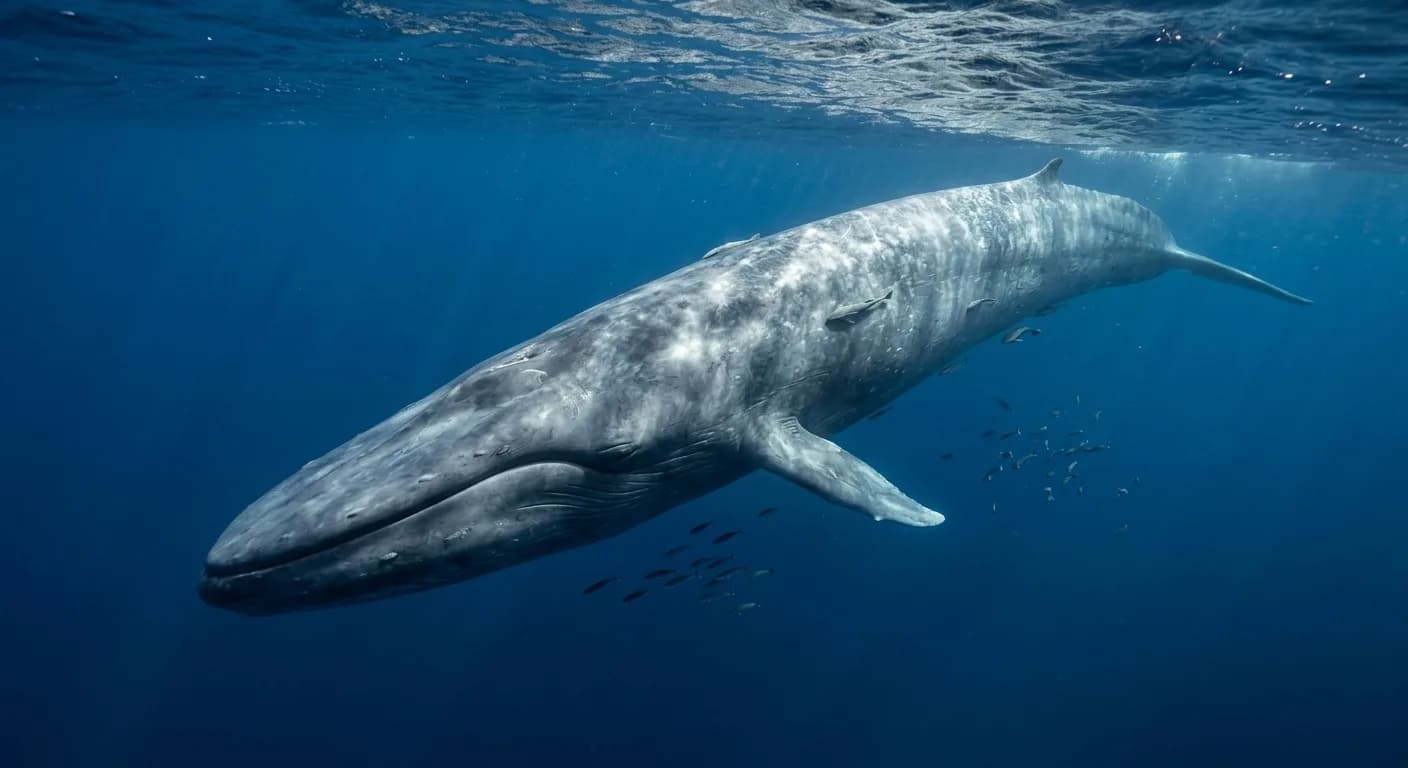 Endangered
Blue Whale
Balaenoptera musculus
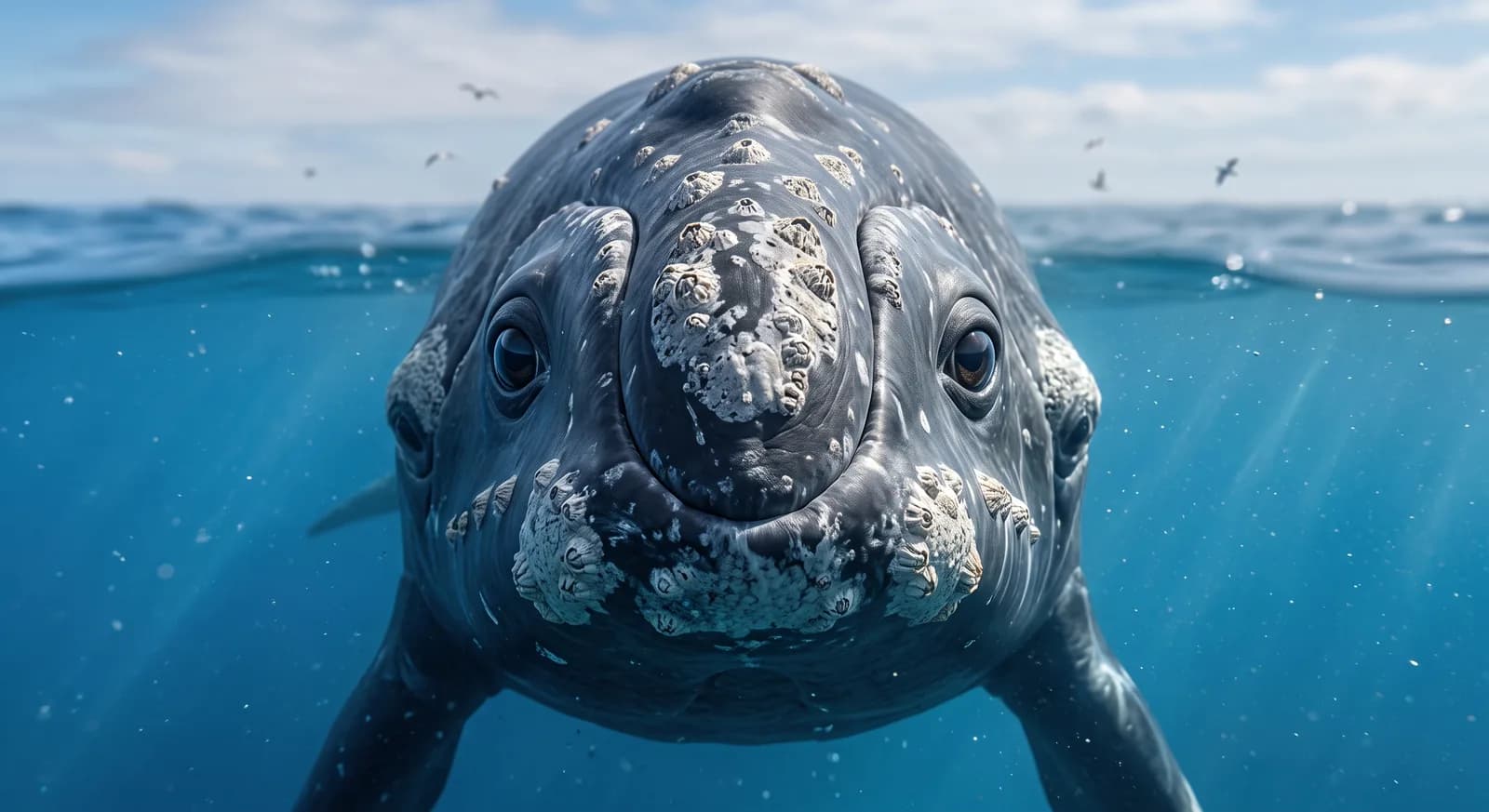 Endangered
North Atlantic Right Whale
Eubalaena glacialis
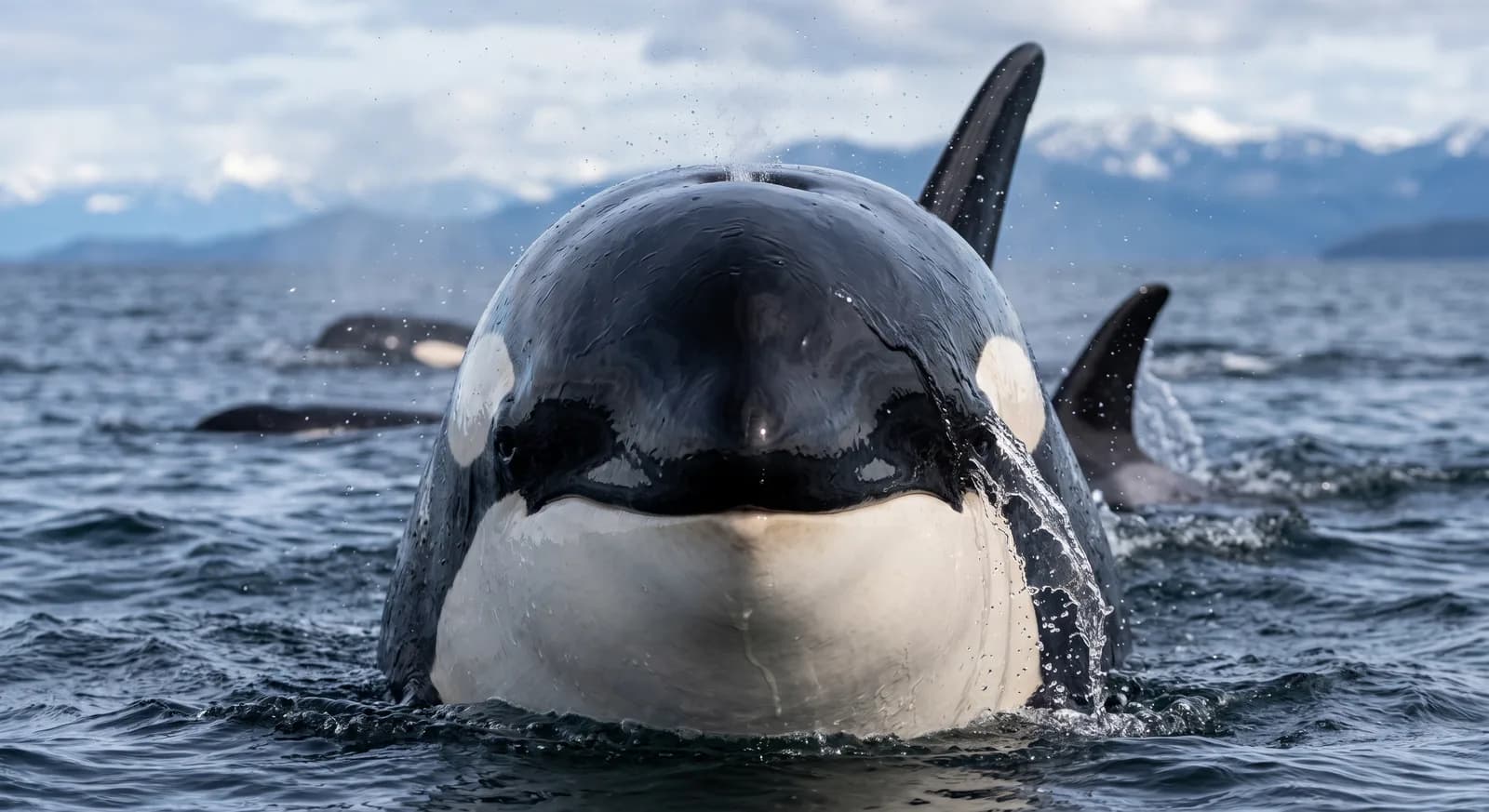 Endangered
Killer Whale
Orcinus orca
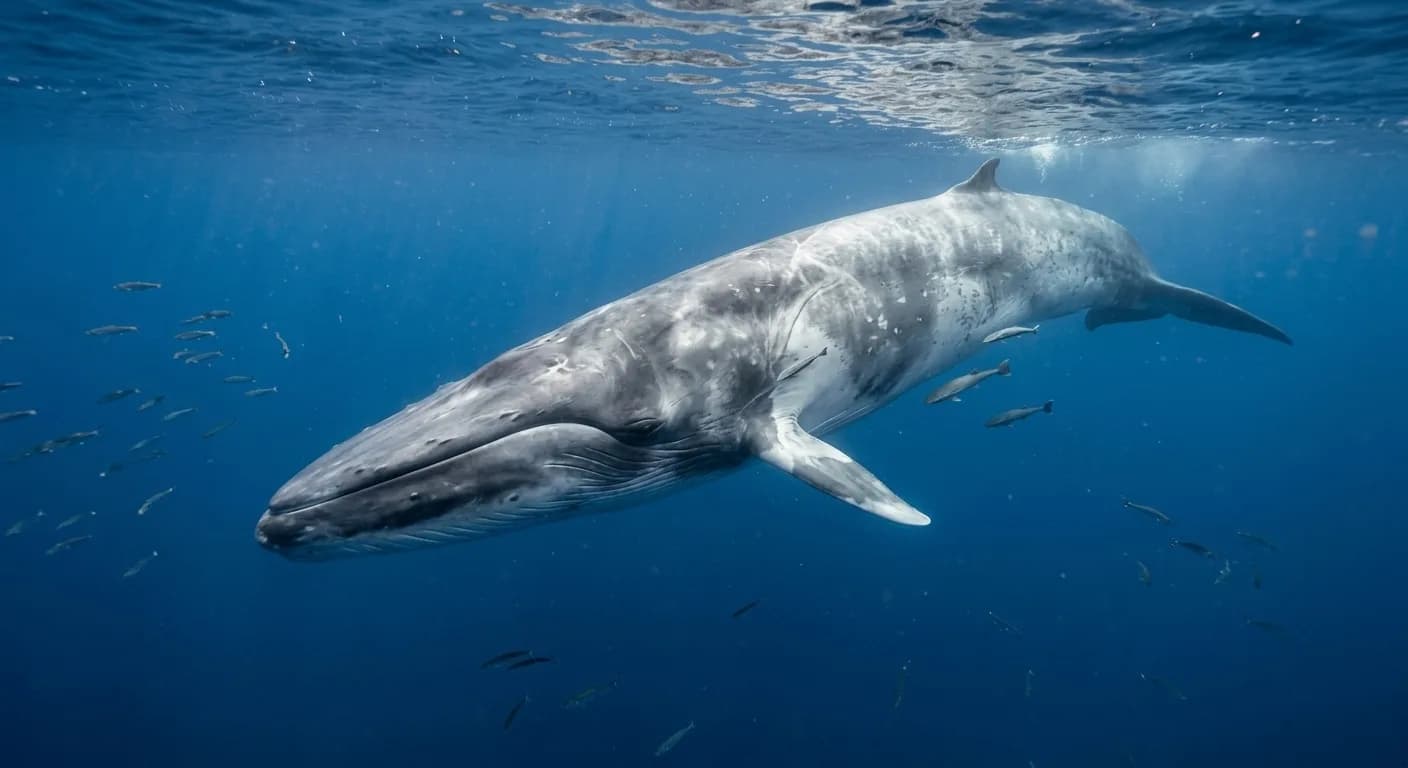 Endangered
Fin Whale
Balaenoptera physalus
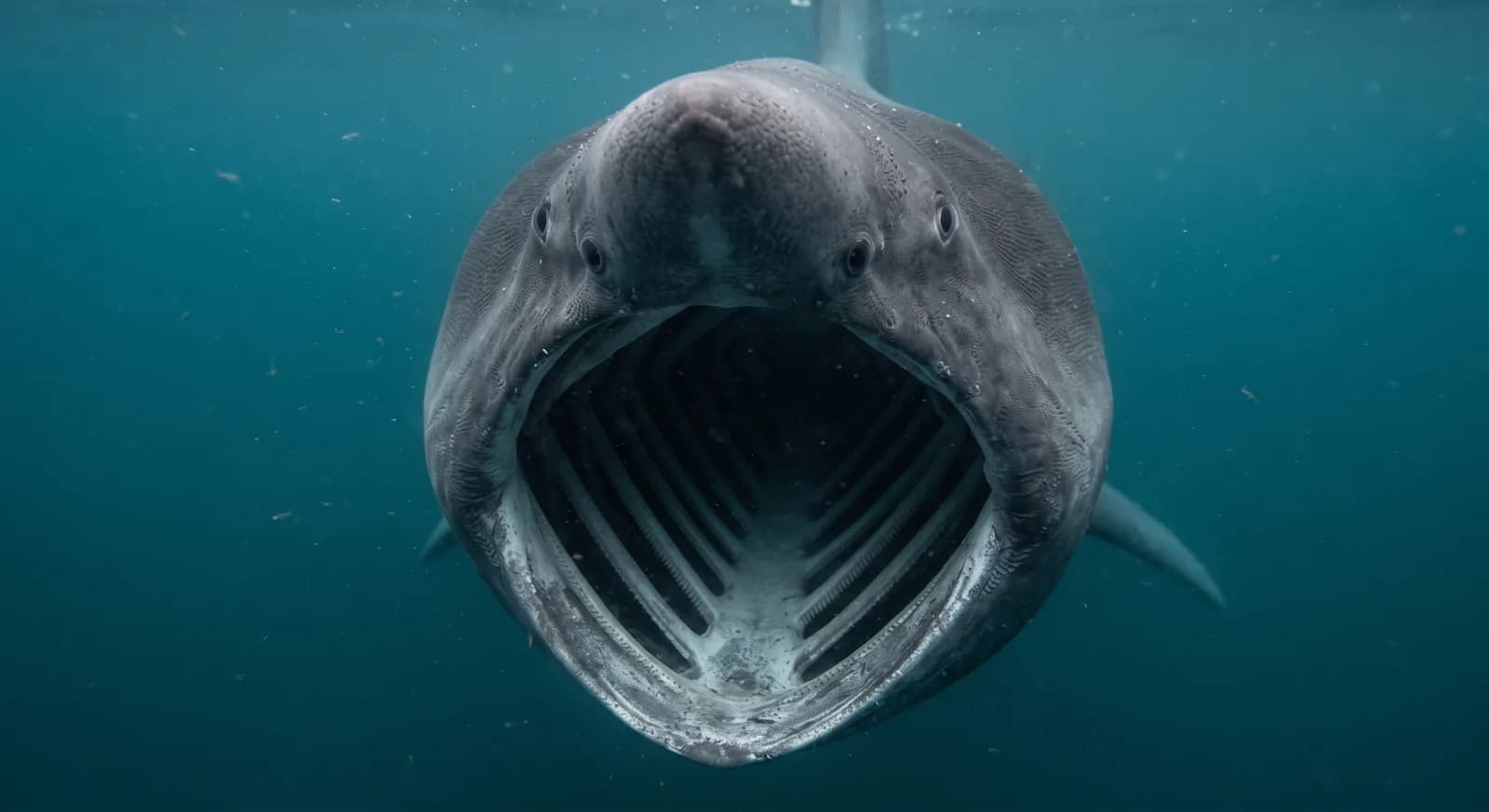 Endangered
Basking Shark
Cetorhinus maximus
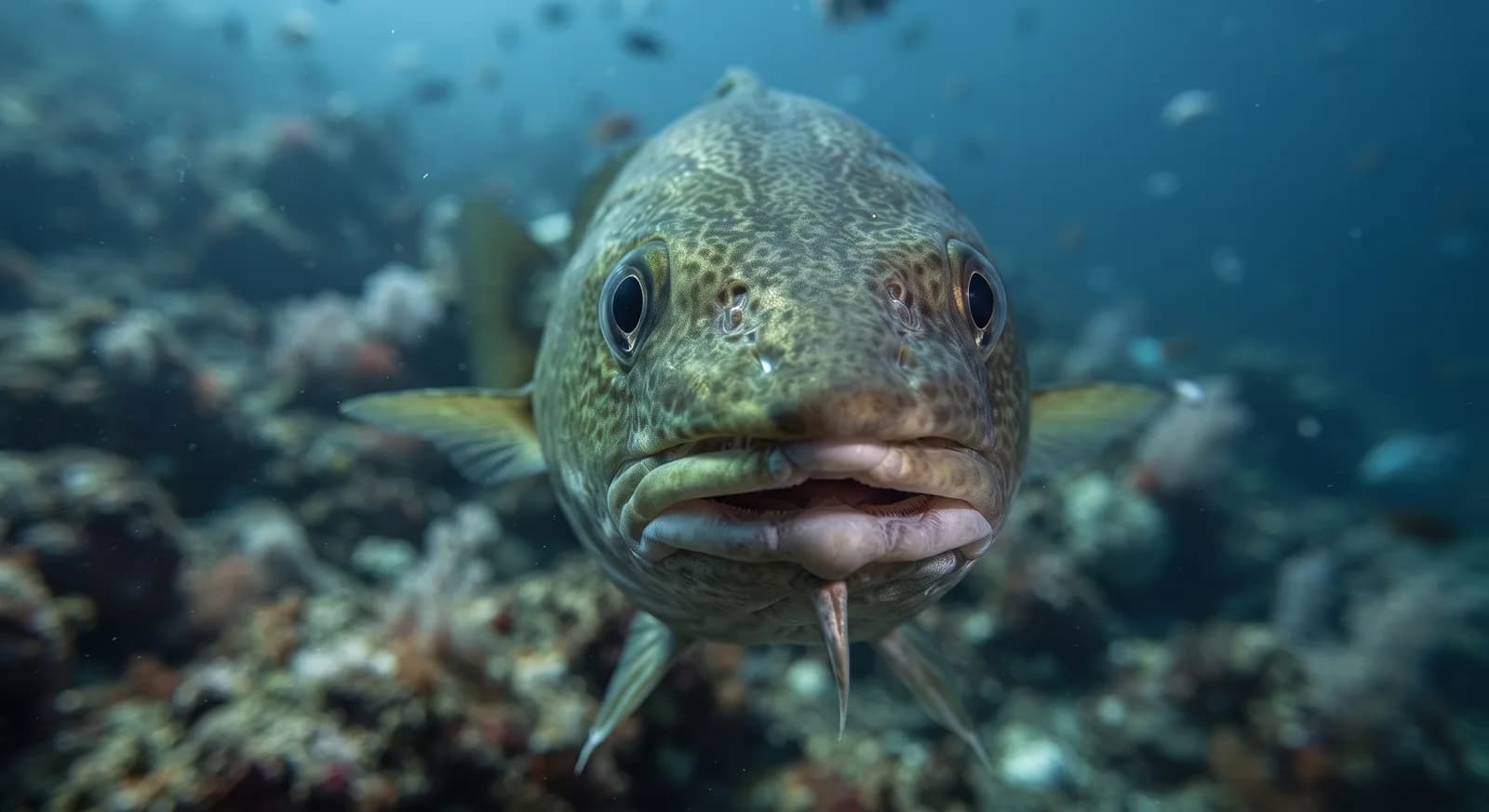 Vulnerable
Cod
Gadus morhua
 Vulnerable
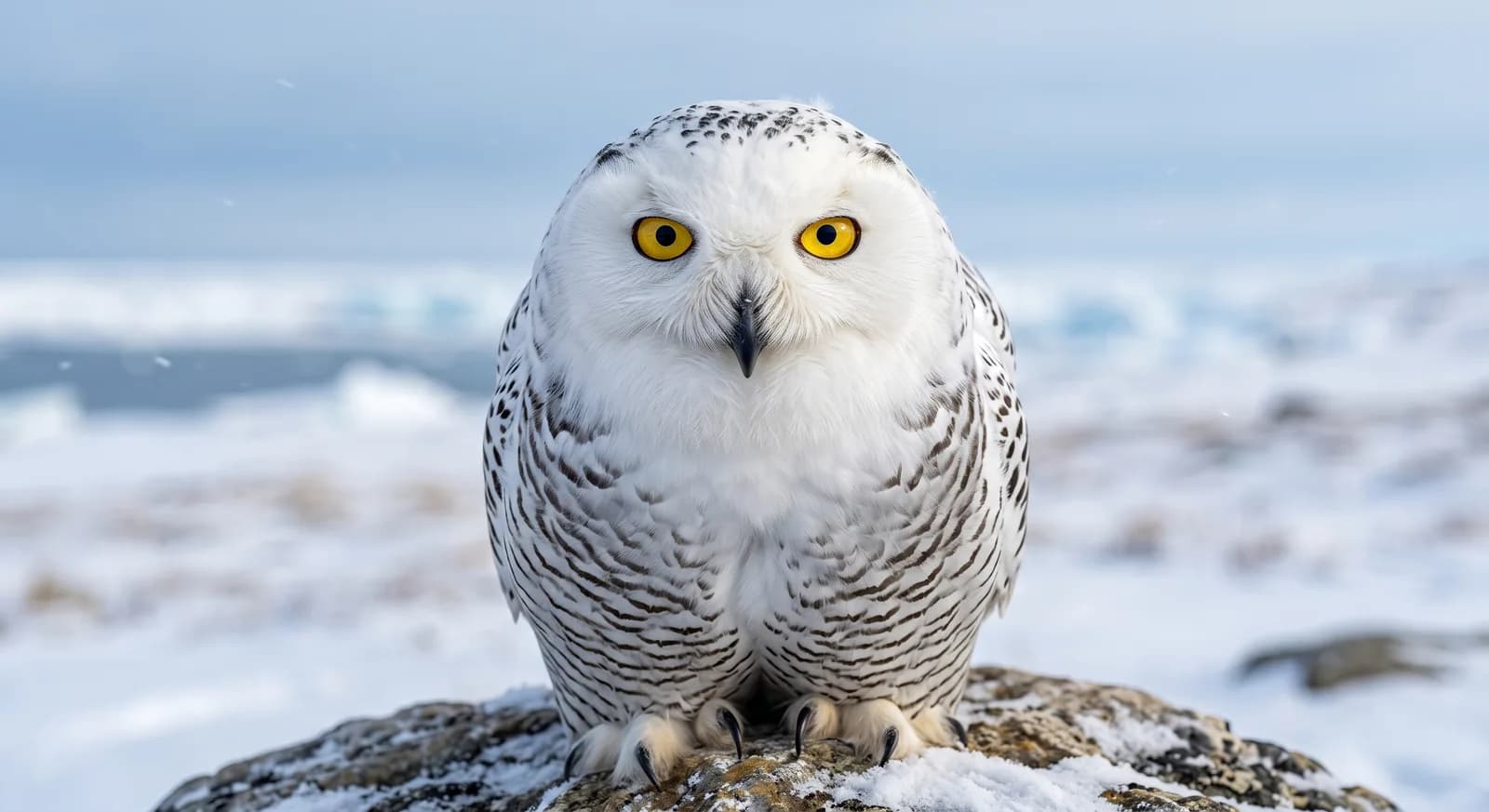
Snowy Owl
Bubo scandiacus
 Vulnerable
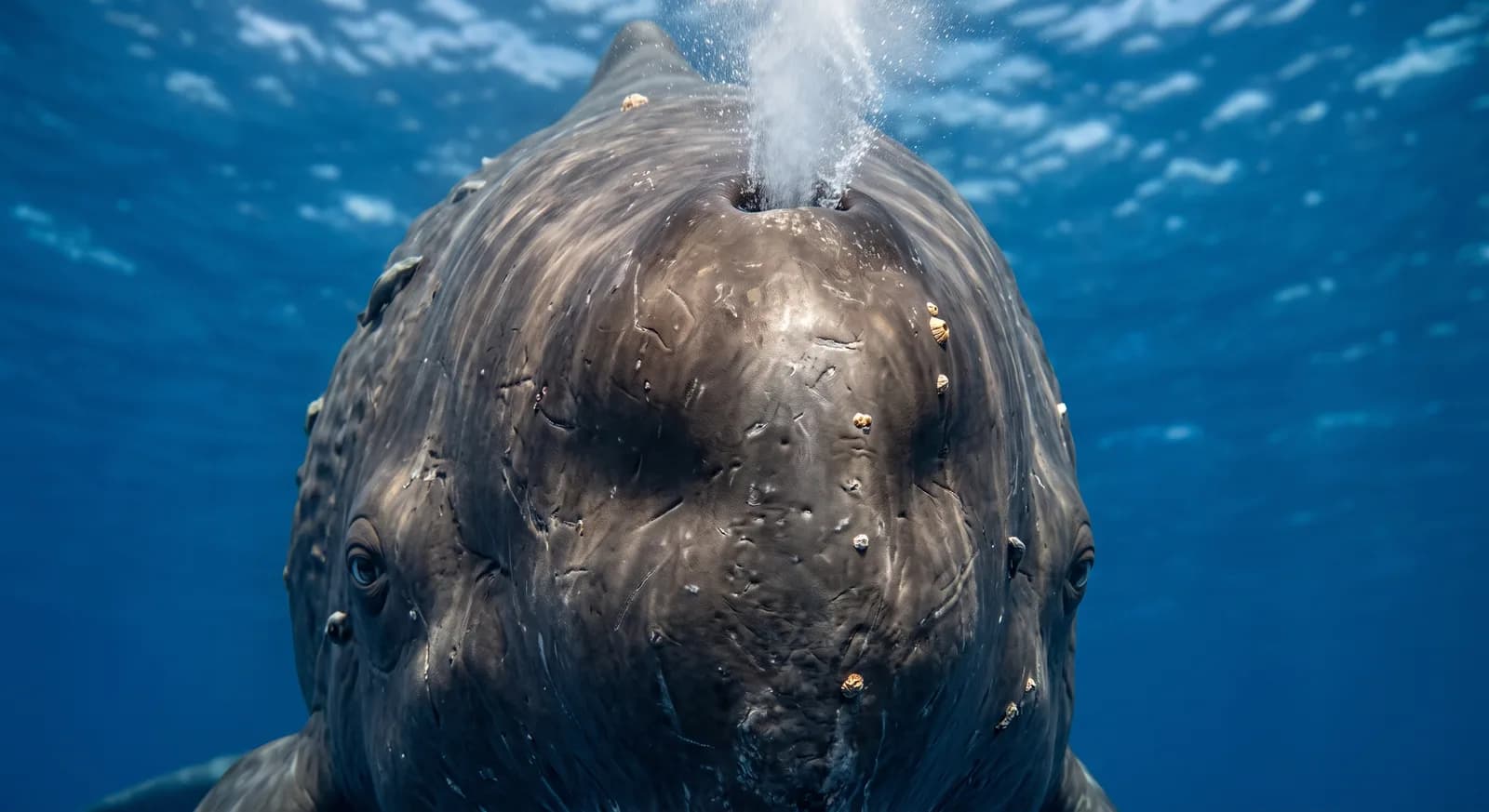
Sperm Whale
Physeter macrocephalus
 Vulnerable
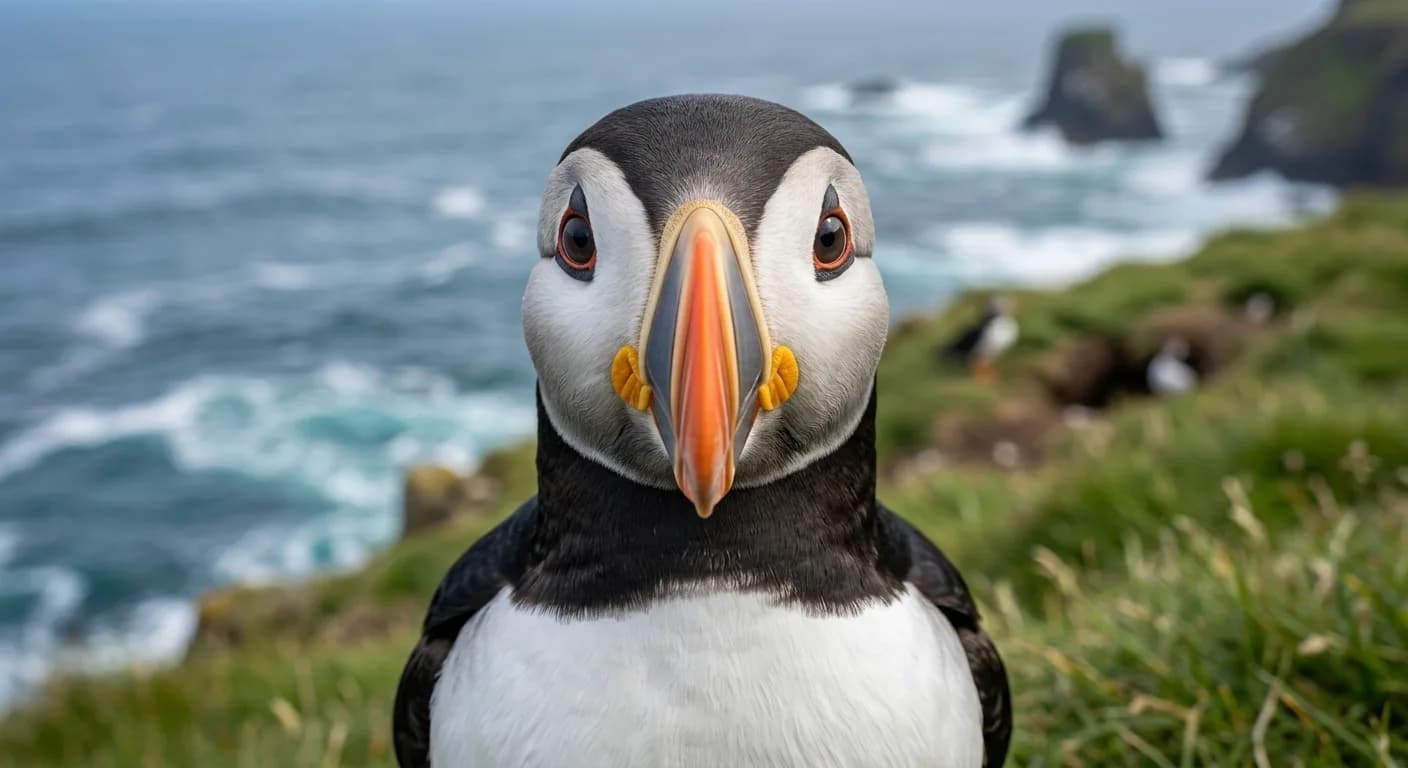
Atlantic Puffin
Fratercula arctica
 Vulnerable
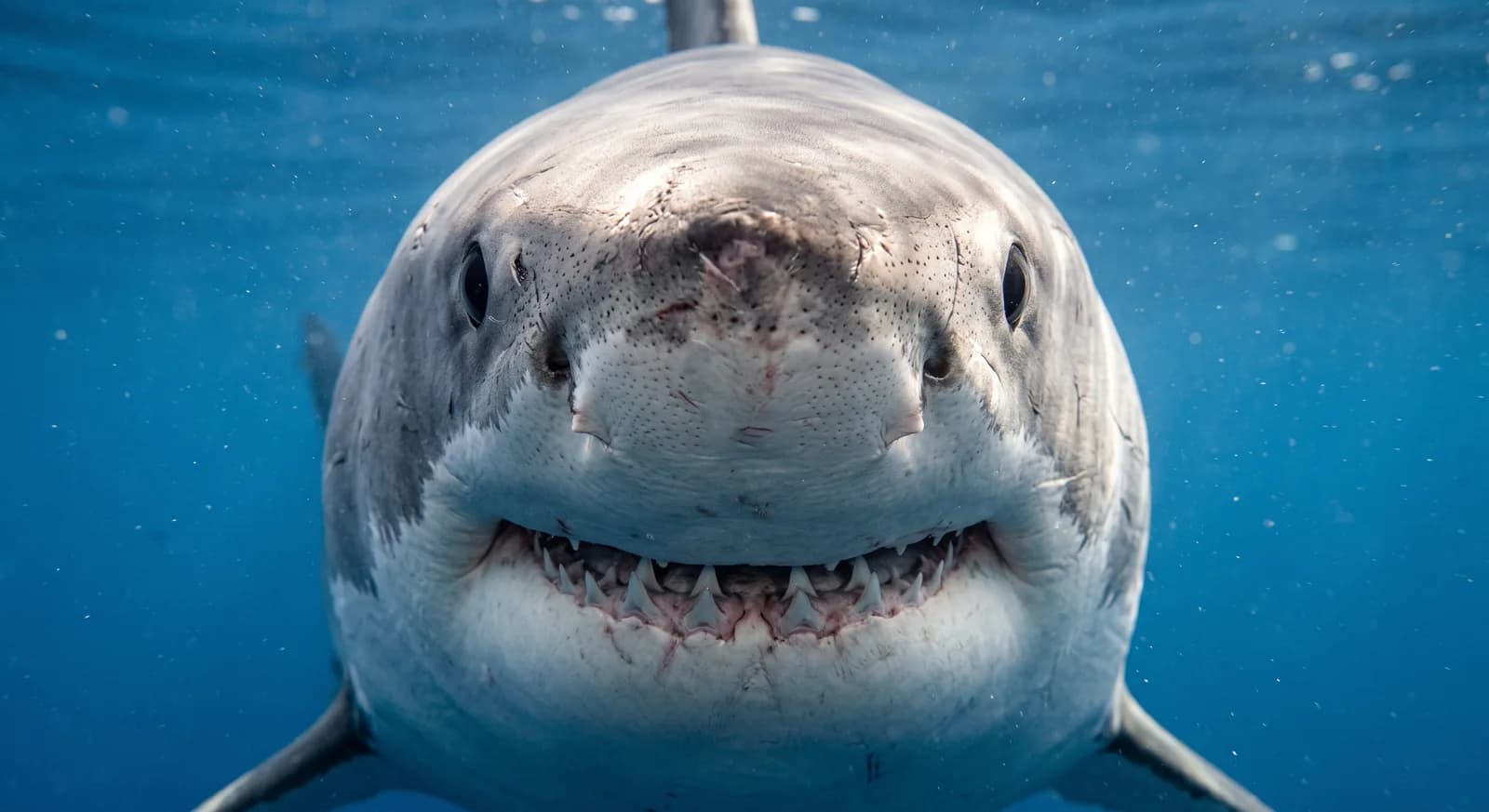
Great White Shark
Carcharodon carcharias
Keep exploring
Based on what we already know about Norway.