Mammals · Artiodactyla · Bovidae
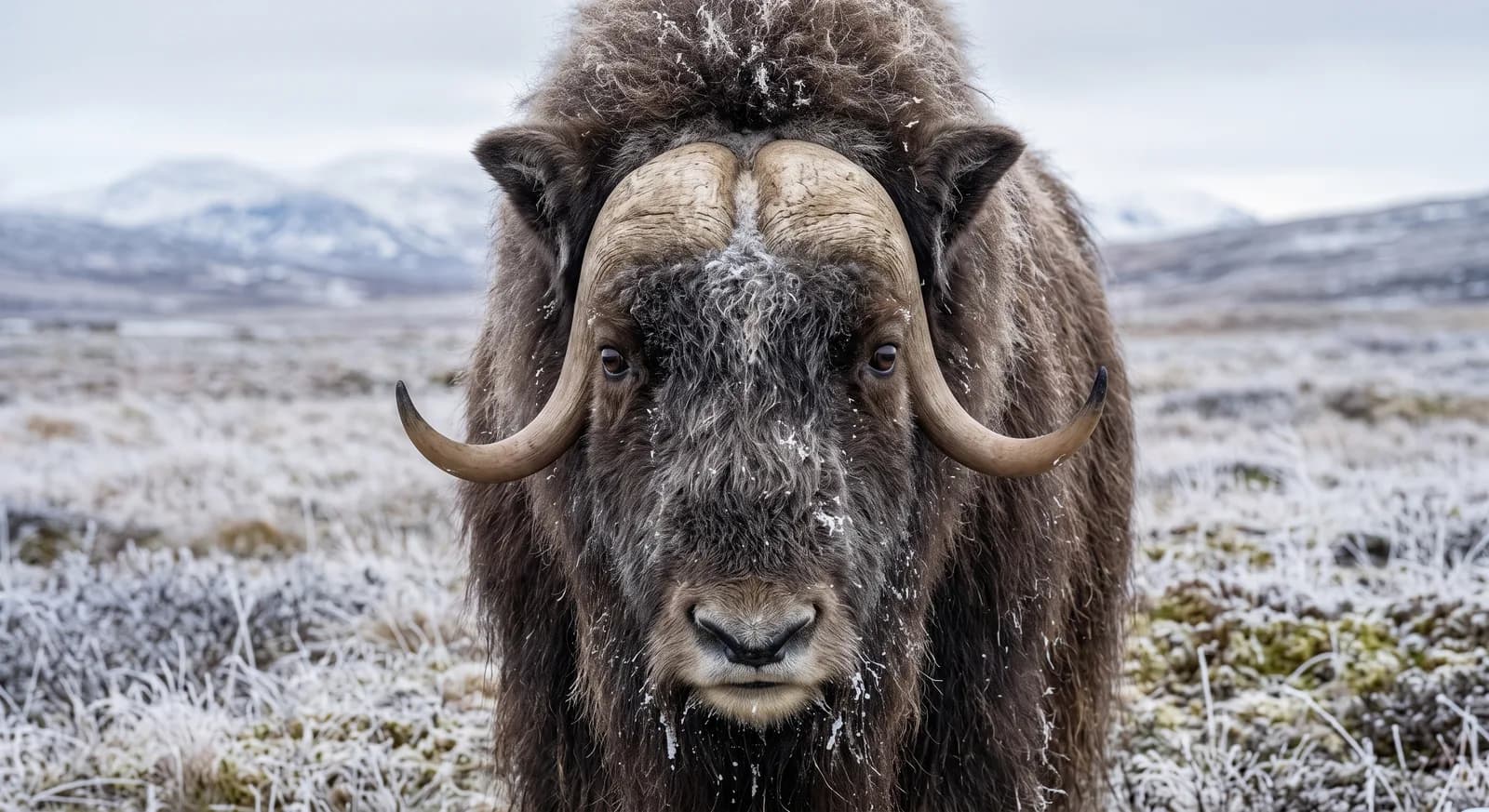
Muskox
Ovibos moschatus
The species is abundant and widely distributed; it faces no significant short-term risk. See full glossary
Despite its cattle-like appearance, it is more closely related genetically to sheep and goats than to cattle. Faced with a threat it forms a distinctive defensive circle, adults facing outwards and calves protected in the centre.
Weight
140 kg – 410 kg
Size
1.9 m – 2.5 m
Lifespan
17 years
Diet
Herbivore
Feeds mainly on plants.
Activity
Diurnal
Active mainly during the day.
Social structure
Herd
Lives in large groups as a strategy against predators.
Sighting difficulty
Easy
Fun facts
- anatomíaIt has a double coat: long outer guard hairs over an extremely fine insulating underlayer, reckoned one of the warmest natural fibres in the world.
Life cycle & biology
- Skeleton type
- Vertebrate - internal bony skeleton (mammal)
- Habitat & environment
- Arctic tundra of North America and Greenland, plus reintroduced populations in Scandinavia and Siberia
- Birth weight
- 9 - 11.5 kg
- Size at birth
- Able to stand and suckle 45 minutes after birth, already with a layer of qiviut (underwool) and brown fat
- Sexual maturity
- 1-4 years, varying with body condition
- Gestation / incubation
- 8-9 months (258 days)
- Litter / clutch size
- 1 young (twins are very rare and seldom survive)
- Lifespan in captivity
- Documented record of 27.4 years in captivity
Sources consulted: AnAge; Animal Diversity Web; Dimensions.com; PMC; Wildlife Vagabond; A-Z Animals; PBS Nature; AnimalHub; National Geographic
Where to find it
See its range on the interactive mapWhere to watch it
Parks and dive sites where this species has been documented.
Related species
Other species in the catalogue with the most in common with Muskox — same habitat, park, country, tags or family.
Thinhorn Sheep
Ovis dalli
Arctic Hare
Lepus arcticus
 Least Concern
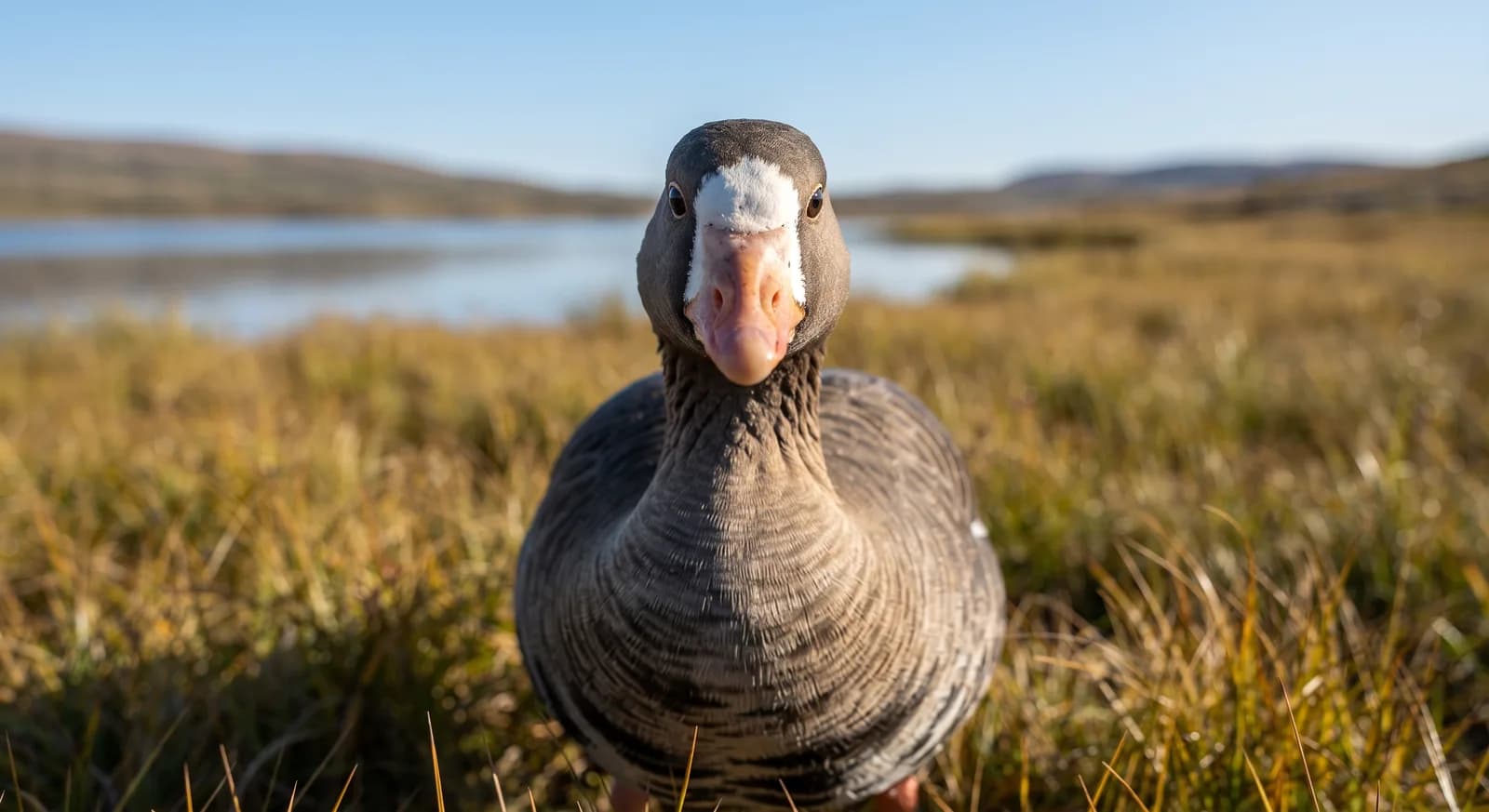
Greater White-fronted Goose
Anser albifrons
 Least Concern
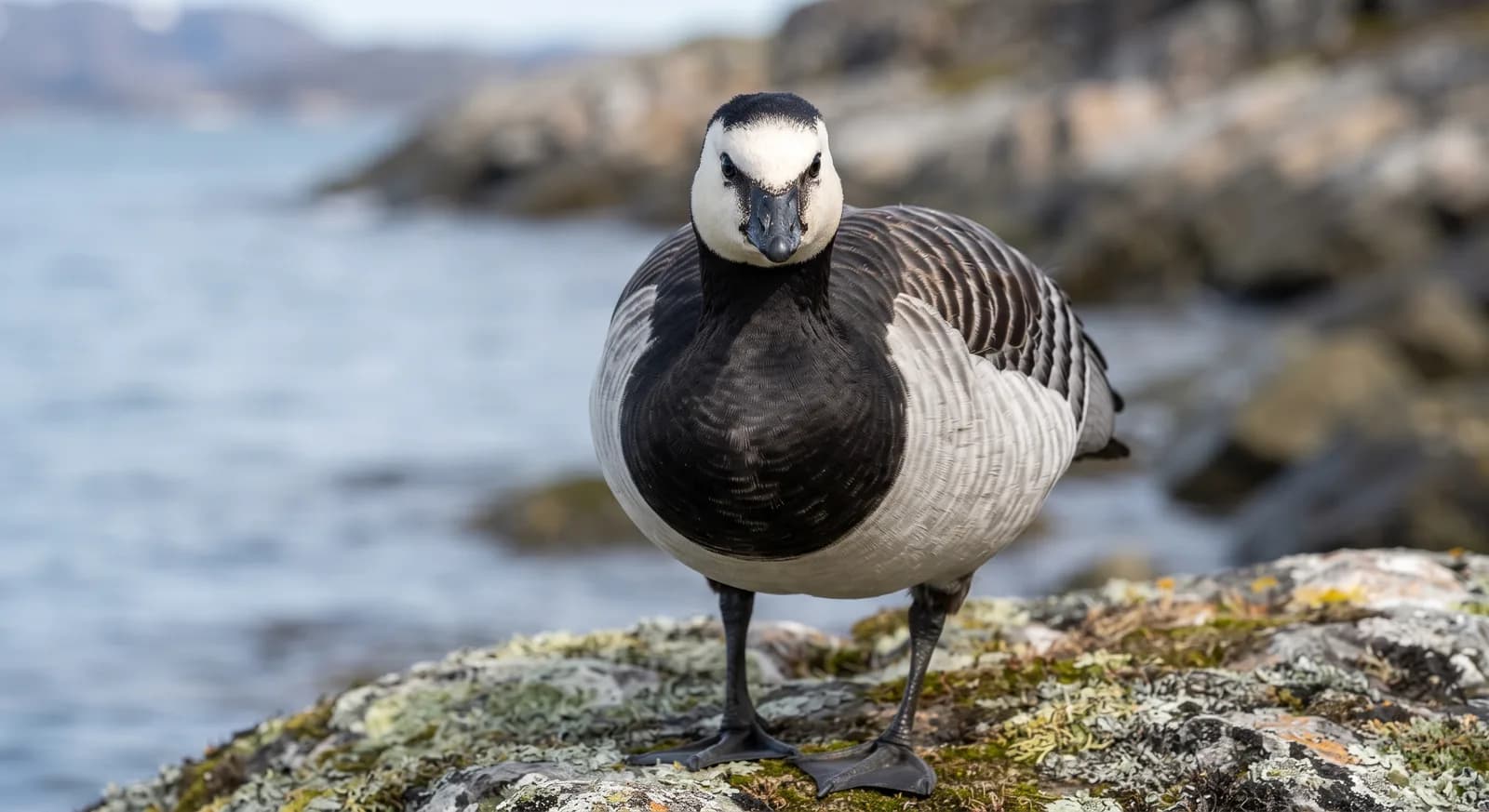
Barnacle Goose
Branta leucopsis
Snow Goose
Anser caerulescens
 Least Concern
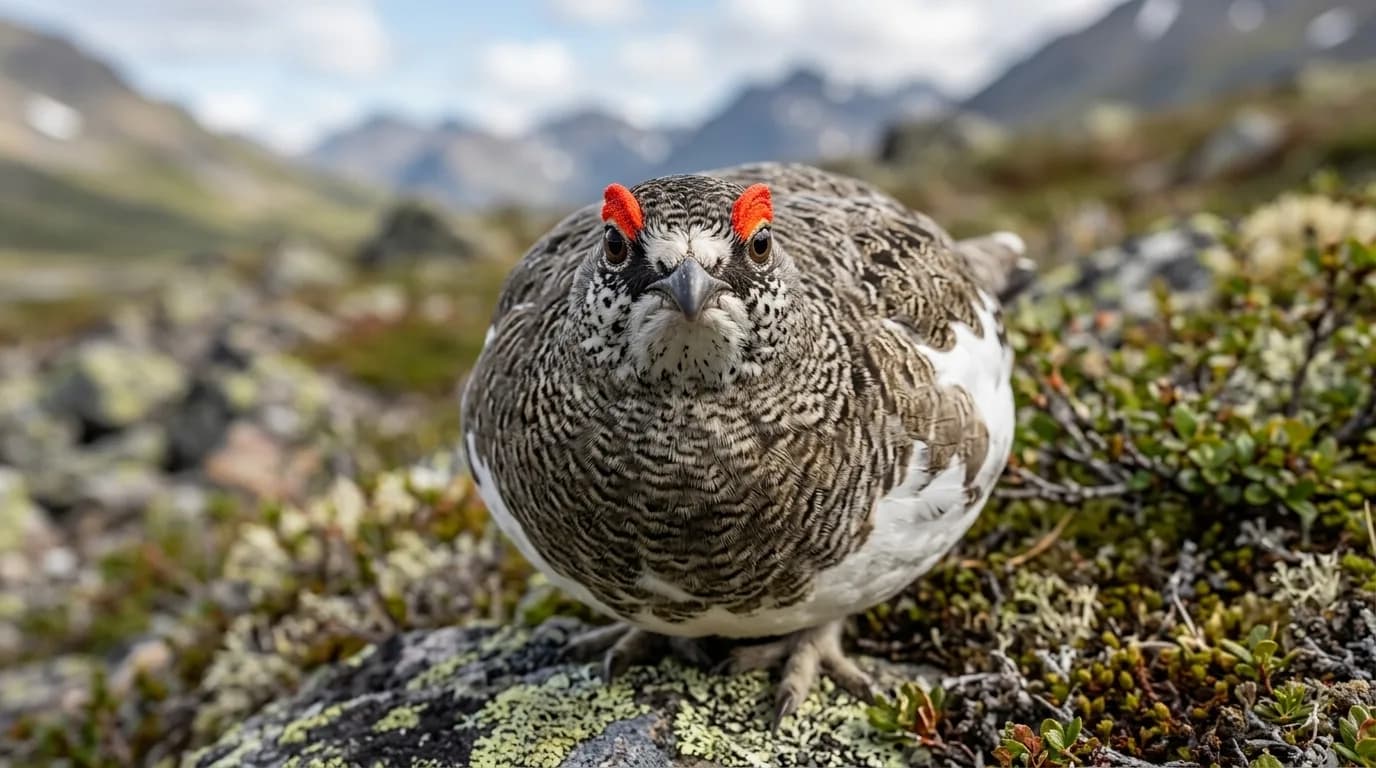
Rock Ptarmigan
Lagopus muta
Keep exploring
Based on what we already know about muskox.
Comments
Share an experience, a fun fact or a tip for seeing the muskox.
Be the first to comment.