One of the 4 geese on WAnimals
Birds · Anseriformes · Anatidae
Snow Goose
Anser caerulescens
The species is abundant and widely distributed; it faces no significant short-term risk. See full glossary
An Arctic goose with two colour morphs in the adults. The white morph, or "snow" morph, has a white body with black wingtips and a black mark on the bill that recalls a smile. The blue morph keeps those same black patterns but the body is bluish grey, with the head equally white. There is slight sexual dimorphism: the males are somewhat larger.
Weight
2 kg – 3.2 kg
Size
65 cm – 84 cm
Lifespan
15 years
Diet
Herbivore
Feeds mainly on plants.
Activity
Diurnal
Active mainly during the day.
Social structure
Colony
Lives in large concentrations, often for breeding reasons.
Sighting difficulty
Easy
Estimated population
It is one of the most abundant waterbirds in the world
Fun facts
- GeneralIt migrates in flocks of hundreds of thousands that turn the sky white.
- The colour morph is controlled by a single genetic locus in which the dark allele is incompletely dominant over the white.
- The breeding colonies of the dark morph were not discovered until 1929, after a deliberate search by Dewey Soper that lasted six years and covered more than 48,000 km.
- The two morphs remained almost allopatric until 1930; since then sympatry has produced gene flow, and hence the present pattern of colour frequencies.
Life cycle & biology
- Skeleton type
- Vertebrate - internal bony skeleton (bird)
- Habitat & environment
- Arctic tundra; saltmarsh and farmland in winter
- Birth weight
- Precocial: born covered in down and leaves the nest within a few hours
- Size at birth
- Precocial: born covered in down and leaves the nest within a few hours
- Sexual maturity
- 2-3 years
- Gestation / incubation
- 22-25 days of incubation
- Litter / clutch size
- It is sociable even in the breeding season, and pairs nest very close together
Sources consulted: IUCN Red List (BirdLife International 2012); Birds of the World (Cornell Lab); Soper 1930, Canadian Field Naturalist 44; Cooke et al.; Bernis et al. 1994, Ardeola (nombres castellanos SEO); Linnaeus 1758; Kennard 1927
Where to find it
See its range on the interactive mapBest time: Winter in the southern United States and Mexico; it breeds in summer on the Arctic tundra
Where to watch it
Parques y spots de buceo donde se ha documentado esta especie — se muestran 10 de 24 documentados.
Related species
Other species in the catalogue with the most in common with Snow Goose — same habitat, park, country, tags or family.
Canada Goose
Branta canadensis
 Least Concern
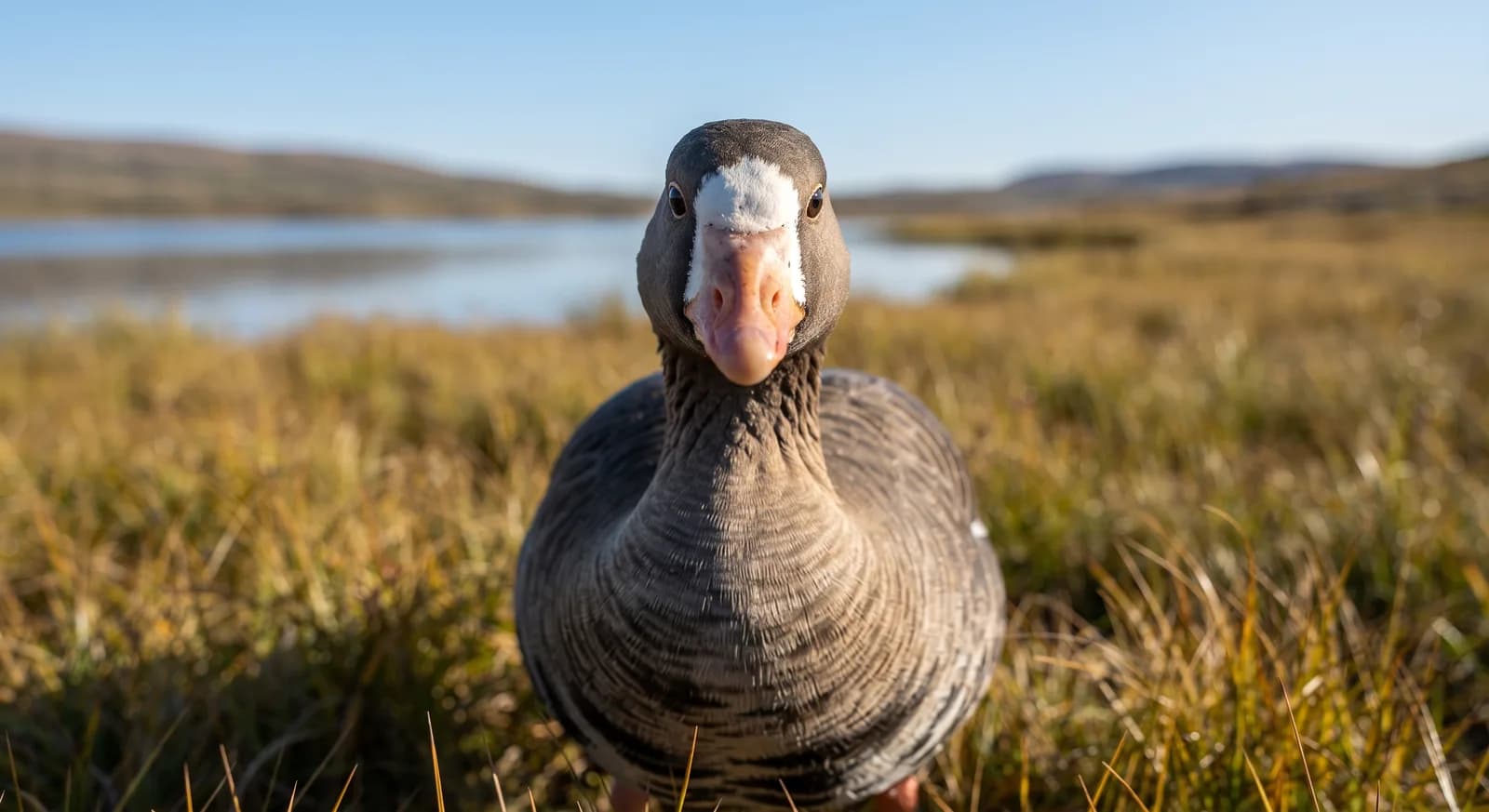
Greater White-fronted Goose
Anser albifrons
Brent Goose
Branta bernicla
 Least Concern
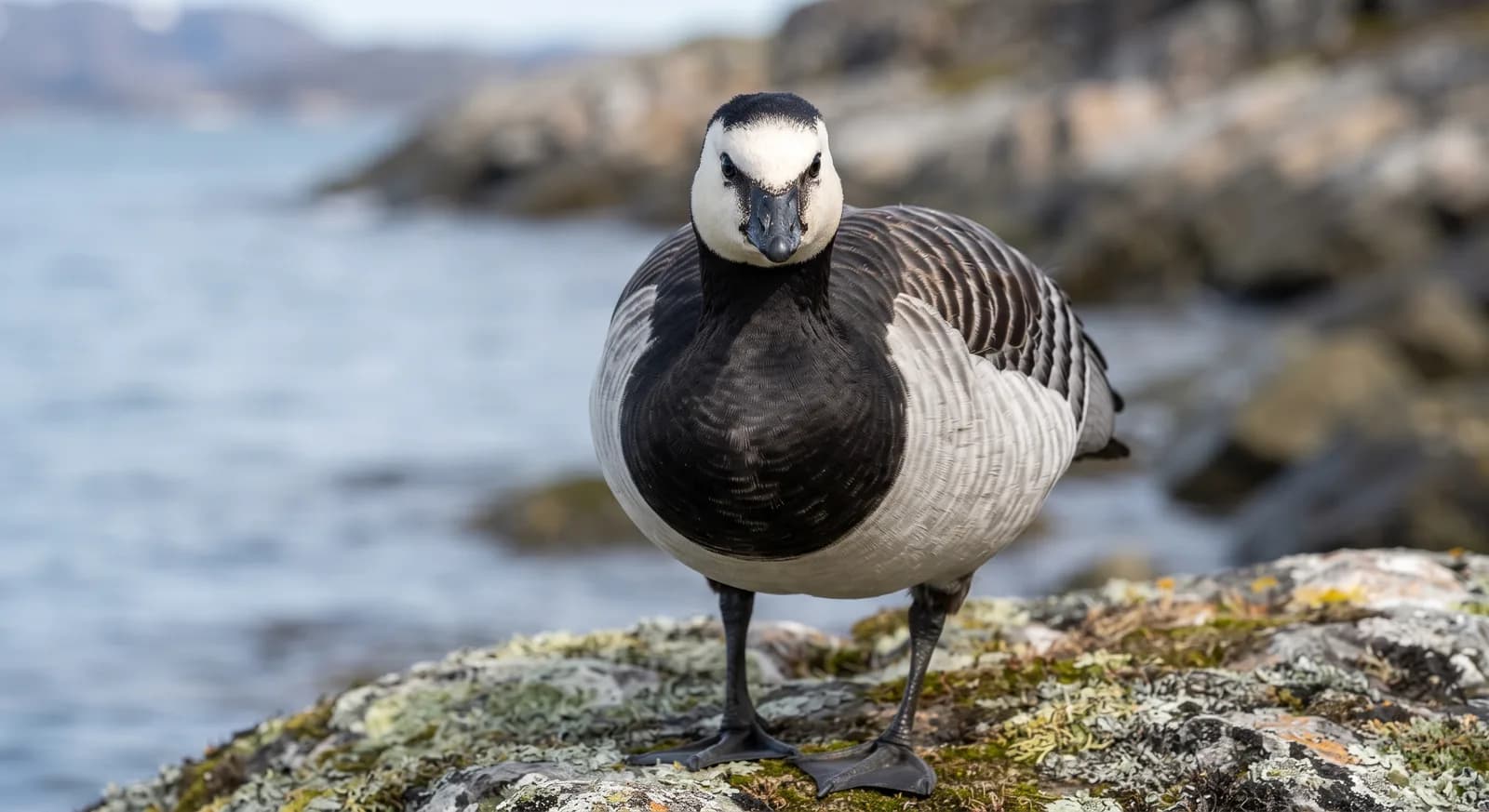
Barnacle Goose
Branta leucopsis
Goosander
Mergus merganser
Wood Duck
Aix sponsa
Keep exploring
Based on what we already know about snow goose.
Comments
Share an experience, a fun fact or a tip for seeing the snow goose.
Be the first to comment.