One of the 8 hares on WAnimals
Mammals · Lagomorpha · Leporidae
Arctic Hare
Lepus arcticus
The species is abundant and widely distributed; it faces no significant short-term risk. See full glossary
The Arctic hare is a large, heavily built lagomorph, with short ears and enormous hind feet that serve as snowshoes. It is adapted to extreme cold: a very dense coat, short extremities and the habit of digging shelters in the snow during blizzards. It feeds mainly on Arctic willow, which it finds by scraping beneath the snow with its claws. Unlike most hares, in winter it may gather in bands of dozens or even hundreds of animals.
Weight
2.5 kg – 7 kg
Size
43 cm – 70 cm
Lifespan
5 years
Diet
Herbivore
Feeds mainly on plants.
Activity
Nocturnal
Active mainly at night.
Sighting difficulty
Easy
Fun facts
- adaptaciónIt changes coat from white to greyish brown with the seasonal day length, much as the Arctic fox does, to stay camouflaged all year.
- In the far north of its range it stays white all year, while the more southerly populations moult to a greyish brown in summer.
- It reaches 60 km/h and sometimes moves by bounding on its hind legs alone, forelegs tucked up, in a gait reminiscent of a kangaroo's.
Life cycle & biology
- Skeleton type
- Vertebrate - internal bony skeleton (mammal)
- Habitat & environment
- Arctic tundra, rocky slopes and polar desert of northern Canada and Greenland
- Gestation / incubation
- 53 days
- Litter / clutch size
- 5
Sources consulted: https://es.wikipedia.org/wiki/Lepus_arcticus
Where to find it
See its range on the interactive mapWhere to watch it
Parques y spots de buceo donde se ha documentado esta especie — se muestran 10 de 12 documentados.
Related species
Other species in the catalogue with the most in common with Arctic Hare — same habitat, park, country, tags or family.
 Least Concern
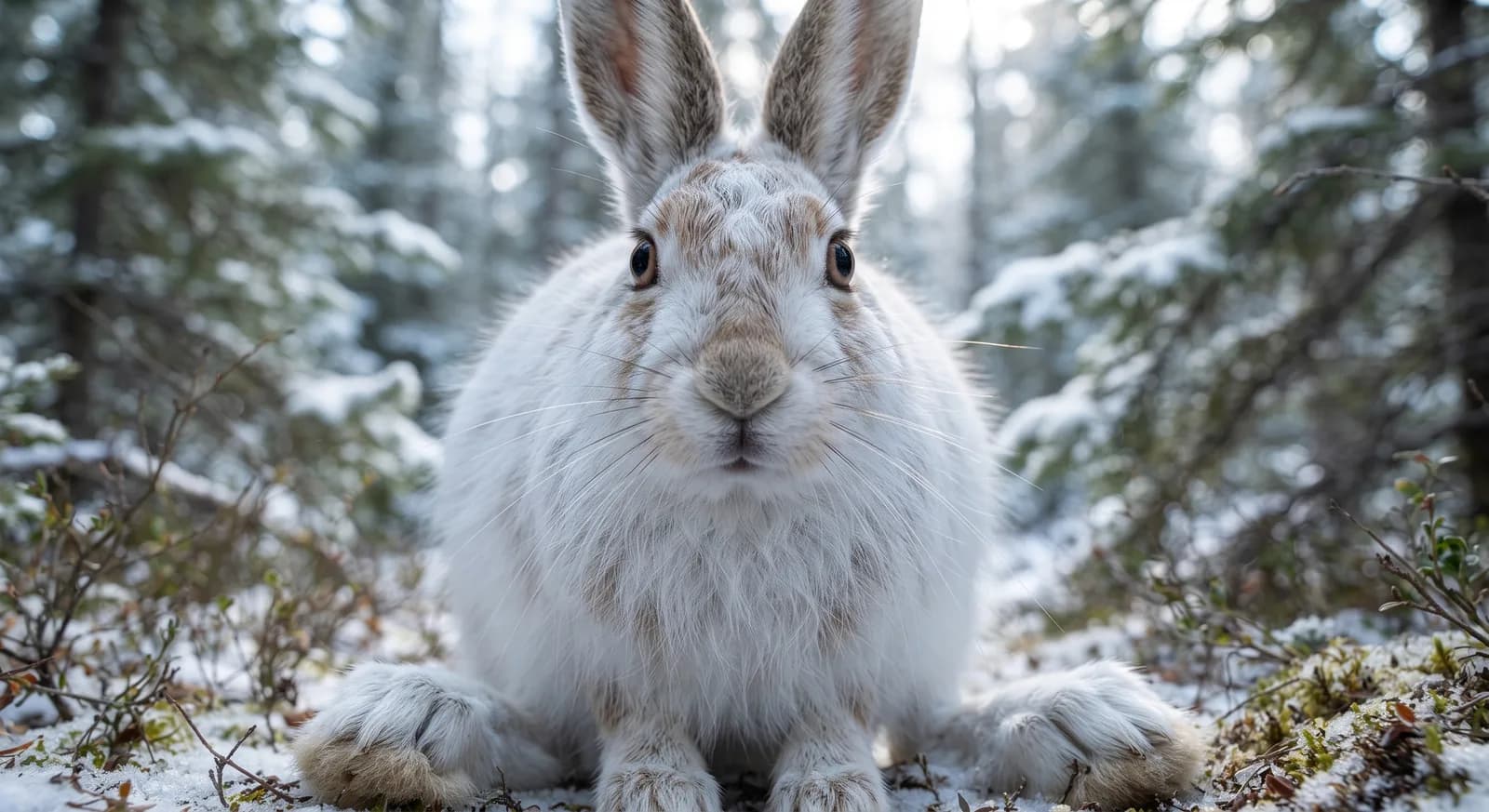
Snowshoe Hare
Lepus americanus
Eastern Cottontail
Sylvilagus floridanus
 Least Concern
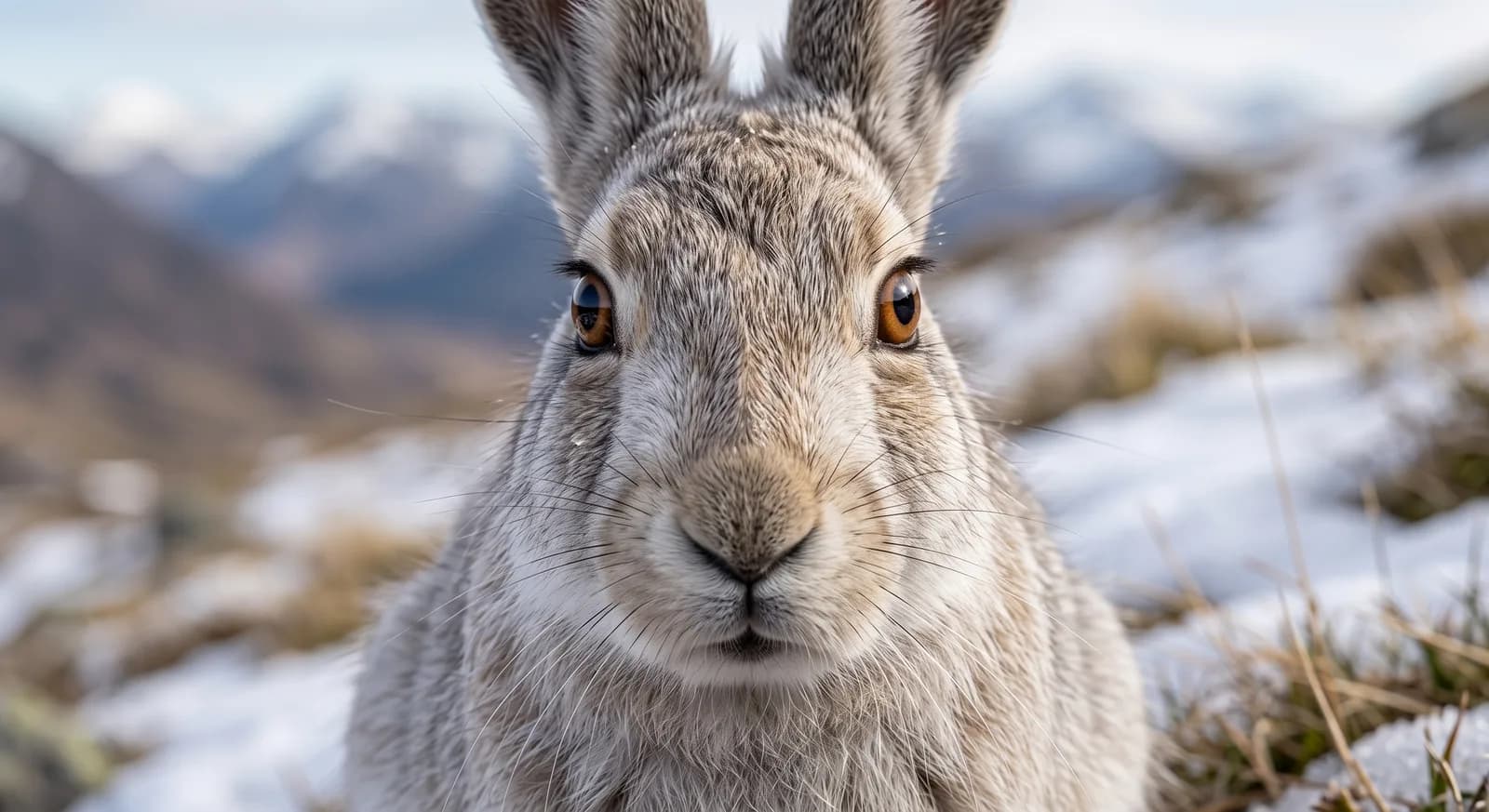
Mountain Hare
Lepus timidus
 Least Concern
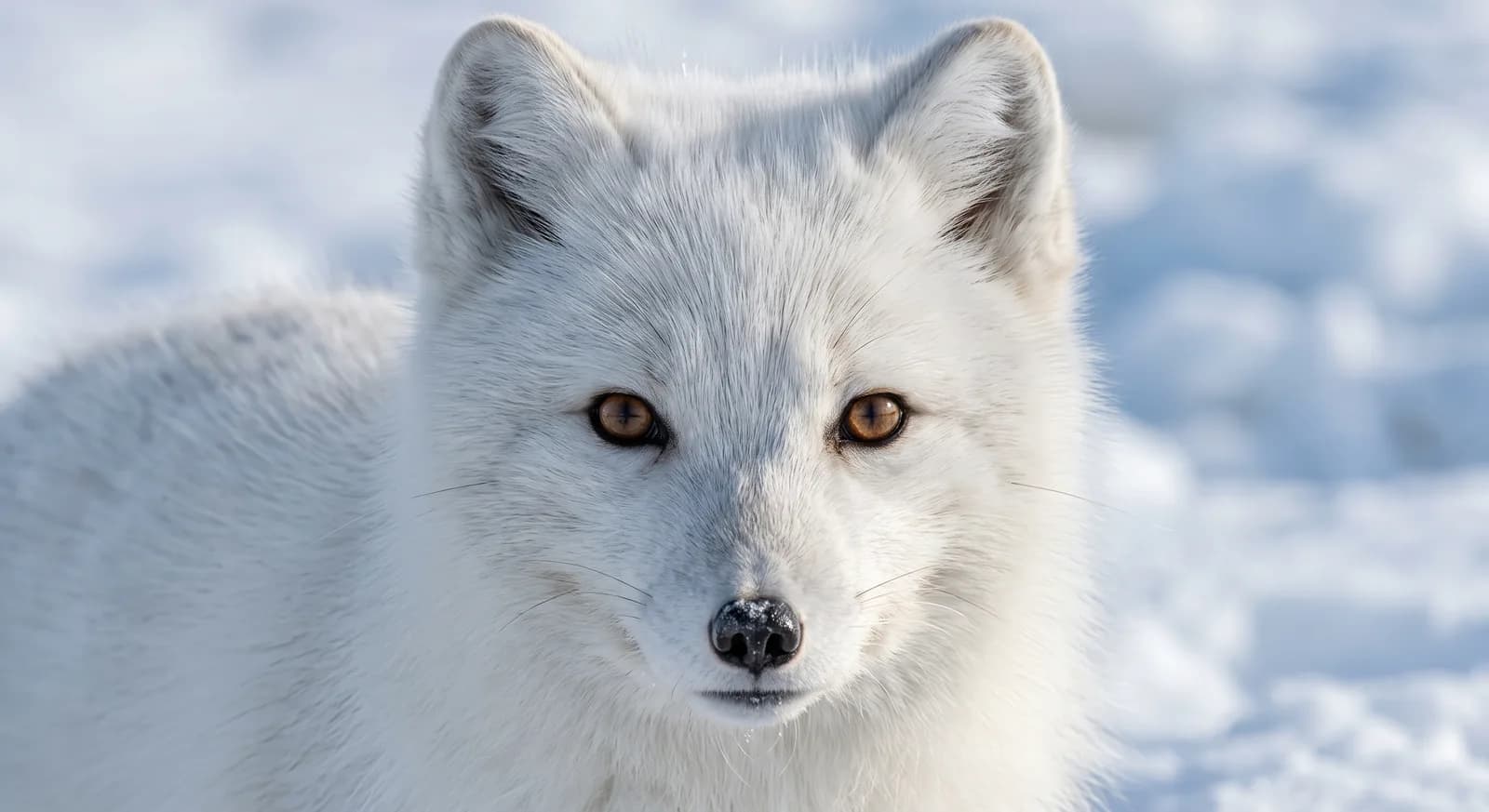
Arctic Fox
Vulpes lagopus
 Least Concern
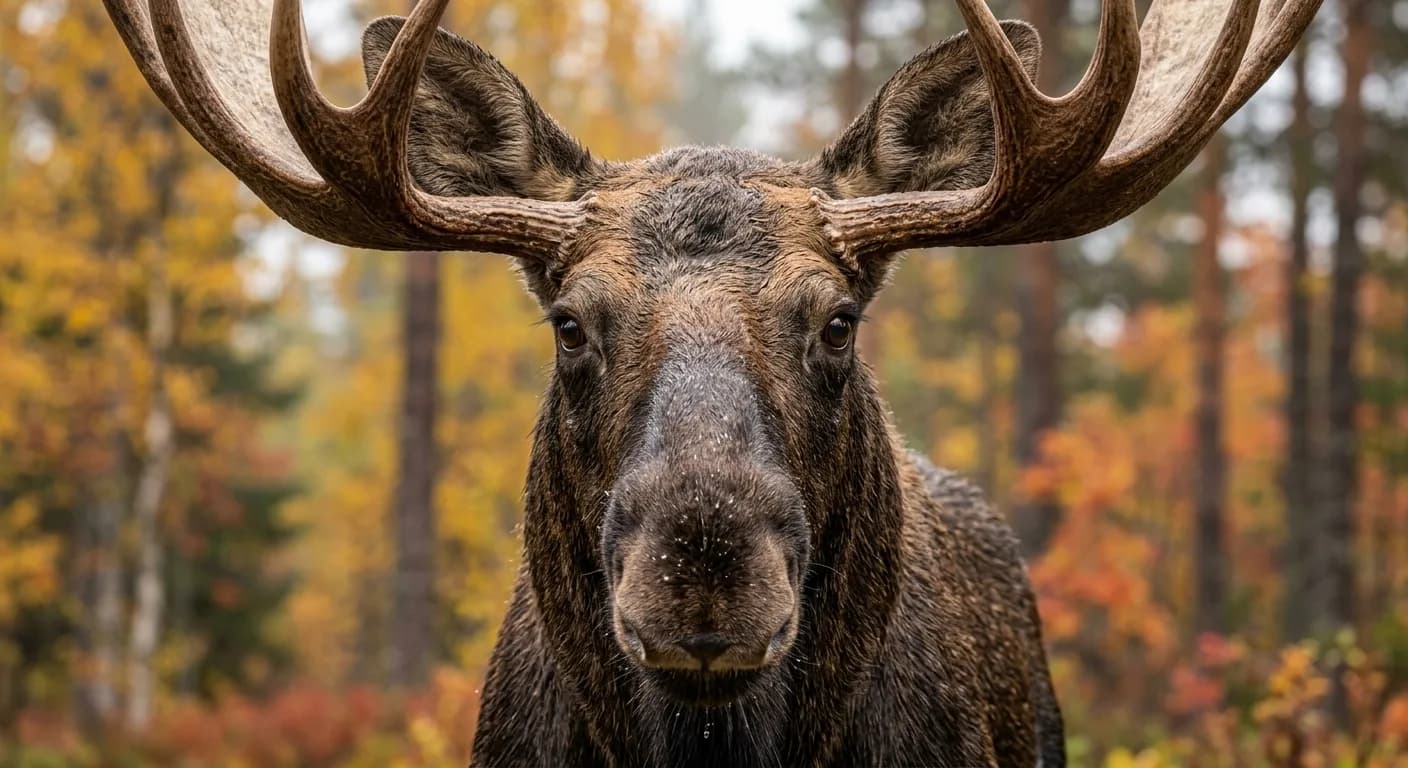
Moose
Alces alces
 Least Concern
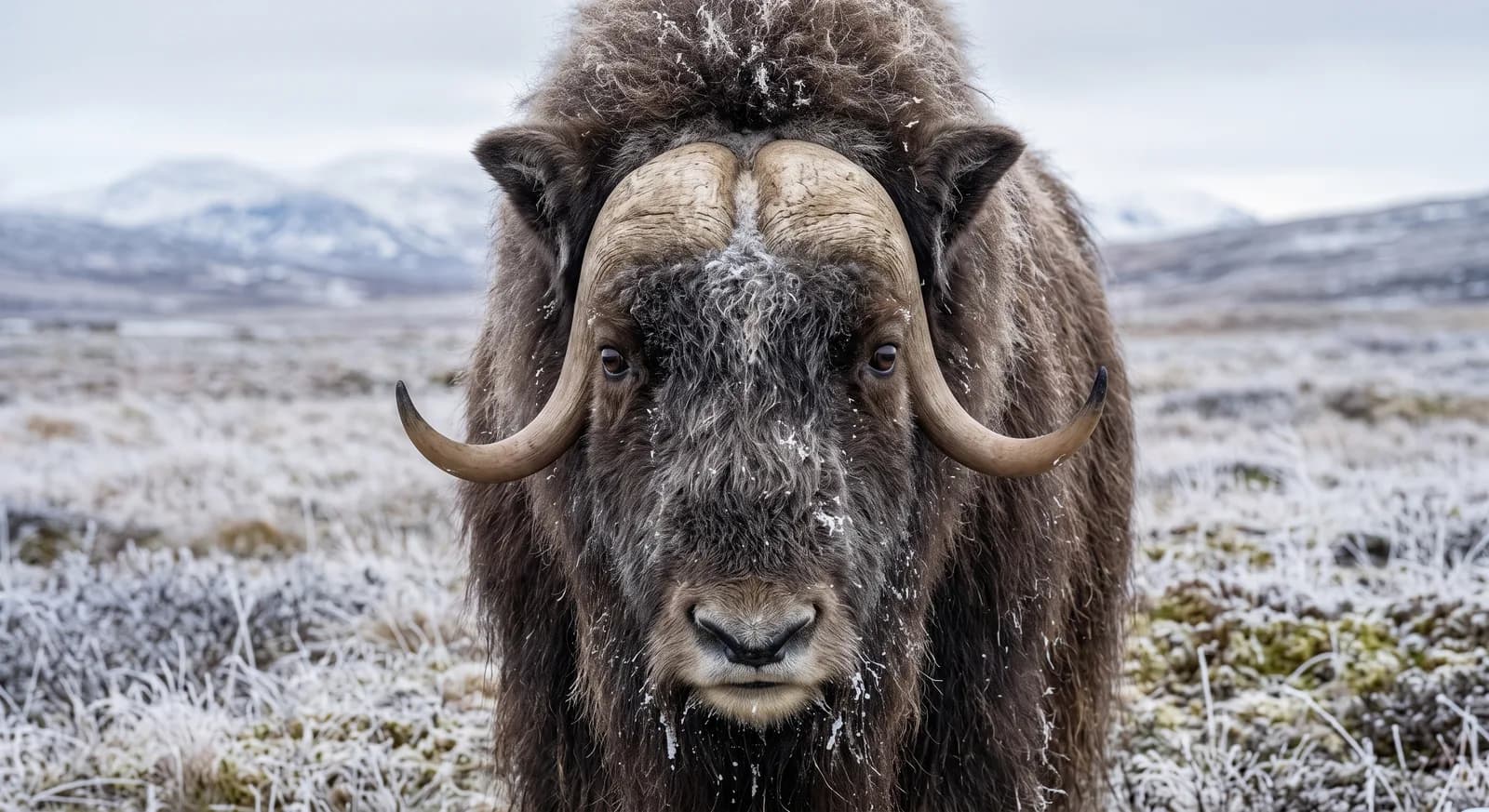
Muskox
Ovibos moschatus
Keep exploring
Based on what we already know about arctic hare.
Comments
Share an experience, a fun fact or a tip for seeing the arctic hare.
Be the first to comment.