Peatlands and tundra on Hudson Bay holding one of the largest polar bear denning areas in the world.
Area
11,475 km²
Declared in
1996
Region
North America
Climate
Templado, Polar / frío
Best time
June to September
Highlight
A polar bear maternity denning area
Wapusk takes its name from the Cree word for "white bear", and that is a statement of intent: the park was created on 24 April 1996, as Canada's thirty-seventh national park, specifically to protect one of the largest known polar bear maternity denning areas in the world. It covers 11,475 km² in north-eastern Manitoba, some 45 km south of Churchill, along the western shore of Hudson Bay, and represents the Hudson-James Lowlands natural region in the Canadian park system. It is the largest national park in Manitoba and the eighth largest in Canada.
The territory is an immense plain of tundra, sparse subarctic forest, marshes and peatlands, part of the largest expanse of peatland in North America. In summer the bogs and wetlands are practically impassable; in the subarctic forest, where the ground is firmer, tiny trees grow that can be several centuries old. No roads or trails enter the park, and access is by charter aircraft, boat or specialised vehicles, almost always on a guided visit.
Female polar bears dig their dens in the snowbanks and in the peat ground to give birth and rear their young; in late February and early March the cubs, about three months old, come outside for the first time, a spectacle that can be seen in only a few places on the planet. Between late September and mid-November around a thousand bears of the western Hudson Bay population gather on the Cape Churchill peninsula, waiting for the sea ice to form so they can start hunting seals. The park also protects critical habitat for hundreds of thousands of waterfowl and waders that nest on the coast or feed there during migration, and it is home to the Cape Churchill caribou herd, of some 3,000 animals, as well as moose, wolves, red and Arctic foxes, wolverines and lemmings. The indigenous peoples of the area maintain their traditional hunting practices within the park, above all for caribou.
Location
See on the interactive map17 species documented in Wapusk
At conservation risk:Morsa
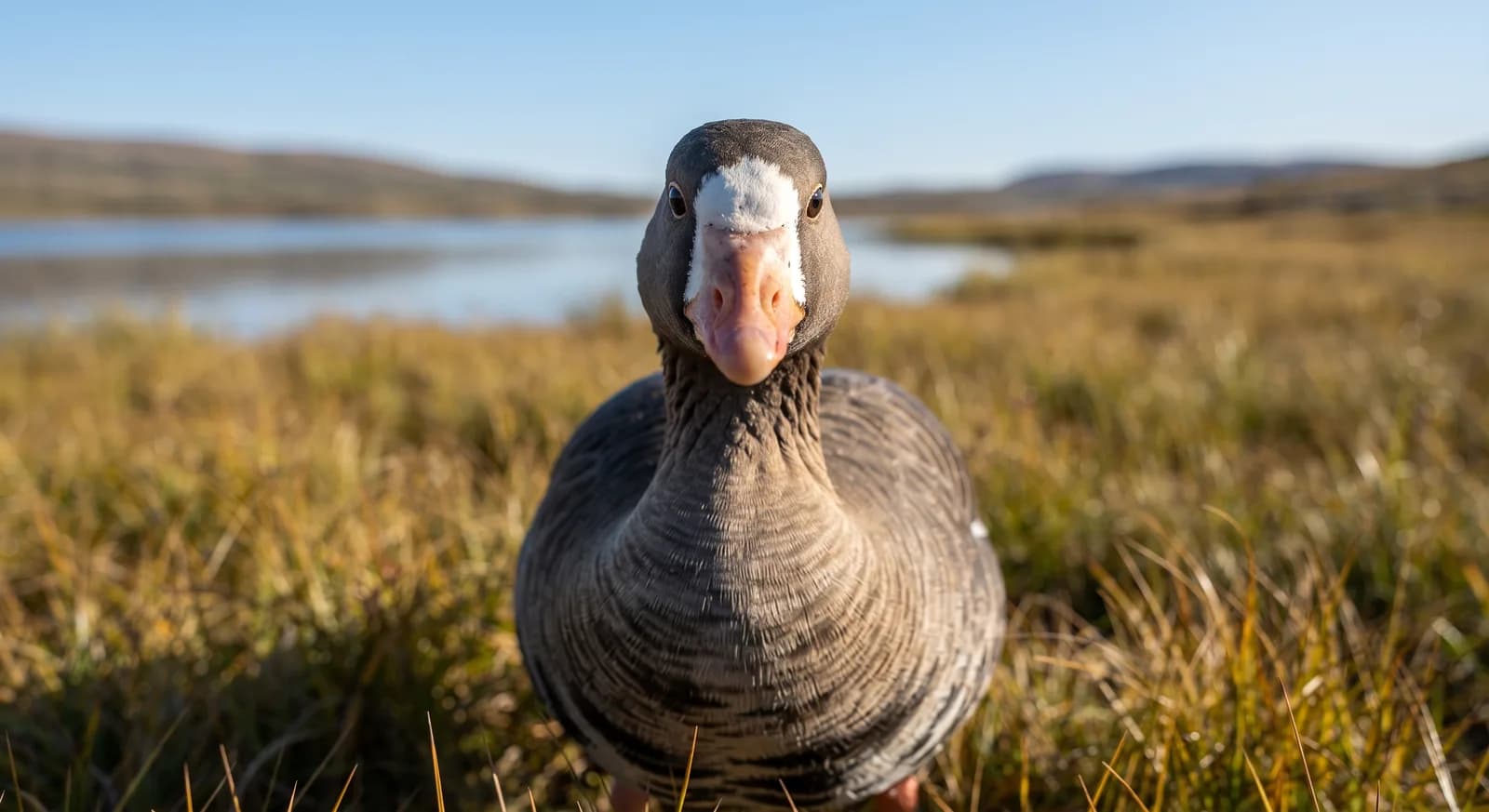 Least Concern
Ánsar careto
Anser albifrons
Ballena de Groenlandia
Balaena mysticetus
Barnacla canadiense
Branta canadensis
 Near Threatened
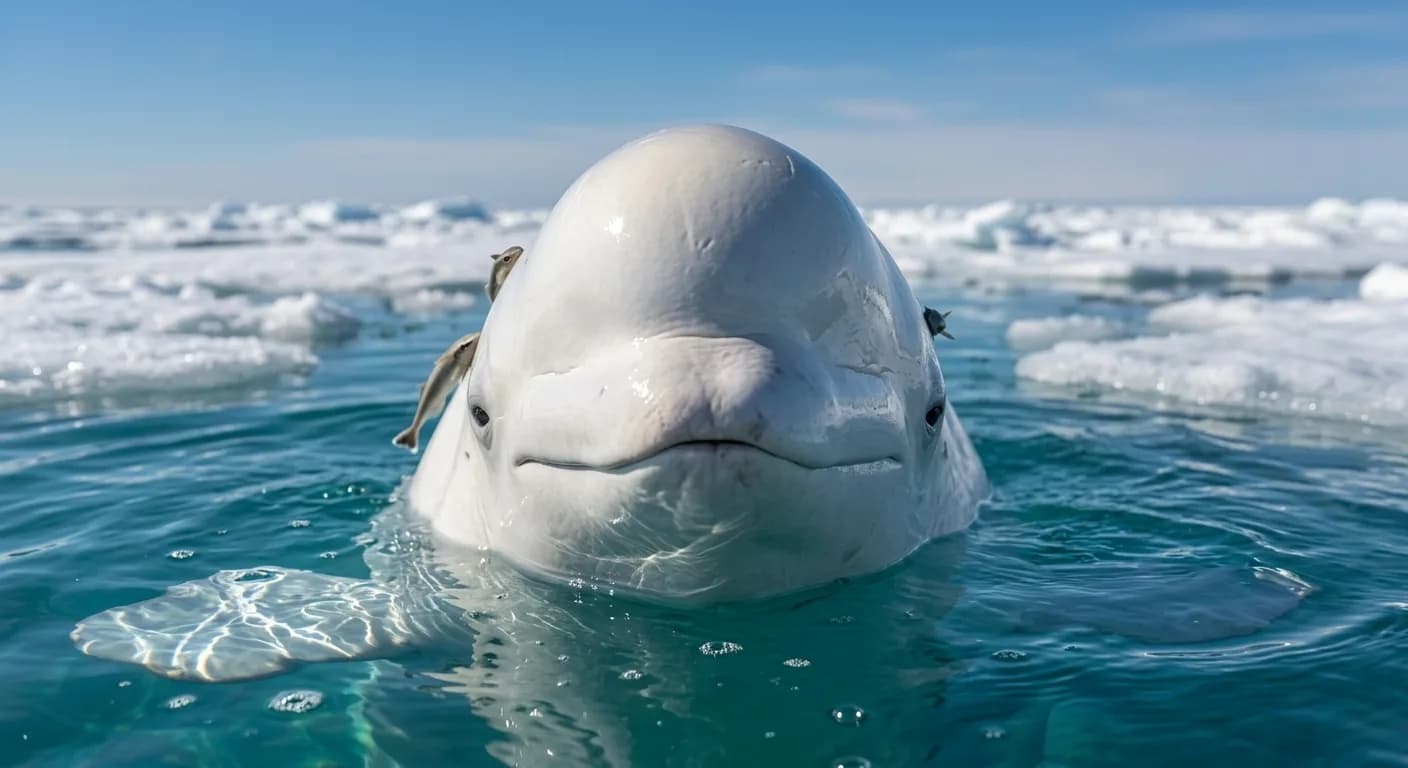
Beluga
Delphinapterus leucas
Búho campestre (lechuza campestre)
Asio flammeus
Chorlito dorado americano
Pluvialis dominica
Colimbo chico
Gavia stellata
Correlimos semipalmeado
Calidris pusilla
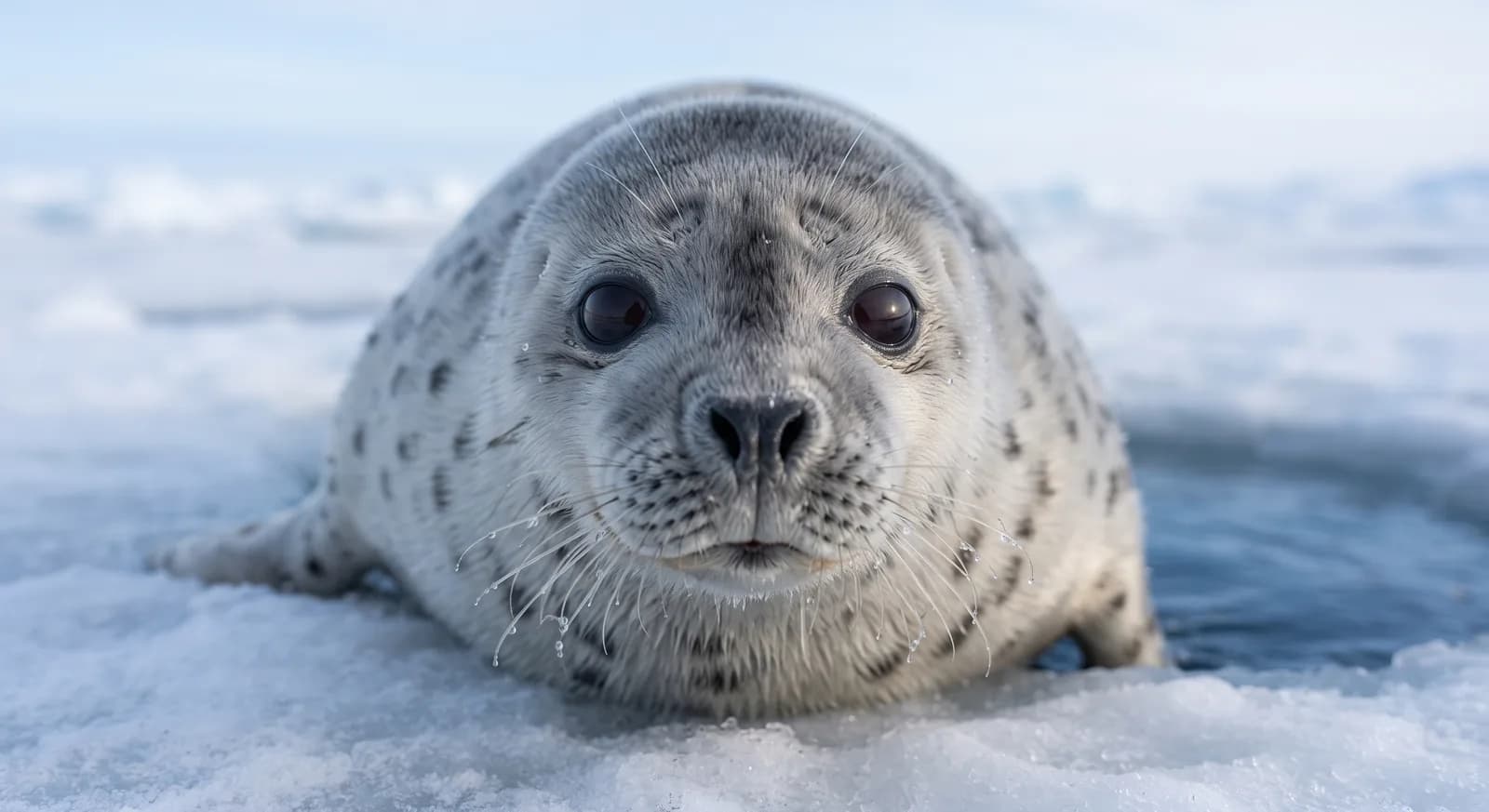 Least Concern
Foca anillada
Pusa hispida
Foca barbuda
Erignathus barbatus
Ganso de las nieves
Anser caerulescens
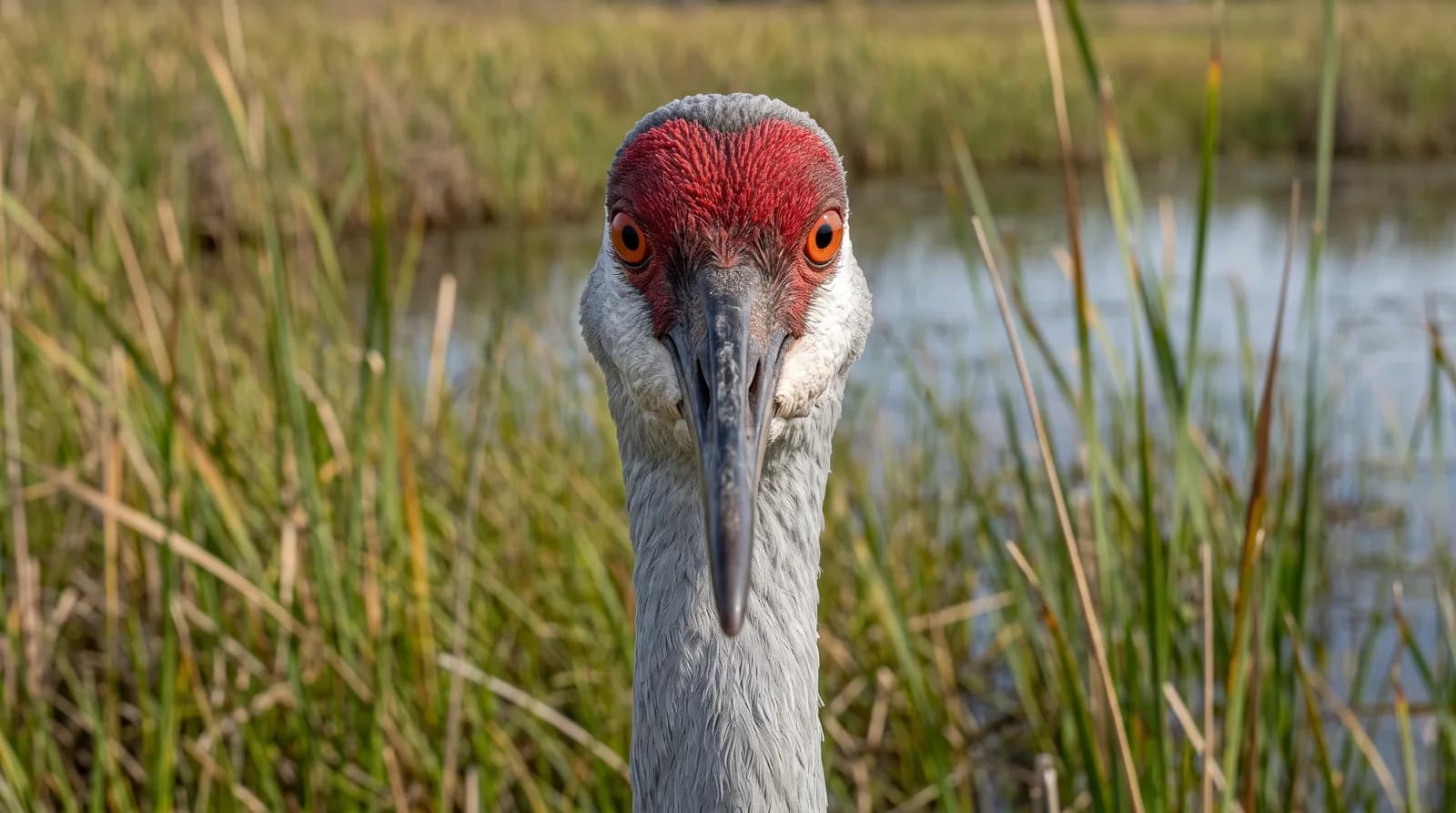 Least Concern
Grulla canadiense
Antigone canadensis
Flora and ecosystems
Ecosystems found in Canada, where Wapusk lies.
Experiences in this park
Similar parks
Which other parks are like this one?
Keep exploring
Based on what we already know about Wapusk.
Your rating
How many stars would you give Wapusk?
Comments
Share your experience visiting Wapusk, or a tip for other travellers.
Be the first to comment.