One of the 10 owls on WAnimals
Birds · Strigiformes · Strigidae
Short-eared Owl
Asio flammeus
The species is abundant and widely distributed; it faces no significant short-term risk. See full glossary
The short-eared owl, known in Spanish as lechuza campestre, lechuzón de pajonal or nuco, is one of the nocturnal raptors with the most daytime activity. It lives in open country, unworked grassland, marshes, farmland, heathland and above all coastal marshes. Its numbers in any given area depend above all on the availability of prey. It is often seen hanging in the air, though without truly hovering, looking for rodents among the tall grass.
Weight
200 g – 475 g
Size
34 cm – 43 cm
Lifespan
12 years
Diet
Carnivore
Feeds mainly on other animals.
Activity
Crepuscular
Active above all at dawn and dusk.
Social structure
In pairs
Usually lives in pairs, sometimes for life.
Sighting difficulty
Easy
Fun facts
- GeneralOne of the few owls that hunts by day and nests on the ground, in the grass.
- It is one of the owls that has travelled furthest: it colonised Hawaii, the Galápagos, the Falkland Islands and dozens of oceanic islands under its own steam, and on some of them gave rise to subspecies or species of their own.
- It is one of the few owls that nests on the ground, in a simple scrape among the grass, and one of the few that hunts in full evening light.
- Its populations are nomadic and follow the vole cycles: in a plague year dozens of pairs can gather in an area where there was not a single one the year before.
Life cycle & biology
- Skeleton type
- Vertebrate - internal bony skeleton (bird)
- Habitat & environment
- Saltmarsh, moorland, farmland and open grassland
- Sexual maturity
- 12 months
- Gestation / incubation
- 25 days
- Litter / clutch size
- 6
Sources consulted: https://es.wikipedia.org/wiki/Asio_flammeus
Where to find it
See its range on the interactive mapWhere to watch it
Parques y spots de buceo donde se ha documentado esta especie — se muestran 10 de 130 documentados.
Related species
Other species in the catalogue with the most in common with Short-eared Owl — same habitat, park, country, tags or family.
Little Owl
Athene noctua
Northern Hawk-Owl
Surnia ulula
Burrowing Owl
Athene cunicularia
Great Grey Owl
Strix nebulosa
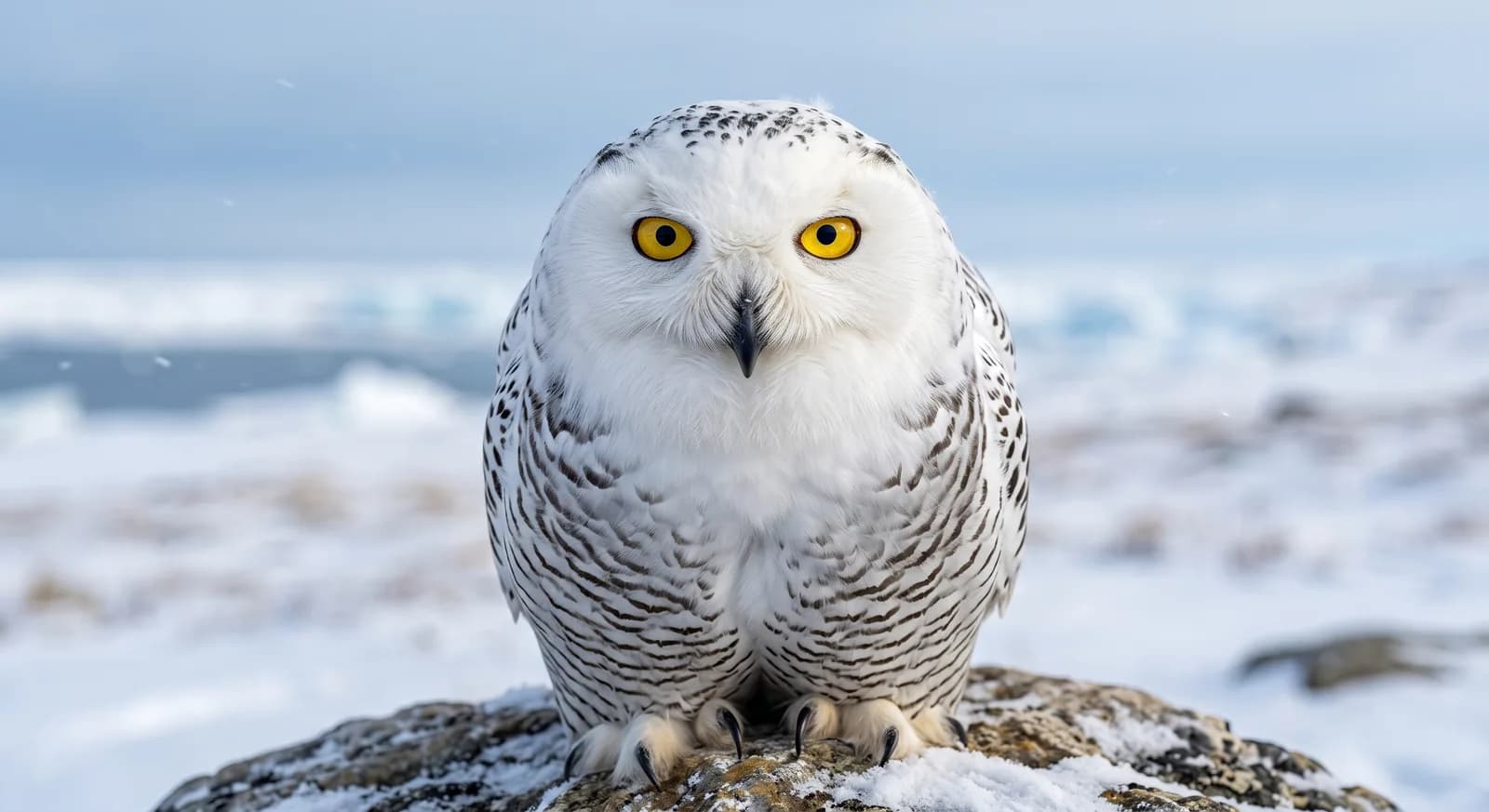 Vulnerable
Snowy Owl
Bubo scandiacus
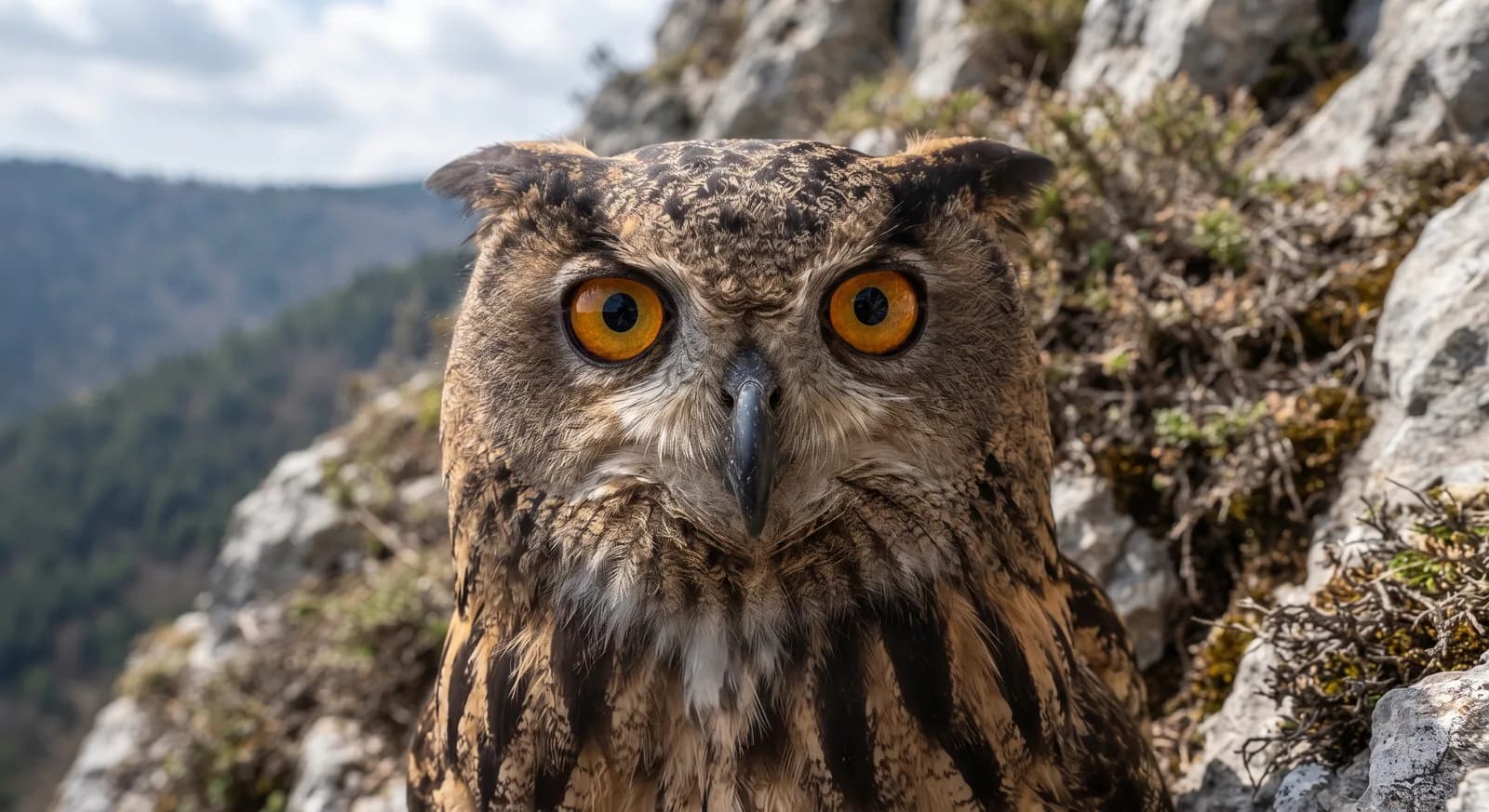 Least Concern
Eurasian Eagle-Owl
Bubo bubo
Keep exploring
Based on what we already know about short-eared owl.
Comments
Share an experience, a fun fact or a tip for seeing the short-eared owl.
Be the first to comment.