Iceland
Europa
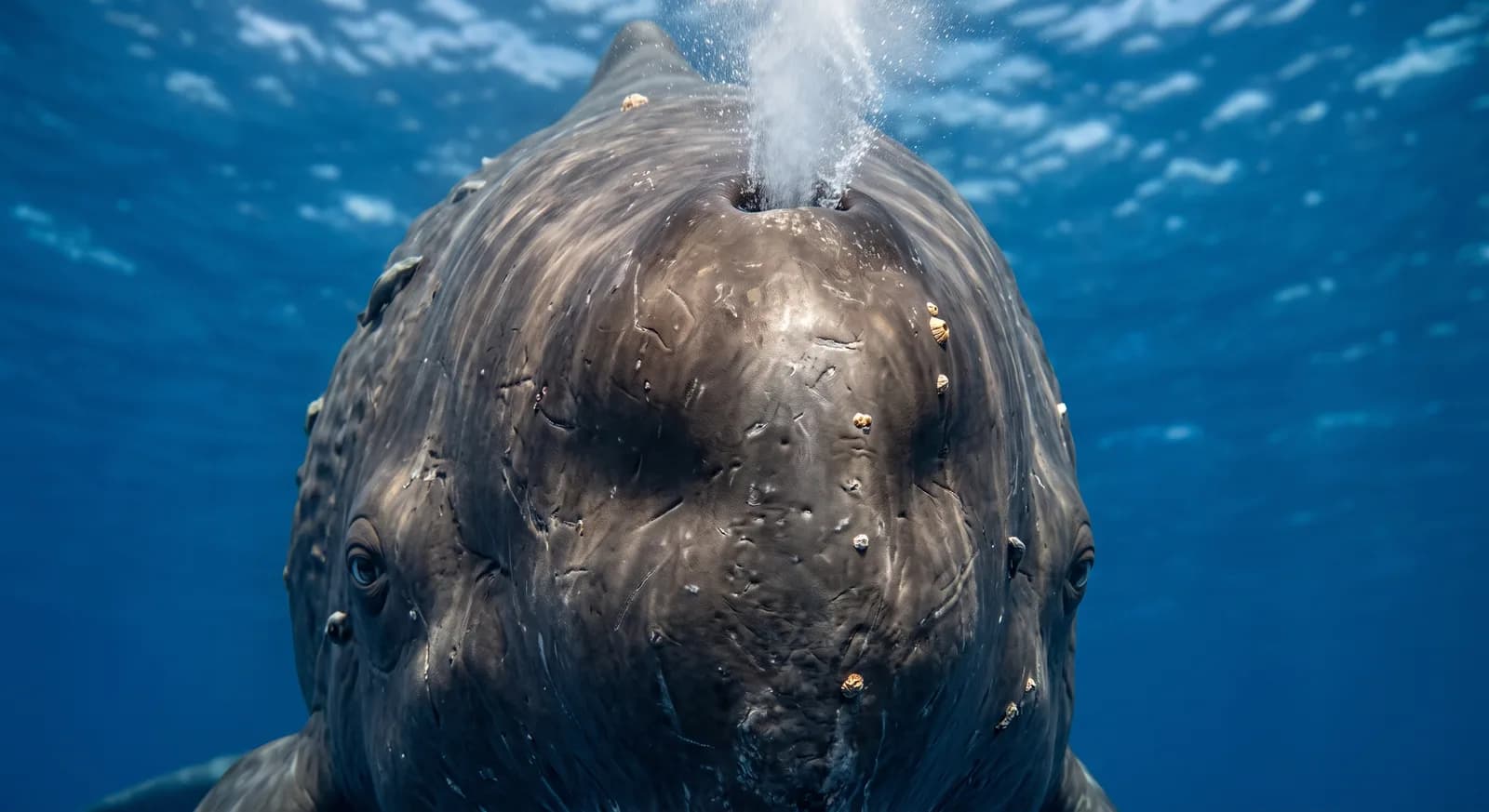
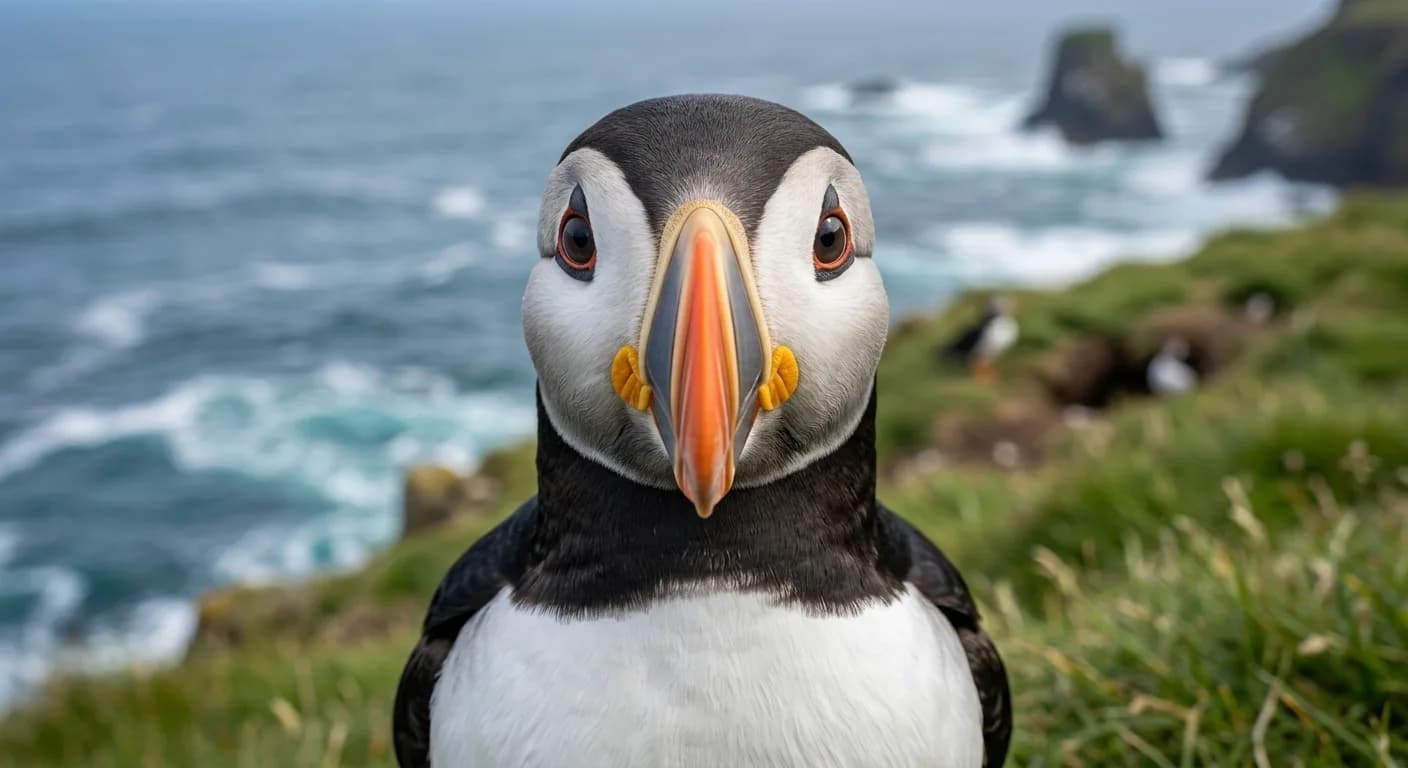
Iceland is a young volcanic island sitting on the Mid-Atlantic Ridge, and its geological youth explains a very poor land biodiversity accompanied by an enormous marine richness. There are no extensive forests and no native reptiles or amphibians, and the vegetation is reduced to mosses, lichens, heaths and dwarf willows over lava fields. Its cliffs, on the other hand, sustain seabird colonies of continental scale: around half the world population of Atlantic puffin breeds on the island, alongside guillemots, fulmars and skuas. The wetlands of the north, around Lake Mývatn, bring together one of the greatest diversities of duck in the northern hemisphere, fuelled by the mass hatching of midges. At sea, the cold and productive waters of the north and west concentrate humpback whales, minke whales, sperm whales and the blue whale, and Skjálfandi bay, at Húsavík, is one of the most reliable whale-watching points in the North Atlantic.
The nature of Iceland
National animal: The gyrfalcon, the national bird and a historic symbol of the country
Did you know?
The Arctic fox is the only native land mammal of Iceland: it arrived on its own at the end of the last glaciation, walking over the sea ice that joined the island to Greenland, thousands of years before the first humans. Every other land mammal on the island, from mice to reindeer, was introduced by people.
Biodiversity profile
Climate
- •Subpolar oceanico (Cfc), moderado por la Corriente del Golfo pese a su proximidad al Circulo Polar Artico
Main biomes
- •Bosque boreal de abedul y tundra alpina (bioma dominante, aunque muy reducido por deforestacion historica)
- •Desierto artico de altiplano (interior, con glaciares incluyendo Vatnajokull, el mayor de Europa)
- •Humedales y marismas costeras
- •Campo de lava
- •Tundra volcánica
- •Glaciar
- •Acantilado marino
- •Humedal geotermal
- •Río glaciar
- •Mar frío productivo
Marine and coastal ecosystems
- •Aguas costeras del Atlantico Norte, con grandes colonias de aves marinas en acantilados
- •Zonas de alimentacion de ballenas y delfines
Flagship wildlife
- •Frailecillo atlantico (60% de la poblacion mundial nidifica en acantilados islandeses)
- •Zorro artico (unico mamifero terrestre nativo de la isla)
- •Ganso de patas rosadas (mayor colonia mundial en el sitio Ramsar de Thjorsarver)
- •Ballenas y delfines
- •Halcón gerifalte
- •Ballena jorobada
- •Rorcual aliblanco
- •Cachalote
- •Foca común
- •Colimbo grande
- •Éider común
- •Reno
Notable endemic species
- •Islandia, al ser enteramente volcanica y colonizada relativamente tarde, tiene endemismo terrestre estricto muy limitado; su valor de conservacion reside en la escala de sus colonias de aves marinas y su singular geologia activa
Notable threatened species
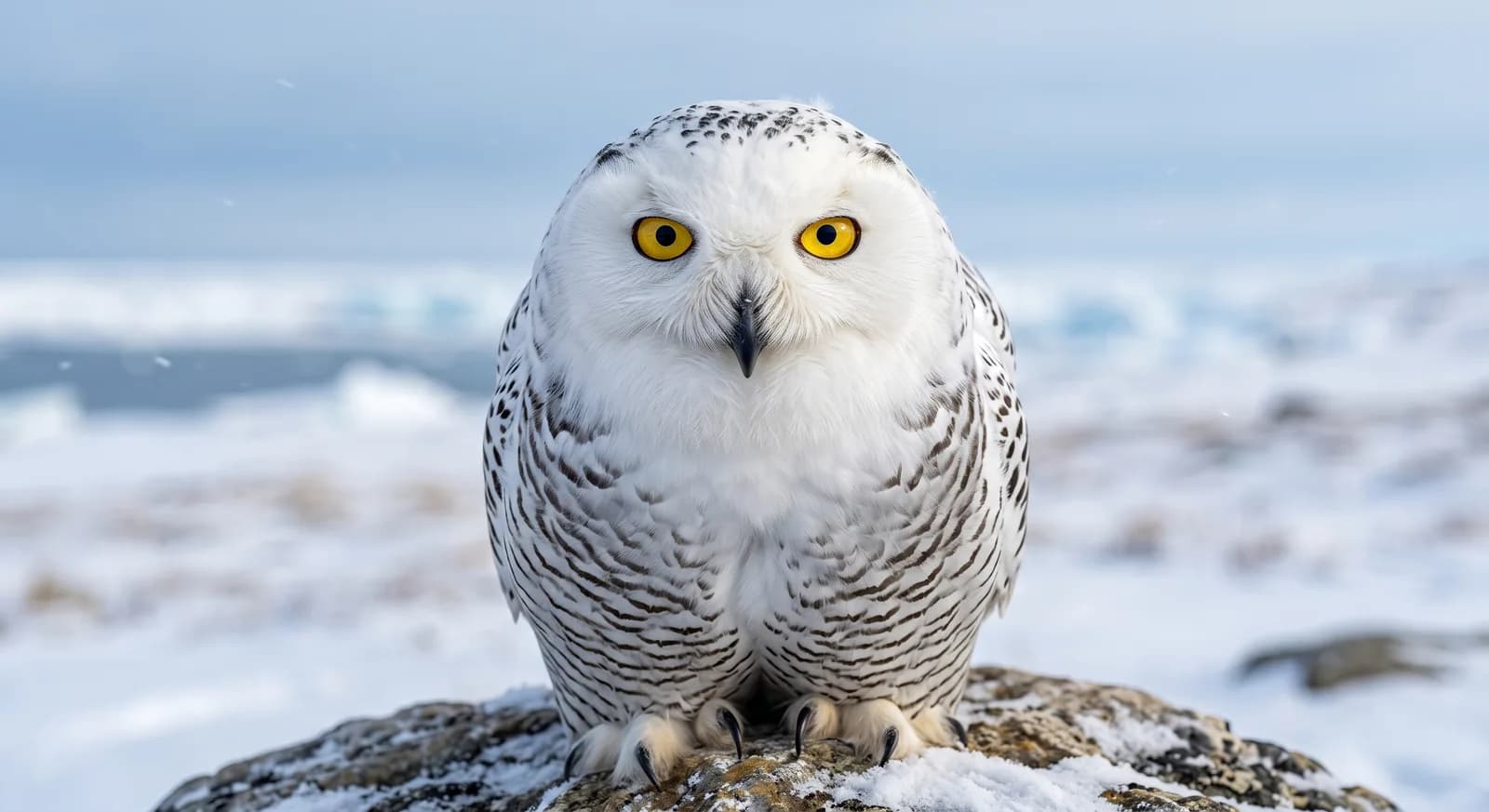
- •7 especies de aves globalmente amenazadas presentes en Islandia, incluidos el buho nival, el frailecillo atlantico, el zampullin cuellirrojo y el petrel de Leach
Notable protected areas
- •Parque Nacional Vatnajokull (mayor glaciar de Europa e importante area volcanica activa)
- •Parque Nacional Snæfellsjökull
- •Parque Nacional de Vatnajökull
- •Parque Nacional de Þingvellir
- •Parque Nacional de Snæfellsjökull
- •Lago Mývatn
- •Reserva Natural de Hornstrandir
- •Acantilados de Látrabjarg
Main conservation threats
- •Degradacion del suelo, erosion y perdida de cubierta vegetal historica (solo un cuarto del territorio conserva cubierta vegetal continua tras siglos de sobrepastoreo y actividad volcanica)
- •Sobrepastoreo historico
- •Cambio climatico sobre glaciares y ecosistemas volcanicos
Notable natural phenomena
- •Islandia se situa sobre la Dorsal Mesoatlantica y se separa a un ritmo de 1 cm por año; su actividad volcanica bajo glaciares genera inundaciones de deshielo (jökulhlaups) explosivas
Conservation
Hornstrandir, uninhabited and free of hunting for decades, allows Arctic foxes to be watched that barely fear people. Soil erosion, worsened by centuries of sheep grazing, is the island's great historic environmental problem.
Where and when to watch wildlife
Látrabjarg and Dyrhólaey between May and August for puffins. Húsavík between June and August for whales. Mývatn in June for breeding ducks.
Sources: One Earth - Iceland Boreal Birch Forests and Alpine Tundra | BioDB.com - Iceland | CBD - Biological Diversity Iceland National Report | ecologyprime.com - Iceland
Natural phenomena in Iceland
- Colonias de frailecillos en Escocia e Islandia — Abril a agosto (pico mayo-julio)
Parks and reserves
Surtsey
An island born from the sea in 1963 and protected ever since: the purest natural laboratory of colonisation on the planet.
View parkNational ParkThingvellir (Þingvellir)
On the Mid-Atlantic Ridge; seat of the world's first parliament (the Althing, 10th century)
View parkNational ParkVatnajokull
Europe's largest ice cap over an active volcanic system; it covers around 14% of Iceland
View parkNational ParkSnæfellsjökull
A stratovolcano crowned by a glacier at the tip of a peninsula, Jules Verne's gateway to the centre of the Earth.
View parkDiving and snorkelling
Silfra Fissure
A fissure opened in the rift valley between the North American and Eurasian plates, filled with meltwater from the Langjökull glacier that has percolated for decades through porous lava. That natural filtration is what produces visibility comfortably in excess of 80-100 m. The fissure opened in the earthquakes of 1789.
View dive siteUnique geothermal formationStrýtan (chimenea hidrotermal)
A chimney of geothermal origin rising from the floor of the fjord, fed by hot fresh water welling up from below. It is one of the very few formations of its kind accessible to recreational diving: most lie at abyssal depths.
View dive siteEspecies documentadas en Iceland
239 species found
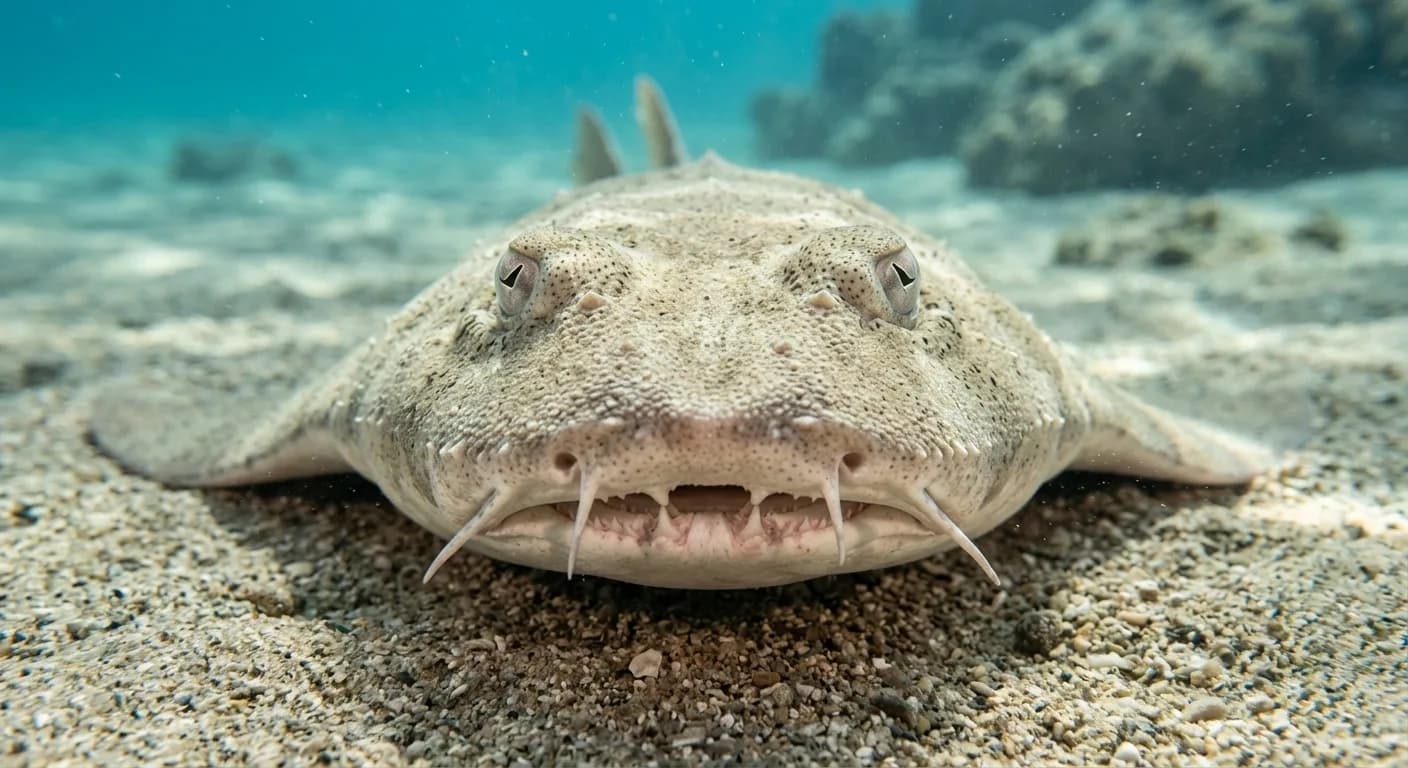 Critically Endangered
Angelshark
Squatina squatina
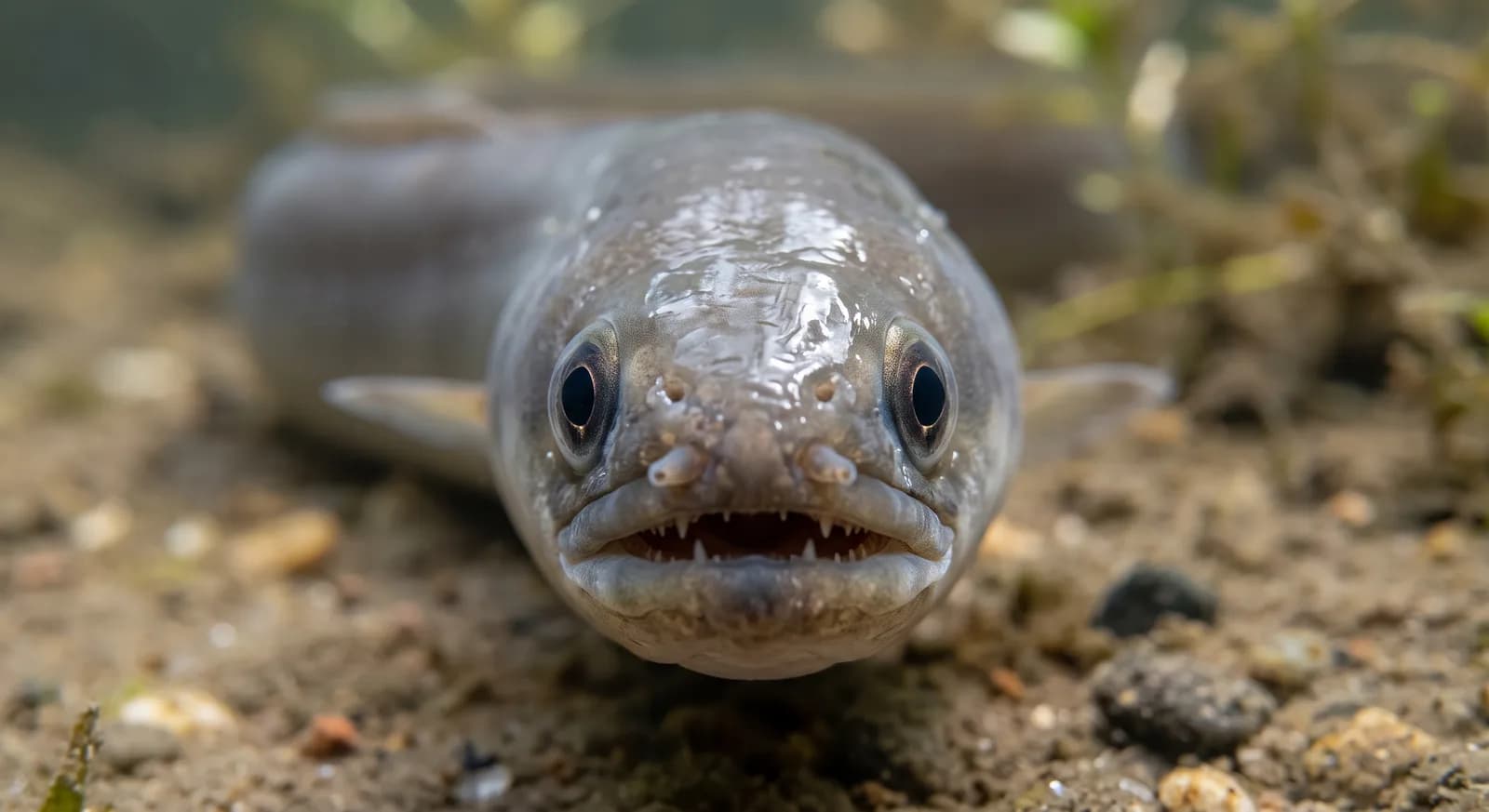 Critically Endangered
European Eel
Anguilla anguilla
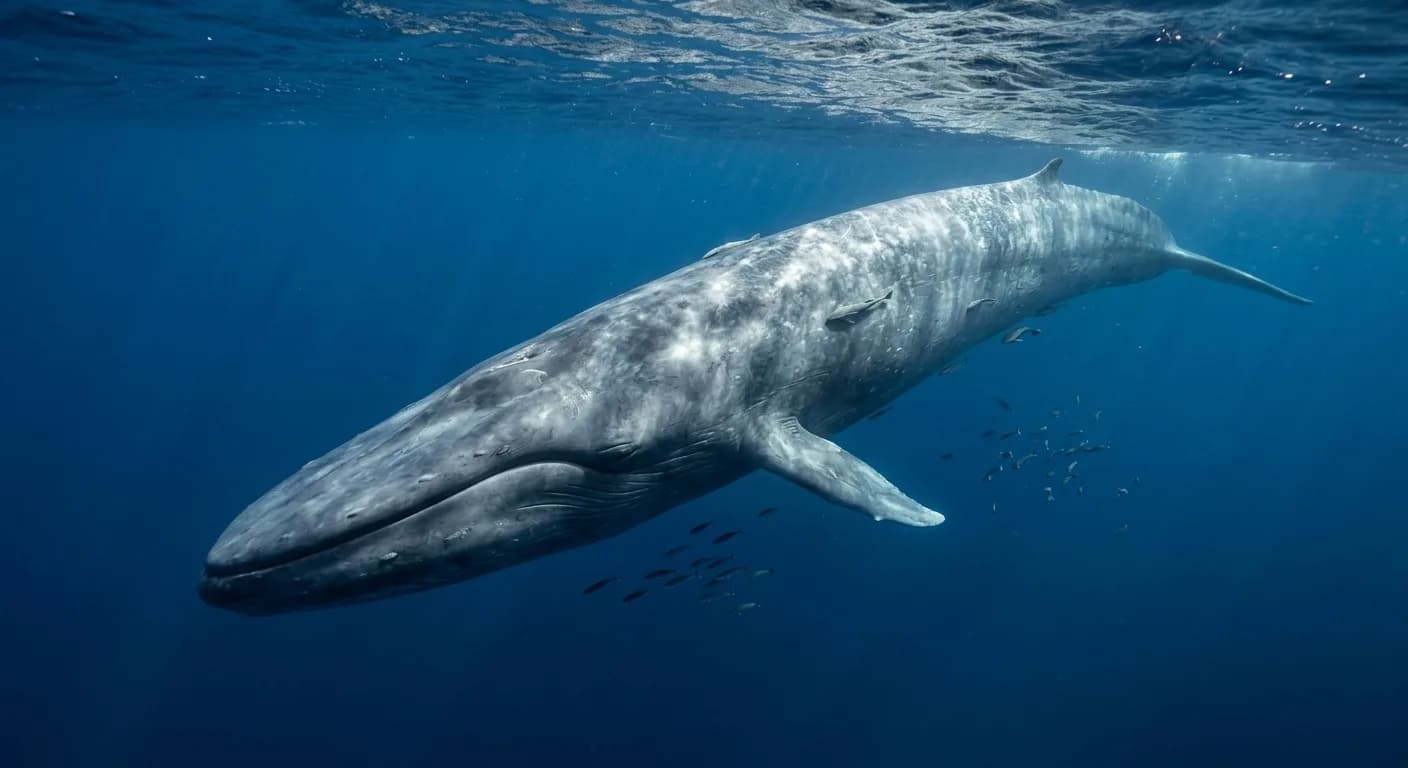 Endangered
Blue Whale
Balaenoptera musculus
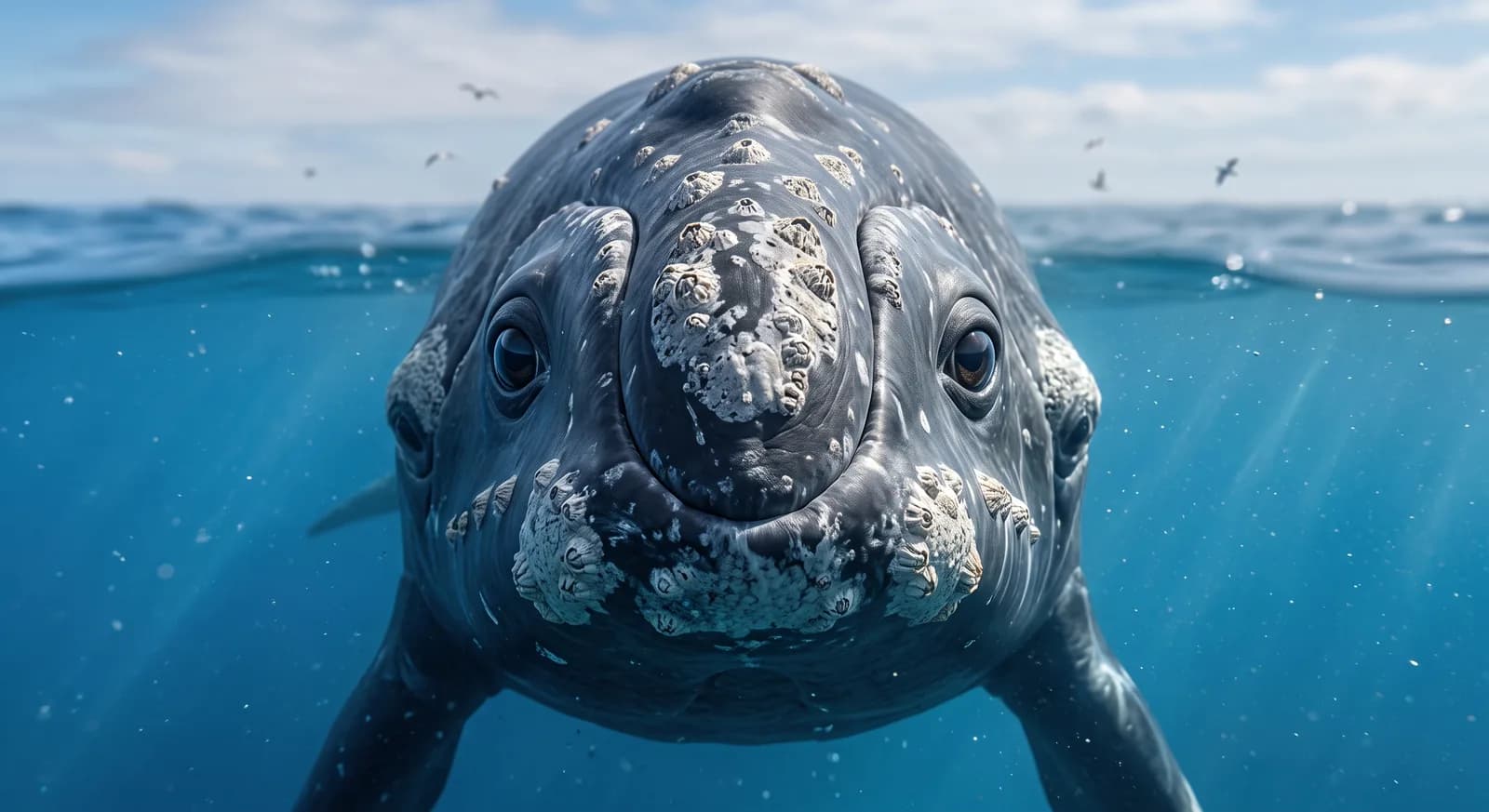 Endangered
North Atlantic Right Whale
Eubalaena glacialis
 Endangered
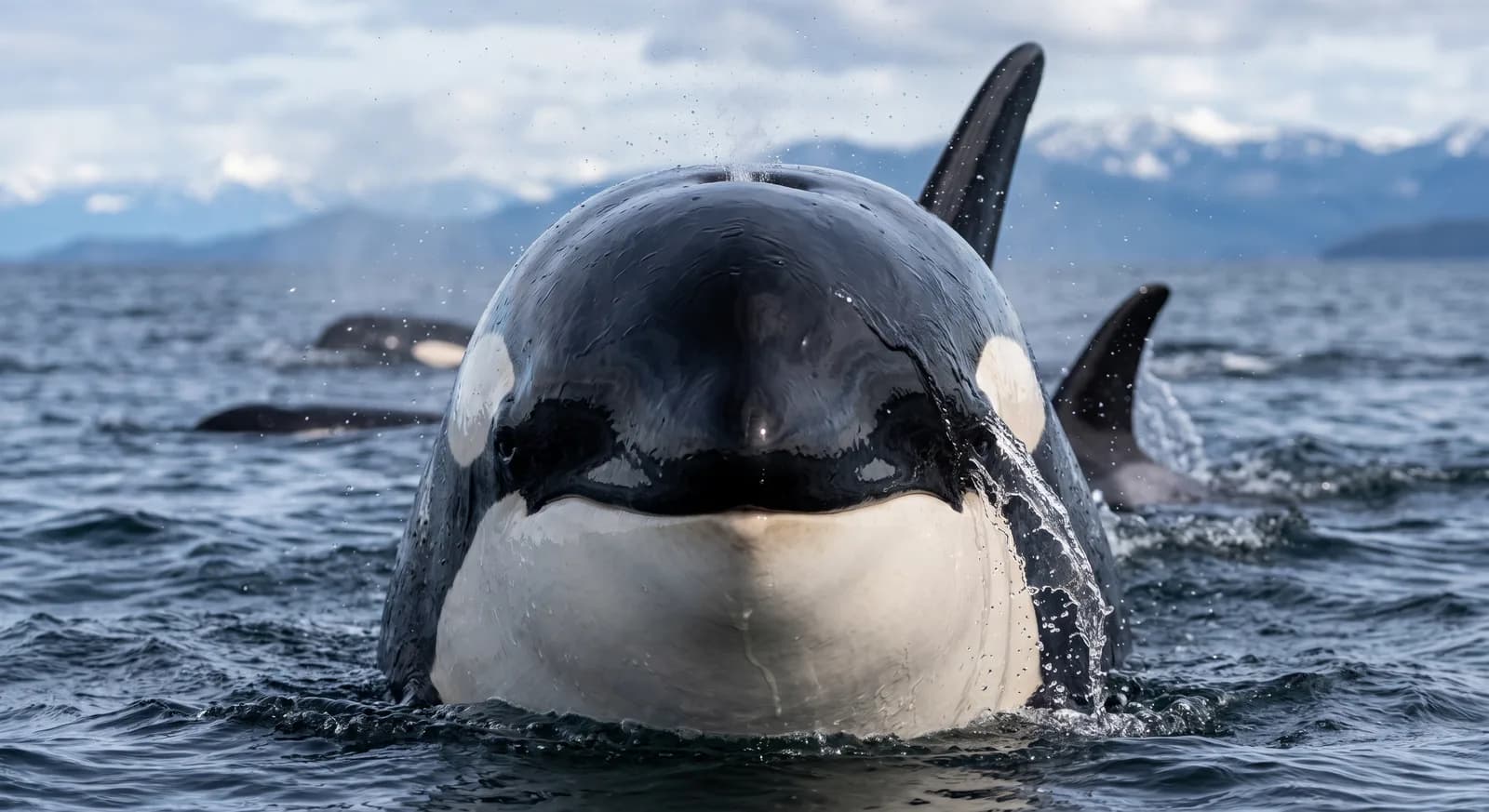
Killer Whale
Orcinus orca
 Endangered
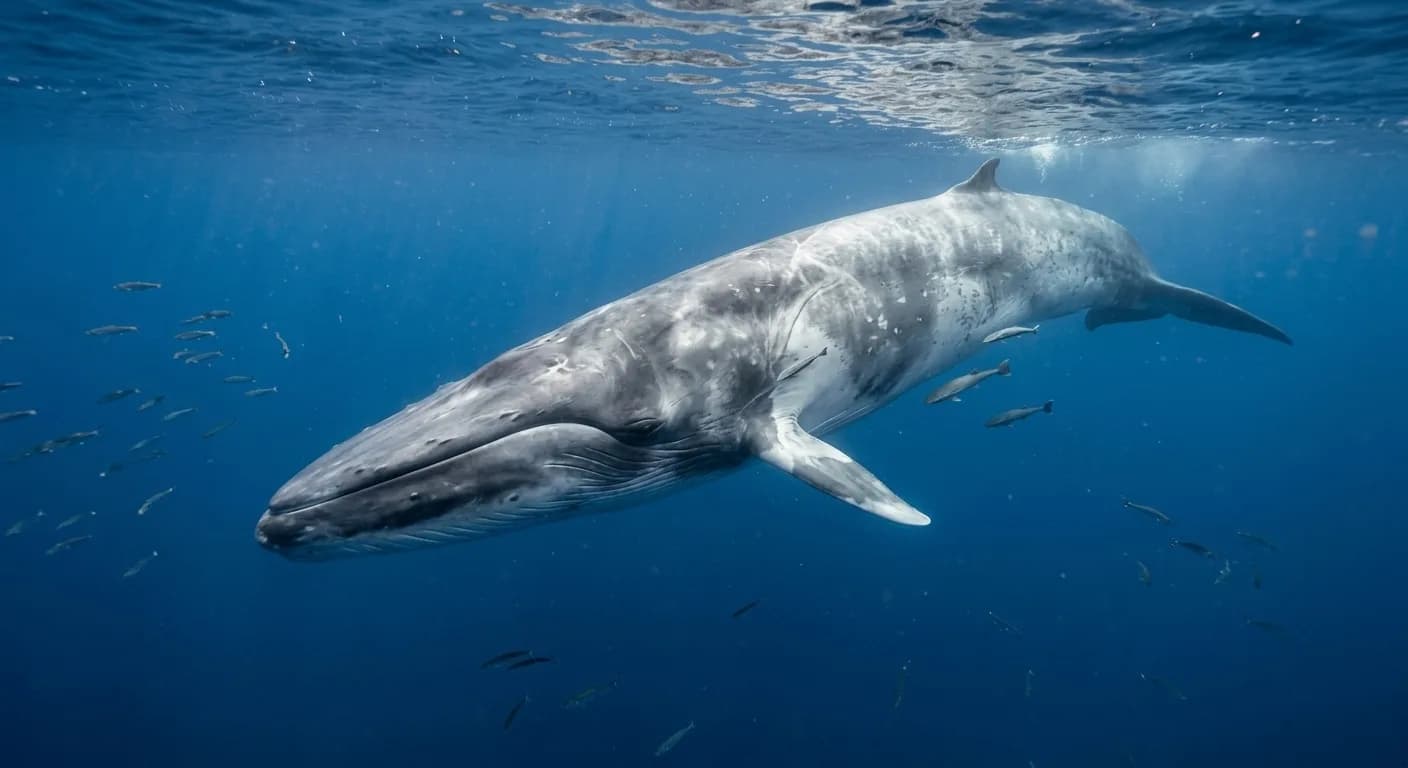
Fin Whale
Balaenoptera physalus
 Endangered
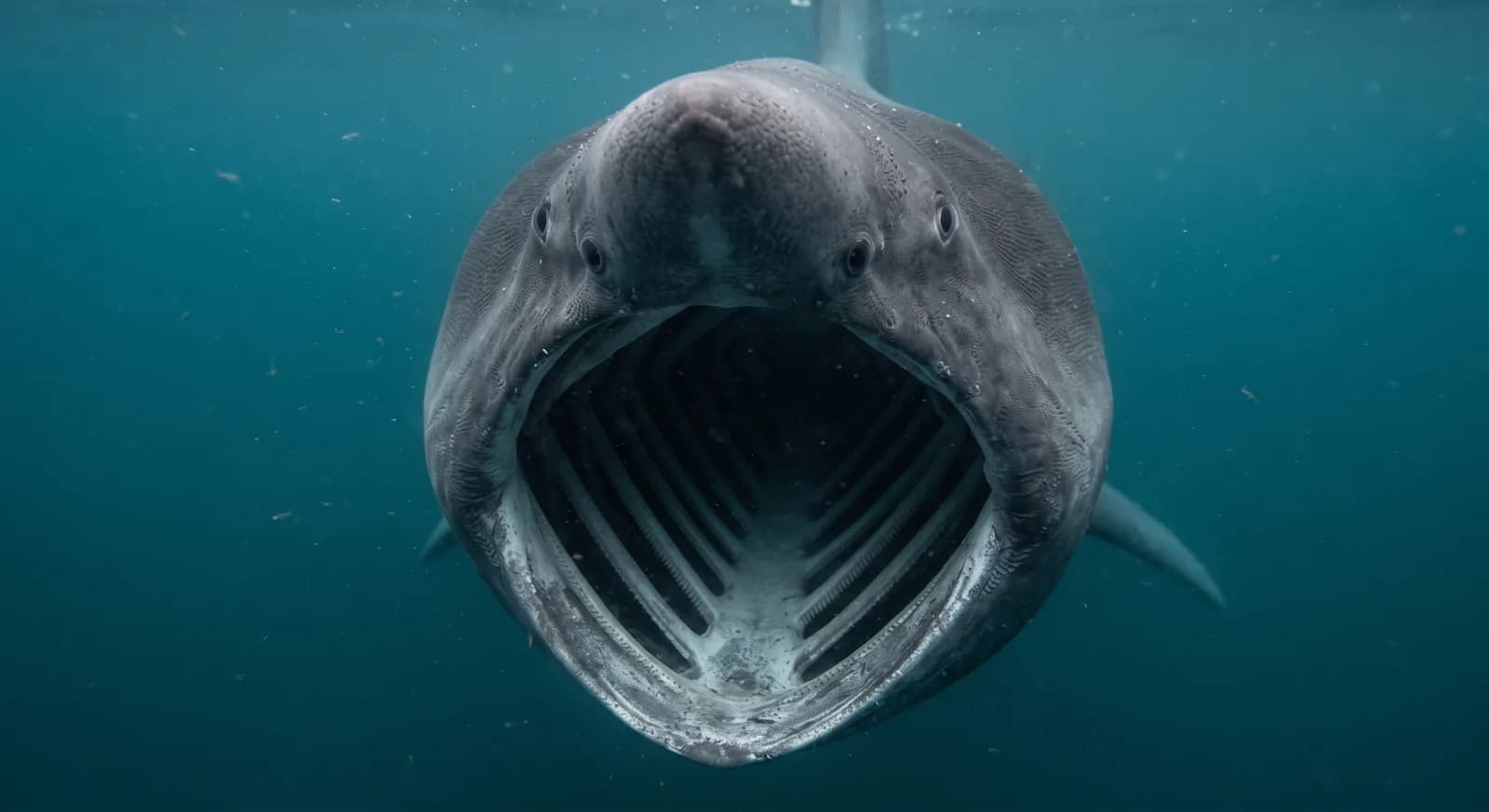
Basking Shark
Cetorhinus maximus
 Vulnerable
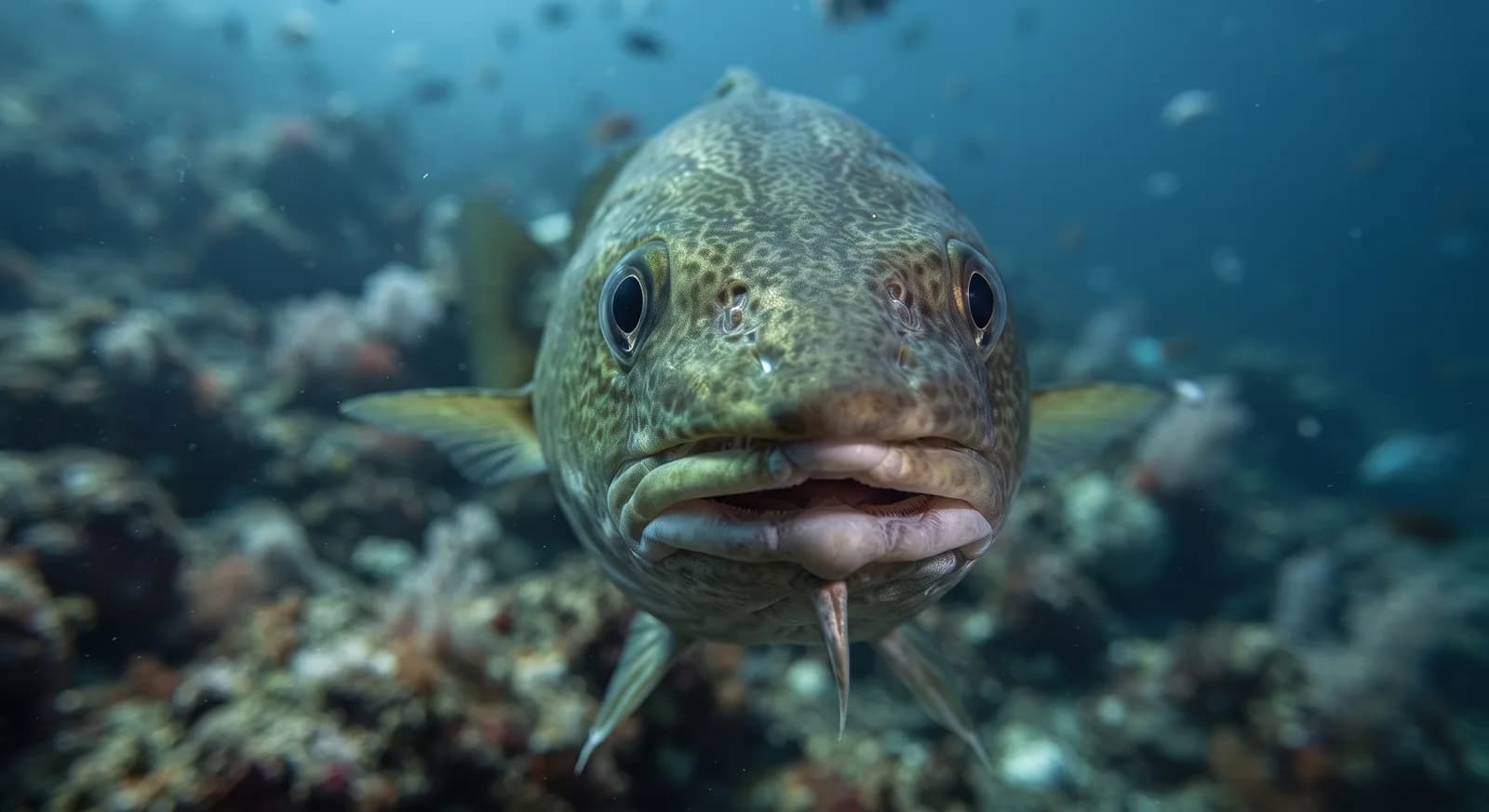
Cod
Gadus morhua
 Vulnerable
Snowy Owl
Bubo scandiacus
 Vulnerable
Sperm Whale
Physeter macrocephalus
 Vulnerable
Atlantic Puffin
Fratercula arctica
 Vulnerable
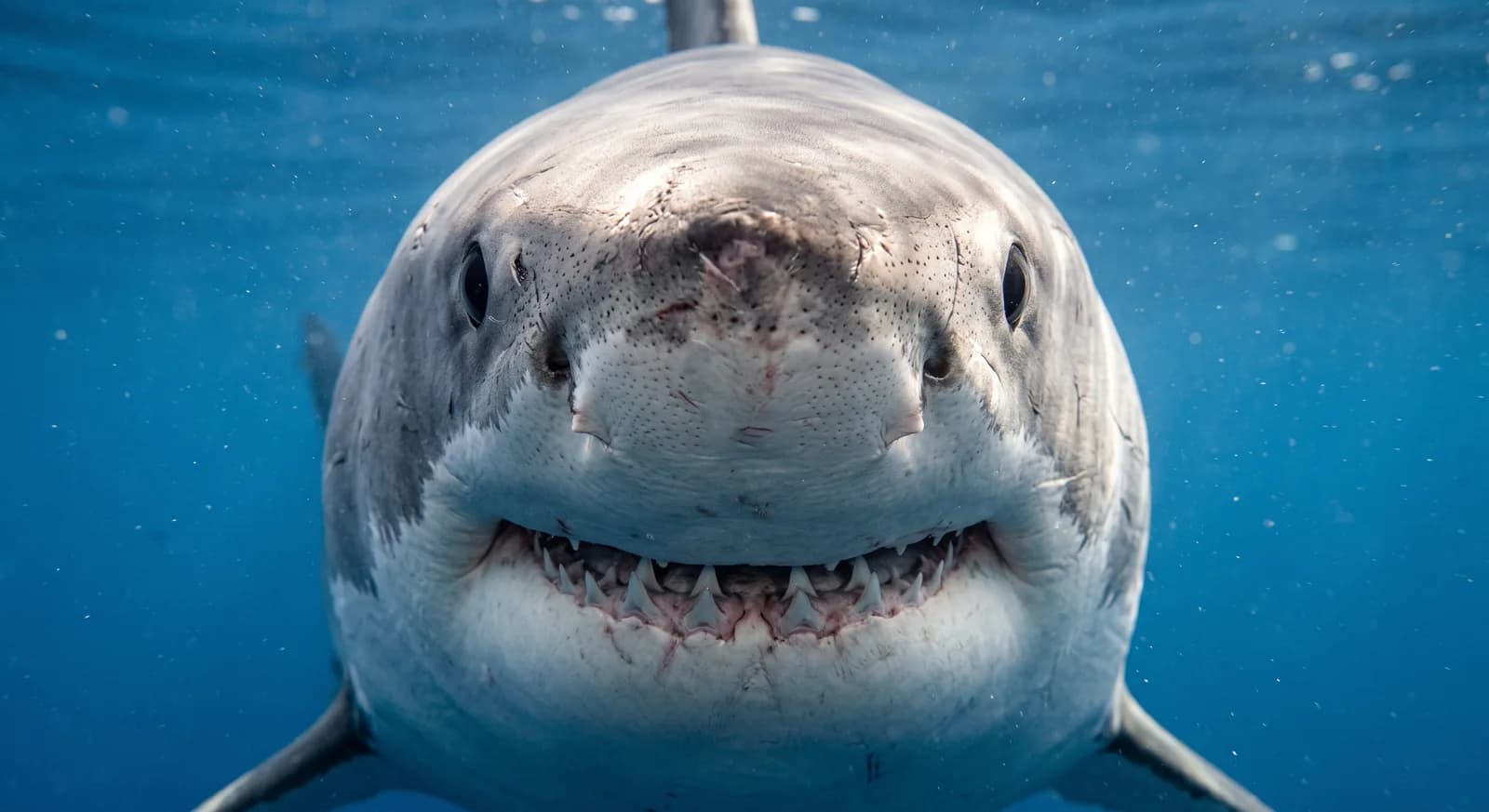
Great White Shark
Carcharodon carcharias
Keep exploring
Based on what we already know about Iceland.