One of the 3 loons on WAnimals
Birds · Gaviiformes · Gaviidae
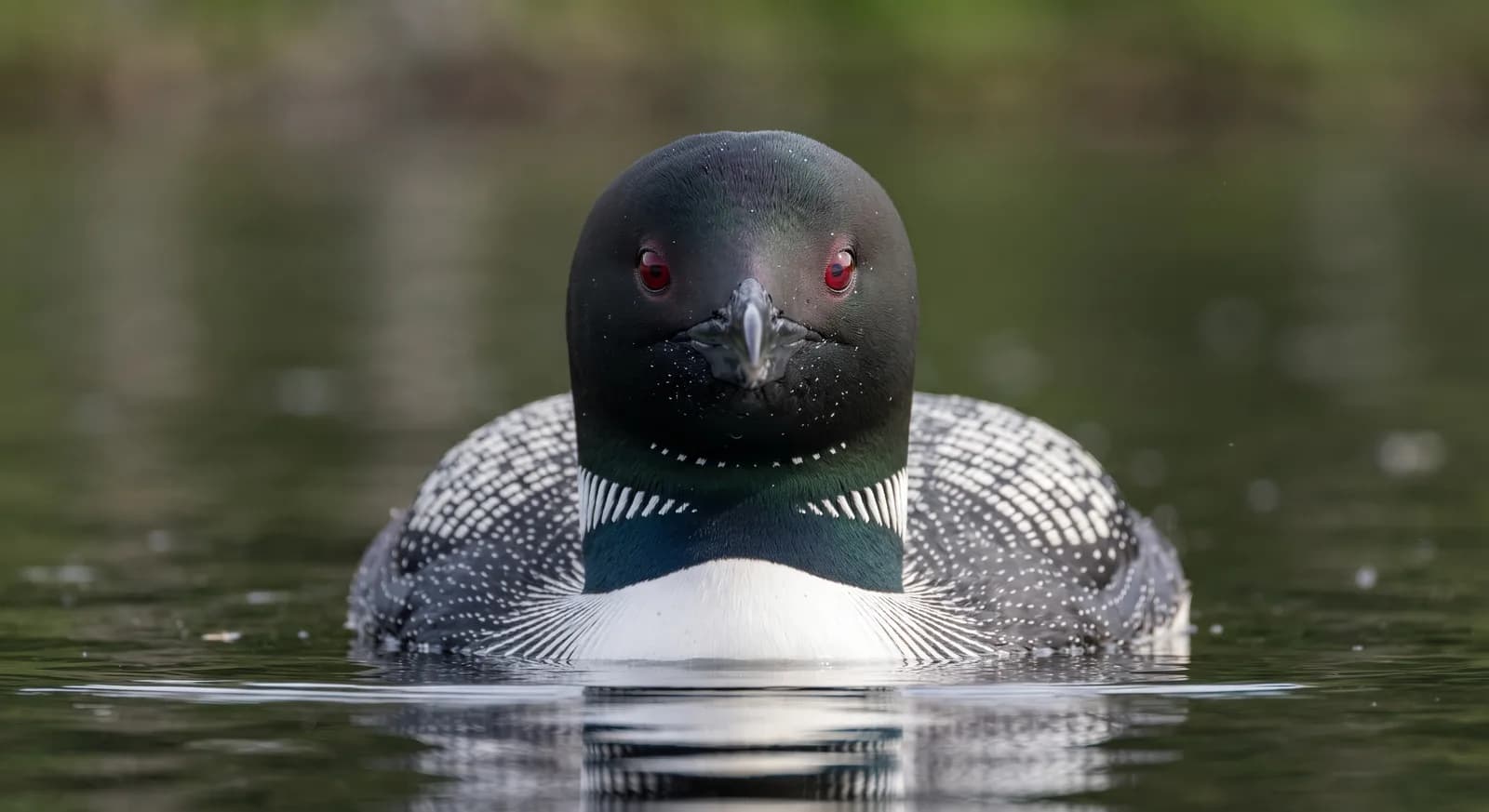
Common Loon
Gavia immer
The species is abundant and widely distributed; it faces no significant short-term risk. See full glossary
It appears on the Canadian one-dollar coin, popularly nicknamed the 'loonie' in its honour. Its legs are set far back on the body, an adaptation that makes it a powerful diver but clumsy on land.
Weight
2.2 kg – 7.6 kg
Size
66 cm – 91 cm
Lifespan
20 years
Diet
Piscivore
Feeds mainly on fish.
Activity
Diurnal
Active mainly during the day.
Social structure
Solitary
Lives and hunts alone, joining others only to breed.
Sighting difficulty
Easy
Fun facts
- It gives its name to the Canadian one-dollar coin, nicknamed the 'loonie'.
- Its legs, set far back on the body, make it clumsy walking on land.
- It can dive to 60 metres to fish.
Life cycle & biology
- Skeleton type
- Vertebrate - pneumatised bony skeleton (bird)
- Habitat & environment
- Freshwater lakes of northern North America while breeding; Atlantic and Pacific sea coasts in winter
- Birth weight
- Exact weight at hatching not found as a precise figure
- Size at birth
- Able to swim at once on hatching, and often carried on a parent's back for warmth and shelter
- Sexual maturity
- 2-3 years (though effective breeding is usually delayed to at least 6)
- Gestation / incubation
- 26-31 days
- Litter / clutch size
- 1 to 3 eggs per clutch (most commonly 2)
Sources consulted: A-Z Animals; Birds of the World; U.S. Fish & Wildlife Service; Washington Dept. of Fish & Wildlife; Animal Diversity Web; Animalia.bio; PMC
Where to find it
See its range on the interactive mapWhere to watch it
Parks and dive sites where this species has been documented.
Related species
Other species in the catalogue with the most in common with Common Loon — same habitat, park, country, tags or family.
 Least Concern
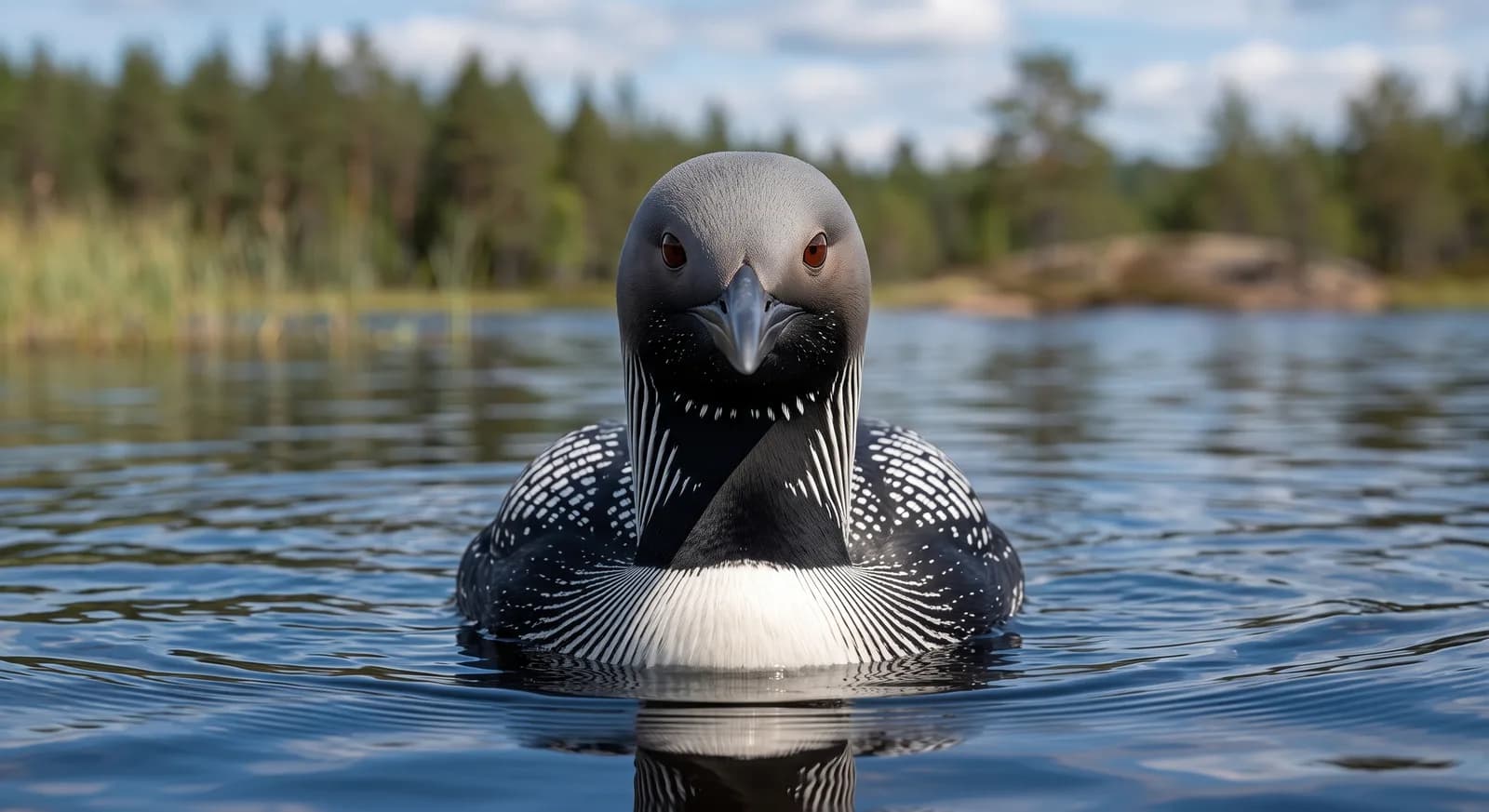
Black-throated Diver
Gavia arctica
 Least Concern
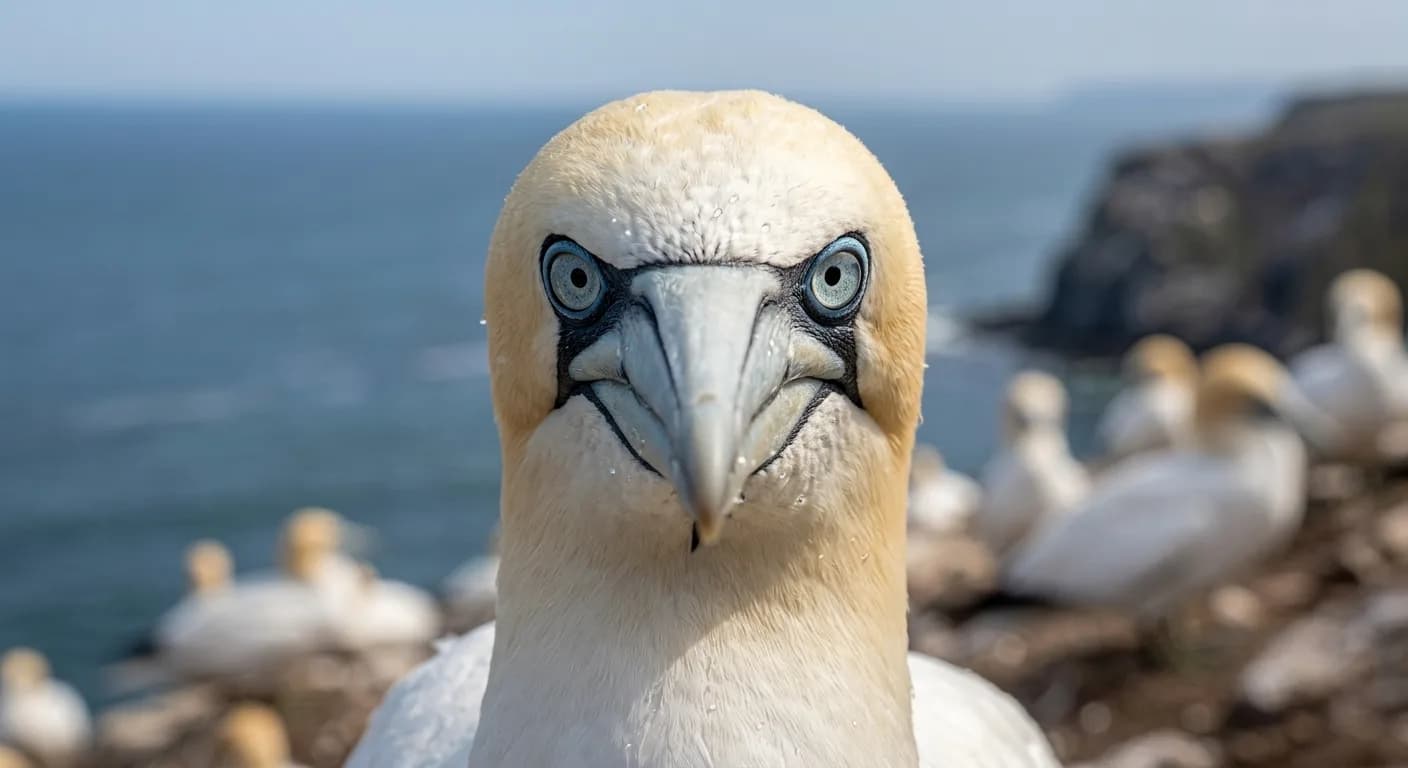
Northern Gannet
Morus bassanus
 Least Concern
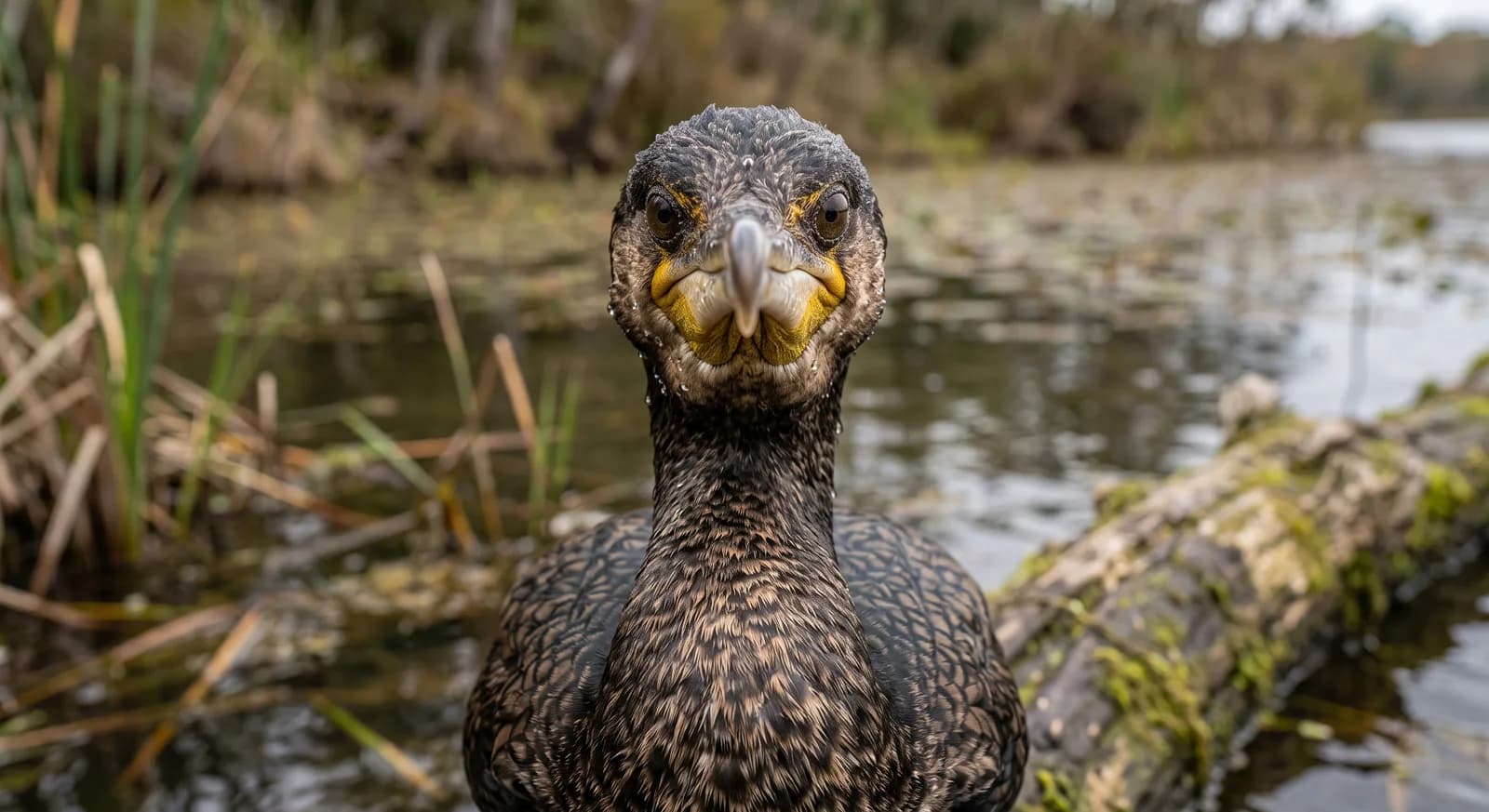
Great Cormorant
Phalacrocorax carbo
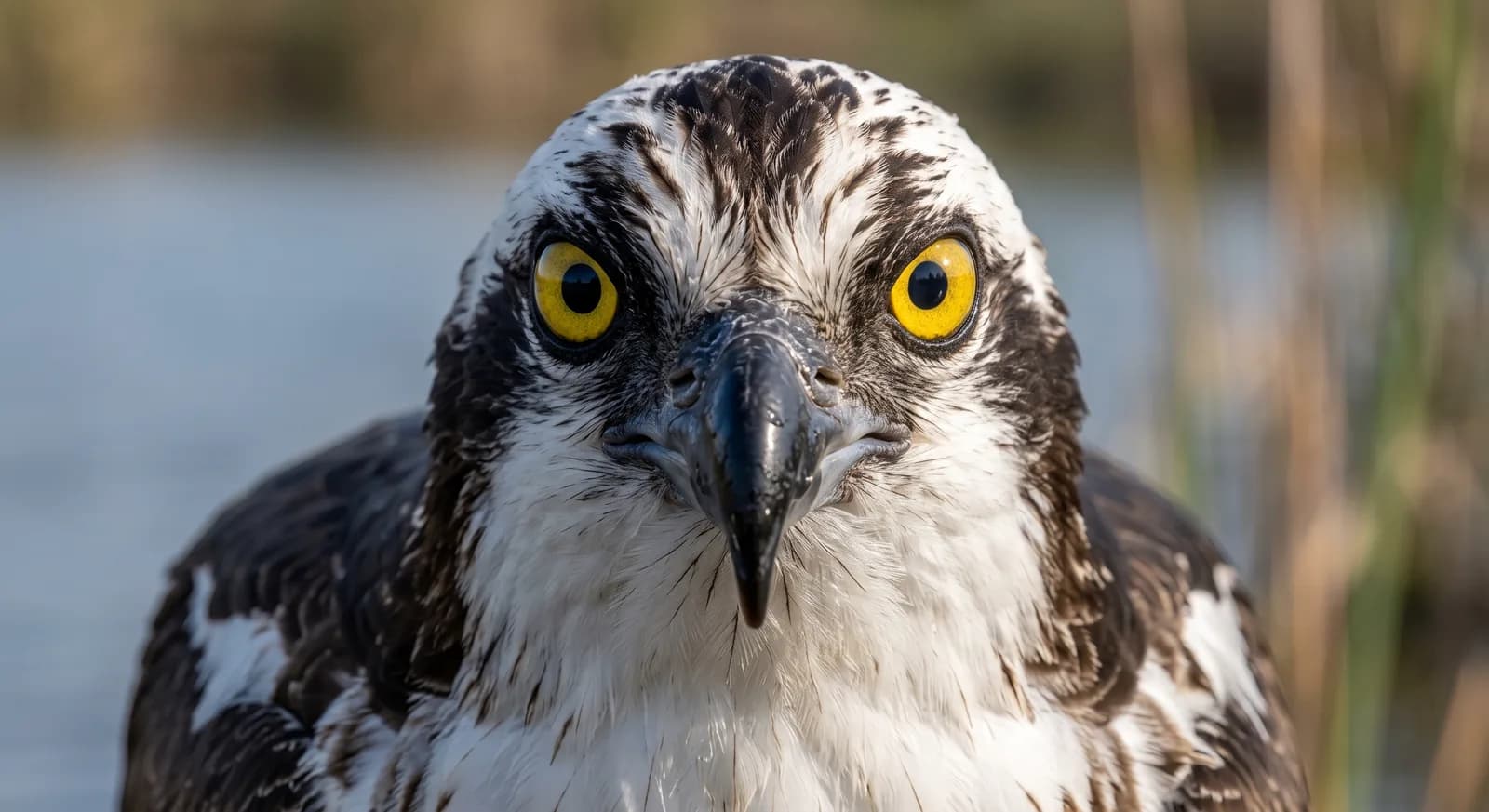 Least Concern
Osprey
Pandion haliaetus
Belted Kingfisher
Megaceryle alcyon
Ruddy Turnstone
Arenaria interpres
Keep exploring
Based on what we already know about common loon.
Comments
Share an experience, a fun fact or a tip for seeing the common loon.
Be the first to comment.