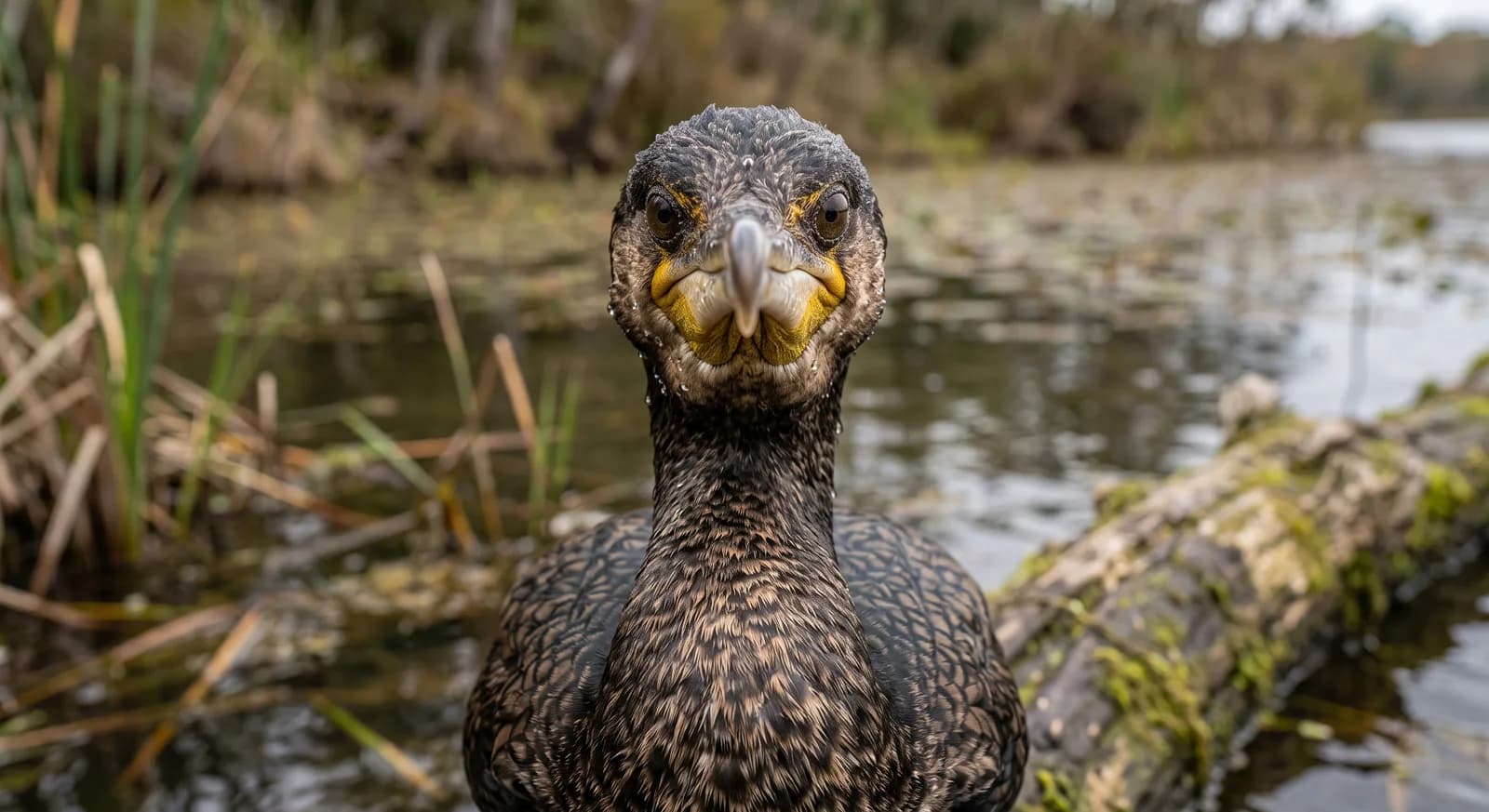
One of the 13 cormorants on WAnimals
Birds · Suliformes · Phalacrocoracidae
Great Cormorant
Phalacrocorax carbo
The species is abundant and widely distributed; it faces no significant short-term risk. See full glossary
In Japan and China it has traditionally been trained by fishermen to catch fish while a ring around its neck stops it swallowing them, a centuries-old practice known as 'ukai'. It incubates its eggs using its own webbed feet.
Weight
2.2 kg – 4 kg
Size
84 cm – 1 m
Lifespan
12 years
Diet
Piscivore
Feeds mainly on fish.
Activity
Diurnal
Active mainly during the day.
Social structure
Colony
Lives in large concentrations, often for breeding reasons.
Sighting difficulty
Easy
Fun facts
- adaptaciónIts feathers are not fully waterproof, which reduces its buoyancy and makes diving easier, but obliges it afterwards to spread its wings in the sun to dry.
Life cycle & biology
- Skeleton type
- Vertebrate - pneumatised bony skeleton (bird)
- Habitat & environment
- Coastal waters, lakes and rivers of Europe, Asia, Africa, Australia and eastern North America
- Birth weight
- 48.5 grams
- Size at birth
- Naked and blind on hatching (altricial)
- Sexual maturity
- 3-5 years
- Gestation / incubation
- 27-31 days
- Litter / clutch size
- 1 to 7 eggs per clutch (most commonly 3-5)
Sources consulted: AnAge; Oiseaux-birds.com; EBSCO Research Starters; BirdLife International; Animal Diversity Web; Audubon Field Guide; Outdoor Alabama; PMC
Where to find it
See its range on the interactive mapWhere to watch it
Parks and dive sites where this species has been documented.
Related species
Other species in the catalogue with the most in common with Great Cormorant — same habitat, park, country, tags or family.
 Least Concern
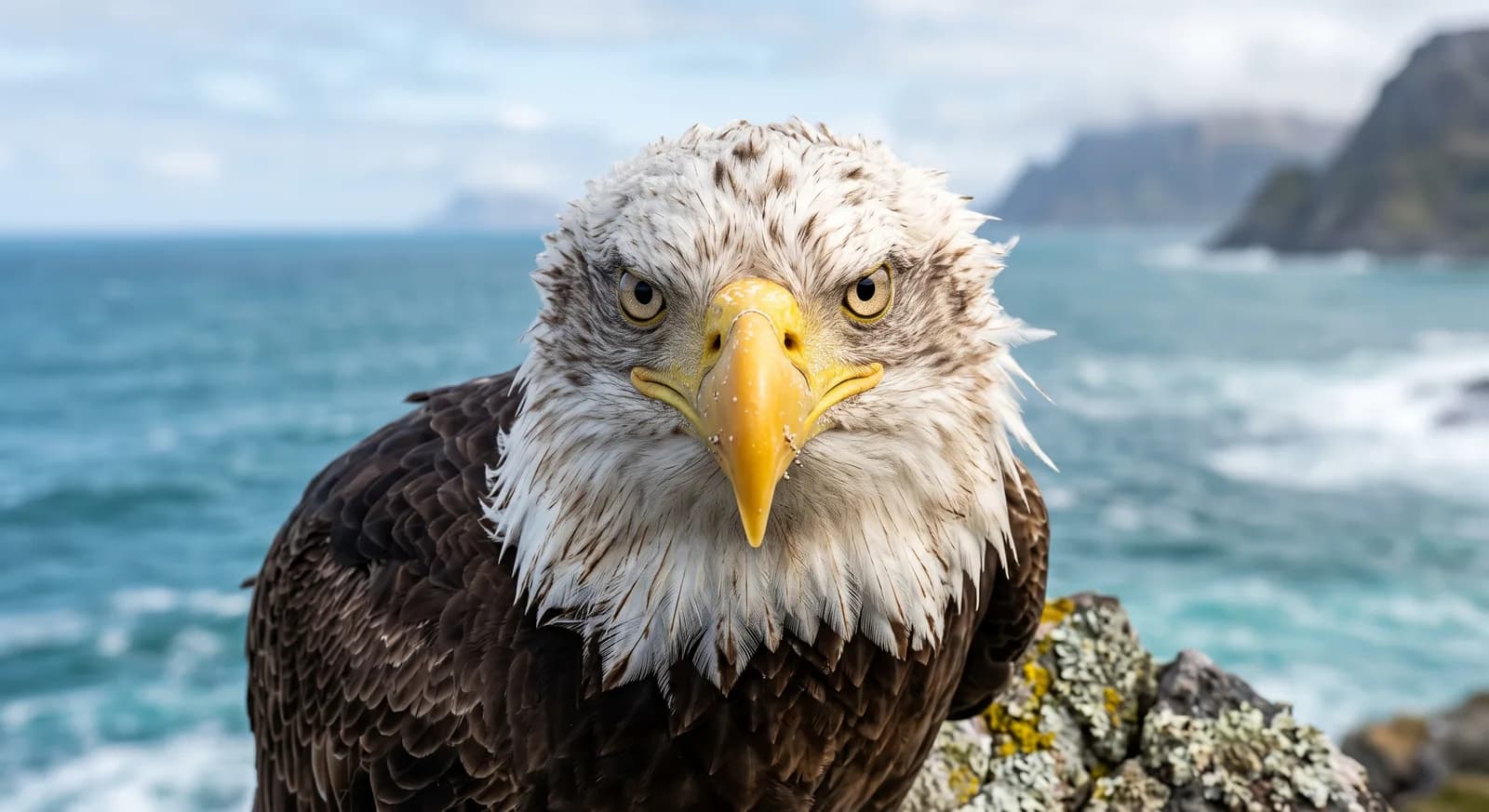
White-tailed Eagle
Haliaeetus albicilla
 Least Concern
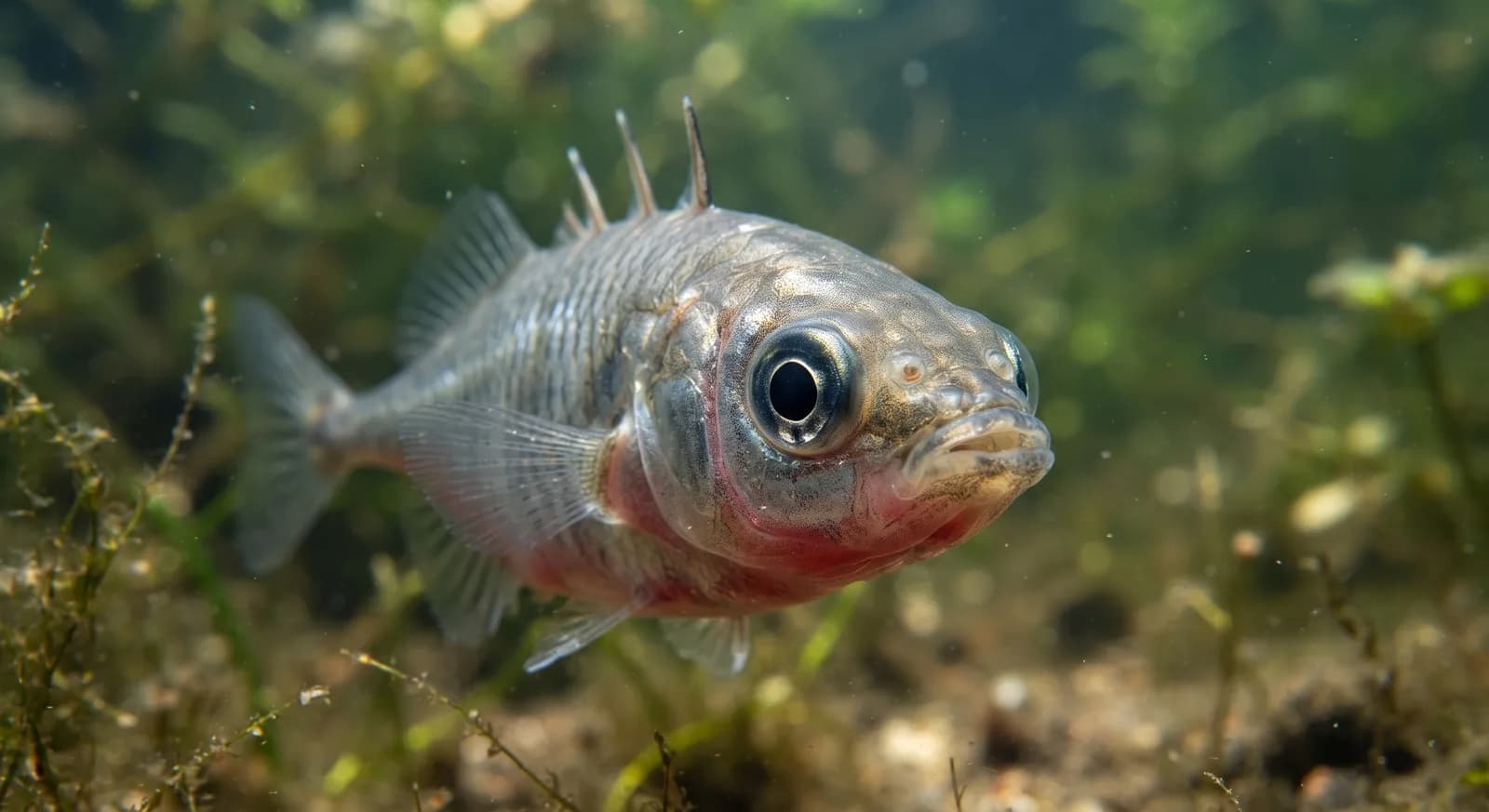
Three-spined Stickleback
Gasterosteus aculeatus
Double-crested Cormorant
Phalacrocorax auritus
Smelt
Osmerus eperlanus
 Least Concern
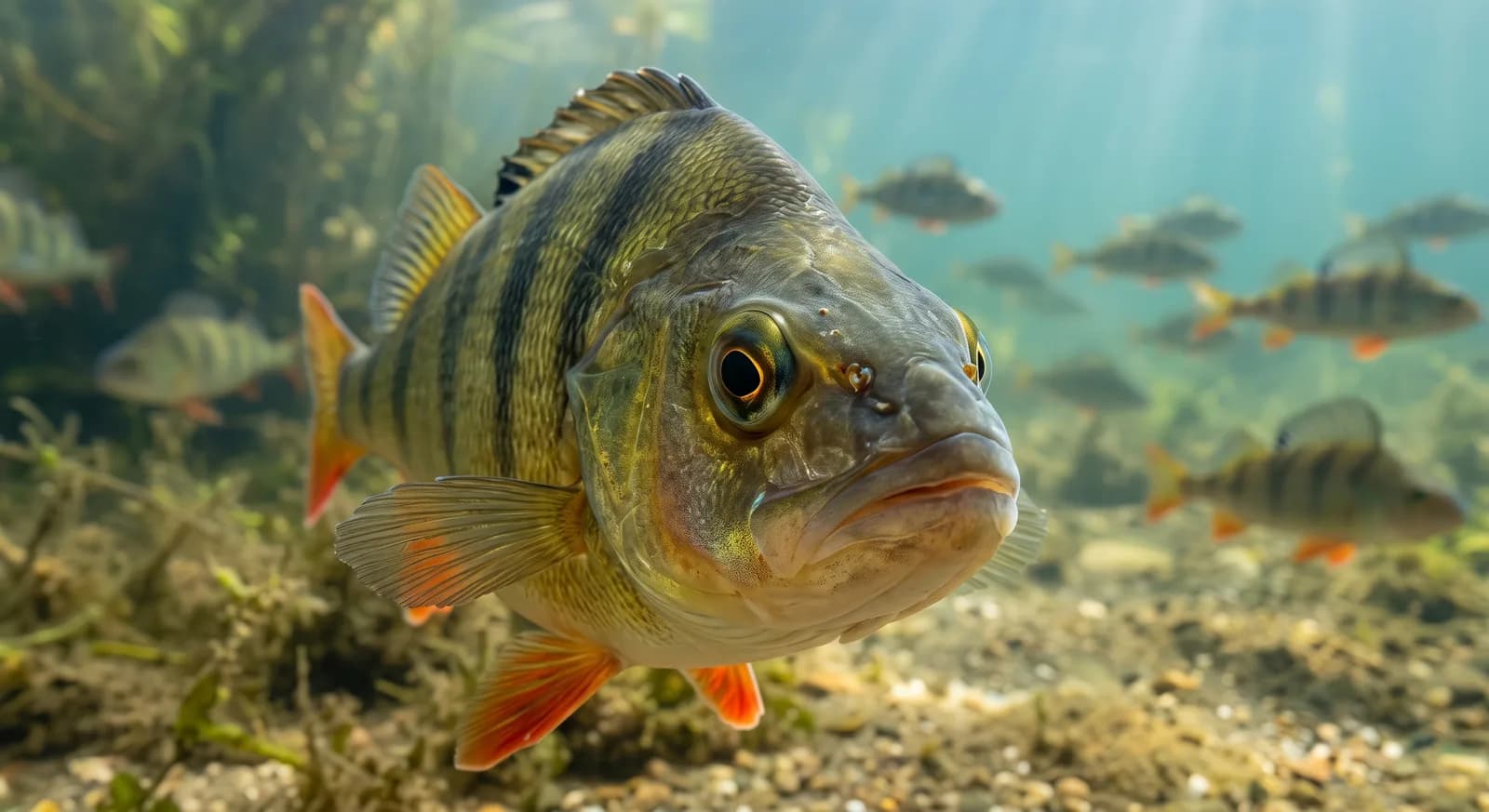
Perch
Perca fluviatilis
 Least Concern
Grey Seal
Halichoerus grypus
Keep exploring
Based on what we already know about great cormorant.
Comments
Share an experience, a fun fact or a tip for seeing the great cormorant.
Be the first to comment.