One of the 13 cormorants on WAnimals
Birds · Suliformes · Phalacrocoracidae
Double-crested Cormorant
Phalacrocorax auritus
The species is abundant and widely distributed; it faces no significant short-term risk. See full glossary
The double-crested cormorant is the most widespread cormorant in North America, black with a bare orange throat and two tufts of feathers over the eyes during the breeding season. Its population collapsed in the middle of the twentieth century because of DDT and has recovered spectacularly since the pesticide was banned, to the point that it now causes conflict with fisheries and aquaculture in the United States and Canada.
Weight
1.2 kg – 2.5 kg
Size
70 cm – 90 cm
Lifespan
22 years
Diet
Carnivore
Feeds mainly on other animals.
Activity
Diurnal
Active mainly during the day.
Social structure
Colony
Lives in large concentrations, often for breeding reasons.
Sighting difficulty
Easy
Fun facts
- It was one of the indicator species for DDT: the pesticide thinned the eggshells until they broke under the weight of the adults, and its recovery after the ban is one of the great environmental success stories of the twentieth century.
- Its recovery has been so complete that population control is now authorised in several states because of conflicts with aquaculture, an uncomfortable turn for a species that was once on the brink of collapse.
- It spreads its wings in the sun after every dive because its plumage is not waterproof, a characteristic silhouette on any post or buoy on the lakes of North America.
Life cycle & biology
- Skeleton type
- Vertebrate - internal bony skeleton (bird)
- Habitat & environment
- Lakes, rivers, reservoirs, estuaries and coasts of North America and the Caribbean
- Sexual maturity
- 2 years
- Gestation / incubation
- 24 days
- Litter / clutch size
- 4
Sources consulted: https://www.iucnredlist.org/ | https://animaldiversity.org/ | https://es.wikipedia.org/
Where to find it
See its range on the interactive mapWhere to watch it
Parques y spots de buceo donde se ha documentado esta especie — se muestran 10 de 53 documentados.
Related species
Other species in the catalogue with the most in common with Double-crested Cormorant — same habitat, park, country, tags or family.
Brandt's Cormorant
Phalacrocorax penicillatus
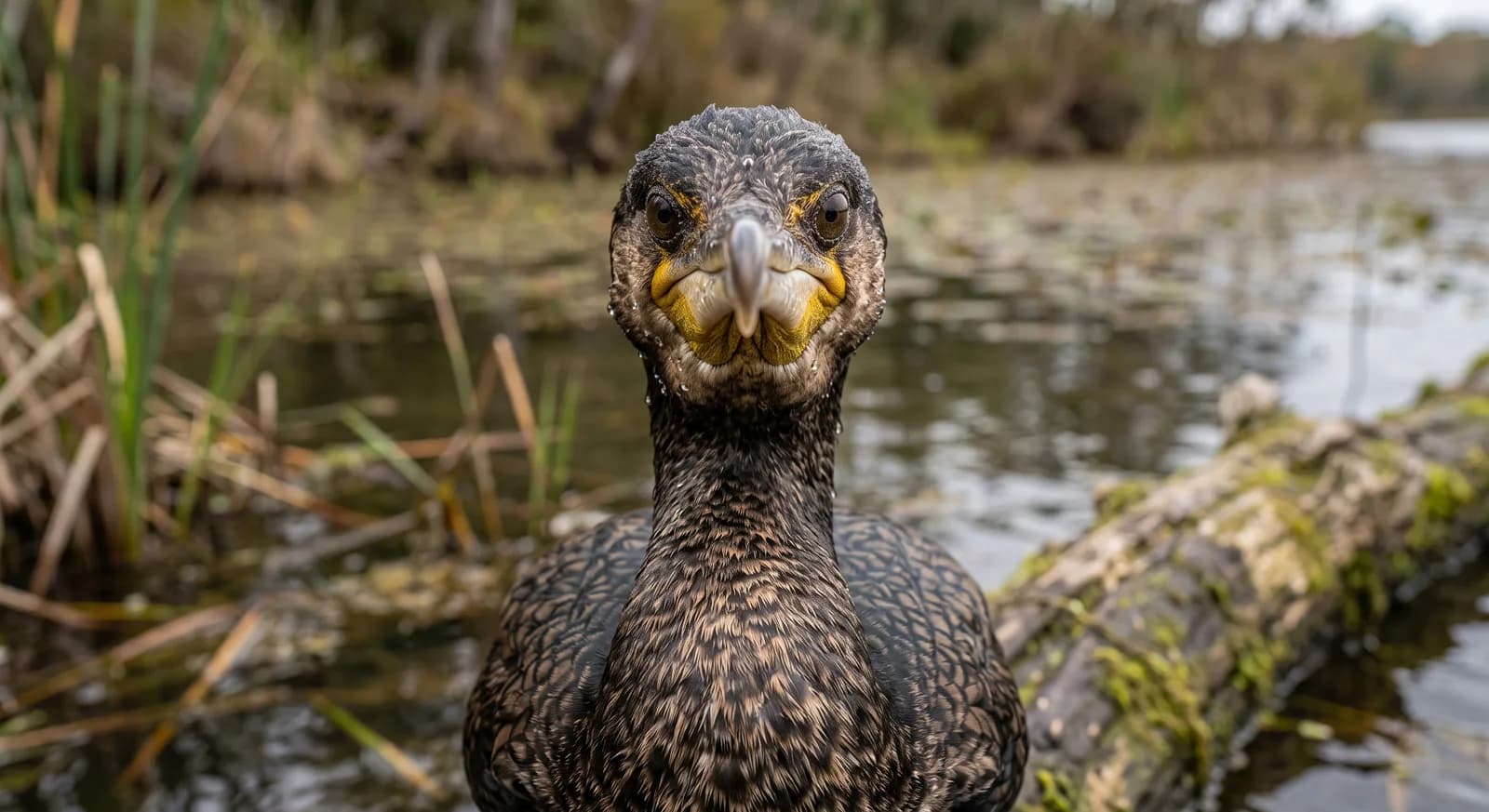 Least Concern
Great Cormorant
Phalacrocorax carbo
Greater Bulldog Bat
Noctilio leporinus
 Least Concern
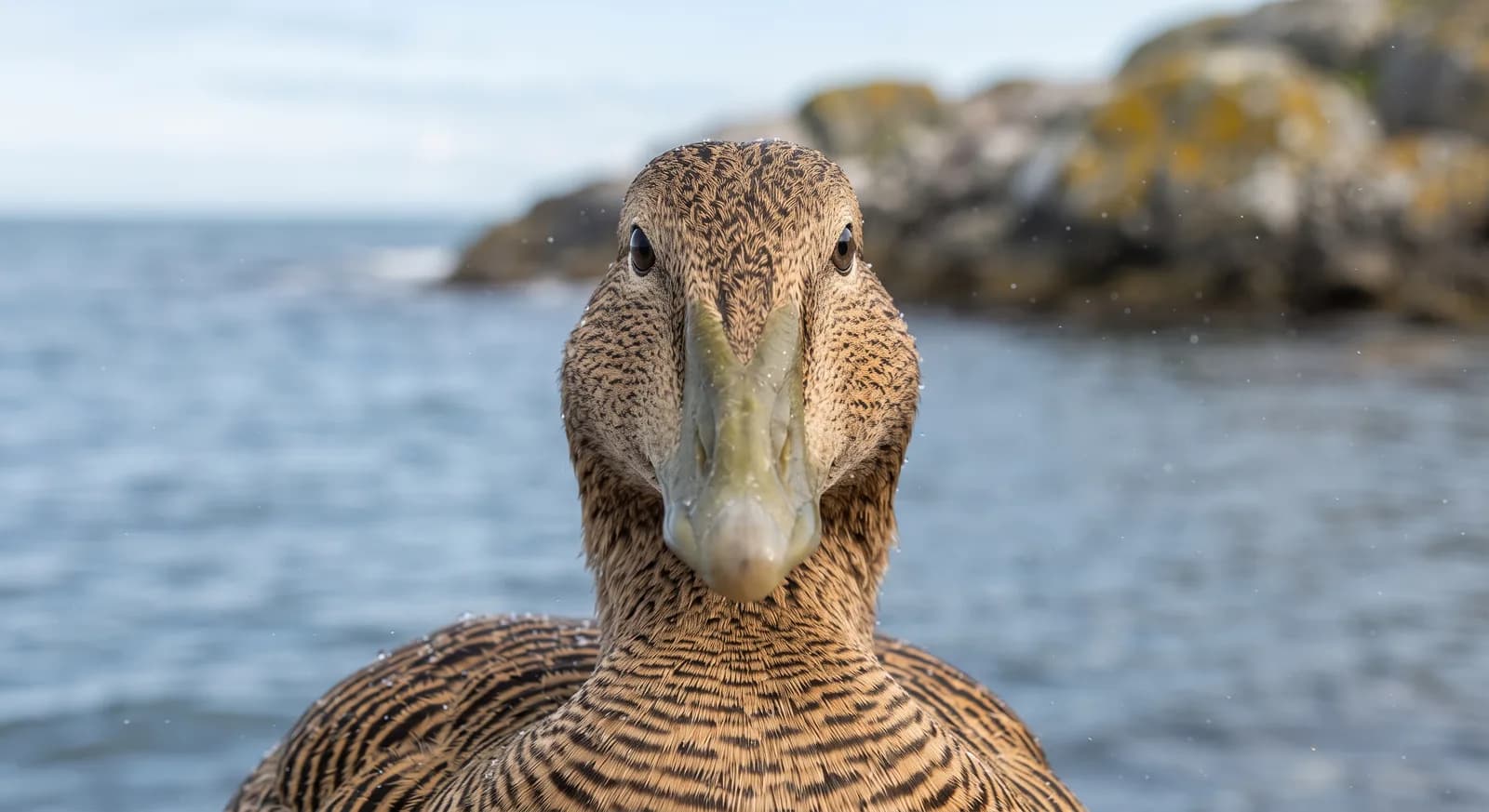
Common Eider
Somateria mollissima
Great Black-backed Gull
Larus marinus
 Least Concern
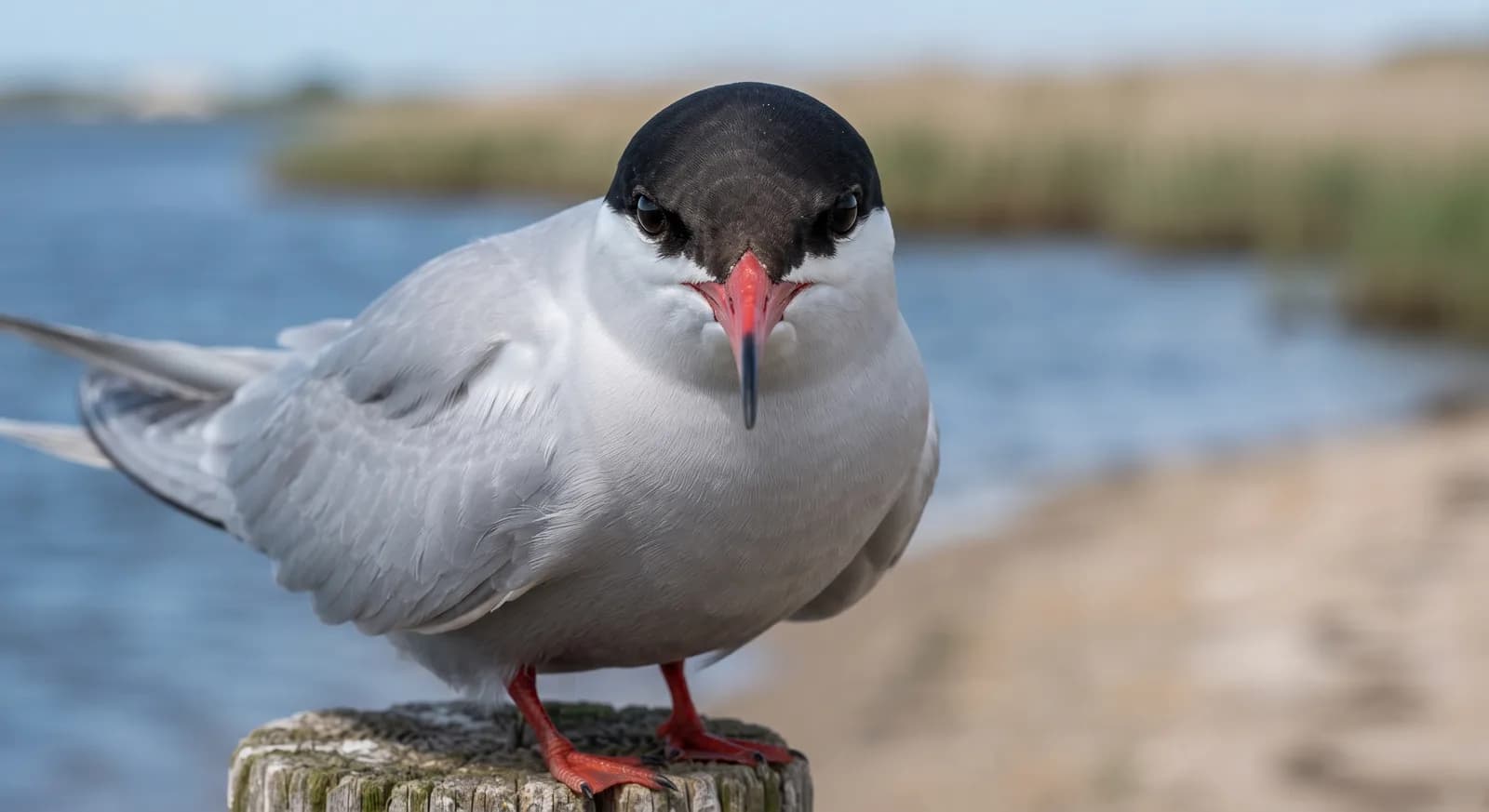
Common Tern
Sterna hirundo
Keep exploring
Based on what we already know about double-crested cormorant.
Comments
Share an experience, a fun fact or a tip for seeing the double-crested cormorant.
Be the first to comment.