Species group · Birds
Cormorants
WAnimals has 13 species of cormorant, all in the family Phalacrocoracidae.
- 13 species
- 1 family
- 104 countries
- 185 parks
- Weight
- 400 g – 5 kg
- Length
- 45 cm – 1 m
- Lifespan
- 12 – 22 years
Ranges calculated from the entries that record the figure, not from all 13.
All 13 species of cormorants on WAnimals
Each one has its own full entry. This group does not replace them: it brings them together.
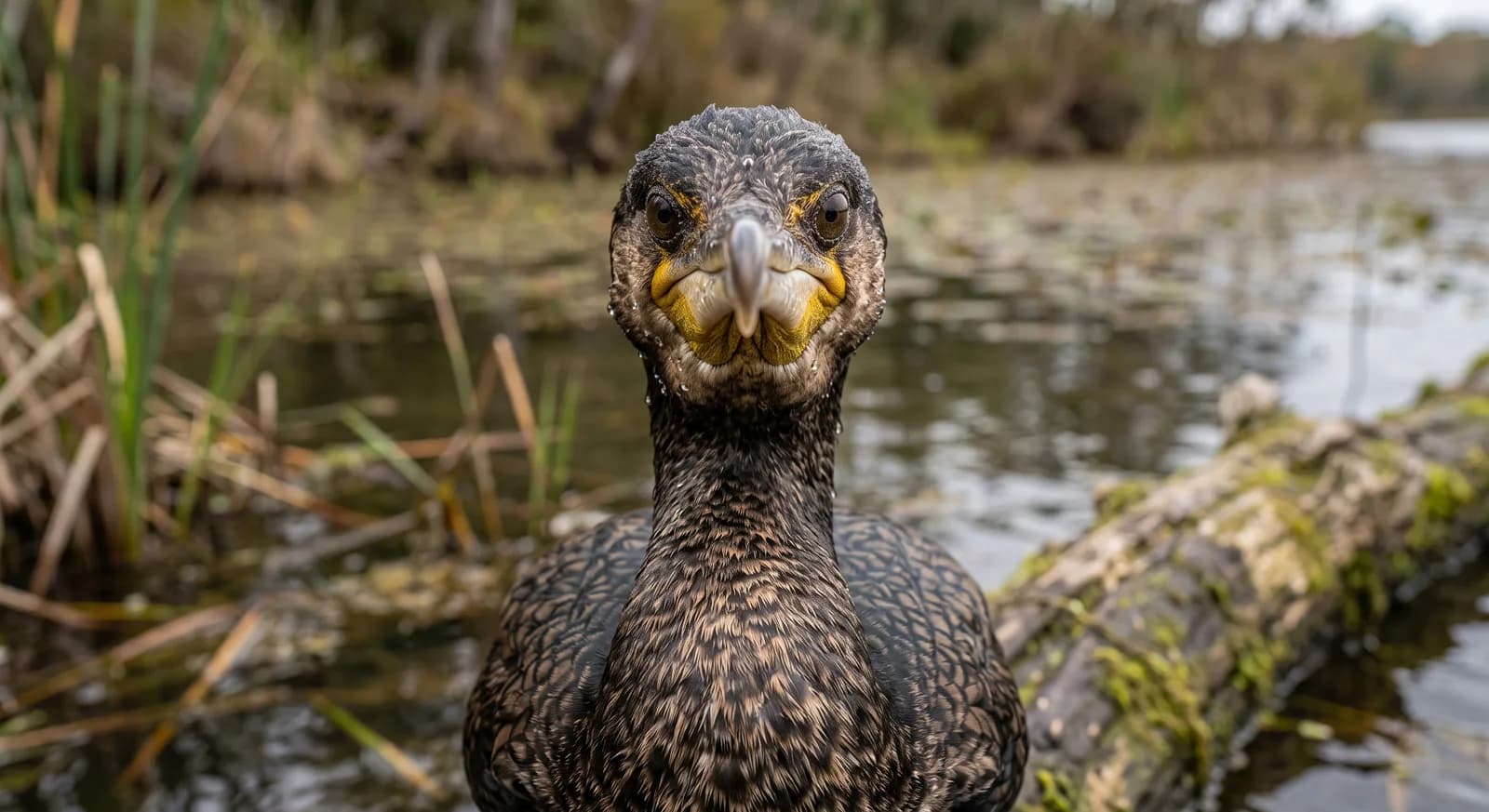 Least Concern
Great Cormorant
Phalacrocorax carbo
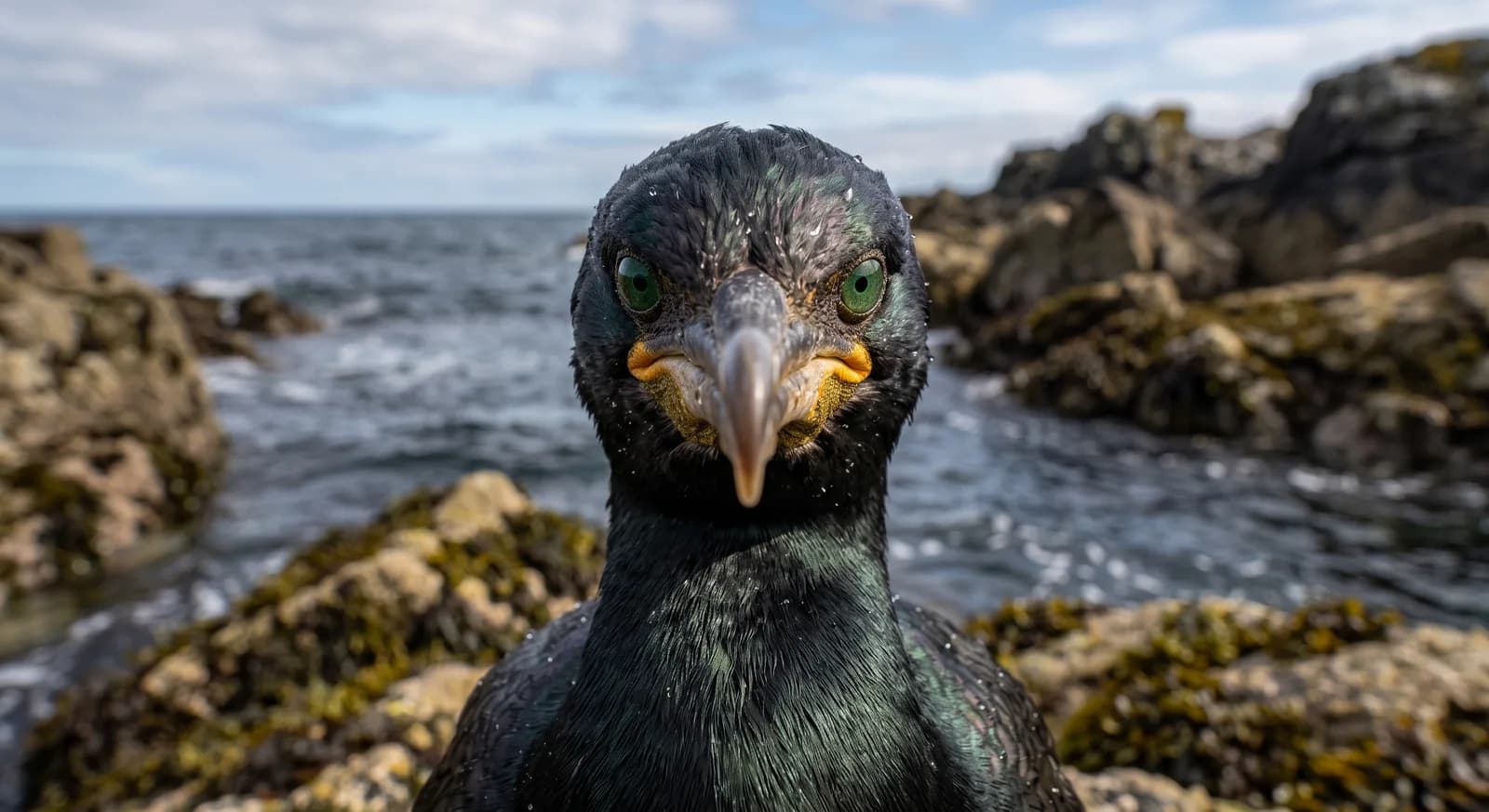 Least Concern
European Shag
Phalacrocorax aristotelis
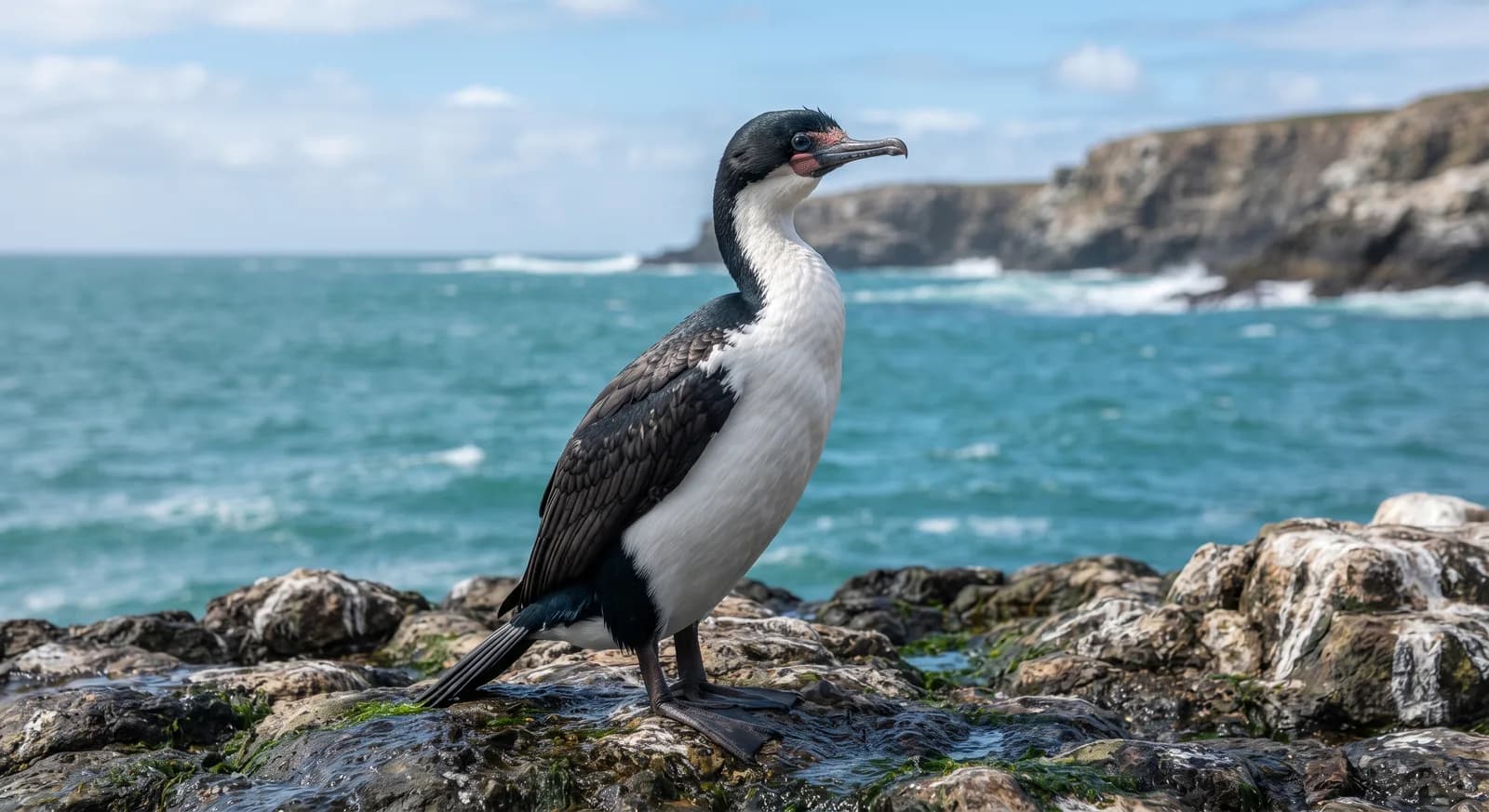 Least Concern
Imperial Shag
Leucocarbo atriceps
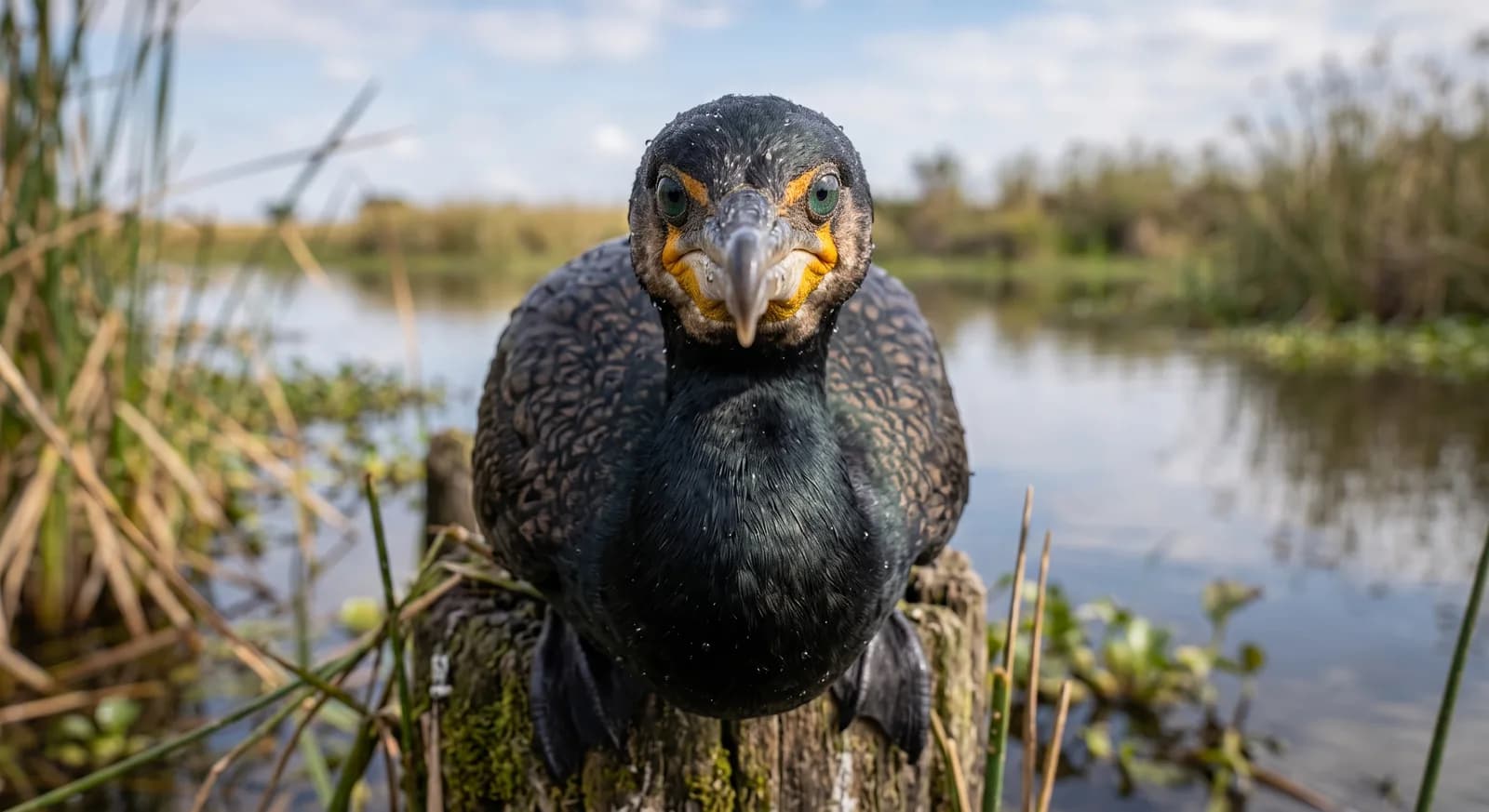 Least Concern
Long-tailed Cormorant
Microcarbo africanus
Guanay Cormorant
Leucocarbo bougainvilliorum
Pygmy Cormorant
Microcarbo pygmaeus
Double-crested Cormorant
Phalacrocorax auritus
Great Pied Cormorant
Phalacrocorax varius
Brandt's Cormorant
Phalacrocorax penicillatus
Socotra Cormorant
Phalacrocorax nigrogularis
Spotted Shag
Phalacrocorax punctatus
Rock Shag
Leucocarbo magellanicus
Flightless Cormorant
Nannopterum harrisi
Conservation status
2 especies in this group están en alguna categoría de riesgo real según la UICN.
See the global conservation statusWhere they live
Recorded in 104 countries. The ones with the most species in the group:
Where to see them
- Abel Tasman2 species
- Aoraki/Mount Cook2 species
- Arthur's Pass2 species
- Bahía de Loreto2 species
- Cabo Pulmo2 species
- Channel Islands2 species
- Egmont/Taranaki2 species
- Fiordland2 species
- Glacier Bay2 species
- Gulf Islands2 species
- Gwaii Haanas2 species
- Islas Apostol2 species
- Puerto Deseado (pingüinos)diving
- Archipiélago de Turkudiving
- Gdansk (pecios bálticos)diving
- Islas Ballestasdiving
- Islas Berlengasdiving
- Islas Cíesdiving
Did you know…
Its feathers are not fully waterproof, which reduces its buoyancy and makes diving easier, but obliges it afterwards to spread its wings in the sun to dry.
From Great Cormorant
Its plumage is not fully waterproof, so it has to dry its wings in the sun after fishing.
From European Shag
It takes bottom-dwelling fish by diving actively, propelled by its feet.
From European Shag
It grows a black crest on its head only during the breeding season.
From European Shag
It dives to more than sixty metres and stays under for as long as five minutes, extraordinary figures for a bird whose plumage is not waterproof and which comes out of the water soaked.
From Imperial Shag
Its plumage does not repel water, and that apparent disadvantage is in fact useful: by trapping no air, the bird is less buoyant and dives with far less effort.
From Imperial Shag
It is the smallest cormorant in Africa and the one most tied to vegetated fresh water: it fishes among the papyrus and reeds rather than in open water, a niche its larger relatives do not occupy.
It breeds in mixed colonies with herons, night herons and spoonbills, taking advantage of the collective watch against raptors.