One of the 13 cormorants on WAnimals
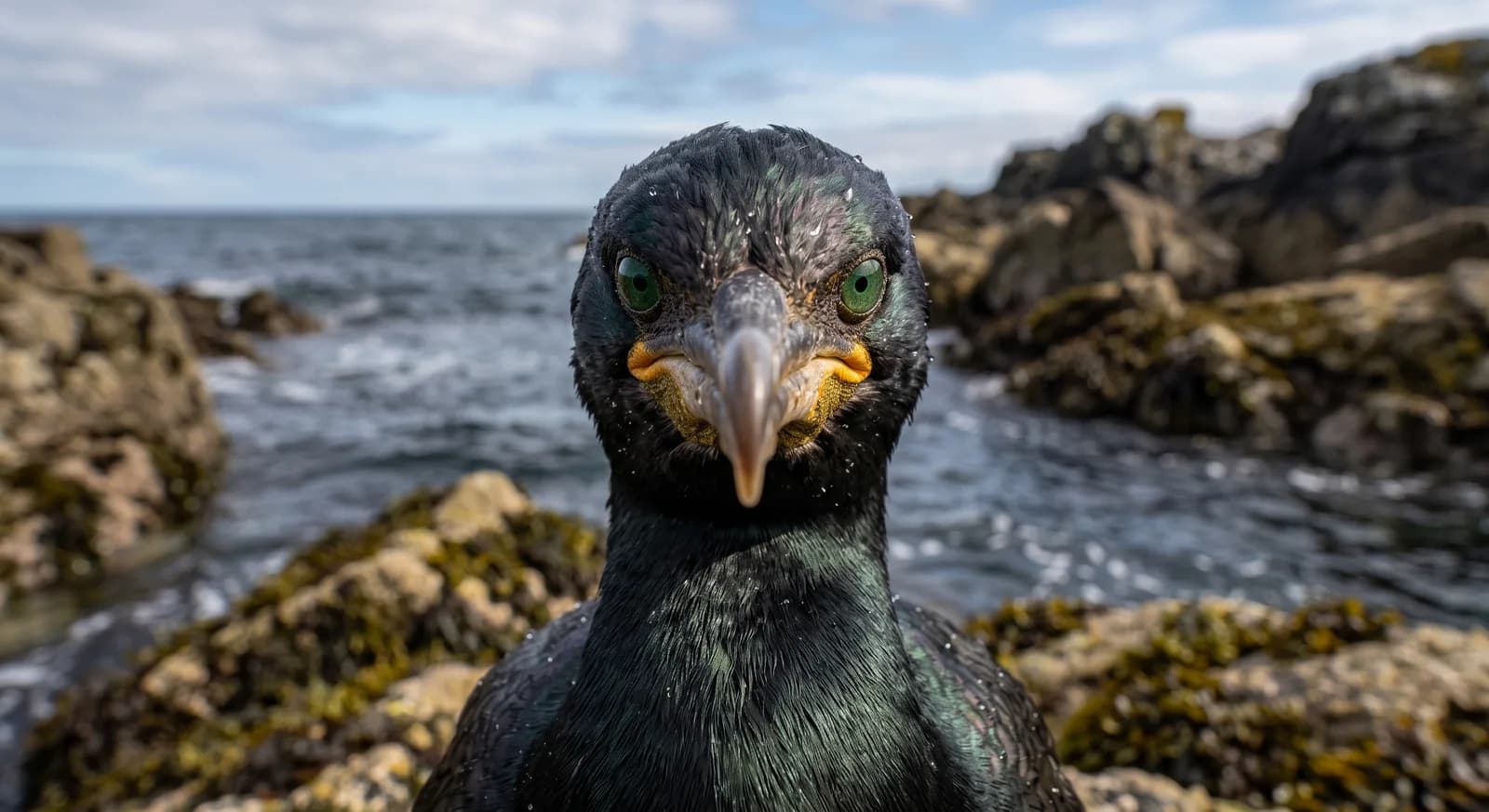
Birds · Suliformes · Phalacrocoracidae
European Shag
Phalacrocorax aristotelis
The species is abundant and widely distributed; it faces no significant short-term risk. See full glossary
Unlike other seabirds, its plumage is not fully waterproof, which forces it back to land every day to dry its outstretched wings in the sun after each fishing trip.
Weight
1.6 kg – 2 kg
Size
65 cm – 80 cm
Lifespan
14 years
Diet
Carnivore
Feeds mainly on other animals.
Activity
Diurnal
Active mainly during the day.
Social structure
Colony
Lives in large concentrations, often for breeding reasons.
Sighting difficulty
Easy
Fun facts
- Its plumage is not fully waterproof, so it has to dry its wings in the sun after fishing.
- It takes bottom-dwelling fish by diving actively, propelled by its feet.
- It grows a black crest on its head only during the breeding season.
Life cycle & biology
- Skeleton type
- Vertebrate - pneumatised bony skeleton (bird)
- Habitat & environment
- Rocky coasts of the north-eastern Atlantic and the Mediterranean, generally in deeper water further offshore than other cormorants
- Birth weight
- Exact weight at hatching not found as a precise figure
- Size at birth
- Naked on hatching, growing brown down soon afterwards
- Sexual maturity
- 2-4 years
- Gestation / incubation
- 30-35 days
- Litter / clutch size
- 1 to 6 eggs per clutch (most commonly 3)
Sources consulted: AnAge (genomics.senescence.info); Animal Diversity Web; Oiseaux-birds.com; SeaLifeBase; PMC (trophic mismatch study, genome sequence study); Animal Diversity Web (imperial shag comparativo)
Where to find it
See its range on the interactive mapWhere to watch it
Parks and dive sites where this species has been documented.
Related species
Other species in the catalogue with the most in common with European Shag — same habitat, park, country, tags or family.
Greater Pipefish
Syngnathus acus
Mediterranean Rainbow Wrasse
Coris julis
Striped Red Mullet
Mullus surmuletus
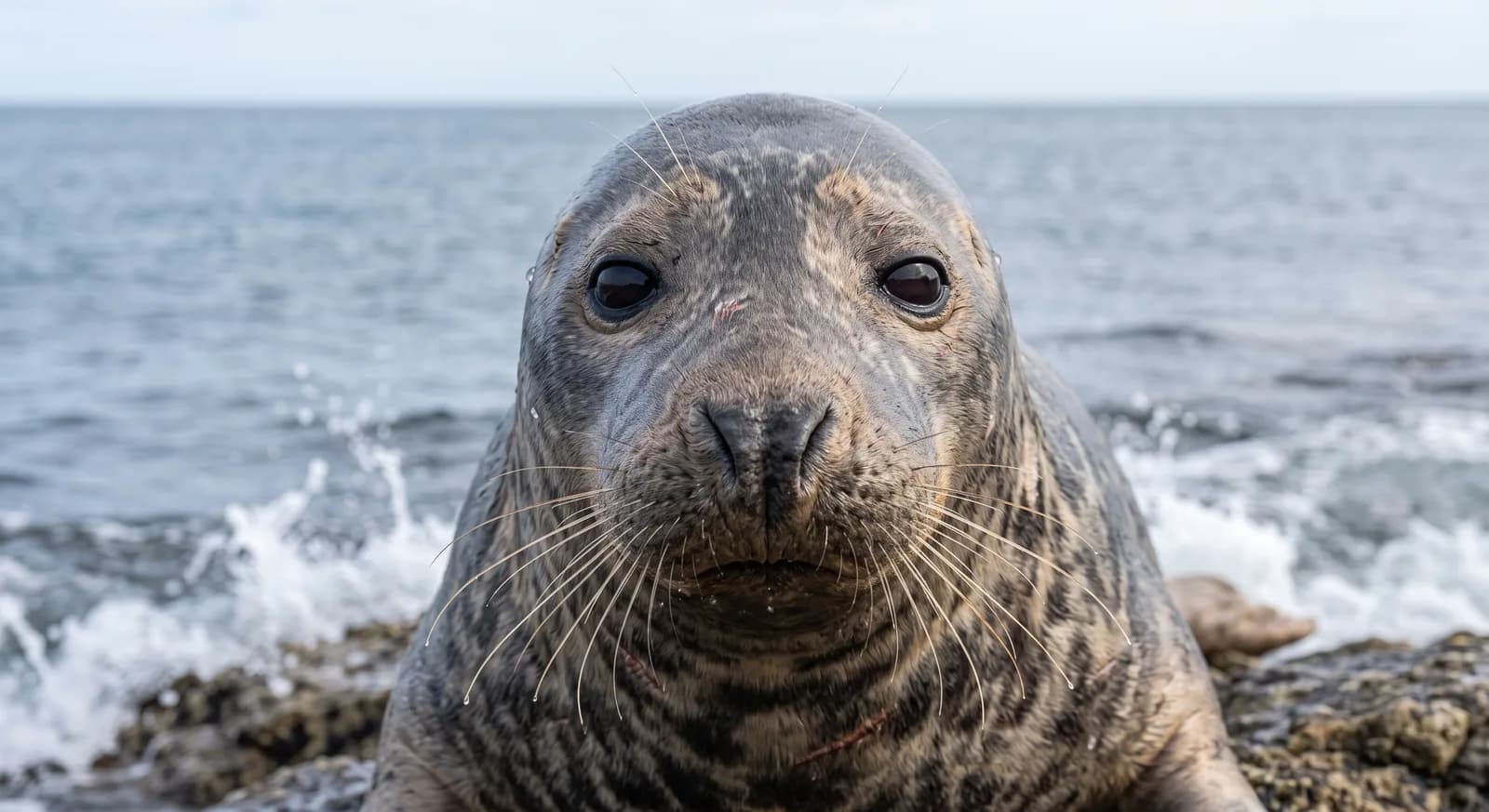 Least Concern
Grey Seal
Halichoerus grypus
Crevalle Jack
Caranx hippos
Skipper
Scomberesox saurus
Keep exploring
Based on what we already know about european shag.
Comments
Share an experience, a fun fact or a tip for seeing the european shag.
Be the first to comment.