Egypt
África
Egypt is a desert country crossed by a river: the Nile and its delta concentrate almost all the life and all the population, while the rest is eastern Sahara, with limestone plateaux, dune fields and depressions such as the Qattara. The oases of the western desert, fed by fossil aquifers, form islands of palm groves and salt lagoons. The Red Sea, by contrast, hides one of the richest and most resilient coral reef systems on the planet, with more than a thousand species of fish and corals that withstand temperatures capable of bleaching any other reef in the world. Sinai contributes granite mountains with arid fauna such as the Nubian ibex and the striped hyena, and the delta lakes and Lake Nasser hold Nile crocodiles, wintering waterbirds and traditional fisheries.
The nature of Egypt
National animal: The steppe eagle, depicted as the Eagle of Saladin on the national coat of arms
Did you know?
Deep in the western desert, more than one hundred and fifty kilometres from the sea, the Valley of the Whales holds hundreds of fossil skeletons of primitive whales some forty million years old. The extraordinary part is that many still have tiny hind legs: they are the physical proof that cetaceans descend from four-limbed land mammals that returned to the water, which is why the site is a World Heritage Site.
Biodiversity profile
Climate
- •Desertico calido (BWh), dominante en casi todo el territorio
- •Mediterraneo en la estrecha franja costera del norte
Main biomes
- •Desierto (Sahara occidental y desierto oriental, mas del 90% del territorio)
- •Valle y delta del Nilo (corredor de biodiversidad fertil a traves del desierto)
- •Montañas del Sinai (refugio de endemismo)
- •Arrecife de coral del mar Rojo
- •Desierto arenoso y pedregoso
- •Delta fluvial
- •Oasis de acuífero fósil
- •Montaña granítica árida
- •Laguna costera
- •Manglar del mar Rojo
Marine and coastal ecosystems
- •Arrecifes de coral del Mar Rojo (209 de las 300 especies de coral duro conocidas en la region, aprox. 10% endemicas; cobertura viva media del 48% en el norte del Mar Rojo)
- •325 especies de peces de arrecife registradas, 17% endemicas
- •Humedales costeros remanentes del delta del Nilo (muy reducidos tras la construccion de la Presa de Asuan)
Flagship wildlife
- •Ibis sagrado (historicamente icono del Nilo)
- •Cabra montes de Nubia
- •Tiburones y tortugas marinas del Mar Rojo
- •Zorro de Ruppell (desierto)
- •Cocodrilo del Nilo
- •Íbice de Nubia
- •Zorro del desierto
- •Gacela dorcas
- •Dugongo
- •Tiburón ballena
- •Tortuga verde
- •Flamenco común
- •Águila esteparia
- •Hiena rayada
Notable endemic species
- •Aprox. 2,5% de las 717 especies conocidas de anfibios, aves, mamiferos y reptiles de Egipto son endemicas
- •El Sinai y su zona costera circundante identificados como uno de los dos principales puntos calientes de mamiferos endemicos de la region afro-arabiga (el otro es la costa mediterranea de Marruecos)
- •Alto endemismo marino en los corales y peces de arrecife del Mar Rojo egipcio
- •Gacela de la Península del Sinaí
- •Musaraña del Nilo
Notable threatened species
- •Aprox. 17% de los mamiferos endemicos de la region afro-arabiga (incluyendo Egipto) podrian extinguirse antes de 2050 segun proyecciones de cambio climatico
- •Especies de coral y peces de arrecife del Mar Rojo bajo presion por blanqueamiento, sobrepesca y turismo intensivo
Notable protected areas
- •Parque Nacional Ras Mohamed (Sinai, arrecifes de coral)
- •Reserva de Wadi Elgemal (Mar Rojo)
- •Parque Nacional El-Gelf El-Keber (desierto occidental)
- •Parque Nacional de Ras Mohamed
- •Wadi Al-Hitan
- •Parque Nacional de Wadi El Rayan
- •Reserva de Nabq
- •Parque Nacional de Gebel Elba
- •Reserva del Desierto Blanco
Main conservation threats
- •Alteracion del regimen hidrologico del Nilo por la Presa de Asuan (1965), que ha eliminado casi por completo la descarga de sedimentos al Mediterraneo
- •Crecimiento demografico y urbanizacion acelerada
- •Turismo masivo en el Mar Rojo, con impacto documentado en coral y peces de arrecife pese a los altos ingresos economicos que genera (aprox. 7.000 millones de USD anuales)
Notable natural phenomena
- •El Nilo actua como corredor critico de biodiversidad a traves del desierto del Sahara y el Sahel, aunque muy alterado por intervenciones humanas historicas
Conservation
The reefs of the northern Red Sea are considered a thermal refuge against global warming and are the subject of an international scientific programme. Pressure from dive tourism and coastal landfill is the main threat.
Where and when to watch wildlife
The Red Sea year-round for reefs, dugongs and sharks; between May and July for whale sharks. Lake Nasser in winter for waterbirds and crocodiles. Sinai at dawn for ibex.
Sources: UNDP Egypt - Preserving Egypt's biodiversity | The New Arab - Egypt Red Sea coral reefs plan | UNDP - The Red Sea Protecting World's Last Coral Refuge | PMC - Risk of biodiversity collapse Afro-Arabian region | icriforum.org - Egypt Coral Reefs
Parks and reserves
Valle de las Ballenas (Wadi Al-Hitan)
The site that documents how whales stopped walking: fossil cetaceans with hind limbs in the middle of the desert.
View parkNational ParkRas Mohammed
Egypt's first marine national park; vertical coral walls among the most spectacular in the Red Sea
View parkNational ParkDesierto Blanco
White chalk formations sculpted by the wind in the Western Desert, a landscape with no equivalent in the Sahara.
View parkProtected AreaGebel Elba
A fog oasis in the Eastern Desert, with Afrotropical flora, in territory disputed with Sudan.
View parkProtected AreaNabq
The most northerly mangroves in the world, on the Gulf of Aqaba coast beside the Sinai dunes.
View parkNational ParkWadi El Gemal
Red Sea coast and hinterland with mangroves, dugong seagrass beds and the emerald mines of the pharaohs.
View parkProtected AreaWadi El Rayan
Man-made lakes in the middle of the desert and Egypt's only waterfalls, next to the fossil whale site.
View parkDiving and snorkelling
Daedalus Reef (Abu el Kizan)
An isolated reef plateau in the middle of the Red Sea, roughly 1,000 m long by 300 m wide, rising from several hundred metres of depth. With no other reefs around it, it is exposed to wind, swell and upwelling currents, and that combination explains both its biological productivity and its reputation. The walls drop sheer to about 20 m, continue as a slope to 40 and then fall away. The northern tip is the classic spot for hammerheads, where the current splits.
View dive siteWall/WreckBrothers Islands (El Akhawein)
Two tiny islands out in open water. Big Brother holds two wrecks: the Numidia, sunk in 1901, which lies roughly between 8 and 80 m down the wall, and the Aida, a supply ship that in September 1957 struck the rocks while trying to unload in heavy seas and slid down the reef. The Aida's bow lies at around 28 m and her stern with the propeller at around 52, so exploring her in full calls for decompression diving. The two wrecks are barely a hundred metres apart.
View dive siteReef/WallRas Mohammed National Park
The park occupies the tip of Sinai, where the Gulf of Suez meets the Gulf of Aqaba. That confluence generates constant water movement and one of the greatest concentrations of biomass in the Red Sea. The flagship dive is Shark Reef - Yolanda: two coral pinnacles rising from the depths to almost the surface, joined by a sand saddle at 10-15 m, and an outer wall dropping several hundred metres. It is dived as a drift starting at Shark Reef.
View dive siteWall/PelagicRocky Island
An islet barely 500 m across, comparatively barren above water, ringed by a short reef plateau that drops away at once. The currents sweeping it concentrate dense shoals and predator activity. It is one of the most southerly and most demanding sites in Egypt.
View dive siteReef/CaveSt John's Reef
It is not one reef but an enormous system of reefs spread across the deep south, rising from an underwater plateau. That scale is exactly what gives the variety: one dive follows a vertical wall vanishing into the blue, the next threads through coral towers, caves and tunnels, and the third opens onto a hard coral garden over white sand. Habili Ali, Habili Gafair and St John's Caves are the landmark sites.
View dive siteReef/Protected islandWadi Gimal
A protectorate taking in coast, islands and reefs south of Marsa Alam. Shaab Sharm, an oceanic reef south-east of Marsa Alam with very pronounced vertical drops, falls within its boundaries and is the most sought-after site in the area.
View dive siteWall/ShipwreckZabargad Island
An island of turquoise lagoons, beaches and steep hills, ringed by calm coral gardens and, further out, walls and canyons swept by current. Turtle Bay concentrates the reef fauna and is a turtle nesting site in August. On the southern face lies a wreck partly covered in coral.
View dive siteSeagrass meadowAbu Dabab (dugongos)
A shallow bay with Posidonia meadows, home to a pair of dugongs used to human presence.
View dive siteWreckAbu Nuhas (Ghiannis D)
A Greek freighter of about 99 m, launched in Japan in 1969 as the Shoyo Maru. On 19 April 1983 she struck the north-west corner of Abu Nuhas reef at full speed, carrying a cargo of timber from Rijeka bound for Jeddah and Hodeidah. The crew were saved. She broke into three: bow and stern in good condition, the midsection wrecked. The engine room, at around 13 m, allows an easy and very well-lit penetration, and the mast reaches up to 4 m, ideal for the safety stop.
View dive siteReef/WallBig Gubal Reef
The large island of the Strait of Gubal with coral walls and currents that draw shoals of smaller pelagics.
View dive sitePaíses similares
¿A dónde más podría interesarme viajar?
Misma región: Norte de África
Misma región: Norte de África
Misma región: Norte de África
Misma región: Norte de África
Especies documentadas en Egypt
388 species found
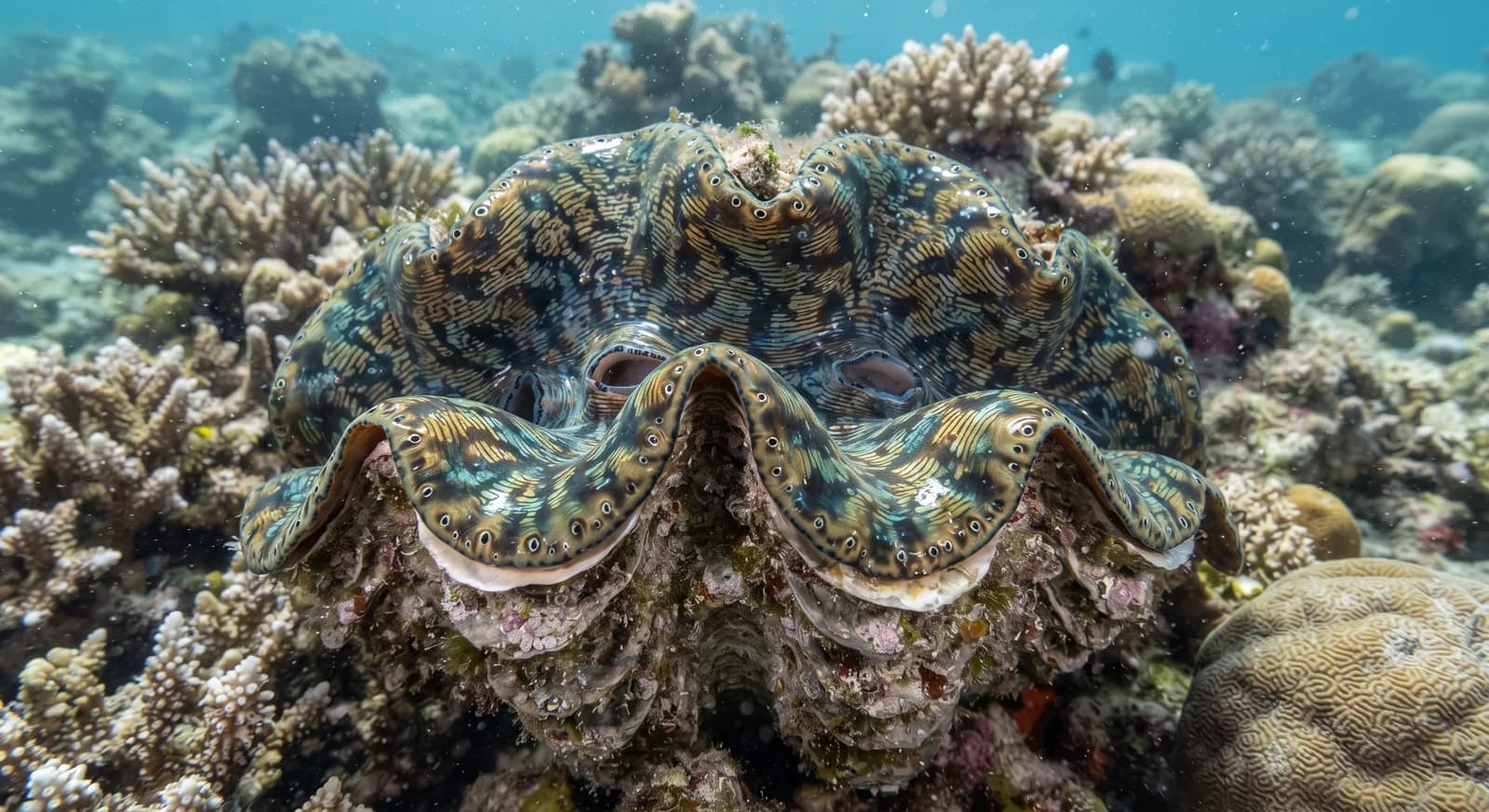 Critically Endangered
Giant Clam
Tridacna gigas
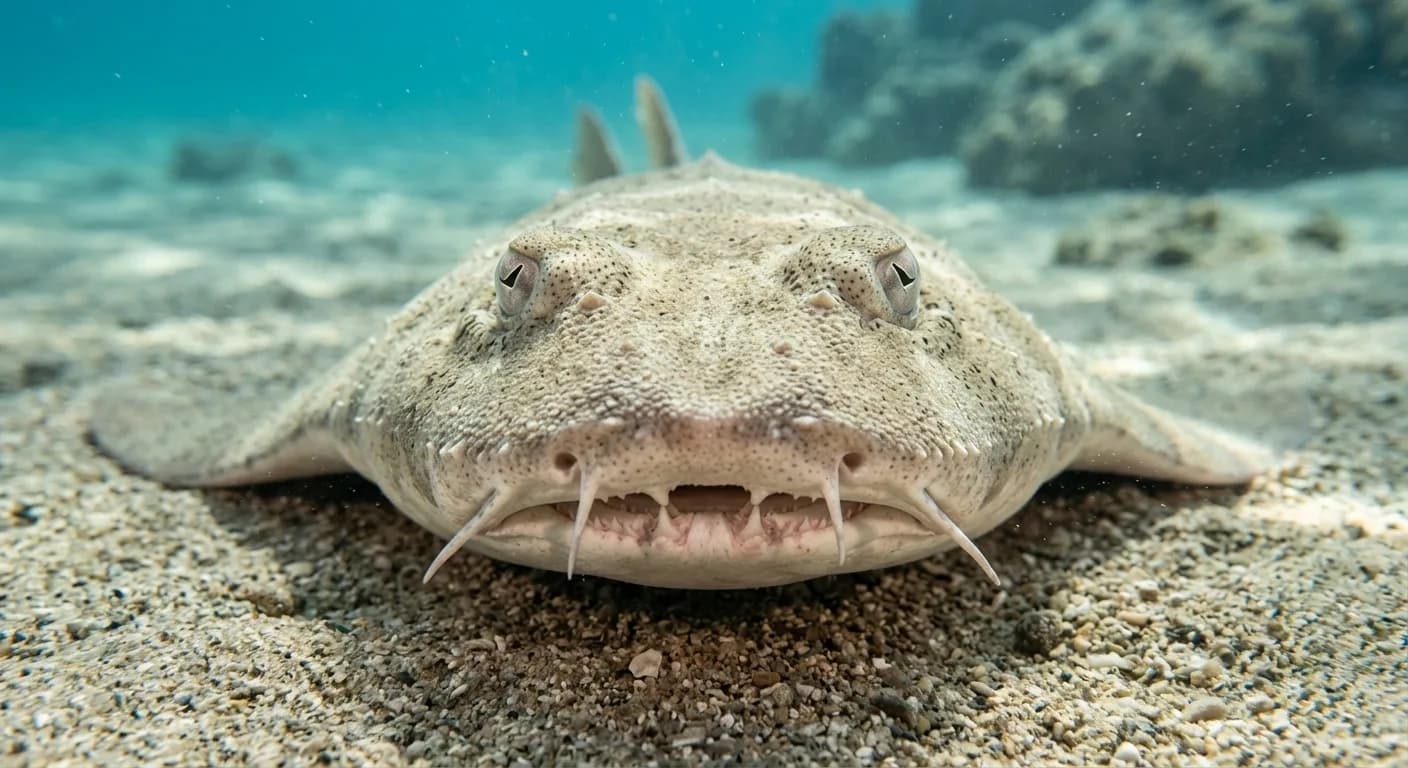 Critically Endangered
Angelshark
Squatina squatina
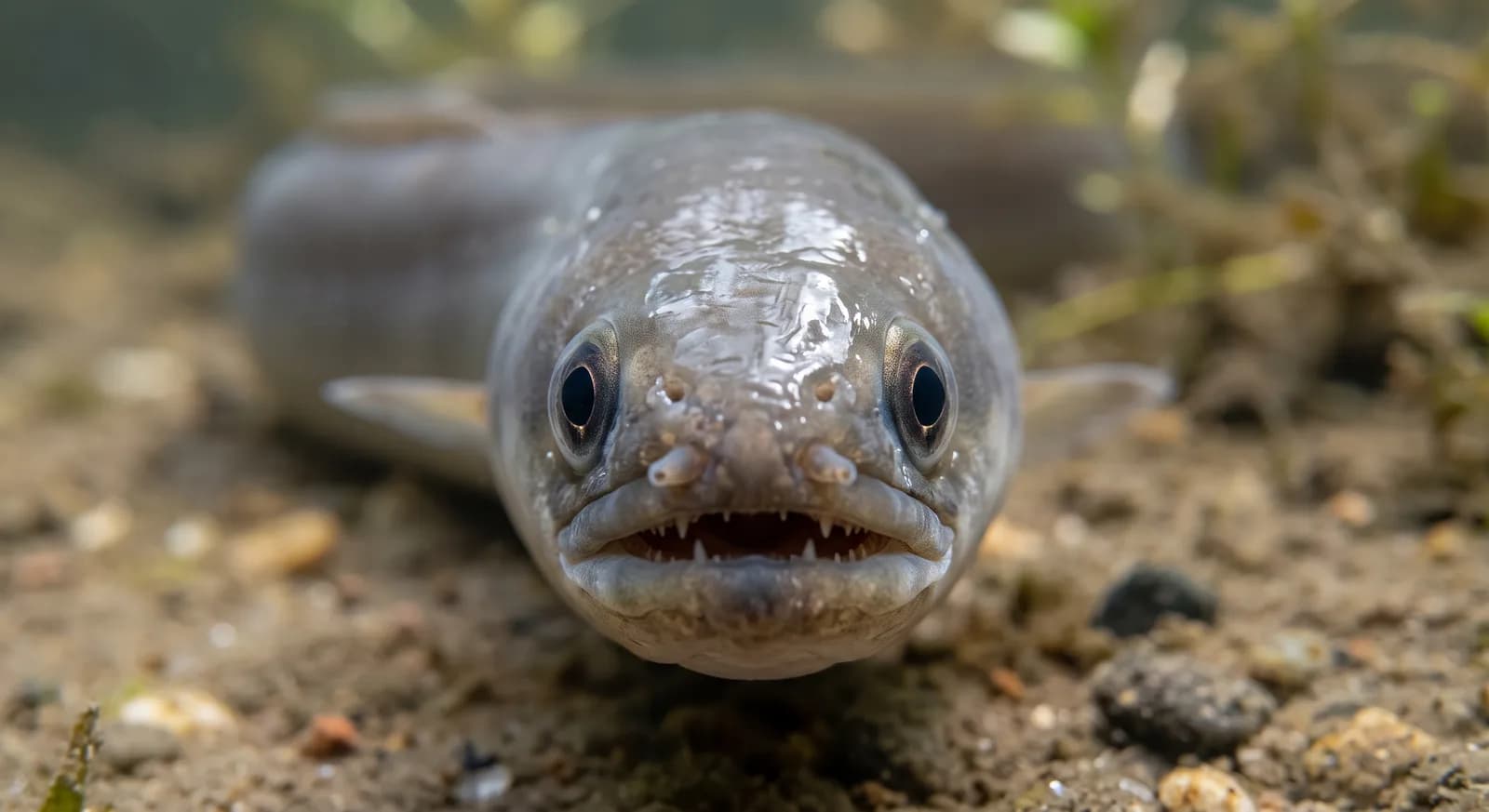 Critically Endangered
European Eel
Anguilla anguilla
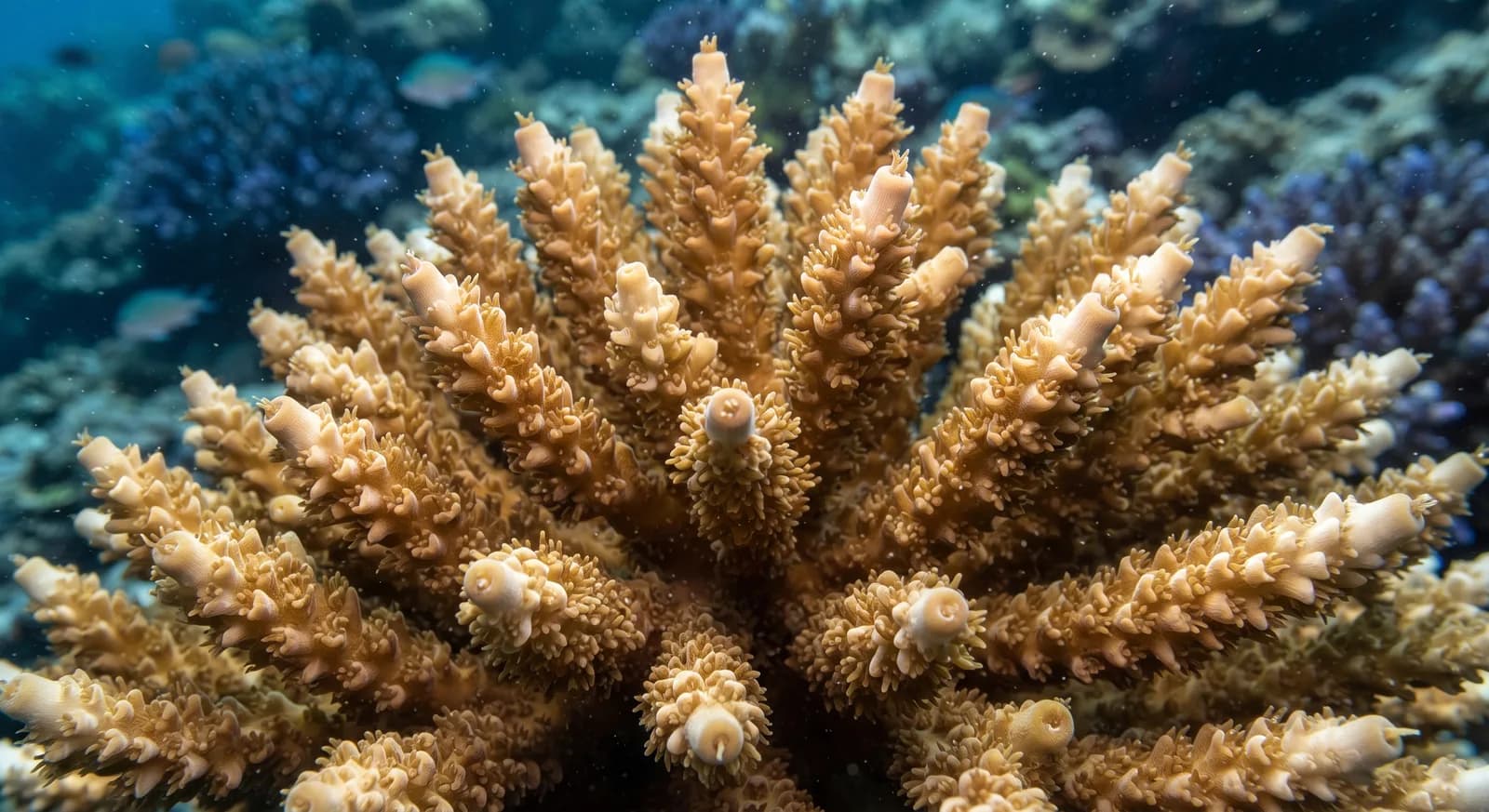 Critically Endangered
Staghorn Coral
Acropora cervicornis
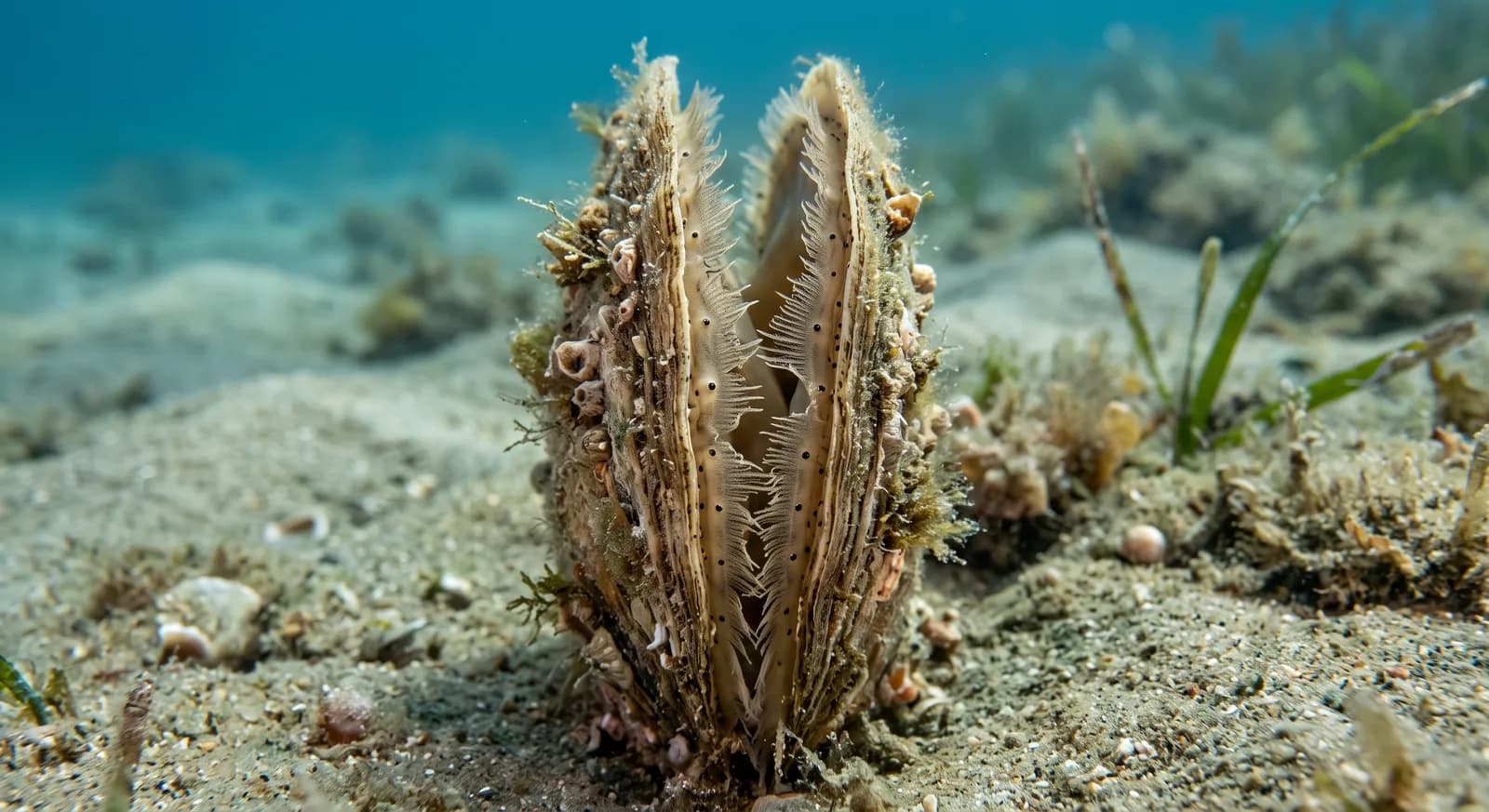 Critically Endangered
Fan Mussel
Pinna nobilis
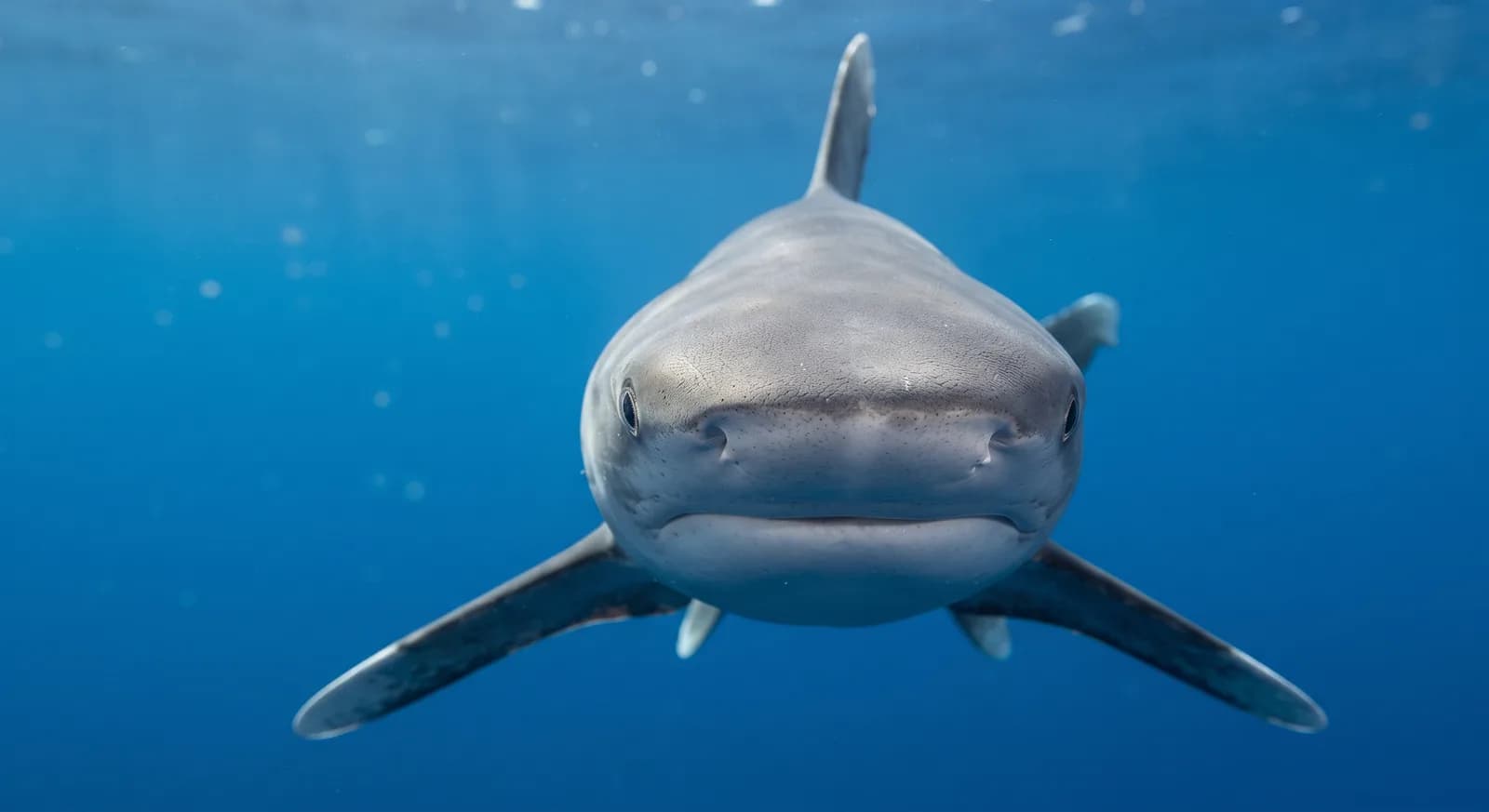 Critically Endangered
Oceanic Whitetip Shark
Carcharhinus longimanus
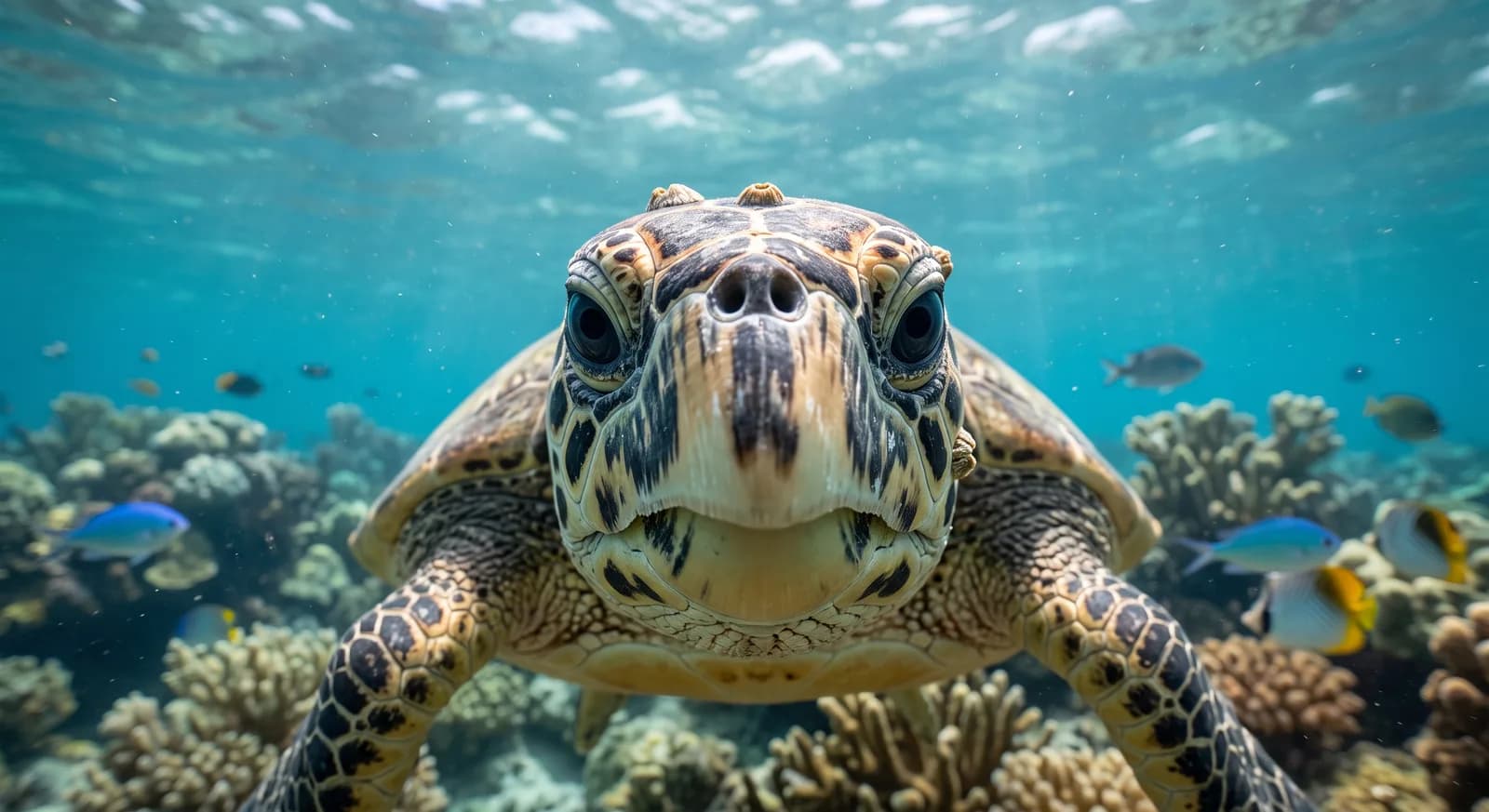 Critically Endangered
Hawksbill Turtle
Eretmochelys imbricata
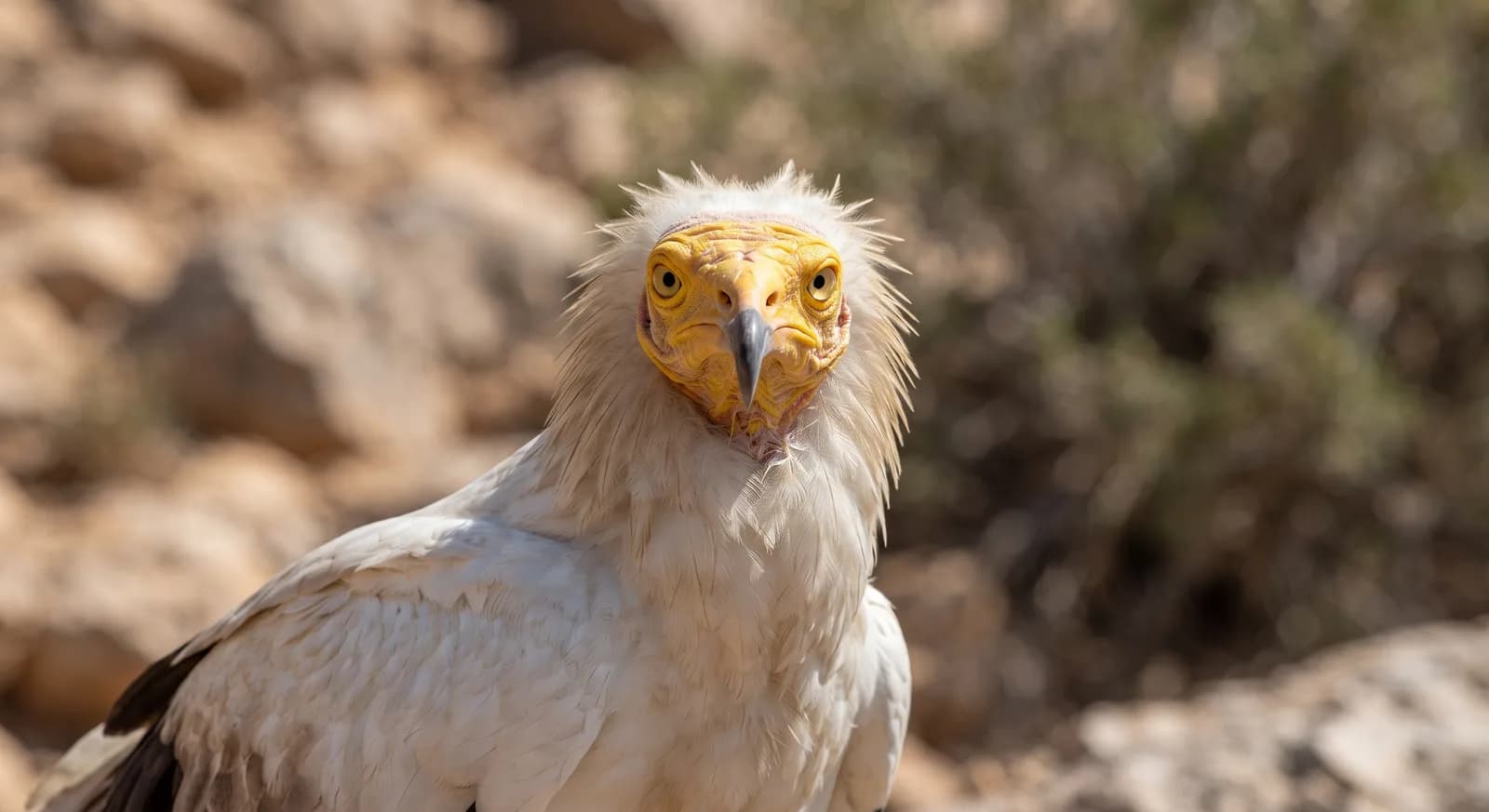 Endangered
Egyptian Vulture
Neophron percnopterus
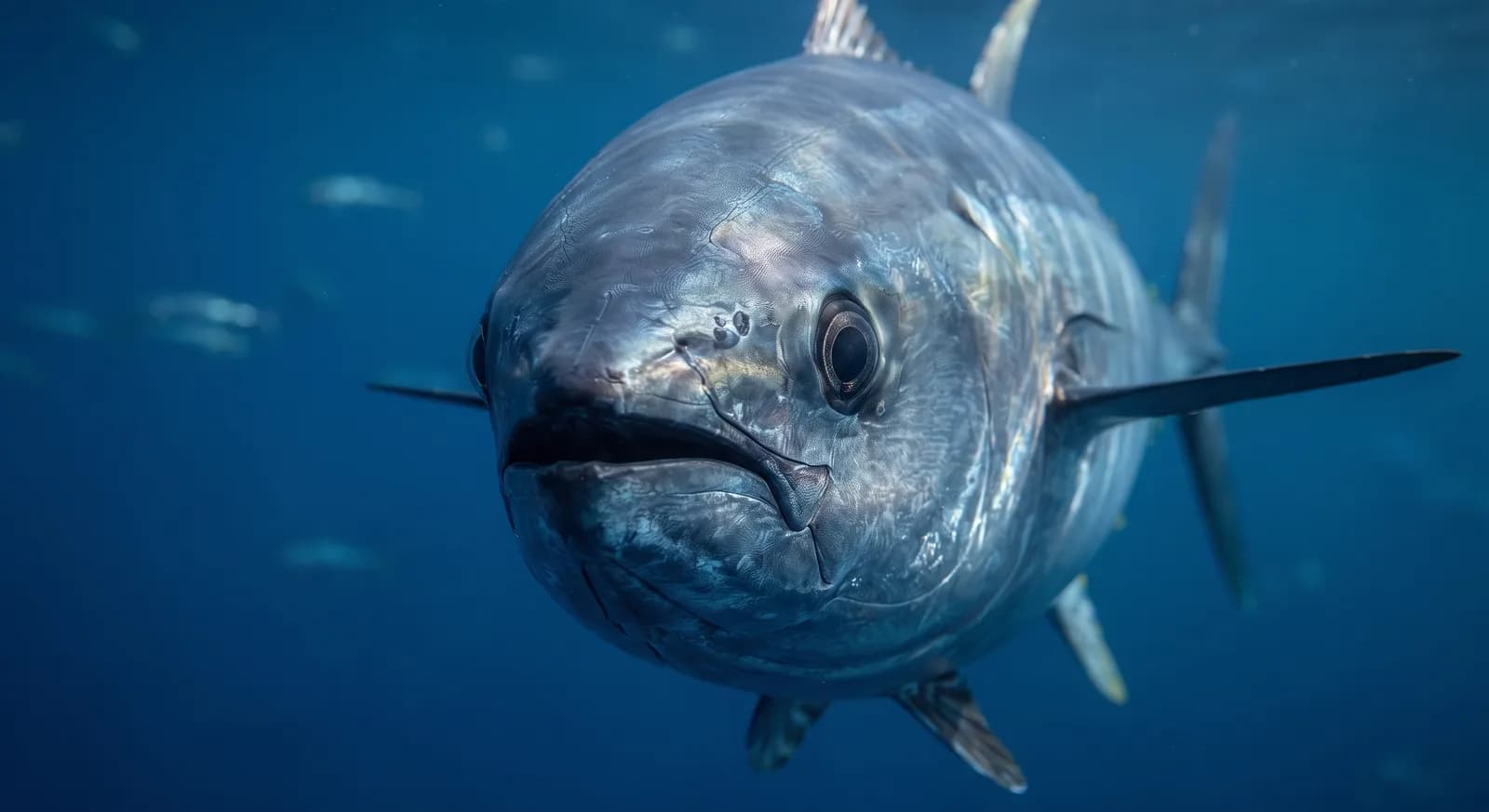 Endangered
Atlantic Bluefin Tuna
Thunnus thynnus
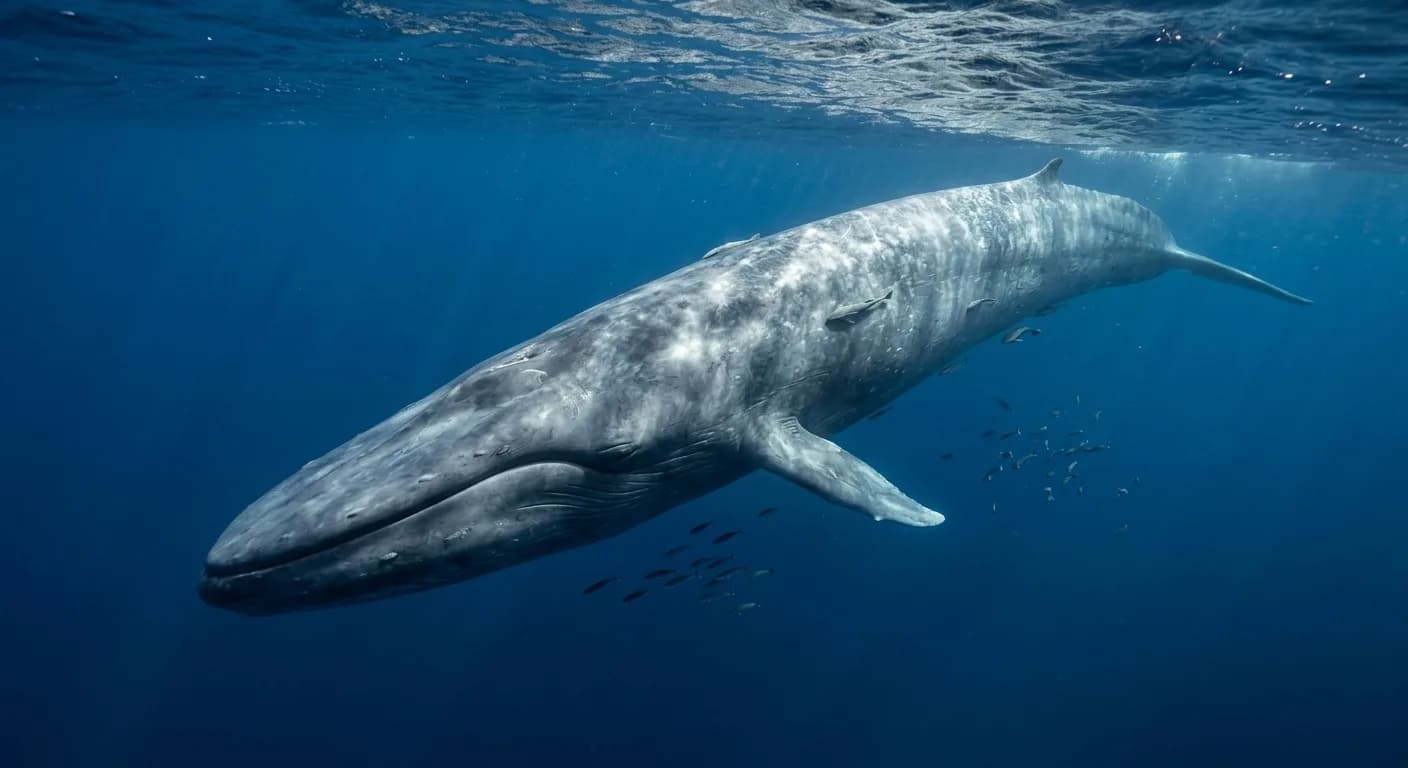 Endangered
Blue Whale
Balaenoptera musculus
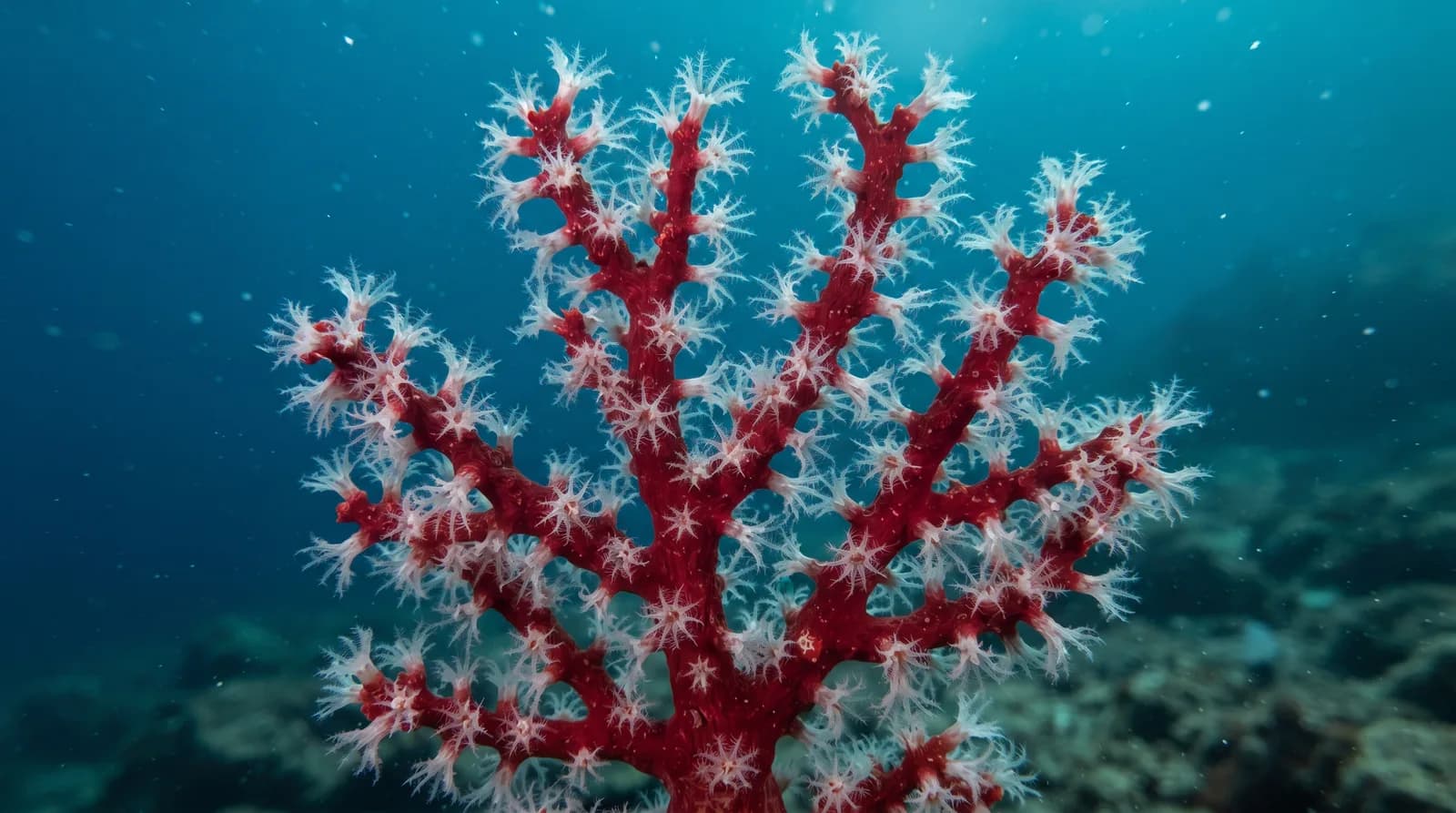 Endangered
Red Coral
Corallium rubrum
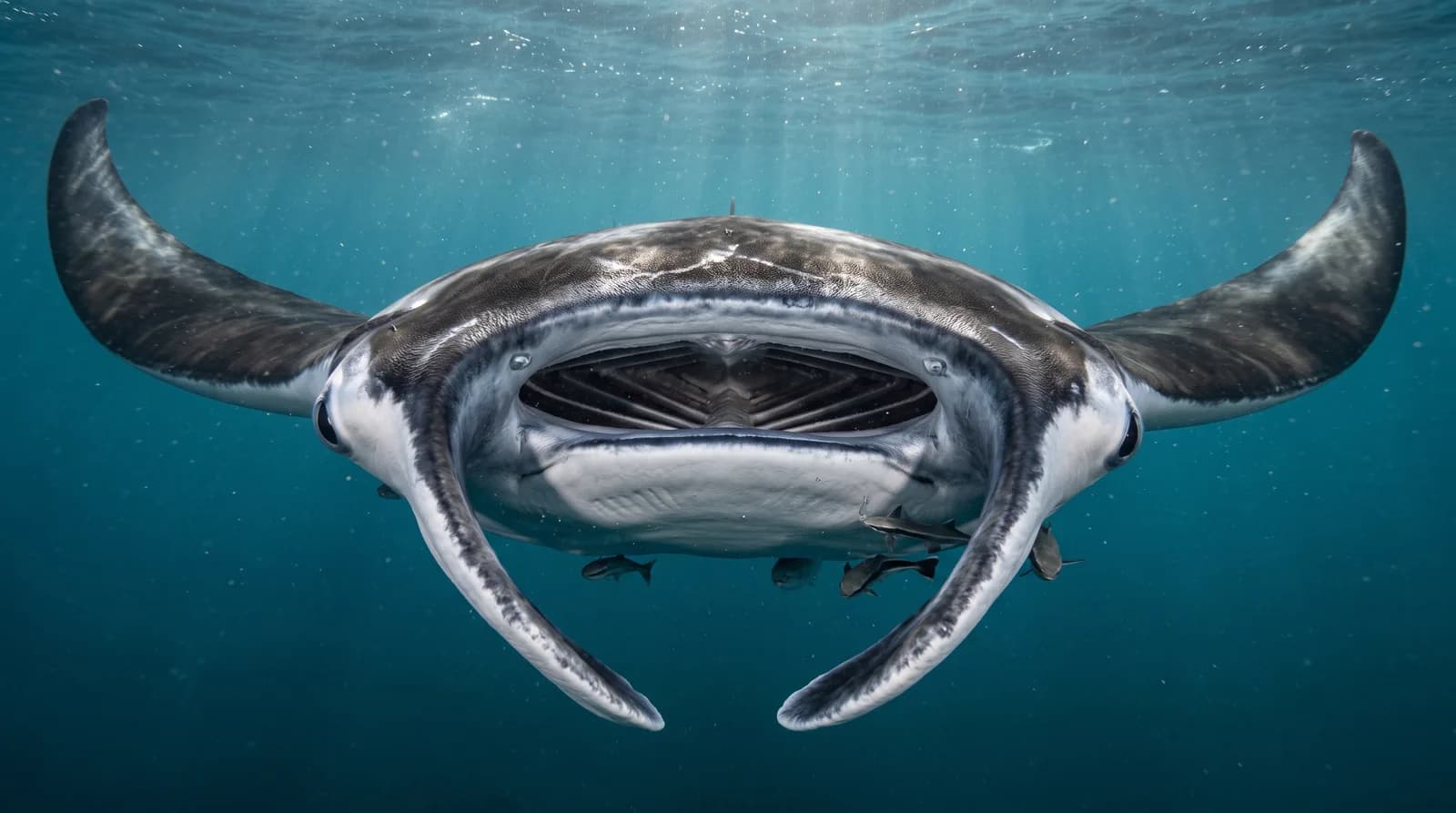 Endangered
Giant Manta
Mobula birostris
Keep exploring
Based on what we already know about Egypt.