One of the 3 ibises on WAnimals
Birds · Pelecaniformes · Threskiornithidae
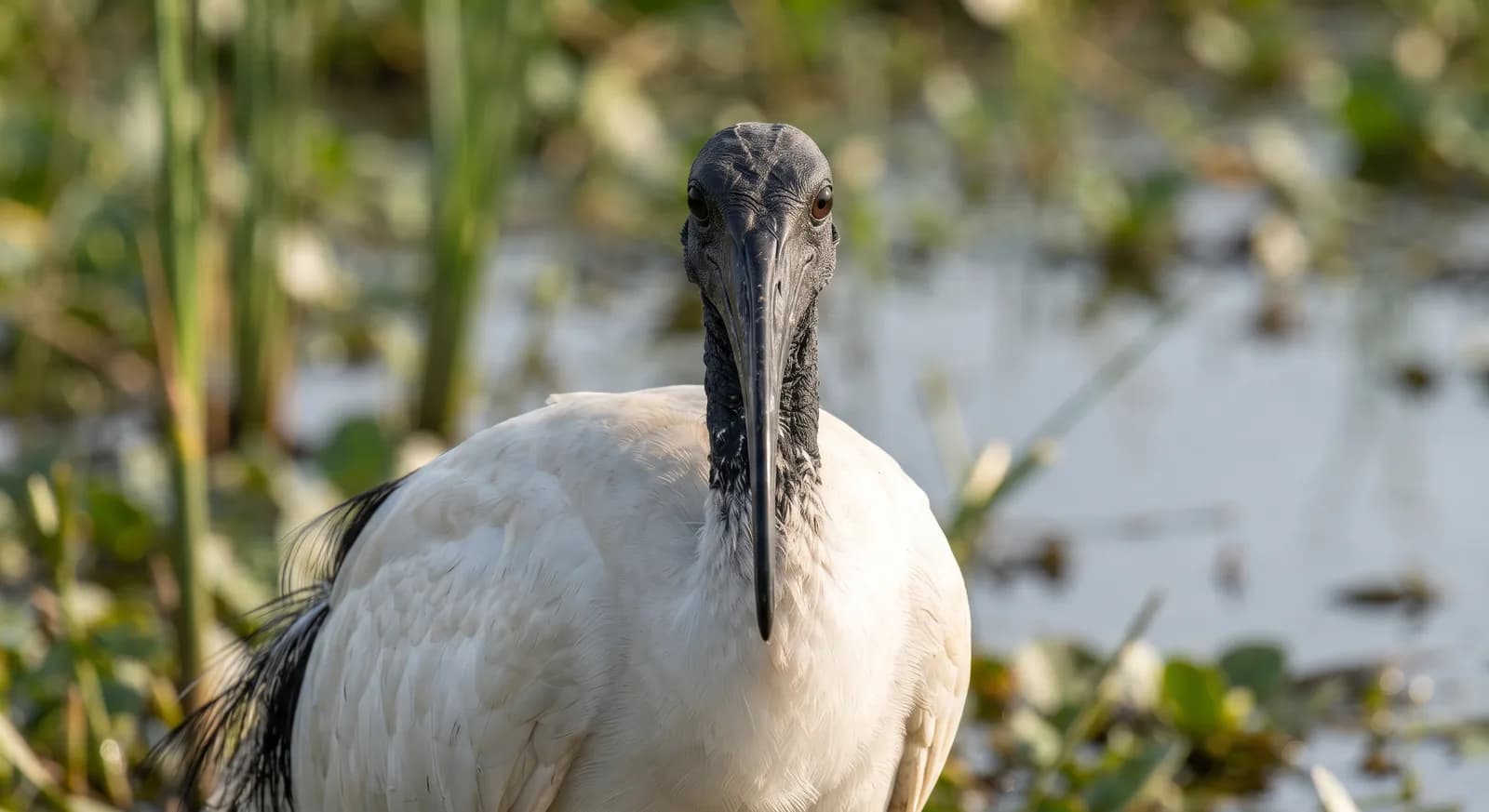
African Sacred Ibis
Threskiornis aethiopicus
The species is abundant and widely distributed; it faces no significant short-term risk. See full glossary
It was venerated and mummified in Ancient Egypt as the embodiment of the god Thoth, with millions of mummies of this species found in ritual catacombs.
Weight
1.3 kg – 1.5 kg
Size
68 cm – 75 cm
Lifespan
20 years
Diet
Omnivore
Combines animal and plant food depending on availability.
Activity
Diurnal
Active mainly during the day.
Social structure
Colony
Lives in large concentrations, often for breeding reasons.
Sighting difficulty
Easy
Fun facts
- It was venerated and mummified in Ancient Egypt as the embodiment of the god Thoth.
- It died out as a breeding bird in Egypt centuries ago.
- Its introduced populations in Europe are now considered invasive.
- sentidosIt pushes its curved bill into the mud and finds prey through touch receptors, without needing to see it.
Life cycle & biology
- Skeleton type
- Vertebrate - pneumatised bony skeleton (bird)
- Habitat & environment
- Marshes, wetlands and the banks of rivers and lakes across sub-Saharan Africa, Madagascar and pockets of Iraq; introduced to southern Europe
- Birth weight
- Exact weight at hatching not found as a precise figure
- Size at birth
- Downy, with head and neck feathered at first, going gradually bare between 2 and 3 years
- Sexual maturity
- 4-5 years
- Gestation / incubation
- 21-29 days (usual reference ~28 days)
- Litter / clutch size
- 1 to 5 eggs per clutch (most commonly 2-3)
- Lifespan in captivity
- Documented record of 37 years in captivity
Sources consulted: AnAge (genomics.senescence.info); Animal Corner; Bright's Zoo; SA-Venues; Animal Diversity Web; The Birds; Wikipedia (African sacred ibis); US Fish & Wildlife Service
Where to find it
See its range on the interactive mapWhere to watch it
Parques y spots de buceo donde se ha documentado esta especie — se muestran 10 de 72 documentados.
Related species
Other species in the catalogue with the most in common with African Sacred Ibis — same habitat, park, country, tags or family.
 Least Concern
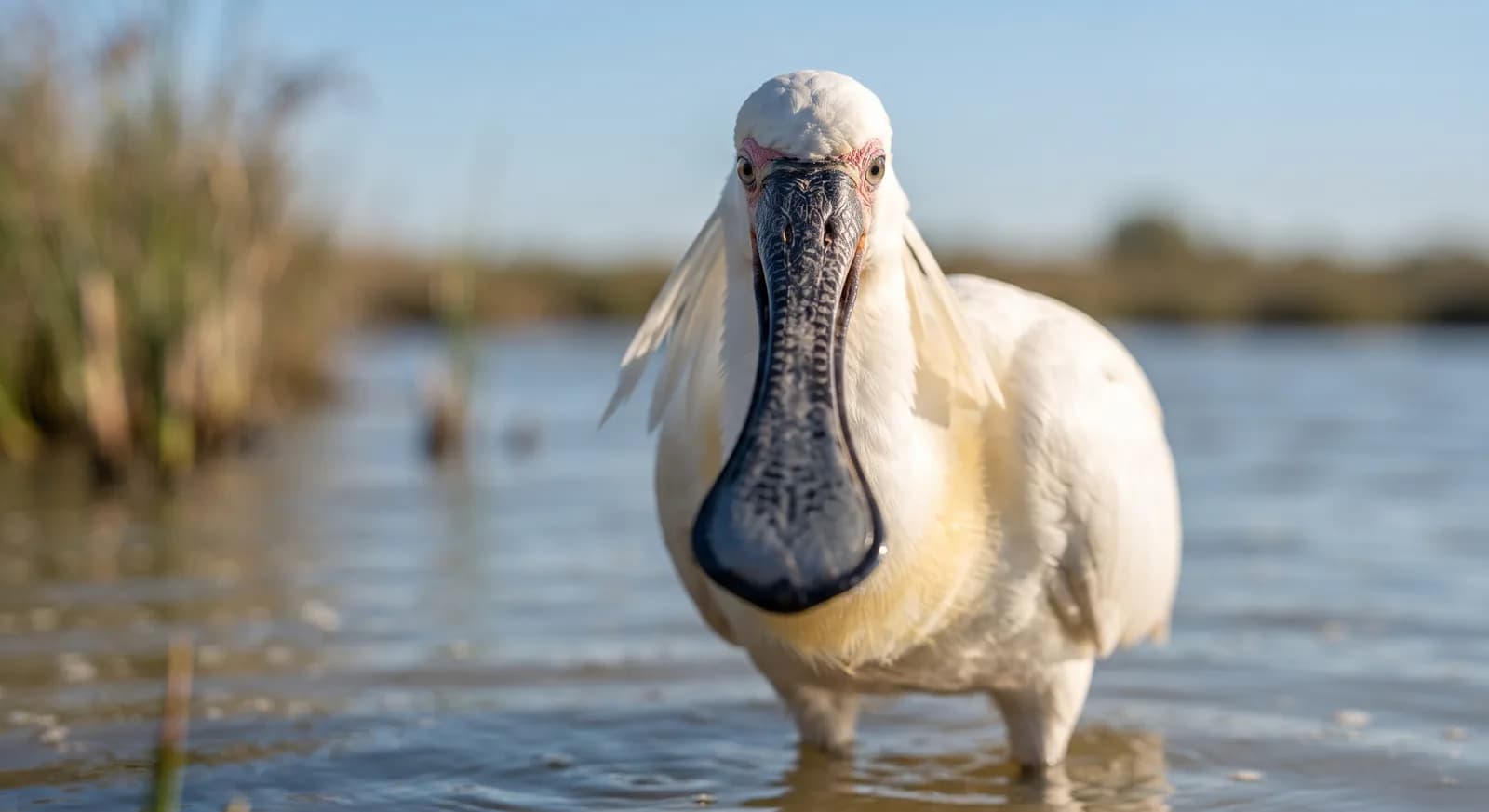
Eurasian Spoonbill
Platalea leucorodia
African Spoonbill
Platalea alba
 Least Concern
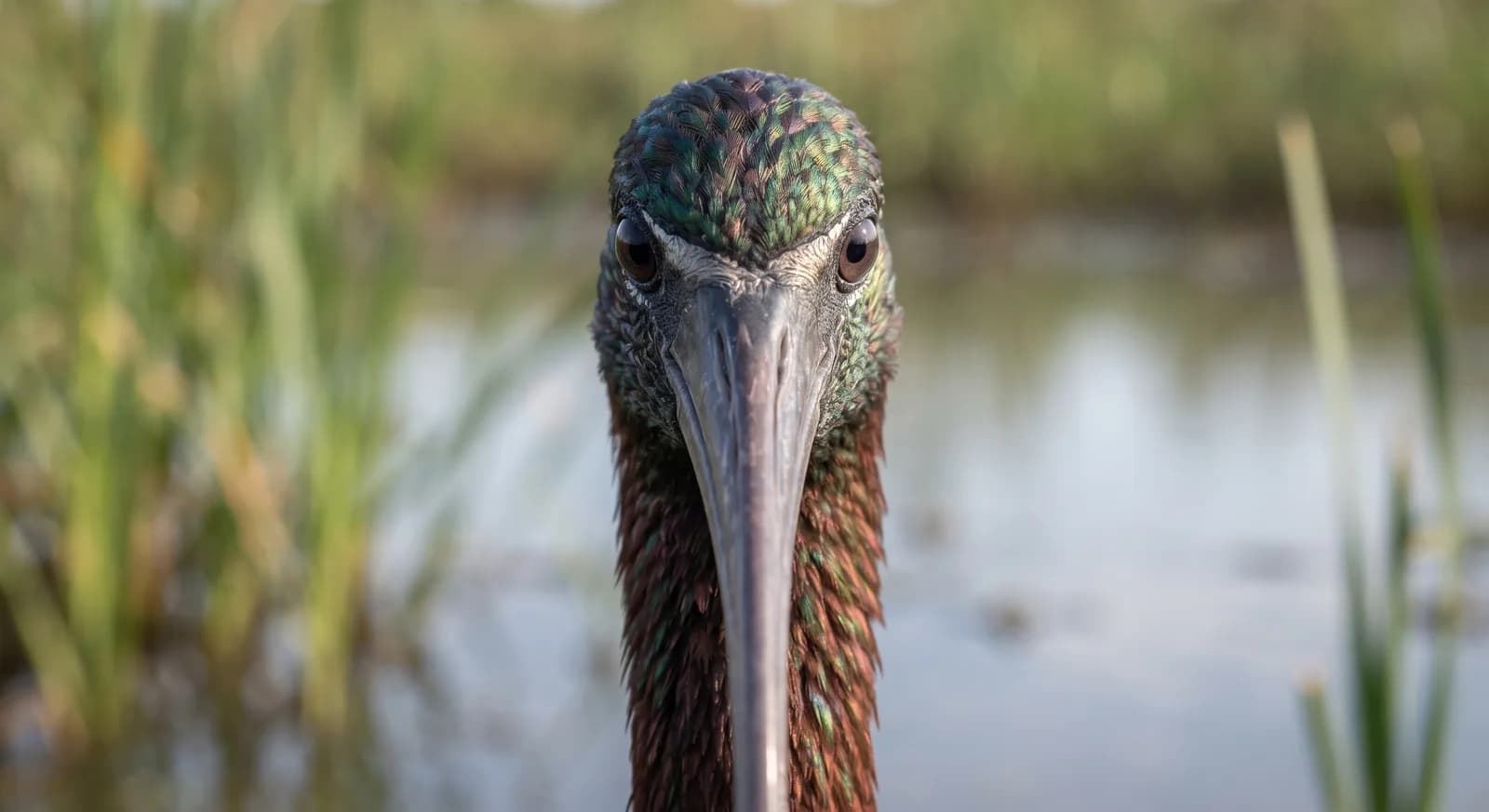
Glossy Ibis
Plegadis falcinellus
Scarlet Ibis
Eudocimus ruber
 Least Concern
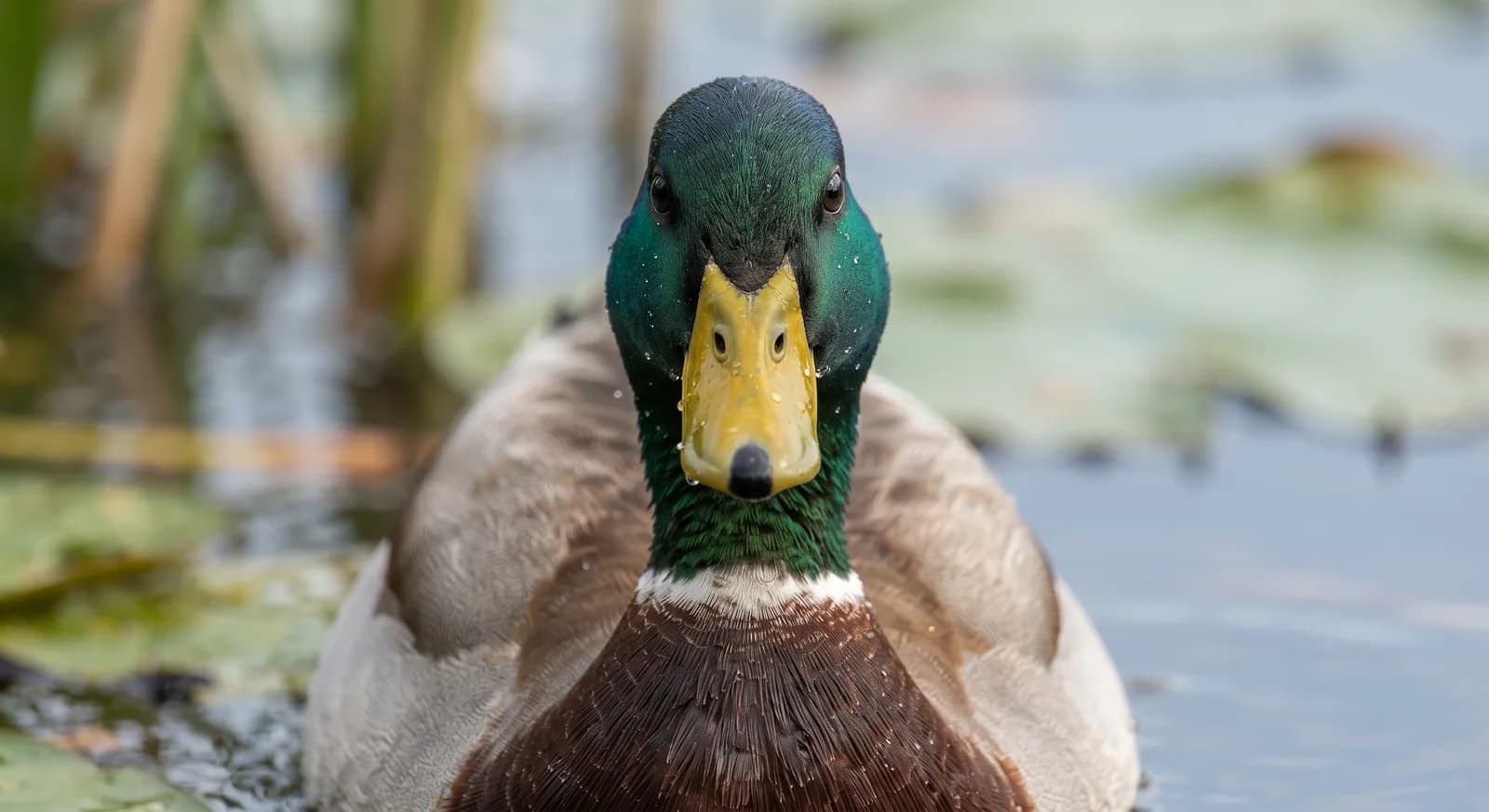
Mallard
Anas platyrhynchos
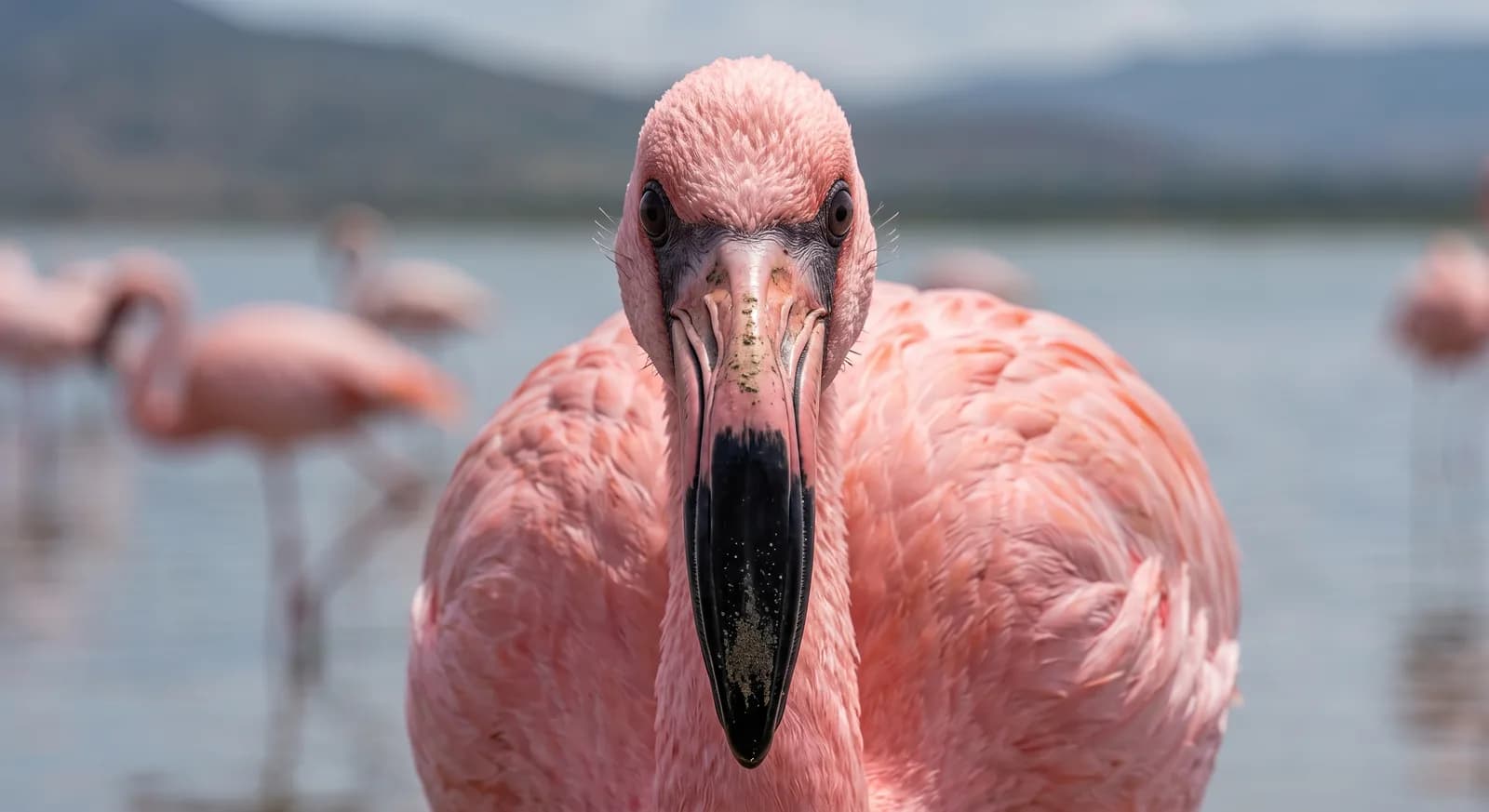 Least Concern
Greater Flamingo
Phoenicopterus roseus
Keep exploring
Based on what we already know about african sacred ibis.
Comments
Share an experience, a fun fact or a tip for seeing the african sacred ibis.
Be the first to comment.