Birds · Pelecaniformes · Threskiornithidae
Scarlet Ibis
Eudocimus ruber
The species is abundant and widely distributed; it faces no significant short-term risk. See full glossary
The scarlet ibis is one of the most spectacular birds in the world: a uniform and extremely intense scarlet, apart from the black wing tips. It is the national bird of Trinidad and Tobago and appears on the coat of arms of Venezuela. It lives in the mangroves and marshes of northern South America, where it probes the mud with its curved bill for crabs, whose carotenoids give it its unmistakable colour.
Weight
650 g – 900 g
Size
55 cm – 63 cm
Lifespan
20 years
Diet
Carnivore
Feeds mainly on other animals.
Activity
Diurnal
Active mainly during the day.
Social structure
Colony
Lives in large concentrations, often for breeding reasons.
Sighting difficulty
Easy
Fun facts
- fisiologíaIts deep red likewise comes from pigments in its diet, and the young hatch greyish, turning red gradually with age.
- Its red comes from crabs: the carotenoids of the crustaceans it eats build up in the feathers, and the chicks are born grey and redden over two years until they reach the adult scarlet.
- It is the national bird of Trinidad and Tobago and appears on the coat of arms of Venezuela: the roosts of the Caroni reserve, in Trinidad, draw thousands of birds every evening as they come in to the mangroves and turn the trees red.
- It hybridises with the white ibis where the two species overlap, producing birds of an intermediate pink.
Life cycle & biology
- Skeleton type
- Vertebrate - internal bony skeleton (bird)
- Habitat & environment
- Mangroves, brackish marshes, floodplains and estuaries of northern South America
- Sexual maturity
- 2 years
- Gestation / incubation
- 23 days
- Litter / clutch size
- 2
Sources consulted: https://es.wikipedia.org/wiki/Eudocimus_ruber
Where to find it
See its range on the interactive mapWhere to watch it
Parks and dive sites where this species has been documented.
Related species
Other species in the catalogue with the most in common with Scarlet Ibis — same habitat, park, country, tags or family.
White Ibis
Eudocimus albus
 Least Concern
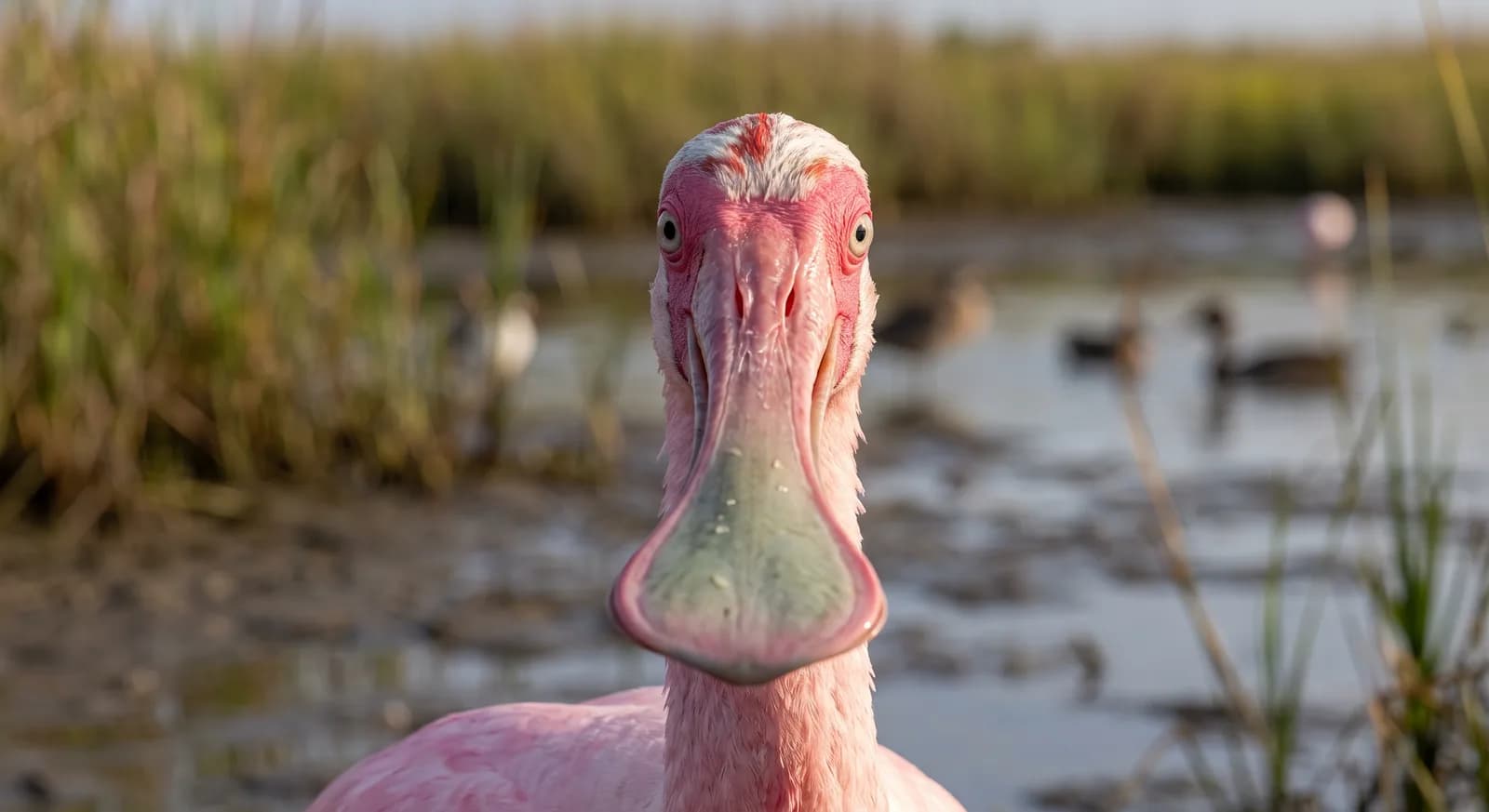
Roseate Spoonbill
Platalea ajaja
 Least Concern
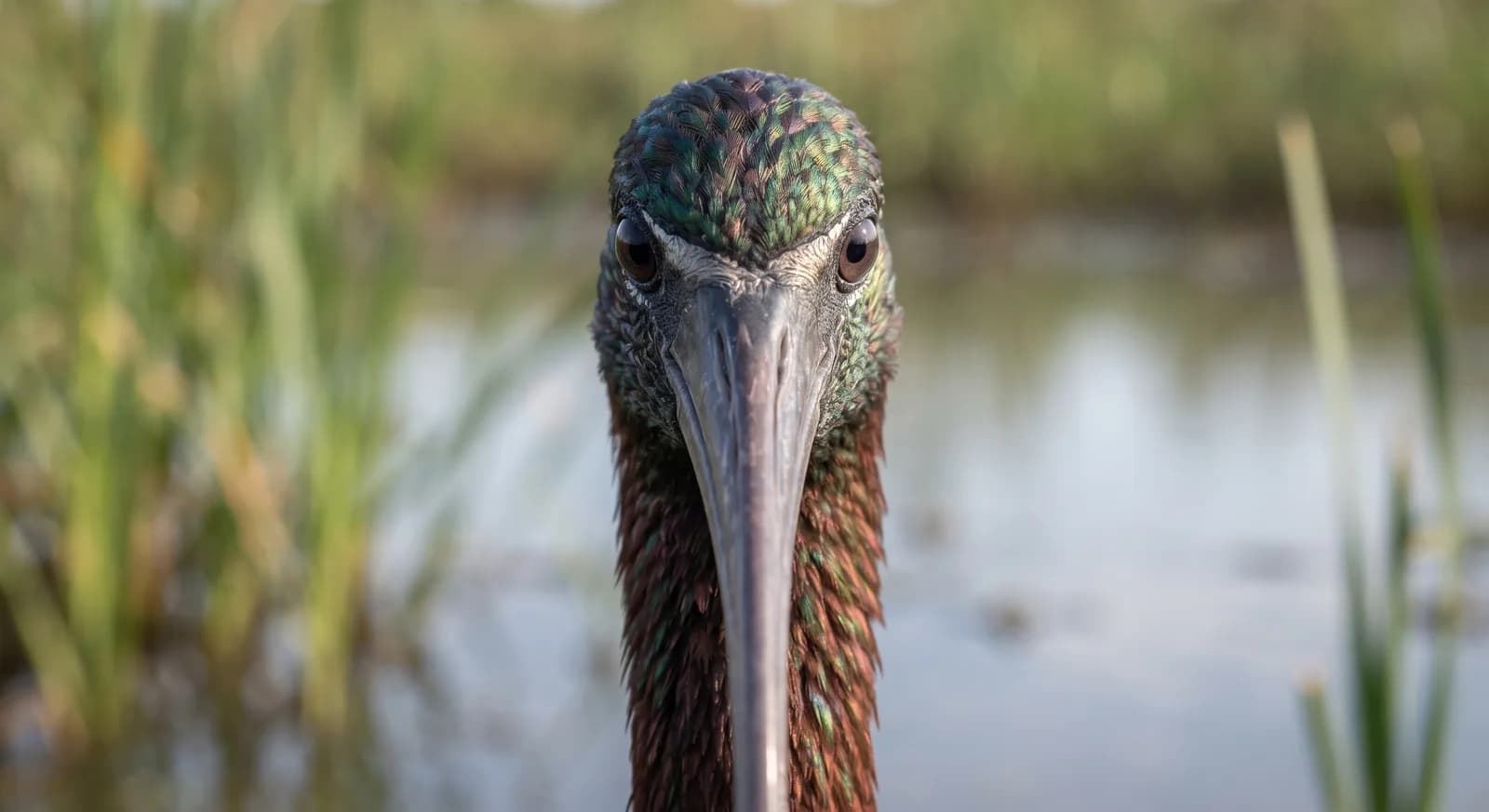
Glossy Ibis
Plegadis falcinellus
 Least Concern
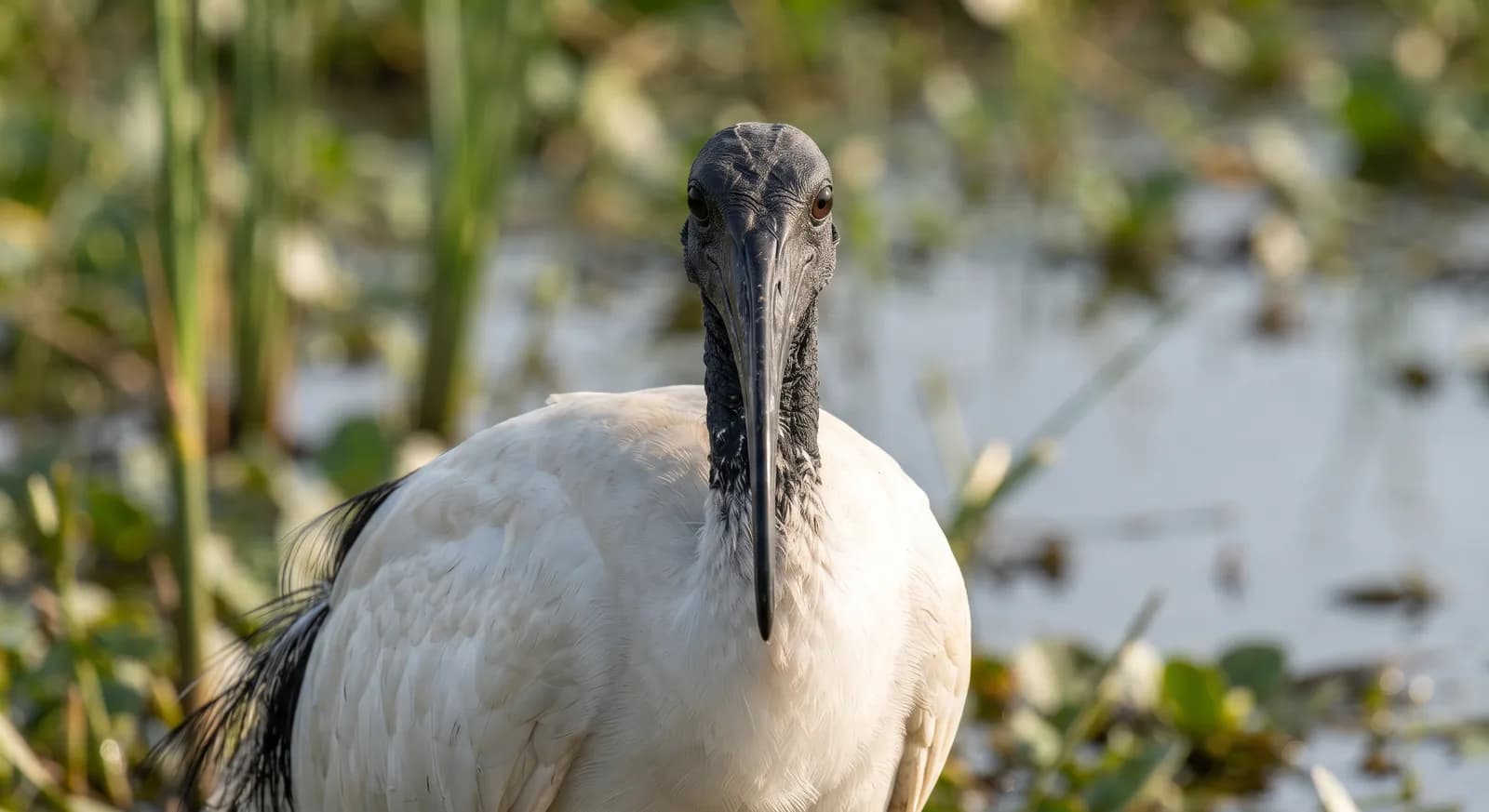
African Sacred Ibis
Threskiornis aethiopicus
Greater Bulldog Bat
Noctilio leporinus
Smooth-billed Ani
Crotophaga ani
Keep exploring
Based on what we already know about scarlet ibis.
Comments
Share an experience, a fun fact or a tip for seeing the scarlet ibis.
Be the first to comment.